
Mokpo Nakji Guide: Sebal-Nakji and Where to Eat
Plan Mokpo nakji: what sebal-nakji is, raw vs soup vs stir-fried styles, how to order, safe-eating tips, and how it fits a Mokpo food day.
On this page
Last updated November 2026: Mokpo nakji usually means sebal-nakji (세발낙지), the thin-legged octopus from the mudflats around the city. Locals and visitors eat it raw, in a clear soup, or stir-fried. Use this guide to pick a style, order with confidence, and chew safely.
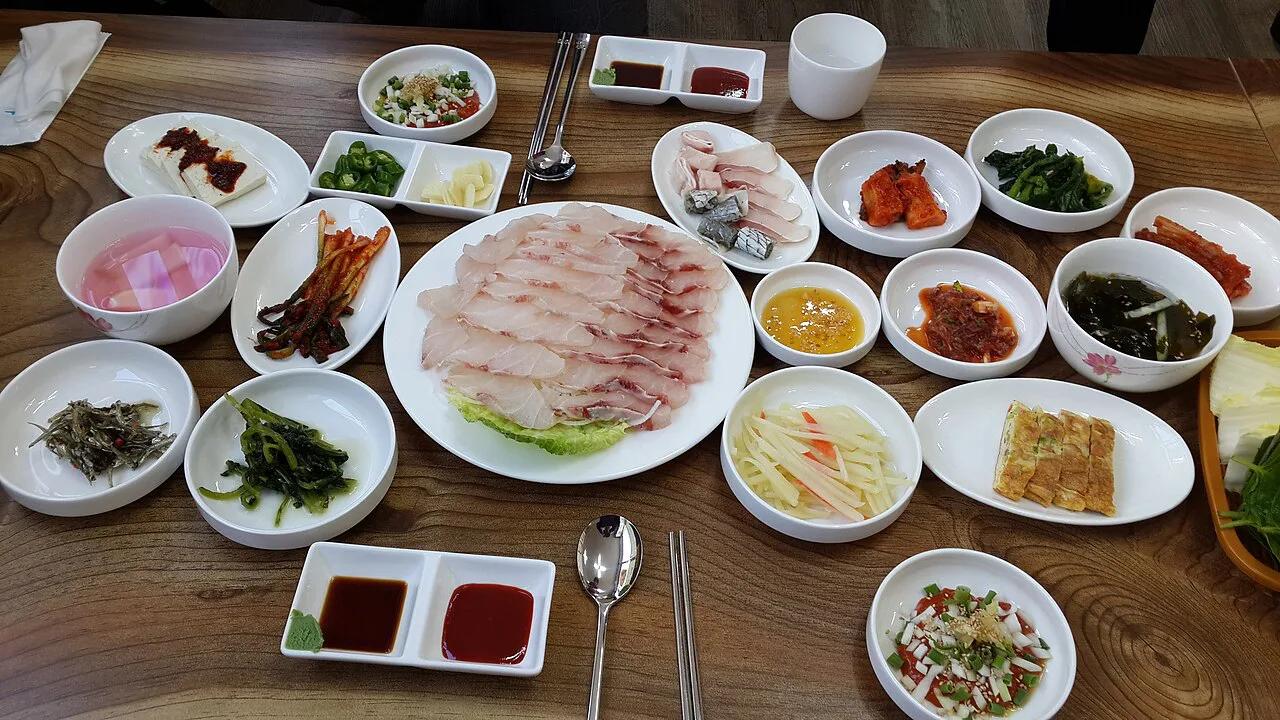
Featured image: Mar del Este This photo was taken with Samsung Galaxy S4, CC BY-SA 4.0, via Wikimedia Commons.

What Is Mokpo Nakji (Sebal-Nakji)?
Nakji (낙지) is the Korean word for small octopus. Sebal-nakji (세발낙지) is the thin-legged type tied to the mudflats around Mokpo. Korea's national tourism body describes Korea's octopus dishes across several regions, and Mokpo's version stands apart for its delicate flavour. Searches for nakji-bokkeum or nakgopsae often return recipes. This guide covers eating in Mokpo, not cooking at home. Sebal-nakji is a light, not-spicy dish, so it differs sharply from the red stir-fries many visitors expect. For the wider picture of local dishes, start with our Mokpo food guide.

How Mokpo Nakji Is Served: Raw, Soup, or Stir-Fried
Three styles dominate menus. Raw sebal-nakji is sometimes wound whole around a chopstick. Clear soup, known locally as yeonpo-tang (연포탕), is the gentlest option. Nakji-bokkeum (낙지볶음) is the spicy stir-fry, a common Korean dish that is easy to confuse with the Mokpo style.

| Style | Texture and flavour | Spice level | Best for |
|---|---|---|---|
| Raw (sebal-nakji) | Chewy, clinging suckers, light and clean | Not spicy | Confident eaters who want the purest taste |
| Clear soup (yeonpo-tang) | Tender octopus in a light broth | Not spicy | First-timers, cooler evenings, cautious eaters |
| Stir-fried (nakji-bokkeum) | Chewy, coated in sauce, rich | Spicy | Spice lovers and rice-heavy meals |
How to Order and Eat Nakji Safely
Ask for sebal-nakji by name and say whether you want it raw or cooked. Staff in Korean restaurants usually respond well to a few set phrases. Live octopus is sometimes called sannakji (산낙지), so ask if you are unsure what arrives at the table. Raw suckers cling to the throat, so cut pieces small and chew each one thoroughly. Children, older diners, and anyone wary of choking should choose the soup instead.
- 세발낙지 주세요 (sebal-nakji juseyo): sebal-nakji, please.
- 연포탕 주세요 (yeonpo-tang juseyo): clear octopus soup, please.
- 안 매운 걸로 주세요 (an maeun geollo juseyo): not spicy, please.
- Mistake to avoid: swallowing raw pieces without chewing well.
- Mistake to avoid: assuming every nakji dish is spicy, or that none is.
- Mistake to avoid: guessing whether a dish is live or prepared. Ask before it arrives.
Where to Eat Nakji in Mokpo
Pick between two settings rather than chasing one famous name. Market stalls suit casual, quick plates and let you see the octopus before it is served. Our Mokpo seafood market guide explains how to browse them. Sit-down restaurants offer a table, set menus, and a clearer soup or stir-fry option. Compare options in our best Mokpo restaurants list. Judge freshness by movement and smell. Fresh octopus looks lively or firm, never slimy or sour. Ask for sebal-nakji specifically, since larger octopus is often sold under the same general name.

Cost, Timing, and Logistics
Portion prices and the live-octopus season vary by restaurant and year, and no fixed figure is published. Check Mokpo City's official tourism pages for current details.
Fitting Nakji Into a Mokpo Food Day
Treat nakji as a dinner dish, since that is when it is typically eaten. Spend the day on other local seafood first. Our guide to Mokpo's fermented skate specialty covers a very different flavour, so keep it as a separate meal rather than pairing both in one sitting. Soup suits a cold evening and raw nakji suits a warm one. Choose one style per meal and leave the stir-fry for a second visit if you want to compare.
A Simple First-Time Mokpo Nakji Meal Plan
For a first Mokpo nakji meal, choose 1 of the 3 common styles rather than trying to compare everything at one table. This makes the order clearer and lets you match the dish to your comfort level.

Choose yeonpo-tang if you want tender octopus in a light, non-spicy broth. It is the easiest starting point for cautious eaters and works well on a cool evening. Choose raw sebal-nakji only if you are comfortable chewing each small piece thoroughly. The suckers can cling, so do not rush.
Choose nakji-bokkeum when you specifically want a spicy, sauce-coated dish with rice. It is a useful contrast, but it is not the light sebal-nakji experience many visitors seek in Mokpo.
Plan a 2nd visit if you want to compare styles. Have soup or raw nakji for dinner first, then try the stir-fry on another meal. Keep fermented skate as a separate meal, since its strong flavour can overwhelm a delicate octopus dish.
Frequently Asked Questions
What is the Korean name for octopus?
Small octopus is nakji (낙지), the word used in Mokpo menus. Larger octopus is usually called munguh or muneo (문어).
What is Korean bokkeum?
Bokkeum (볶음) means stir-fried. Nakji-bokkeum is the spicy stir-fried octopus found across Korea, and it is not the light Mokpo sebal-nakji style.
Notes for your Korea trip
Optional updates to our city guides.
You might also like


Continue reading
More guides you'll find useful