20 Things to Do in Gyeongju: Silla Sights by Area
20 things to do in Gyeongju by zone: Silla tombs, Bulguksa and Seokguram, night views, local food, plus how many days to allow and how to get around.
On this page
Last updated November 2026: our list of 20 things to do in Gyeongju splits the former Silla capital into a walkable centre and out-of-town temples and lakes. Our editorial view is that one day covers the centre, while two days add Bulguksa and Seokguram. Bulguksa and Seokguram have free admission, and Daereungwon costs ₩3,000 for adults.
Featured image: Basile Morin, CC BY-SA 4.0, via Wikimedia Commons.
Gyeongju at a glance: pick your plan
Our rule of thumb splits Gyeongju into two zones. Central sights sit within walking distance of each other. From Donggung Palace, Daereungwon, Cheomseongdae and the National Museum are about 20 minutes away on foot. Temples and the lake need a bus or taxi. Visit Korea's English site lists the walking times for the central cluster. Use the table to pick a plan, then read the 20 entries in area order.
| Days | Zone | Must-sees | Best for |
|---|---|---|---|
| Half day | Centre | Daereungwon, Cheomseongdae, Woljeonggyo | Stopovers and first-timers short on time |
| 1 day | Centre | Add the National Museum, Hwangnidan-gil, Donggung Palace and Wolji Pond | History fans and couples who want night views |
| 2 days | Centre plus temples | Add Bulguksa and Seokguram on day two | Most first visits |
| 3 days | Centre, temples, hills | Add Namsan or Yangdong Folk Village | Hikers and slow travellers |
20 Best Things to Do in Gyeongju, Grouped by Area
Prices and hours checked November 2026. Entries run from the central tomb district outward to temples, lakes and food. Current notices sit on the Gyeongju tourism site.
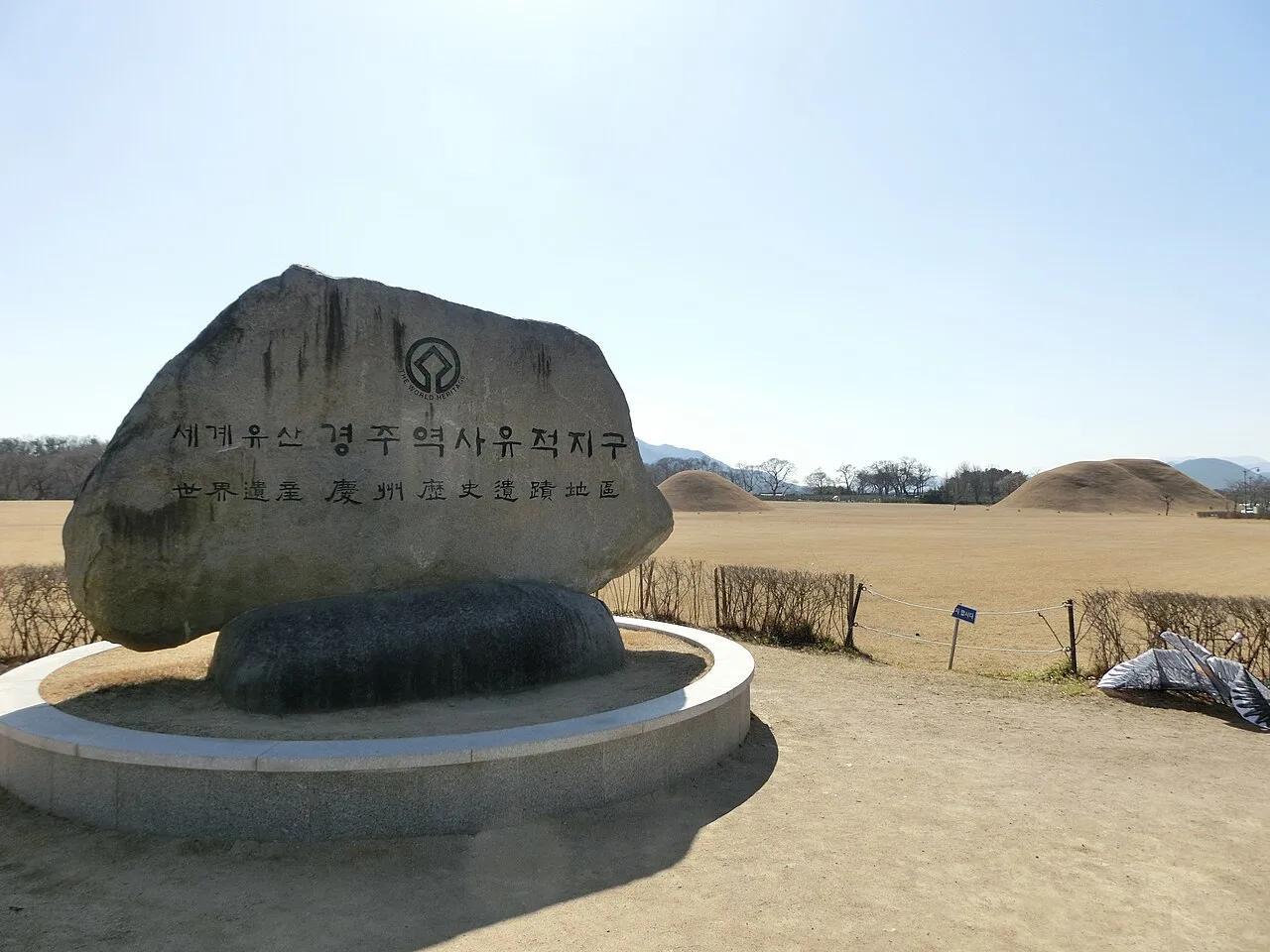
1. Daereungwon Tumuli Park
Daereungwon is the central tomb district, a park of grassy royal burial mounds at 31-1 Hwangnam-dong. We'd start here because it sets the Silla scale for everything else on this list. The main gate is open 9:00 to 22:00, with last admission at 21:30.
Tickets cost ₩3,000 for adults, ₩2,000 for teenagers and ₩1,000 for children. A public parking lot serves drivers. Cherry blossoms and magnolias bloom in spring, and white fringe tree follows in late spring. Skip the midday slot in summer, because this is an open site and the heat wears you down.
2. Cheonmachong Tomb
Cheonmachong, the Heavenly Horse Tomb, sits inside the Daereungwon grounds and is the one mound you can enter. Inside, displays show objects excavated from the tomb, including a gold crown and a heavenly-horse painting. It turns the grassy hills outside into something concrete: a royal burial chamber with its grave goods.
We'd see it before the National Museum, because the objects there make more sense once you have stood in a burial chamber. Plan it as a stop within your Daereungwon visit rather than a separate trip. Skip it if you prefer to stay outdoors, since the mounds themselves are the main sight.
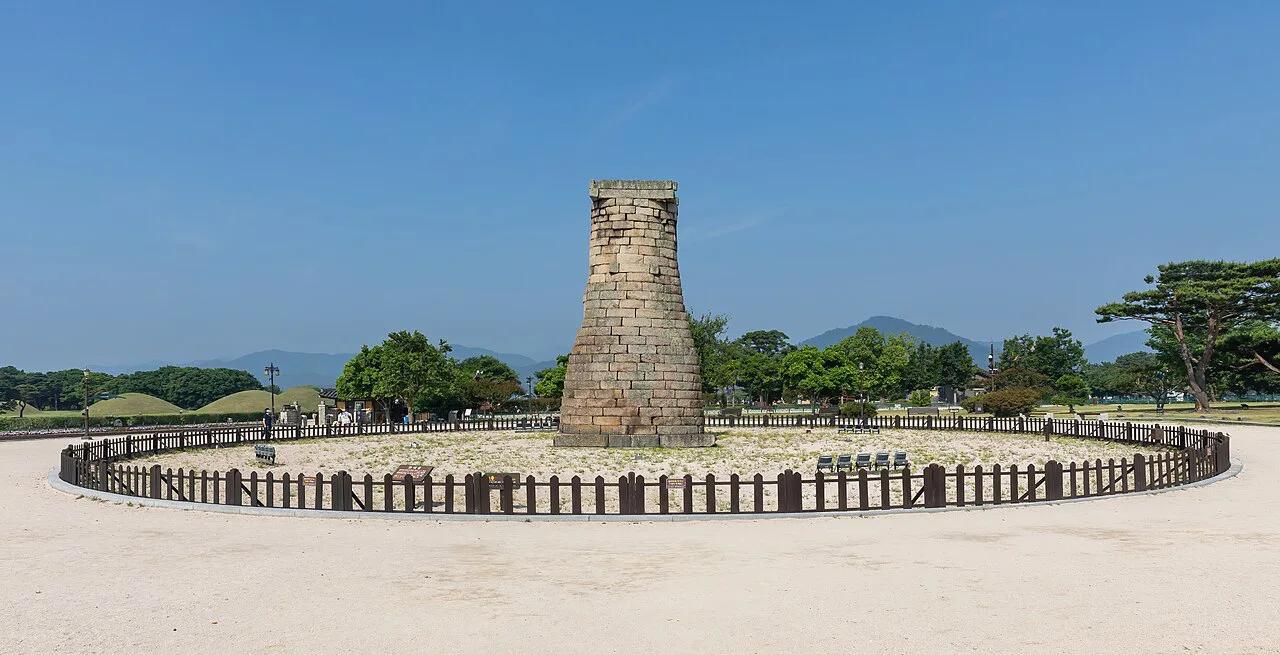
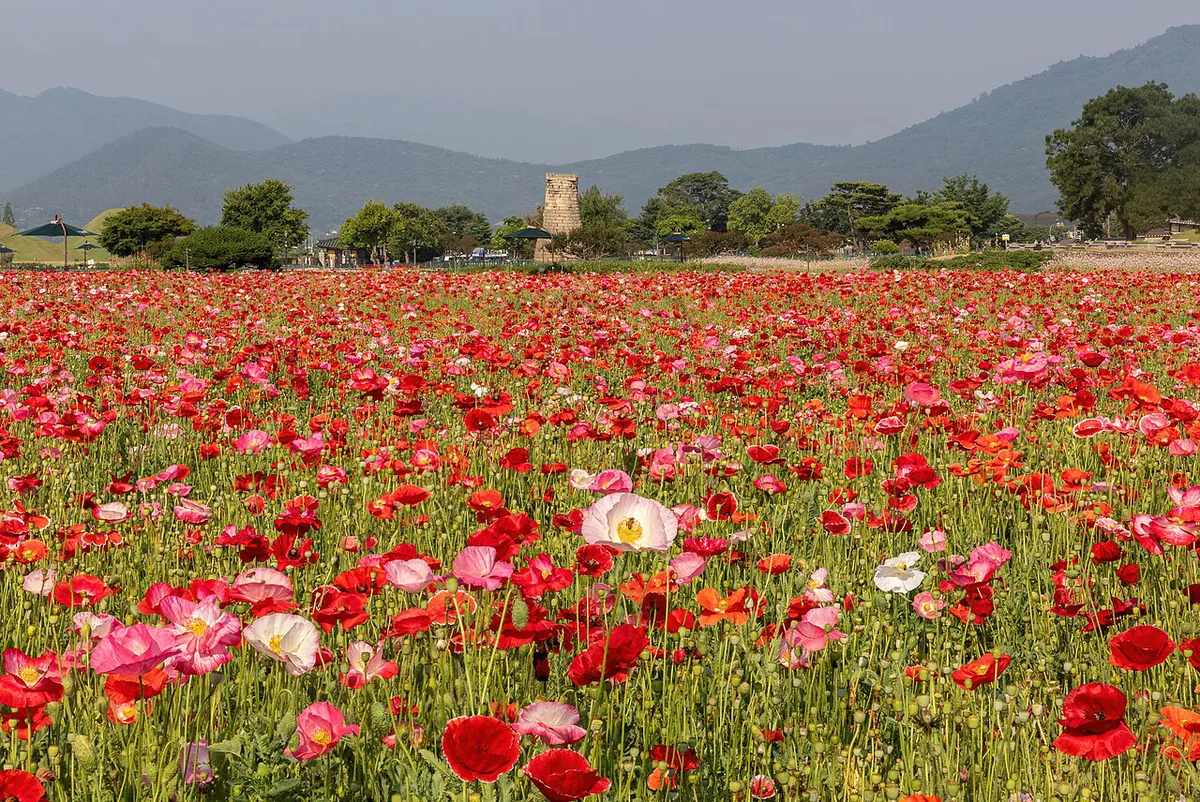
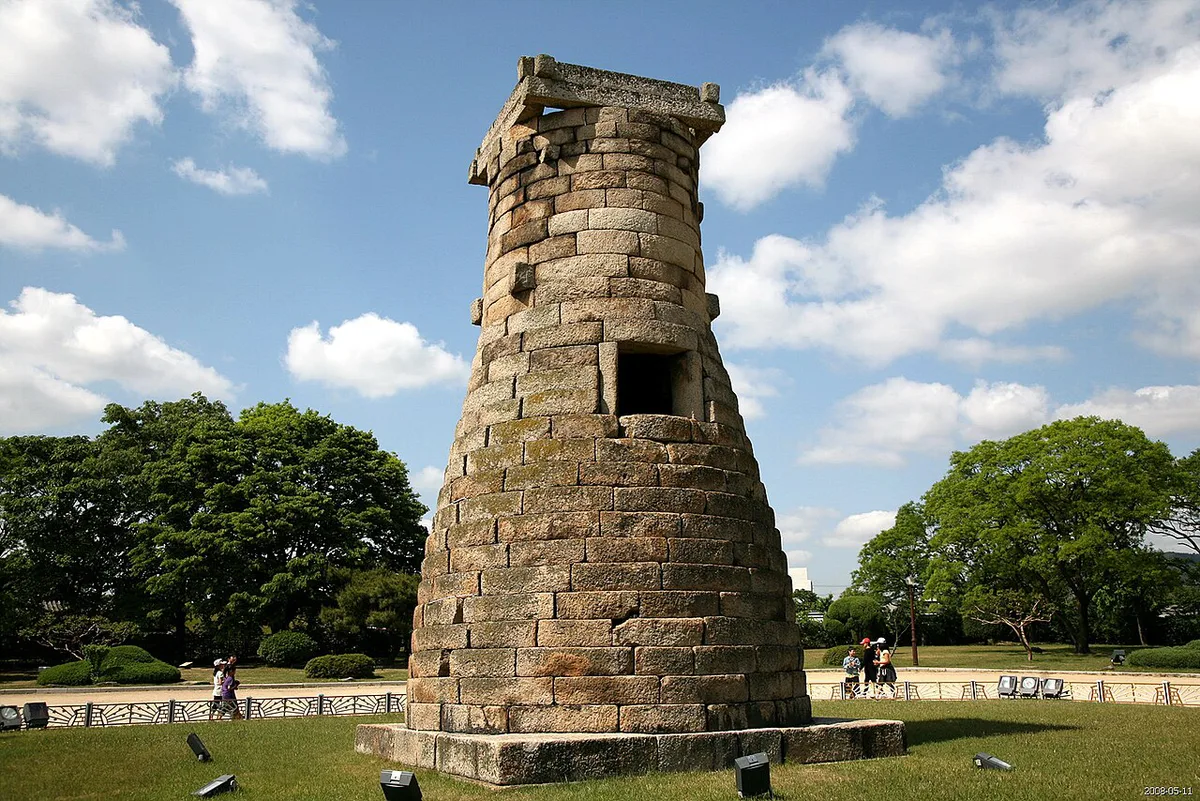
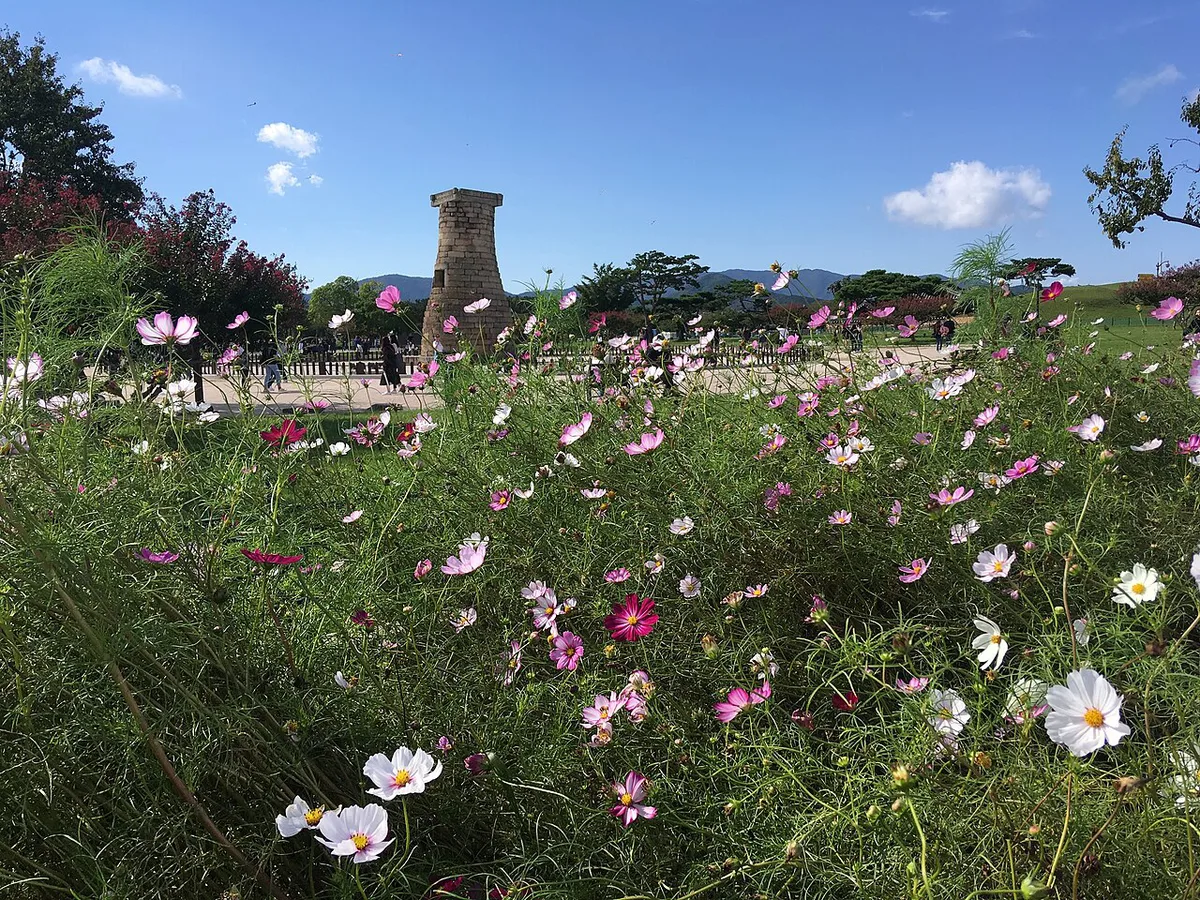
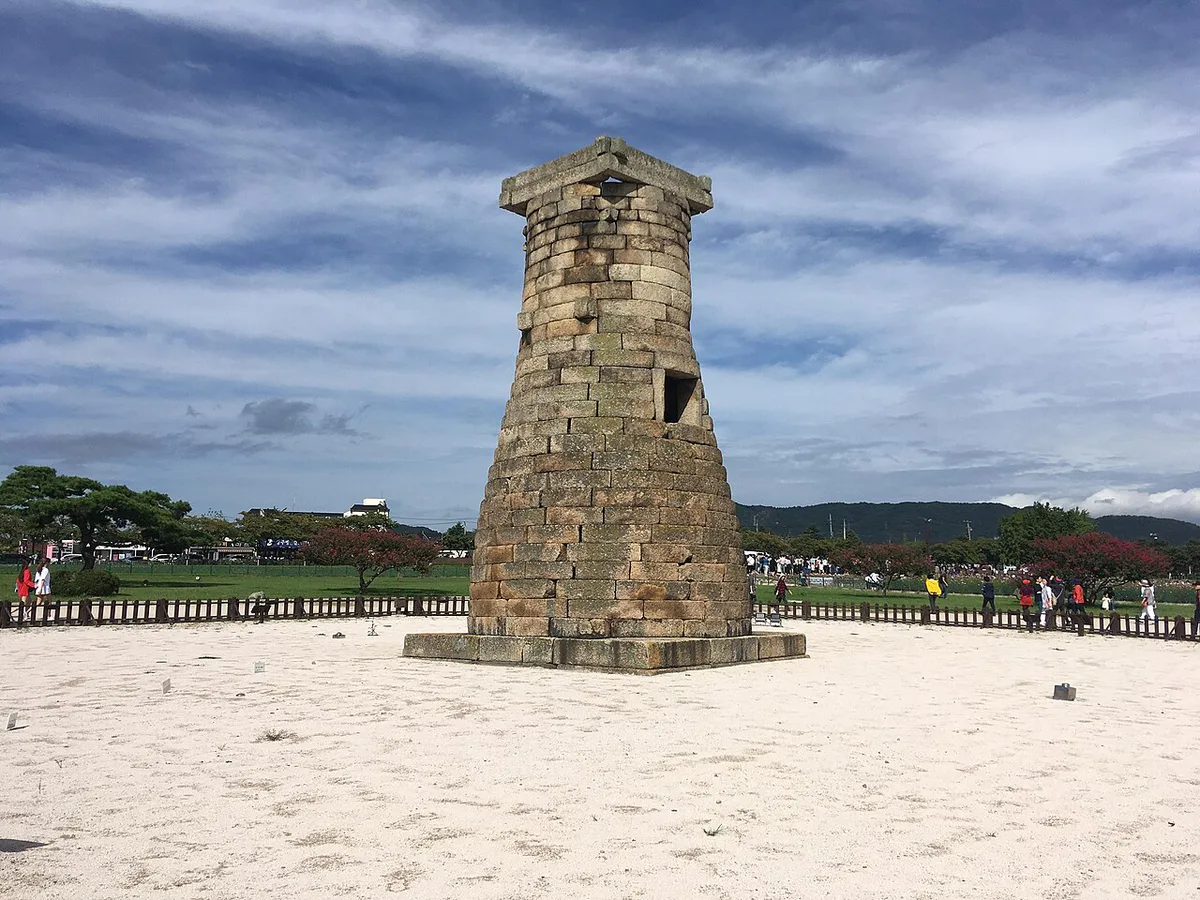
3. Cheomseongdae Observatory
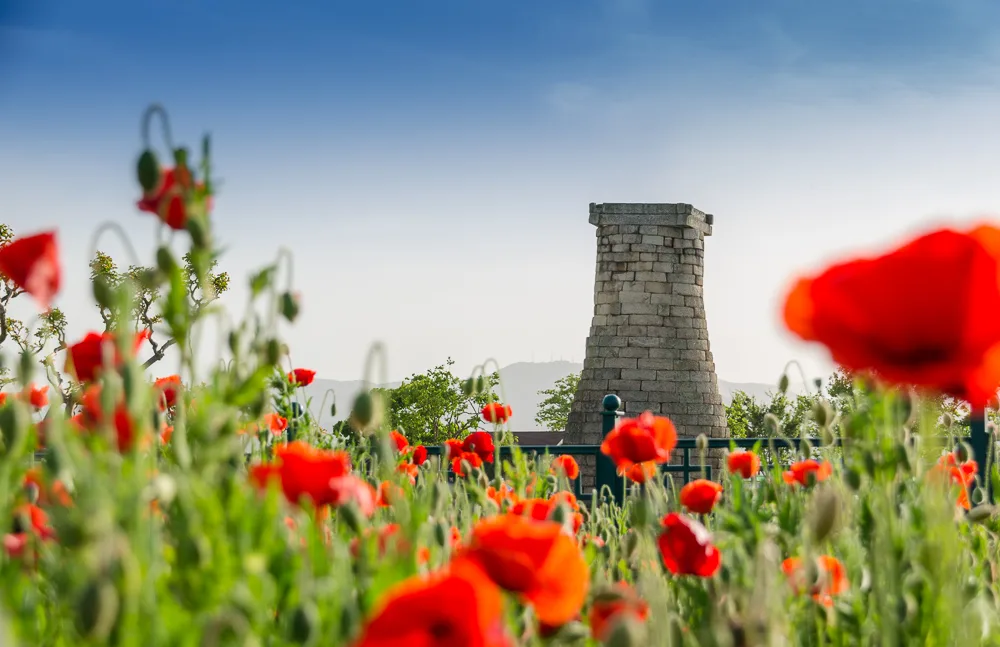
Cheomseongdae is a Silla stone observatory from the 7th century, linked to the reign of Queen Seondeok. It stands a few minutes' walk from Daereungwon, in the Gyerim Forest area. The tower is a short visit and an easy anchor for photos, especially in softer late-day light.
From September to November, pink muhly grass is widely photographed around it. Pair it with Daereungwon rather than giving it its own time slot. Skip a long stop if you want interior displays, because the National Museum covers the context.
4. Gyeongju National Museum
Gyeongju National Museum holds archaeological finds from the region, including Silla gold crowns and treasures from the royal tombs. It also houses the Emille Bell, which comes with a dark local legend. We'd visit on the second morning, after the tombs, because the objects explain what you walked past.
We give no hours here because published figures differ, so use the museum's official site for the current schedule. It is a short walk from Cheomseongdae and works well when rain rules out open-air sites. Skip it if you only have half a day.
5. Hwangnidan-gil
Hwangnidan-gil, also called Poseok-ro, is a street of hanok cafés, restaurants and boutiques at 1080 Poseok-ro. Entering the street costs nothing, though opening hours and holidays vary by store. We'd use it for lunch between the tombs and the evening lights, and for tteokgalbi or ssambap.
Browse Hwangnidan-gil's hanok cafés for a closer look at the street. It also counts among the no-cost stops, and our guide to free sights in Gyeongju lists more. Skip it if you are short on time and want only ancient sites.
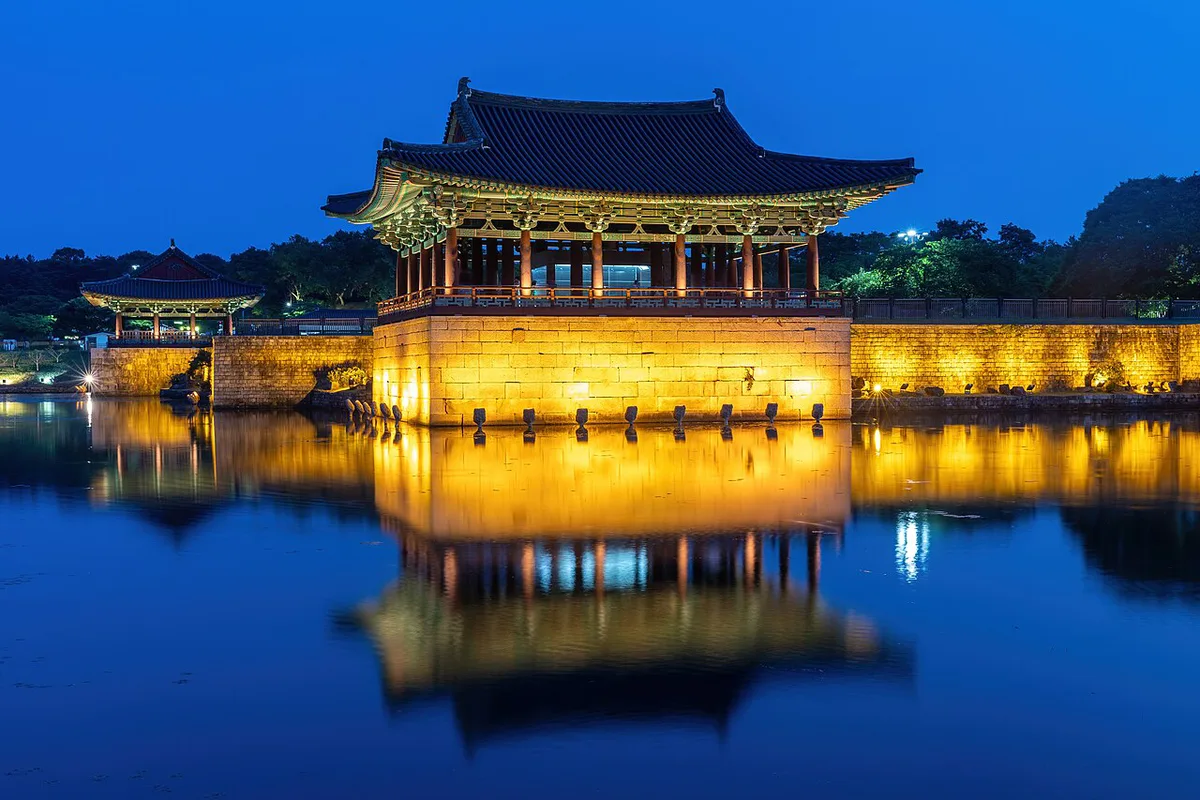
6. Donggung Palace and Wolji Pond
Donggung Palace and Wolji Pond, formerly known as Anapji, are open 9:00 to 22:00 at 102 Wonhwa-ro. Daereungwon, Cheomseongdae, Gyerim Forest, Gyochon Village and the National Museum are all about 20 minutes away on foot. The pavilions reflect in the water after dark, and that reflection is the reason to come. Be clear about what you see: the palace structures are reconstructions.
Nightfall brings crowds, so arrive around dusk and stay for the lights. Our guide to after-dark routes around Wolji covers the evening walk. Skip it if you want original ruins.
7. Woljeonggyo Bridge
Woljeonggyo Bridge crosses the Namcheon River at 274 Gyo-dong and is open 9:00 to 22:00. Walking across is free, and an exhibition hall in the gate tower opens at 10:00. From Gyerim it is about 1 km (0.6 mile), or 15 minutes on foot, on the night walking course.
The bridge is a reconstruction based on historical records and archaeological research. Late afternoon gives softer light and a calmer crowd, and the lights come on after dark. Skip it if you want original Silla timber.
8. Gyochon Village
Gyochon Village is a traditional hanok village about 20 minutes' walk from Donggung Palace. Its preserved houses are tied to the Choi family, a prominent clan from the Silla period. Lunch here could be bibimbap or makguksu, followed by a traditional teahouse.
Pair it with Hwangnidan-gil for contrast: old family houses here, newer cafés there. We'd treat it as a slow afternoon stop between the museum and the night sights. Skip it on a one-day trip, because it is the first thing we'd cut.
9. Hwangnyongsa Temple Site
Hwangnyongsa was one of the most important temples of the Silla period, and today foundation stones mark where it stood. The Mongol invasion of 1238 destroyed it. Excavated relics and a replica are displayed at the Hwangnyongsa Temple History and Culture Center.
It rewards people who like imagining a lost site more than looking at standing buildings. Allow a short stop, since the open ground is quick to cross. Skip it if you want buildings to photograph.
10. Bulguksa Temple
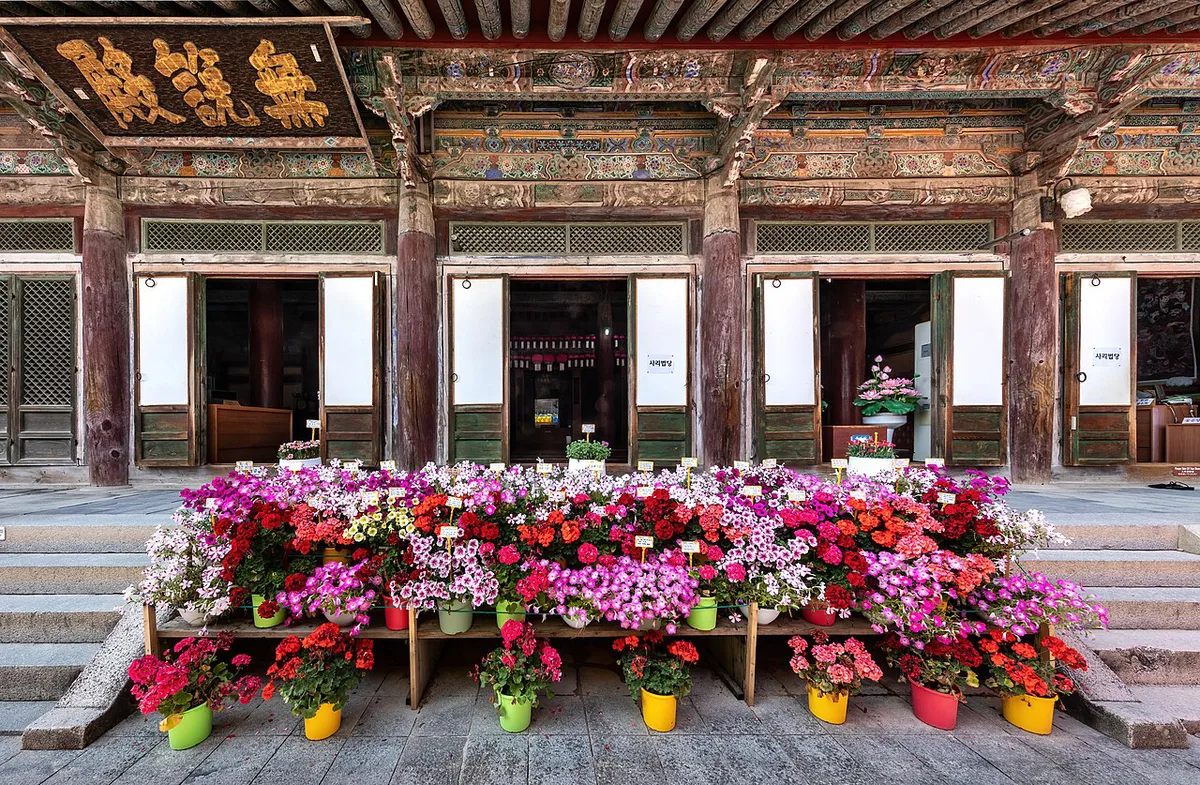
Bulguksa is an 8th-century Silla temple at 385 Bulguk-ro, known for its stone stairways and two pagodas, Seokgatap and Dabotap. Doors open at 9:00 AM every day, with no regular closing days. Admission closes at 5:00 PM from November to January, 5:30 PM in February and October, and 6:00 PM from March to September. Entry has been free since May 4, 2023, and parking costs ₩2,000 for cars.
City buses No. 10 and 11 run frequently from Gyeongju Station and the bus terminal. We'd go first thing, before tour groups, and save autumn foliage days for here. Pets are not allowed.
11. Seokguram Grotto
Seokguram is a man-made grotto on Mount Tohamsan at 238 Seokgul-ro, holding a seated Buddha that faces the sea. Hours match Bulguksa: 9:00 AM opening, with last entry at 5:00 PM from November to January, 5:30 PM in February and October, and 6:00 PM from March to September. Admission has been free since May 4, 2023, and parking costs ₩2,000 for small and medium vehicles.
Access can be restricted during heavy rain, typhoon or heavy snow warnings. We'd pair it with Bulguksa on one morning and use a taxi or a hike for the link between them. Skip it if mountain roads in bad weather worry you. Pets are not allowed.
12. Namsan Mountain Hikes
Namsan is a mountain of scattered Silla-era temple remains, stone Buddhas and pagodas, reached on hiking trails. Chilbulam Hermitage, with Buddha and bodhisattva images carved into rock, is one highlight. A full day suits it best, though even a short walk turns up carvings.
We'd make it the third-day pick for anyone who likes walking more than museums. Bring water and start early, since there are no sights to hurry between. Skip it if you dislike hiking or only have two days.
13. Yangdong Folk Village
Yangdong Folk Village is a hanok village where some houses are still lived in. Confucian academies, study halls and clan residences line its paths, and the settlement dates back more than 500 years. It sits outside the walkable centre, so plan a half day and ask your accommodation for the current bus or taxi route.
We'd choose it over Gyochon if you have a third day and want a lived-in village. Keep voices low and stay on the paths, since people live there. Skip it if you only have two days.
14. Poseokjeong Pavilion Site
Poseokjeong keeps a granite watercourse where Silla nobles floated cups and recited poetry. Buses run there from Gyeongju Station. The drinking-game story makes the carved channel easy to picture, even though the pavilion itself is gone.
It is a short stop that fits between the centre and a temple day. We'd add it when you have a spare hour and want something quieter than the tomb park. Skip it if you dislike sites where little remains standing.
15. Bomun Lake Resort Area
Bomun Lake sits about 10 km (6 miles) east of downtown at 446 Bomun-ro, Sinpyeong-dong. The lake area is open 24 hours with no closing days, and parking is available. Crowds arrive every April when cherry blossoms are in full bloom around the water.
Use it for an easy evening walk or as a quieter base for your stay. Our guide to Bomun Lake resort stays covers lakeside options. Skip it if you want to walk to the tombs, since it needs a bus or taxi.
16. Gyeongju World
Gyeongju World is a theme park with roller coasters, a drop tower and milder water rides. It is the family pick in a city otherwise built around tombs and temples. Admission and ride passes are priced separately, so compare both on the park's own site before buying.
We'd give it a half day, and not a heritage day. Skip it if you travel without children and prefer Silla history.
17. Teddy Bear Museum
Gyeongju's Teddy Bear Museum retells history with teddy bears dressed in traditional Korean clothing. It also has a 3D theater and a souvenir shop. Children get Silla history without a lecture, which helps after a morning of tombs.
Check the museum's current opening status before building a day around it. We'd slot it in on a rainy afternoon. Skip it if you travel without children.
18. Hwangnam-ppang (Gyeongju Bread)
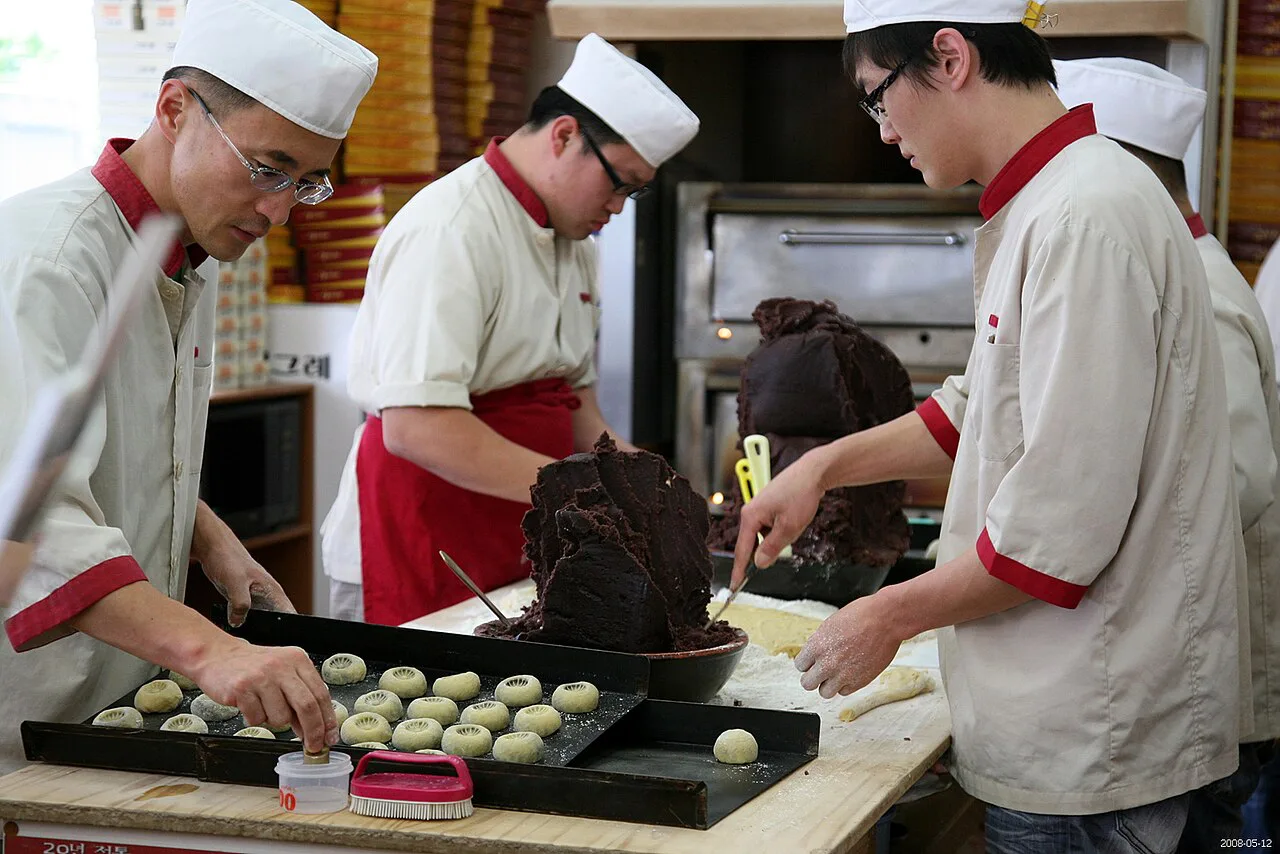
Hwangnam-ppang, or Gyeongju bread, is a soft pastry of eggs and wheat flour with a sweet red bean filling. A chrysanthemum pattern is stamped on top. Bakeries sell it in boxed sets that travel well as gifts.
We'd buy a small box near Hwangnidan-gil and eat the first one on the walk to Cheomseongdae. Skip it if red bean paste is not for you.
19. Ssambap, Tteokgalbi and Hanjeongsik
Ssambap is rice and side dishes wrapped in fresh leaves, and tteokgalbi is a grilled short rib patty served with rice. Hanjeongsik is a full set meal of soups, stews, vegetables and grilled fish. Hwangnidan-gil has many restaurants serving Korean food, which makes it the easy lunch stop.
We'd choose ssambap for lunch and a hanjeongsik set for the evening. Skip tteokgalbi if you avoid meat, and ask what the sides contain.
20. Gyodong Beopju Rice Wine
Gyodong beopju is Gyeongju's clear rice wine, described as sweet, slightly sour and refreshing. Brewing is reported to take about 100 days. Many local restaurants serve it, which saves a separate trip.
We'd order a small glass with dinner after the night sights rather than before them. Skip it if you don't drink alcohol.
How many days do you need in Gyeongju?
Day counts depend on how far out you go. We'd call one day the minimum for the centre and no more. Two days add Bulguksa and Seokguram, which is where we'd spend a second morning. Admission at both closes at 5:00 PM from November to January, so leave the temples for early in the day. A third day suits Namsan hiking or Yangdong Village. Half-day visitors should pick Daereungwon, Cheomseongdae and Woljeonggyo.
Daereungwon's main gate stays open 9:00 to 22:00, so its evening slot works after Bulguksa closes at 5:00 PM in winter.
| Days | What you gain | What you lose |
|---|---|---|
| 1 day | The central tombs, tower, street and night views | Bulguksa and Seokguram |
| 2 days | Both temples plus the centre | Namsan and Yangdong |
| 3 days | A hike or village visit at a slower pace | Nothing major in the core |
Best time to visit Gyeongju
Spring and autumn give the best walking weather in our editorial assessment. Cherry blossoms peak around Bomun Lake in April, and Daereungwon blooms with cherry and magnolia in spring. Autumn colour suits Bulguksa, which opens at 9:00 AM year-round. Summer midday heat makes open sites like Daereungwon tiring. Winter brings short days, with Bulguksa admission closing at 5:00 PM. On wet days, swap tombs for museum time using these wet-weather alternatives. Seokguram can restrict access during heavy rain, typhoon or heavy snow warnings.
How to get to Gyeongju and get around
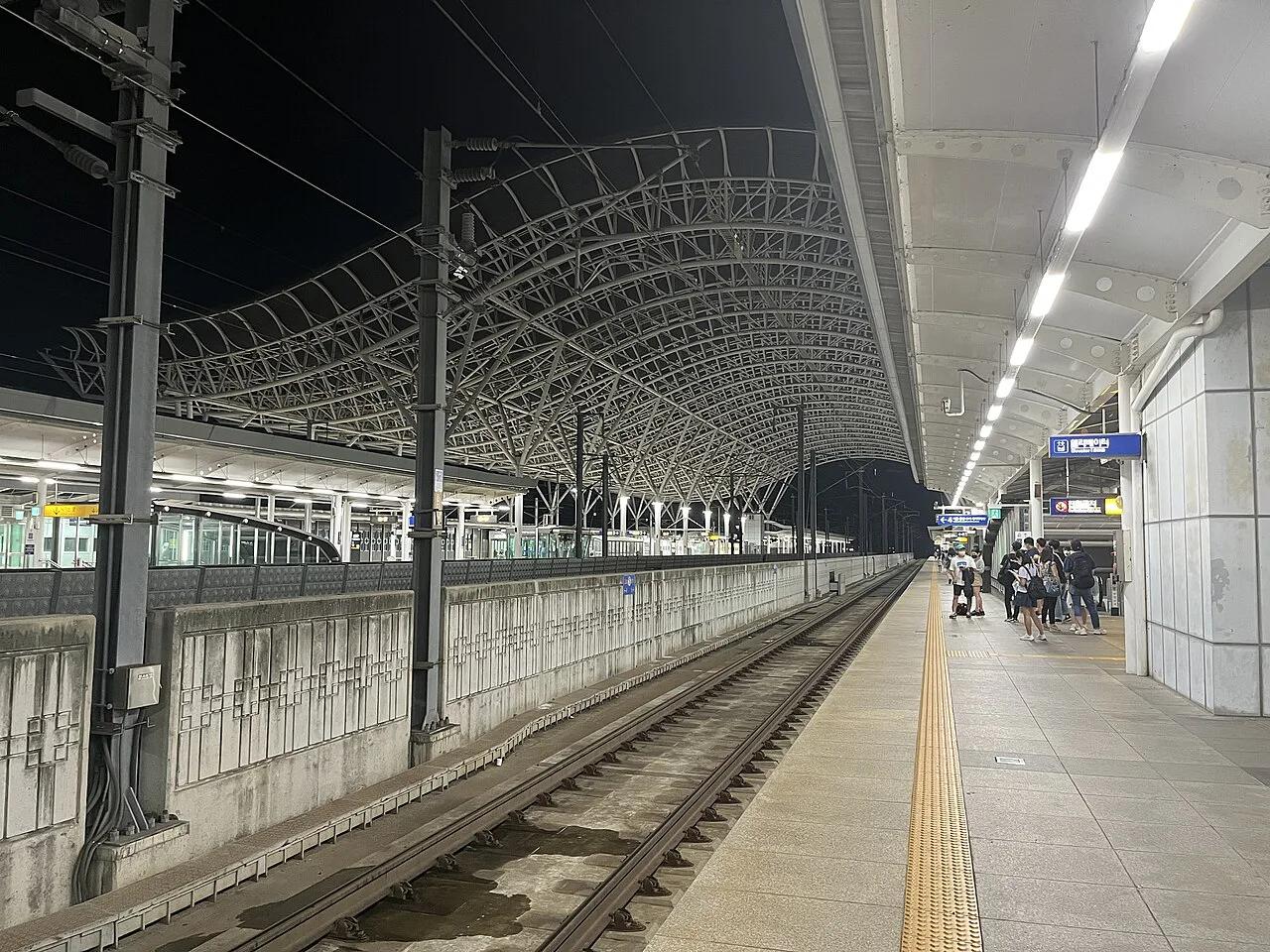
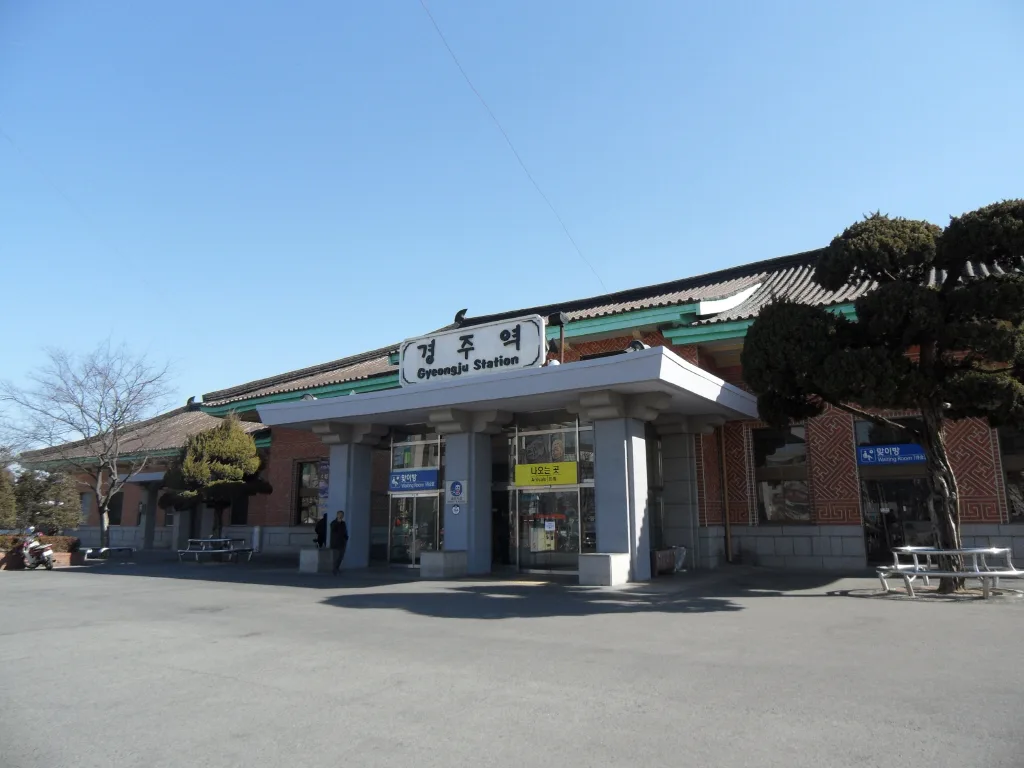
Most visitors arrive from Seoul or Busan. KTX trains from Seoul typically reach Singyeongju Station in 2 to 2.5 hours. A bus or taxi then covers 20 to 30 minutes into the centre. Express buses from Seoul take about 3.5 to 4 hours and end at the intercity terminal, which sits closer to the sights. Busan to Gyeongju by bus runs about 1 to 1.5 hours. Once there, city buses No. 10 and 11 run to Bulguksa from Gyeongju Station and the bus terminal. Rental bikes work for the central loop. Timetables and fares sit with Korail and the bus operators.
| Route | Typical time | Trade-off |
|---|---|---|
| Seoul by KTX | 2 to 2.5 hours, plus 20 to 30 minutes into town | Fast, but the station is outside the centre |
| Seoul by express bus | 3.5 to 4 hours | Slower, but it drops you near the sights |
| Busan by bus | 1 to 1.5 hours | Easiest route into the centre |
Where to stay in Gyeongju
Base yourself in the centre if you want to walk to Daereungwon and Hwangnidan-gil in the evening. Bomun Lake sits about 10 kilometers (6 miles) east of downtown and has parking. That suits a quieter resort stay, though you'll need a bus or taxi for the sights. Our pick for a first trip is the centre. Hotel prices vary by season, so compare listings for your dates.
Staying in the centre puts Daereungwon, Cheomseongdae and the National Museum about 20 minutes away on foot from Donggung Palace.
Common mistakes to avoid
Booking temples after a full centre day is the usual error. Bulguksa admission closes by 5:00 PM from November to January, and Seokguram follows the same hours. Expect only Cheonmachong to be enterable among the tombs. Arriving at Wolji Pond at nightfall means crowds. We'd go before sunset instead and stay for the lights. Last, don't assume the palace buildings are original, since the Donggung and Wolji structures are reconstructions, as is Woljeonggyo Bridge.
Which Gyeongju experience suits you?
First-time visitors should prioritize the centre, where a 1-day plan can include Daereungwon, Cheomseongdae, Hwangnidan-gil and evening views at Wolji. Those wanting the headline temple sights should allow 2 days. Use the second morning for Bulguksa and Seokguram, rather than squeezing them after a full day of walking.
History lovers will get the most from Cheonmachong, the National Museum and the temple sites. Couples can build an unhurried route around Hwangnidan-gil, Wolji Pond and the illuminated Woljeonggyo Bridge. Families may prefer to reserve a half day for Gyeongju World, then use the Teddy Bear Museum's 3D theater as a lighter rainy-day stop.
Hikers should add a third day for Namsan, where the experience is about trails and scattered carvings rather than a single landmark. Food-focused travellers should stay near the centre for easy access to ssambap, tteokgalbi and hanok cafés.
Explore More Gyeongju Guides
Keep planning your Gyeongju trip with these guides.
Gyeongju Guides
Going deeper on this theme? Our 5 Gyeongju Historic Areas Zones guide covers it in detail, with the practical planning this page leaves out.
Going deeper on this theme? Our Best Time to Visit Gyeongju guide covers it in detail, with the practical planning this page leaves out.
Going deeper on this theme? Our How to Get to Gyeongju guide covers it in detail, with the practical planning this page leaves out.
Going deeper on this theme? Our Getting Around Gyeongju guide covers it in detail, with the practical planning this page leaves out.
Going deeper on this theme? Our 6 Gyeongju Food Stops guide covers it in detail, with the practical planning this page leaves out.
Things to do in other cities
Notes for your Korea trip
Optional updates to our city guides.
You might also like
Continue reading
More guides you'll find useful