Best Time to Visit Gyeongju: Month-by-Month Guide
Spring and autumn are usually best for Gyeongju. Compare each month by weather, crowds, festivals and costs to choose your dates.
On this page
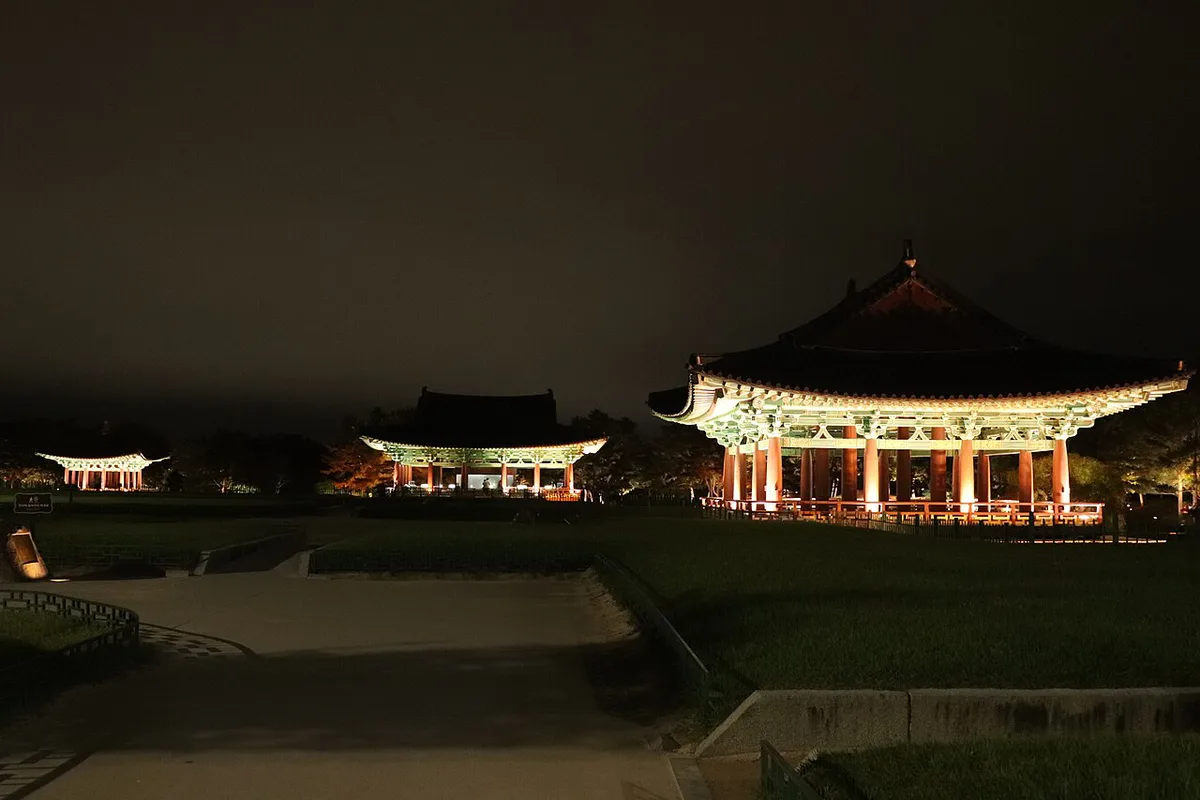
Last updated November 2026. The best time to visit Gyeongju is spring, from late March to April, for cherry blossoms around Daereungwon and Bomun Lake. Autumn is the runner-up, with foliage at Bulguksa and Wolji Pond lit after dark at Donggung Palace. Both seasons cost you crowds and tighter lodging, while summer heat and winter cold trade comfort for quieter streets.
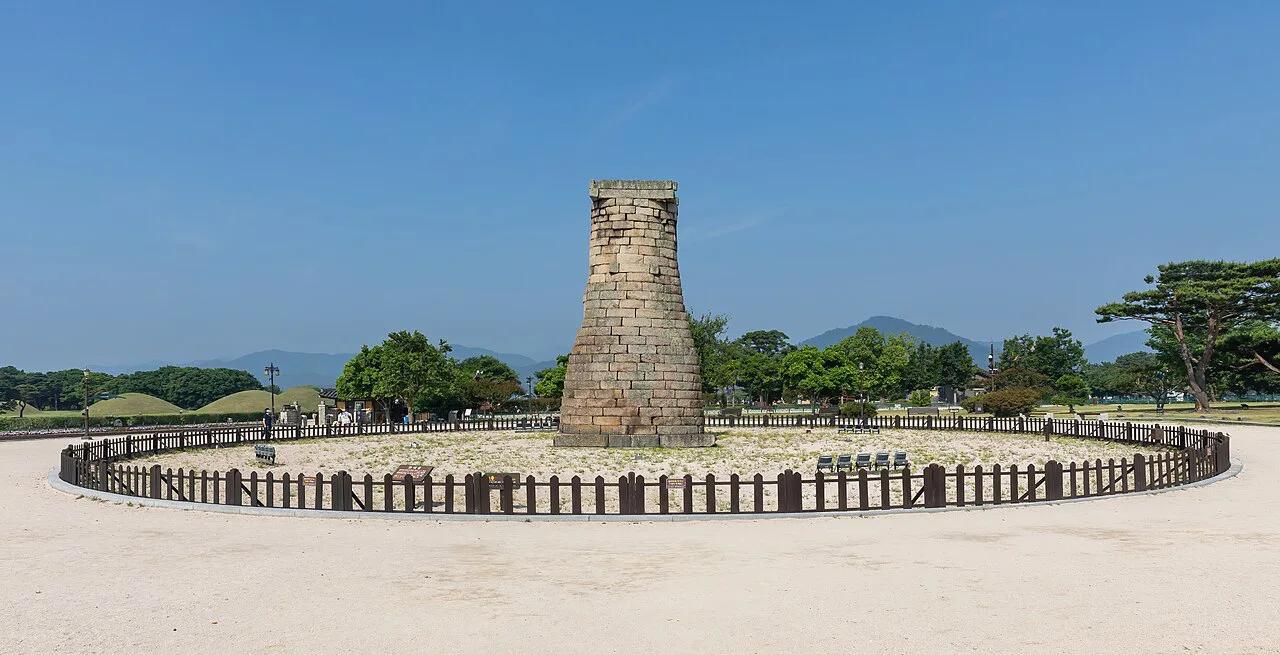
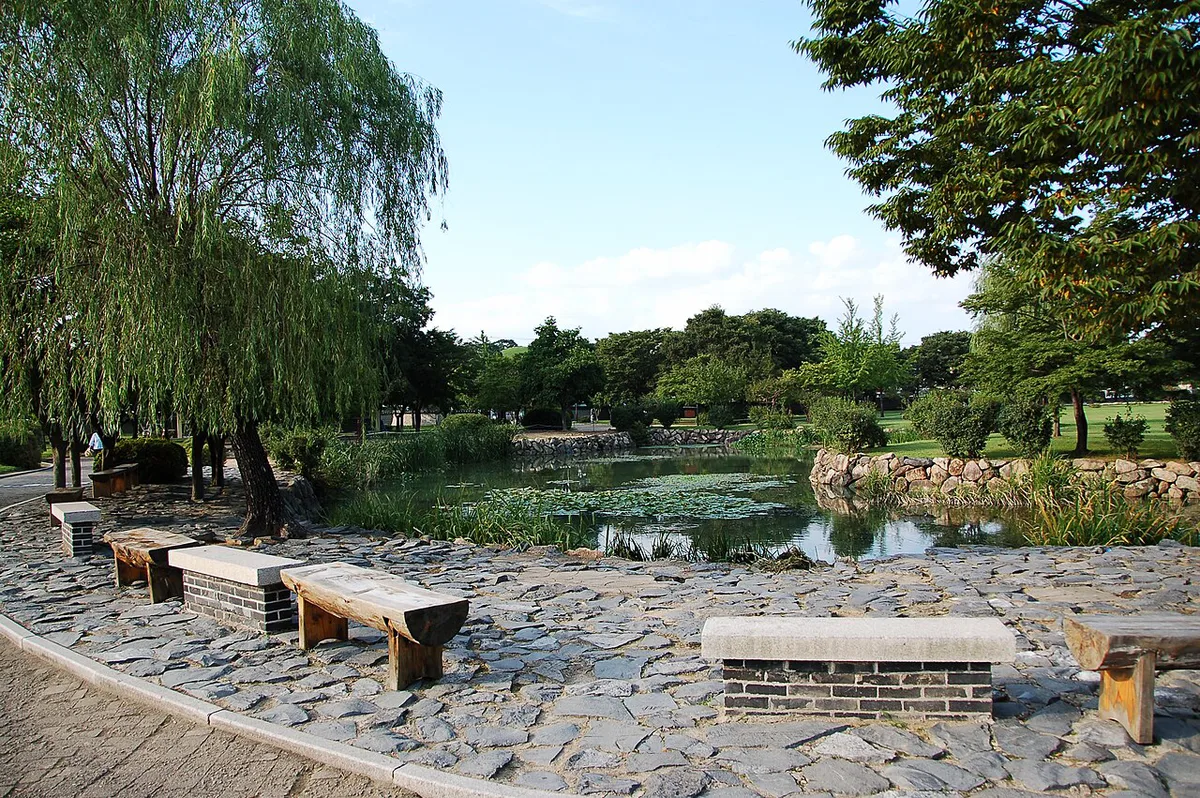
Featured image: Choi2451, CC BY-SA 3.0, via Wikimedia Commons.
Short answer: the best time to visit Gyeongju
Pick spring if blossoms are the goal. Bomun Lake draws crowds every April when the cherry trees are in full bloom, and Daereungwon adds magnolias in the same season. Pick autumn if you want comfortable walking and evening light. Donggung Palace is open 9:00-22:00, so you can pair a late-afternoon visit with a lit-up Wolji Pond. Summer and winter suit travelers who accept weather risk in exchange for space. Prices and hours below were checked November 2026.
| Traveler type | Best months | Main trade-off |
|---|---|---|
| Blossom photographers | Late March to April | Peak crowds at Bomun Lake; blossom timing shifts each year |
| Foliage and evening walks | October to early November | Weekend crowds at Bulguksa; earlier closing times than summer |
| Budget and quiet seekers | January to February, or June | Cold or heat limits time outdoors |
| Museum and temple focus | Any month | Outdoor tomb parks are best in mild weather |
Gyeongju season by season at a glance
Gyeongju is a walkable heritage city, so temperature and daylight shape your day more than any single festival. Monthly ranges below are approximate and drawn from published climate averages. The Korea Meteorological Administration publishes official normals and forecasts. Spring runs about 3-24°C (37-75°F) between March and May. Autumn runs about 11-26°C (52-79°F) between September and October.
| Season | Weather feel | Crowds and lodging | Main risk |
|---|---|---|---|
| Spring (Mar-May) | Cool mornings, mild afternoons | Highest around blossom weeks | Bloom dates move; rain can end petals early |
| Summer (Jun-Aug) | Hot and humid, rain spells | Lowest demand outside school holidays | Midday heat on open tomb parks |
| Autumn (Sep-Nov) | Dry, crisp, comfortable | High on foliage weekends and festival dates | Early closing times by November |
| Winter (Dec-Feb) | Cold, short days, occasional snow | Quietest | Frozen mornings; Seokguram access limited in heavy snow |
Spring (late March to May): blossoms and the busiest weeks
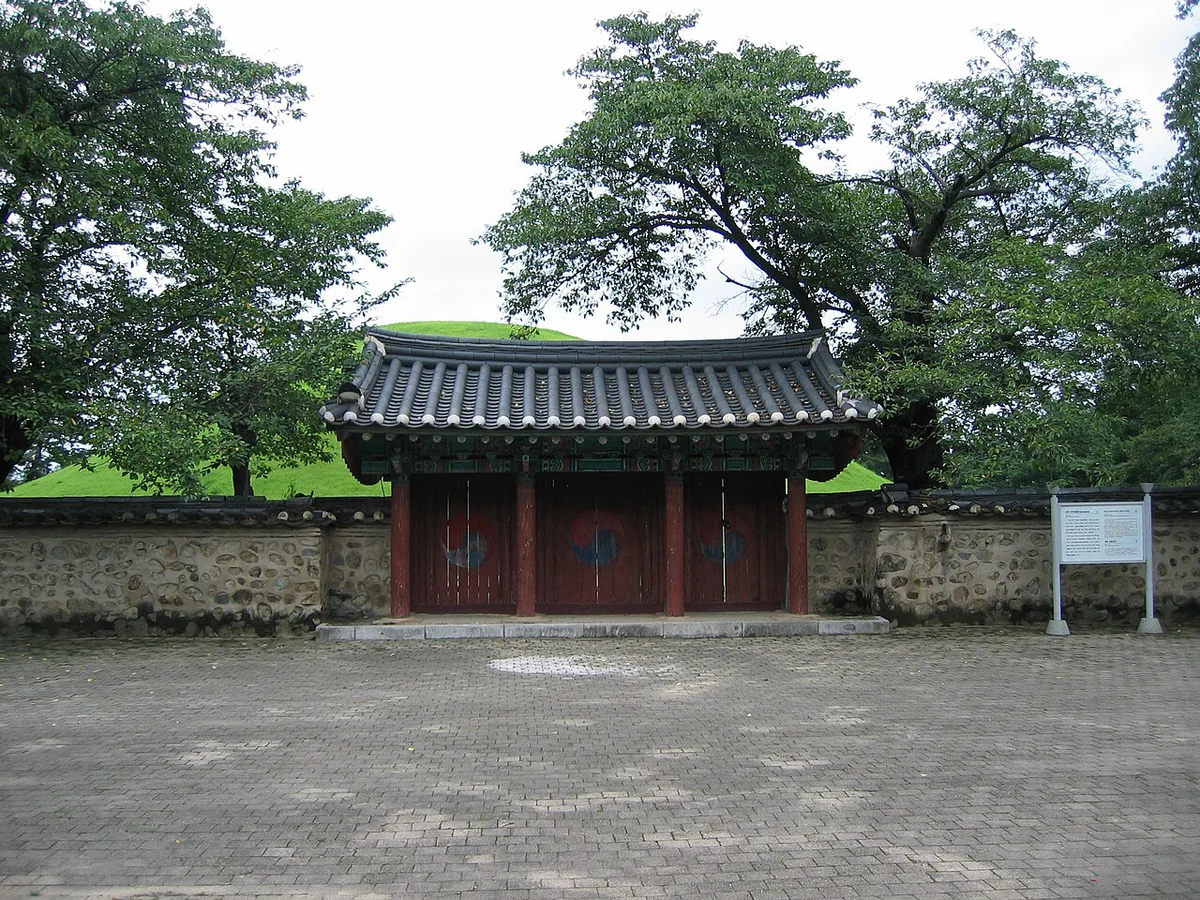
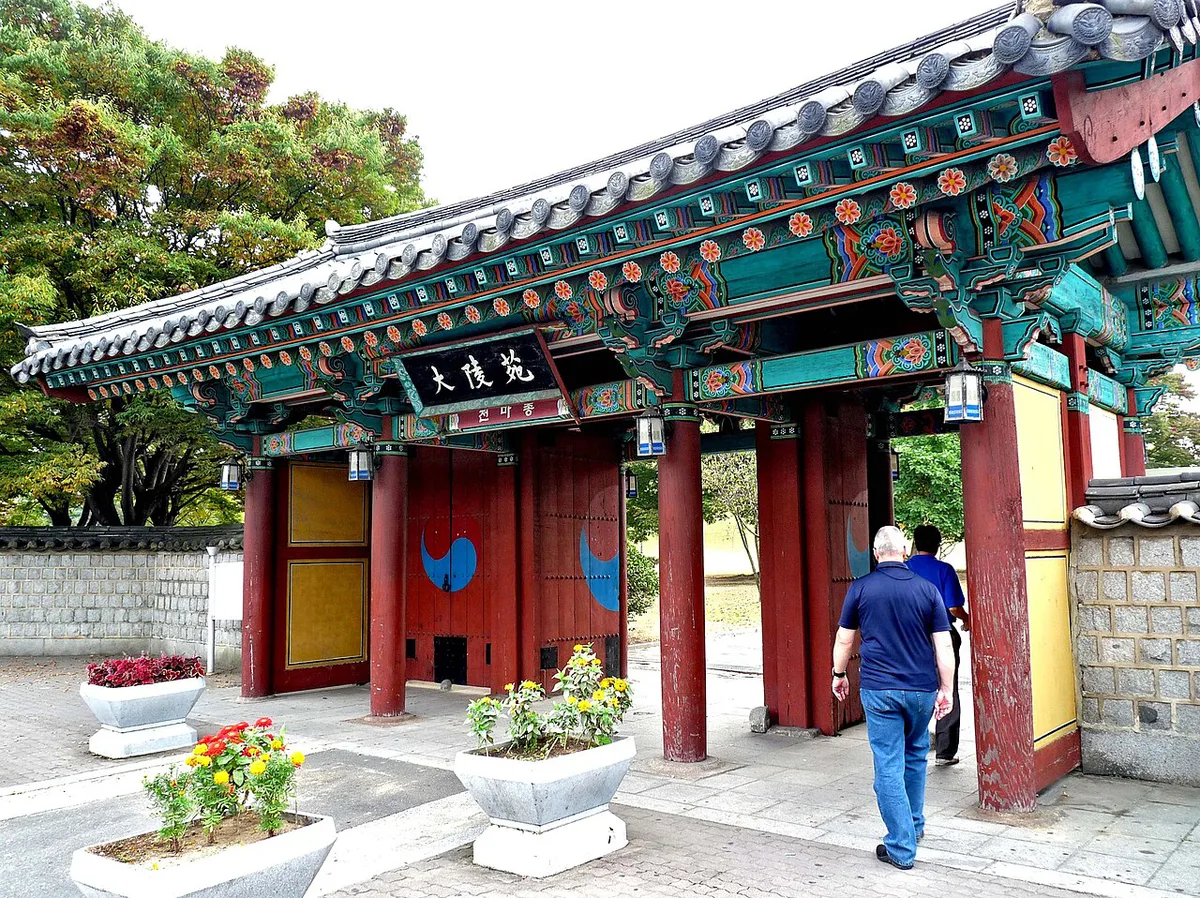
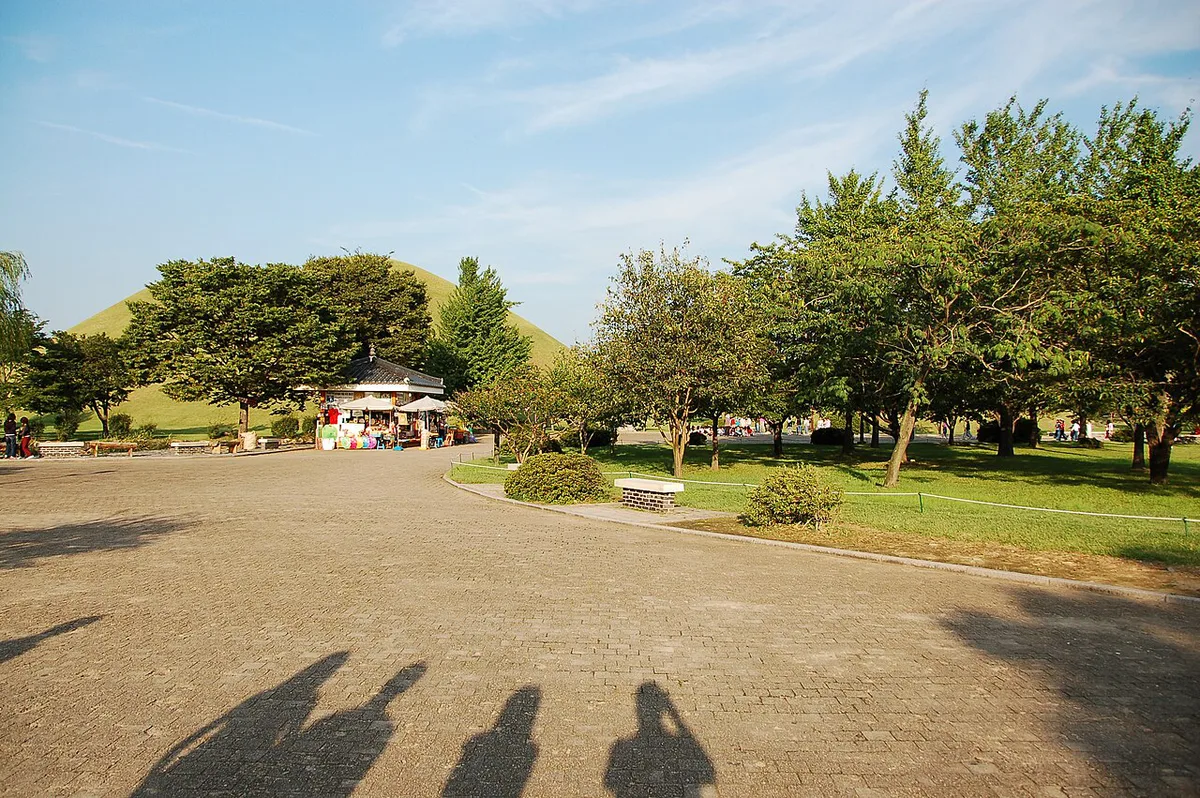
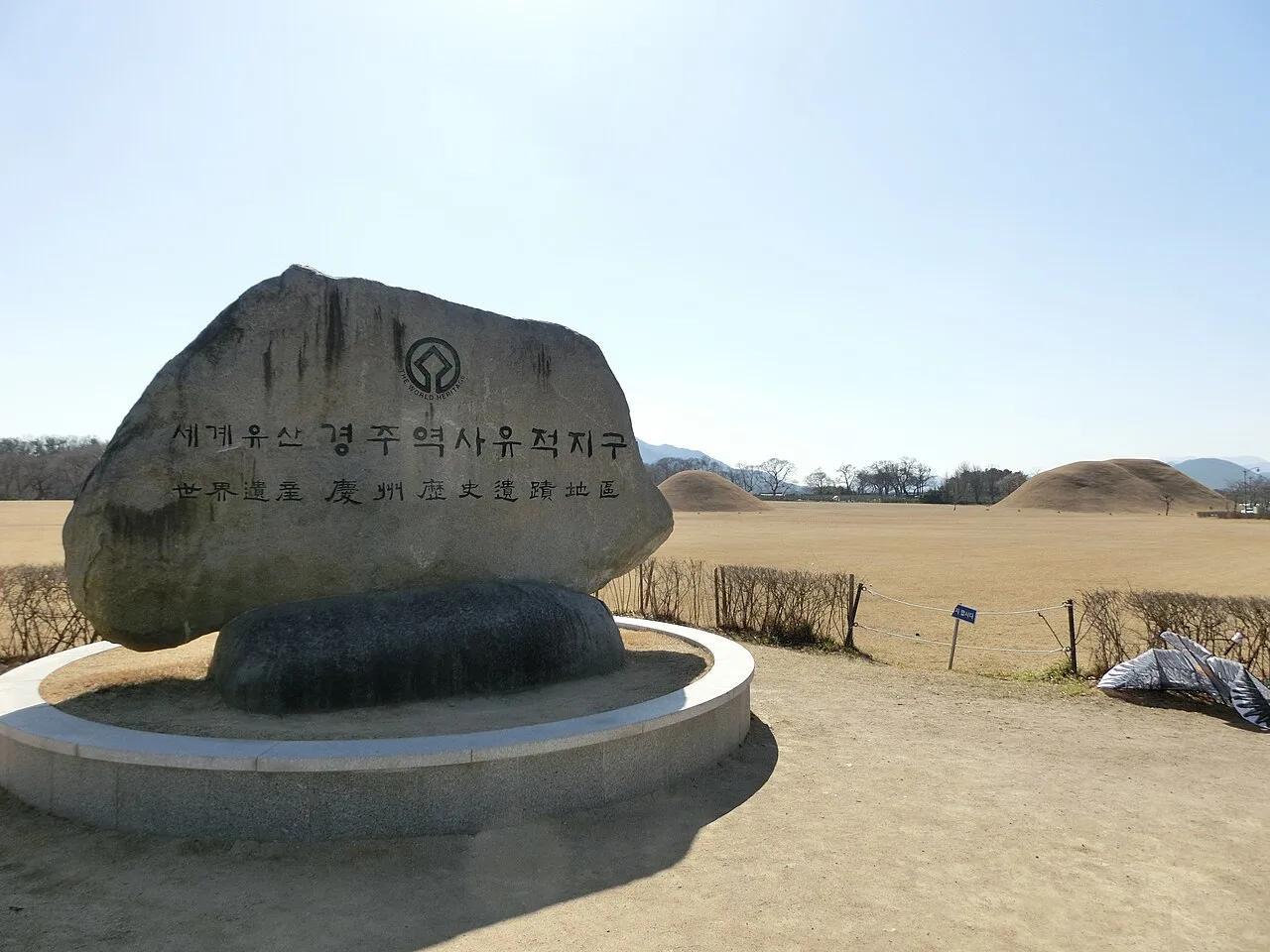
April averages roughly 8-19°C (46-66°F), which suits all-day walking. Daereungwon, open 9:00-22:00 with last admission at 21:30, mixes cherry blossoms and magnolias in spring, and white fringe tree blooms later. Entry is ₩3,000 for adults, ₩2,000 for teenagers and ₩1,000 for children. Bomun Lake is open 24 hours, about 10 kilometers east of downtown, so go at dawn to beat the April crowds. Blossom timing varies by year, so leave a few spare days around your target. Our cherry blossom viewing guide maps the best spots. Book lodging early for the first two weeks of April.
Summer (June to August): heat, rain and lower demand
July and August run about 22-30°C (72-86°F) at the daily range, and humidity makes midday walking tiring. Plan outdoor sights for early morning or evening. Daereungwon stays open until 22:00 and Donggung Palace until 22:00, so evenings work well. Bulguksa and Seokguram admit visitors until 6:00 PM from March to September. Bunhwangsa opens at 8:00 and is a short stop of about 1 hour. Rain spells can close access at Seokguram when warnings are in effect. Our Gyeongju weather guide covers rain patterns in more detail. Summer lodging is generally easier to find than in blossom or foliage weeks.
Autumn (September to November): foliage and night lighting
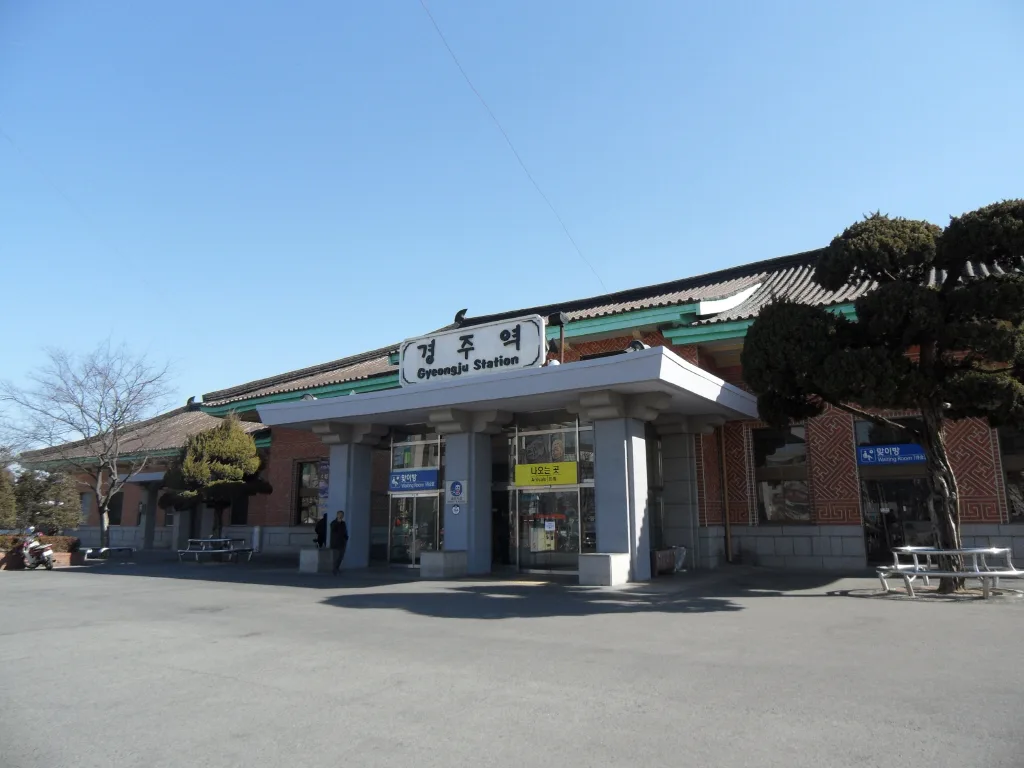
October averages about 11-20°C (52-68°F), the most comfortable walking weather of the year. Bulguksa is free to enter, with parking at ₩2,000 for cars, and city buses No. 10 and 11 run from Gyeongju Station and the bus terminal. Admission closes at 5:30 PM in October and 5:00 PM from November, so arrive early. After dark, Donggung Palace and Wolji Pond stay open until 22:00. Daereungwon is about 20 minutes on foot from Donggung Palace. Read our autumn in Gyeongju guide for foliage routes. Festival dates change yearly, so see the Silla culture festival page before booking.
Winter (December to February): quiet streets and cold
January is the coldest month, at about -5 to 5°C (23-41°F). Days are short, and Bulguksa admission closes at 5:00 PM from November to January. Seokguram follows the same hours, and heavy snow can restrict access to the grounds. Bunhwangsa closes at 17:00 in winter. Indoor stops and Daereungwon night walks work better than long outdoor days. Hwangnidan-gil is free to enter, though shop hours vary by store. Lodging is at its lowest demand, which is the main upside. Our winter in Gyeongju guide lists cold-weather routes.
Month-by-month calendar
Temperatures below are approximate daily minimum and maximum ranges from published averages. Use the official KMA climate data for exact normals. Crowd levels are editorial estimates, not counts.
| Month | Approx. range | What it's like | Crowds |
|---|---|---|---|
| January | -5 to 5°C (23-41°F) | Cold, clear, early sunsets | Low |
| February | -2 to 7°C (28-45°F) | Cold, thin crowds | Low |
| March | 3 to 13°C (37-55°F) | Early spring, first blooms late month | Moderate |
| April | 8 to 19°C (46-66°F) | Blossom peak | Highest |
| May | 13 to 24°C (55-75°F) | Green, mild | Moderate |
| June | 18 to 27°C (64-81°F) | Warm, humid, rain begins | Low |
| July | 22 to 29°C (72-84°F) | Hot, wet spells | Low |
| August | 22 to 30°C (72-86°F) | Hottest month | Low to moderate |
| September | 17 to 26°C (63-79°F) | Warm days, cooler nights | Moderate |
| October | 11 to 20°C (52-68°F) | Dry, foliage begins | High |
| November | 5 to 14°C (41-57°F) | Late foliage, early closing | Moderate |
| December | -3 to 7°C (27-45°F) | Cold, quiet | Low |
Choosing your dates: trade-offs and costs
Entry fees do not swing by season. Daereungwon is ₩3,000 for adults in April and in January, and Bulguksa is free all year. Parking is ₩2,000 at both Bulguksa and Seokguram for small and medium vehicles. The real swing is in lodging, which rises in blossom and foliage weeks and eases in summer and winter. Nightly rates are not published here, so compare your dates on a booking site. Choose blossoms or foliage first, then budget, crowd tolerance and heat tolerance. Add photography time at dawn and at night.
Avoid long walks between 12:00 and 15:00 in July or August. Daereungwon stays open until 22:00 for an evening loop.
- Mistake: booking a non-refundable stay for one fixed blossom date.
- Mistake: planning a long walking day between 12:00 and 15:00 in July or August.
- Mistake: arriving at Bulguksa after 5:00 PM in winter.
- Mistake: assuming festival weekends leave lodging and parking free.
Booking and logistics by season
Reserve lodging early for April and October. In summer and winter, you can usually book closer to departure. Buses No. 10 and 11 reach Bulguksa from Gyeongju Station, and Bomun Lake is about 10 kilometers east of downtown. For national information, see the VisitKorea Gyeongju page. Train and bus fares from Seoul or Busan change by operator, so confirm them on the operator's site. Opening hours at Bulguksa and Seokguram shorten in winter, so plan temple stops before 4:00 PM from November to January.
Temple visits at Bulguksa end at 5:30 PM in October, earlier than the 6:00 PM cutoff from March to September. Start early in autumn.
How many days to plan
One day covers Daereungwon, Hwangnidan-gil and Donggung Palace on foot, since Daereungwon and Donggung Palace are about 20 minutes apart. A second day adds Bulguksa and Seokguram by bus or car. Two nights suit spring and autumn, when Wolji Pond at night and slow mornings are the draw. In midsummer, split the day into a morning and an evening session. A one-night stay is enough in winter, when daylight is short.
Building the rest of the trip? Our Gyeongju attractions guide covers the sights, districts and logistics around this guide.
Best time to visit other cities
Frequently Asked Questions
How many nights to stay in Gyeongju?
Two nights fit most visits. Donggung Palace and Daereungwon stay open until 22:00, so one night lets you see them lit. A second night adds Bulguksa and Seokguram without rushing.
What is the weather like in Gyeongju in October?
October runs about 11-20°C (52-68°F), dry and comfortable for walking. Bulguksa and Seokguram close admission at 5:30 PM, so start the temple visit early.
Explore More Gyeongju Guides
Keep planning your Gyeongju trip with these guides.
Gyeongju Guides
Notes for your Korea trip
Optional updates to our city guides.
You might also like
Continue reading
More guides you'll find useful