Best Time to Visit Jeju: Month-by-Month Guide
Pick the right Jeju month by weather, flowers, crowds and cost. Compare seasons, typhoon and rain risks, and booking timing.
On this page
Last updated November 2026. The best time to visit Jeju is spring (April to May) or autumn (October), when temperatures sit between 14°C (57°F) and 21°C (70°F) and the rain is lighter. This page ranks each month by weather, flowers, crowds and risk, then points you to the detailed month guides.
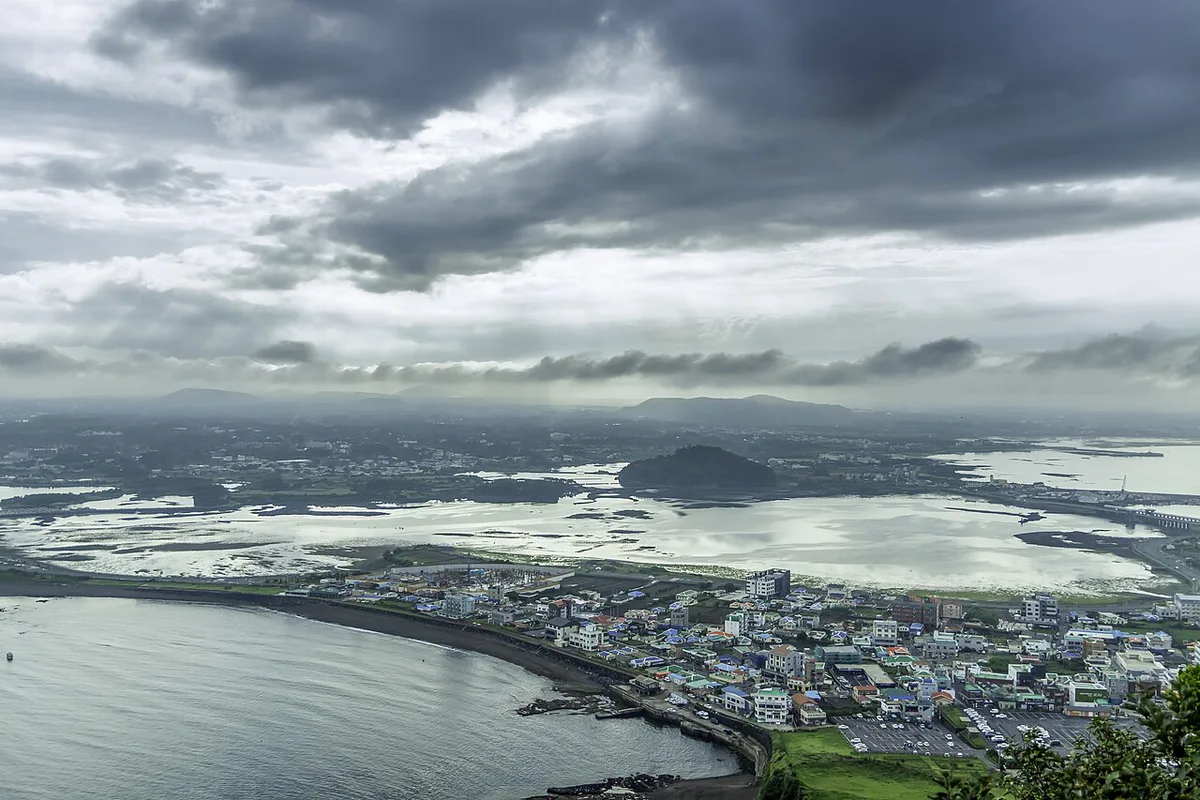
Featured image: Basile Morin, CC BY-SA 4.0, via Wikimedia Commons.
Best Time to Visit Jeju: The Short Answer
Choose April or October for the most reliable mix of mild weather and open trails. April brings canola and cherry blossom. October brings silvergrass on the oreum and the driest stretch of the year. July is the wettest month, and August carries typhoon risk. Winter is mild by Korean standards but windy. Pick by priority:
- Flowers: late March to April. See bloom timing and viewing spots and the canola field calendar.
- Hiking and photography: October, with silvergrass across Saebyeol Oreum.
- Beach days: late July to mid-August, accepting rain and typhoon risk.
- Quiet and value: January on the island, with strong coastal wind.
- Tangerines: November to winter. Read about picking tangerines in the orchards.
- First-timers: April or October, booked early.
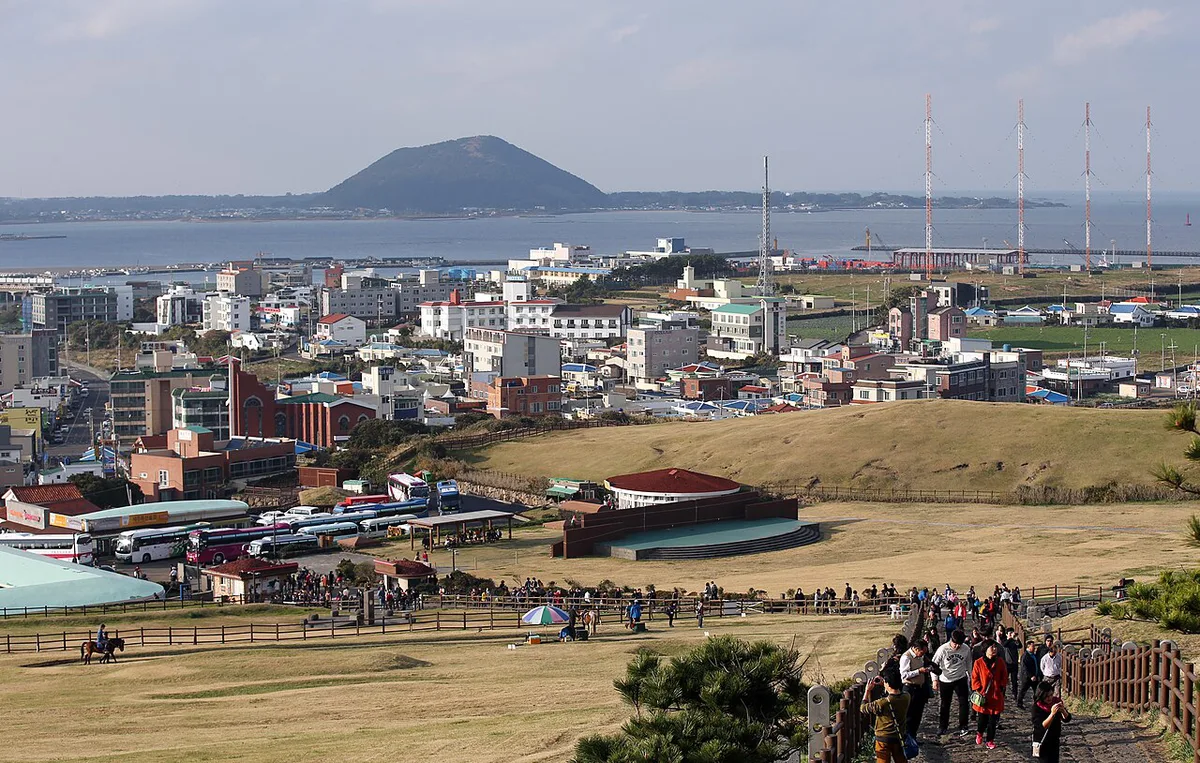
Jeju Seasons at a Glance
Jeju has a maritime climate. Sea wind makes winter feel colder than the thermometer says, and sea breezes keep summer below 30°C (86°F). Winter is milder than inland Korea, so Seoul packing lists do not transfer. The table uses typical monthly averages and relative crowd and price levels.
| Season | Typical temperature | Rain and wind | Crowds and prices | Best for |
|---|---|---|---|---|
| Spring (Mar–May) | 9°C (48°F) to 21°C (70°F) | Light rain, cool wind in March | High in April, medium otherwise | Flowers, coastal walks |
| Summer (Jun–Aug) | 21°C (70°F) to 29°C (84°F) | Rainy season in July, typhoon risk in August | High in late July and August | Beaches, waterfalls |
| Autumn (Sep–Nov) | 13°C (55°F) to 25°C (77°F) | Wet September, dry October | High in October, medium in November | Hiking, foliage, tangerines |
| Winter (Dec–Feb) | 6°C (43°F) to 10°C (50°F) | Strong wind, occasional snow on Hallasan | Low | Quiet roads, camellias, museums |
Jeju Weather by Month
Rainfall swings far more than temperature. July averages about 328 mm of rain, against about 49 mm in October. Use this table for a first pass, then open the full weather breakdown for detail. The Korea Meteorological Administration publishes current forecasts and warnings. Figures below are typical averages and shift year to year.
| Month | Typical temperature | Typical rainfall | Page |
|---|---|---|---|
| January | 6°C (43°F) to 8°C (46°F) | 22 mm | Jeju in January: Weather, What to Do & Winter Tips |
| February | 7°C (45°F) to 9°C (48°F) | 24 mm | Covered on this page |
| March | 9°C (48°F) to 12°C (54°F) | 46 mm | Jeju in March: Weather, Blossoms & What to Expect |
| April | 14°C (57°F) to 17°C (63°F) | 77 mm | Jeju in April: Weather, Blooms & What to Expect |
| May | 18°C (64°F) to 21°C (70°F) | 102 mm | Covered on this page |
| June | 21°C (70°F) to 24°C (75°F) | 133 mm | Covered on this page |
| July | 26°C (79°F) to 28°C (82°F) | 328 mm | Covered on this page |
| August | 27°C (81°F) to 29°C (84°F) | 248 mm | Covered on this page |
| September | 23°C (73°F) to 25°C (77°F) | 138 mm | Covered on this page |
| October | 18°C (64°F) to 21°C (70°F) | 49 mm | Jeju in October: Weather, Fall Colors & What to Do |
| November | 13°C (55°F) to 16°C (61°F) | 53 mm | Jeju in November: Weather, Sights and Who Should Go |
| December | 8°C (46°F) to 10°C (50°F) | 25 mm | Jeju in December: Weather, Things to Do and Tips |
Spring (March to May): Canola, Cherry Blossom and Cool Wind
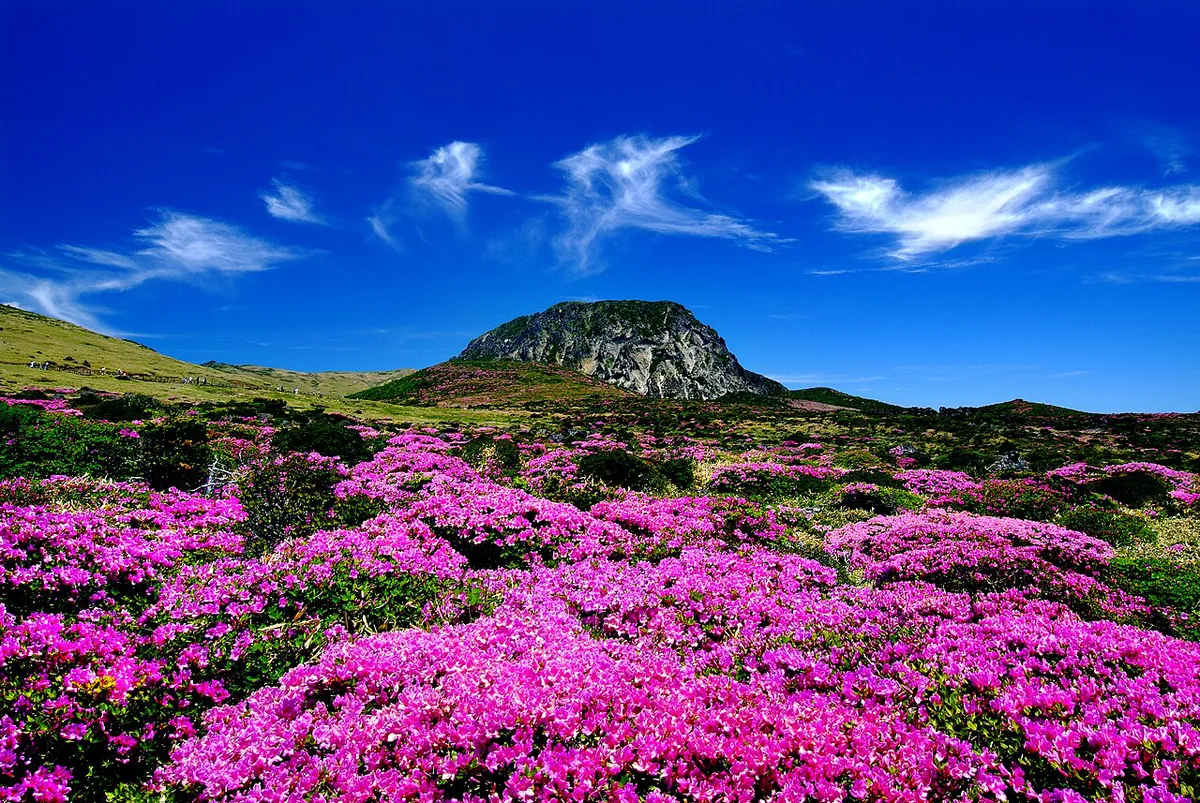
Spring is the flower season. March stays cool at 9°C (48°F) to 12°C (54°F), and sea wind makes coastal walks feel colder. By April the range climbs to 14°C (57°F) to 17°C (63°F). Canola yellow and cherry blossom arrive together around Jeju City and Seogwipo. Bloom dates move each year, so treat late March to early April as a window, not a promise. Check Visit Jeju for current bloom updates before fixing flights. Keep two or three days of slack in the schedule. May is warmer, at 18°C (64°F) to 21°C (70°F), but rain rises to about 102 mm. Book rental cars and rooms early for April, because domestic visitors fill them first. For month detail, read the guides to March trip planning and April blossom weeks.
Summer (June to August): Beaches Against Rain and Typhoons
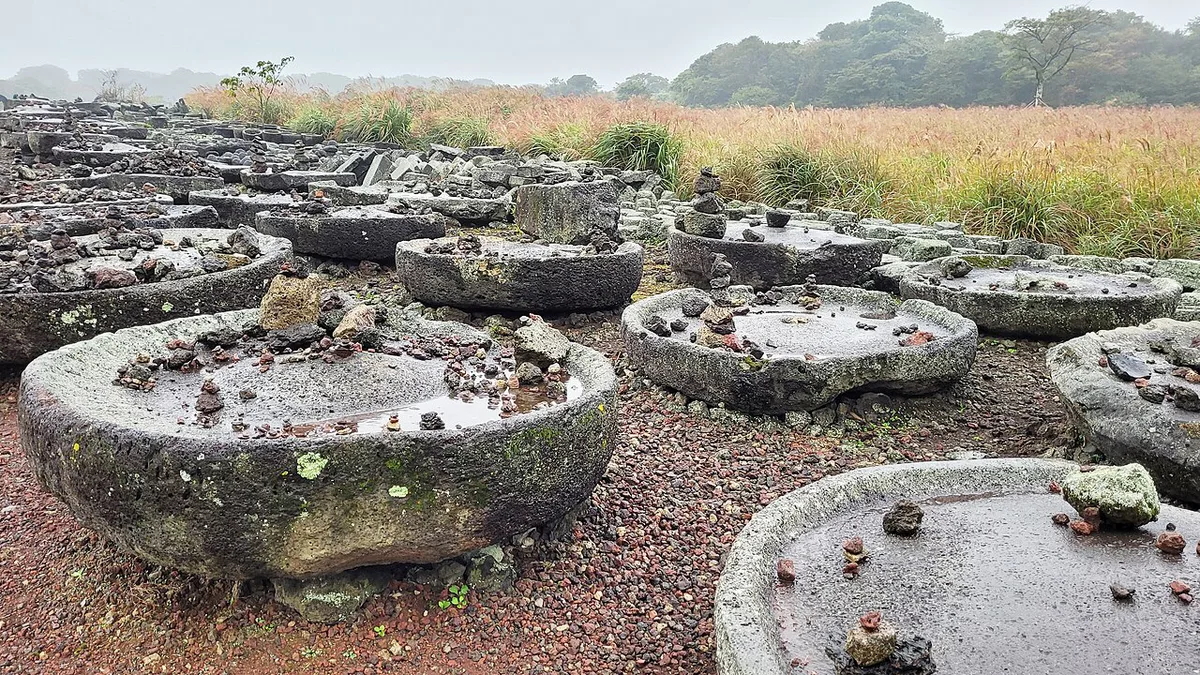
Summer gives the best swimming weather and the worst weather risk. Highs stay near 28°C (82°F) to 29°C (84°F) in July and August. June is gentler at 21°C (70°F) to 24°C (75°F), with about 133 mm of rain. July brings the jangma rainy season, with about 328 mm and days of continuous rain. Typhoons are most common in August, and flights and ferries can be cancelled at short notice.
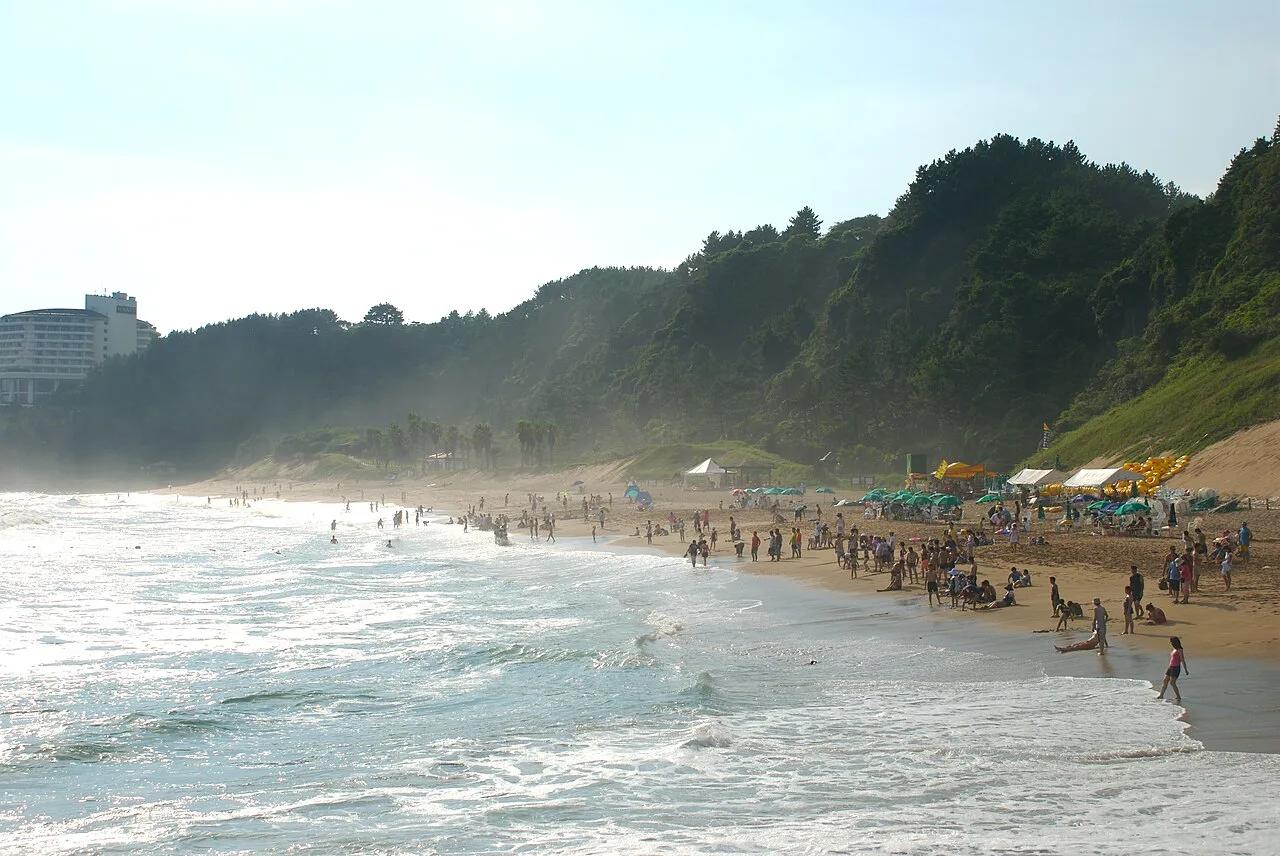
Hyeopjae Beach shows how the season is organized. Its 2026 designated beach and safety period runs June 24 to September 6, from 10:00 to 19:00. Hours extend to 21:00 from July 15 to August 15. Beach rental is the one seasonal price this page can pin down. Standard rates at designated beaches are ₩20,000 for a parasol and ₩30,000 for a wooden platform (prices and hours checked November 2026). Flights and rooms have no published fixed figure. Expect them to cost most from late July through mid-August. Build a Plan B around museums and cafés in Seogwipo, and keep swim days flexible.
Autumn (September to November): The Best Hiking Window
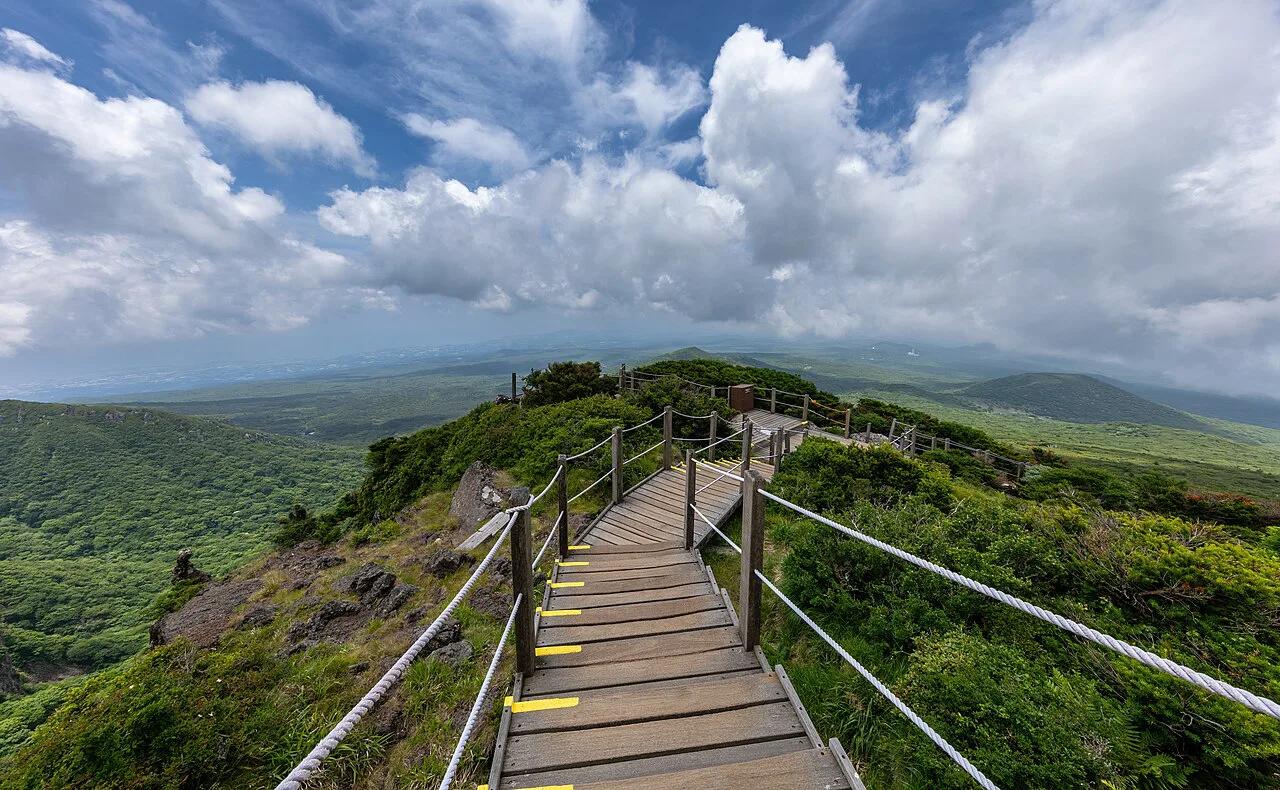
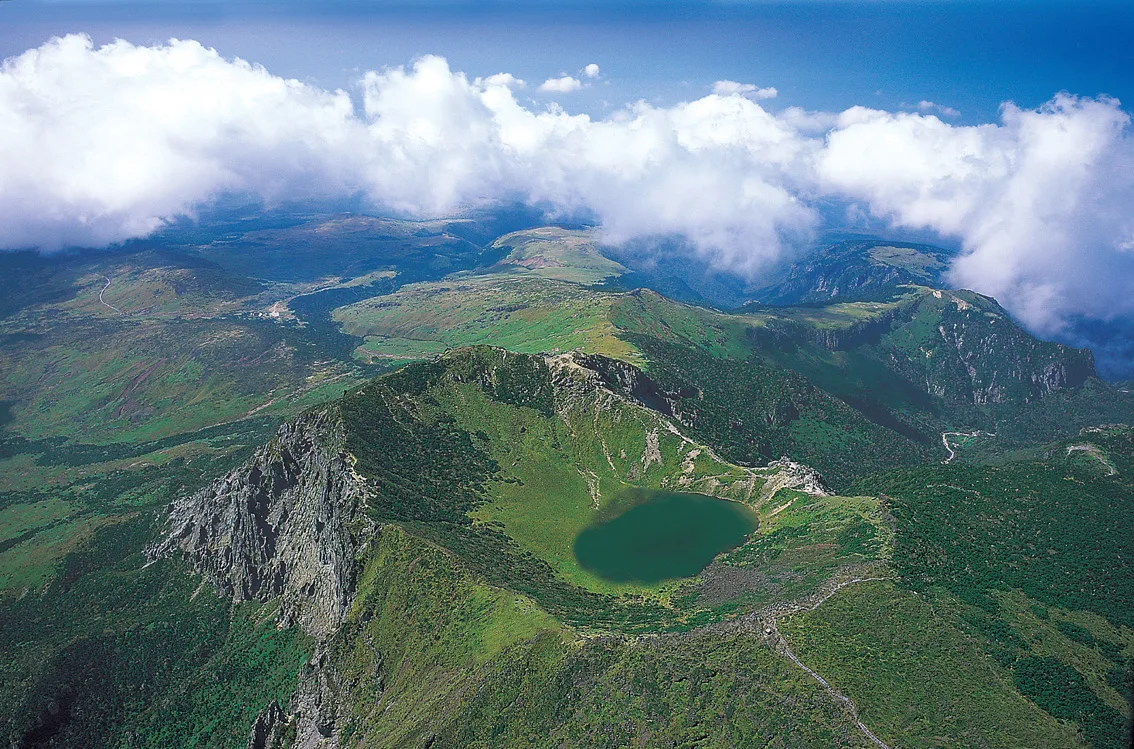
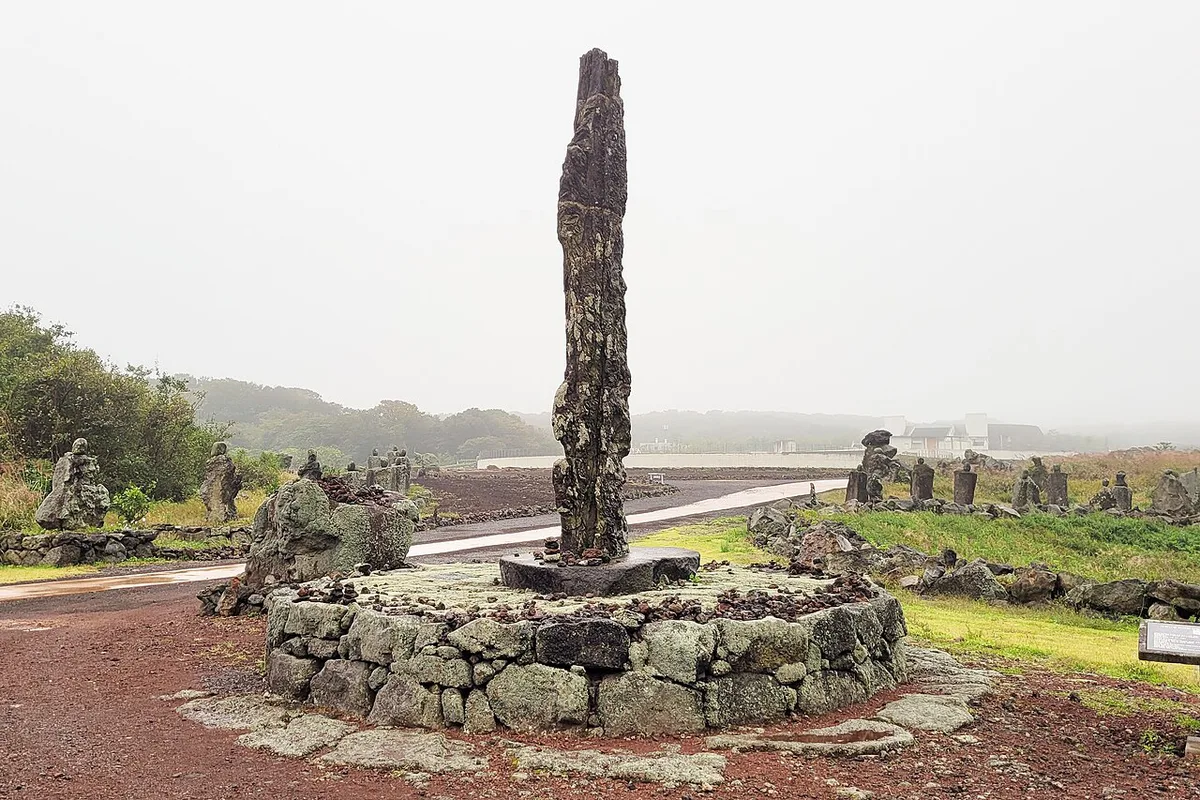
September is wet, at about 138 mm, and still carries the tail of typhoon season. October turns dry and clear, with 18°C (64°F) to 21°C (70°F) and about 49 mm of rain. That makes it the best month for oreum hiking. Silvergrass blooms across Saebyeol Oreum in October, and the summit takes 20 to 30 minutes from the car park. The west trail is steeper than the east, so pick the east entrance for an easier climb. Read October on the island for a route plan.
Saebyeol Oreum's summit takes 20 to 30 minutes from the car park, while Seongsan Ilchulbong needs 30 to 40 minutes via the paid section.
November cools to 13°C (55°F) to 16°C (61°F). First snow can reach Hallasan around mid-November. Tangerine season starts, and November planning notes cover orchard visits. Crowds ease after October, so November works well if you want autumn light with fewer people.
Winter (December to February): Mild, Windy and Quiet
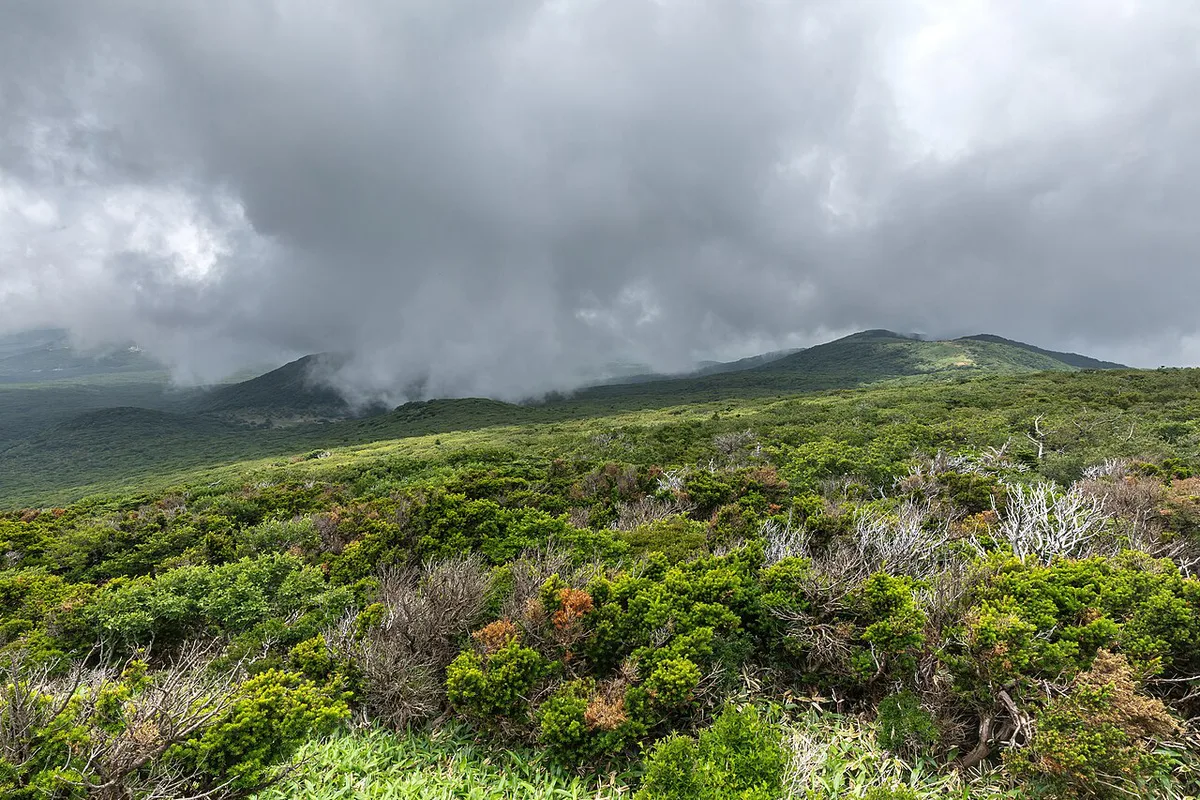
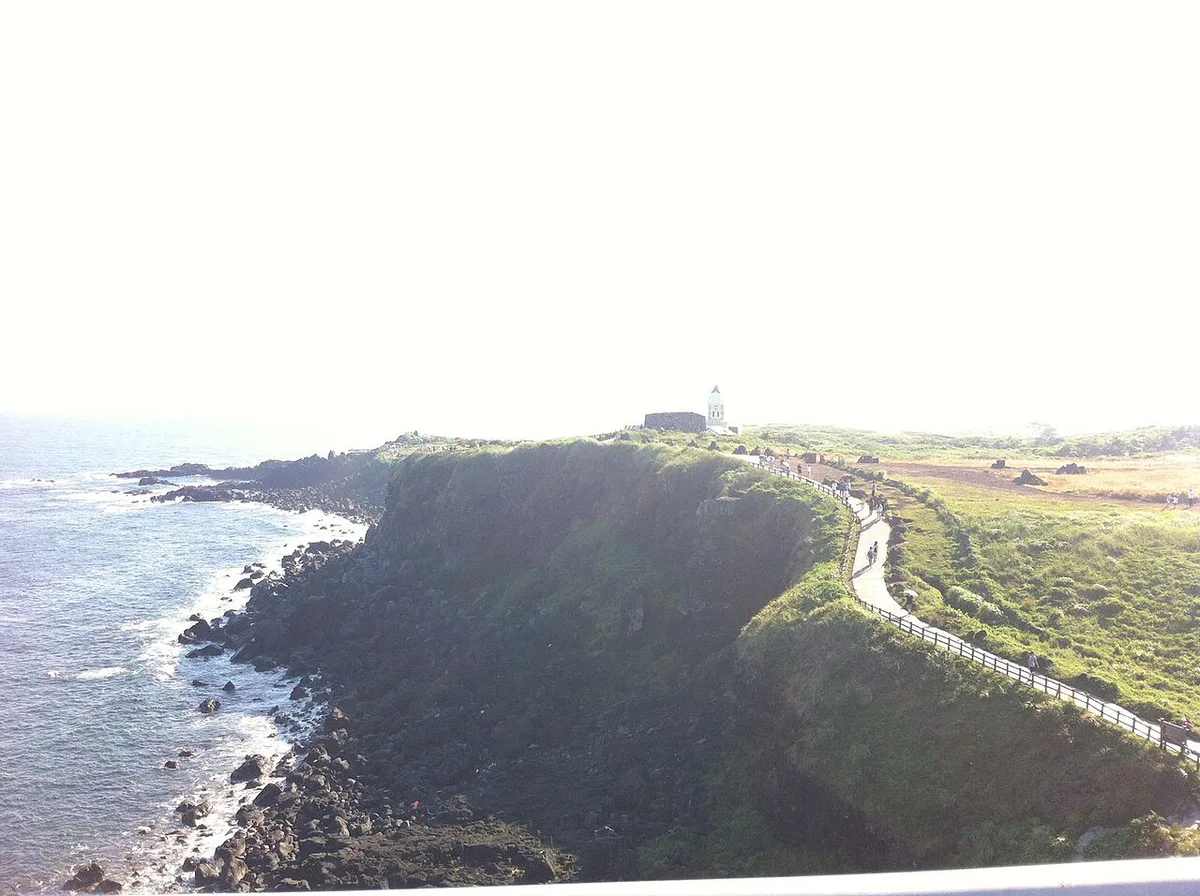
Winter on Jeju is mild next to Seoul but not warm. January averages 6°C (43°F) to 8°C (46°F), and wind chill does the damage on the coast. Snow falls mostly on Hallasan, so check trail status with park authorities before any summit plan. Jeju City and Seogwipo roads stay mostly open, though rental drivers should slow down in rain and wind.
Seongsan Ilchulbong runs 06:00 to 18:00 in winter, but it opens at 05:00 in spring and autumn, so sunrise visits need an earlier start.
Seongsan Ilchulbong runs shorter hours from November to February, 06:00 to 18:00, with the last ticket sold at 17:00. It closes on the first Monday of every month. Allow 30 to 40 minutes to reach the summit via the paid section. Camellias bloom in winter, and tangerines are in season, so orchard stops fit the cold months. For month plans, see December trip ideas and the broader winter travel overview. Prices and crowds run lower than spring and summer, though the island offers no single published rate to cite.
Which Month Fits You? A Quick-Pick Guide
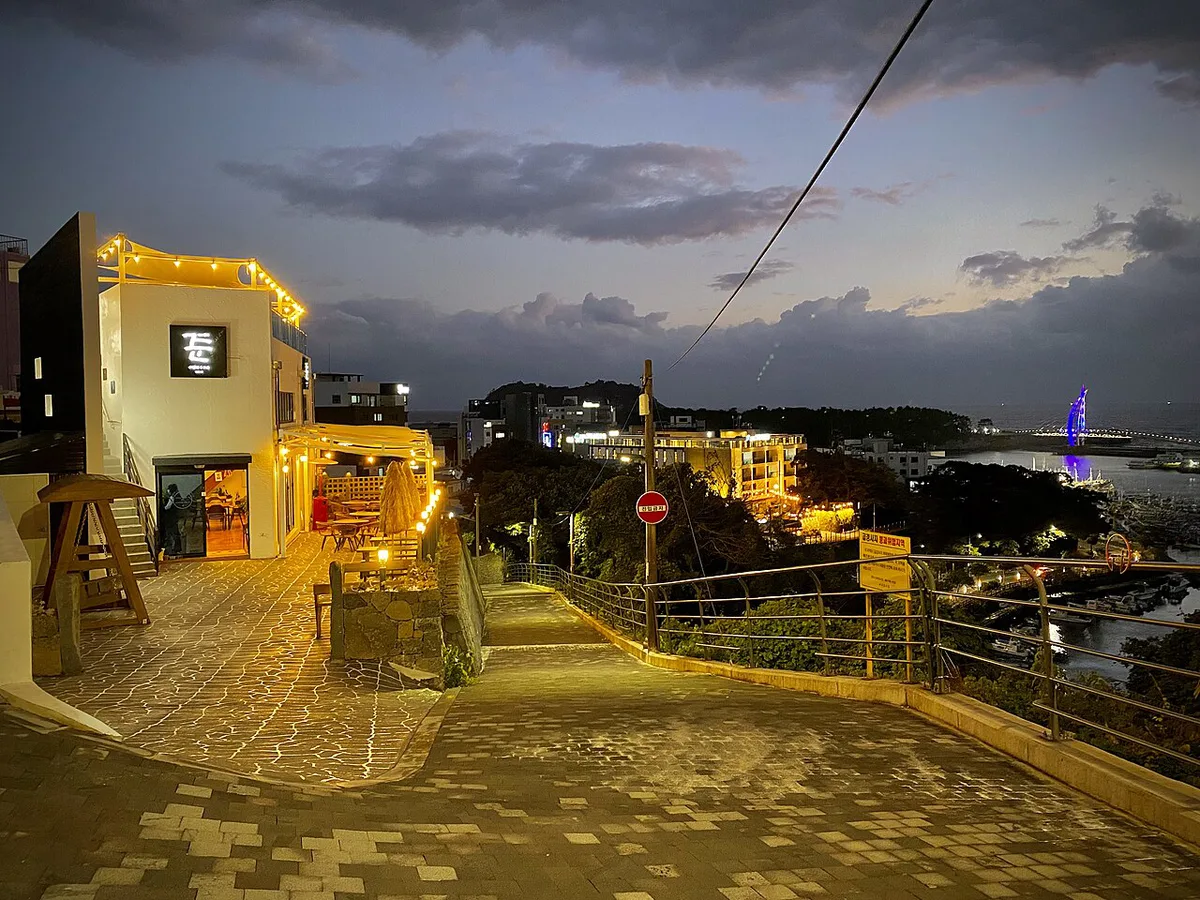
Match your top priority to one month, then use the neighboring month as a fallback. First-timers should choose April or October. Flower chasers should target the first half of April. Hikers get the clearest air in October. Beach travelers should aim for late July or early August and plan around rain. Budget travelers should look at January and early December. Photographers can pair silvergrass in October with sunrise at Seongsan Ilchulbong, which opens at 05:00 in spring and autumn. Families do best in May or early October, when temperatures stay moderate. Winter-sun escapers get only mild cold, not warmth, so pack for wind.
- Avoid mid-July if rain ruins your plans: about 328 mm falls in the month.
- Avoid August if you cannot absorb a cancelled flight or ferry.
- Avoid late March if you expect warm spring weather: sea wind keeps it cool.
- Avoid Seollal and Chuseok weeks if you need easy rental cars and rooms.
Crowds, Holidays and Booking Timing
Jeju demand comes mostly from domestic travelers. Flights, rental cars and rooms fill first around Seollal, Chuseok, school holidays and the April bloom. Dates for those holidays change each year, so look them up on Korea Tourism Organization before locking flights. Book flights and cars before rooms, because cars are the scarcer item in peak weeks. Late November and early December ease demand sharply. Seogwipo rewards a few days of stay, so one base there suits longer trips better than moving each night.
Getting Around by Season
A rental car is the flexible choice for oreum, beaches and Seongsan. Winter and typhoon days need slower driving and extra margin. Some oreum are hard to find on GPS because addresses are mountain-lot numbers. The Jeju Tourist Information Center answers questions at 064-740-6000. Choose your loop direction by forecast. On rainy days, drive toward Seogwipo, where museums and indoor stops cluster. In clear weather, save the coastal stops. Pack layers for spring and autumn, rain gear for July and a windproof coat for winter.
Common Mistakes When Choosing a Month
Booking peak bloom with no flexibility is the most common error, because dates shift each year. Assuming summer means beach weather is the second. July rain and August typhoon risk can erase days. Packing for Seoul fails in both directions, because Jeju winter wind cuts through thin coats. Planning Hallasan without checking trail status is the fourth. Check conditions on the day, not weeks ahead. Finally, arriving at Seongsan Ilchulbong on the first Monday of a month finds it closed.
Building the rest of the trip? Our Jeju attractions guide covers the sights, districts and logistics around this guide.
Best time to visit other cities
Frequently Asked Questions
What is the weather like on Jeju in May?
May averages about 18°C (64°F) to 21°C (70°F). Rain rises to about 102 mm, so carry a light jacket and folding umbrella. Sea wind can still feel cool on the coast.
What can you do in Jeju during winter?
Visit museums, cafés and camellia gardens on windy days. Stop at tangerine orchards, and see Seongsan Ilchulbong between 06:00 and 18:00. Keep Hallasan plans flexible because snow can close trails.
Explore More Jeju Guides
Keep planning your Jeju trip with these guides.
Jeju Guides
- Jeju Weather by Season
- Jeju in Winter: What to Expect, Where to Go and What to Skip
- Jeju in April: Weather, Blooms & What to Expect
- Jeju in December: Weather, Things to Do and Tips
- Jeju Cherry Blossoms: When and Where to See Them
- Jeju Canola Flower Season: When & Where to See the Yellow Fields
- Jeju Tangerine Picking: Season, Booking & Farm Tips
- Jeju in November: Weather, Sights and Who Should Go
- Jeju in October: Weather, Fall Colors & What to Do
- Jeju in March: Weather, Blossoms & What to Expect
- Jeju in January: Weather, What to Do & Winter Tips
Notes for your Korea trip
Optional updates to our city guides.
You might also like
Continue reading
More guides you'll find useful