Getting Around Jeju: Bus, Taxi, Rental Car & Airport Transfers
Getting around Jeju with or without a car: how buses, airport limousines, taxis, tours and rentals compare, and which mix fits your trip.
On this page
Last updated November 2026: getting around Jeju without a car works if you base yourself in one area and accept long gaps between buses. Use the airport limousine and regular buses for arrival and big transfers, then add taxis or a driver for remote sights. Rent a car only if you want east, west and south on your own schedule.
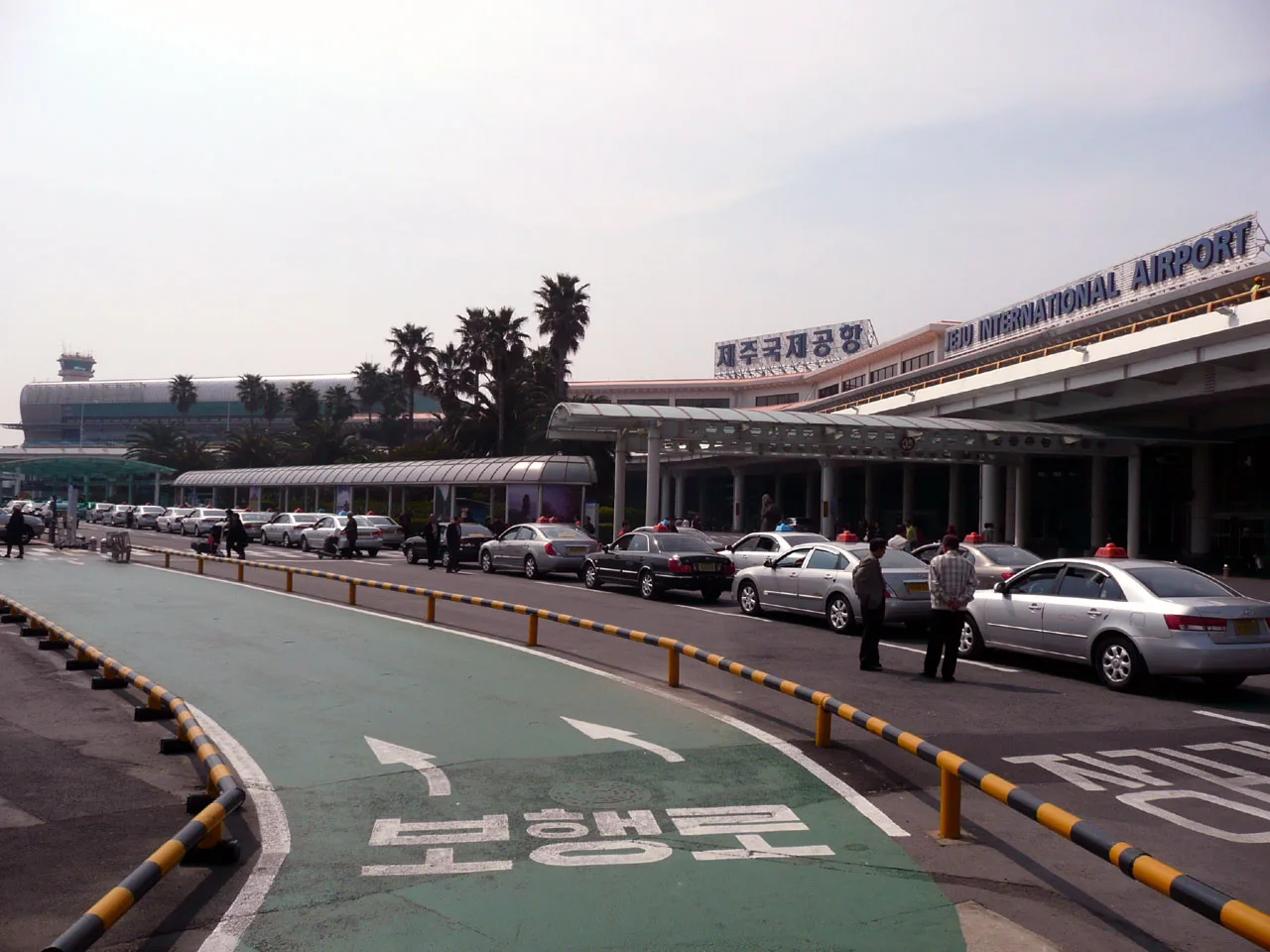
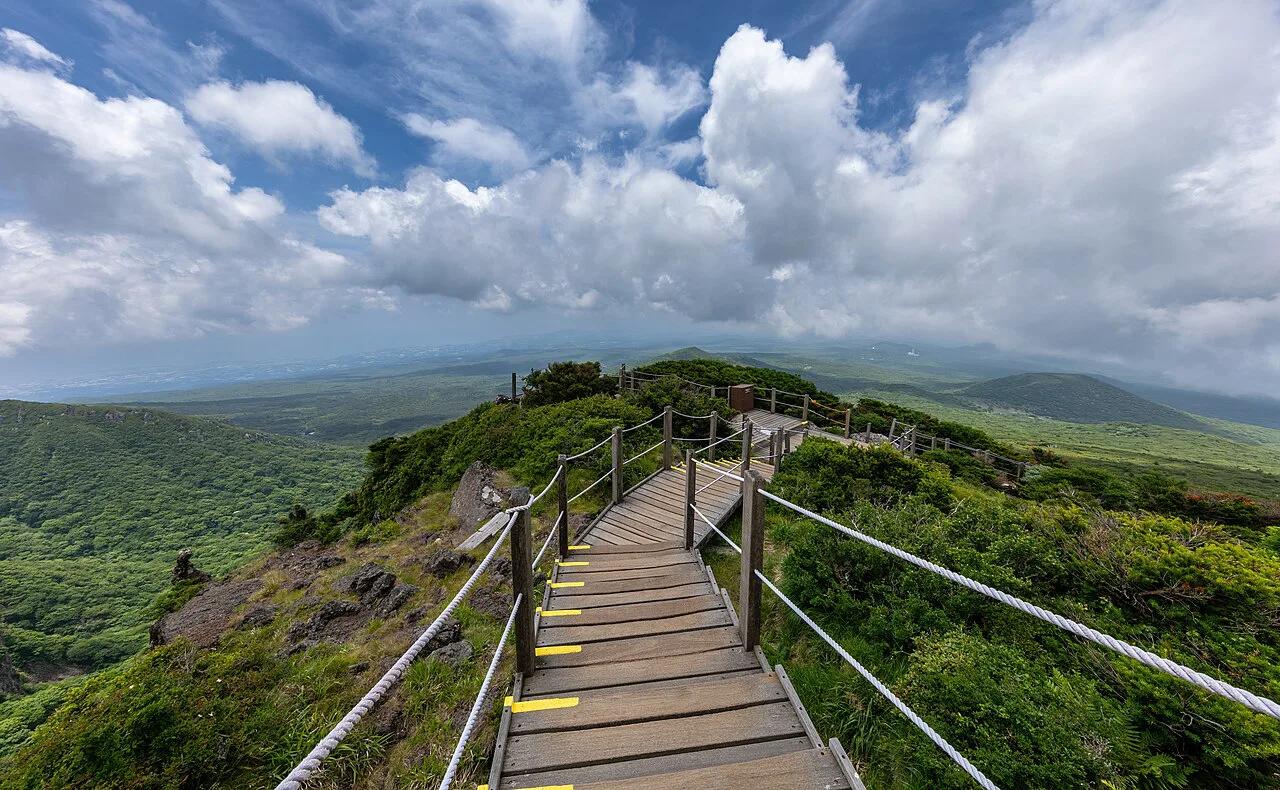
Featured image: BehBeh from jawp, CC BY-SA 3.0, via Wikimedia Commons.
Quick comparison: how to get around Jeju
Jeju has no train or subway, so every option is a road option. Prices and hours checked November 2026. Regular buses charge ₩1,150 by transport card and ₩1,200 in cash, according to the Jeju Bus Information System. Cost levels below are relative, so you can compare modes without trusting a stale fare.
| Option | Cost level | Flexibility | Luggage fit | Best for |
|---|---|---|---|---|
| Regular bus | Low | Low: long gaps on rural routes | Poor | Budget travelers with time |
| Express bus | Low to medium | Low | Poor | Long runs from the airport |
| Airport limousine | Medium | Fixed route | Good | Jungmun or Seogwipo hotels |
| Jeju City Tour bus | Low | Hop on and off, Jeju City only | Poor | First afternoon in the city |
| Taxi | High on long trips | High | Good (large taxi) | Short hops, late nights |
| Taxi tour or driver | Medium to high, shared | High within one area | Good | Groups of 3 to 4, families |
| Rental car | Medium, plus parking | Highest | Good | 5+ day stays, remote sights |
| Scooter or bike | Low to medium | High, weather-dependent | None | Confident riders, short distances |
Getting around Jeju: which option fits you?
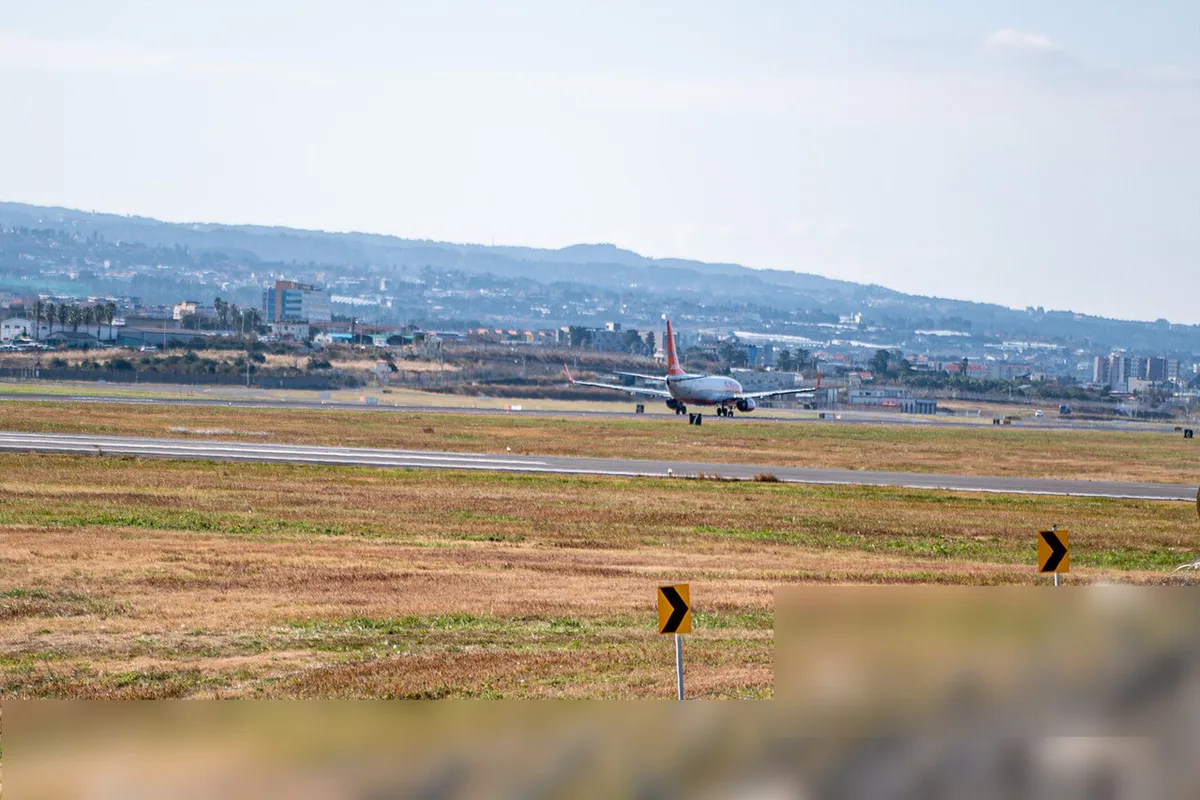
Match the mode to your trip length, party size and base. The island is wide, so one area per day beats zigzagging. East, west, south and Jeju City sit far apart, and a bus ride between them eats hours.
- Solo or budget traveler: buses plus the odd taxi, based in Jeju City or Seogwipo.
- Couple on 3 days: limousine in, one base, and a taxi tour for the east or west day.
- Family with luggage: limousine on arrival, then a driver or rental car.
- Group of 4 or more: a taxi tour or van splits the cost per person.
- Stay of 5+ days: a rental car, or a bus-and-taxi mix if you do not drive.
- Winter or typhoon season: keep plans flexible and lean on taxis over ferries.
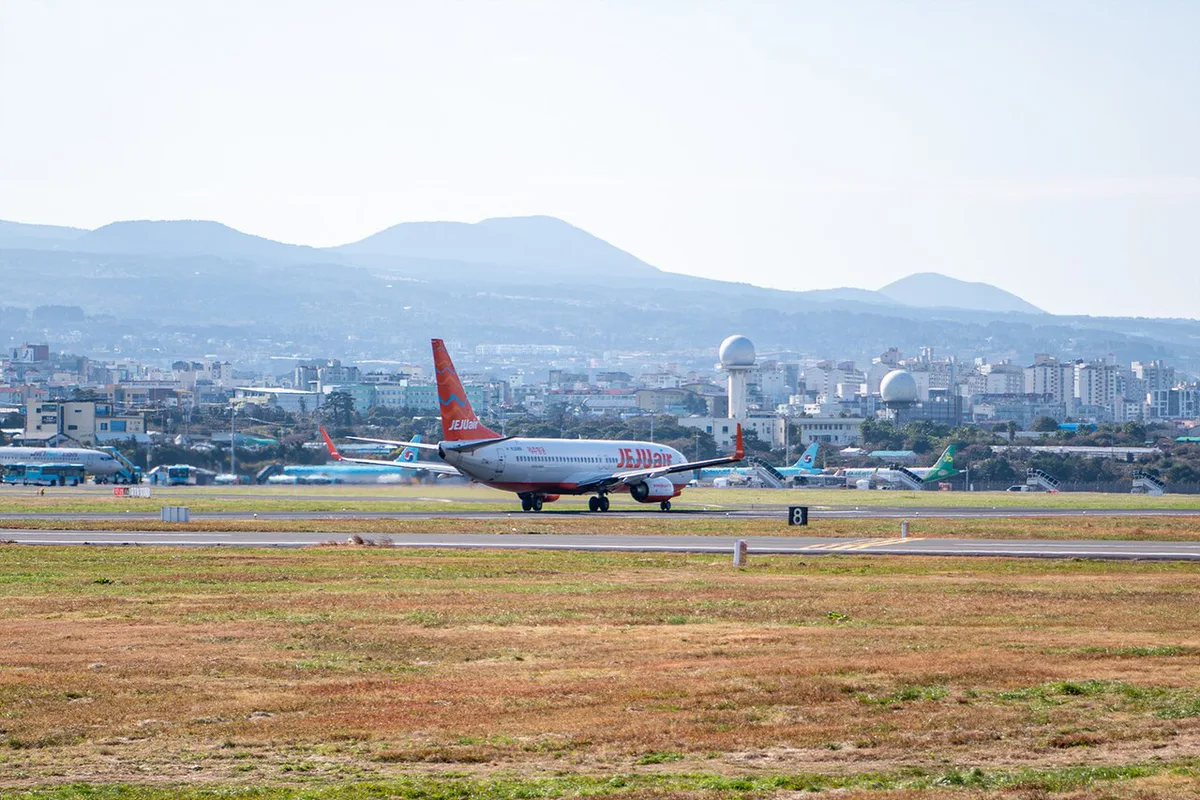
How do you get from Jeju Airport to your hotel?
Airport limousine 600 is the simplest link to Jungmun and Seogwipo. It runs from Jeju International Airport past the Jungmun resort hotels to the Seogwipo KAL Hotel, and it has luggage space. Fares run ₩4,500 to the Jungmun area and ₩5,500 to the Seogwipo KAL Hotel. Route 800 serves Seogwipo Bus Terminal without the Jungmun stops. Our airport limousine bus guide lists stops and timings. Arrival logistics for the terminal itself are in our Jeju Airport guide. Staying in Jeju City? Dongmun Traditional Market sits near the airport, so a short taxi covers it. Terminal services are listed on the Korea Airports Corporation site.
Limousine 600 riders must tap again when leaving, since the distance fare depends on it. Transfers within 40 minutes of tapping off are discounted, up to 2 times.
How do Jeju buses work? Fares, routes and payment
Regular buses charge a flat ₩1,150 by card or ₩1,200 in cash. Express buses cost ₩2,000 to ₩3,000, rising with distance. Pay with T-money or a transit-enabled credit card, and tap on boarding. Tap again when leaving on express and limousine buses so the distance fare is charged. Transfers within 40 minutes of tapping off are discounted, up to 2 times. A same-route return in the opposite direction does not count as a transfer. Route numbers follow first-digit logic: express routes start with 1, trunk routes with 2. Route 201 links Jeju Bus Terminal, Seongsan Ilchulbong and Seogwipo. Express 111 runs from the airport toward Seongsan Port. For fares, timetables and live arrivals, see our Jeju bus guide. The official Visit Jeju site covers general transport.
- Seongsan Ilchulbong: summer hours 04:30–20:00, winter 06:00–18:00.
- Closed on the first Monday of every month.
- Last ticket sale is 17:00 in winter and 19:00 in summer.
- The summit climb takes about 30 to 40 minutes.
Jeju City Tour bus: is it worth it?
It suits one afternoon in Jeju City, nothing more. Adult tickets cost ₩12,000, and students pay ₩10,000. The circular route runs 9:00 AM to 7:30 PM, with the last bus leaving at 5:00 PM. It is closed every Monday. A one-day pass allows hopping on and off freely, and a single-ride ticket also exists. At the airport, board at Bus Stop No. 3. You pay on boarding with a credit or transportation card, so no advance booking is needed. Booking through Tamnao can bring discounts. In 2026, a two-hour Night Route ran July 24 to August 29 on Fridays and Saturdays, from 19:00 to 21:00. Night tickets cost ₩10,000 for eligible passengers, and booking is online only. Our Jeju bus tour guide covers the tour in depth. It skips Seongsan Ilchulbong and the south, so pair it with another mode.
Evening plans need a backup: with the last bus leaving at 5:00 PM, taxis cover later hops.
Taxis and taxi tours: when they beat the bus
Taxis fit short hops, late nights and luggage days. Fares rise with distance, so one cross-island ride can cost more than a day of buses. Large taxis suit groups with bags. Rural pickup is slow, so book the return ahead from remote sights. A taxi tour fixes that. You hire a driver for a set number of hours within one half of the island, east or west. Ask whether fuel and parking are included. Splitting the fare between 3 or 4 people usually makes this cheaper per head than several separate taxis. Compare itineraries in our Jeju taxi tour guide. Yongduam Rock is free to view and open at all times, which makes it an easy stop between tour legs. Yongnuni Oreum is harder, because many oreums lack parking and GPS pins can be off. A driver who knows the approach saves that hassle.
Should you rent a car in Jeju?
Rent one if you stay 5 days or more, travel with kids, or want oreums and east-coast sights at your own pace. Foreign drivers need their home licence and may need an International Driving Permit, so confirm the rule with your embassy first. Peak-season cars sell out, so book early. Expect Korean-language navigation and tight parking at popular sights. Oreum addresses are often listed as mountain land, and many have no parking lot. Skip a rental if you dislike unfamiliar roads or plan a base-and-day-trip stay. Full steps are in our guide to renting a car. Seongsan Ilchulbong alone takes about 30 to 40 minutes to climb, so a rental pays off when you stack stops.
Scooters, bikes and island ferries
Scooters suit confident riders with a valid licence, and rules differ by vehicle class, so ask the rental shop. Bicycles work for short flat stretches only. Ferries reach small islands. Gapado lies 5.5 km south of Moseulpo Port in Daejeong-eup, with 3 to 4 round trips a day. Rent bicycles near the port, or walk the 4.3 km course in 1 to 2 hours, with no uphill paths. Udo ferries leave from Seongsan Port, near Seongsan Ilchulbong and Gwangchigi Beach. Boarding needs both the ferry fare and the marine park fee. Bad weather can cancel sailings, so keep a spare half day.
Luggage on moving day
Moving between Jeju City and Seogwipo is the hard day. Regular buses have little room for big suitcases. Take limousine 600 to Jungmun or Seogwipo KAL Hotel, where the ride costs ₩4,500 to ₩5,500. A large taxi costs more but takes you door to door. Hotels can sometimes hold bags for a few hours. Pack one carry-on per person for the bus days.
Three sample plans
A no-car 3-day plan uses one base per area. Day 1 is Jeju City with the City Tour bus. Day 2 is Seogwipo and Jungmun by limousine and local bus. Day 3 is Seongsan on route 201. The cost is low, but the time cost is high. A hybrid swaps day 3 for a taxi tour with up to 4 stops in the east. A rental plan covers all areas in 3 days, at the highest cost and effort. Pick your base first, then the mode.
Weather, seasons and disruption
Typhoons, fog and winter wind can cancel ferries and delay flights, and the City Tour bus may stop in heavy rain. Mountain roads can close in winter. Check live notices on the Jeju provincial site before you set out. Hyeopjae Beach is open at all times, but its designated swimming season in 2026 ran June 24 to September 6.
Explore More Jeju Guides
Keep planning your Jeju trip with these guides.
Jeju Guides
Building the rest of the trip? Our Jeju attractions guide covers the sights, districts and logistics around this guide.
Getting around other cities
Notes for your Korea trip
Optional updates to our city guides.
You might also like
Continue reading
More guides you'll find useful