Dongmun Market, Jeju: Day vs Night Guide
Plan Dongmun Market in Jeju: day vs night market, what to eat, how to get there, and tips on hours, parking and prices for your first evening.
On this page
Last updated November 2026: Dongmun Market is Jeju City's main traditional market, with a daytime market and an evening food zone. We'd go at dusk, eat standing up, and save the raw-fish counters for daylight. Our Jeju food guide covers the rest of the island's table.
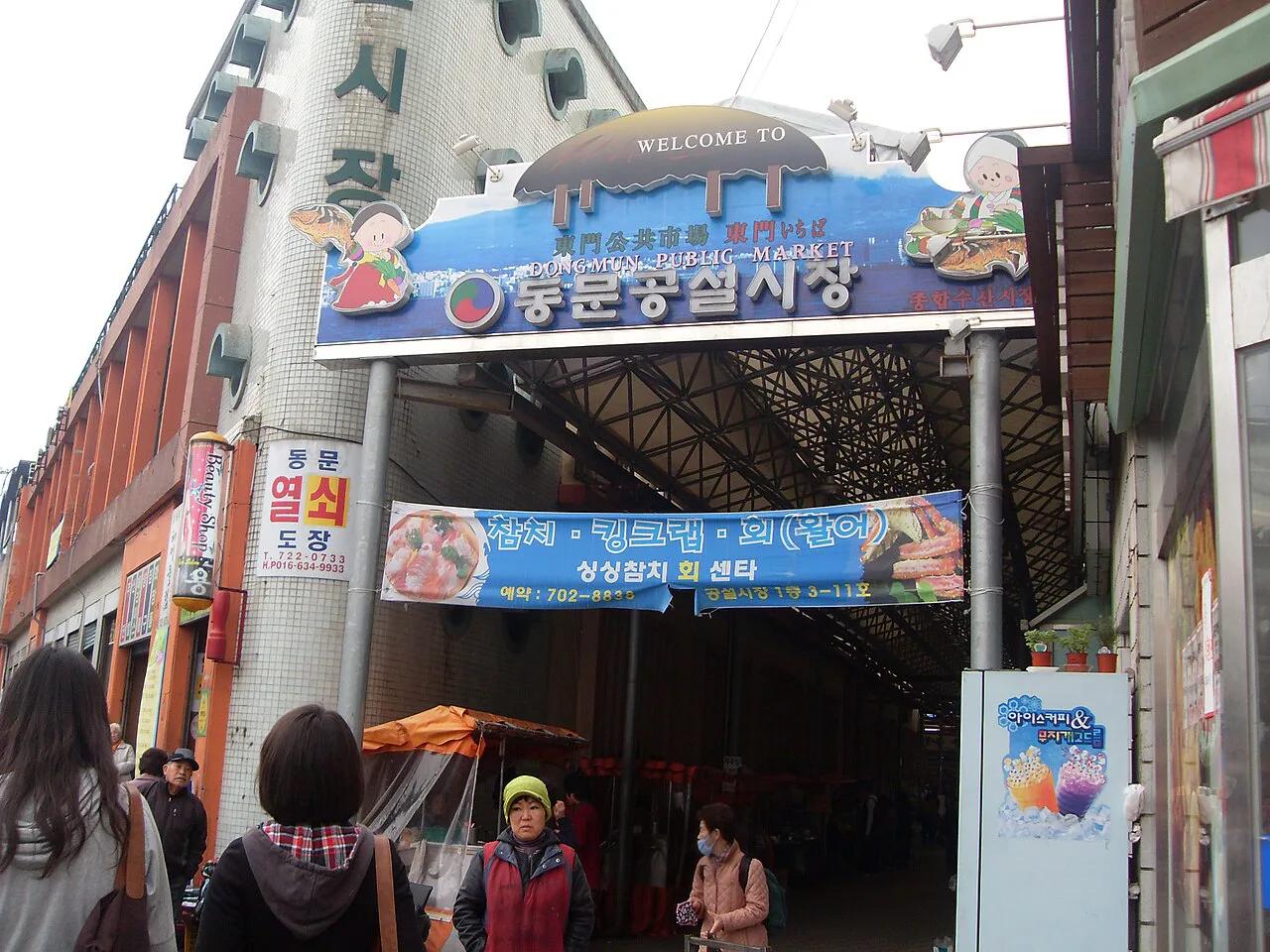
Featured image: thddbwnd, CC BY 3.0, via Wikimedia Commons.
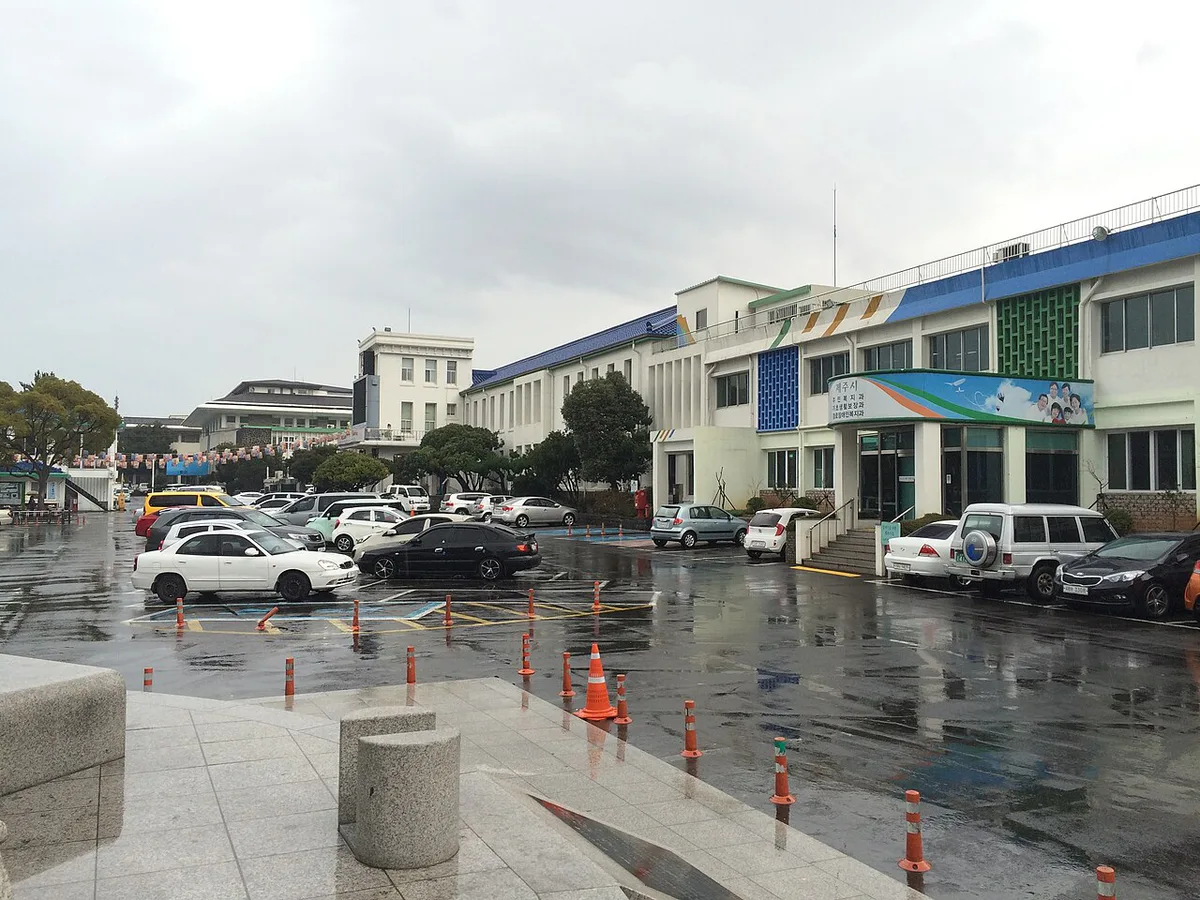
Dongmun Market at a glance
Dongmun Traditional Market (Dongmun Jaerae Sijang) sits in Jeju-si near Dongmun Rotary. Visit Jeju's official listing gives the address as 14 Gwandeok-ro, Samdo 2-dong. It places the market near Jeju International Airport. By day it works as a traditional market. In the evening a night market adds food stalls and souvenirs. Shops set their own hours, and the listing treats the market as always open.
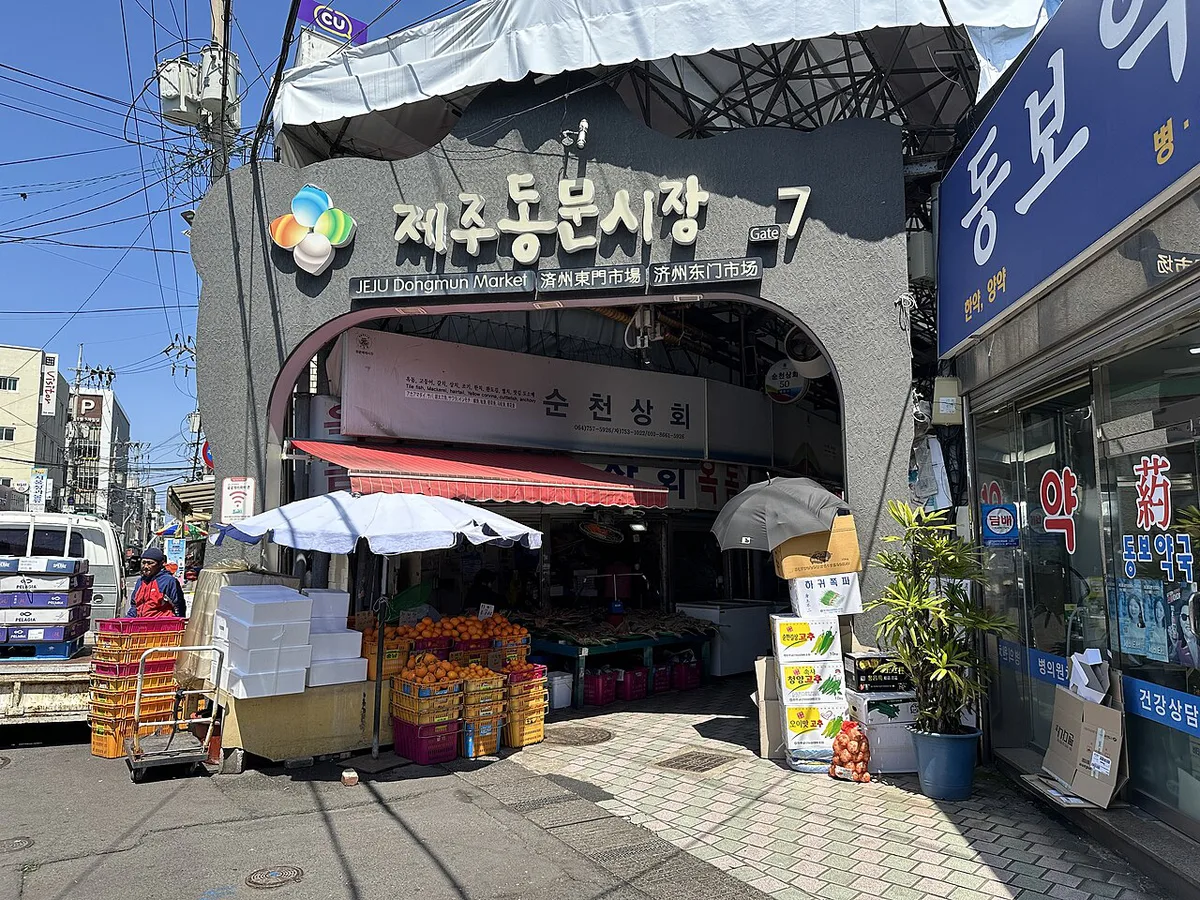
- Best for: a first night on Jeju, a snack crawl, and takeaway seafood.
- Best time: dusk for stalls, morning for raw fish.
- Our verdict: worth a stop for almost every Jeju City visitor.
- Skip it if: you want a seat, a quiet meal, or a long sit-down dinner.
Day market vs night market: which to visit
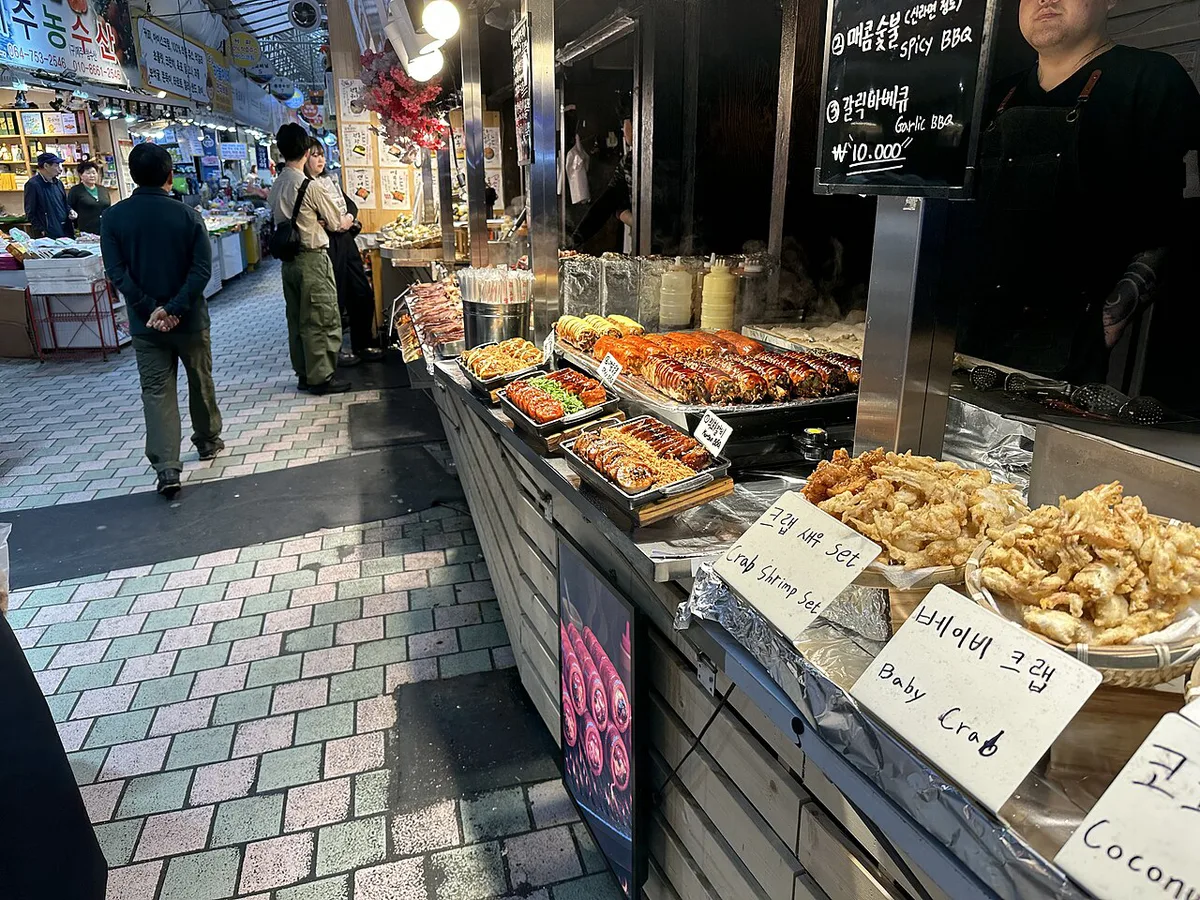
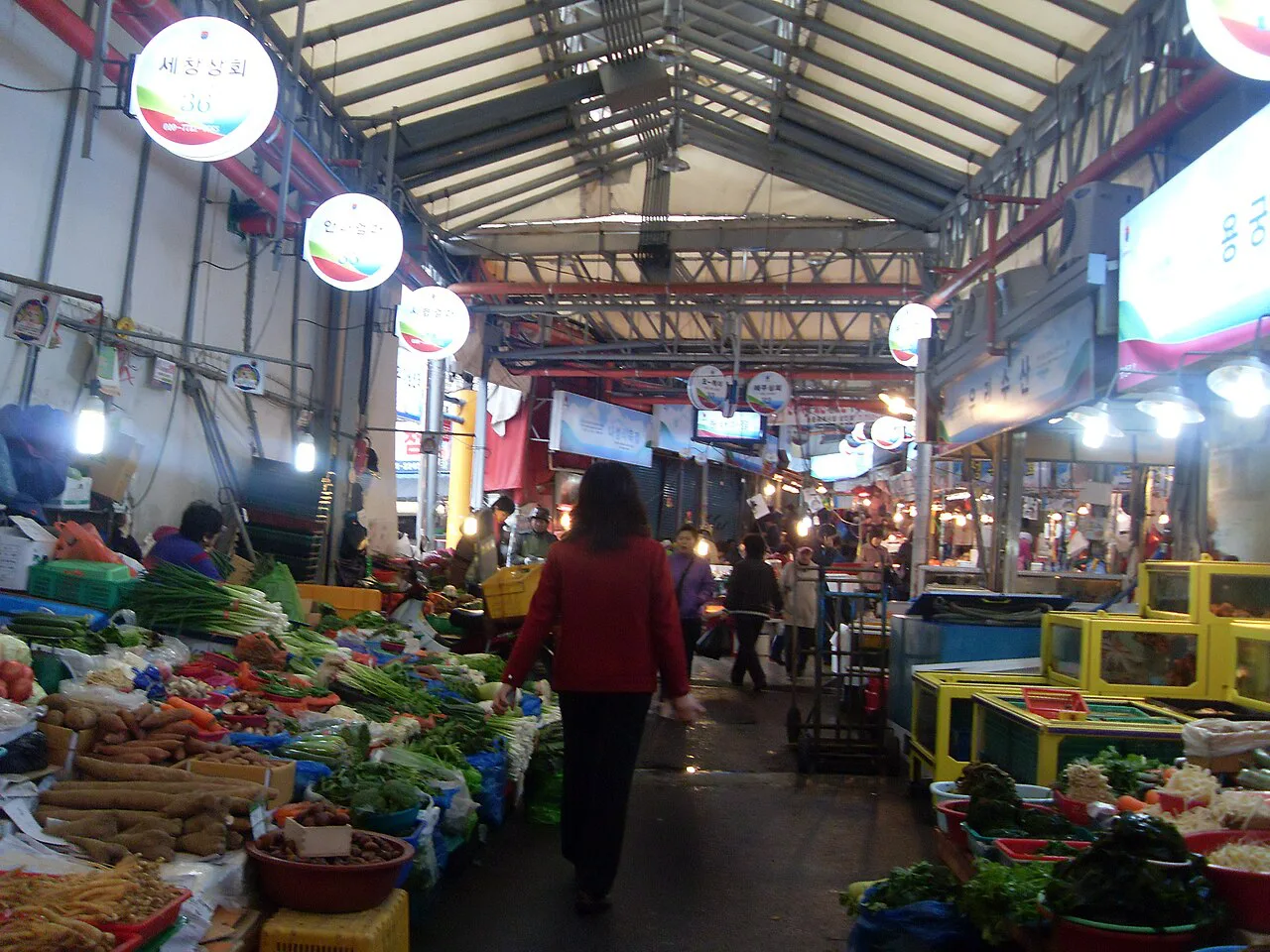
Two products share one name, and they suit different plans. The day market is where locals shop for seafood, produce and gifts. The night market is a food-stall zone that appears after dark. We'd do both if you are staying in Jeju City for two nights. If you only have one slot, pick the night market for atmosphere and the day market for fish.
| Feature | Day market | Night market |
|---|---|---|
| Hours | Set by each shop | Reported 18:00 to midnight, November to April |
| What's sold | Seafood, produce, tangerine gifts, snacks | Torched black pork, gimbap, skewers, juice |
| Seating | Little to none | None; plan to stand |
| Crowds | Calmer, busiest around lunch | Packed after dark |
| Best for | Raw fish to go, souvenirs | A first-night dinner on foot |
When to go: timing trade-offs
Mornings suit fresh seafood and unhurried browsing. Early evening suits the night market, before the aisles fill. In November the night market is reported to run from 18:00 to midnight. From May to October the reported start is 19:00. Stalls can close early once they sell out, so we'd arrive by 19:30 rather than at 23:00. Some pages say the night market runs only on Friday and Saturday. Visit Jeju's listing says it runs every day. Winter evenings are cold, so wear layers and eat hot items first.
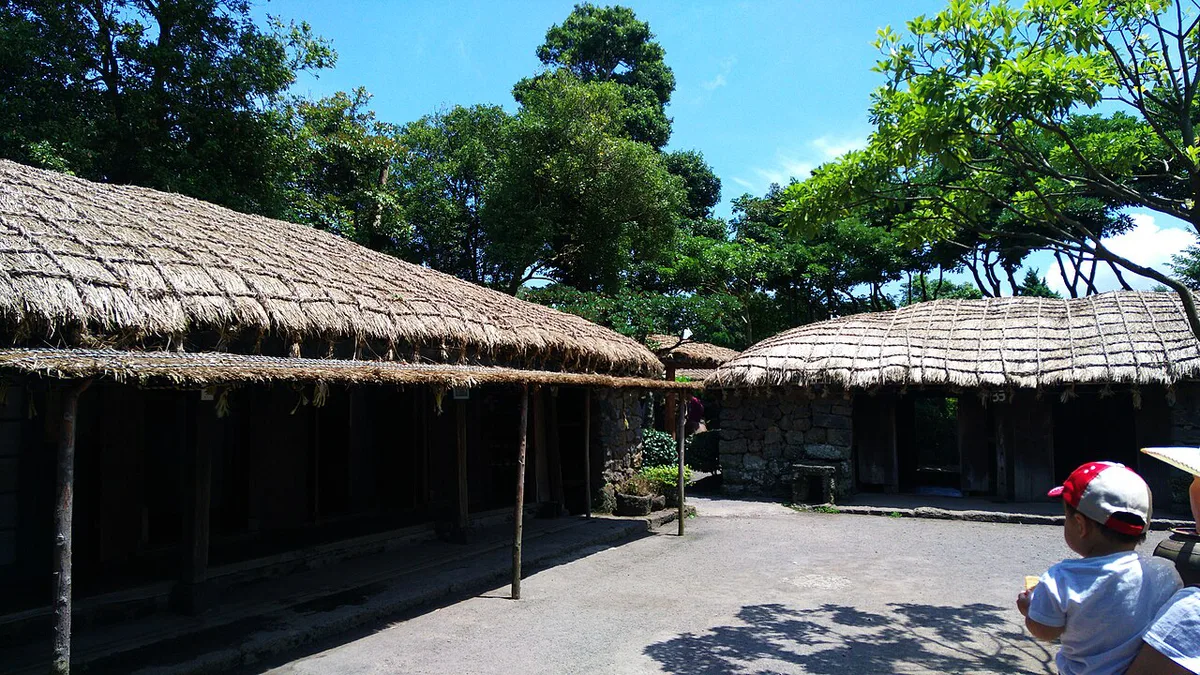
Where Dongmun Market is and how to get there
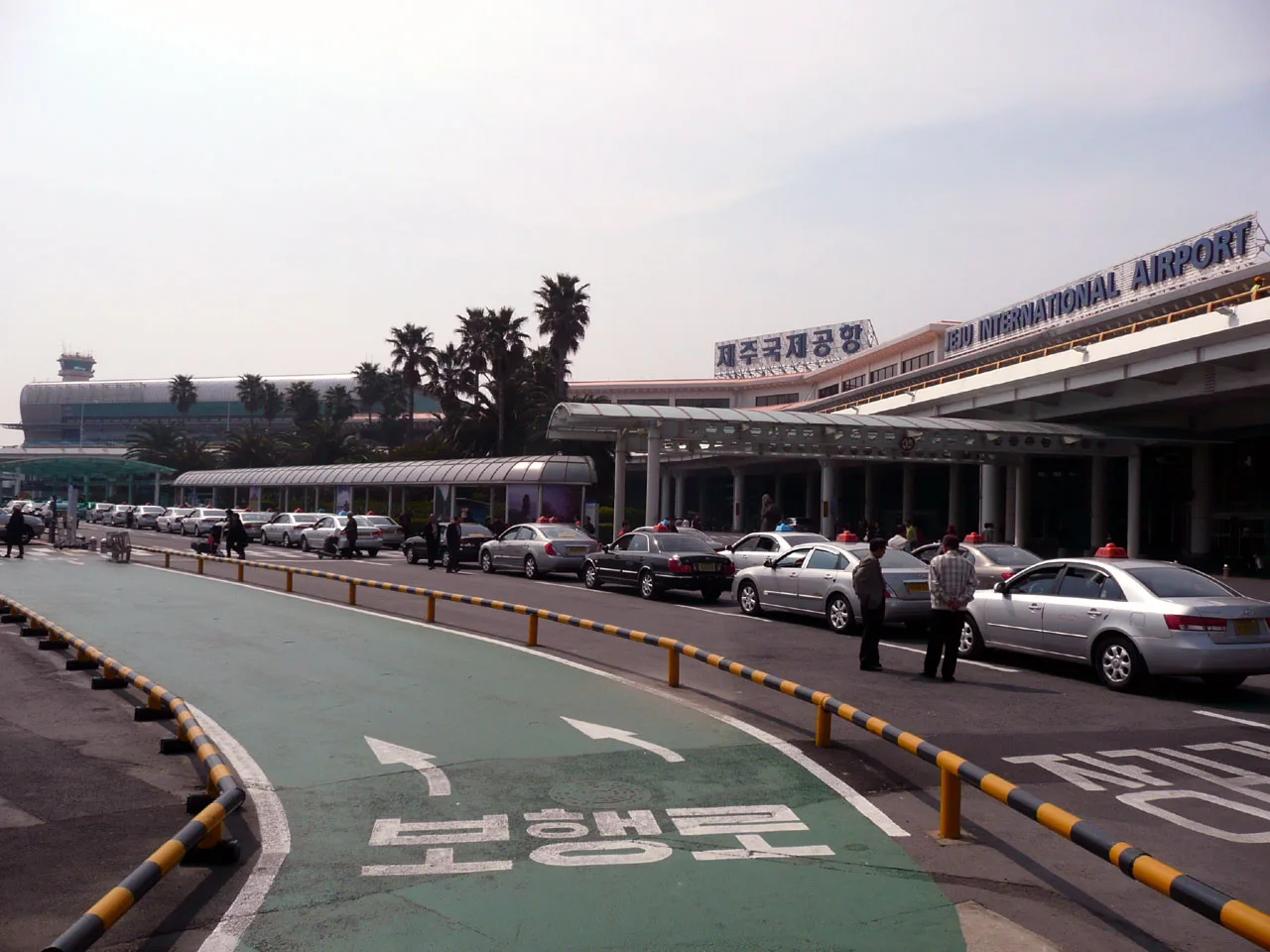
Search for 14 Gwandeok-ro in Jeju-si when you set a taxi or map destination. The market sits near Jeju International Airport, which makes it an easy first-night stop. A taxi is the simplest option from the airport or a Jeju City hotel. Walking works if you are already staying nearby. Driving is possible, but the public car park fills at peak evening hours. Parking fees differ by lot, so read the price board at the entrance. We'd leave the car at the hotel and take a taxi if you plan to drink.
What to eat at the night market
Start with Jeju specialties, then add the easy-to-hold items. Most stalls post prices on signs or chalkboards. Hot items taste best straight off the grill, so eat them first. A grilled makchang plate was posted at ₩15,000 for the salted version in July 2026. Treat that as an example, not a fixed price.
- Fire-torched Jeju Black Pork: What to Order and Where to Eat: the signature stall show, cooked in front of you.
- Abalone gimbap: a Jeju take on a Korean rice roll. For a sit-down abalone meal, try abalone porridge.
- Egg-wrapped gimbap: easy to eat with one hand.
- Hairtail (galchi) fish cake: soft, savory and cheap.
- Fresh tangerine juice: a low-cost stop. Our hallabong guide explains the local citrus.
- Steak box with stir-fried kimchi: filling, but messy without a table.
Raw fish and seafood in the day market
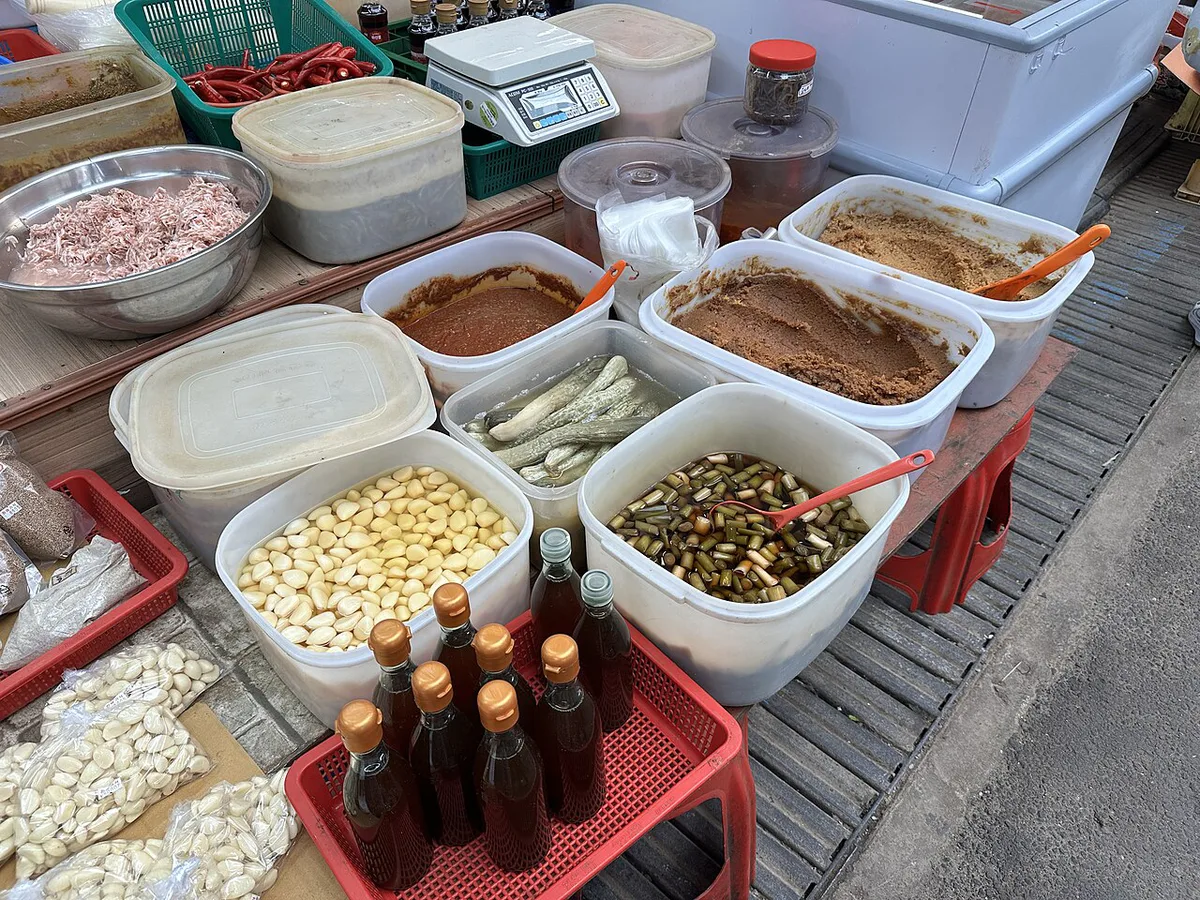
Raw-fish counters sell sashimi in ready-made packs. Pack names are often the first syllables of each fish, so they read like codes. One counter posted a ₩50,000 mixed pack of five fish in July 2026. A three-fish pack cost ₩30,000, and a smaller one ₩20,000. Raw Jeju shrimp sold at ₩15,000 for 12 pieces and ₩20,000 for 16. Extras such as wrapping vegetables cost ₩3,000. Ask what is in each pack and when it was cut. Buy raw fish only if you have a fridge or will eat within the hour. If you'd rather sit down, our Jeju seafood guide lists proper restaurants.
Souvenirs and snacks to take home
Tangerine and hallabong products dominate the shelves. You will also find honey sticks, fruit teas and Udo peanut sweets. Example shelf prices in July 2026 were ₩10,000 for a box of Udo peanut sandwich cookies and ₩11,000 for a Jeju tangerine pie. Honey sticks sold at ₩6,000 for 10. Boxed sweets keep well, so they suit gifts. Fresh fruit and raw fish do not travel as easily. Buy shelf-stable items last so you carry them for less time.
Budget and how to spend it
Costs depend on what you order. A juice and a gimbap roll keep the evening cheap. A seafood pack lifts it into splurge territory. Prices change often, so treat the figures above as examples from July 2026. Prices and hours checked November 2026 against Visit Jeju's listing. Cards are not accepted at every stall, so carry some won in cash.
A salted makchang plate at ₩15,000, posted in July 2026, can cost more than a juice and gimbap evening.
| Trip type | What to buy | Relative cost |
|---|---|---|
| Snack crawl | Juice, fish cake, one gimbap | Low |
| Full night-market dinner | Black pork, steak box, gimbap, juice | Mid |
| Seafood plate | Takeaway sashimi pack plus extras | High |
Tips and mistakes to avoid
Do not expect seats. Most visitors eat standing near the stall or off to the side. Buy one thing at a time so your hands stay free. Sort trash into the marked bins. Rules on bringing your own drinks vary, so skip that plan unless a stall says yes. Avoid carrying raw seafood through a long evening. For a seated alternative when the aisles are too crowded, see our pick of Jeju restaurants. A noodle bowl also works as a warm next meal, and our Jeju noodle guide has options.
Even the smaller ₩20,000 raw-fish pack loses its value if it rides with you through a long evening.
Sample 2-hour plans
Pick the plan that matches your night. Each one trades time against cost.
- First-night arrival: taxi in around 19:00, eat two items standing, finish with tangerine juice.
- Food-focused evening: start with black pork, add abalone gimbap and a steak box, and take a snack home.
- Morning seafood: browse the raw-fish counters, buy a pack only if you can eat soon, and add souvenirs.
- Family outing: choose gimbap and juice, avoid the grill aisles at peak time, and leave before midnight.
- After the market: end with dessert at one of our Jeju Cafes: Best Areas, Views and Routes by Region, or compare the day market with other Jeju markets.
Frequently Asked Questions
Is Dongmun Market a night market?
It is both. Dongmun is a traditional market by day, and an evening night market adds food stalls and souvenirs. Visit Jeju lists the night market as running every day.
Is Dongmun traditional market worth visiting?
Yes, for most Jeju City visitors. It is near Jeju International Airport, so it works as an easy first-night stop. Go for the food stalls, then come back by day for seafood and gifts. Our Korea food guide source gives wider context on Korean market food.
Notes for your Korea trip
Optional updates to our city guides.
You might also like
Continue reading
More guides you'll find useful