Jeju Abalone Porridge: Where to Eat It & What to Order
What Jeju abalone porridge tastes like, how to pick a good restaurant, what to order, and where it fits on your Jeju route. Check current menu prices before you go.
On this page
Last updated November 2026. Jeju abalone porridge (jeonbok-juk, 전복죽) is rice cooked with abalone and sesame oil, and it is the cheapest and easiest way to taste the island's best-known shellfish. Your real decision is the kind of restaurant you eat it in, because quality swings widely between a local diner and a tour-bus canteen. Our advice below covers how to choose, what to order and where the dish fits on your route. For the wider picture, start with our Jeju food guide.
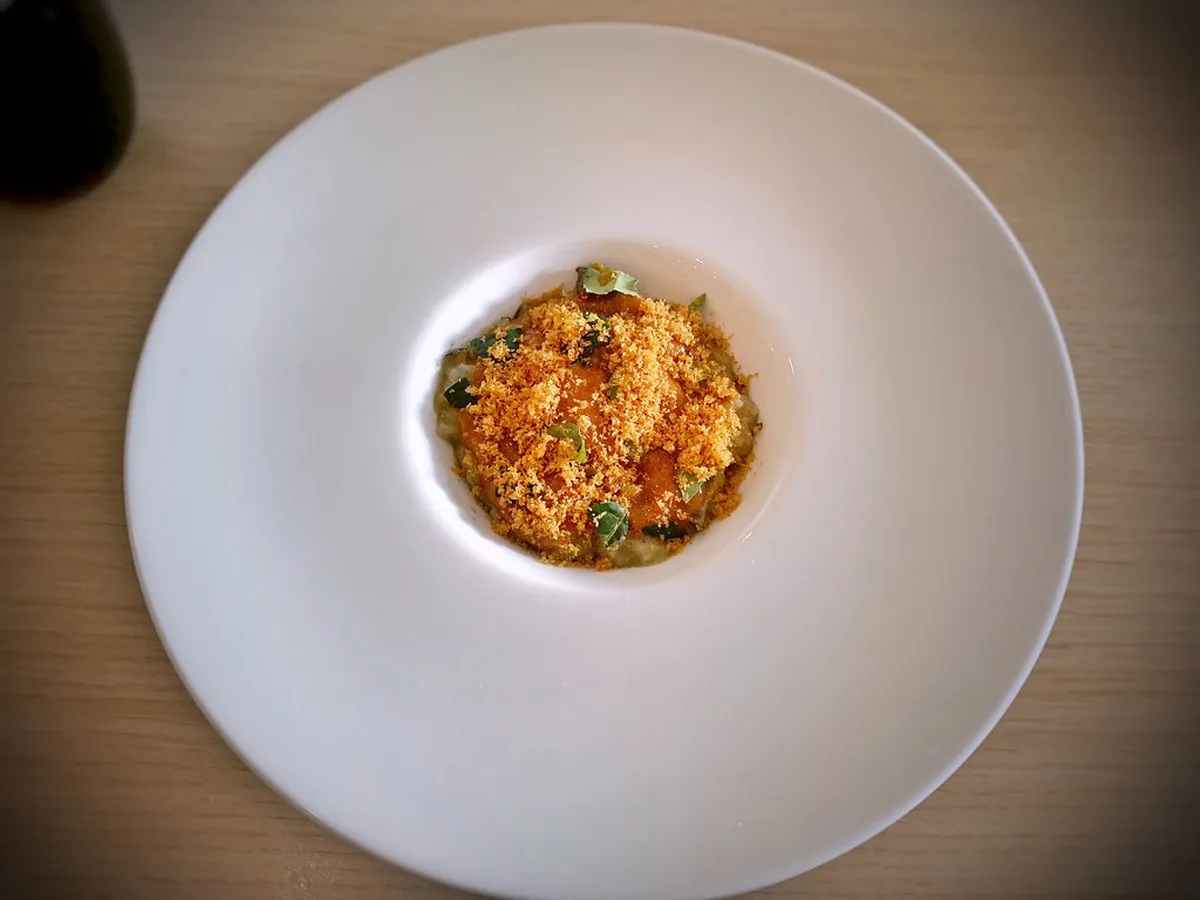
Featured image: T.Tseng, CC BY 2.0, via Flickr.
Jeju abalone porridge (jeonbok-juk): what it is and who it suits
Jeonbok-juk is rice simmered with chopped abalone and the abalone's innards. The innards give the bowl its green-brown tint. Sesame oil adds a nutty finish. Plain porridge served elsewhere in Korea is pale and mild, while this version tastes of the sea. Abalone is tied closely to Jeju's seafood tradition and to the haenyeo, the island's women divers. Expect a soft, savory bowl with small, chewy abalone pieces rather than a showy plate. Some diners love the ocean flavor and others find it bland. We'd call it a gentle first abalone dish, not a dramatic one. You can read Korea's wider food culture on the Korea Tourism Organization food pages.
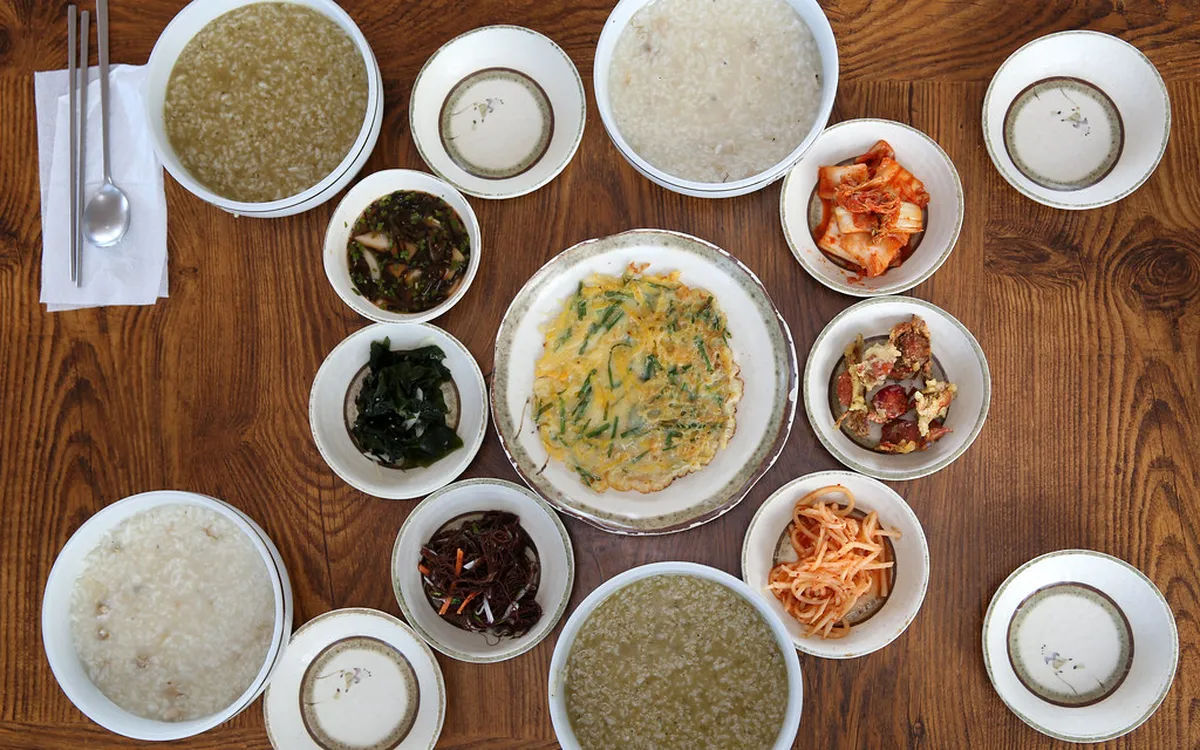
- Order it if you want a light, warm meal that is easy on the stomach.
- Order it if you want to try abalone without paying for a whole grilled one.
- Skip it if you have a shellfish allergy.
- Skip it if you dislike the deep, mineral taste of innards.
How to choose where to eat jeonbok-juk
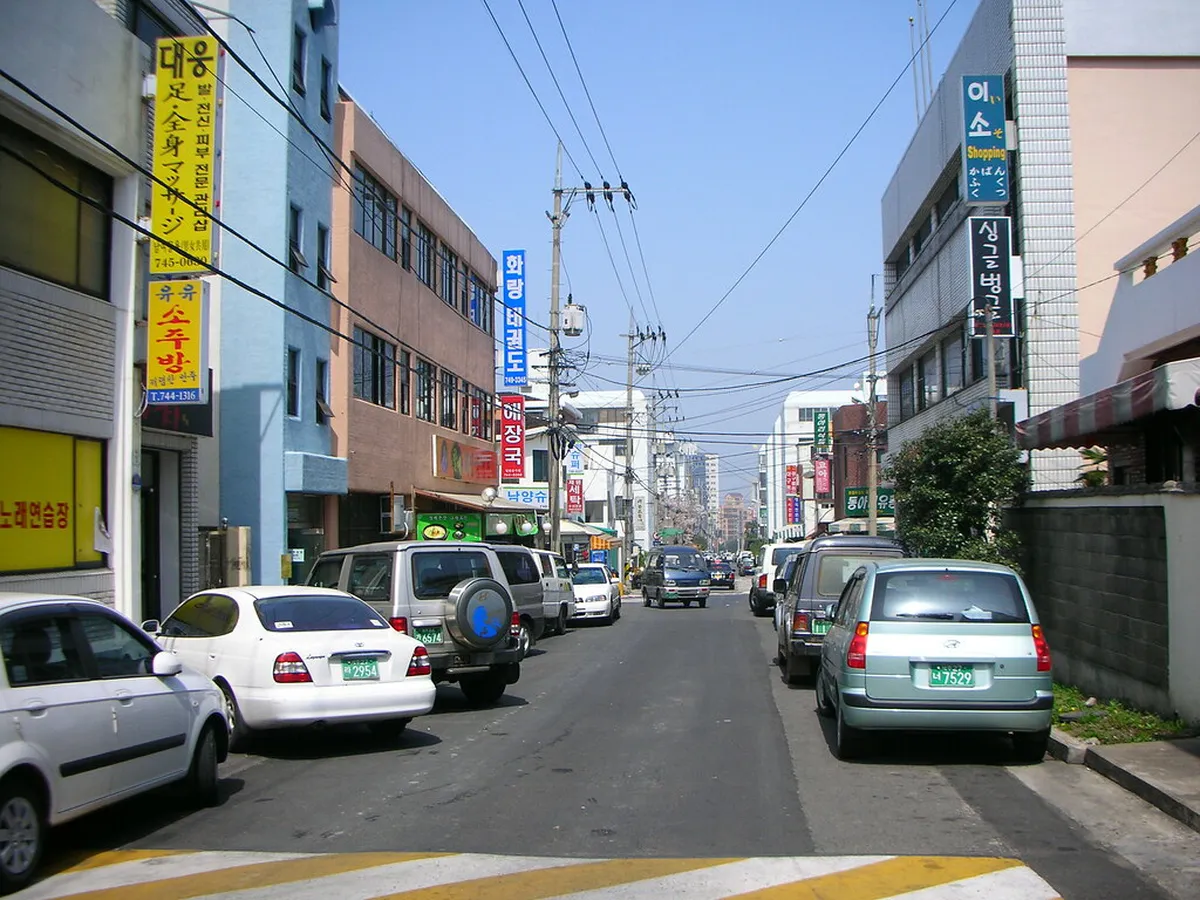
Venue type matters more than any single restaurant name. Local diners usually serve the dish as a staple and draw residents. Fishing-village and haenyeo-run spots tend to focus on whatever came out of the water that day. Large restaurants beside major sights are built for tour groups. They can be convenient, but the abalone can be small and the bill higher for what you get. Look for a short menu, abalone visible in a tank or on display, and Korean-only signage as a sign of local trade. If you want broader options, our restaurant picks across the island cover other styles. Our pick is a modest local diner over a big sightseeing canteen.
| Venue type | Freshness | Price level | English support | Route fit |
|---|---|---|---|---|
| Local diner | Usually good; turnover is steady | Lowest of the three | Often limited; point at 전복죽 | Seogwipo town, Jeju City |
| Fishing-village or haenyeo-run spot | Often strong; catch-driven | Low to mid | Limited | Coastal drives, east and north-east |
| Tour-group restaurant near a major sight | Varies; abalone can be small | Highest of the three | Often easier | Beside big attractions such as Seongsan Ilchulbong |
Porridge or whole abalone? What to order
Porridge is the cheapest abalone item on most menus. Grilled abalone and abalone seafood pots sit in a much higher price tier. Our rule is simple. Order porridge alone if you are solo, short on time or testing the flavor. Add grilled abalone if you want to taste the shell meat itself. Choose a seafood pot only when two or more people can share it. Pair any of these with grilled fish, and browse more seafood dishes across Jeju before you commit. Banchan side dishes arrive free with most Korean meals, so skip extra starters. Ask for salt if the bowl tastes flat. Many first-timers find the porridge mild and need a pinch.
| Dish | Relative price | Best for | Watch out for |
|---|---|---|---|
| Abalone porridge (jeonbok-juk) | Lowest | Solo diners, breakfast, light meals | Mild flavor; small abalone pieces |
| Grilled abalone | Mid to high | Tasting whole abalone texture | Portion is small for the cost |
| Abalone seafood pot | Highest | Groups of two or more | Too much food for one person |
Where it fits on your Jeju route
Pick the meal by the area you are already visiting. On the Seogwipo side, a local diner near Cheonjiyeon Falls suits a half-day in town. Seogwipo is worth a few days, according to Visit Jeju's official tourism site. On the east coast, Seongsan Ilchulbong is the draw. In winter (November to February) it is open 06:00–18:00, with the last ticket sold at 17:00. Spring and autumn hours run 05:00–19:00, and summer hours run 04:30–20:00. It closes on the first Monday of every month. The paid climb to the summit takes about 30 to 40 minutes. A porridge breakfast before an early sunrise climb works well, but outside food is not allowed inside the site. In Jeju City and the north, you can pair a bowl with a visit to the fish stalls at the old market. Cars give the most freedom between coasts. Buses work if you stay near one area. Check a map app for drive times on the day, since traffic varies.
Seongsan Ilchulbong is open 06:00–18:00 in winter, so plan a porridge breakfast around that window rather than a pre-dawn climb.
Costs and how to avoid overpaying
We have no current verified menu prices, so we won't quote any. Read the posted menu, including the board outside, before you sit down, and compare it with the tier guidance above.
Common mistakes with Jeju abalone porridge
Most disappointments come from a few avoidable choices. Fix these and the dish improves.
- Choosing a restaurant for its view alone. A scenic courtyard near a major sight does not guarantee fresh abalone.
- Assuming every bowl is equal. Quality and abalone size vary a lot between venues.
- Ordering too much. Porridge fills you up, so add a pot only when sharing.
- Ignoring allergies. Tell staff about shellfish allergies before ordering, since the broth uses innards.
- Treating it as the only Jeju signature. Balance it with Jeju's black pork on another night.
- Skipping lighter alternatives. If the porridge is too mild, try warm noodle bowls instead.
Frequently Asked Questions
What is abalone porridge in Korea?
Abalone porridge, called jeonbok-juk, is rice cooked with abalone and sesame oil. It is a soft, mild dish, and Jeju is the island most associated with it.
Why is abalone porridge green?
The green-brown color comes from cooking the rice with the abalone's innards. It is a normal part of the dish. The flavor is deeper and more mineral than plain porridge.
Where can I find the best abalone porridge in Jeju?
Look for a local diner or a fishing-village restaurant rather than a tour-group canteen. Seogwipo near Cheonjiyeon Falls and the east coast around Seongsan are practical places to start. Our Jeju food hub has more ideas.
Notes for your Korea trip
Optional updates to our city guides.
You might also like
Continue reading
More guides you'll find useful