Jeju Noodles: What to Order and Where to Eat on the Island
A practical guide to noodles on Jeju Island: which dishes to try, how they differ, where to find them, and how to reach noodle stops without a car.
On this page
Last updated November 2026: jeju noodles here means the noodle soups and cold noodle bowls served on Jeju Island, South Korea. Start with gogi-guksu, the pork-broth noodle soup, then branch into kalguksu, bibim-guksu and seafood bowls such as momguk and haemul ramyeon. This guide explains how each bowl differs, who it suits and how to reach noodle stops without a car.
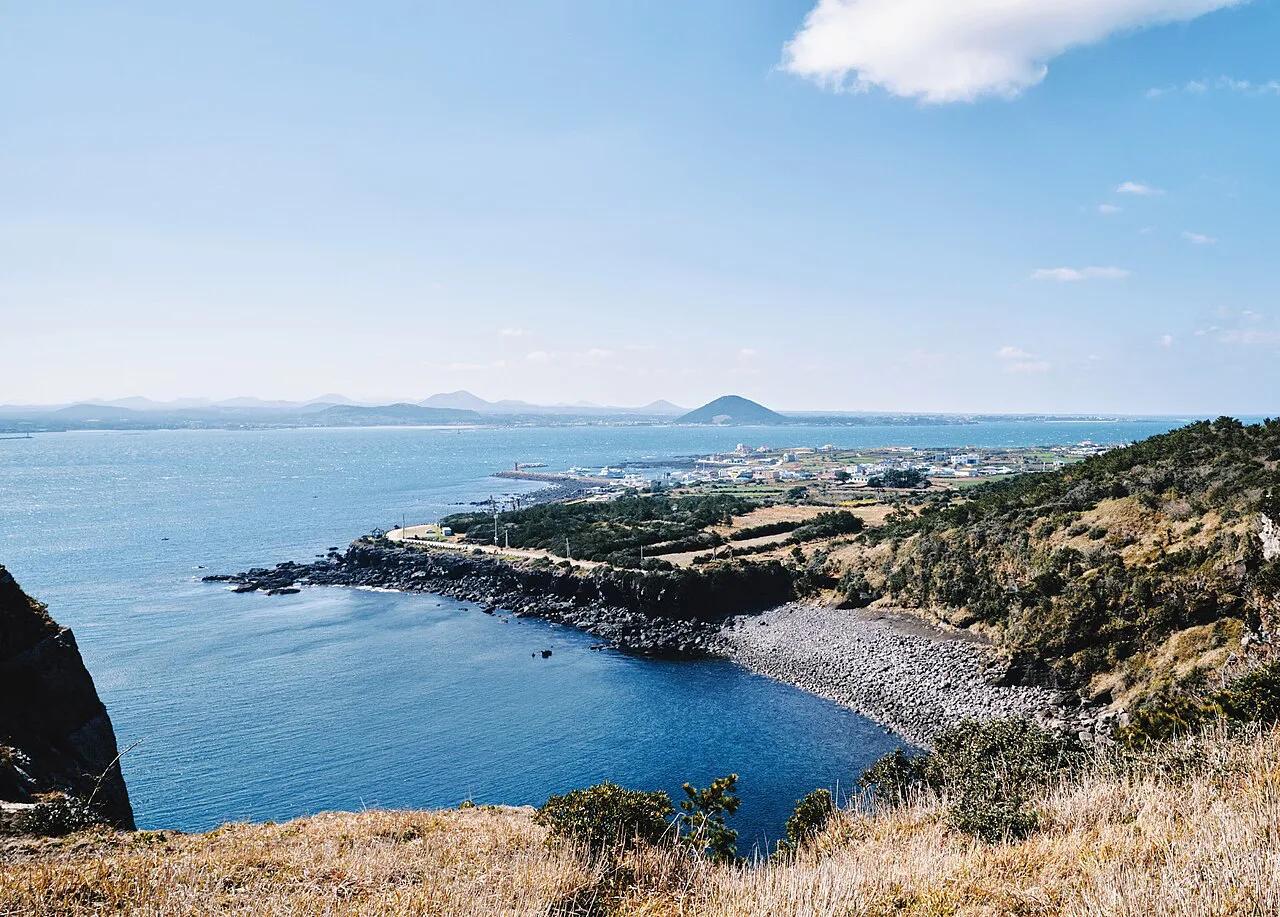
Featured image: 채지형, CC BY 4.0, via Wikimedia Commons.
Jeju Noodles in Short
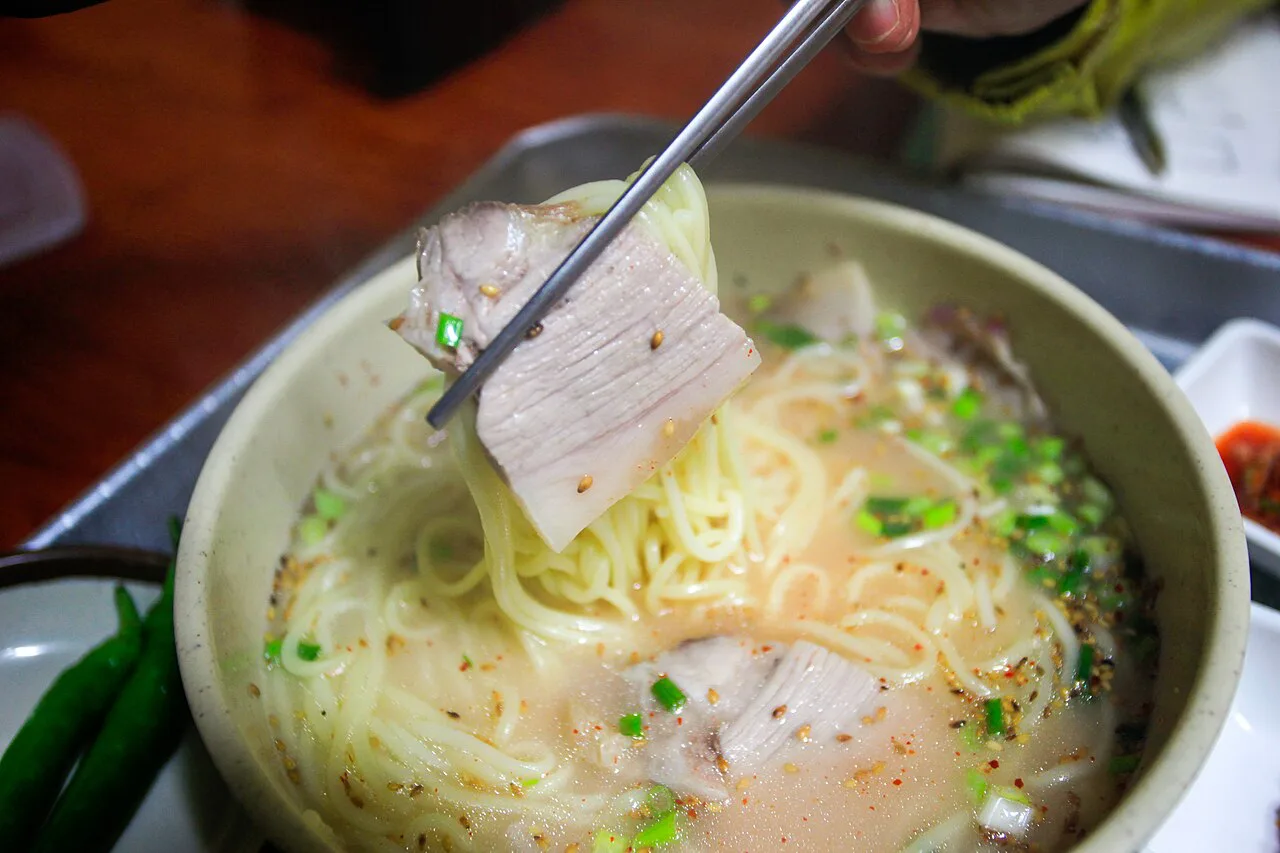
Jeju Island has no single noodle dish. It has a short list of bowls, each with a clear job. Pork-broth gogi-guksu is the signature bowl, and the others cover knife-cut comfort, cold spice and seafood.
- Gogi-guksu: pork-broth noodle soup, the best first order for most visitors.
- Kalguksu: hand-cut wheat noodles in a hot soup, a filling meal on a wet day.
- Bibim-guksu: noodles tossed in a spicy-sweet sauce, served without a hot broth.
- Momguk: a seafood-based soup built around sea vegetables, aimed at readers who want a lighter bowl.
- Haemul ramyeon: instant-style noodles in a seafood broth, a spicy option for a casual meal.
Jeju Noodle Dishes: What You Are Ordering
Broth is the main difference between these bowls. Gogi-guksu leans on pork, so it tastes rich and savory rather than sharp. Seafood bowls taste brinier and usually lighter. Bibim-guksu skips the hot soup altogether and relies on sauce. Pork-focused bowls connect to the island's wider pork tradition, covered in our black pork guide. Dish descriptions for the region also appear on the Korea Tourism Organization food pages.
| Dish | Broth or sauce | Best for |
|---|---|---|
| Gogi-guksu | Pork broth | First-timers wanting the island's signature bowl |
| Kalguksu | Hot soup with hand-cut noodles | A hearty, warming meal |
| Bibim-guksu | Spicy-sweet sauce, no hot broth | Warm days and spice lovers |
| Momguk | Seafood-based soup | Lighter, seafood-leaning meals |
| Haemul ramyeon | Spicy seafood broth | Casual, quick meals with some heat |
Where to Eat Noodles in Jeju
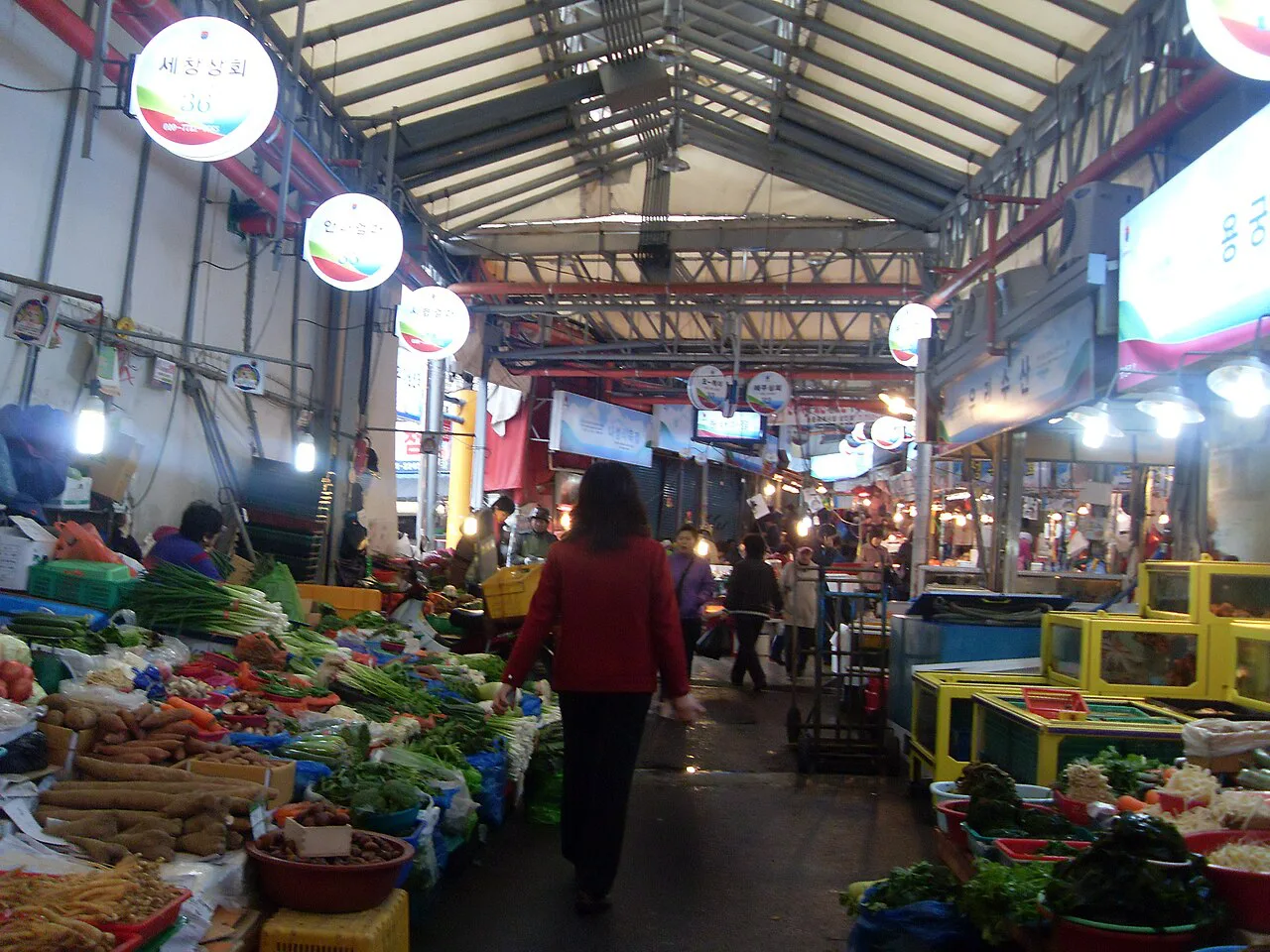
Jeju City is the easiest base for a noodle crawl, because small noodle shops cluster in its older commercial streets. Market stalls are the other reliable option. Browse the market stalls at Dongmun for a quick bowl between other snacks. Seafood-heavy bowls make most sense on the coast, where the catch is local. Our island seafood dishes page covers what else to order there. For sit-down meals beyond noodles, see our fuller restaurant picks.
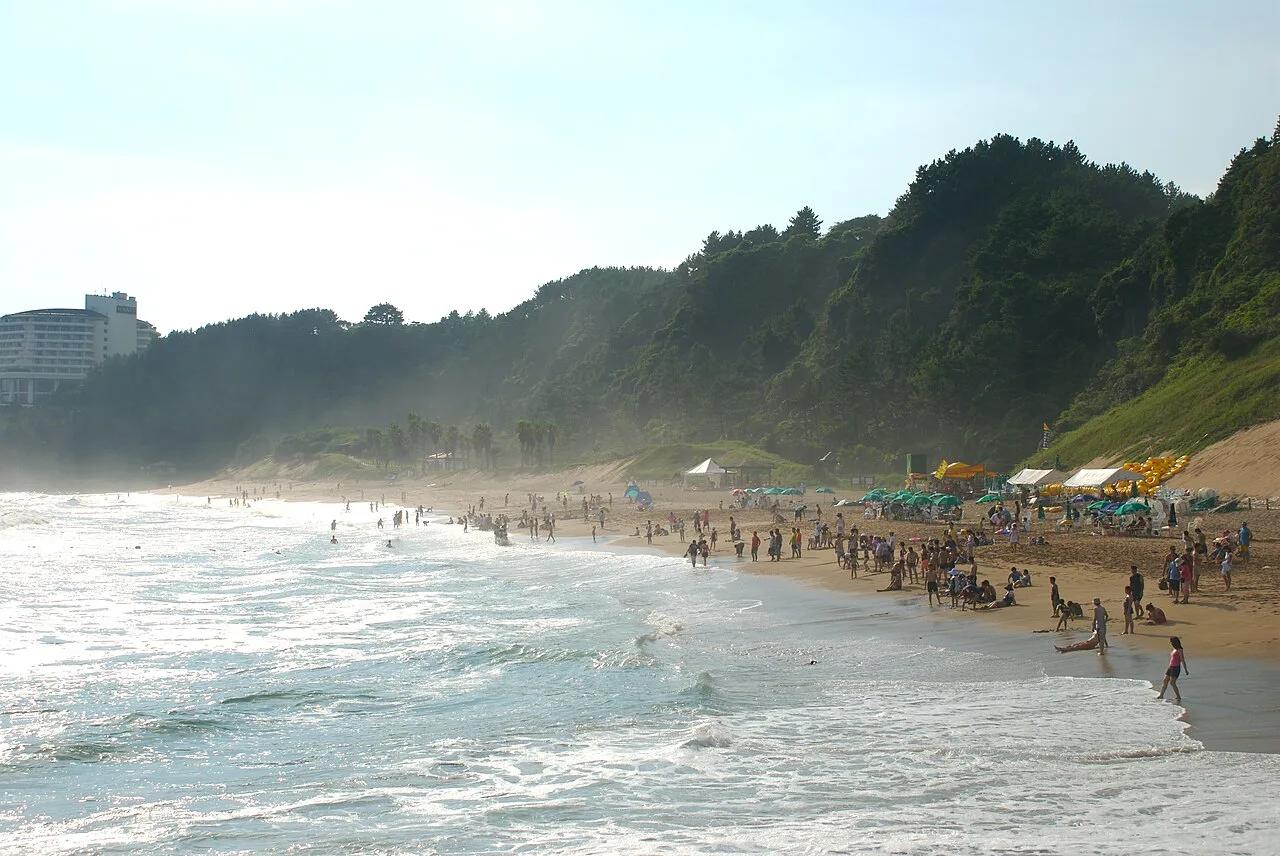
Coastal bowls and the 9 km Aewol route suit a slow day, since the route can be covered on foot.
Which Noodle Dish Fits You
Match the bowl to your situation rather than to a rumor about the best shop. First-timers should order gogi-guksu. Readers who avoid pork should look for the seafood bowls instead, and those who avoid shellfish should skip momguk and haemul ramyeon. Bibim-guksu is the safest pick when you want something light and cold. Kalguksu suits a full meal after a long travel day.
- First visit: gogi-guksu.
- Pork-averse: momguk or bibim-guksu, after asking about the broth.
- Shellfish-averse: gogi-guksu, kalguksu or bibim-guksu.
- Light lunch: bibim-guksu.
- Full meal in cold weather: kalguksu.
Cost, Timing and Logistics
Noodle shops publish their own prices, hours and closing days, and these change often. Check the venue's own channel or the Visit Jeju official tourism site before planning a meal around a single shop.
Getting to Noodle Stops Without a Car
Staying in Jeju City keeps most noodle options within a short taxi ride or walk of your lodging. West-coast stops need more planning. The Aewol coastal route runs roughly 9 km from Hagwi-ri to Aewol-ri, and it can be covered by car, bicycle or on foot. Part of it follows Jeju Olle Trail Route 16 and the Jeju Fantasy Bicycle Path, according to the Visit Jeju Aewol page. That makes a slow coastal day with a noodle stop a realistic car-free plan. Without a car, a detour costs time and transfers, so a market bowl near your lodging is usually the better trade.
Mistakes to Avoid
Most noodle mix-ups come from the menu rather than the food. Hangul-only menus can hide whether a bowl is pork or seafood. Ask before ordering if you avoid either. Do not assume a seafood noodle is shellfish-free. Do not plan a long cross-island detour around one shop, since closing gaps between meal services can catch late arrivals.
- Ask about pork or shellfish before you order.
- Treat hours posted by the shop as the final word.
- Pair far-flung noodle stops with a coastal walk, not a rushed lunch.
What to Eat Next
If noodles leave you wanting a gentler bowl, try abalone porridge as the non-noodle alternative. Browse the wider Jeju food hub for the rest of the island's specialties.
Frequently Asked Questions
What is Jeju pork noodle?
Gogi-guksu is the pork-broth noodle soup most associated with Jeju. Expect a rich, savory broth with noodles and pork pieces.
What is a popular Korean noodle dish?
Kalguksu and bibim-guksu are two widely eaten noodle dishes. Kalguksu is a hot soup with hand-cut noodles. Bibim-guksu is served with a spicy-sweet sauce and no hot broth.
Notes for your Korea trip
Optional updates to our city guides.
You might also like
Continue reading
More guides you'll find useful