8 Best Restaurants in Jeju: Where to Eat & What to Order
Where to eat in Jeju: black pork, haenyeo seafood, noodles and markets, with area, price bands, timing and reservation tips for each pick.
On this page
Last updated November 2026: the best restaurants in Jeju cluster around four dishes. Those are black pork grills, haenyeo seafood and abalone porridge, noodles, and market food. We pick eight places across Jeju City, Seogwipo, Jungmun, Seongsan and Udo, with prices and timing for each. Our wider Jeju food guide covers the dishes in more depth.
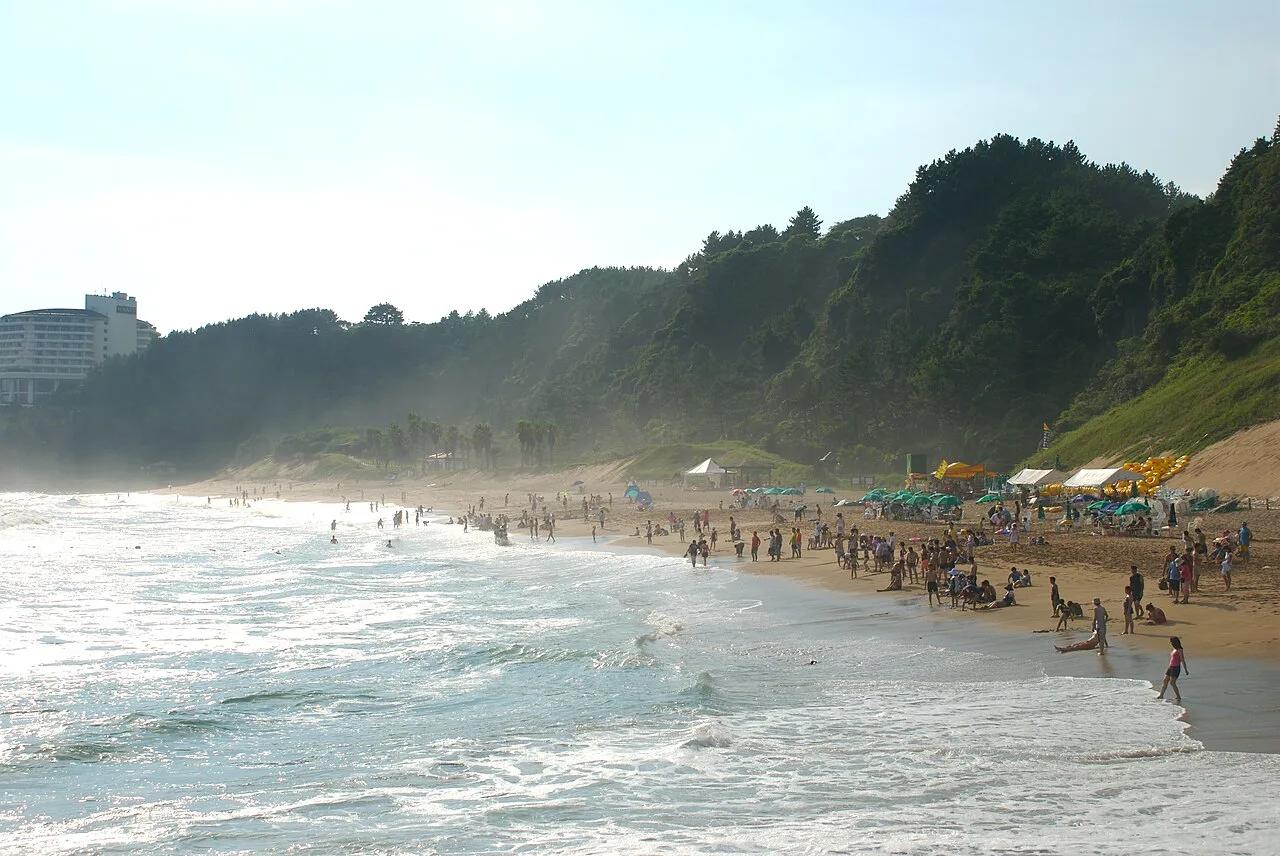
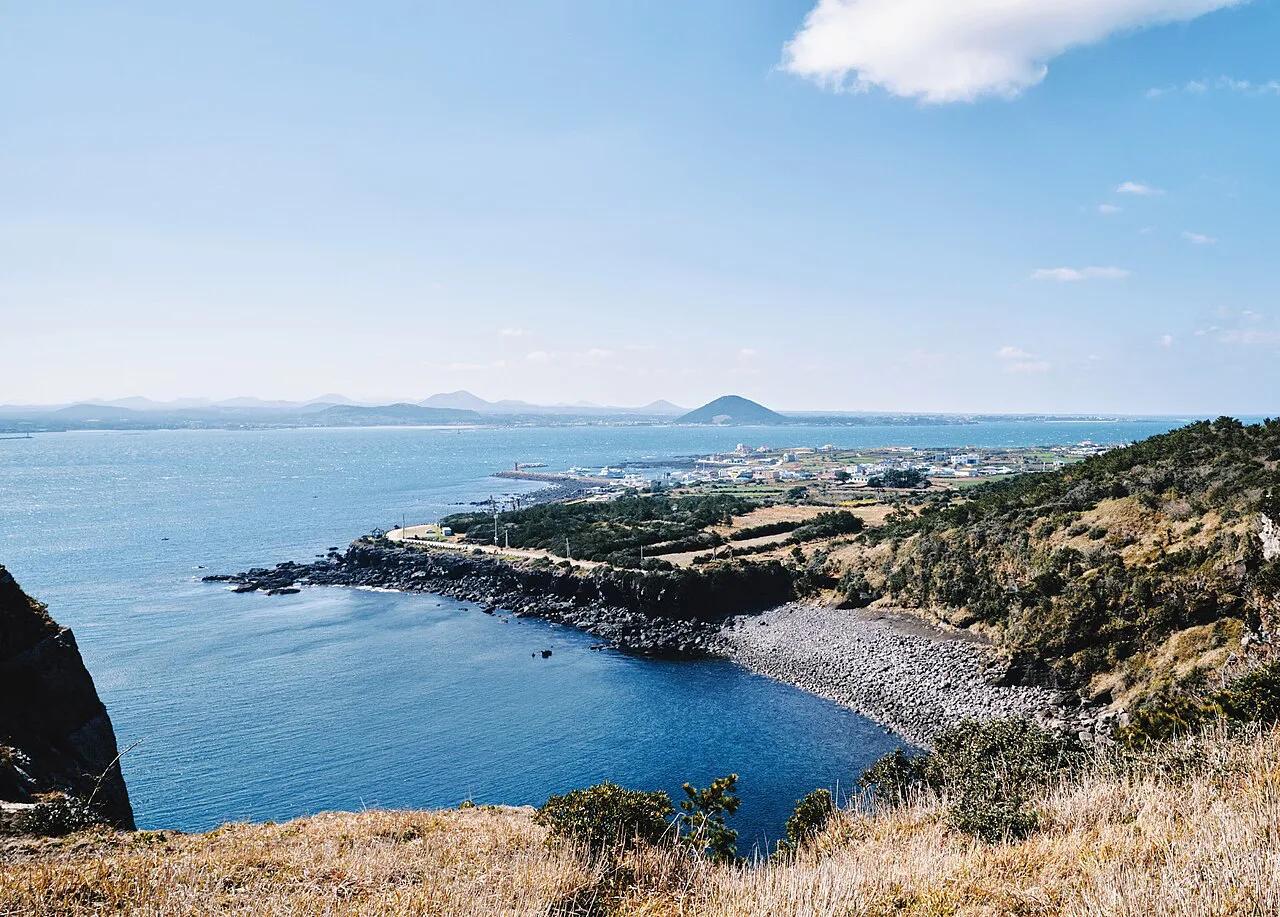
Featured image: schizoform, CC BY 2.0, via Flickr.
8 Best Restaurants in Jeju, Grouped by Dish and Area
Prices and hours checked November 2026. We group the eight picks by dish instead of ranking them, because the right meal depends on your area and your hour. Our pick for a first night is black pork. Our pick for a first lunch is a market stall.
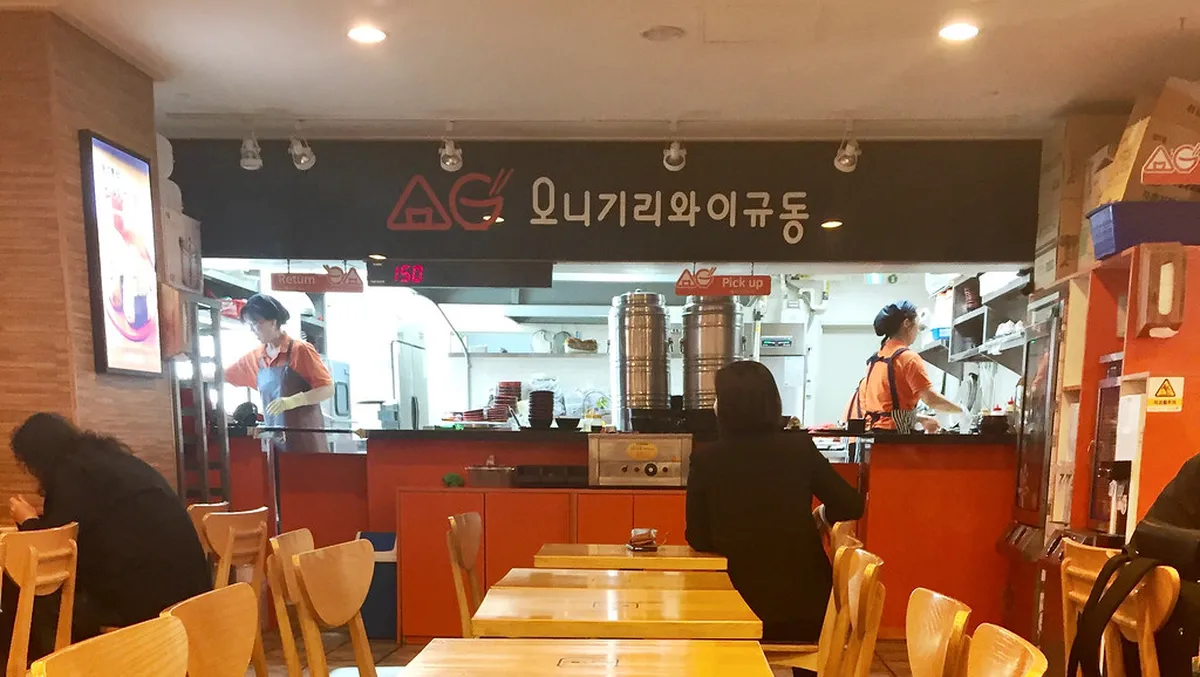
1. Childonga: Black Pork Belly
Childonga specializes in Jeju black pork belly, which is chewier and richer than mainland pork. Thick slices go on an iron grill until the edges turn glassy. You wrap them in perilla leaves with raw garlic and fermented shrimp paste. A full meal for two with sides and soju runs ₩35,000–55,000.
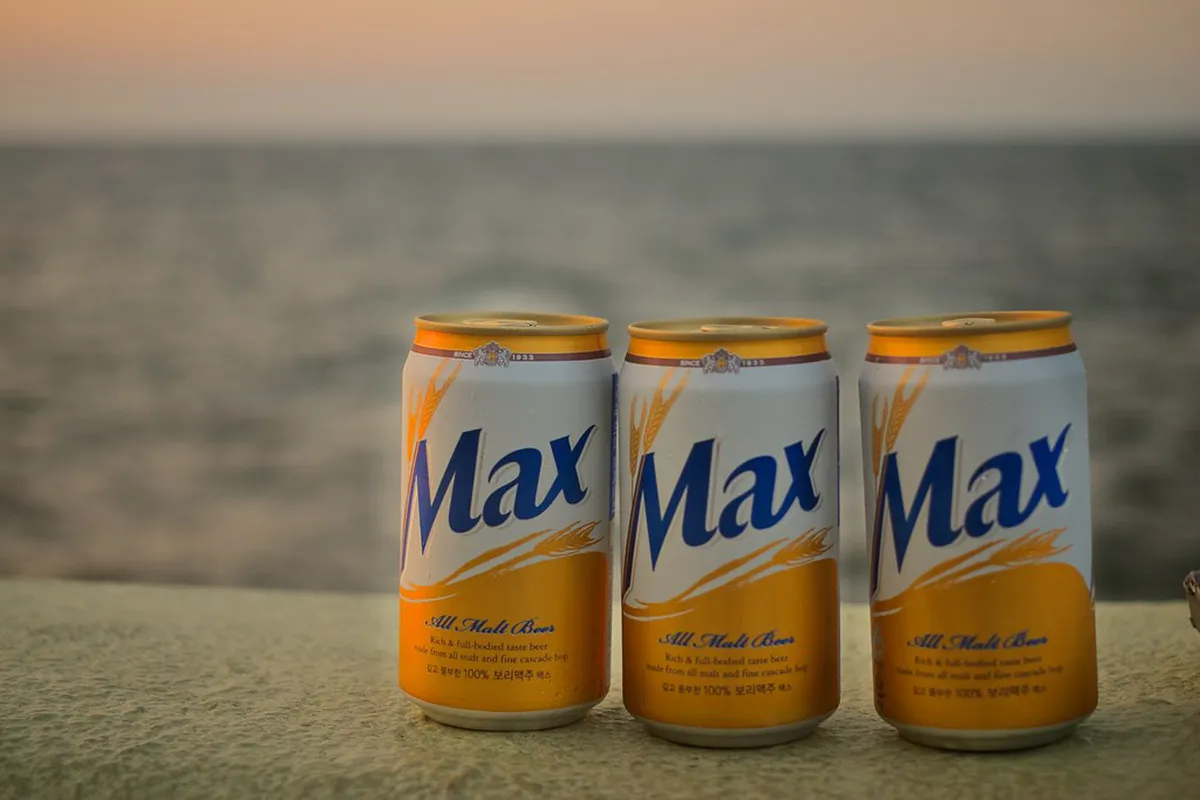
Locals pair it with Hallasan soju or a pale ale from Jeju Beer Company. Arrive around 5:30 or 6 PM, because weekend queues peak between 6:30 and 8 PM. Our guide to Jeju black pork grills lists more options. Skip it if you avoid pork.
2. Eunhye Jeonbog: Abalone Done Several Ways
Eunhye Jeonbog is built around abalone, from stone pot rice to roasted abalone sashimi. Order the porridge if you want the gentlest introduction. It turns pale green from the abalone liver and tastes mildly briny. A bowl at a haenyeo restaurant in Seongsan or near Udo Island runs ₩15,000–20,000.
Pair it with Seongsan's paid summit trail, which takes about 30 to 40 minutes. In winter (Nov–Feb) the site is open 06:00–18:00, with the last ticket sold at 17:00. Read our notes on abalone porridge in Jeju before you choose a bowl. Skip it if shellfish is a problem.
3. Gozip Dol Wooluck Jungmun: South Coast Fish
Gozip Dol Wooluck Jungmun is a fish restaurant at 879 Iljuseo-ro in Seogwipo-si. Its listed hours are daily 10:00–14:50 and 17:00–21:30, so it closes between lunch and dinner. Order the braised hairtail (galchi-jorim), which simmers in gochujang with radish and green onion. A dinner of fish with rice and banchan at neighborhood spots runs ₩12,000–18,000.
This is a detour from Jeju City, so we'd go only if you are already sleeping in Jungmun or Seogwipo. More fish options are in our Jeju seafood restaurant guide.
4. Nolman: Seafood Ramen
Nolman is a small ramen shop known for a seafood broth that tastes savory and comforting. Seating is limited, so it fills quickly at the noon to 1:30 PM lunch peak. Go early or accept a short wait. Casual meals like this generally cost ₩8,000–15,000.
It is our pick for a rainy-day lunch when you want something hot and fast. Skip it if you want a long sit-down grill dinner with side dishes.
5. Ollae Guksu: Handmade Noodles
Ollae Guksu is a noodle shop in Jeju-si with handmade noodles and traditional dishes. Its listed hours are Monday to Saturday, 8:30–15:00. That makes it a breakfast or lunch stop, and it is shut on Sundays. Dotoree Kitchen is the other noodle name worth knowing, for its green tangerine soba.
In summer, Jeju's icy mul naengmyeon is worth ordering even on a hot day. Our Jeju noodle guide goes deeper. Skip Ollae Guksu if you only eat dinner out.
6. Dongmun Market: Raw Fish Bowls and Night Stalls
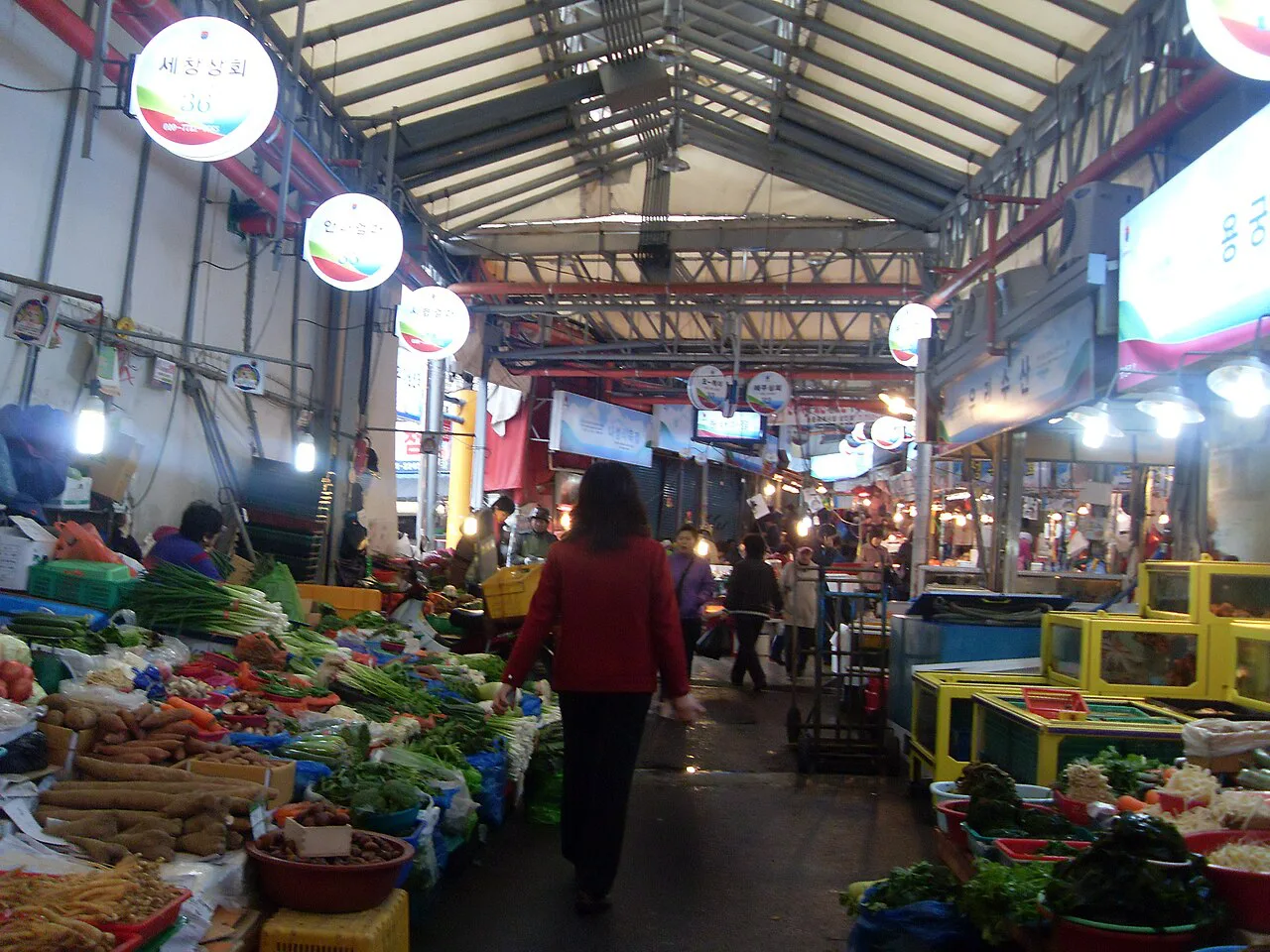
Dongmun Traditional Market sits near Jeju International Airport, at 14 Gwandeok-ro in Jeju-si. Hours depend on the store, and the market is effectively always open. In the evening a night market adds food stalls and souvenirs. Between noon and 2 PM the pojangmacha stalls fill up with hoedeopbap, raw fish rice bowls made with that morning's catch.
Look for raw hairtail on ice, hallabong slices and rice cakes made from black millet. Our Dongmun Market food guide maps the stalls. Bring cash, and skip it if crowds bother you.
7. Seogwipo Maeil Olle Market: South Coast Grazing
Seogwipo Maeil Olle Market is at Jungang-ro 62beon-gil 18 in Seogwipo-si. It is open year-round with no regular closing days. Winter hours are 07:00–20:00, and each store sets its own. Stalls here sell stuffed buns and fried pork belly kimbap. Fresh hallabong juice is the drink to pair with them.
It has the same energy as Dongmun Market with more of a craft-food bent. We'd treat it as a lunch stop if you are staying in Seogwipo. The Jeju markets guide compares the options. Skip it if you want a table and a menu.
8. Udo Island: Peanut Ice Cream and Cafes
Jimmy's Famous Peanut Ice Cream and Blanc Rocher are the two Udo names worth the crossing. Jimmy's serves peanut soft serve, and the hallabong flavor tastes like a creamsicle. Blanc Rocher is known for peanut cream coffee. Ferries leave from Seongsan Port and Jongdal Port, and the crossing takes about 10–15 minutes.
Udo Marine Provincial Park admission is ₩1,000 for adults, and the ferry fare is separate. One or two sights plus a cafe stop take roughly 3–4 hours. Sailings depend on weather, so check Visit Jeju's official tourism site on the day. Our Jeju cafe guide covers sweets on the main island. Skip Udo if the sea is rough.
Pick by Situation: Where to Eat in Jeju
Use this table when the choice comes down to what you want and how much waiting you can face. Black pork needs the most planning, and markets need the least.
| Dish or venue | Area | Best for | Queue risk | Price band |
|---|---|---|---|---|
| Childonga black pork | Jeju City | First-night dinner | High at 6:30–8 PM on weekends | ₩35,000–55,000 for two |
| Abalone porridge | Seongsan and Udo | Lunch | Moderate | ₩15,000–20,000 |
| Galchi-jorim | Neighborhood spots | Dinner | Low to moderate | ₩12,000–18,000 |
| Nolman seafood ramen | Jeju | Quick hot lunch | High at noon | ₩8,000–15,000 |
| Dongmun Market bowls | Jeju City | Late lunch | Peaks noon–2 PM | Casual band |
| Udo peanut ice cream | Udo Island | Dessert stop | Weather dependent | Casual band |
How to Eat Well in Jeju: Timing, Payment and Diet
Lunch hits hard from noon to 1:30 PM. Dinner starts around 6 PM, and black pork grills are busiest from 6:30 to 8 PM at weekends. Kitchens at many traditional restaurants wind down after 8:30 PM. The bar-and-snack streets around Chilseong-ro only pick up after 9 PM. Most grills, haenyeo spots and market stalls do not take reservations. Craft-food spots in Ara-dong and the cafes near Aewol are the exceptions. Cash works best at market stalls, cards work at most sit-down restaurants, and nobody expects a tip. Pork and seafood sit in nearly every dish, and even kimchi can contain fermented shrimp or anchovy. Vegetarians can eat here, but it takes more effort than in Seoul. Urchin is best from late spring to early autumn, and hallabong season runs from December to March. Our hallabong guide explains the fruit. Spring and autumn are the strongest months overall. Korea's national tourism body also keeps a Korean food guide for dish names.
Where to Base Your Meals: City, South Coast or East
Jeju City suits black pork, Dongmun Market and late-night snacks. Seogwipo and Jungmun suit fish and the Maeil Olle Market. Visit Jeju recommends a few days in Seogwipo if you want to see Saeyeon Bridge and Saeseom. The east side pairs Seongsan with Udo for abalone and ice cream. Aewol has cafes along a 9 km coastal route from Hagwi-ri to Aewol-ri, which you can drive, cycle or walk. Seogwipo and the east coast are long rides from Jeju City, so we'd book a car or plan a taxi before committing to a mid-tier meal there.
Aewol's 9 km coastal route works by car, bike or on foot, unlike the long rides to Seogwipo and the east coast.
Budget and Mistakes to Avoid
Street food and casual meals run about ₩8,000–15,000. Mid-range black pork or seafood runs about ₩25,000–40,000 per person. A black pork dinner for two with sides and soju runs ₩35,000–55,000. Sources quote slightly different ranges, so treat these as bands. Four mistakes cost people the most. Showing up at 7 PM on a weekend with no fallback is the first. Assuming every restaurant takes reservations is the second. Driving a long way for an average meal is the third. Ordering by photo at tourist grills without checking the price per portion is the fourth.
Black pork grills peak from 6:30 to 8 PM at weekends, so arriving at 5:30 or 6 PM avoids the worst of the queue.
Half-Day East Jeju Food Route: Seongsan, Abalone and Udo
Pair Seongsan with Udo when you want a food-focused east-coast outing. Start with the paid Seongsan summit trail before lunch. The climb normally takes 30–40 minutes. In winter, the site opens from 06:00 to 18:00, with final tickets sold at 17:00.
Have abalone porridge or another abalone dish at Eunhye Jeonbog after the walk. Then continue to Seongsan Port or Jongdal Port for Udo. The ferry crossing takes about 10–15 minutes. Udo Marine Provincial Park admission is ₩1,000 for adults, separate from the ferry fare.
Allow roughly 3–4 hours on Udo for one or two sights and a cafe stop. Finish with peanut ice cream at Jimmy’s or peanut cream coffee at Blanc Rocher. This route works best when the sea is calm, since ferry sailings depend on weather and sea conditions.
Frequently Asked Questions
What are some specialties of Jeju Island?
Black pork belly grilled at the table is the best-known dish. Haenyeo seafood is the other half of the menu, including abalone porridge and raw sea urchin. Braised hairtail (galchi-jorim) and hoedeopbap raw fish bowls are everyday meals. Hallabong mandarins are the fruit to look for from December to March.
Notes for your Korea trip
Optional updates to our city guides.
You might also like
Continue reading
More guides you'll find useful