16 Best Things to Do in Jeju: Sights, Food & Regions
16 things to do in Jeju by region: Seongsan sunrise, Manjanggul, Udo, haenyeo, tea fields and Hallasan, with 2026 hours, fees, itineraries and rain plans.
On this page
Last updated November 2026: the best things to do in Jeju range from volcanic cones and lava tubes to haenyeo culture, black pork and tea fields. Jeju is a car-friendly island, so the region you base in shapes every day. 16 picks below run region by region, from Jeju City to the south coast.
Featured image: Bernard Gagnon, CC0, via Wikimedia Commons.
Jeju at a Glance: Pick a Region First
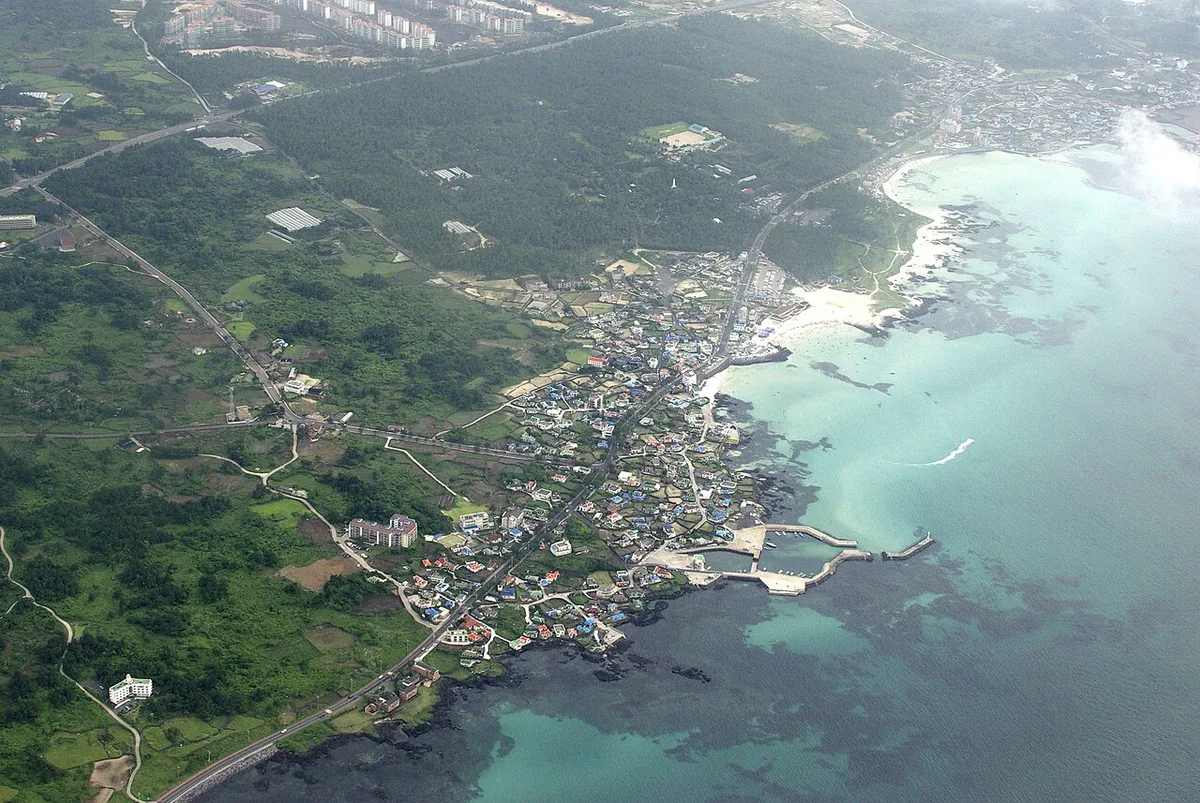
No train crosses Jeju, so choose a region before you choose sights. Jeju City suits arrival days and market food, while the west coast suits beaches and café walks. East of the city, Seongsan anchors sunrise and the Udo ferry. Down south, waterfalls and basalt cliffs sit close together. Interior roads lead to Hallasan and the riding stables.
| Region | Best for | Signature stops | Car needed? | Go deeper |
|---|---|---|---|---|
| Jeju City | Arrival days, food, evenings | Dongmun Market, Yongduam Rock | Optional; buses and taxis work | Jeju City sights |
| West coast | Beaches, cafés, sunsets | Hyeopjae, Handam walk, Hallim Park | Strongly helpful | west-coast beaches and cafés |
| East coast | Sunrise, lava tube, Udo, haenyeo | Seongsan Ilchulbong, Manjanggul, Seopjikoji | Strongly helpful | east-coast drives |
| South coast | Waterfalls, cliffs, tea fields | Cheonjeyeon, Jusangjeolli, O'Sulloc | Helpful | See the south-coast picks below |
| Interior | Hiking, crater walks, riding | Hallasan, Sangumburi | Strongly helpful | riding stables |
16 Best Things to Do in Jeju by Region
Hours and fees below come from Visit Jeju, with prices and hours checked November 2026. Entries run from Jeju City through the west, east and south coasts, then inland.
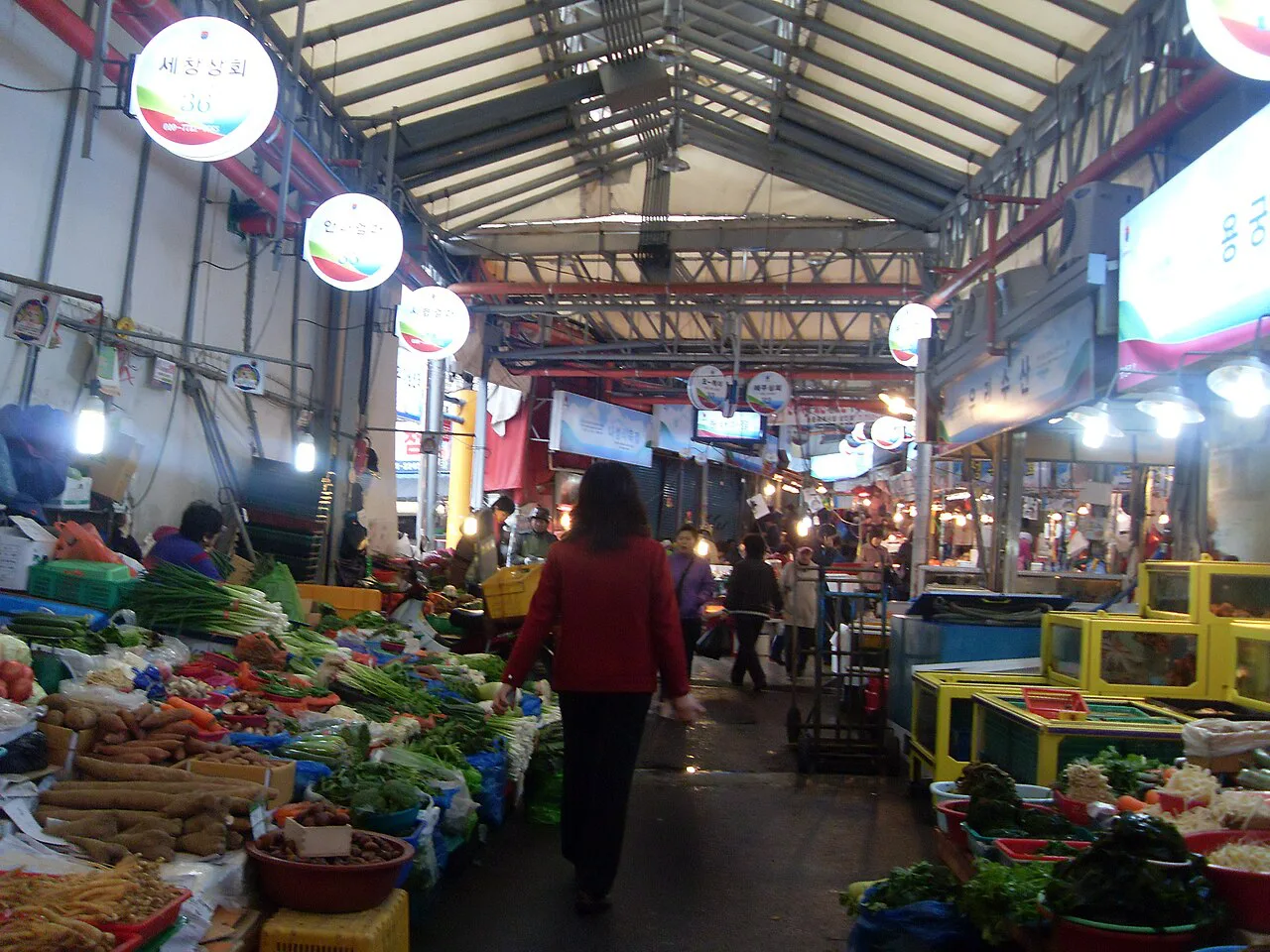
1. Dongmun Traditional Market (Jeju City)
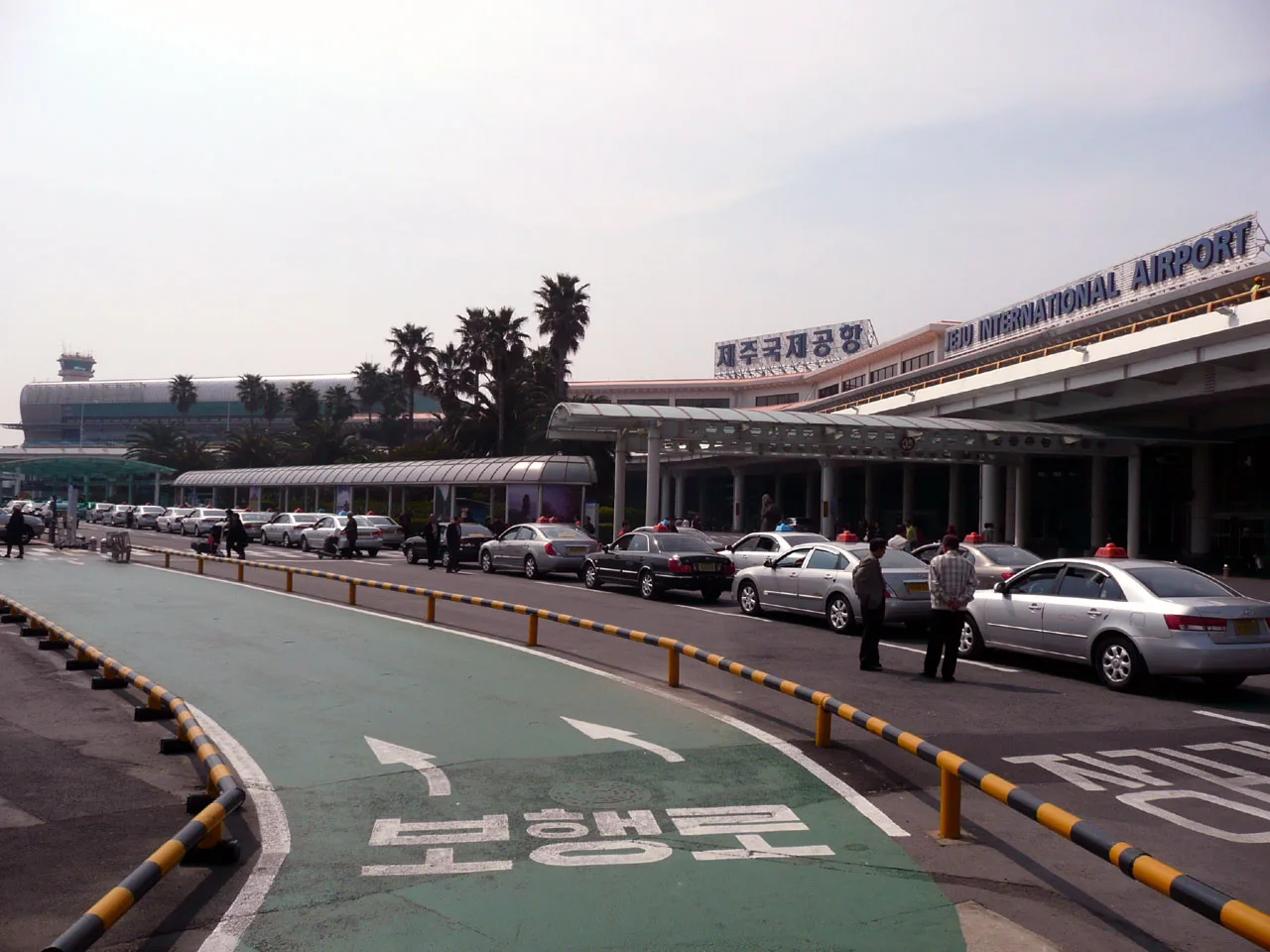
Jeju City's main traditional market sits near Jeju International Airport, at 14 Gwandeok-ro. Opening hours depend on each store. By day it works as a traditional market, and in the evening the night market adds food stalls and souvenirs.
Look for hallabong citrus, seafood and street snacks, and eat before you buy gifts. Best for an arrival evening or a layover. Skip it if crowds and fish smells put you off, and fold it into a day of Jeju City sights.
2. Yongduam Rock (Jeju City)
Yongduam Rock is a free coastal viewpoint at 15 Yongduam-gil, open at all times year-round. View it from the designated trail and safety facilities, and check the weather before you walk out. Parking is available, with fees paid on site.
A free interpretation service takes phone reservations or on-site sign-up, but it does not run on Lunar New Year's Day or Chuseok. Best for a short stop on an arrival or departure day. Skip it if you want a beach, and pair evening visits with after-dark options.
3. Jeju Folk Village Museum (culture stop)
This open-air museum recreates traditional island life with thatched-roof houses, village lanes and exhibits on farming, fishing and shamanic rituals. Walk the lanes to see how islanders lived before modernization, then stop at the on-site cafe for a volcanic latte.
Best for culture-minded travelers and families with older children. Skip it on a one-day visit or if coastline scenery is your priority. Hours and ticket prices are listed on Visit Jeju.
4. Hallim Park (West Coast)
Hallim Park sits at 300 Hallim-ro, Hallim-eup, and opens year-round with no regular closing days. Plan about 1 hour 30 minutes for a visit. Parking is free. Ticket sales start at 09:00 in September and October, and closing times shift by 30 minutes either way with the seasonal sunset.
Dogs under 5 kg are allowed on a leash with a waste bag, one dog per adult. Best as a west-coast stop between beaches. Skip it on a packed day when time is tight.
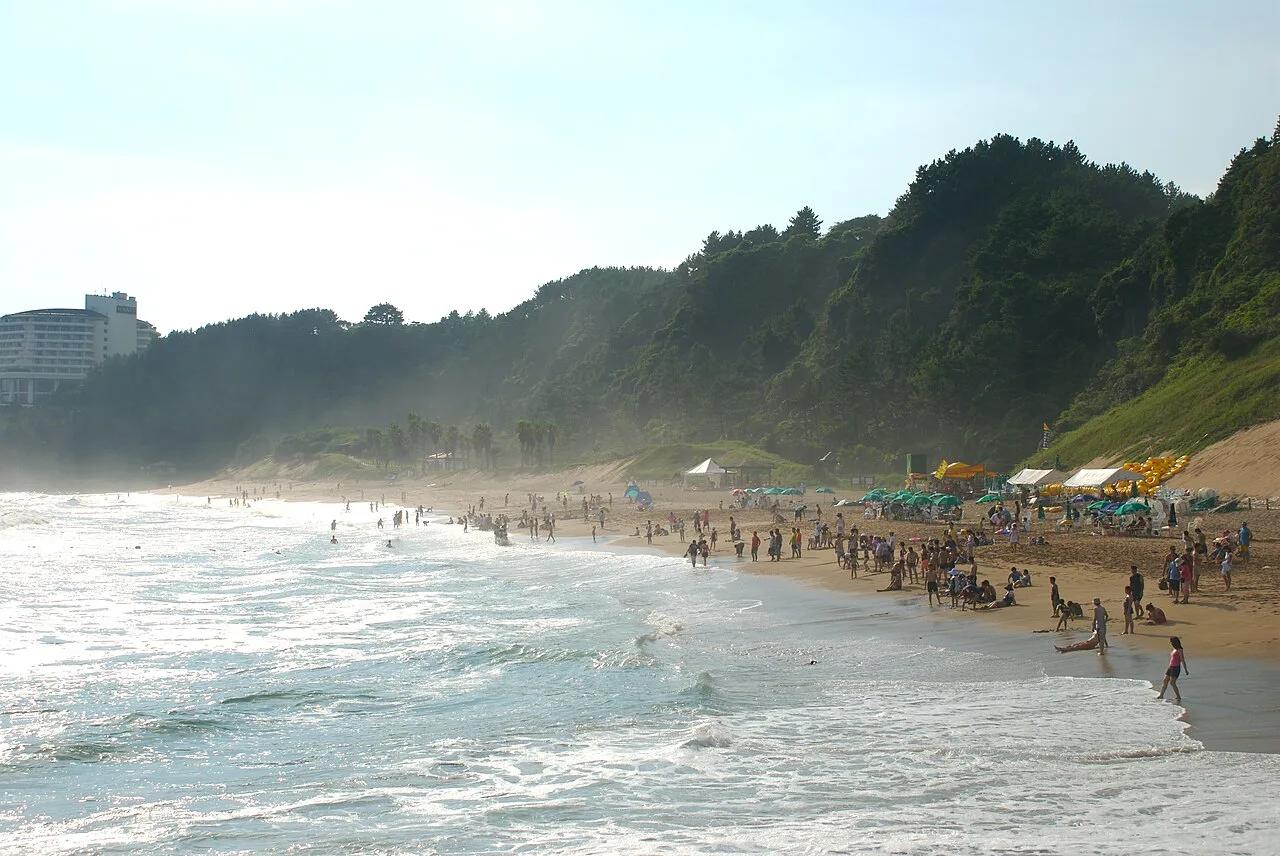
5. Hyeopjae Beach (West Coast)
Hyeopjae Beach at 2497-1 Hyeopjae-ri is open at all times, with shallow water and a west-facing view that suits sunset. In 2026 a parasol costs ₩20,000 and a wooden platform ₩30,000, the standard rate at Jeju's designated beaches. The designated safety-management period runs June 24 to September 6, 10:00 to 19:00, extended to 21:00 from July 15 to August 15.
Pets may swim only in designated areas during open season. Best for families and sunset watchers. Skip it in peak summer afternoons if you dislike crowds, and see the west-coast beaches and cafés for more.
6. Handam Coastal Walk and Aewol Cafés (West Coast)
Handam Coastal Walk links Aewol-ri village with Gwakji Gwamul Beach, a stroll of about an hour with small coves along the way. Café stops line this shoreline. Monsant de Aewol at 56-1 Aewolbukseo-gil has a glass building facing the sea, and Café Bomnal sits right on the coast.
Cafés here are photogenic but crowded, so aim for a weekday morning. Best for slow coastal afternoons. Skip it if you want hiking rather than café time.
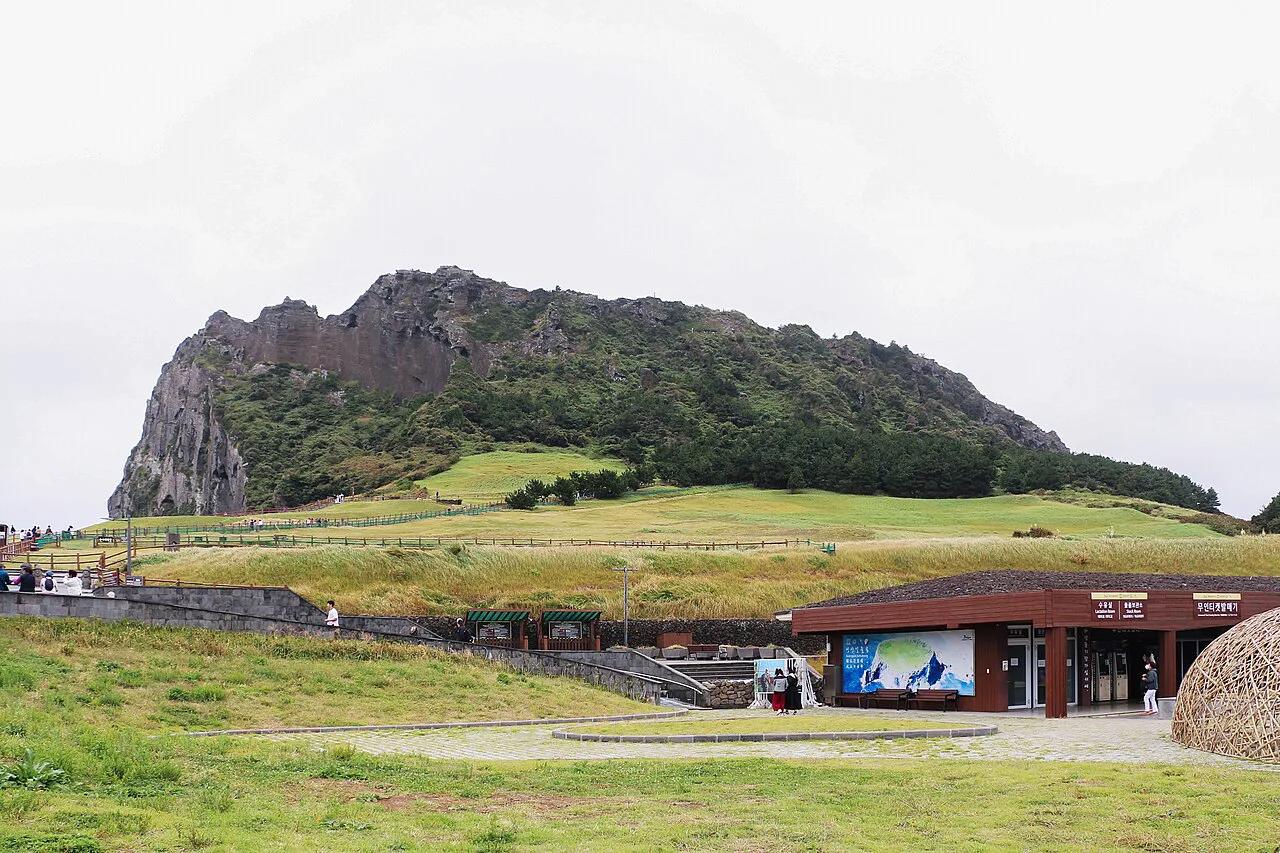
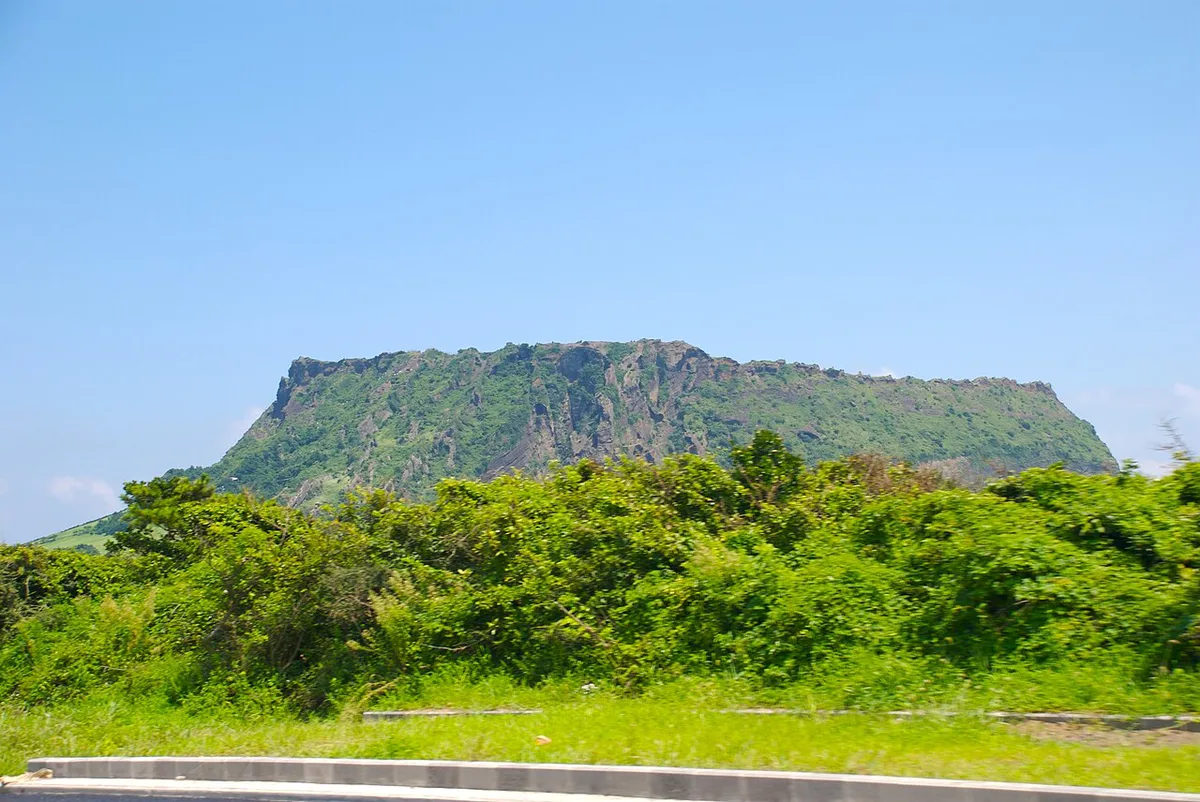
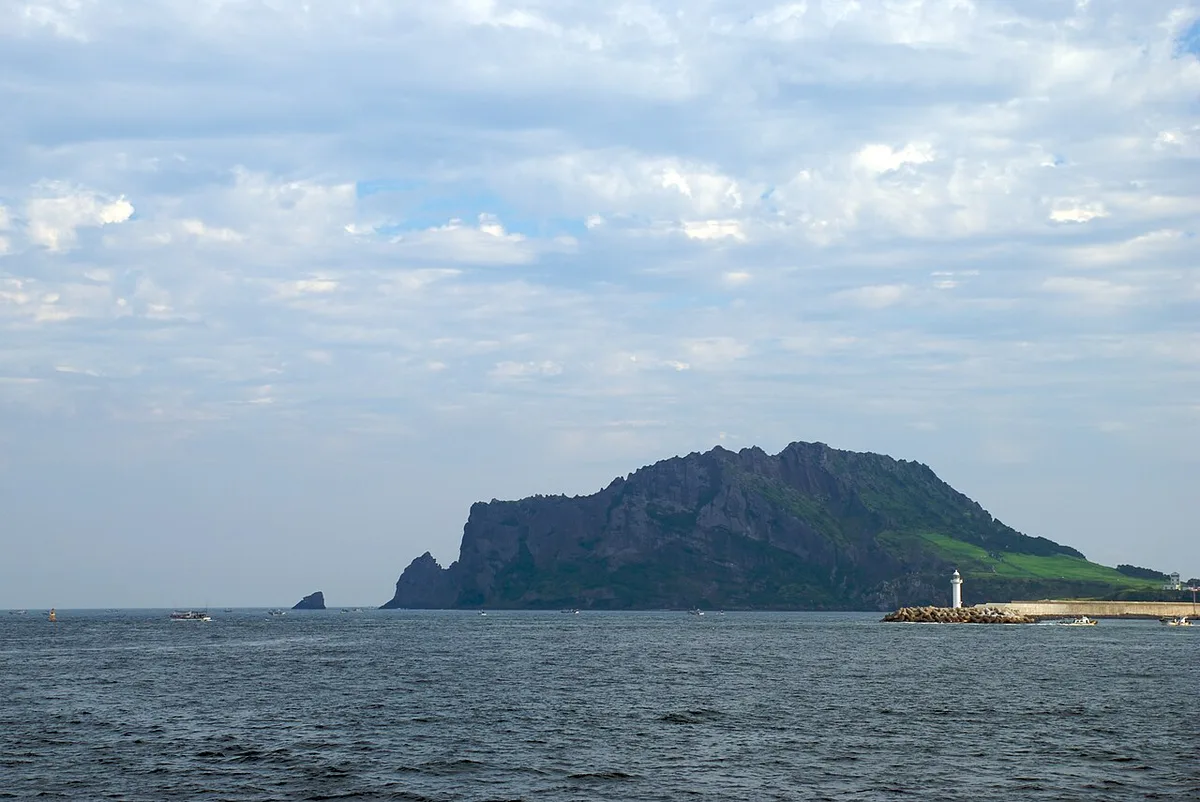
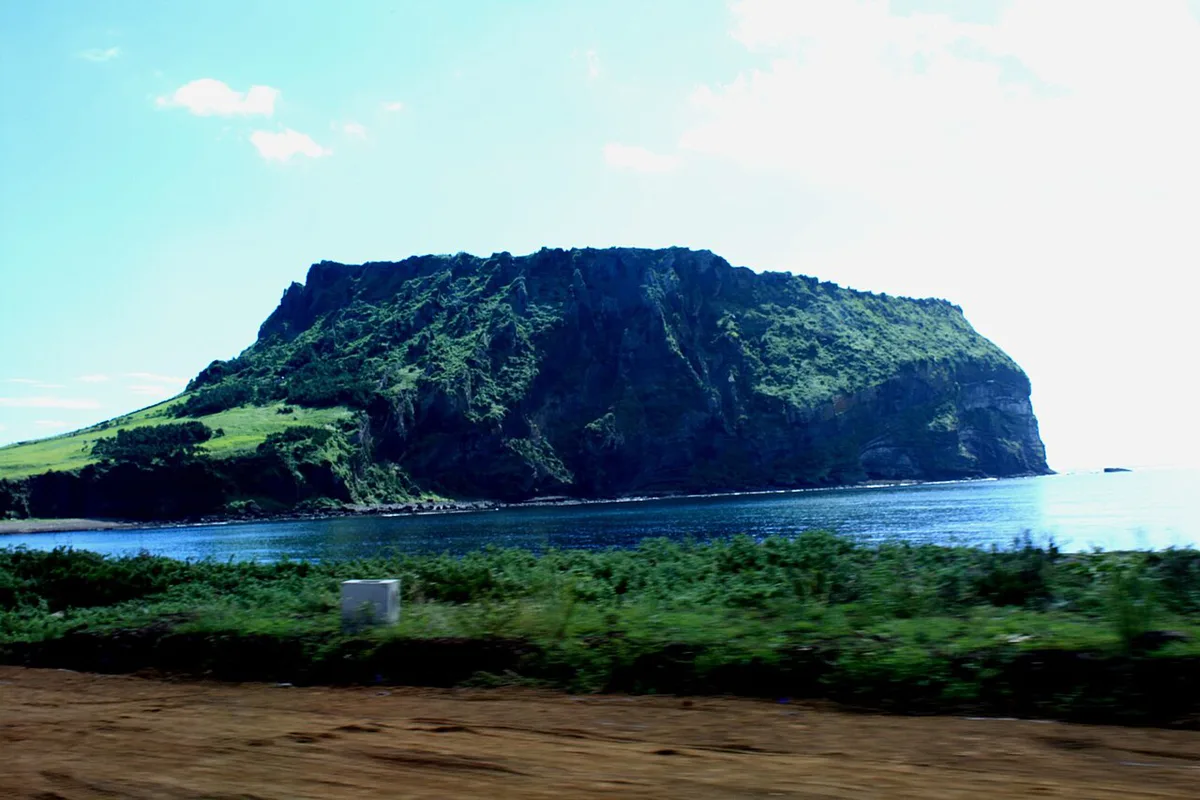
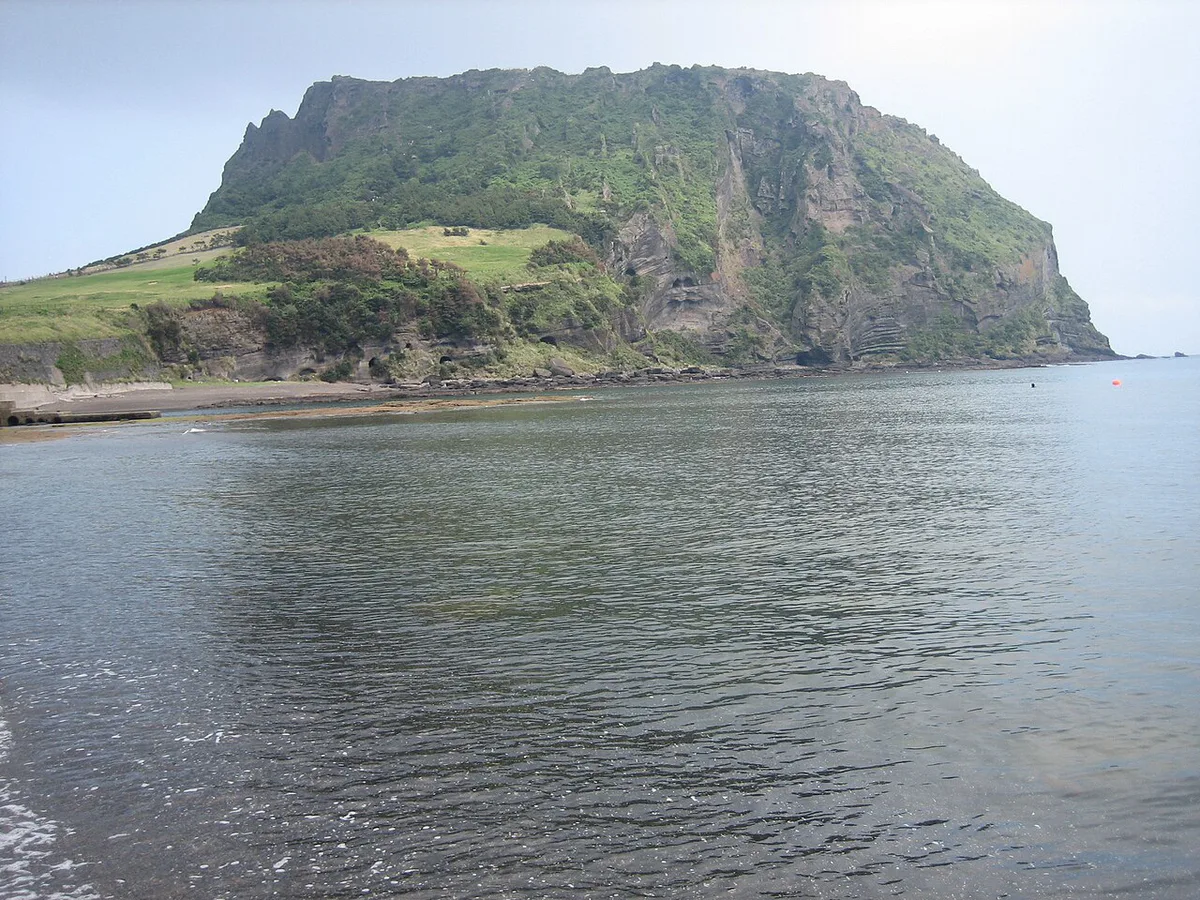
7. Seongsan Ilchulbong (East Coast)
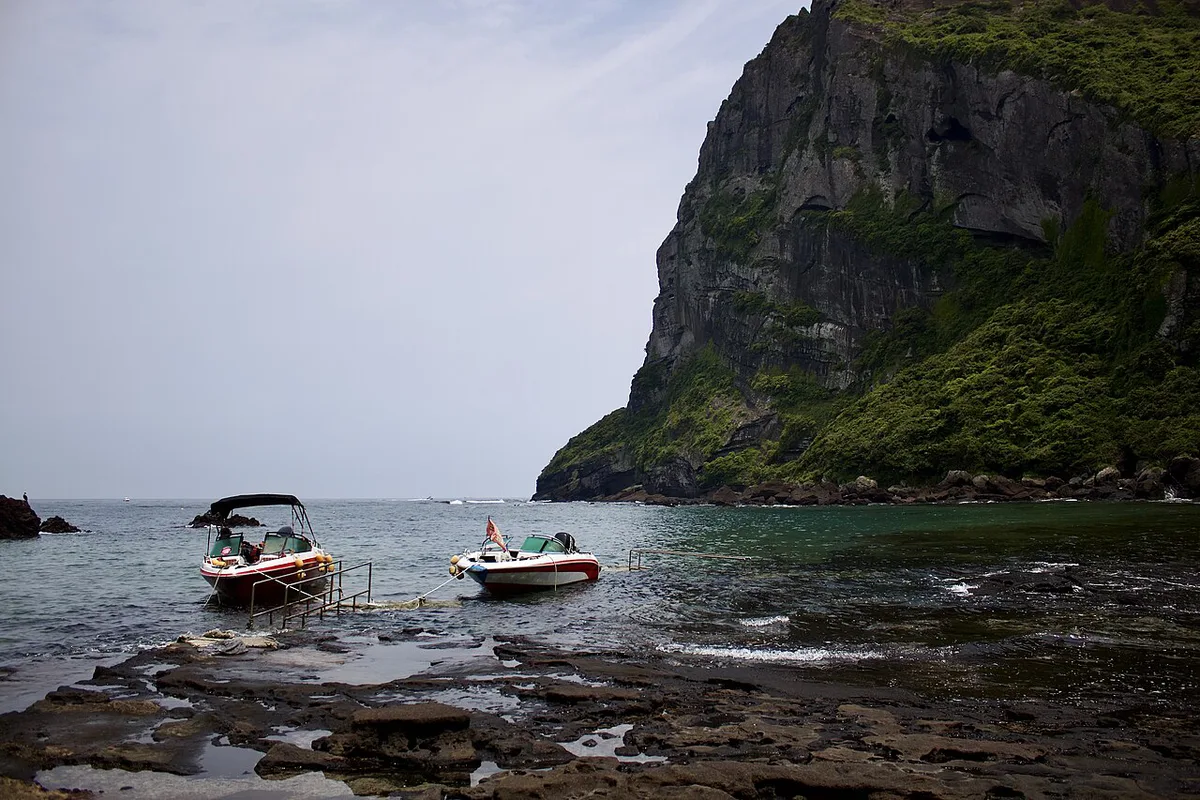
Seongsan Ilchulbong is a volcanic cone at 284-12 Ilchul-ro, and its hours change by season. Winter (November to February) runs 06:00 to 18:00 with last tickets at 17:00. Spring and autumn run 05:00 to 19:00, and summer runs 04:30 to 20:00. The paid summit section takes about 30 to 40 minutes. A free, gentler hiking section leads toward Umutgae Beach.
It closes on the first Monday of each month, and outside food is not allowed. Best for sunrise chasers. Skip the summit if wind and rain are forecast, then browse the east-coast drives.
8. Udo Island (East Coast)
Ferries to Udo leave from Seongsan Port and Jongdal Port, and the crossing takes about 10 to 15 minutes. Udo Marine Provincial Park admission is ₩1,000 for adults, with ferry fare separate. One or two main sights, such as Geommeolle Beach or Udobong, plus a cafe break take roughly 3 to 4 hours.
From August 1, 2026 to July 31, 2029, outside vehicles in Udo-myeon stay restricted, with exceptions such as Udo overnight guests. Ferries depend on weather and sea conditions, so check sailings on the day. Skip Udo in rough seas.
9. Manjanggul Lava Tube (East Coast)
Manjanggul Lava Tube at 182 Manjanggul-gil opens 09:00 to 18:00, with ticket sales closing at 17:00. It closes on the first Wednesday of each month. General visitors enter through Entrance 2 and may walk only about 1 km of the tube.
Expect cool, damp air, so bring a jacket and shoes with grip. Best for rainy mornings and anyone curious about volcanic geology. Skip it if low, dark spaces bother you.
10. Seopjikoji (East Coast)
Seopjikoji is a windswept cape near Seongsan with meadows, cliffs and a lighthouse. An easy loop takes about an hour, and canola fields bloom yellow in spring.
Best for a gentle walk after a Seongsan sunrise. Skip it on gale-force days, since the cape has little shelter.
11. Haenyeo Diving Culture (East Coast)
Haenyeo are women free-divers who harvest seafood without breathing apparatus, a tradition on UNESCO's Intangible Heritage list. Seongsan and Hallim are named spots where visitors can watch demonstrations, and the Haenyeo Museum in Gujwa adds context. Shows depend on season and schedule, so treat any sighting as a bonus rather than a promise.
Read our guide to haenyeo diving culture before you plan a stop. Best for culture seekers. Skip it if you only want beach time.
12. Cheonjeyeon Waterfalls (South Coast)
Cheonjeyeon is a set of three cascades joined by forest paths and boardwalks near Jungmun. Seonimgyo Bridge arches over the scene and gives the best viewing angle.
Treat it as a viewing stop rather than a swimming spot. Best paired with Jusangjeolli and Jungmun on one south-coast day. Skip it after heavy rain if paths look slick.
13. Jusangjeolli Cliff and Oedolgae Rock (South Coast)
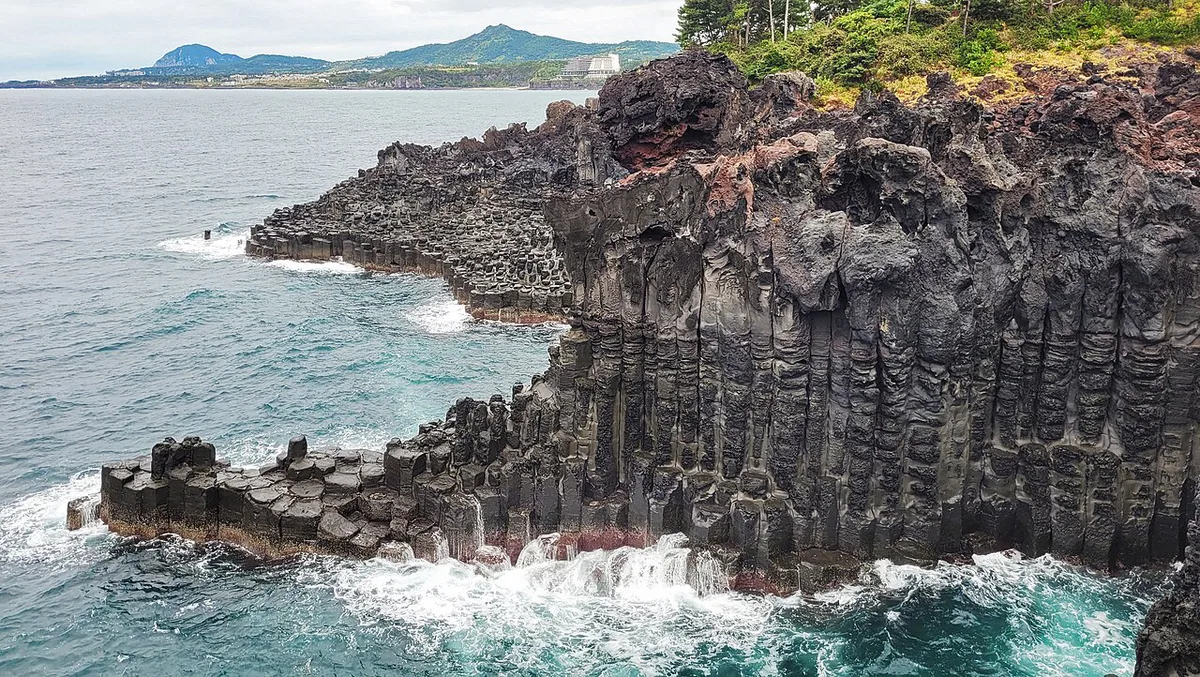
Jusangjeolli shows hexagonal basalt columns, formed where Hallasan lava met the sea and cooled fast. Oedolgae is a sea pillar viewpoint, and Olle Route 7 runs from Jungmun to Seogwipo as a free walking trail.
Waves hit hardest in rough weather, so stay behind the viewing platforms. Best for photographers and short coastal walks. Skip the Olle stretch if you are short of daylight.
14. O'Sulloc Tea Museum (South Coast)
O'Sulloc Tea Museum at 15 Shinhwayeoksa-ro, Andeok-myeon, Seogwipo-si, sits among rows of green tea. Try the matcha soft serve, then walk the fields and visit the Innisfree Jeju House next door.
Weekday mornings are calmer, since this is one of the island's busiest photo stops. Best for tea fans. Skip it on a tight schedule, because weekends bring queues.
15. Hallasan (Interior)
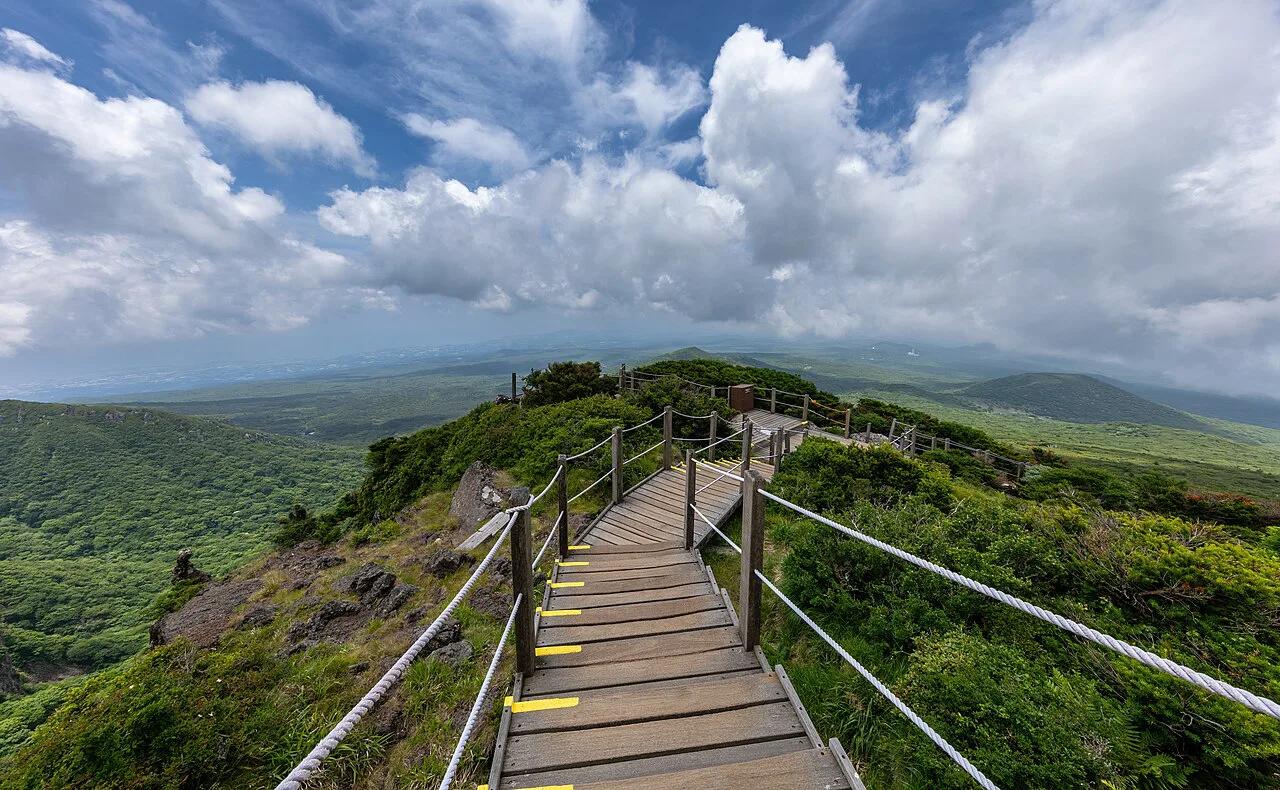
Hallasan rises 1,950 m and dominates Jeju's skyline, with the Seongpanak Trail running 9.6 km one way. Plan a full day with an early start, because trail access can close by midday. Wind, rain and fog can close trails, so check Hallasan National Park status on the day.
Best in spring and autumn for visibility, with snow on the upper slopes in winter. Skip it if you cannot start early.
16. Sangumburi Crater and Horse Riding (Interior)
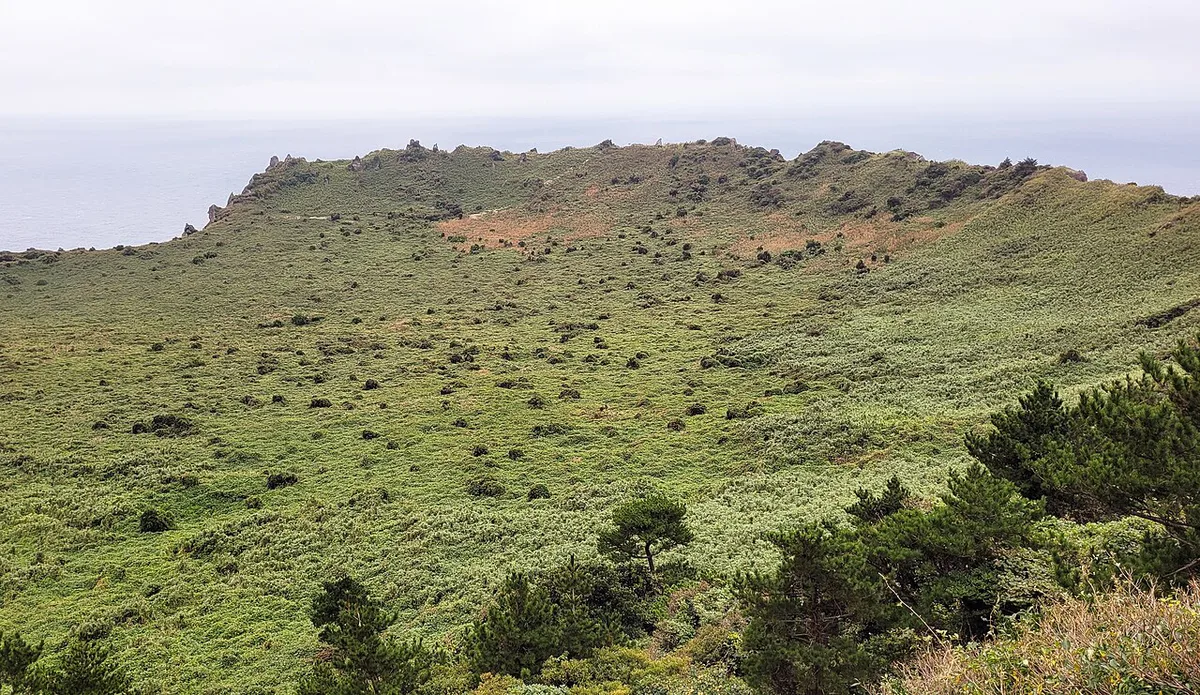
Sangumburi Crater is a gentle walk of about 20 minutes from the parking lot to a rim overlooking a green basin. Silver grass peaks here in October and November.
Riding stables nearby offer a slow alternative to sightseeing by car, and our guide to riding stables covers the choices. Best for easy hiking and slower afternoons. Skip riding if you are nervous around horses.
How Many Days and Sample Itineraries
Jeju City to Seongsan and Jeju City to Aewol run in opposite directions, so avoid ping-ponging between them. Two days works as one west loop and one east loop from a single base. Three days adds the south coast between them. Five days allows Hallasan on its own early start, plus Udo and the interior.
Udo needs roughly 3 to 4 hours, so pairing it with Seongsan on Day 2 turns the east coast into one long day.
| Trip length | Plan |
|---|---|
| 2 days | Day 1: Dongmun Market, Yongduam Rock, Hyeopjae Beach, Handam walk. Day 2: Seongsan Ilchulbong, then Udo or Manjanggul. |
| 3 days | Day 1: Jeju City and west coast. Day 2: O'Sulloc, Cheonjeyeon, Jusangjeolli. Day 3: Seongsan, Manjanggul, Seopjikoji. |
| 5 days | Day 1: Jeju City. Day 2: west coast and Hallim Park. Day 3: south coast. Day 4: Hallasan. Day 5: Seongsan, Udo and haenyeo. |
Best Time to Visit and Rainy-Day Backups
Spring brings canola and flowers from mid-March to early April, and autumn adds tangerine orchards and silver grass in October and November. Summer is beach season, and Hyeopjae's designated period runs June 24 to September 6 in 2026. Winter is quiet, with snow often dusting Hallasan's upper slopes from late November. Wind, rain and fog can shut trails and cancel ferries, so check Udo sailings and Hallasan status on the day. Manjanggul and Bonte Museum at 69 Sallongnam-ro, Andeok-myeon, suit wet weather. More indoor backups appear in our list of indoor backups for wet days.
Manjanggul suits a wet-day morning start, with ticket sales closing at 17:00 so late arrivals may miss it.
Costs, Getting Around and Where to Stay
Many Jeju sights cost little. Yongduam Rock is free, Hallim Park parking is free, and the Olle trails are free. Udo Island's marine park charges ₩1,000 per adult, with ferry fare separate. At Hyeopjae in 2026, a parasol costs ₩20,000 and a wooden platform ₩30,000. Budget readers can start with free sights and walks. A rental car gives the most flexibility, so book early for holidays and cherry-blossom weeks. Check your licence or international permit rules before you fly. Buses suit Jeju City, taxis can be chartered by the day, and Naver Map or Kakao Map handle navigation. National entry and transport information sits at the Korea Tourism Organization. Base in Jeju City for the airport, food and nightlife. Choose Aewol for cafés and the west coast, Seogwipo or Jungmun for waterfalls and resorts, and Seongsan for sunrise.
Mistakes to Avoid on Jeju
Book rental cars early in peak periods. Do not assume one forecast covers the whole island, because the coast and Hallasan's slopes differ. Starting Hallasan late risks being turned back, since trail access can close by midday. Avoid driving while jet-lagged on your first afternoon. Skip themed attractions such as Loveland unless adult-themed exhibits suit your group.
Where to Eat Jeju Specialties by Region
Use Jeju’s regions to shape your eating, not just your sightseeing. In Jeju City, start at Dongmun Traditional Market for hallabong citrus, seafood and casual street snacks. It sits near the airport at 14 Gwandeok-ro, making it an easy first-night food stop. Choose market stalls for a lower-cost meal, then save black pork for a sit-down dinner.
On the east coast, look for seaweed-and-sea-urchin soup around Seongsan, then treat Udo’s peanut snacks as part of an island outing. Ferries from Seongsan Port take about 10 to 15 minutes. Allow roughly 3 to 4 hours for one or two Udo sights, a café break and a snack stop.
In Seogwipo and Jungmun, seafood hot pot suits a relaxed south-coast dinner after waterfalls and cliffs. Popular black-pork restaurants and market counters can become busy, so arrive early when possible. Tea desserts and matcha soft serve fit naturally after O’Sulloc, while hallabong makes a practical edible souvenir from markets across the island.
Going deeper on this theme? Our Best Time to Visit Jeju guide covers it in detail, with the practical planning this page leaves out.
Going deeper on this theme? Our 7 Jeju Food Dishes to Eat First (and Where to Find Them) guide covers it in detail, with the practical planning this page leaves out.
Going deeper on this theme? Our 4 Ways From Seoul to Jeju guide covers it in detail, with the practical planning this page leaves out.
Going deeper on this theme? Our Getting Around Jeju guide covers it in detail, with the practical planning this page leaves out.
Going deeper on this theme? Our 8 Best Jeju Beaches guide covers it in detail, with the practical planning this page leaves out.
Going deeper on this theme? Our 15 Stops on the Islands Near Jeju guide covers it in detail, with the practical planning this page leaves out.
Going deeper on this theme? Our 6 Best Jeju Nightlife Spots guide covers it in detail, with the practical planning this page leaves out.
Going deeper on this theme? Our Jeju vs Okinawa guide covers it in detail, with the practical planning this page leaves out.
Things to do in other cities
Frequently Asked Questions
What is there to do in Jeju City?
Start at Dongmun Traditional Market, which is open by store through the day and adds a night market in the evening. Add Yongduam Rock, which is free and always open. More stops are in our guide to Jeju City attractions.
How many days is enough for Jeju?
Three days covers one loop each across the west, south and east. Five days adds Hallasan and Udo without rushing. Two days works if you stay at one base and skip the south coast.
Explore More Jeju Guides
Keep planning your Jeju trip with these guides.
Jeju Guides
- Free Things to Do in Jeju: Coasts, Markets and Beaches
- 6 Things to Do in Jeju at Night
- Jeju Rainy Day Activities: Indoor & Rain-Proof Ideas
- 21 Best Things To Do In Jeju City
- Jeju East Coast: Best Stops, Route and Time Plan
- Jeju West Coast: Beaches, Sunsets & Route Planner
- Jeju Haenyeo: Museum, Culture & How to Meet Them
- Jeju Horse Riding: Where to Ride and How to Choose
Notes for your Korea trip
Optional updates to our city guides.
You might also like
Continue reading
More guides you'll find useful