Jeju Horse Riding: Where to Ride and How to Choose
Thinking about horse riding in Jeju? Compare ride types, timing, access and booking tips before you go.
On this page
Last updated November 2026: Jeju horse riding runs from short guided walks to outdoor trail rides, and the island's herding history gives it more context than a standard pony ride. Rates, hours and rider limits differ by operator, so ask each venue directly. Use the options below to pick a ride style, then slot it into your wider plan from our Jeju things-to-do guide.
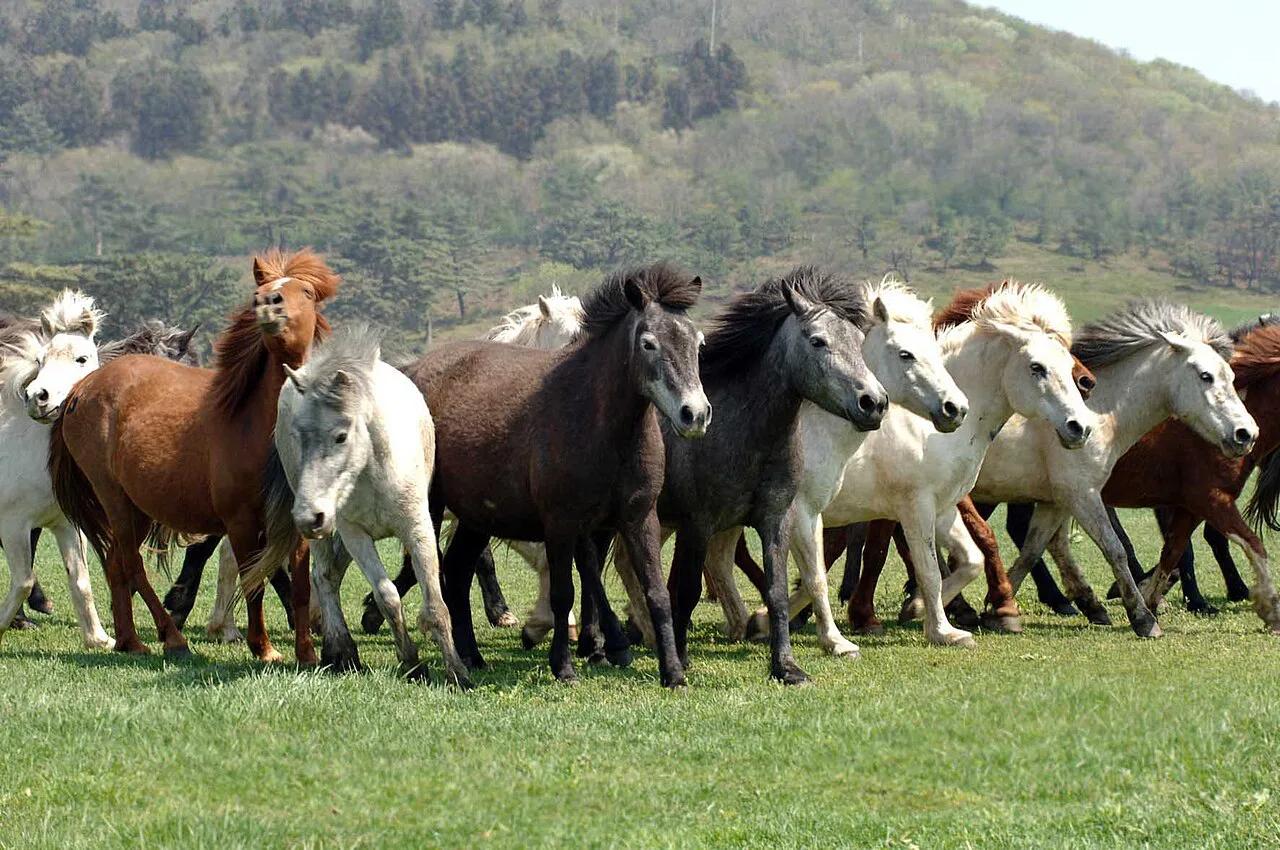
Featured image: 제주마육성팀, CC BY-SA 4.0, via Wikimedia Commons.
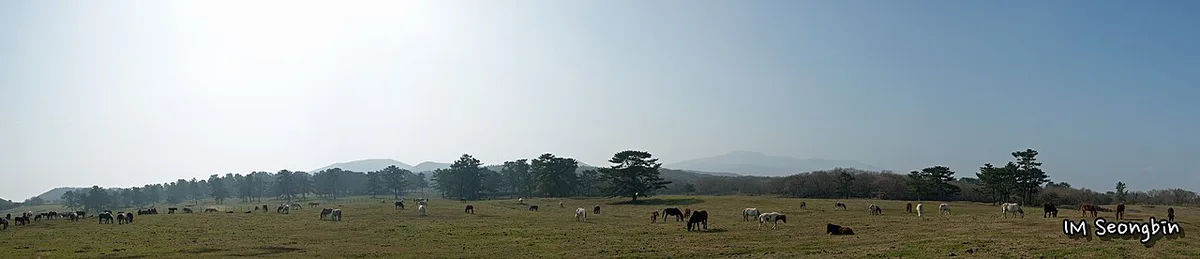
Jeju Horse Riding at a Glance
Riding is a realistic add-on to a Jeju trip, mainly because the island has a long horse-breeding tradition and several riding grounds and ranches. Your main decision is ride style. Time is the second: a ride is short, but getting to it is not. Use this table to narrow your choice before you contact any operator.
| Ride type | Best for | Time commitment |
|---|---|---|
| Short guided walk or pony-style ride | Families and first-timers | Short ride, plus transfer time |
| Outdoor trail ride | Riders with some experience | Longest, often a half-day with travel |
| Show or performance experience | Watchers who prefer not to ride | Short to medium, fixed showtimes |
| Lesson or training | Visitors who want to learn basics | Medium, usually booked ahead |
Why Ride in Jeju
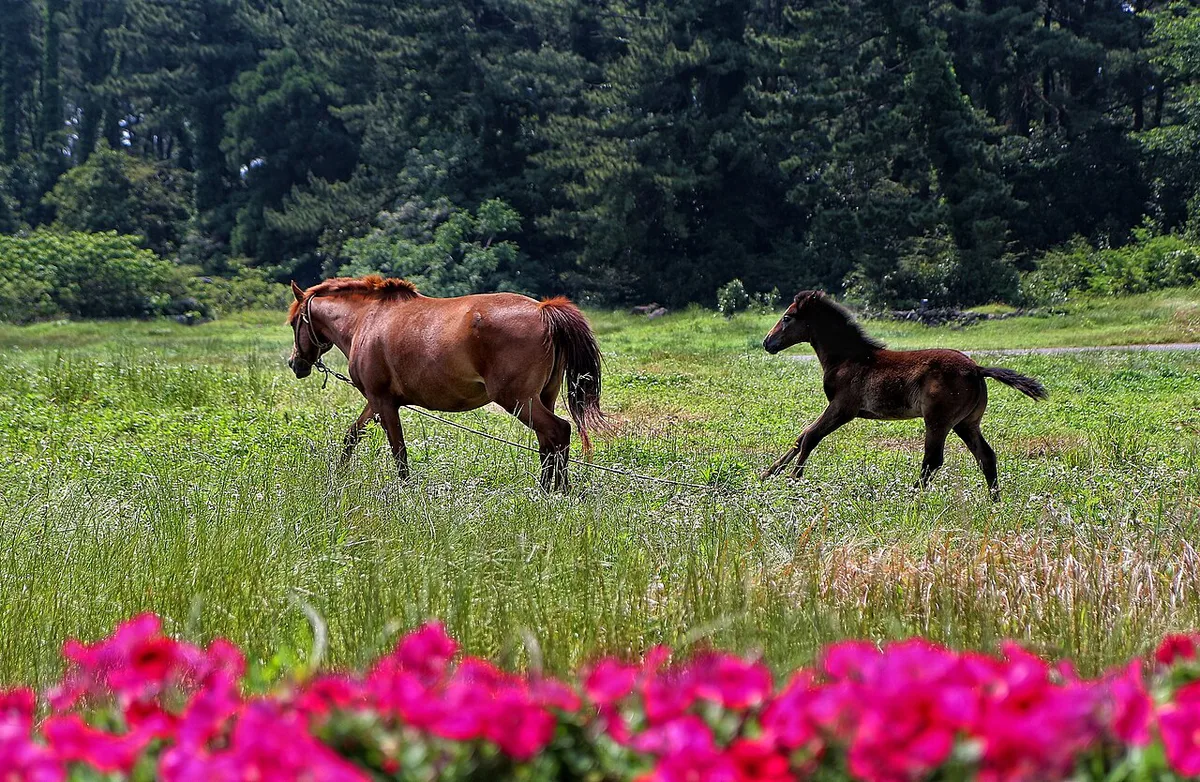
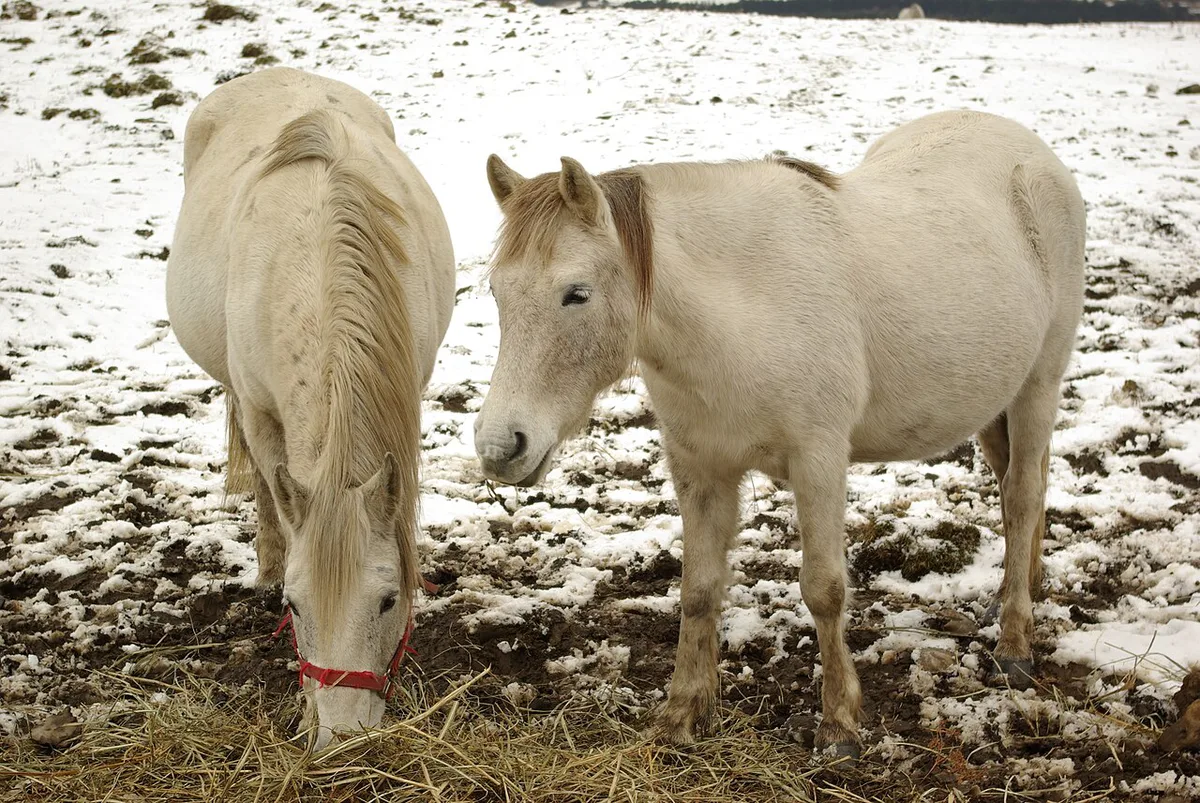
Jeju has a long history of raising and herding horses, and the native Jeju pony is part of that story. Riding here connects to island heritage in a way a generic stable visit does not. For background on the breed and local horse industry, the provincial horse-industry office is the official starting point. Its pages can be blocked or slow, so Visit Jeju's official tourism site is a useful second route.
Ride Types and Who They Suit
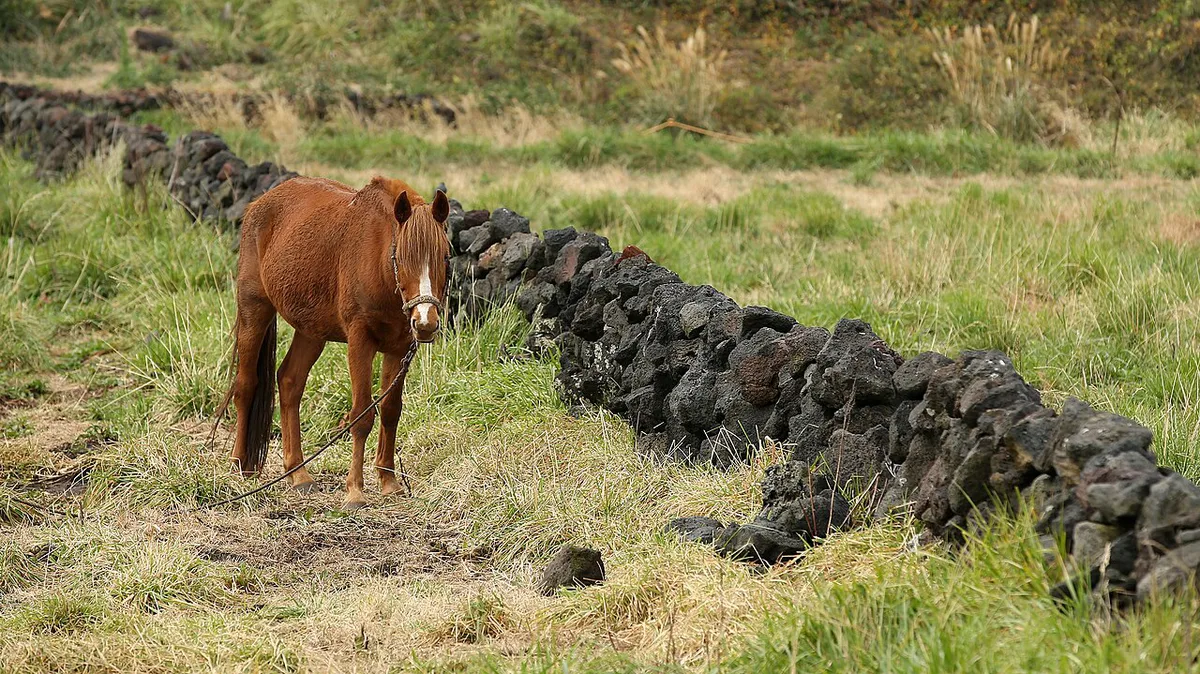
Match the ride to the rider rather than to the photo you have in mind. Beginners and children usually do best with a guided walk where staff lead the horse. Confident riders should ask about trail rides and the pace they allow. Anyone who wants to learn should ask about lessons. Whatever you choose, ask for the operator's age, height and weight rules before you travel.
- Beginner or child: ask whether staff lead the horse and whether a helmet is supplied.
- Experienced rider: ask about gait, route and group size.
- Limited mobility: ask about mounting aids and whether a staff member walks alongside.
- Watching only: look for a performance or show format with fixed times.
Where to Ride on the Island
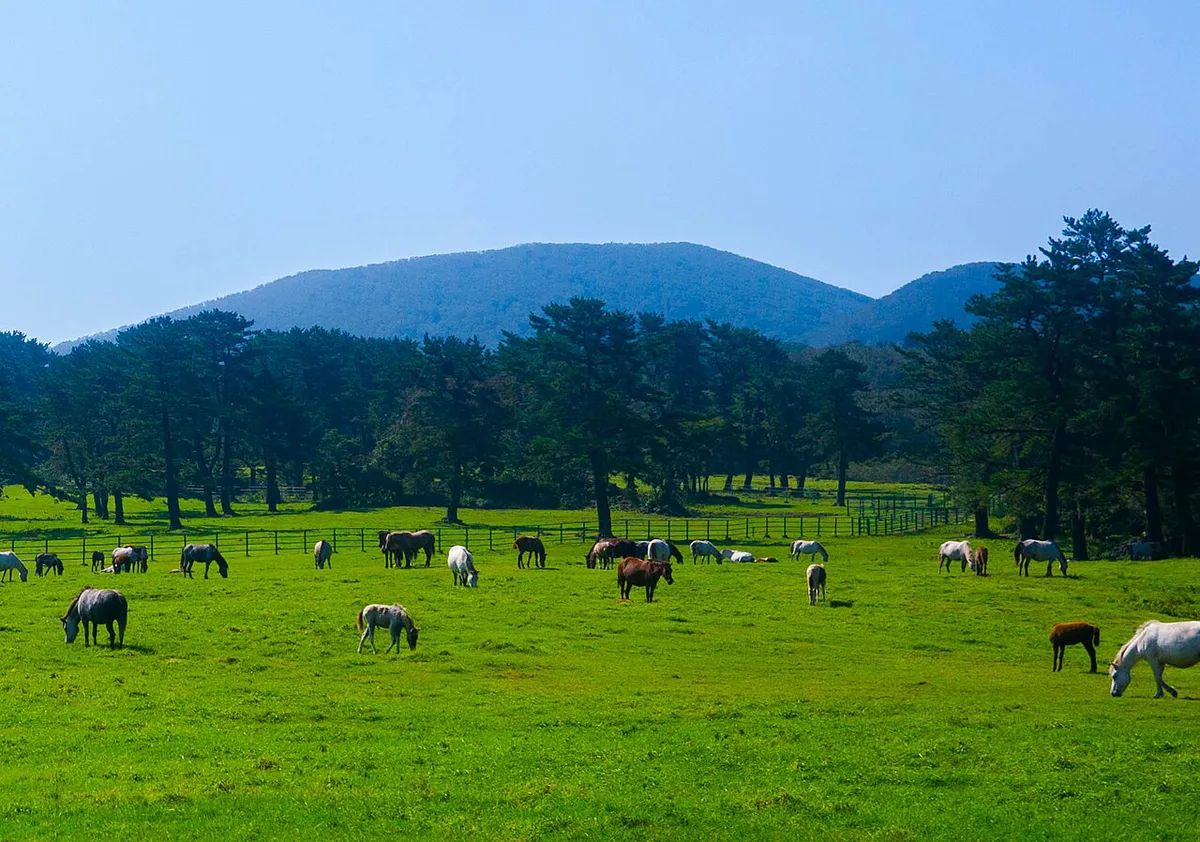
Riding grounds and ranches cluster in a few areas. Visitors commonly look around Aewol on the west side, Seongsan on the east side and the Hallasan foothills inland. Jeju Horse Park is a name that appears often in searches, so check its own site for current operating status and ride types before you plan around it. Pair a west-side ride with our west coast guide. For an east-side ride, use the east coast guide to build the rest of the day. If you are staying in Jeju City, our Jeju City guide shows what is nearby.
Costs, Booking and Hours
Each operator sets its own prices, and none are listed here, so read the current rate on the venue's official site. As a rule, a short guided walk costs less than a trail ride, and a lesson costs more than either. Ask what is included: helmet, boots, photos and any transfer. If you are weighing a paid ride against no-cost options, our free Jeju activities page covers the alternatives. Ask about reservation rules, cancellation terms and English-language support at the time you book. Peak-season slots can fill earlier than you expect.
Getting There and Fitting It Into Your Day
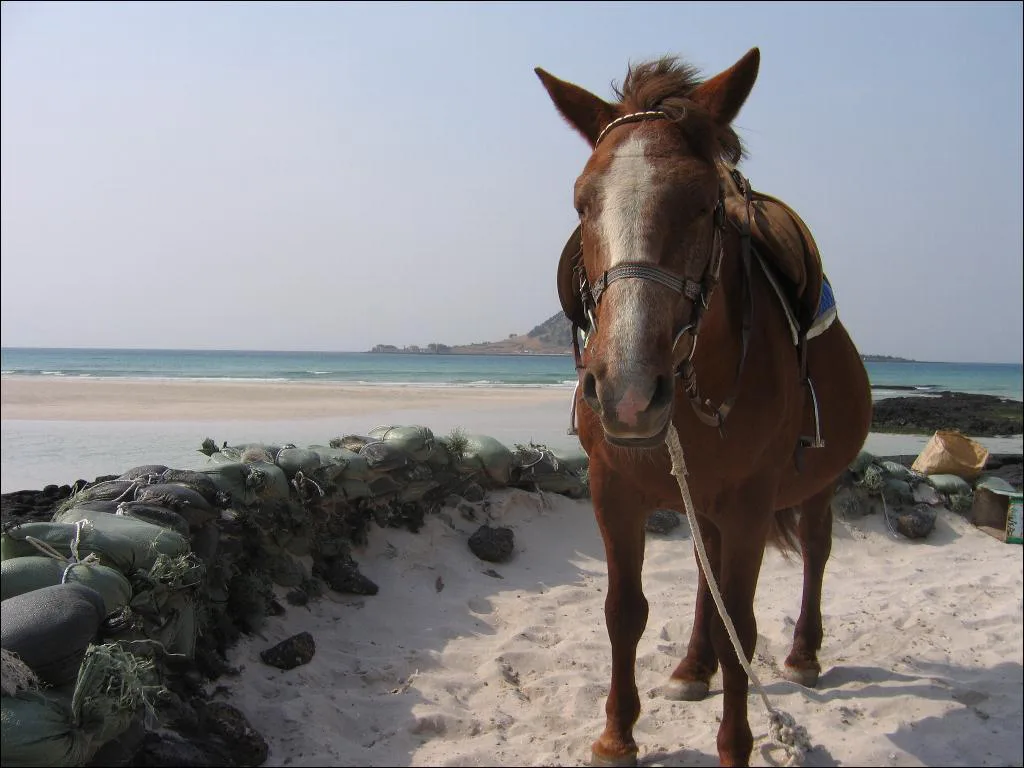
Jeju is a large island, and a riding stop on one side can use up half a day once transfers are counted. Many ranches sit away from town centers. A rental car or taxi is the realistic default unless the operator confirms bus access. Plan one anchor activity per half-day. A morning ride followed by a coastal stop works well. A cultural pairing also fits, such as the haenyeo diving tradition. Leave an evening for the after-dark options if you have energy left.
Season, Weather and What to Wear
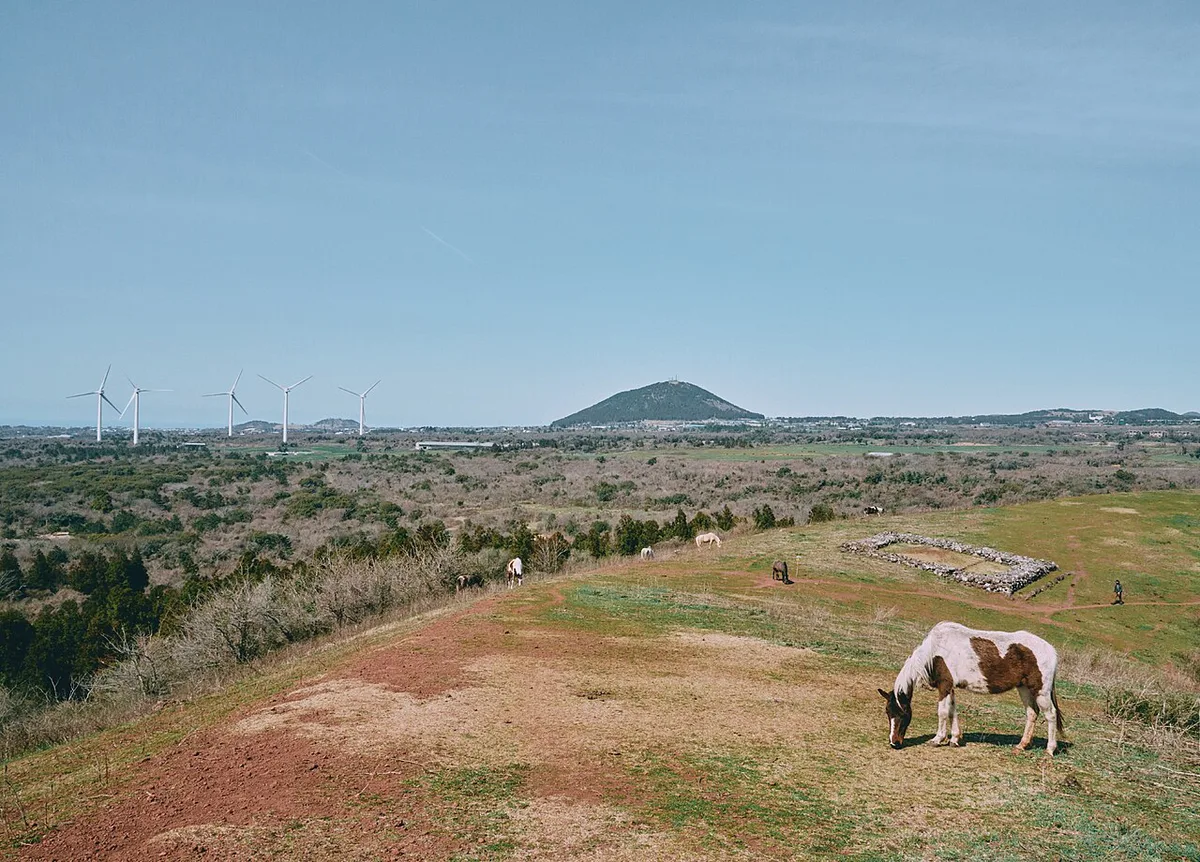
Rain, wind, summer heat and winter cold all change a ride. Operators may shorten or cancel outdoor sessions in poor weather, so ask about their policy. Wear long trousers and closed shoes with a small heel. Add layers in cooler months and sun protection in summer. Keep a fallback ready from our rainy-day activities list if a ride is called off.
Mistakes to Avoid and Who Should Skip It
Most problems come from planning, not from the horses. Skip riding if you are short on time, nervous around large animals or visiting in harsh weather. Watching a show or feeding ponies at a ranch can be a calmer substitute. Choose operators who keep horses in good condition, apply rider-weight limits, allow rest breaks and supervise riders closely.
- Turning up without a booking in peak season.
- Wearing sandals, shorts or loose scarves.
- Underestimating transfer time across the island.
- Assuming every venue accepts every age or weight.
- Picking a ride type that does not match your experience.
Frequently Asked Questions
Why are there so many horses in Jeju?
Jeju has a long tradition of horse breeding and herding, and the native Jeju pony is part of that history. Ranches and riding grounds keep the tradition visible today. The provincial horse-industry office is the best official source for the background.
How expensive is horse riding?
Cost depends on ride type and operator. A short guided walk usually costs less than a trail ride, and lessons usually cost more. Read the current rate on the venue's own site and ask what is included.
Notes for your Korea trip
Optional updates to our city guides.
You might also like
Continue reading
More guides you'll find useful