Jeju Rainy Day Activities: Indoor & Rain-Proof Ideas
Practical Jeju rainy day activities matched to rain level, area and traveler type, with transit, ferry and cost trade-offs for indoor and rain-proof stops.
On this page
Last updated November 2026: this guide to Jeju rainy day activities matches your plan to how hard it is raining, not just to a list of venues. Jeju has museums, an aquarium, media art spaces and cafés for wet days. Waterfalls and misty oreum work when the rain is light. We sort the options by rain level, area and who you are travelling with.
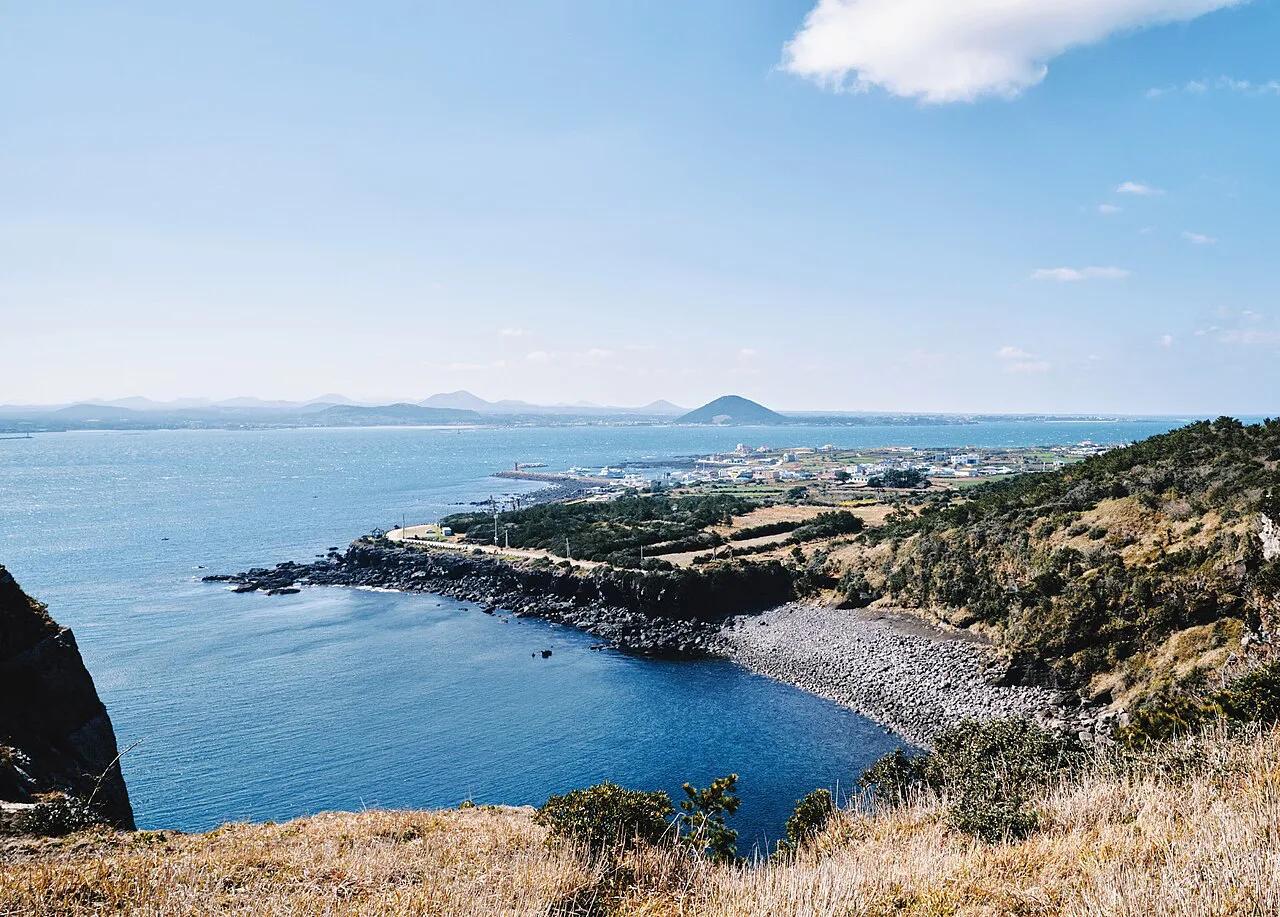
Featured image: Yanajin33, CC BY-SA 3.0, via Wikimedia Commons.
Quick answer: the best Jeju rainy day activities
Our short list for a wet day has six picks, each with a cost level and a reason to go. Cost levels are relative: free, low, mid or high. Pick one indoor anchor, one café and at most one rain-tolerant outdoor stop. Our decision table below shows how to adjust for wind.
- Hallim Park, west Jeju. Cost level: mid. Open year-round, about 1 hour 30 minutes, free parking. Best for couples and families with a car.
- Inneris media art space. Cost level: mid. A dry, dim indoor stop for couples and kids. Skip it if you dislike dark rooms.
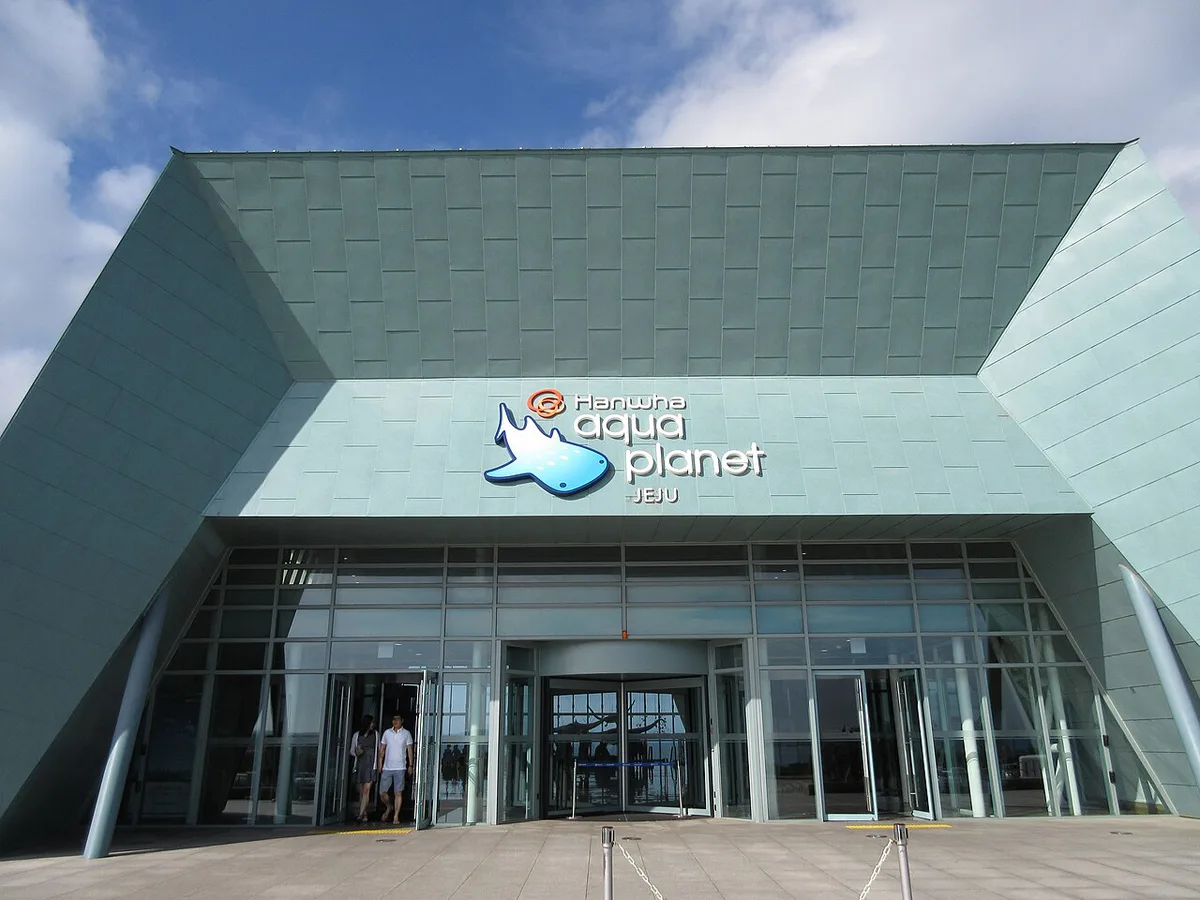
- Aqua Planet Jeju near Seongsan. Cost level: high. Our pick for families who want a full indoor half day on the east side.
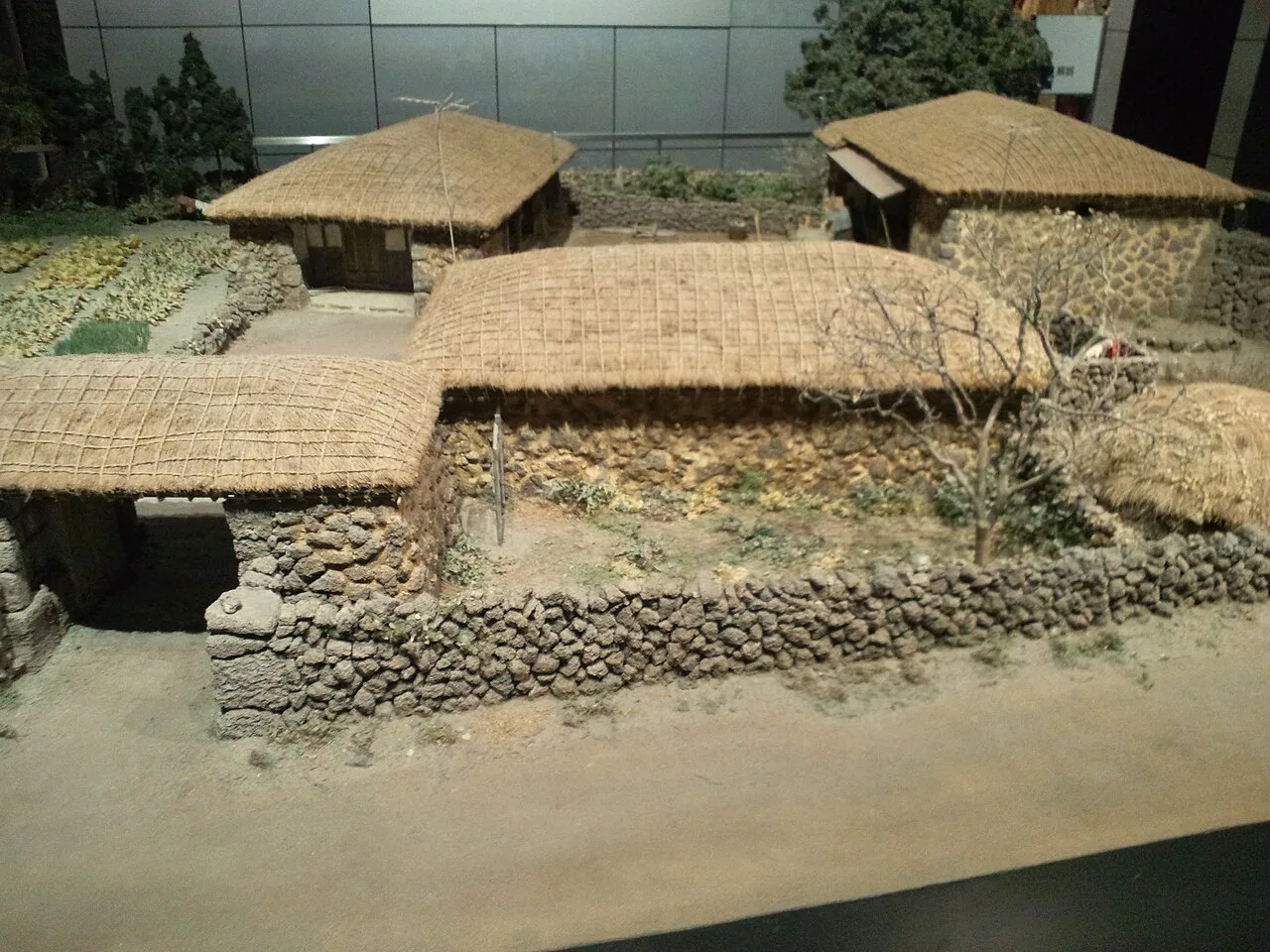
- Jeju Folk Village Museum and Jeju National Museum. Cost level: low to mid. Best for solo travelers and older visitors who want a slow pace.
- Aewol cafés on the west coast. Cost level: low. Window seats turn a storm into the main event.
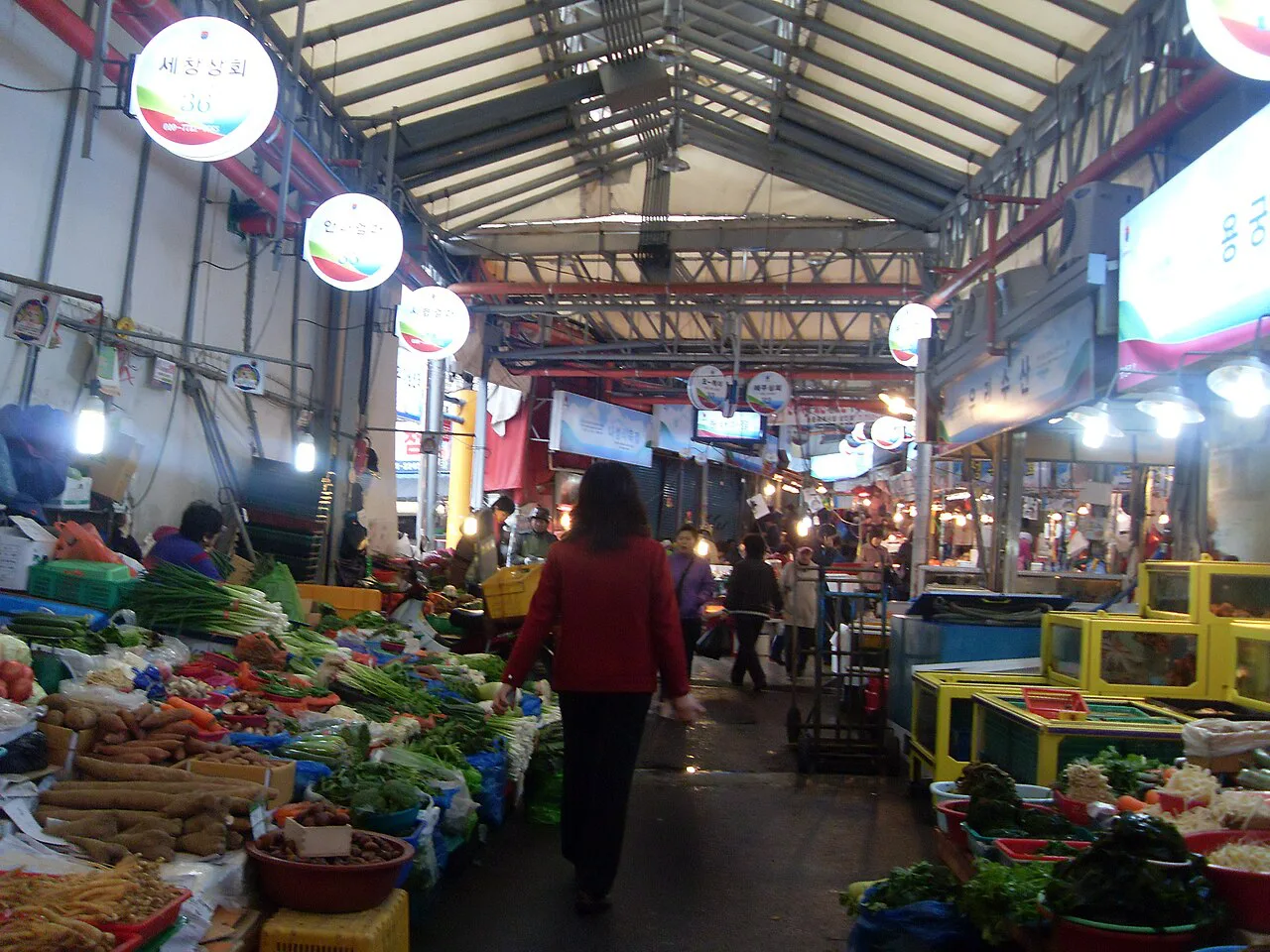
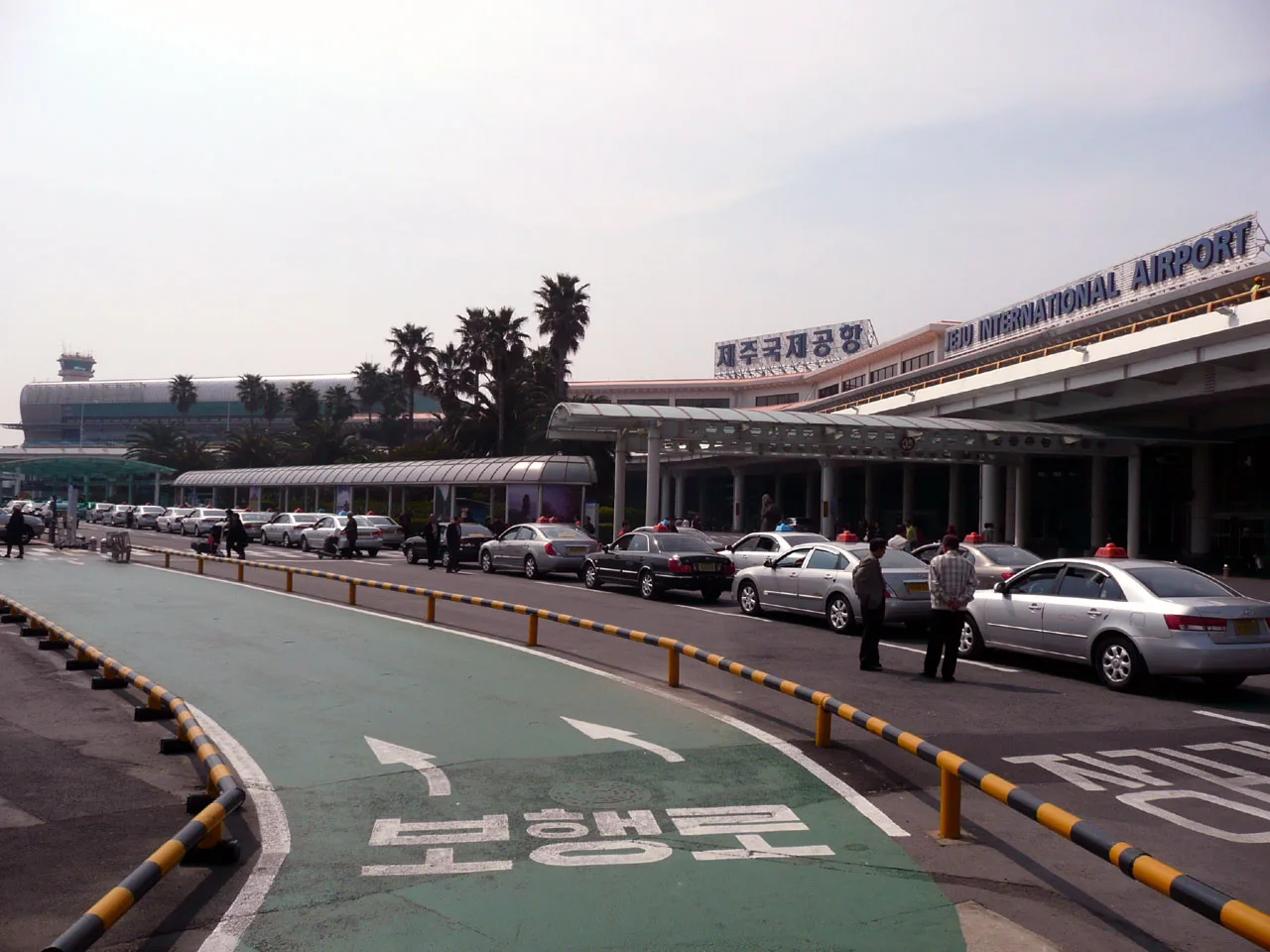
- Dongmun Traditional Market in Jeju City. Cost level: low. Easy to reach near Jeju International Airport and good for a food-led afternoon.
How to choose by rain level and group
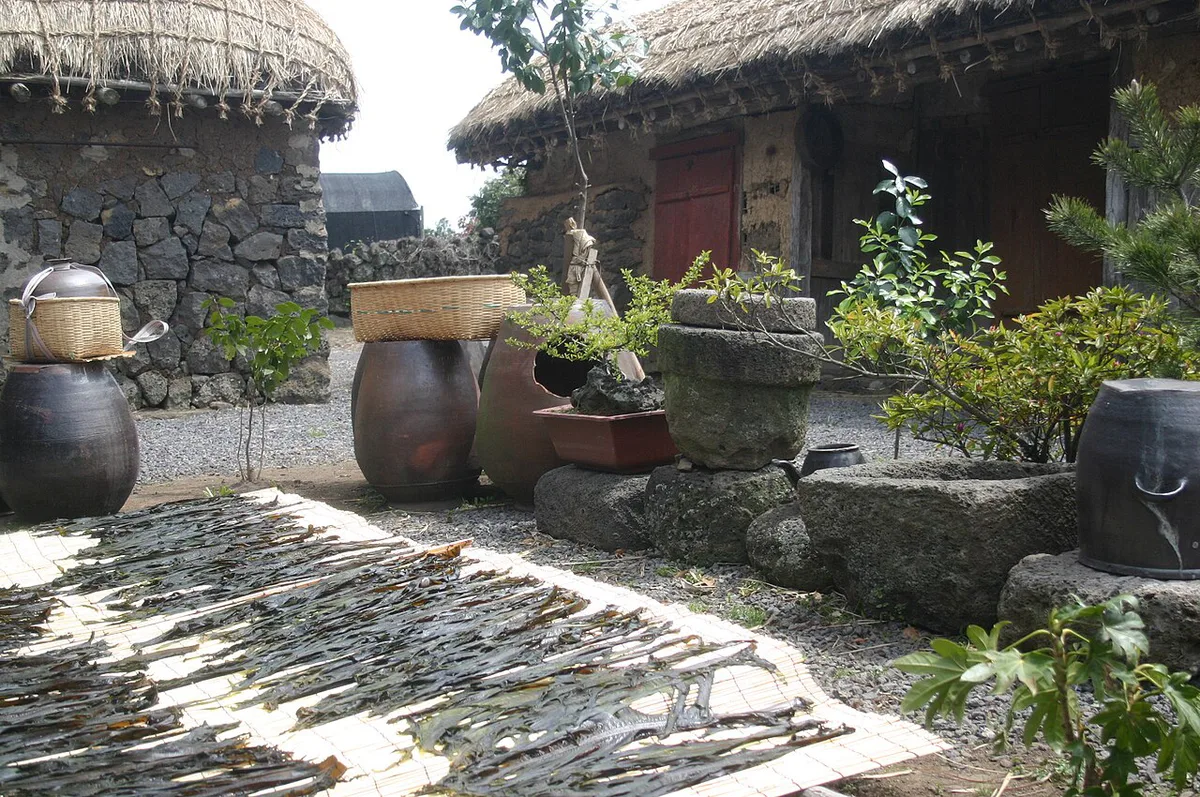
Rain level matters more than rain itself. Light drizzle leaves most of the island open. Steady rain pushes you toward museums and cafés. A typhoon warning or strong wind cancels ferries and exposed coastlines. Watch the official forecast on the morning you travel, and do not plan more than 2 or 3 stops.
| Situation | Best options | Skip |
|---|---|---|
| Light rain | Waterfalls in full flow, misty oreum, Olle coastal sections, a village walk | Sunbathing, long exposed beach stops |
| Steady rain | Hallim Park, museums, Aqua Planet, Aewol cafés, Dongmun Traditional Market | Summit climbs with wet steps and stone |
| Strong wind or typhoon warning | Hotel, an indoor museum close to where you sleep, a café with a window | Udo ferries, Seongsan summit, west coast headlands, horse riding |
Indoor attractions worth the trip
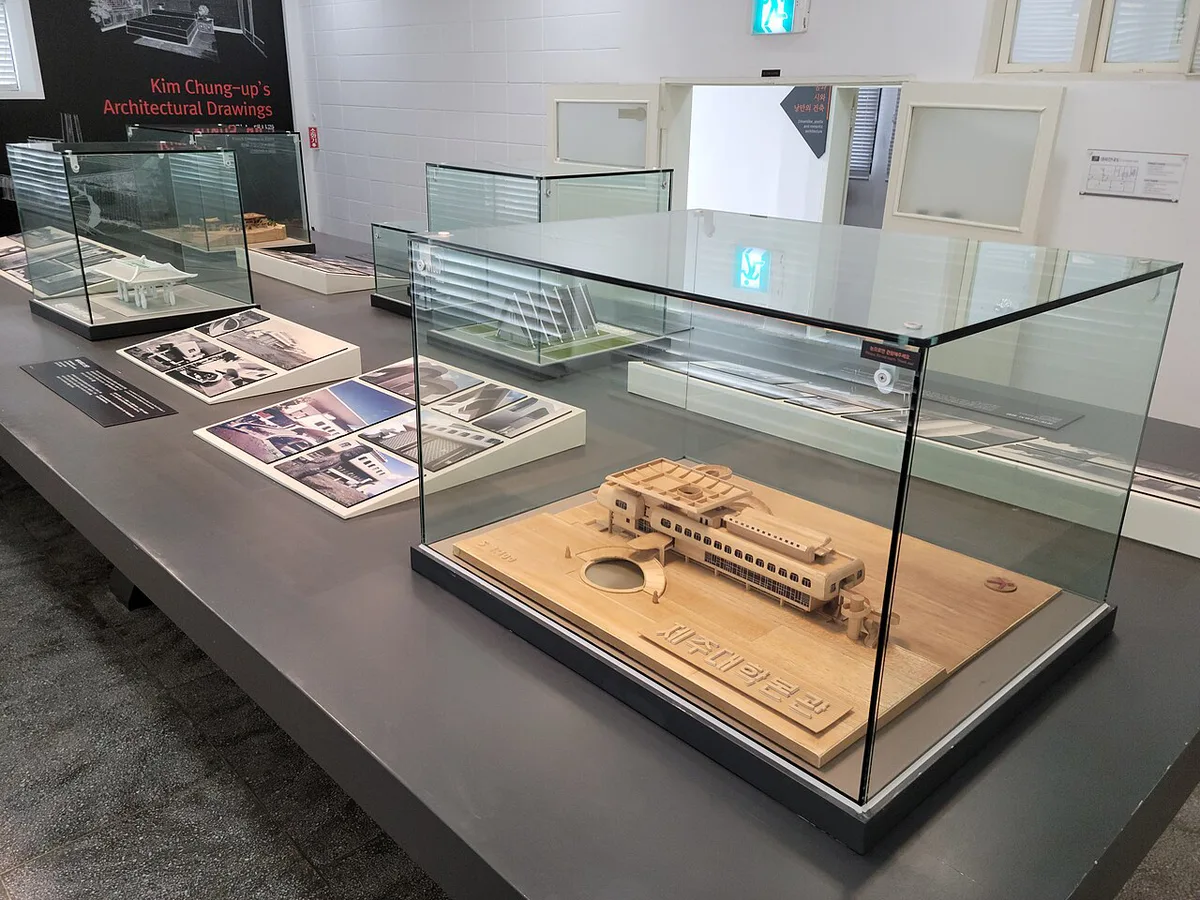
Jeju's indoor list leans toward themed and kid-oriented venues. We'd rank museums and Hallim Park first for adults. Hallim Park is open year-round with no regular closing days. Visits take about 1 hour 30 minutes, and parking is free. Ticket sales start at 09:00 in September and October, and closing times shift by 30 minutes with sunset.
Inneris is a media art space whose exterior sits in line with basalt stone walls. It suits couples and families, but visitors should take care in the dimly lit rooms. Jarolo Museum offers glasses-free 3D and fits families with young children. Waterworld Jeju has a One Piece theme, so skip it if you do not know the series. Jeju Holic Museum in Aewol is a photo-driven exhibition. Hello Kitty Island is aimed squarely at young kids. Aqua Planet Jeju near Seongsan is the largest indoor option on the east side.
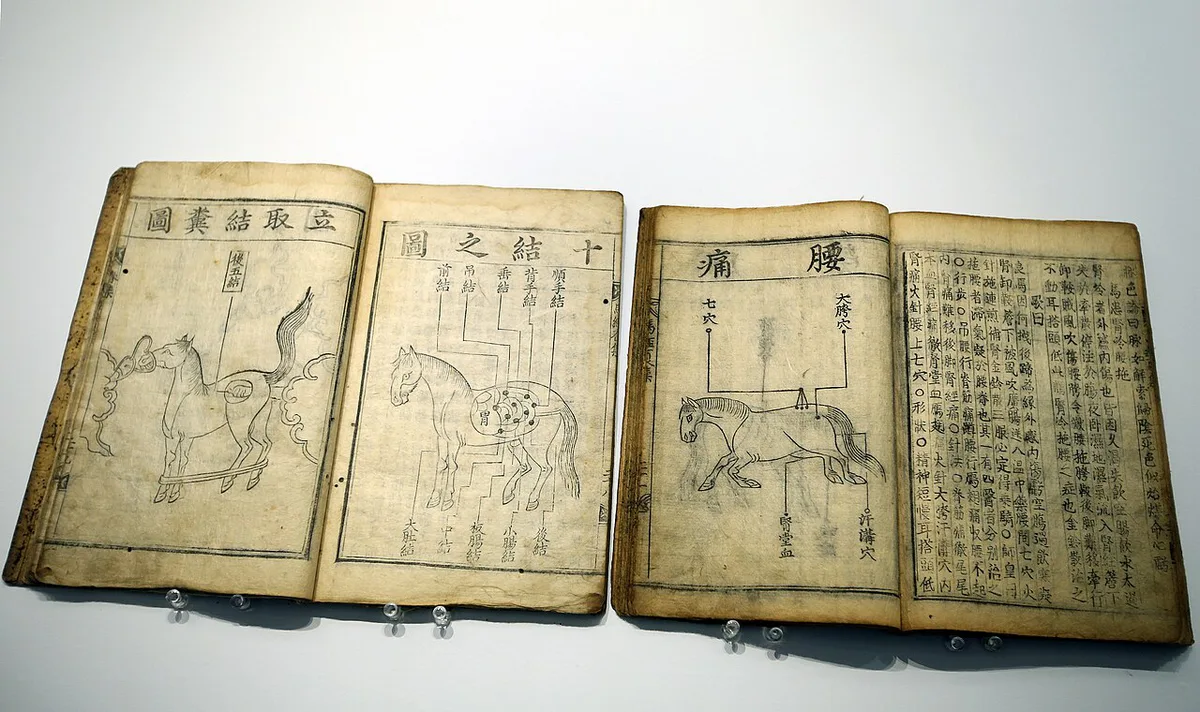
For a calmer day, the Jeju Folk Village Museum and the Jeju National Museum cover local history. Stone Park has indoor exhibition spaces as well. Opening hours and prices change by season, so look them up on each venue's own site.
Rain-friendly nature: what still works
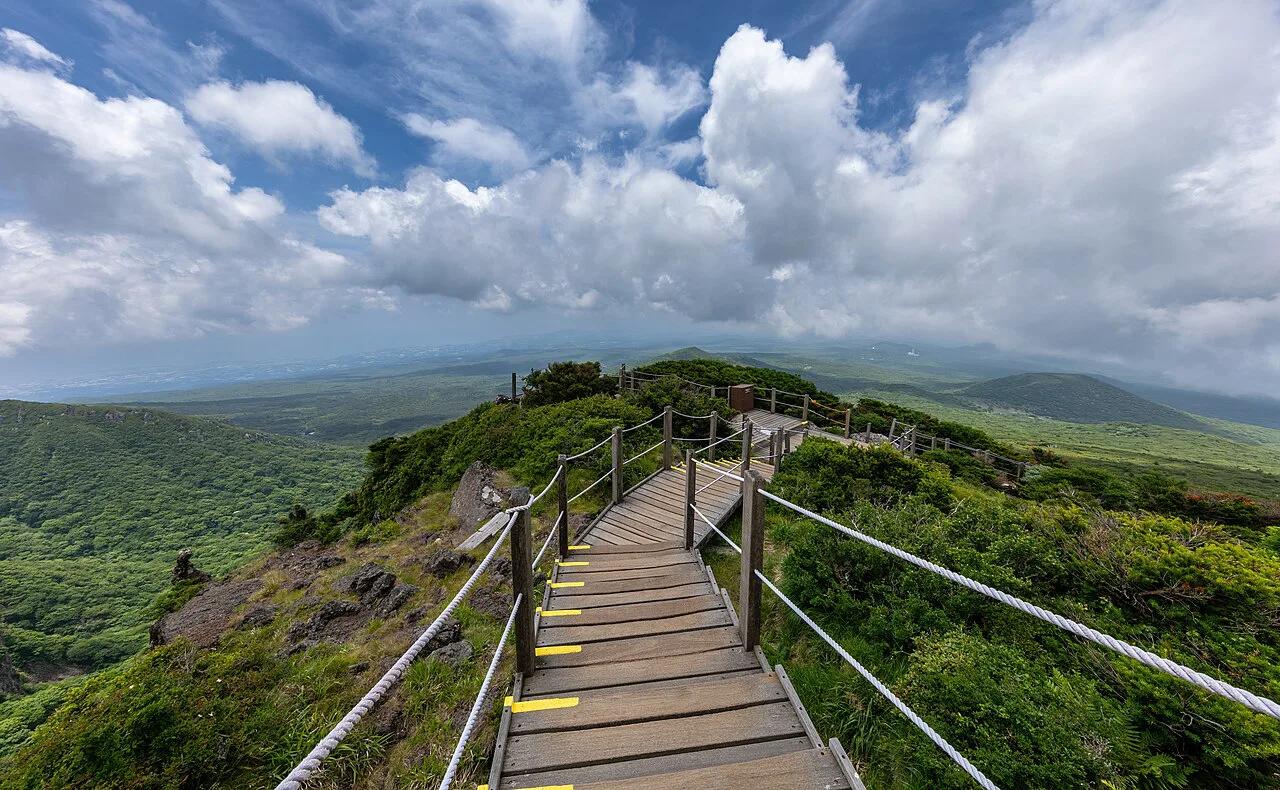
Light rain improves some outdoor stops. Waterfalls such as Cheonjiyeon and Jeongbang run stronger after rain. Misty oreum like Saebyeol and Geochin look their best in fog. Olle routes 6 and 10 offer sea views under grey skies. Stone-wall villages such as Sehwa and Samyang are easy to walk in drizzle. Stone and wooden steps turn slick, so wear shoes with grip.
Seongsan Ilchulbong is the stop to reconsider. Winter hours run 06:00 to 18:00, with the last ticket sale at 17:00. The summit takes about 30 to 40 minutes via the paid section. The site closes on the first Monday of each month. In rain or wind we'd take the free, gentler section toward Umutgae Beach instead. No outside food is allowed.
Udo is a poor rain bet. Ferries run from Seongsan Port and Jongdal Port, and the crossing takes about 10 to 15 minutes. Sailings depend on weather and sea conditions. Our east coast notes cover the area in more detail.
Rainy-day cafés in Aewol and Seogwipo
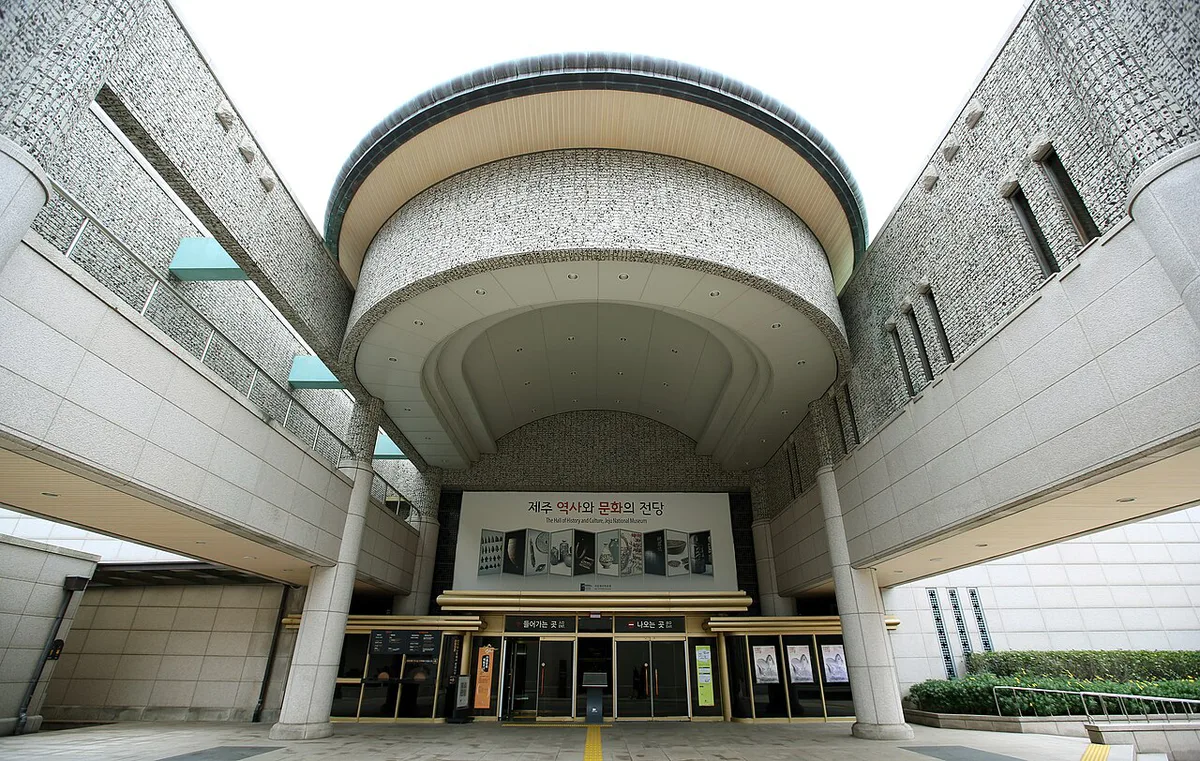
Cafés are the most reliable rain plan. Our short list for Aewol is Monsant de Aewol, Vert et Blanc and Cafe Delmoondo in Woljeongri. All three are known for sea views. Check each one's hours before you go, because small cafés change closing days. Gosari Café in Hangyeong is reported closed on Wednesdays.
Choose a window seat and book a table if you can. Arrive before mid-afternoon on a weekend. Our west coast guide covers the Aewol coast and its nearby stops.
Sample rain-day plans by area
Stay in one zone. Crossing the island in rain wastes hours and daylight. We have not timed these routes, so use a map app for drive times on the day.
- Jeju City and airport side: Dongmun Traditional Market in the daytime, then an indoor museum, then an evening in the night market. Dongmun's night market sells food and souvenirs.
- West and Aewol: Hallim Park for about 1 hour 30 minutes, then Jeju Holic Museum, then a café with a sea view.
- Seogwipo and south: Jarolo Museum, then a café, then Olle route 6 only if the rain is light.
- East and Seongsan: Aqua Planet Jeju, then a short walk toward Umutgae Beach if the rain eases.
Getting around, tickets and cost in the rain
A rental car or taxi saves time between zones. Buses work if you stay in one area. Jeju weather turns quickly, so book timed tickets only if the venue allows changes.
Udo's crossing takes 10 to 15 minutes, yet strong wind cancels ferries, so it is no dependable backup.
Costs are lowest at cafés and museums. Dongmun Traditional Market is cheap to browse. For free options, see our list of free Jeju activities. Prices and hours checked November 2026.
Udo is the one place with a posted fee. Marine Provincial Park admission costs ₩1,000 for adults, ₩800 for youth and military, and ₩500 for children. Ferry fares are separate. Interpreter tours run 10:00 to 18:00, skip lunch from 12:00 to 13:00, and last about 60 minutes. Book by phone on (064)728-4329. Visiting a couple of main sights plus a café takes roughly 3 to 4 hours. Outside vehicles in Udo-myeon stay restricted from August 1, 2026 to July 31, 2029, so plan on foot or with allowed transport. The official Visit Jeju tourism site lists attractions and seasonal guidance.
In the evening, our night activities list gives indoor-friendly ideas. For Jeju City stops, see our Jeju City guide.
Rainy-day tips and mistakes to avoid
Pack waterproof shoes, a compact umbrella and a plastic pouch for your phone. Watch the Korea Meteorological Administration warnings the morning of travel. Skip horse riding in the rain, since it depends on weather. Do not stack more than 2 or 3 stops in one day. The Korea Tourism Organization has general planning help.
Hallim Park visits run about 1 hour 30 minutes, so one indoor anchor plus a café keeps a wet day within 2 or 3 stops.
Haenyeo coast stops are best on a clear day. UNESCO recognizes Jeju haenyeo culture, and our haenyeo guide explains what to see. When the rain clears, use our main Jeju list for the next day.
Plan Around Jeju’s Rainy Seasons
Jeju’s June–July rainy season calls for a flexible plan. Start with one indoor anchor, then add a café or a short outdoor stop only if conditions allow. Hallim Park can work in steady rain, while Aqua Planet and Dongmun Traditional Market offer more reliable shelter.
Summer can also bring typhoons and strong wind. On those days, stay close to where you are sleeping. Skip Udo ferries, Seongsan summit climbs and exposed coastal headlands. Ferry operation to Udo depends on weather and sea conditions, so it is not a dependable backup plan.
Winter rain can feel cold and windy, especially along the coast. Choose museums, markets and cafés over long Olle walks. Keep the day to 2 or 3 stops, since wet roads and changing visibility make island-wide sightseeing tiring.
Notes for your Korea trip
Optional updates to our city guides.
You might also like
Continue reading
More guides you'll find useful