21 Best Things To Do In Jeju City: Picks & Day Trips
Plan Jeju City with 21 sights, markets and day trips, plus car-or-no-car advice, hours and costs for first-time visitors.
On this page
Last updated November 2026, this guide to things to do in Jeju City sorts 21 picks into three tiers: in the city, on the north coast, and day trips. Dongmun Traditional Market, Yongduam Rock and Samseonghyeol Shrine work without a long drive, while Seongsan, Manjanggul and Hyeopjae reward a car or a tour. Decide on wheels first, and the rest of the plan falls into place.
Featured image: Ryuch, CC BY-SA 3.0, via Wikimedia Commons.
Best Things To Do In Jeju City: Three Tiers
Tier one is the city itself: Dongmun Traditional Market, Yongduam Rock, Samseonghyeol Shrine, Black Pork Street, Jeju National Museum, Gwandeokjeong pavilion and the Tapdong waterfront. Tier two is the north coast, where Hamdeok Beach and Ecoland sit about 27 minutes away by car. Tier three covers day trips of roughly 45 to 62 minutes each way, from Manjanggul to Osulloc. Jeju is a large volcanic island, so group your stops by coast instead of zigzagging. Readers who want more than the city can start with our island-wide overview.
21 Best Things To Do In Jeju City, From Old Town To Day Trips
Prices and hours checked November 2026. Items 1 to 8 are in the city, items 9 and 10 are on the north coast, and items 11 to 21 are day trips. Drive times are indicative figures from the city centre.
1. Dongmun Traditional Market
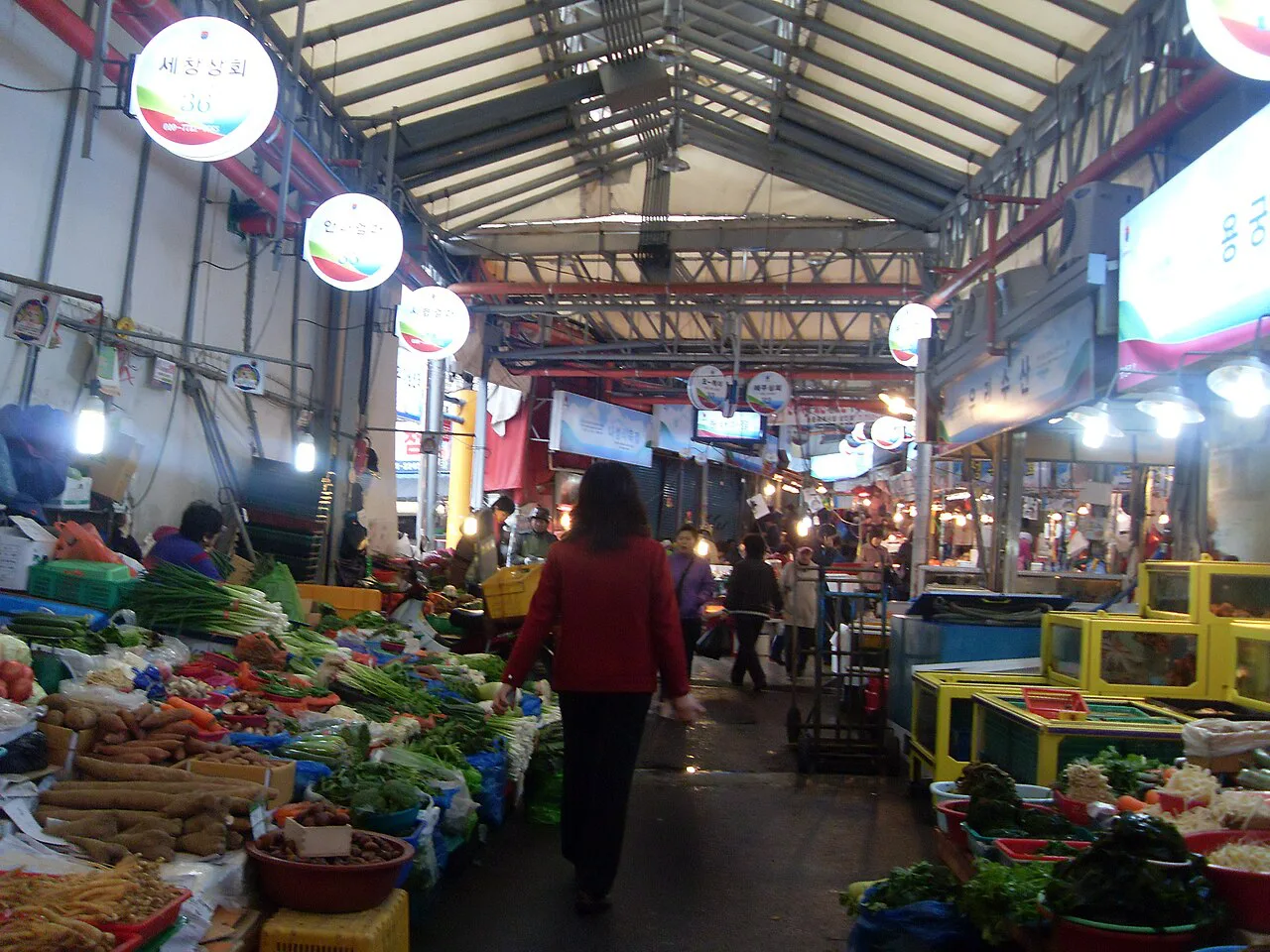
Dongmun Traditional Market is Jeju City's daytime produce and snack market, and it becomes a night market in the evening with food stalls and souvenirs. Its address is 14 Gwandeok-ro, near Jeju International Airport, which makes it an easy first or last stop. Hours depend on each store, so go by day for fresh seafood and Hallabong tangerines, which are in season roughly December to March.
After dark, graze on grilled skewers and tteokbokki instead of booking a sit-down dinner. Anyone who dislikes tight aisles should arrive early in the day.
2. Yongduam Rock
Yongduam Rock, also called Dragon Head Rock, is a coastal formation at 15 Yongduam-gil, roughly 5 minutes by car from the centre. Viewing is free and the site is open at all times, year-round. Stay on the designated trail and behind the safety facilities, and check the weather first.
A free interpretation service runs by phone reservation or on-site registration, but it is unavailable on Lunar New Year's Day and Chuseok. Parking is available, so ask about fees on site. Think of it as a short stop rather than a half-day outing.
3. Samseonghyeol Shrine
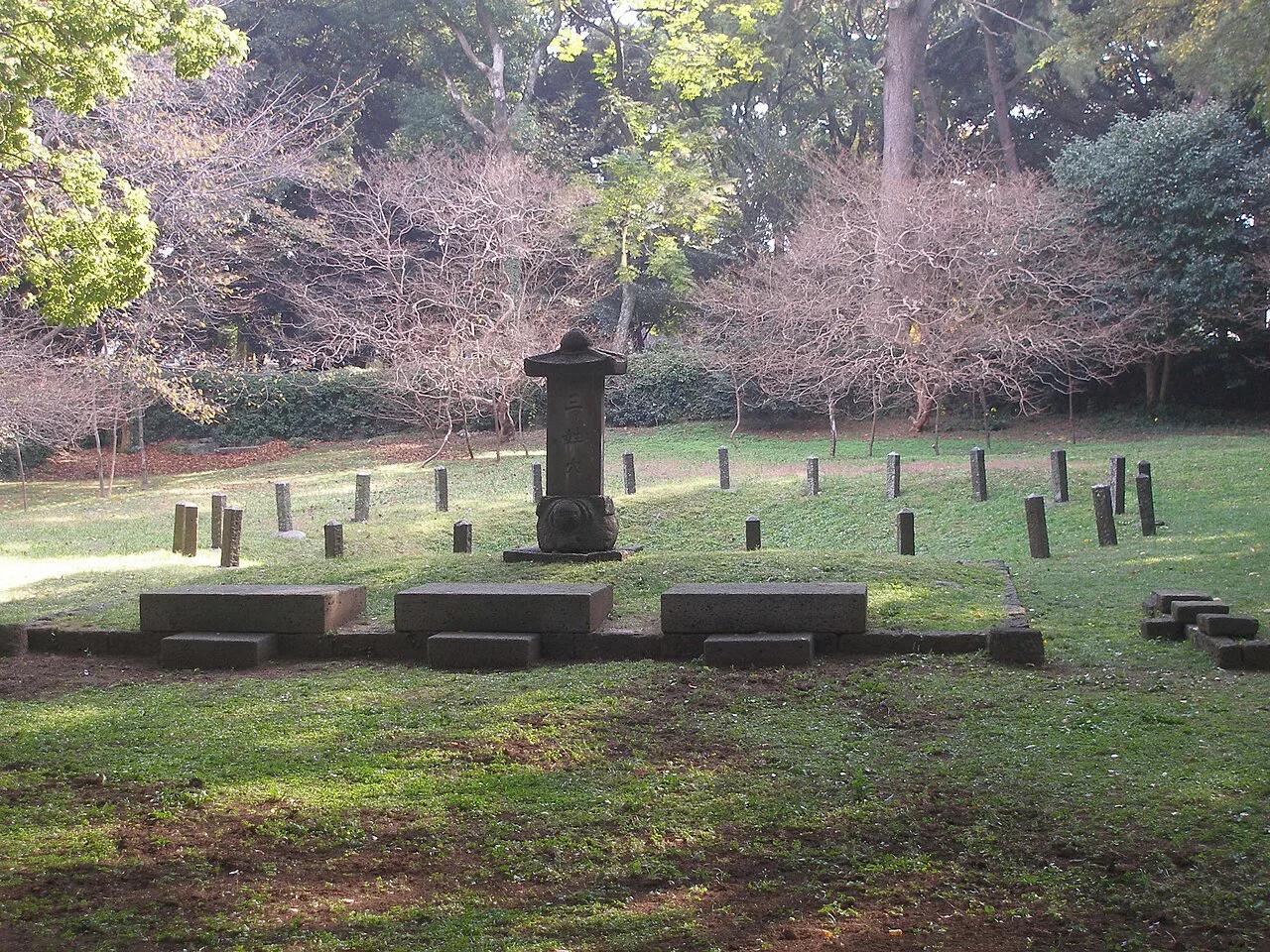
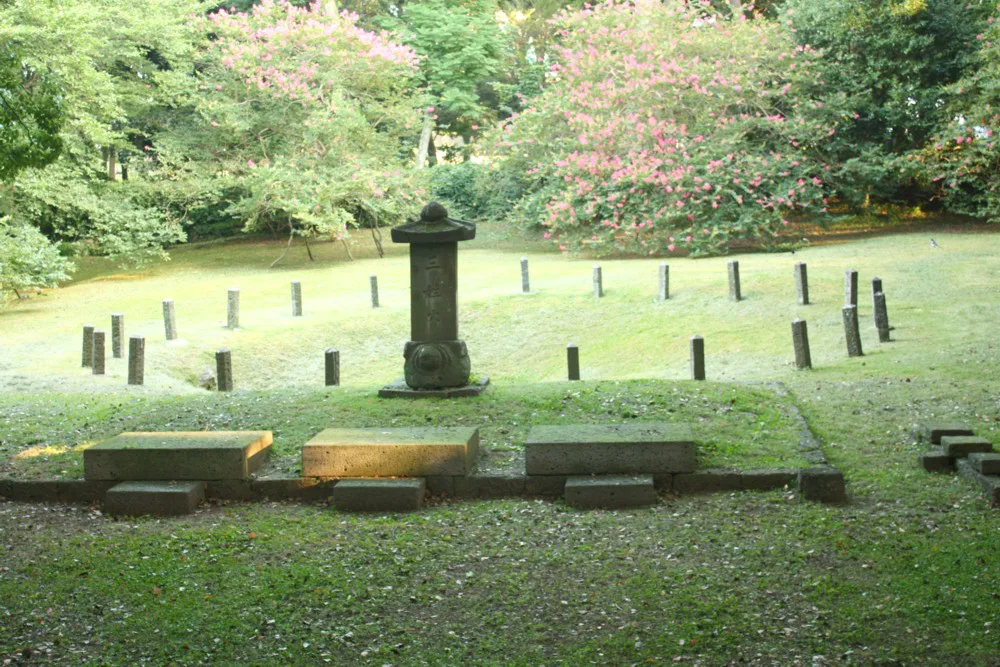
Samseonghyeol Shrine, in central Jeju City, marks the legendary birthplace of the island's three founding clans. Ancient hollows in the ground sit among old trees, which makes it one of the quietest corners of the city. Go for Jeju's origin mythology, not for spectacle, and walk the grounds slowly on a calm morning.
Hours and any entry fee are listed on the official Visit Jeju site. Families with restless children may prefer to spend the time at the market.
4. Black Pork Street
Black Pork Street in Jeju City is lined with restaurants that specialize in the island's heritage-breed black pork. Order grilled samgyeopsal, or pork belly, and pair it with Hallabong tangerine soju. Eat here once rather than at every meal, since seafood and noodle dishes deserve their own slots.
For evening plans around it, browse our after-dark food and night-market options. Vegetarians will find little here and can head to the market instead.
5. Jeju National Museum
Jeju National Museum is the city's main museum for island history and culture, and it fits a gray afternoon. Its galleries give background on Jeju's past, which makes shrines and folk villages easier to read later. Opening days, hours and ticket price are on the museum's own page, so settle the free-or-paid question there.
For more wet-weather ideas, see our indoor options for rainy days. Visitors who want sea air rather than glass cases can skip it.
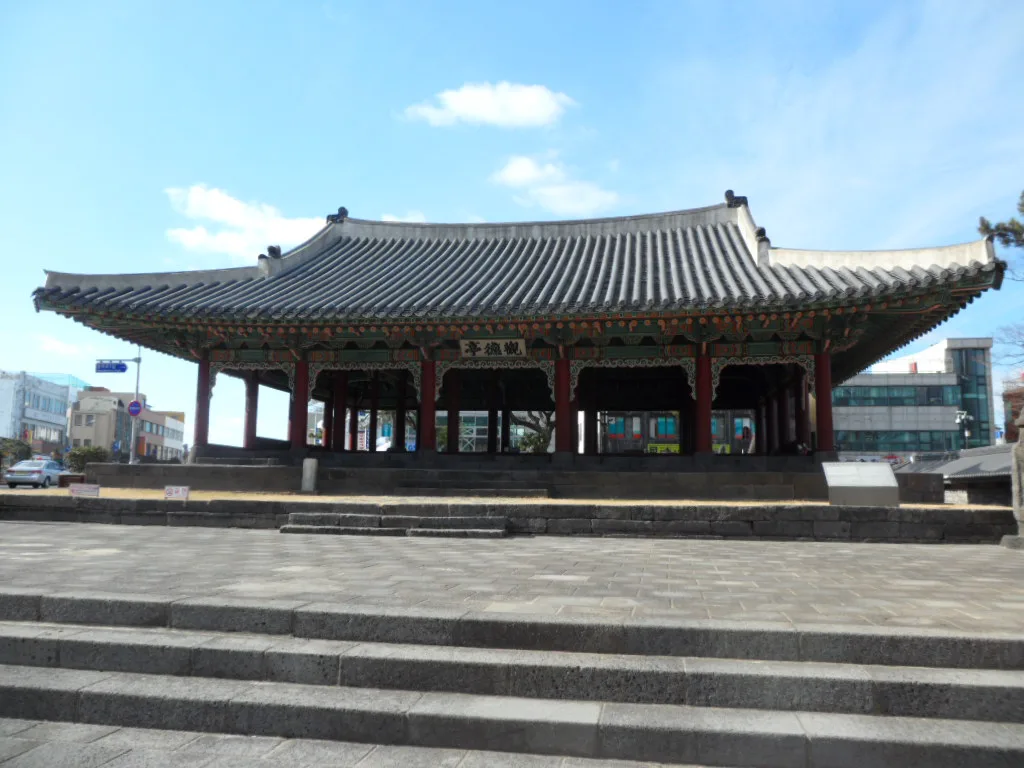
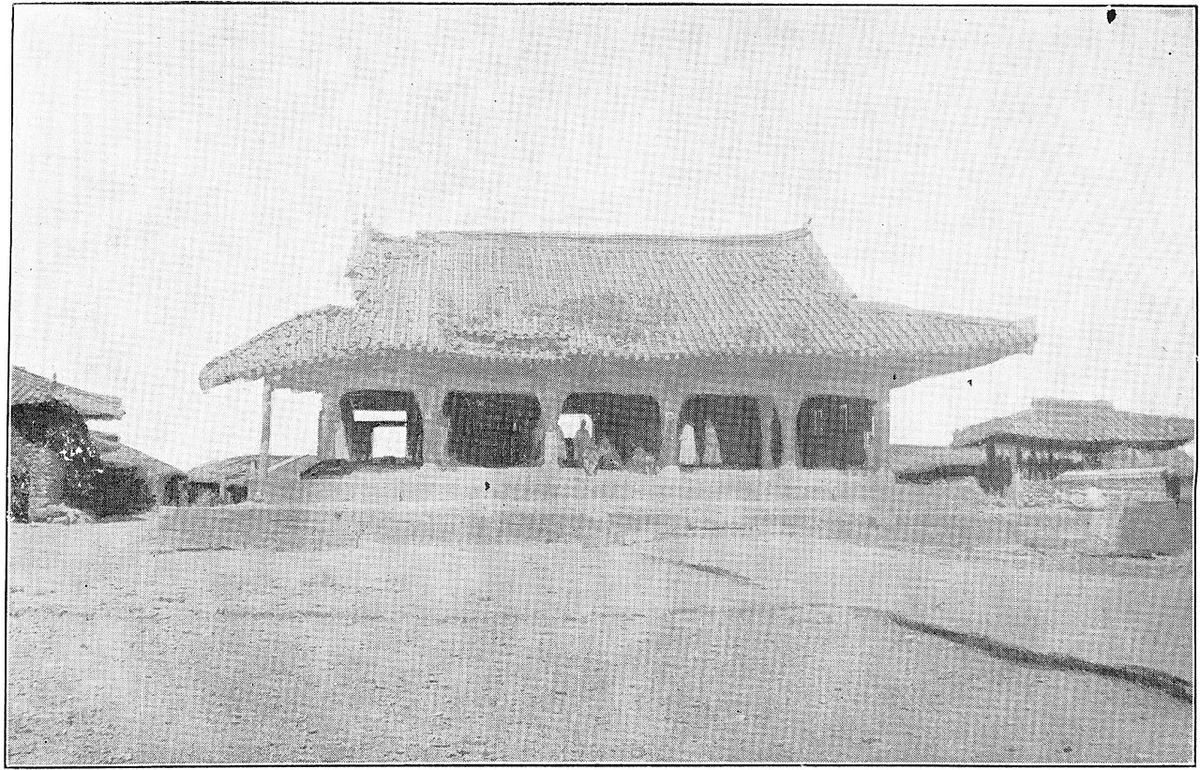
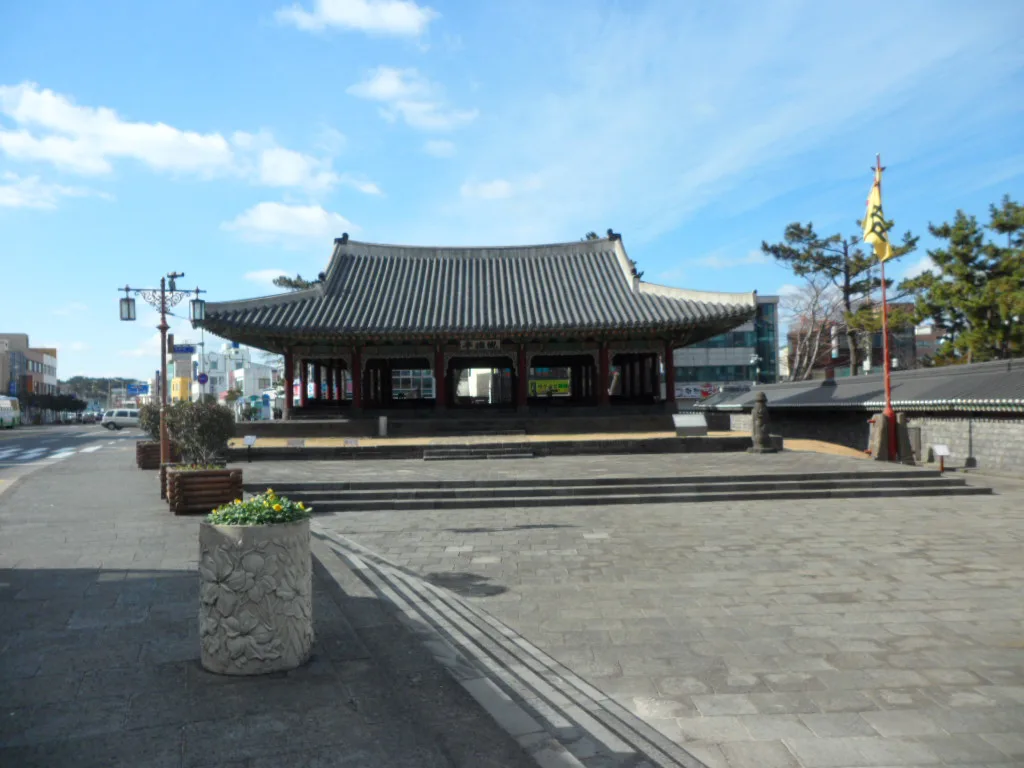
6. Gwandeokjeong Pavilion
Gwandeokjeong is a traditional pavilion in Jeju City's Old Town, and Gwandeok-ro, the street in Dongmun Market's address, carries its name. Walk over after the market to see old timber architecture among modern streets. Early visits tend to be quieter, and the stop suits a short walking loop.
Entry rules and hours are on Visit Jeju's listing for the site. Travelers with time for only one historic stop should pick Samseonghyeol Shrine instead.
7. Tapdong Waterfront
Tapdong waterfront is a harbor-side walking stretch in Jeju City's Old Town, best at sunset or after dinner. A stroll costs nothing, and no ticket or booking is involved. Combine it with Dongmun Traditional Market for a market-to-sea evening from the same base.
Wind makes it cold from November to February, so bring a windproof layer. Anyone chasing beaches or dramatic cliffs should save the time for Yongduam Rock.
8. Nohyeong District Versus Old Town
Nohyeong is the newer commercial district, with hotels, restaurants and cafes, while Old Town holds the market, pavilion and waterfront. Choose Old Town as a base when you want sights on foot. Choose Nohyeong when modern hotels and evening dining matter more than heritage.
Neither district charges an entrance fee, so the decision is about atmosphere, not cost. Late arrivals can sleep in either, because the airport is close to Jeju City.
9. Hamdeok Beach
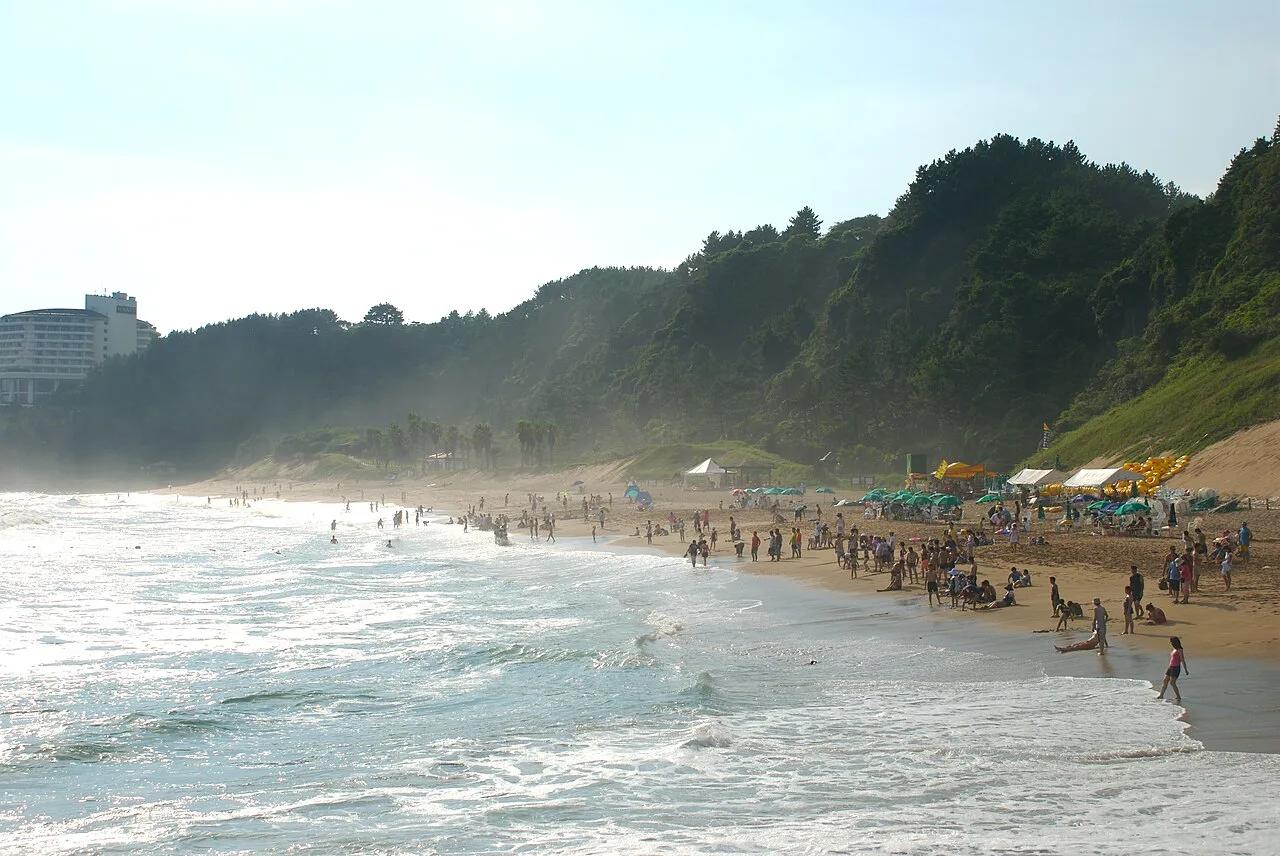
Hamdeok Beach lies in Jocheon-eup, about 27 minutes and 14 km north of the city centre by car. At low tide a sand bar opens up for walks, while at high tide much of the beach disappears. Cafes and seafood restaurants line the shore, so it works as a lunch stop.
Beach swimming is seasonal across Jeju, so confirm the swimming season before packing swimwear. Ecoland is on the same run, which makes a tidy north-coast half day. Winter visitors get a coastal walk, not a swim.
10. Ecoland
Ecoland is a themed nature park in Jocheon-eup, also about 27 minutes and 14 km from the city centre. Families get the most from it, with walking paths through green landscape and activity areas. Pair it with Hamdeok Beach to build a half-day loop with no long transfers.
Current hours and ticket prices are on the park's own site. Solo travelers on a short city stay may prefer Yongduam Rock.
11. Manjanggul Lava Tube
Manjanggul Lava Tube, at 182 Manjanggul-gil in Gujwa-eup, is about 45 minutes and 22 km from the city centre by car. Hours are 09:00 to 18:00, but ticket sales and admission close at 17:00. It is closed on the first Wednesday of every month.
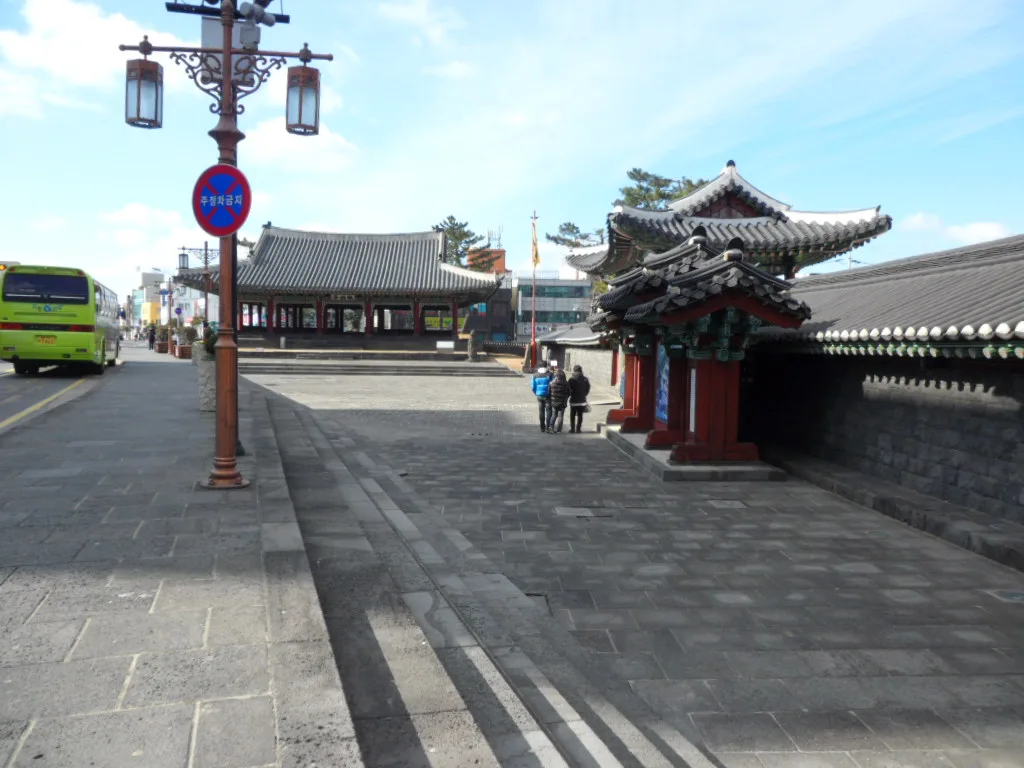
General visitors use Entrance 2 and may explore only about 1 km of the tube, upstream from the entrance. A light layer helps, since the interior stays cool year-round. Travelers who dislike enclosed, dim spaces can skip it.
12. Seongsan Ilchulbong
Seongsan Ilchulbong is a volcanic tuff cone at 284-12 Ilchul-ro, Seongsan-eup, and the east coast's classic sunrise climb. Hours change by season: 06:00 to 18:00 from November to February, 05:00 to 19:00 in March, April, September and October, and 04:30 to 20:00 from May to August. Last ticket sale is one hour before closing, and the site closes on the first Monday of each month, or the next day if that Monday is a public holiday.
Adult entry to the summit section costs ₩5,000, and the climb takes about 30 to 40 minutes. A free, gentler hiking section leads toward Umutgae Beach, and outside food is not allowed. Our east-coast day-trip guide adds nearby stops.
13. Udo Island
Udo Island, at 153 Udo-ro, is reached by ferry from Seongsan Port or Jongdal Port, and the crossing takes about 10 to 15 minutes. Marine Provincial Park admission is ₩1,000 for adults, with the ferry fare charged separately. Budget roughly 3 to 4 hours for one or two main sights, such as Geommeolle Beach, Udobong or Hagosudong Beach, plus a cafe break.
Ferries depend on weather and sea conditions, so check sailing information on the day, and never book Udo on a flight day. From Aug 1, 2026 to Jul 31, 2029, outside vehicles are restricted in Udo-myeon, with exceptions for 16-seat chartered buses, low-emission rental cars and overnight guests.
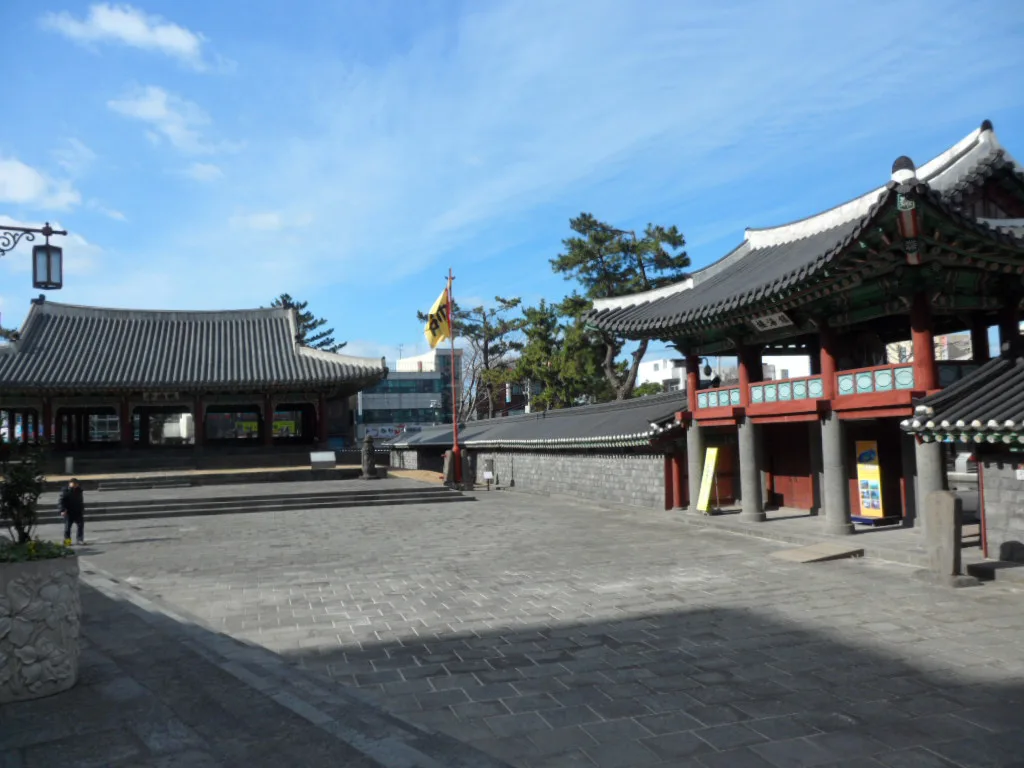
14. Hyeopjae Beach
Hyeopjae Beach, at 2497-1 Hyeopjae-ri in Hallim-eup, is about 59 minutes and 29 km from the city centre by car. Access is free at all times, with views toward Biyangdo island. In 2026 the designated swimming and safety period runs June 24 to September 6, 10:00 to 19:00, extended to 21:00 from July 15 to August 15.
Parasols cost ₩20,000 and wooden platforms ₩30,000 at Jeju's designated beaches. Swimming with pets is limited to designated areas during open season. Our west-coast stop planner links it with nearby sights.
15. Hallim Park
Hallim Park, at 300 Hallim-ro in Hallim-eup, is open year-round with no regular closing days. Parking is free, and a visit takes about 1 hour 30 minutes. Ticket sales start at 09:00 in September and October, and closing times shift by 30 minutes either way with the seasonal sunset.
Themed gardens and the caves of Ssangyonggul and Hyeopjaegul fill the grounds. Dogs under 5 kg are allowed on a leash, one per adult, with a waste bag. Visitors short on time can skip it and keep the beach.
16. Osulloc Tea Museum
Osulloc Tea Museum sits at 15 Sinhwayeoksa-ro in Andeok-myeon, Seogwipo-si, about 62 minutes and 31 km from the city centre. Listed hours are 09:00 to 18:00 daily. Come for green tea tastings, matcha lattes and views over neatly cut tea fields.
Camellia Hill is in the same township, so one lunch can cover both. Anyone not interested in tea can head straight to the gardens.
17. Jeongbang Waterfall
Jeongbang Waterfall drops beside the sea near central Seogwipo, about 57 minutes and 29 km from Jeju City by car. Rocks near the base can be slippery from spray, so wear sturdy shoes. Hours start at 09:00 and the site closes in the late afternoon, so plan to arrive by mid-afternoon.
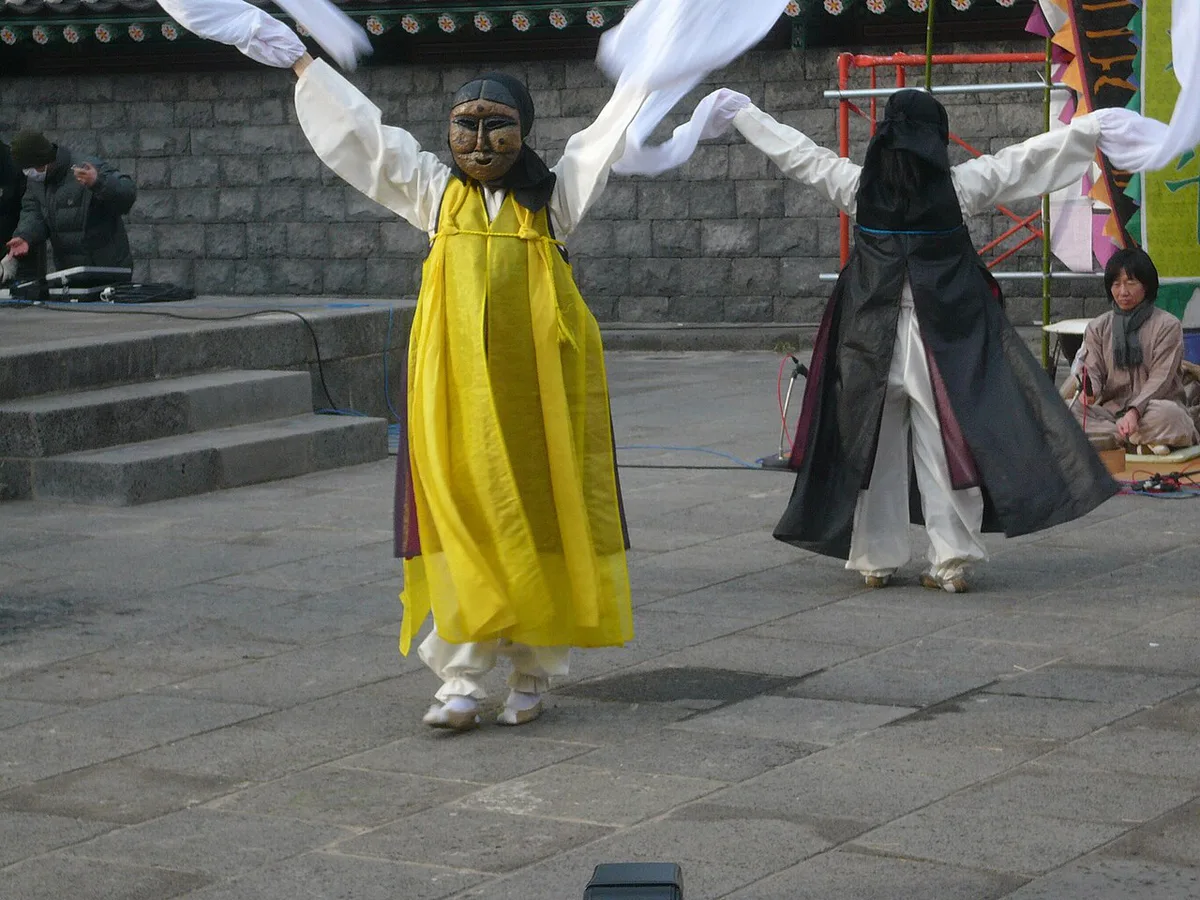
Link it with Jusangjeollidae and Camellia Hill for one south-side day. Visitors without a car should treat this as a tour day.
18. Jusangjeollidae
Jusangjeollidae is a coastal stretch of basalt columns in Jungmun-dong, Seogwipo-si, about 61 minutes and 31 km from the city. Listed hours are 09:00 to 17:30. Sea views and the cliff formations draw photographers.
Jungmun-dong is a resort district, so lunch options are easy. Anyone with a single day in the city can skip it, since the south coast needs its own day.
19. Camellia Hill Botanical Garden
Camellia Hill Botanical Garden is at 166 Byeongak-ro, Andeok-myeon, about 56 minutes and 28 km from the city centre. Listed hours are 08:30 to 18:00 daily. Walk the camellia collection and other plantings at an easy pace.
Gardens suit a gray forecast better than a beach. Travelers with no interest in plants can swap it for Osulloc or Jeongbang.
20. Jeju Olle Trail
Jeju Olle Trail is a network of 26 routes covering over 425 km along the coast. Each route takes three to six hours, so choose one scenic section near your base instead of a full route. Trails are free and marked with blue and orange ribbons.
Routes pass fishing villages, a natural moment to read about haenyeo diving culture. UNESCO describes Jeju haenyeo culture as intangible heritage. Prefer a saddle? See riding a horse on the island.
21. Hallasan
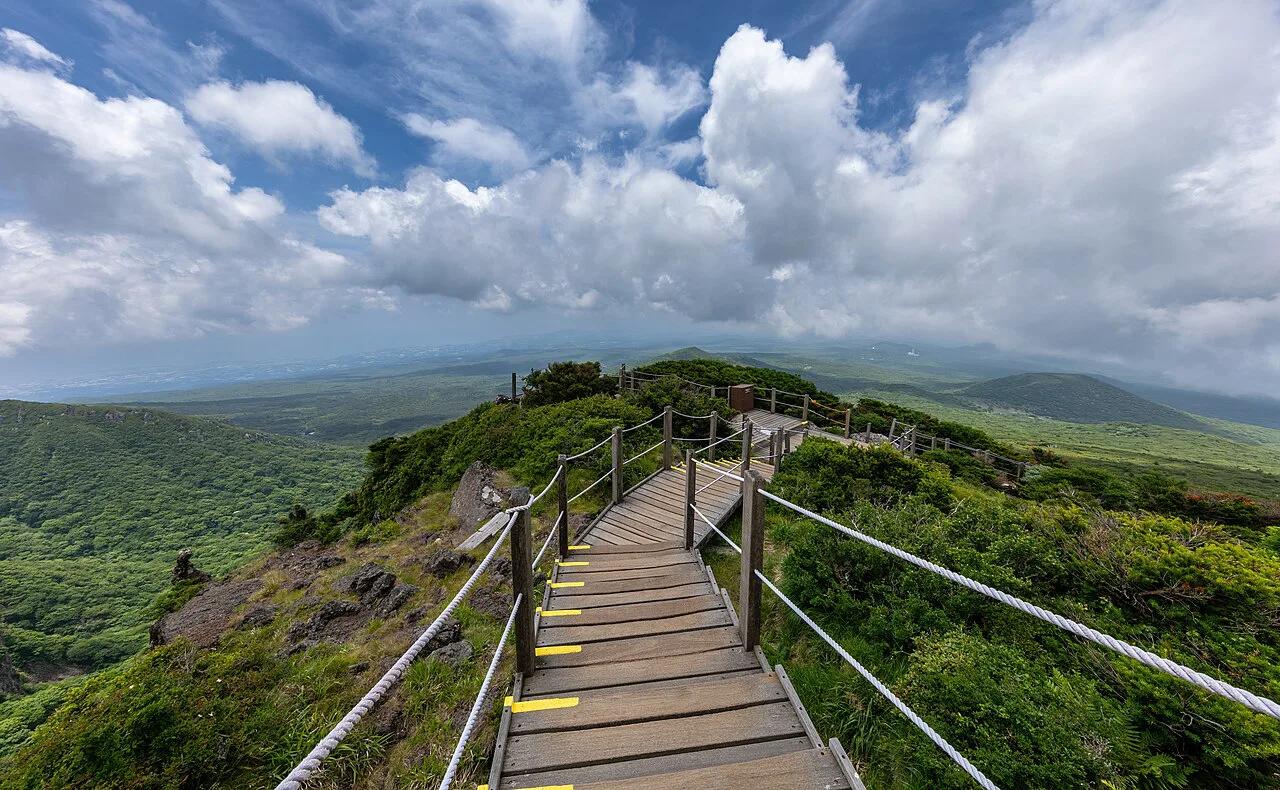
Hallasan rises about 1,950 m and is South Korea's tallest peak. Seongpanak Trail runs 9.6 km one way, and summit hiking requires a reservation through the national park system. Yeongsil is a shorter route, listed at 5.8 km and roughly 2.5 hours uphill, for mountain scenery without a summit push.
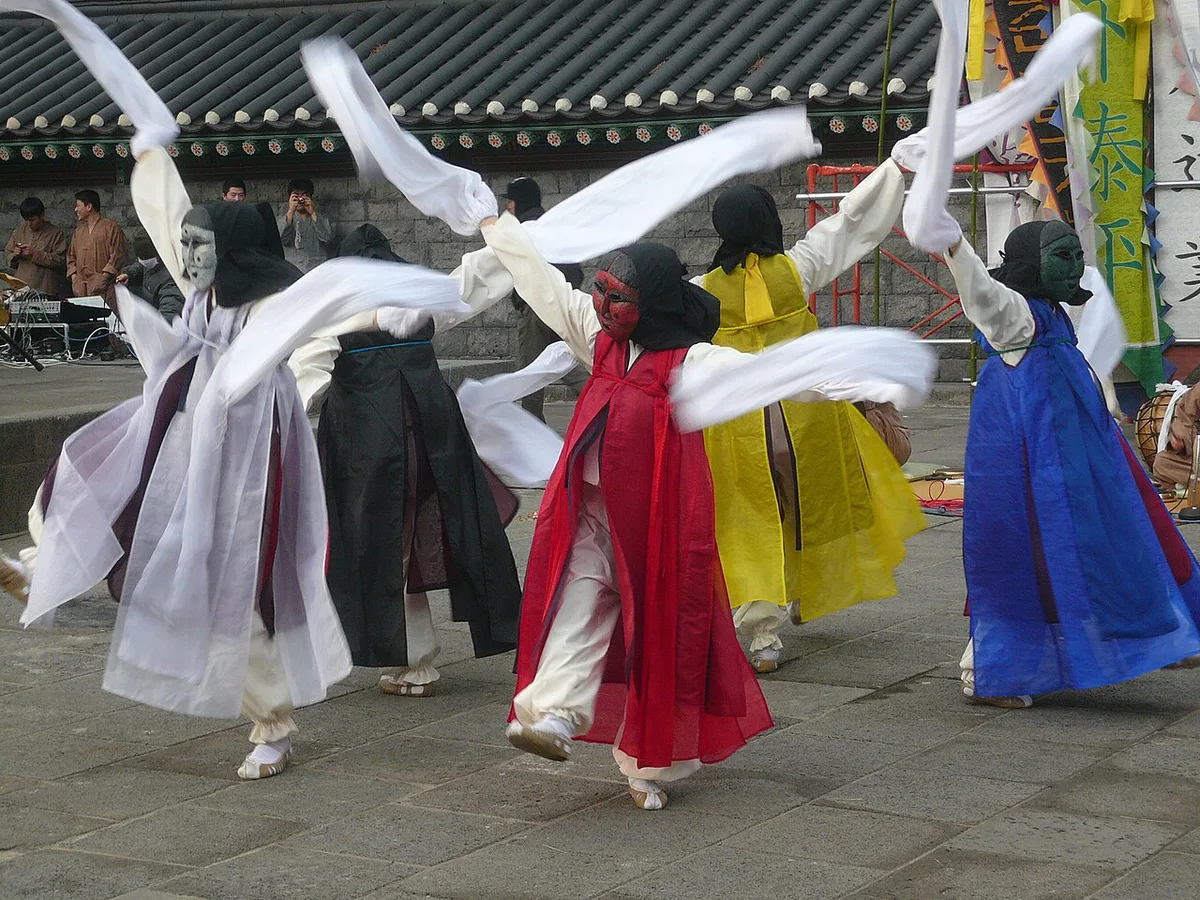
Snow and wind can close trails in winter. Treat Hallasan as a full day, never a beach-day add-on. Visitors with one free day should skip it.
How To Plan Your Time In Jeju City
Half a day covers the Old Town on foot. One day adds the north coast, 27 minutes by car. Two days let you add an east-coast run. Jeju has no subway or train, so buses, taxis and rental cars decide your reach. With a car, pair Seongsan with Manjanggul (45 minutes) on one day and Hyeopjae with Hallim on another. Without a car, stay near a bus corridor and book a tour for one coast.
| Plan | Stops | Transport |
|---|---|---|
| Half day | Dongmun Traditional Market, Yongduam Rock, Tapdong waterfront | Walk or short taxi |
| One day | Old Town morning, then Hamdeok Beach and Ecoland | Car or taxi for the north coast |
| Two days | Day one as above; day two Seongsan, Manjanggul, Udo | Car or east-coast tour |
Costs, Tickets And Opening Hours
Several top picks cost nothing: Yongduam Rock and Hyeopjae Beach are free to enter, and Dongmun Traditional Market is free to walk. Udo park admission is ₩1,000 and Seongsan adult entry is ₩5,000. Hyeopjae parasols run ₩20,000. For more no-cost ideas, see our free sights across Jeju.
Udo's ₩1,000 admission looks cheaper than Seongsan's ₩5,000, but Udo adds a ferry fare that the admission figure leaves out.
| Place | Cost | Hours |
|---|---|---|
| Yongduam Rock | Free | Open at all times |
| Dongmun Traditional Market | Free to walk | By store; night market in the evening |
| Hyeopjae Beach | Free; parasol ₩20,000, platform ₩30,000 | Open at all times |
| Seongsan Ilchulbong | Adult ₩5,000 | 04:30 to 20:00 in summer, 06:00 to 18:00 in winter |
| Udo Island | ₩1,000 park admission, plus ferry | Ferry hours vary by season and weather |
| Manjanggul Lava Tube | See operator | 09:00 to 18:00, admission closes 17:00 |
Where To Stay And How To Get Around Jeju City
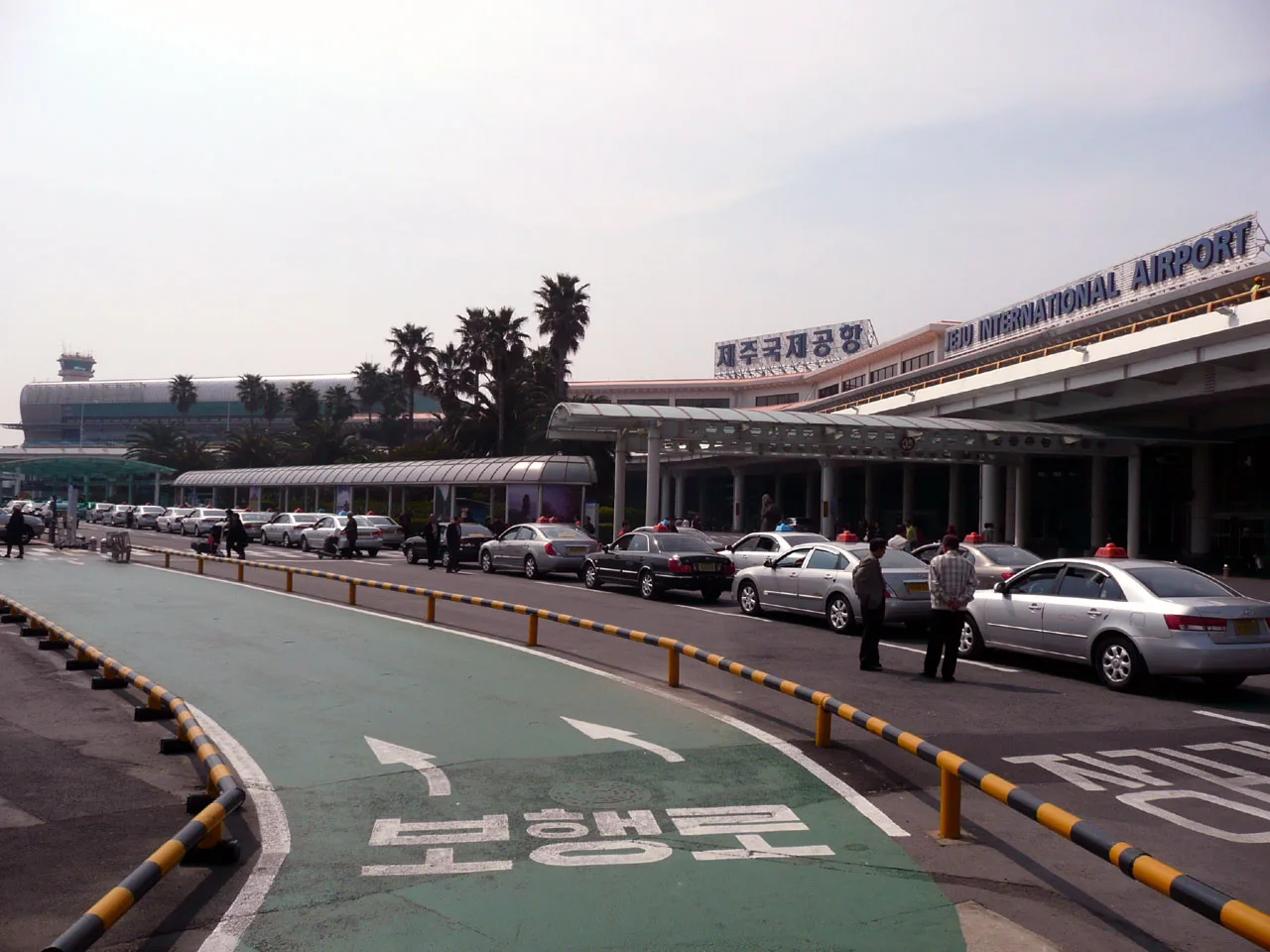
Jeju City suits short stays because Jeju International Airport is close and Dongmun Traditional Market sits near it. Choose Old Town for walking to sights, or Nohyeong for modern hotels and dining. Most rental companies run off-airport lots with shuttle buses, so allow extra pickup time. Seogwipo is the alternate base when south-coast waterfalls matter more than airport access. Three full days is the practical minimum for the island, and two bases help once you stay four or five nights.
Stay in Old Town for the market and pavilion, since Hamdeok Beach and Ecoland sit 27 minutes by car on the north coast.
Mistakes To Avoid And Best-Fit Picks
Do not combine east and west coasts in one day, since Hyeopjae is about 59 minutes away and Seongsan sits at the opposite end of the island. Do not assume the airport is close to everything. Keep Udo off any flight day because ferries follow the weather. Rainy days belong to the museum and market.
| Traveler | Best picks |
|---|---|
| First-timers | Dongmun Traditional Market, Yongduam Rock, Seongsan Ilchulbong |
| Families | Ecoland, Hamdeok Beach, Hallim Park |
| Food-focused | Black Pork Street, Dongmun night market |
| Nature-focused | Manjanggul, Olle section, Hallasan |
| Short layover | Yongduam Rock, Tapdong waterfront, Dongmun Traditional Market |
| Rainy day | Jeju National Museum, Dongmun Traditional Market |
Notes for your Korea trip
Optional updates to our city guides.
You might also like
Continue reading
More guides you'll find useful