Jeju Haenyeo: Museum, Culture & How to Meet Them
Who Jeju's haenyeo are, how to visit the Haenyeo Museum in Gujwa, whether you can see divers at work, and how to visit respectfully.
On this page
Last updated November 2026: the jeju haenyeo are the island's women free-divers, who gather seafood from the sea floor without breathing apparatus. Their culture has been on the UNESCO intangible heritage list since 2016. Seeing a diver at work is never guaranteed, so build your plan around the Jeju Haenyeo Museum in Gujwa and treat any coastal sighting as a bonus.
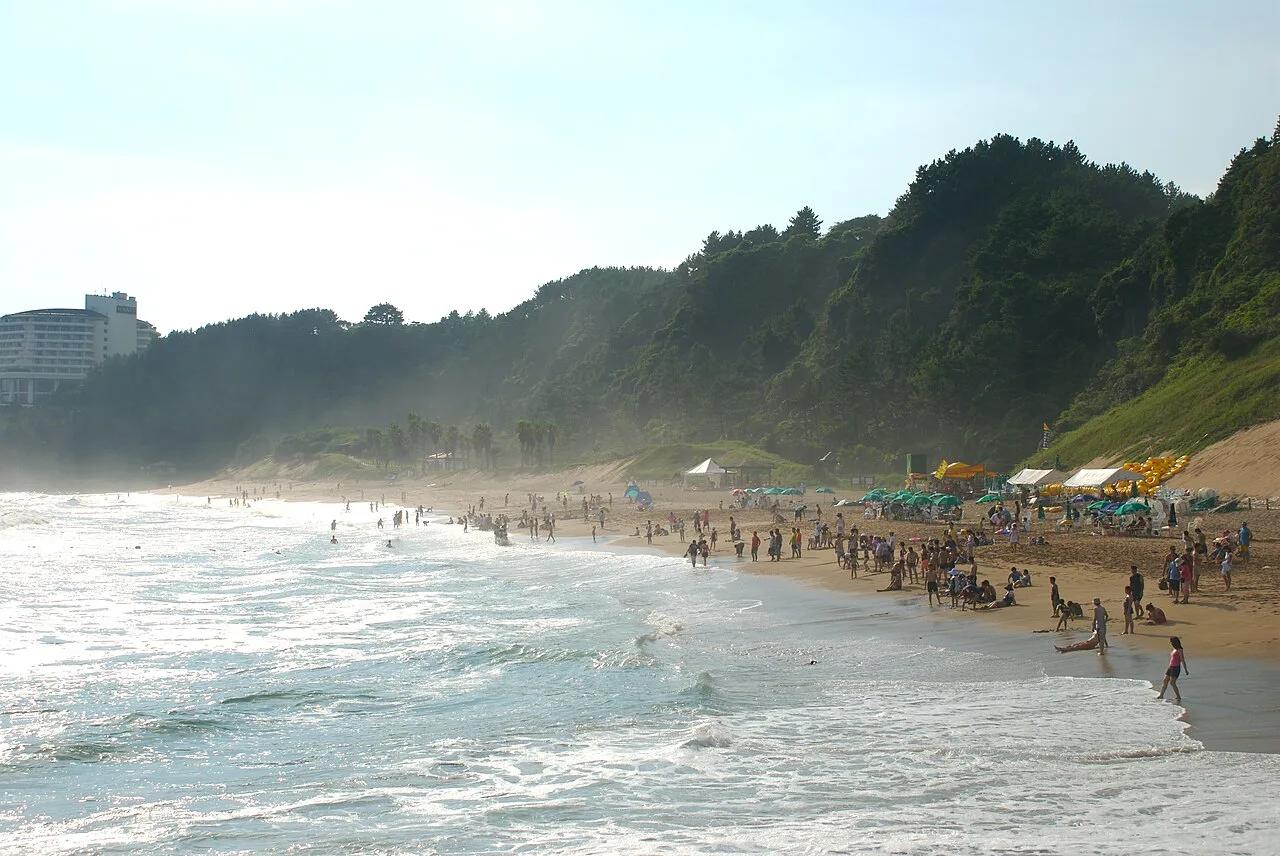
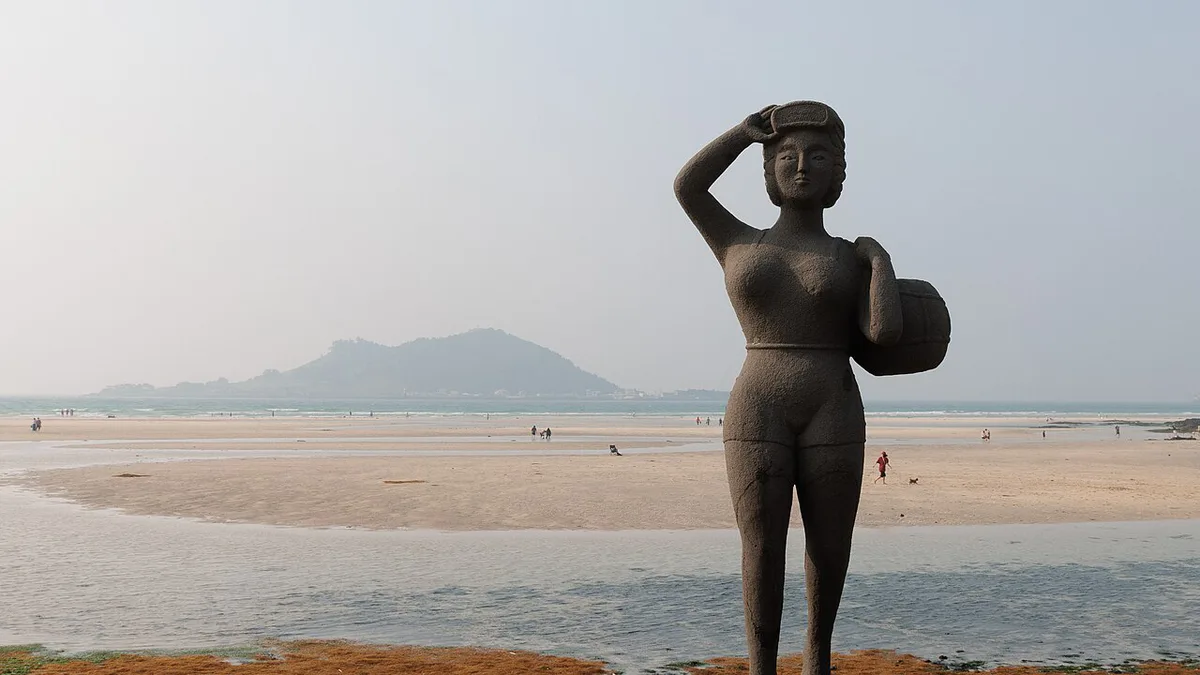
Featured image by karendotcom127, CC BY 2.0, via Wikimedia Commons.
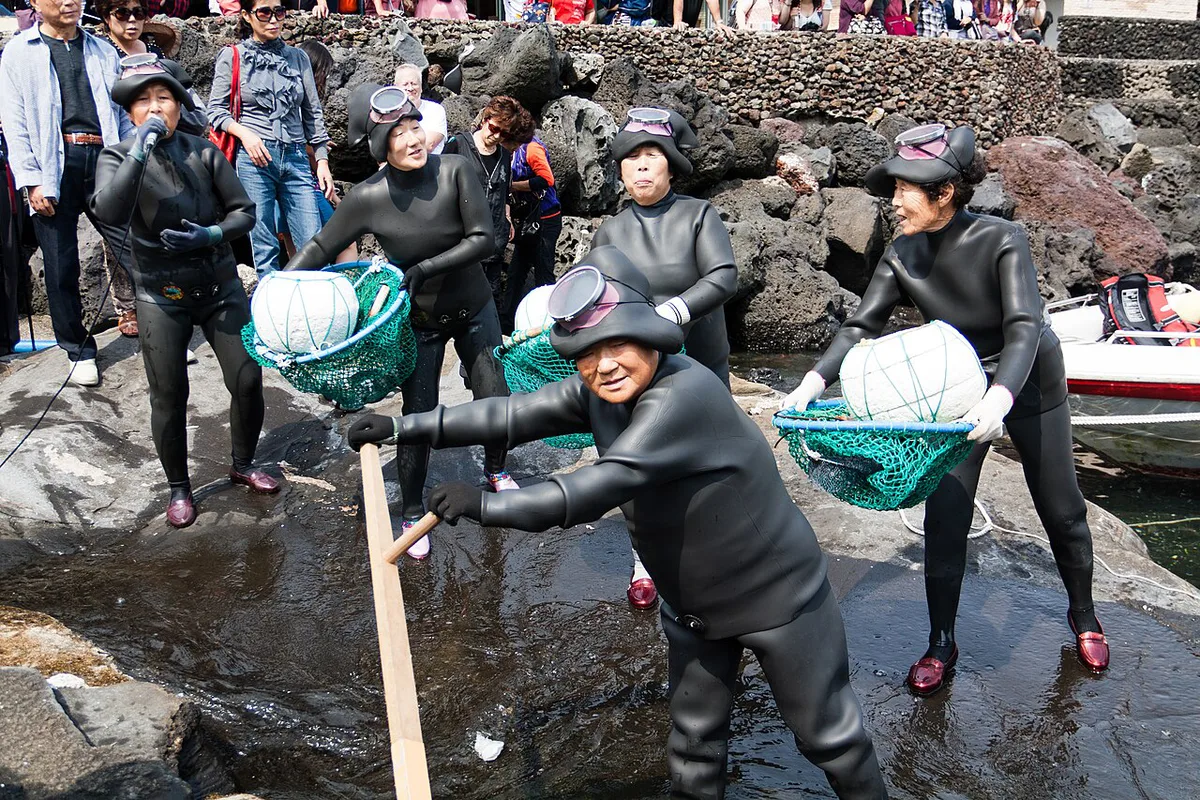
Who Are the Jeju Haenyeo?
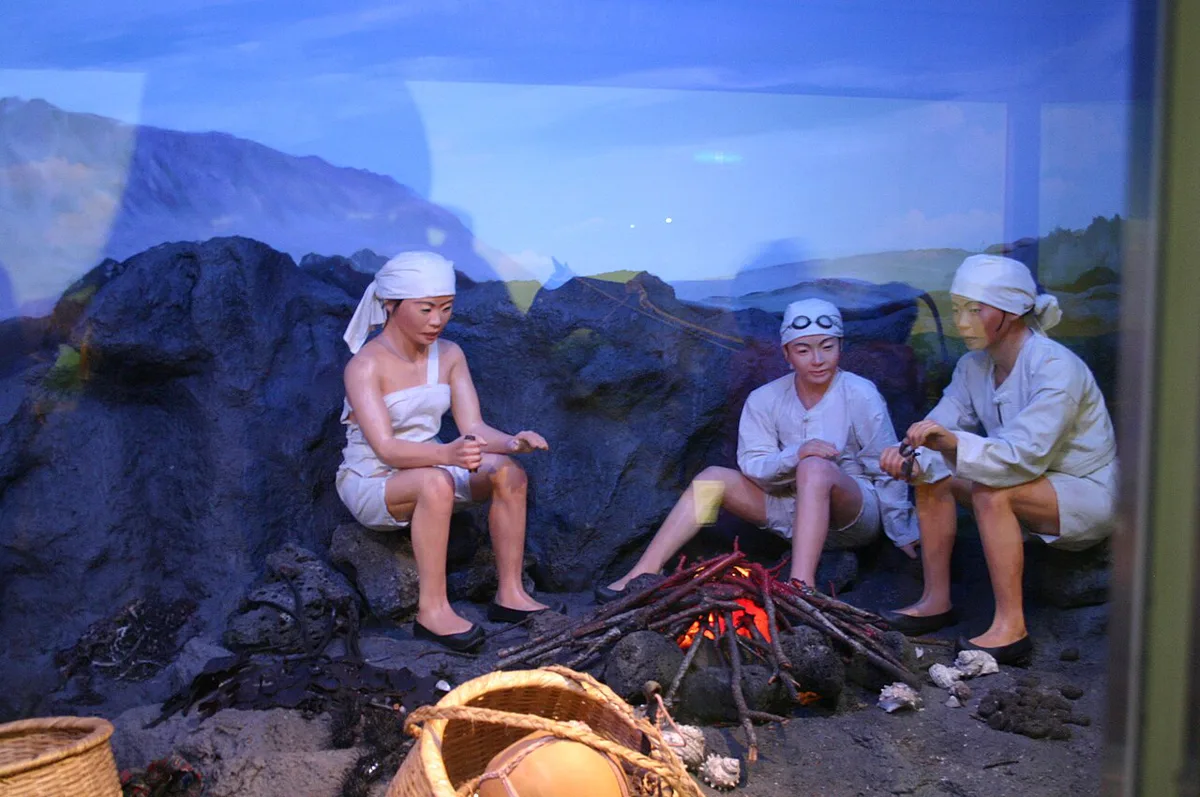
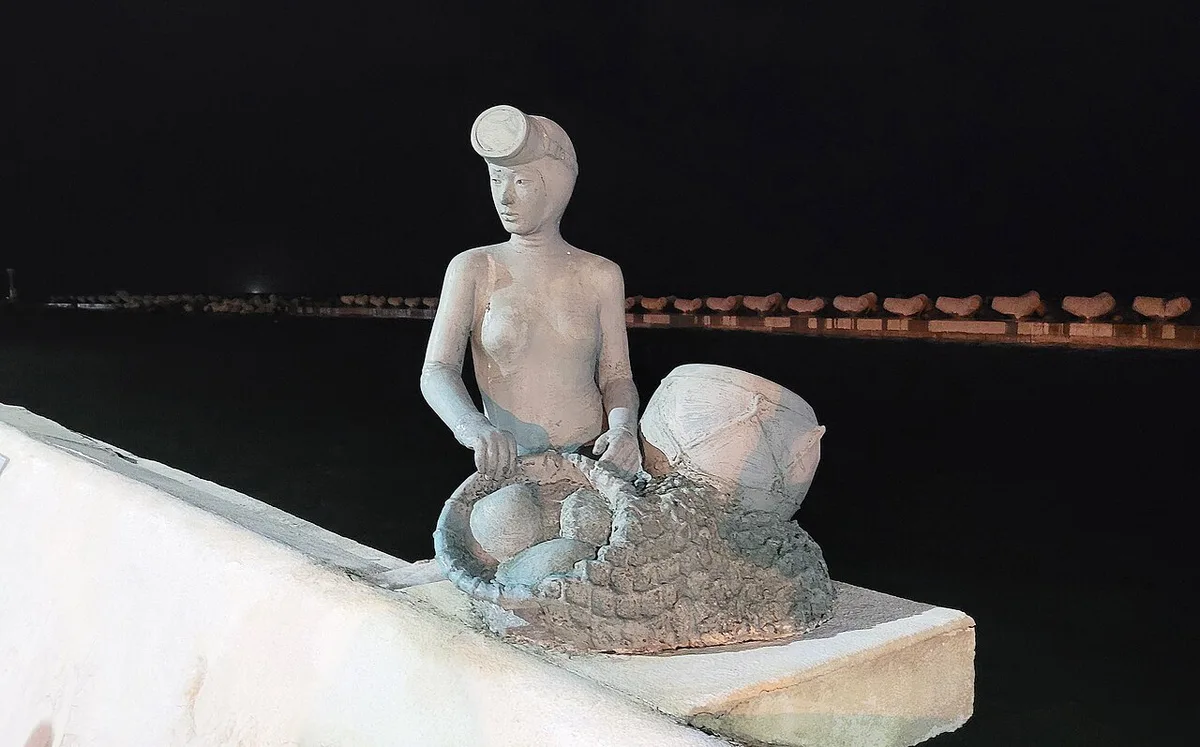
Haenyeo means "sea women". They are professional divers who work Jeju's coastal waters and harvest shellfish such as abalone and sea urchin for a living. UNESCO describes some of them as being in their 80s, diving about 10 m down and holding their breath for roughly one minute per dive. Other sources give longer ranges, so treat any single breath-hold or depth figure as approximate. On surfacing, divers release a whistling breath called sumbisori. Experience sorts divers into three levels: hagun, junggun and sanggun, with the sanggun guiding the others. Before a dive, prayers go to Jamsugut, the sea goddess, for safety and a good catch. Work is organized through village cooperatives called eochongye, which set fishing boundaries, seasons and harvest rules. Museum material counts about 100 of them, roughly one per coastal village. Nobody dives alone, and that rule is part of what UNESCO recognized in 2016.
How to Experience Haenyeo Culture in Jeju
There are four realistic ways to engage with haenyeo culture. Pick by how much certainty you need. If you want guaranteed context, choose the museum. If you hope to see divers working, head to the coast and accept that it may not happen. If you want to taste the culture, eat seafood where haenyeo sell their catch. If you want something hands-on, ask any provider whether real haenyeo cooperatives run it, because staged shows exist.
| Option | What you get | Certainty | Time needed | Cost level | Best weather | Skip if |
|---|---|---|---|---|---|---|
| Jeju Haenyeo Museum | Exhibits, a replica haenyeo house, diving gear, food and ritual displays | High, with fixed hours | 1 to 2 hours | Low entry fee | Any, fully indoor | You only have a Monday free |
| Coastal viewing | Possible sight of divers at work | Low, depends on season, tide and weather | Open-ended | Free | Calm, clear days | You need a guaranteed show |
| Seafood meal | Abalone, conch, sea urchin, octopus or seaweed dishes | Medium, varies by venue and season | About 1 hour | Mid-range, not verified | Any | You avoid shellfish |
| Guided experience | Hands-on session, if run with real cooperatives | Varies by provider | Half day | Higher, not verified | Calm seas | Operator cannot say who the haenyeo are |
Jeju Haenyeo Museum: Hours, Fees and What You'll See
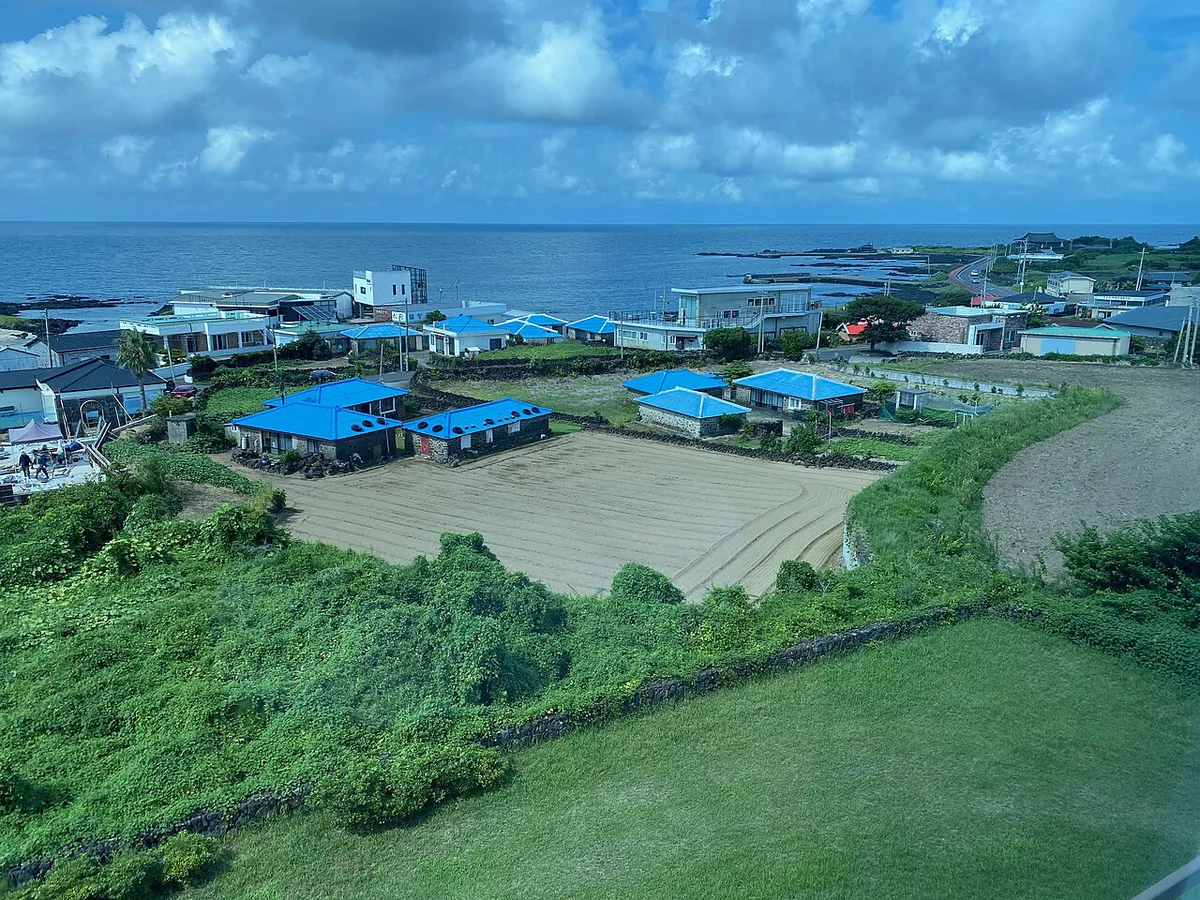
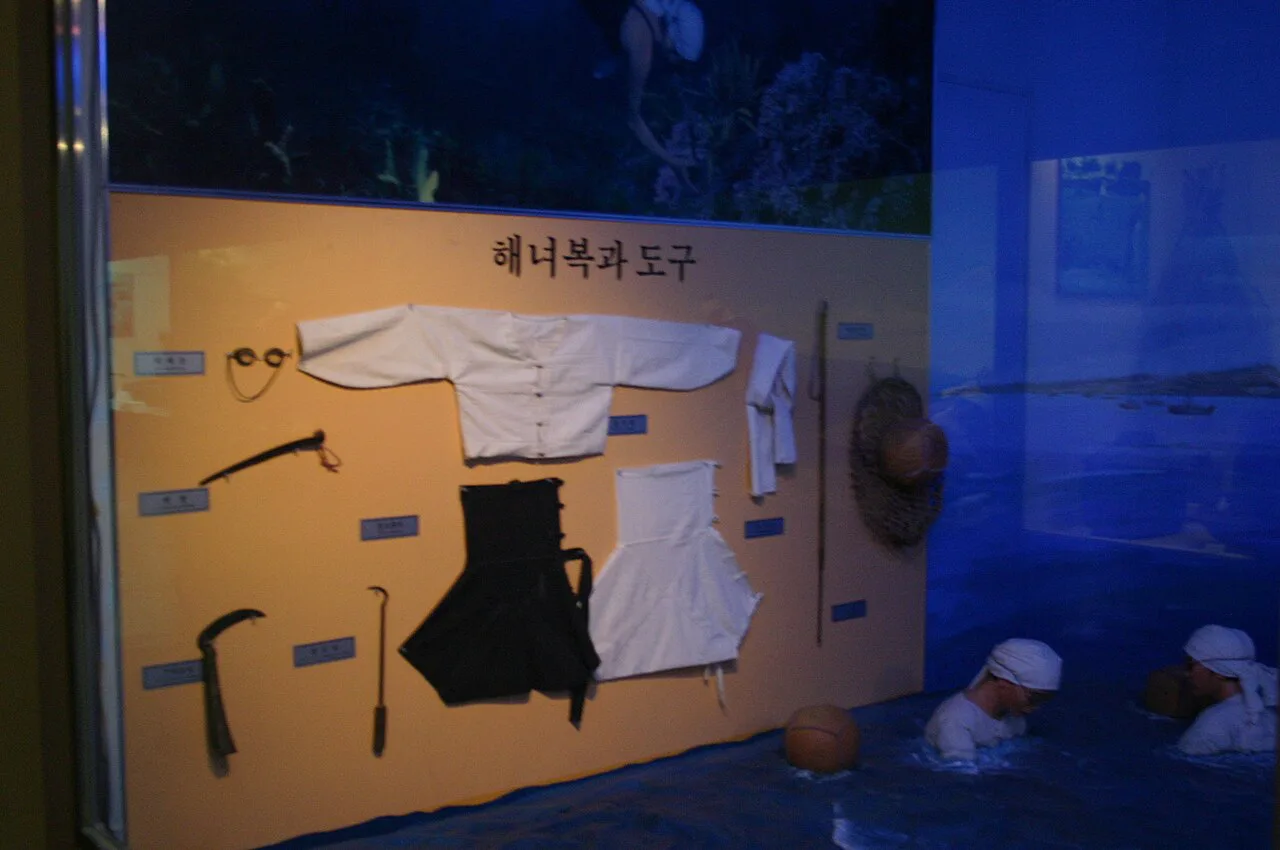
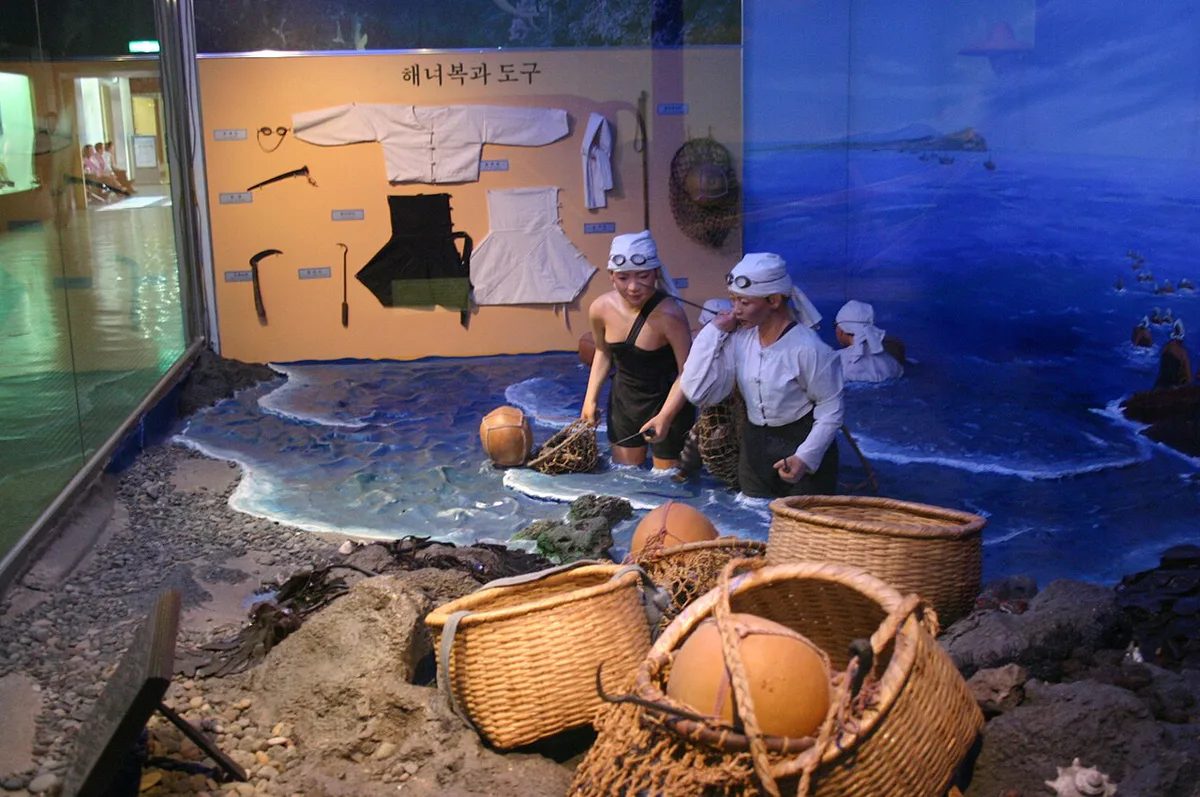
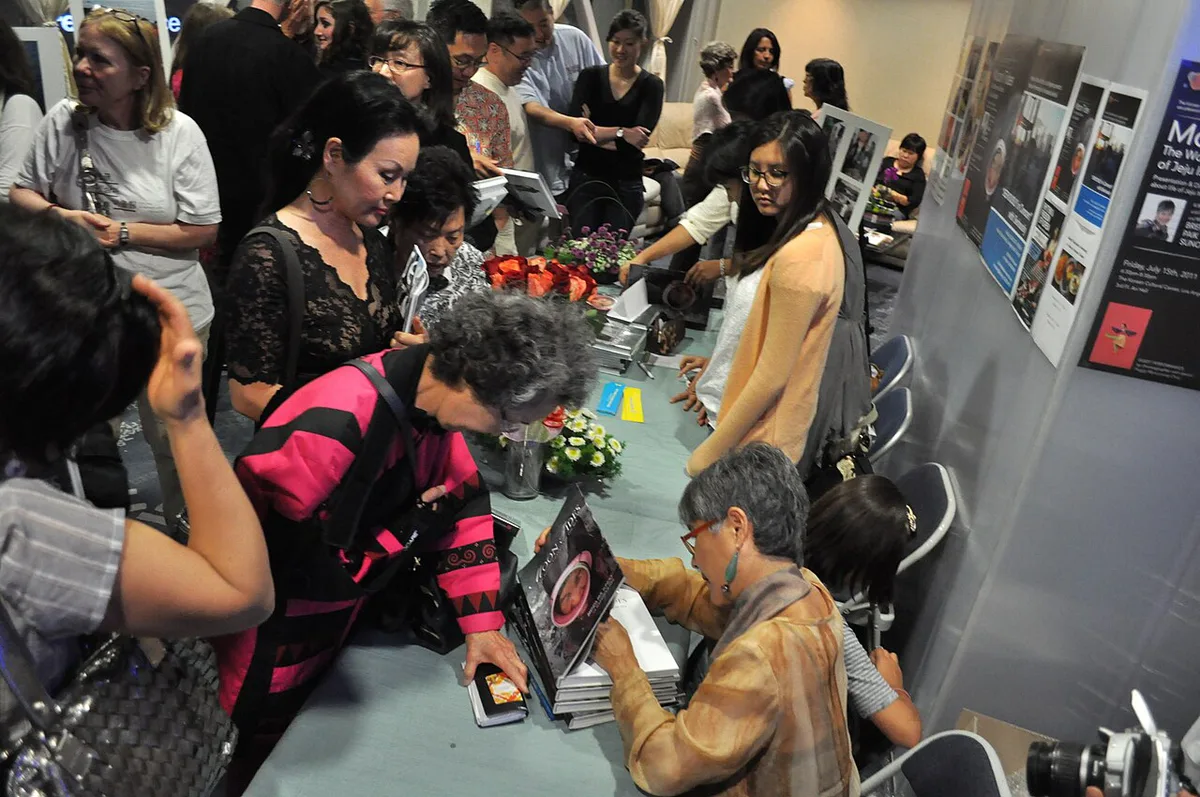
The museum sits at 26 Haenyeobangmulgwan-gil, Gujwa-eup, on Jeju's east side. It opens 09:00 to 18:00, with last admission at 17:00. Individual adults pay ₩1,100 and teenagers pay ₩500. Groups of 10 or more pay ₩800 per adult and ₩300 per teenager. Parking is free. Prices and hours checked November 2026 against the Korea Tourism Organization listing. Closures are the planning trap. The museum shuts on Mondays, New Year's Day, Seollal and Chuseok. When a Monday is a public holiday, closure moves to the next business day. Call +82-64-782-9898 if your dates are close to a holiday. Inside, you will find a replica of a haenyeo's house plus displays on food, upbringing, semi-farming and semi-fishing life, and the yeongdeunggut ritual. Haenyeo themselves donated every exhibit. That detail is why a visit here carries more weight than a generic heritage display.
- Address: 26 Haenyeobangmulgwan-gil, Gujwa-eup, Jeju-si
- Hours: 09:00 to 18:00, last entry 17:00
- Closed: Mondays and major holidays
- Phone: +82-64-782-9898
Can You Watch Haenyeo Dive? Seasons and Honest Expectations
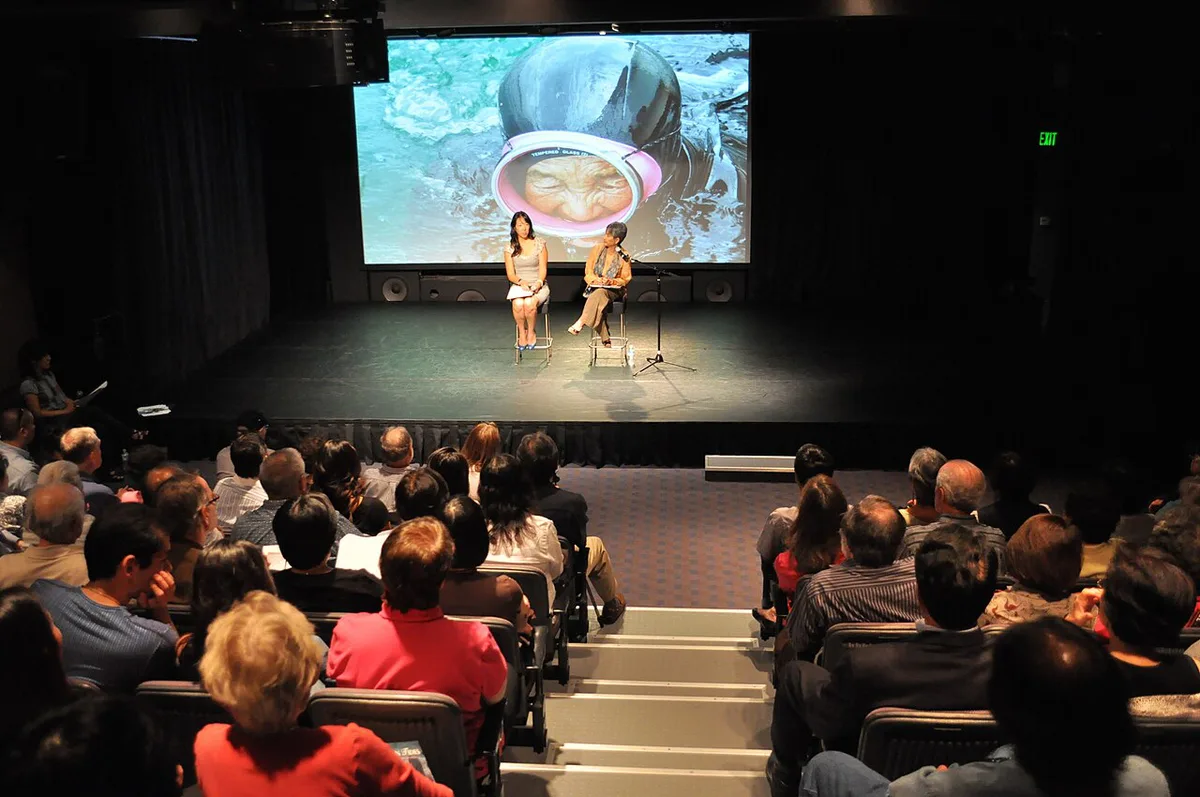
Sometimes, but no public timetable exists. Museum-authored material explains why. Divers work in groups under cooperative rules, and harvest windows change through the year. Abalone and conch are taken from October to June. Sea urchins run from May to July. Seaweed collecting restarts in April after a prohibition period. Divers skip abalone and conch during the spawning season. Add tide, wind and each diver's own decision to go out, and a sighting becomes a matter of luck. Climate matters too. UNESCO notes divers work up to seven hours a day for about 90 days of the year. Ask the museum staff, or the Visit Jeju tourism pages, what is current before you drive out to a village shore. Do not plan an itinerary around a dive.
With divers working about 90 days of the year, a museum-first plan keeps your day useful even without a sighting.
Getting to Gujwa and Combining the Museum With the East Coast
A rental car makes Gujwa easy, and parking at the museum costs nothing. Public transit from Jeju City is slower, so check current bus routes before committing a day to it. Readers staying in the capital can start with our Jeju City planning guide to build the trip east. Once at the museum, spend one to two hours inside, then continue along the east coast route for the rest of the half day. Visitors based on the island's other side should weigh the drive against the west coast stops, which need less time on the road. Rain does not hurt this plan. The museum works as an indoor anchor, and more options are in our rainy day activity ideas. For wider island planning, start from the main Jeju attractions guide.
Eating Haenyeo Seafood: What to Look For
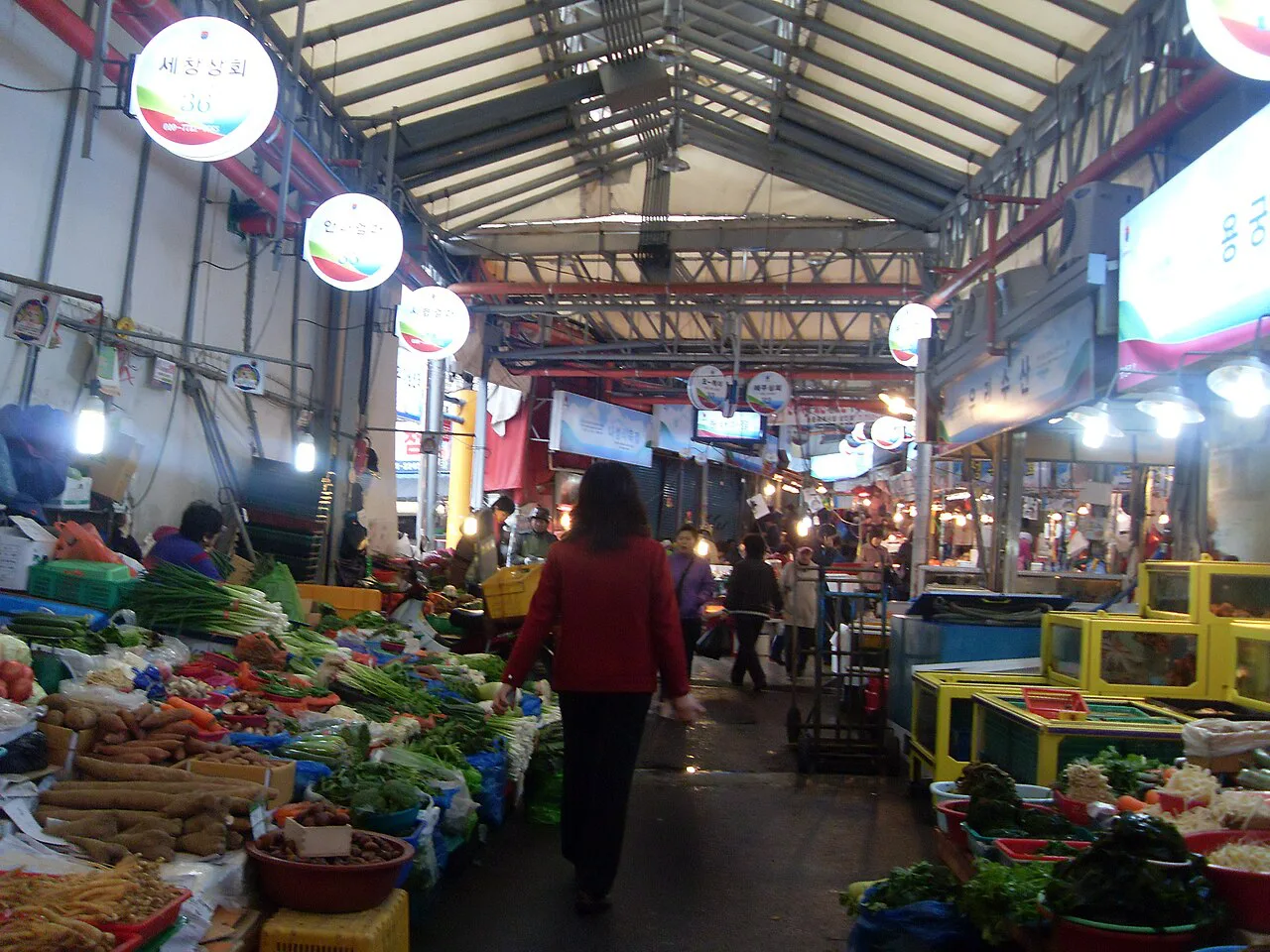
Haenyeo harvest abalone, conch, sea urchin, octopus and seaweed. Those are the items worth looking for on a menu near the coast. Museum material also notes that sea urchin roe is picked out and washed by hand, and that octopus was traditionally sold individually at market. Ask whether the seafood comes from local divers, and expect the answer to change with the season. Because harvest windows differ by species, an item that is on the menu in June may be absent in August. Prices vary by venue, so compare menus before ordering. Choose a seaside restaurant over a generic tourist strip and ask what was landed that day.
Respectful Visiting and Photography Etiquette
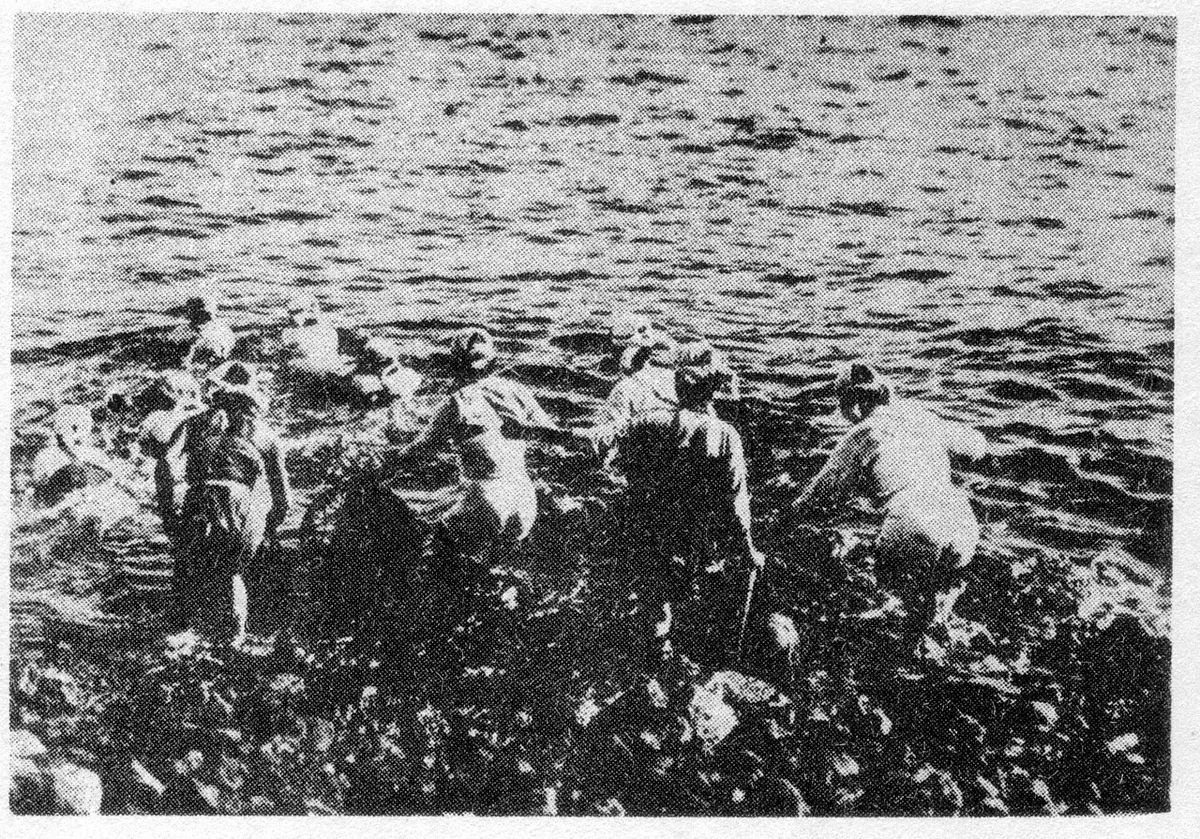
Haenyeo are working community members, not performers. Keep a distance from divers on the shoreline. Ask before photographing a person, and accept a no without argument. Do not step into the rest areas or work spaces used by divers. Skip any experience that sells haenyeo as costume entertainment. If a provider cannot name the cooperative it works with, move on. At the museum, photographs of the exhibits are a different matter from photographs of people, so follow posted signs. Paying for a genuine class or meal run with the community supports the tradition. Treating a working shoreline as a viewing platform does not.
Why the Tradition Is Declining
Numbers have fallen for decades. Wikipedia-style summaries cite 98% of haenyeo being over 50 as of 2014, while museum and UNESCO material says the oldest are in their 80s. Younger women have mostly chosen other work, since diving is physically risky. The Haenyeo School and the museum both pass skills to younger people, according to UNESCO. For visitors, the practical consequence is simple. Meeting haenyeo culture today means respecting a living tradition that is still shrinking. No current official headcount appears in the sources reviewed here, so ask the museum for its latest figure.
Common Mistakes and Who Should Skip This
Mistakes cluster around timing and expectations. Arriving on a Monday means a closed door. Expecting a guaranteed dive means a likely disappointment. Photographing a diver without asking is rude. Quoting one breath-hold number as fact ignores that sources disagree. Skip this stop if you have a single day on Jeju and no car, because the museum is a long haul without one. Skip it too if you want a diving show on demand. Travelers with a spare half day on the east side will get the most from it. After dark, the island offers other options, covered in our Jeju after-dark guide.
Schedule the museum visit before last admission at 17:00, because a late east-coast drive can eat the window.
Frequently Asked Questions
How many haenyeo are left?
No current official headcount appears in the sources reviewed for this guide. A widely cited figure puts 98% of haenyeo over age 50 as of 2014, and UNESCO says some are in their 80s. Ask the Jeju Haenyeo Museum for its latest number.
How long can a haenyeo hold their breath?
UNESCO describes about one minute per dive. Museum-authored material gives 1 to 2 minutes. Other sources say up to 3 minutes, so treat any single number as approximate.
Does haenyeo still exist?
Yes. Haenyeo still dive off Jeju's coast, and UNESCO inscribed their culture in 2016. The community is aging, and numbers have fallen over recent decades.
Is Haenyeo Museum worth it?
For context, yes. Entry is ₩1,100 for adults, and exhibits include a replica haenyeo house, all donated by haenyeo. Allow one to two hours, and avoid Mondays.
Notes for your Korea trip
Optional updates to our city guides.
You might also like
Continue reading
More guides you'll find useful