
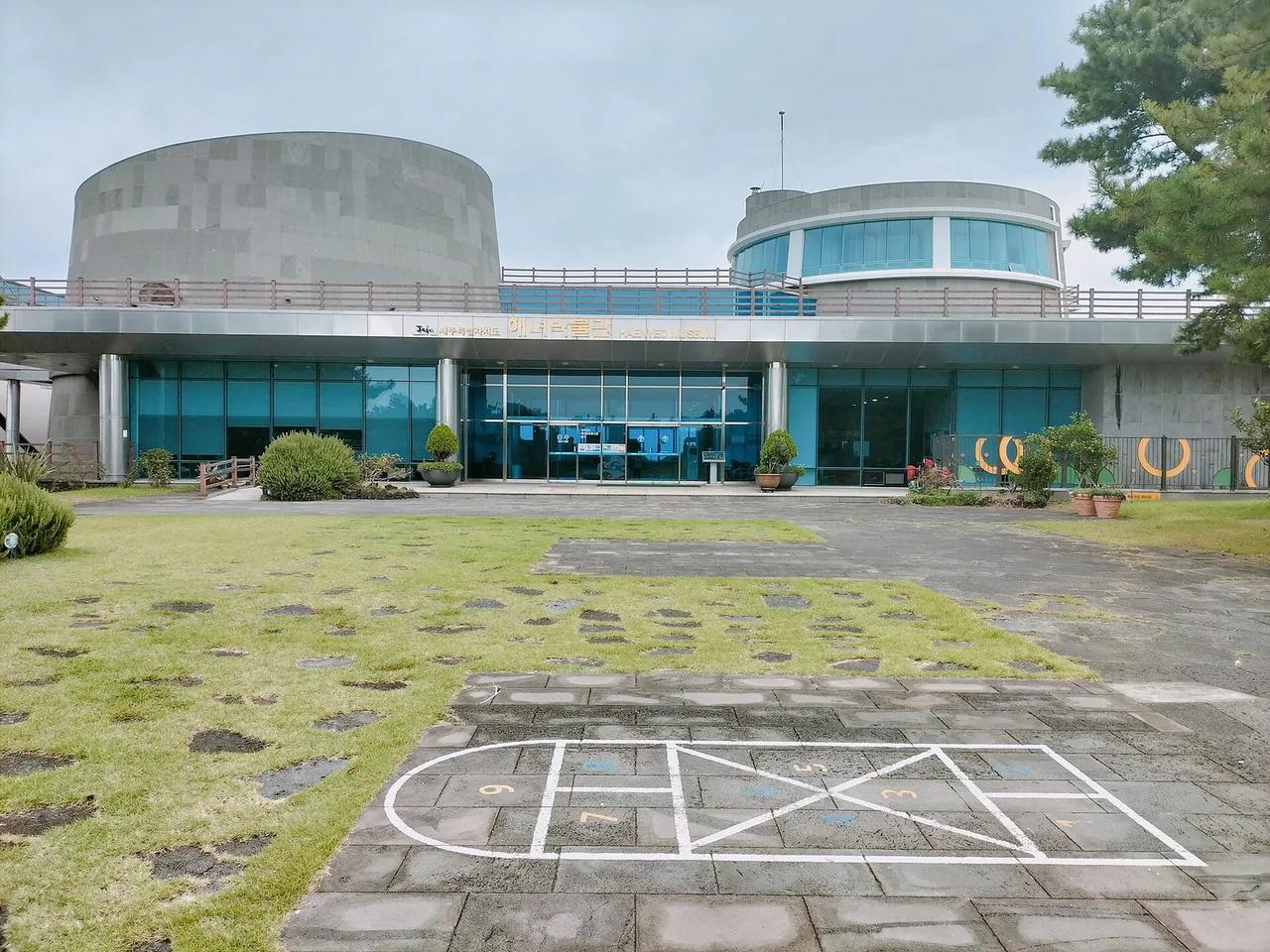
Jeju Haenyeo Museum Visitor Guide

Last updated November 2026. This Jeju Haenyeo Museum visitor guide covers hours, tickets, buses and galleries for the museum in Gujwa-eup on the island's northeast coast. The provincial government runs it, and the exhibits center on the haenyeo, Jeju's women divers who harvest seafood without breathing equipment.
Our hours, fees and closed days come from the museum's official visitor guide, which we checked on November 16, 2026. Where sources disagree, we say so instead of quietly picking a side. The result is a short, practical plan for a focused cultural stop.
Jeju Haenyeo Museum Hours, Tickets and Closures
According to the museum's official visitor guide, the galleries are open Tuesday through Sunday from 09:00 to 18:00. Ticket sales stop at 17:00, so a late arrival means no entry even though the building stays open until 18:00. The museum also closes on January 1, Seollal (Lunar New Year's Day) and Chuseok.
The official guide and Visit Jeju's Korean listing both say the museum is closed every Monday. Visit Jeju's English listing says only the first Monday of each month, and one travel-shop listing says the first and third Mondays. We follow the official guide and treat every Monday as a closed day. The museum's own visitor notices point the same way.
One-off closures happen too, based on the museum's news page. The museum shut on Chuseok, September 25, 2026, and again on October 6, 2026. The 19th Jeju Haenyeo Festival ran September 19 to 20 on the grounds, and parking was unavailable from September 18 to 20. The museum's news page lists these notices.
Admission depends on age and residency, and the official fee table sets the adult price at ₩1,100 for non-residents aged 25 to 64. The tiers below come from the same guide.
- Adults pay ₩1,100
- The official fee table lists ₩1,100 for non-resident adults aged 25 to 64.
- Groups of 10 or more pay ₩800 per adult instead.
- Youth and enlisted military pay ₩500
- Visitors aged 13 to 24 and enlisted military personnel pay ₩500 each.
- The group rate for this category drops to ₩300 per person.
- Children 12 and under enter free
- Free entry covers elementary school age and younger, according to the official fee table.
- Visitors aged 65 and over also enter free, and the official page does not exclude foreign visitors.
- Jeju residents get half price
- With proof of residence, residents pay ₩550 as adults or ₩250 as youth.
- The guide lists other free categories, so ask at the counter if you think you qualify.
Getting to the Haenyeo Museum in Gujwa
The museum sits at 26 Haenyeobangmulgwan-gil, Gujwa-eup, Jeju-si (lot address Sangdo-ri 3204-1), on the northeast coast near Sehwa. By car it takes about 60 minutes from Jeju International Airport via Route 1132 toward Sehwa and Seongsan, says the museum's directions page. Buses also work, though frequencies differ a lot between routes.
- Bus 201 from Jeju Bus Terminal
- Trunk bus 201 toward Seongsan and Seogwipo runs every 20 minutes and takes about 80 minutes.
- Get off at Haenyeo Museum Entrance and walk about 5 minutes to the gate.
- Bus 260 from Jeju Bus Terminal
- Bus 260 takes about 60 minutes but runs only every 50 minutes, so a missed bus hurts.
- It stops at the Haenyeo Museum stop, as listed on the official directions page.
- Express bus 101 from the airport
- Express bus 101 runs via Jeju Bus Terminal toward the east coast and Seogwipo.
- Get off at Sehwa Transfer Stop and walk about 10 minutes to the museum.
What to See in the Three Galleries
The museum's two buildings total 4,958.2 square meters. The main building holds three galleries, a film room, a library and a third-floor observation deck, based on the museum's history page. A second building, the Haenyeo Culture Center, houses offices and a performance hall.
Gallery 1 recreates a haenyeo home from the 1960s and 1970s, along with fishing-village and seasonal customs. Many of the household items belonged to the diver Lee Nam-suk, who lived from 1921 to 2008.
Gallery 2 centers on the bulteok, the stone-walled fire shelter where divers changed and rested. Diving suits, tools and the history of haenyeo communities fill out the rest of the room, including the story of the 1932 anti-Japanese movement.
Gallery 3 tells divers' life stories through film and personal objects. It also covers their crafts and the seafood they harvest.
Upstairs, the observation deck looks out over the coast near Sehwa. Outside, a 12-meter memorial tower honors the January 1932 protests by haenyeo from Gujwa, Seongsan and Udo against colonial exploitation. The museum describes it as the largest women-led anti-Japanese movement in Korea.
The Women Divers Behind the Museum
Haenyeo are Jeju's women divers, who gather shellfish and seaweed by free diving. According to Visit Jeju, the first written record of them dates to 1629.
UNESCO added Jeju haenyeo culture to its Intangible Cultural Heritage list in 2016. The museum itself opened on June 9, 2006, and its galleries reopened after a remodel on March 16, 2015. It also hosts the annual Jeju Haenyeo Festival.
The museum was planned from 2000 as the Jeju Fishing Village Folk Exhibition Hall, and its name was changed to the Haenyeo Museum in October 2005. The 1932 protests by haenyeo from Gujwa, Seongsan and Udo are central to the story it tells, and the memorial tower on the grounds marks them.
Pairing the Museum With Other Jeju Attractions
The museum is in the northeast, so check travel times on a map before you stack stops. Travelers who like traditional island life can add a stop at Seongeup Folk Village. It pairs naturally with the haenyeo story, since both focus on how ordinary islanders lived.
Culture-focused visitors might also consider the Bonte Museum for a different kind of museum day.
For a rainy-day backup, the Jeju Museum of Art offers another indoor option. Families may prefer the open-air setting of Jeju Folk Village after the quieter galleries.
On a budget, the museum is easy to fit in, with adults at ₩1,100 and children 12 and under free. Its exhibits include a recreated haenyeo home and films rather than text alone.
How to Plan a Smooth Haenyeo Museum Day
Start by confirming your date is not a Monday, a listed holiday closure or a one-off closure. Then work backward from the 17:00 ticket cutoff when you pick a bus.
Official sources give no suggested visit length, so we would allow a relaxed block for the galleries, film room, deck and tower. Bus 260 runs only every 50 minutes, so note your return time before you go inside.
The museum's notice page says gallery photography is permitted only on closed days, which are Mondays. Ask at the entrance about the current photo rules before taking out a camera.
Festival weekends need extra planning, because parking was unavailable during the 2026 festival. Taking the bus that weekend is the safer choice.
Frequently Asked Questions
What are the Jeju Haenyeo Museum's opening hours?
The museum is open 09:00-18:00, with ticket sales 09:00-17:00. It is closed every Monday and on January 1, Seollal (Lunar New Year's Day) and Chuseok.
How much does the Jeju Haenyeo Museum cost?
Adults (25-64) from outside Jeju pay ₩1,100 and youth aged 13-24 and enlisted military pay ₩500. Children 12 and under and visitors 65 and over enter free. Groups of 10 or more pay ₩800 per adult.
How do I get to the Jeju Haenyeo Museum by bus?
From Jeju Bus Terminal take bus 201 (about 80 minutes, every 20 minutes) to Haenyeo Museum Entrance and walk 5 minutes, or bus 260 (about 60 minutes, every 50 minutes) to the Haenyeo Museum stop. From the airport, express bus 101 goes to Sehwa Transfer Stop, a 10-minute walk away.
What is there to see at the Jeju Haenyeo Museum?
Three galleries cover haenyeo homes and village customs, diving suits and tools around a recreated bulteok fire shelter, and divers' life stories on film. There is also an observation deck on the third floor and the Jeju Haenyeo Anti-Japanese Movement Memorial Tower on the grounds.
Who are the haenyeo?
Haenyeo are Jeju's women divers, who harvest shellfish and seaweed by free diving. The first written record of them dates to 1629, and their culture was added to UNESCO's Intangible Cultural Heritage list in 2016.
Where is the Jeju Haenyeo Museum?
It is at 26 Haenyeobangmulgwan-gil, Gujwa-eup, Jeju-si, on the northeast coast near Sehwa, about 60 minutes by car from Jeju International Airport.
What was the Jeju Haenyeo Anti-Japanese Movement?
In January 1932 haenyeo from Gujwa, Seongsan and Udo protested against Japanese colonial exploitation and discrimination. The museum calls it the largest women's anti-Japanese movement in Korea, and a 12-meter memorial tower stands on the museum grounds where the divers gathered.
Is the Jeju Haenyeo Museum good for kids?
Children 12 and under enter free, and the museum runs education programs listed on its website. The exhibits use models, a recreated haenyeo home and films rather than text alone.
The Jeju Haenyeo Museum rewards visitors who plan around Mondays, the 17:00 ticket cutoff and the bus timetable. With three galleries, an observation deck and a memorial tower, it gives a clear picture of the women who shaped Jeju's coast.
Pair it with other stops from our guide to Jeju attractions to build a full cultural day. Confirm hours and notices on the museum's official site before you leave.
For more Jeju planning, read 16 Best Things to Do in Jeju: Sights, Food & Regions and Best Time to Visit Jeju: Month-by-Month Guide.