Jeju vs Okinawa: Which Island Fits Your Trip?
Jeju or Okinawa? Compare sea, hiking, food, costs, flights and the best months, with a clear pick for each type of traveler.
On this page
Last updated November 2026. Jeju vs Okinawa comes down to land versus water. Pick Jeju for hiking, volcanic coastline and a quieter side of Korea. Pick Okinawa when snorkeling and clear reef water drive the trip.
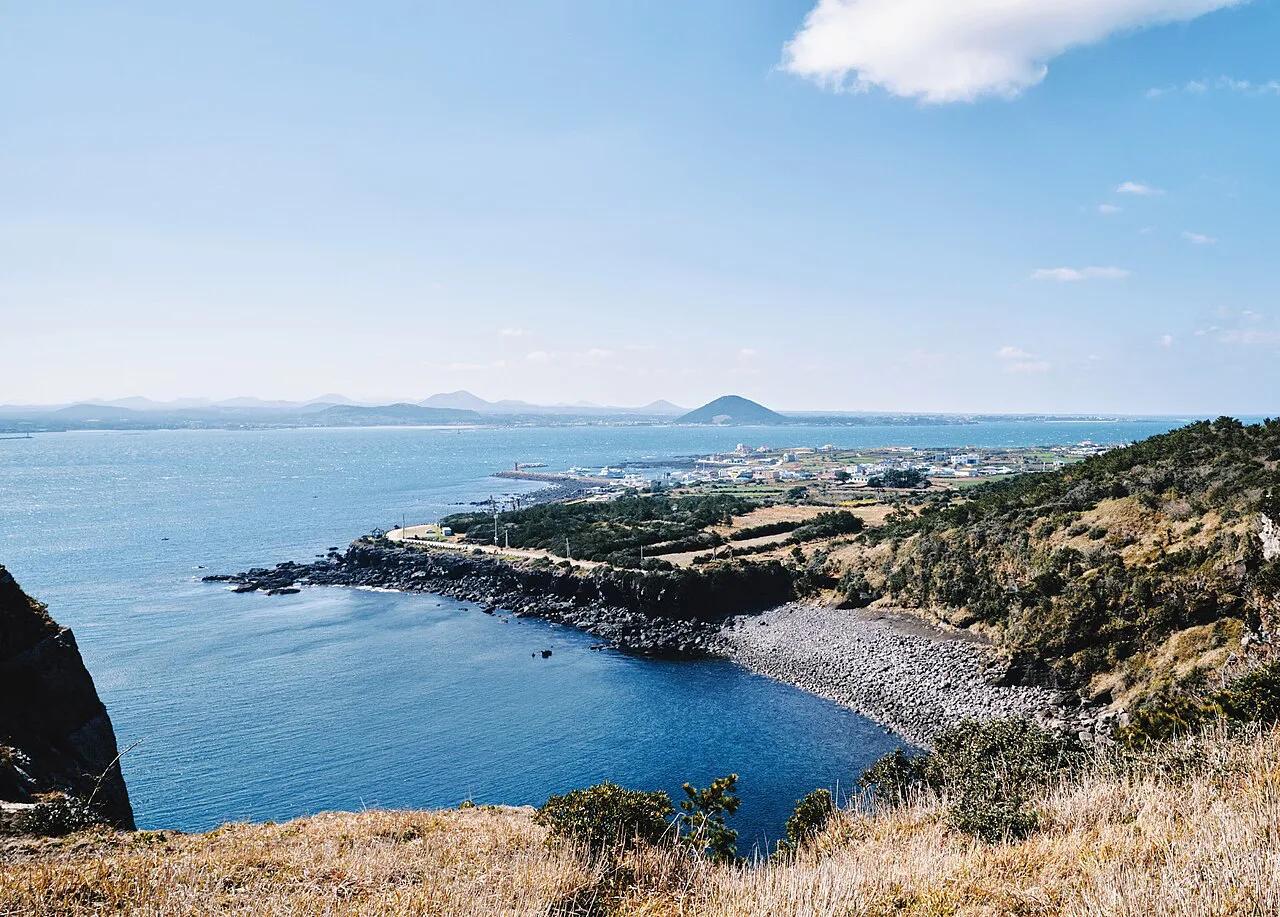
Featured image: Jordy Meow, CC BY-SA 3.0, via Wikimedia Commons.
Quick Verdict: Jeju or Okinawa?
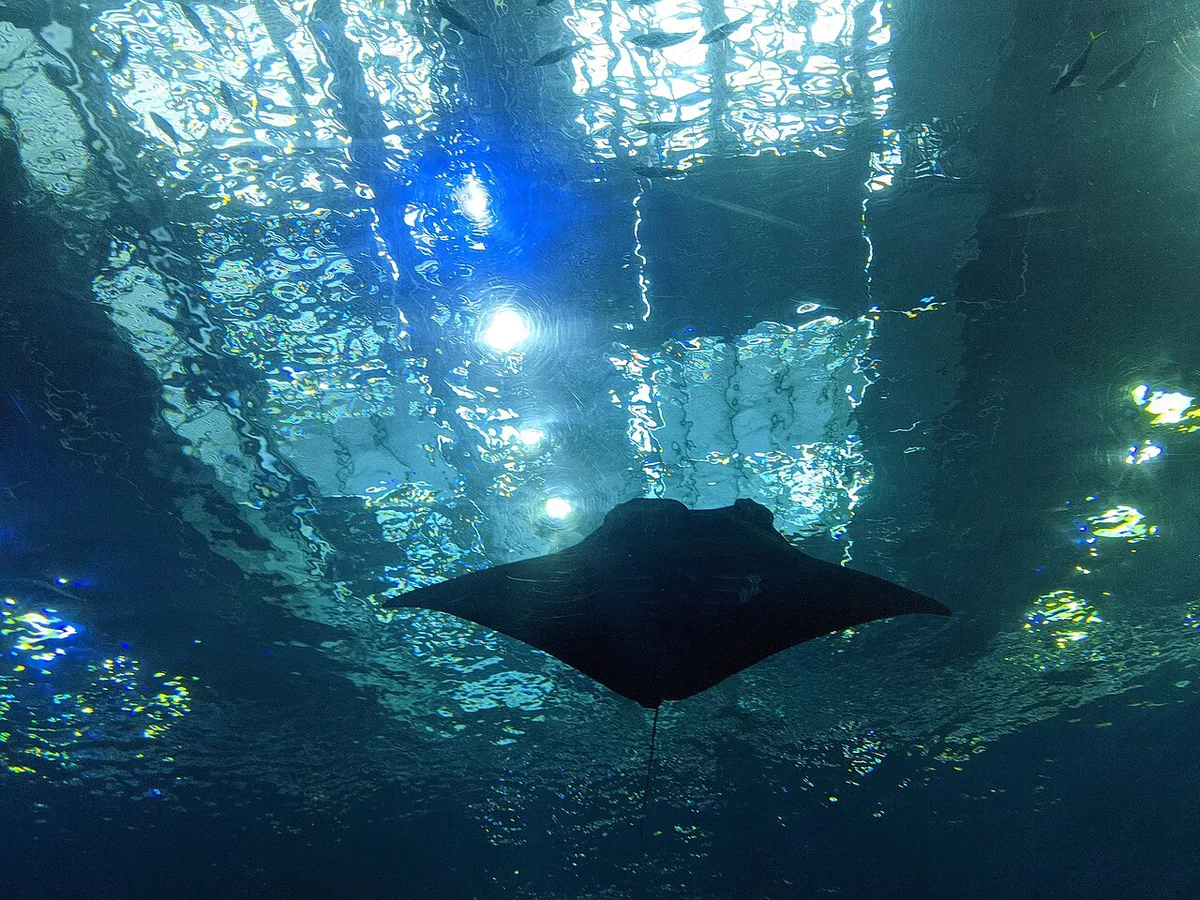
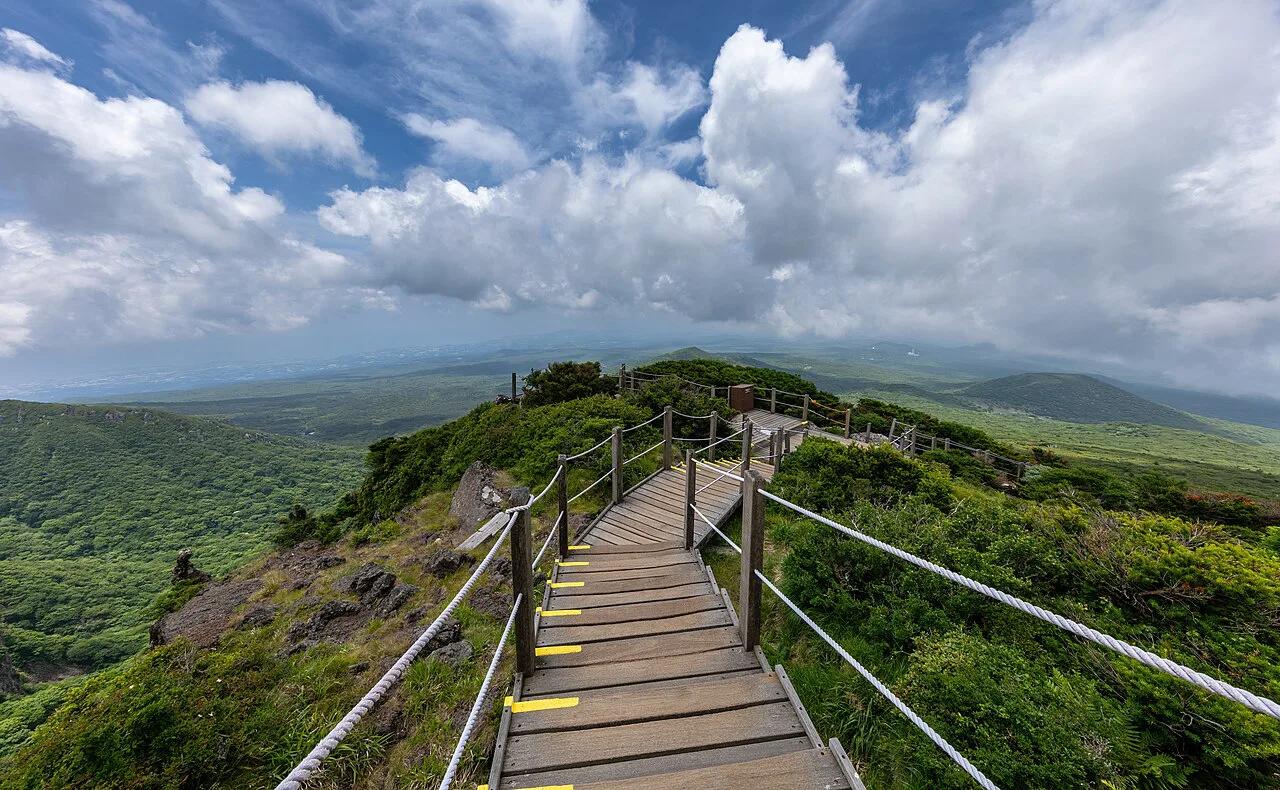
Okinawa wins for the sea. Reported visibility around the Kerama Islands tops 30m on good days, against 15–20m off Jeju. Jeju wins for walking. Hallasan rises to 1,950m, the Olle network runs about 437km, and roughly 368 oreum cones dot the island.
Nightlife and walkability are about even, so neither should decide the trip. Both islands reward a rental car. Divers, snorkelers and beach-first families should lean Okinawa. Hikers, photographers and anyone who wants Korea without Seoul should lean Jeju. Still weighing a farther tropical option? Read our Jeju versus Bali comparison.
Jeju vs Okinawa at a Glance
This table sorts the two islands by what travelers usually weigh first. Treat ratings as our editorial assessment, not measured scores.
| Category | Jeju | Okinawa |
|---|---|---|
| Sea and snorkeling | Warm only in summer; cold the rest of the year | Stronger: reef, turtles, Kerama Islands |
| Hiking | Hallasan, Olle trails, oreum | Best trekking is on outer islands, not Naha's main island |
| Food | Black pork, abalone porridge, raw shellfish | Goya champuru, Okinawa soba, taco rice |
| Nightlife | Early and modest | Modest; awamori bars on Kokusai-dori |
| Walkability | Low outside towns | Low outside Naha |
| Transit | Buses; car strongly preferred | Yui Rail covers only part of the main island |
| Family fit | Good; short beach season | Strong; calmer reef beaches |
| Rental car | Effectively required | Effectively required |
| Navigation | Kakao Map or Naver Map | Google Maps works |
Getting There and Around
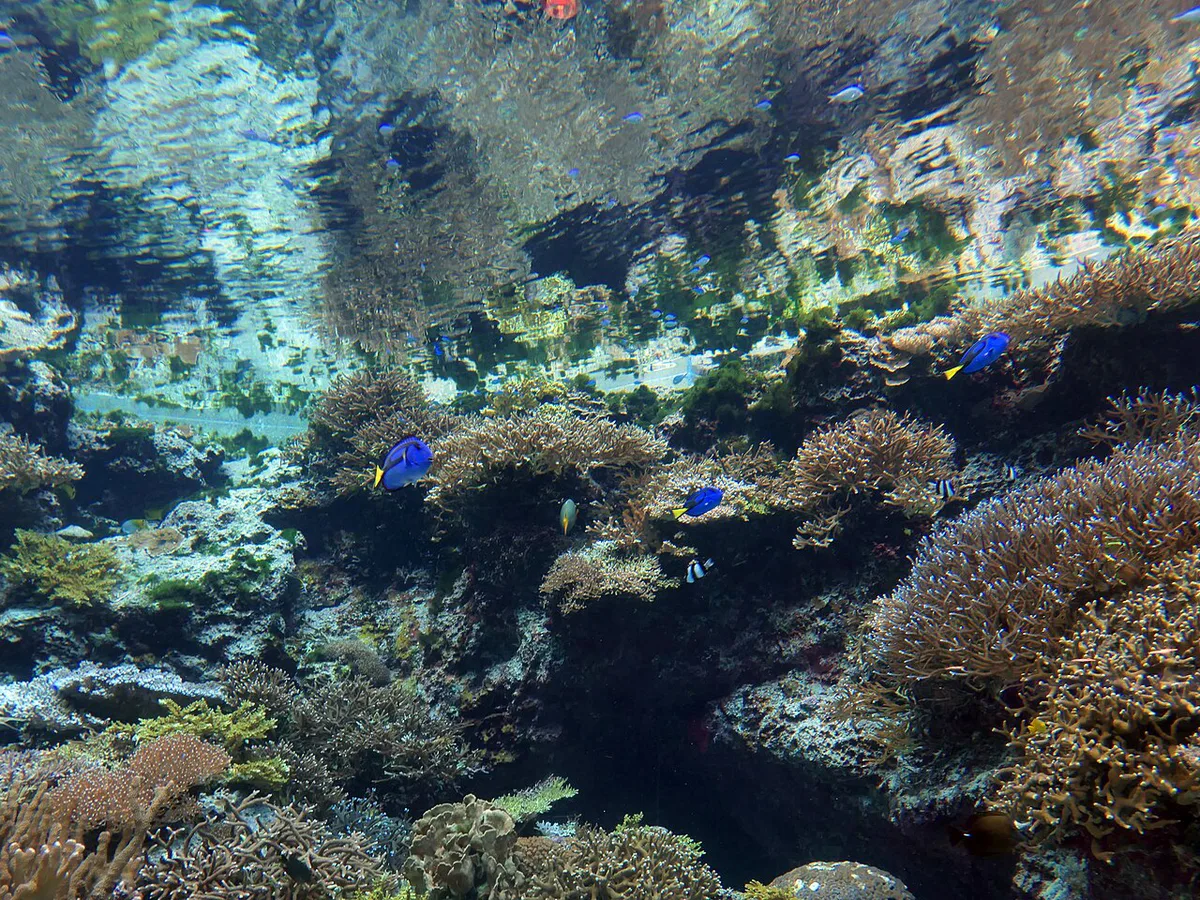
Okinawa is reported at about 2.5 hours by direct flight from Incheon or Busan, with no time difference. Jeju is a domestic hop from Seoul or Busan for Korea-based travelers. Entry rules depend on your passport, so read your government's current travel pages for Japan or Korea before booking.
On Jeju, Kakao Map and Naver Map work better than Google Maps. In Okinawa, Google Maps is reported to work fine. Naha's Yui Rail covers only part of the main island. Reaching Kerama means a ferry of about 50 minutes from Naha. Both islands need a rental car and the right license or international permit for your nationality.
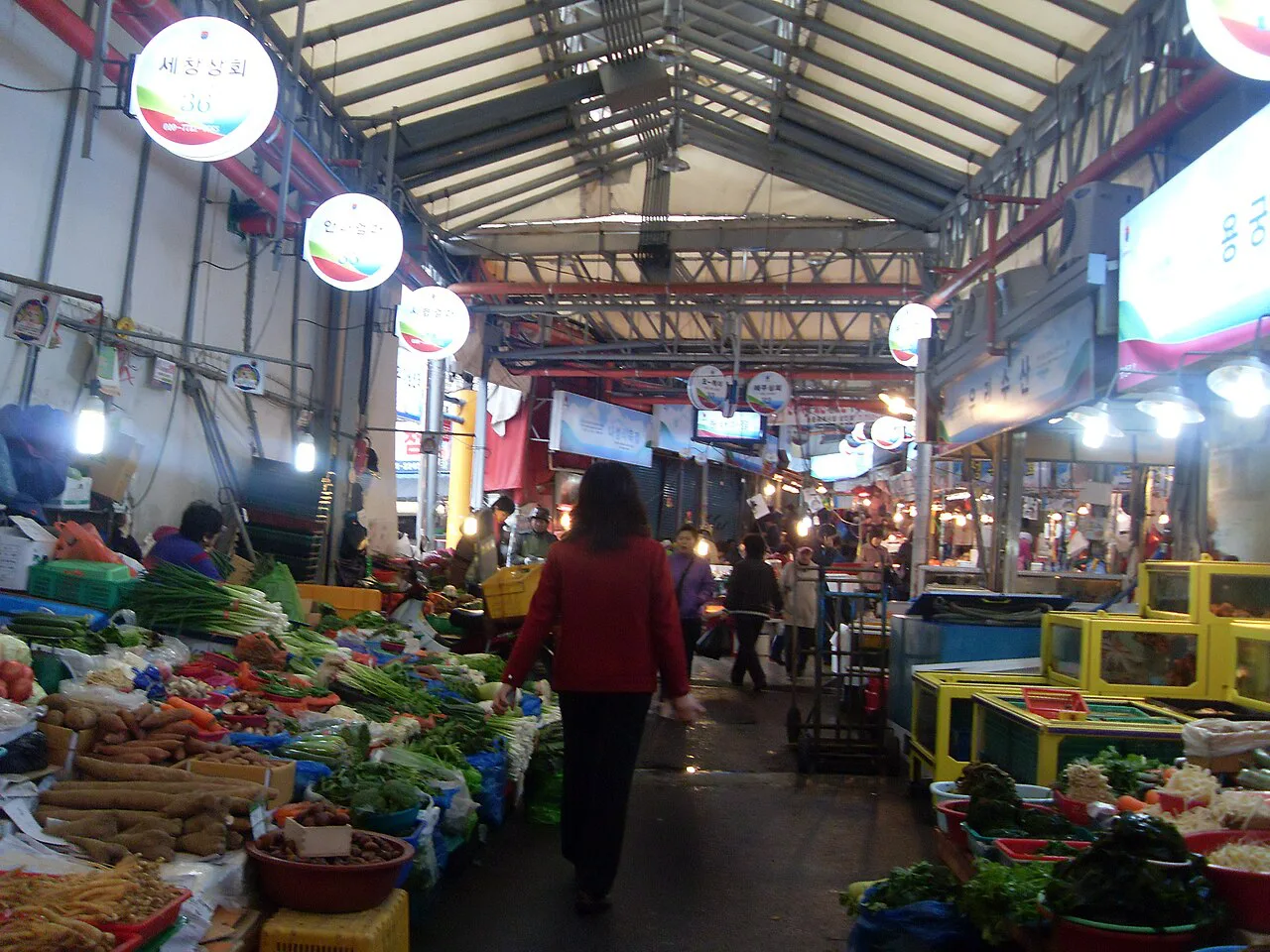
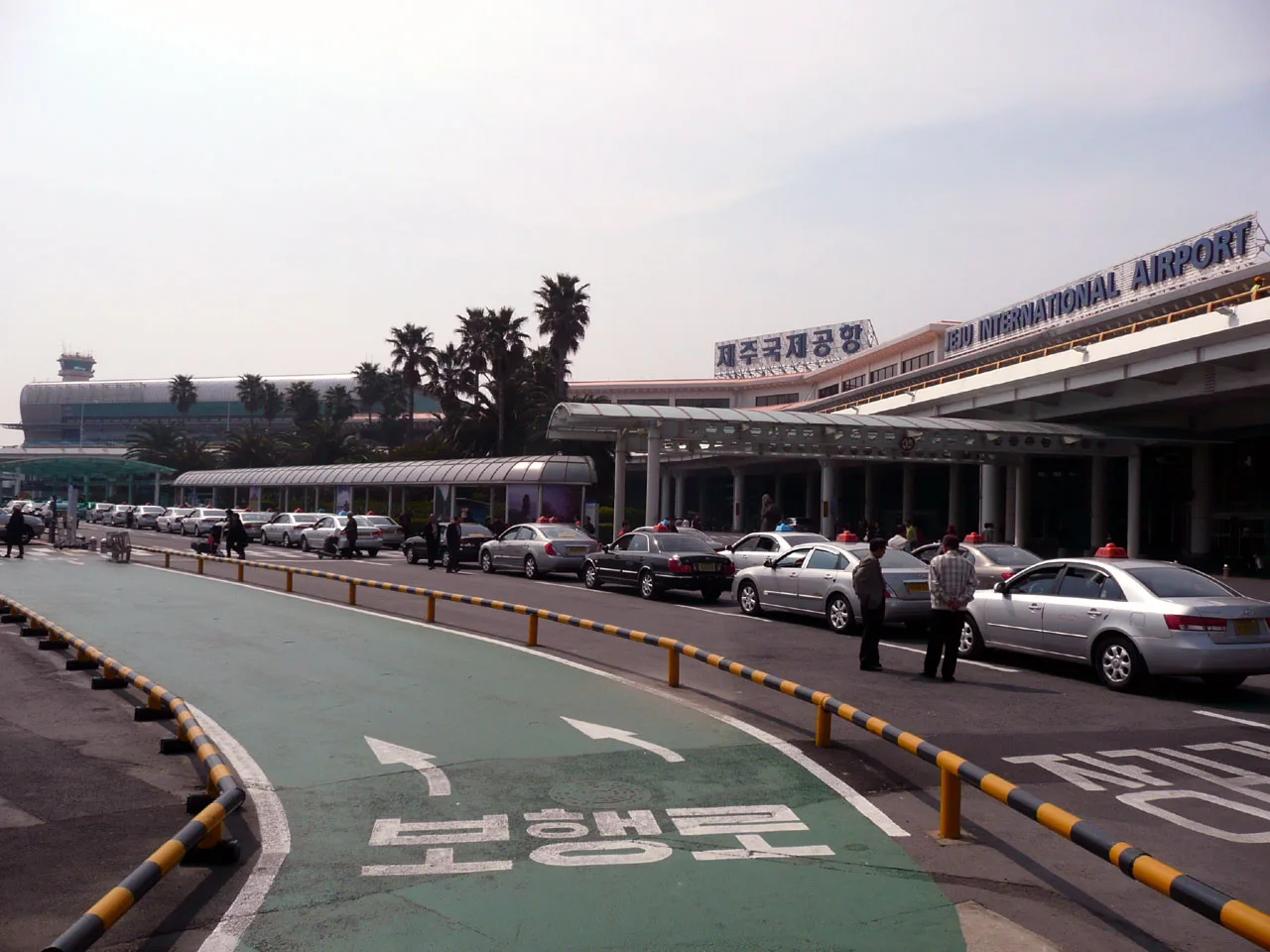
Choosing Jeju? Compare bases in Jeju City versus Seogwipo. Dongmun Traditional Market sits near Jeju International Airport, which makes it an easy first meal after landing.
Sea, Beaches and Snorkeling
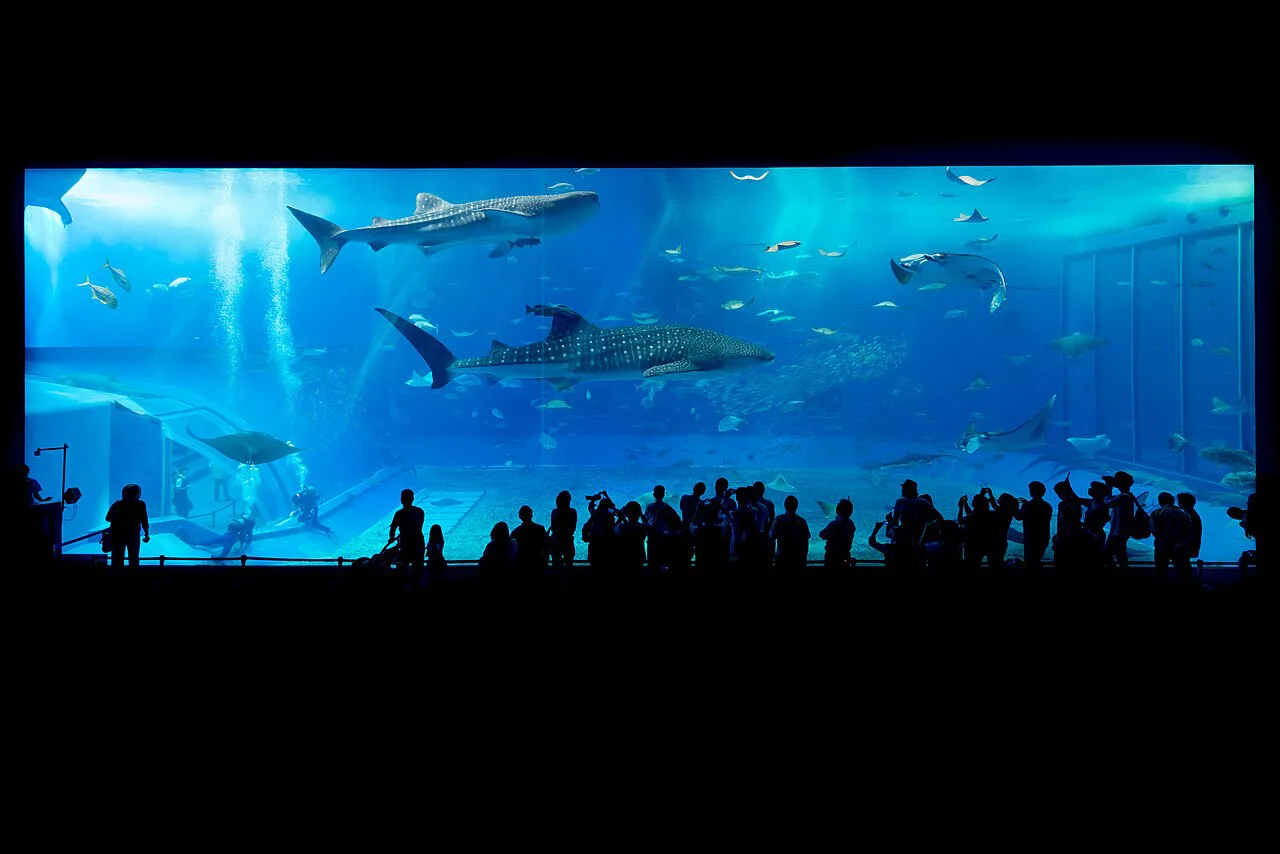
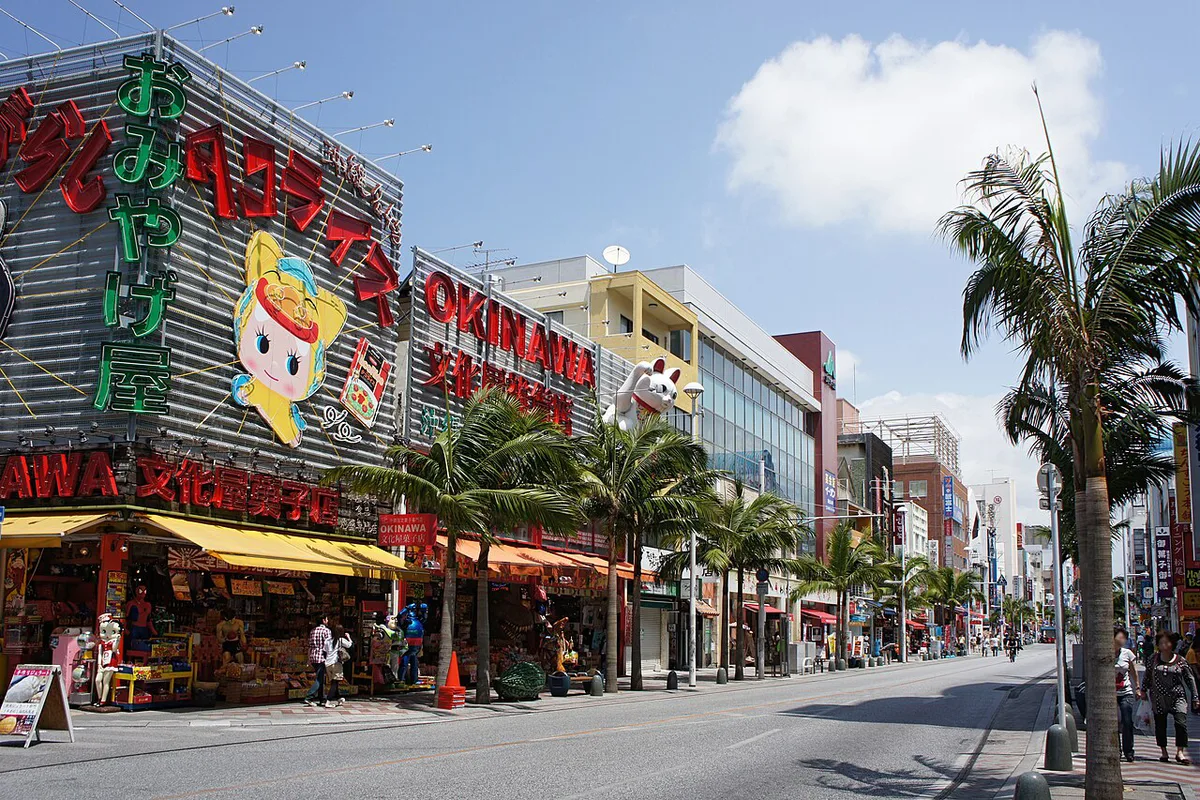
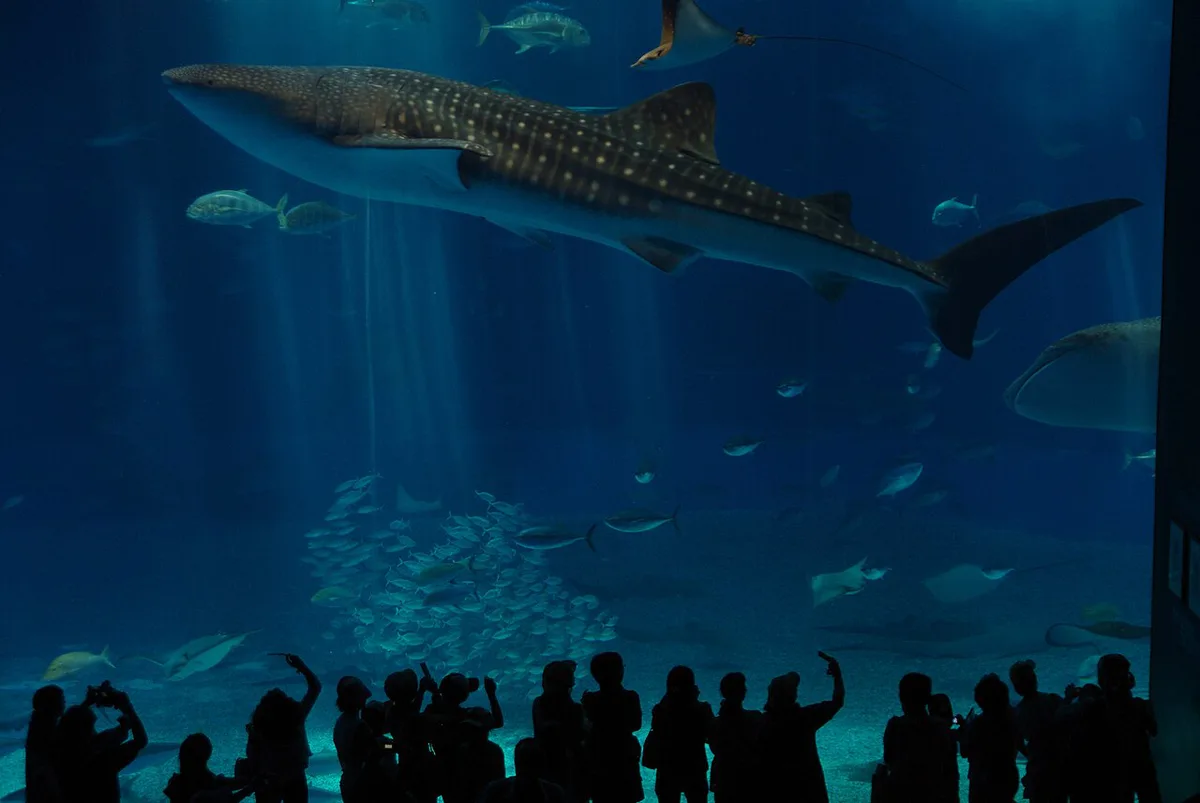
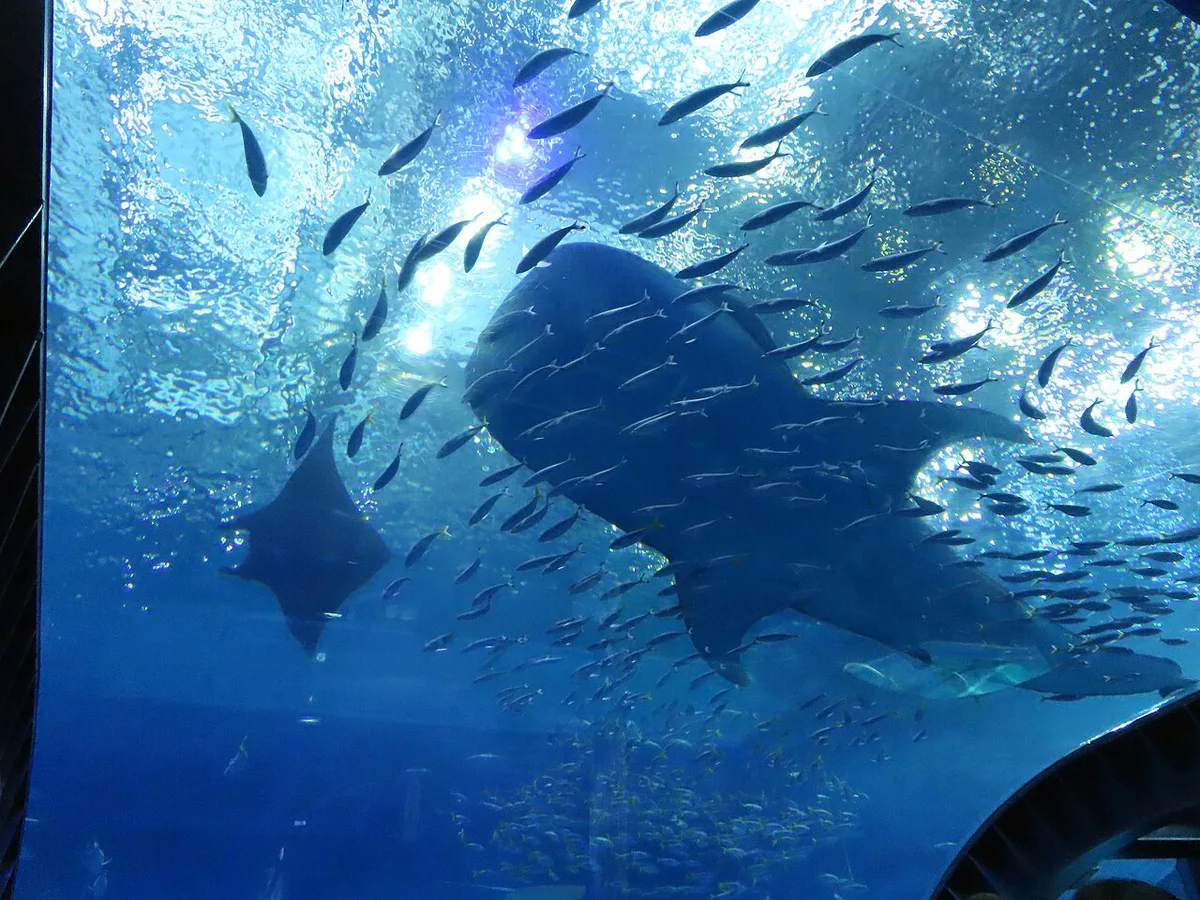
Okinawa leads here. Coral reefs, turtles and the Blue Cave at Cape Maeda give it the stronger snorkeling. Kerama day trips add the clearest water. Swimming is reported to run through summer until around October.
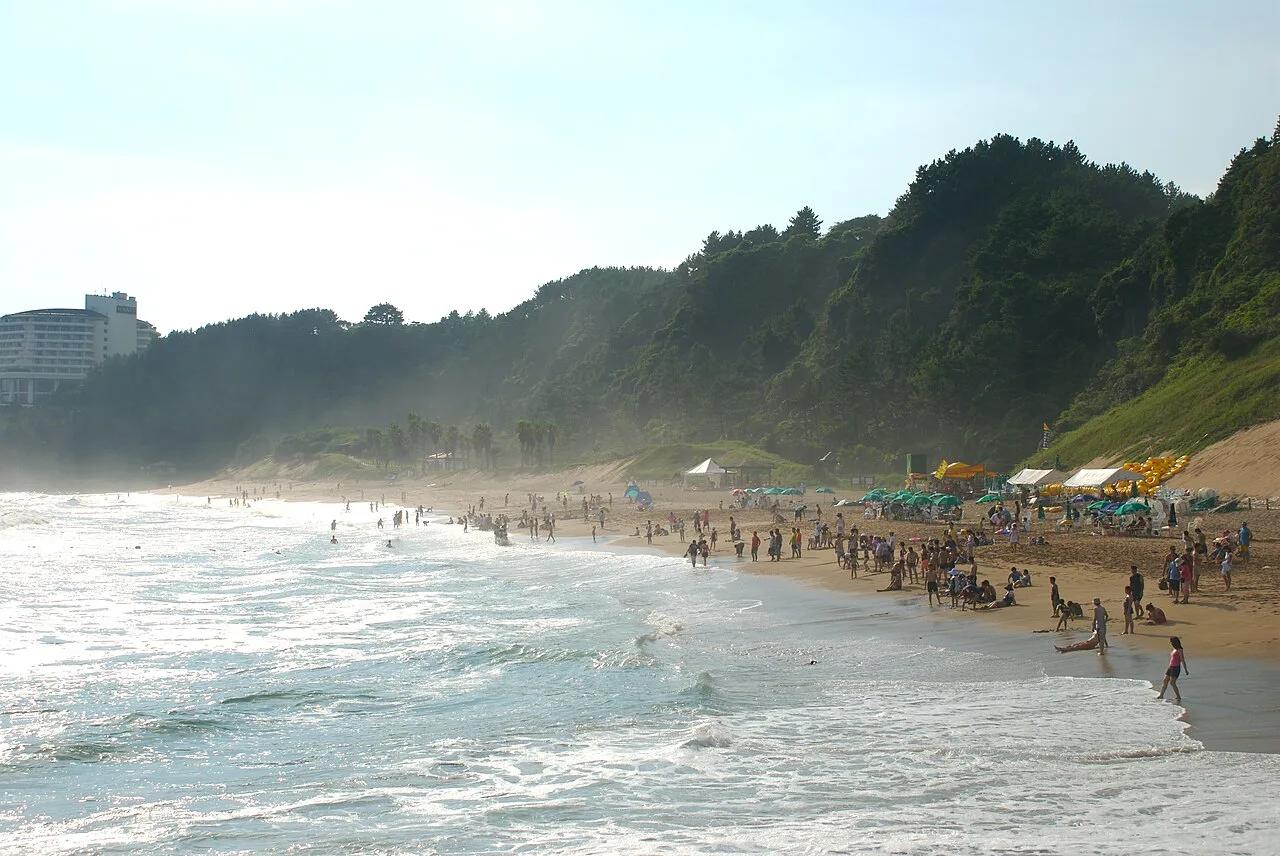
Jeju's beaches are lovely but seasonal. Hyeopjae Beach and Hamdeok both sit on Jeju's designated beach list. In 2026 the beach season runs June 24 to September 6. Official swimming hours at Hamdeok are 10:00–19:00, and night swimming is not permitted. Hyeopjae stretches to 21:00 from July 15 to August 15.
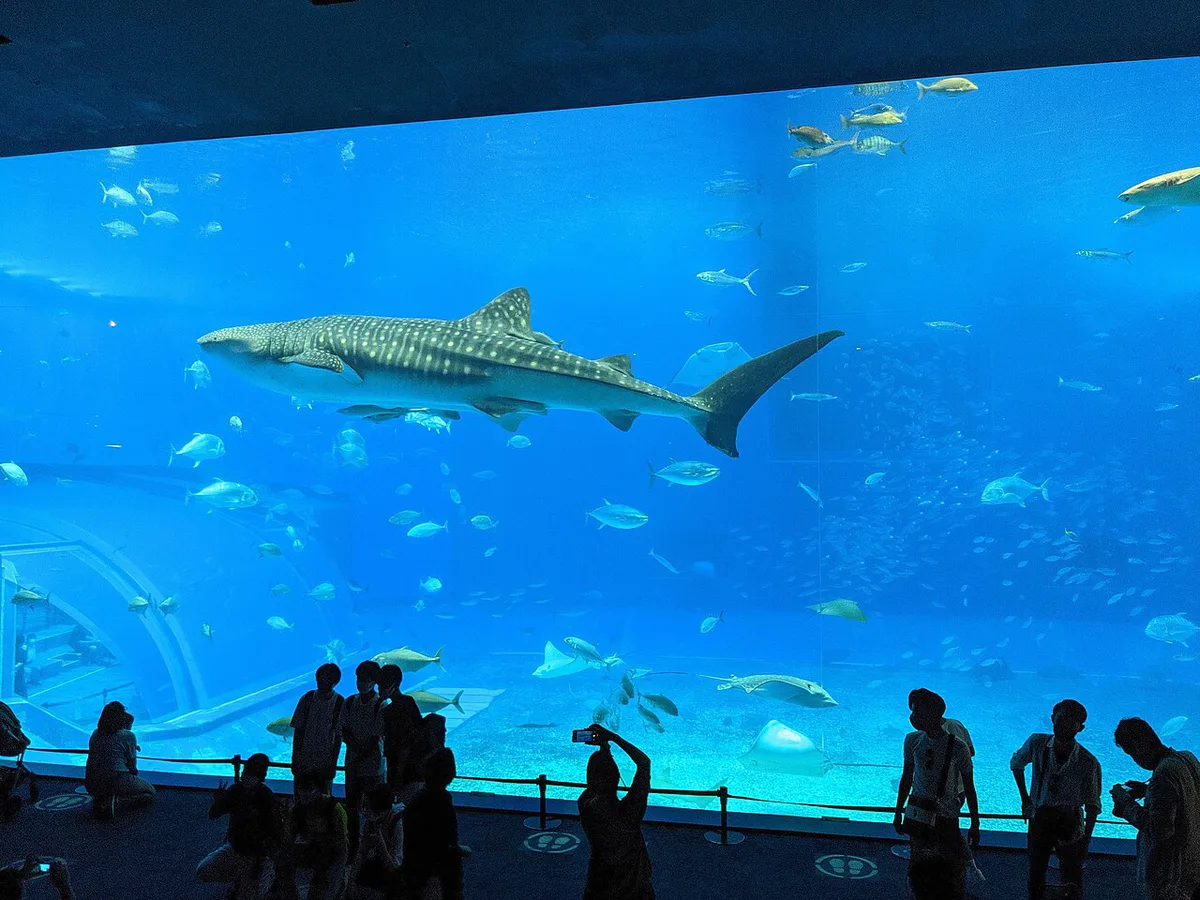
Prices and hours checked November 2026. Parasols cost ₩20,000 and wooden platforms cost ₩30,000 at Jeju's designated beaches. Hamdeok also sets aside a Ham Dog Beach area in front of the Seoubong entrance for swimming with dogs. Leashes must be 2m or shorter.
Outside summer, Jeju's sea is cold. Plan coast walks and cafes instead of swimming. Aewol has cafes along a roughly 9km coastal route from Hagwi-ri to Aewol-ri.
Hiking and Nature
Jeju takes this category. Three UNESCO designations are reported on the island: Hallasan, Seongsan and the Manjanggul lava tube. Check Visit Jeju's official site for current trail rules.
Seongsan Ilchulbong opens 06:00–18:00 from November to February. Spring and autumn hours are 05:00–19:00, and summer hours are 04:30–20:00. Last tickets sell one hour before closing in each season. It closes on the first Monday of each month. The paid climb to the summit takes about 30 to 40 minutes. A free trail covers Umutgae Beach. No outside food is allowed.
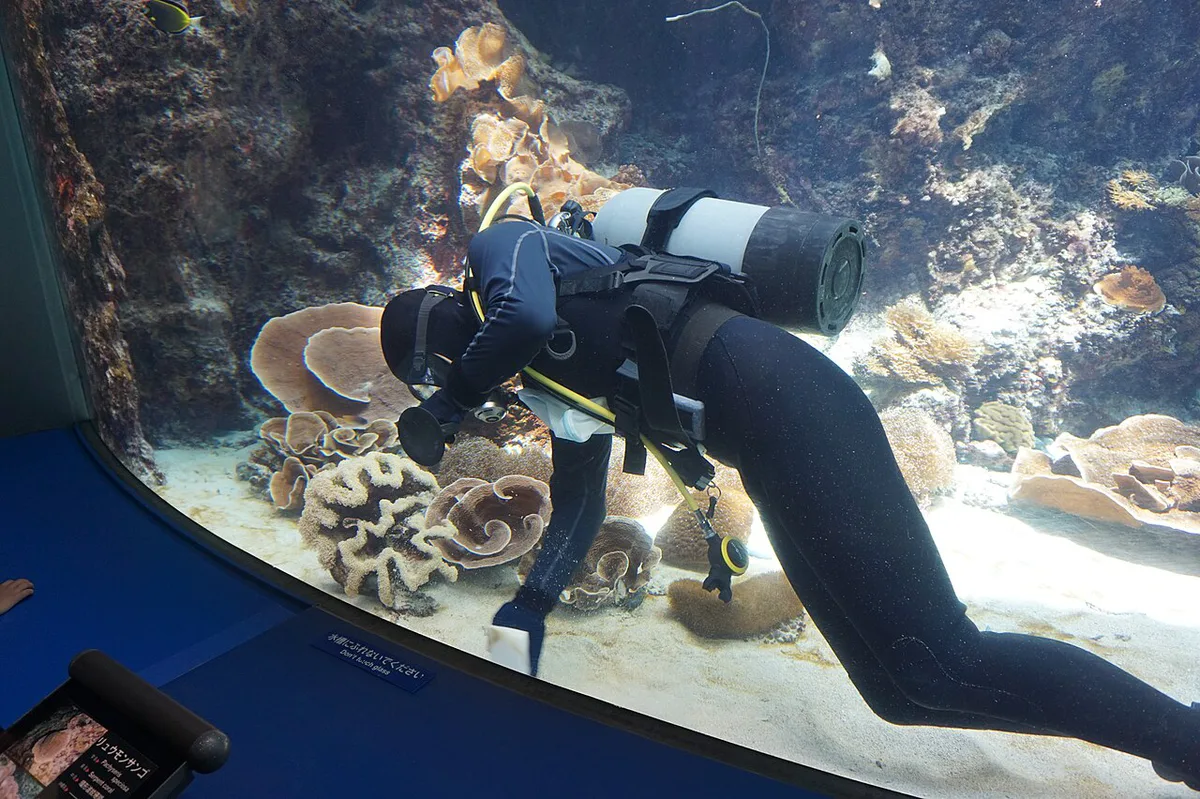
Manjanggul Lava Tube opens 09:00–18:00, with ticket sales ending at 17:00. It closes on the first Wednesday of each month. General visitors may walk only about 1km of it.
Okinawa's best hiking is on outer islands such as Iriomote, not Naha's main island. Its strengths are shoreline and reef. See Okinawa's official tourism site for island options.
Food and Nightlife
Jeju eats rich and grilled. Heuk dwaeji black pork, abalone porridge and raw shellfish from haenyeo divers anchor the menu. Dongmun Traditional Market runs as a daytime market. In the evening, its night market sells food and souvenirs.
Hyeopjae stays open until 21:00 from July 15 to August 15, even though Jeju nights run early.
Okinawa eats lighter and stranger. Goya champuru, Okinawa soba and taco rice are the staples. Orion beer and awamori round out the drinking.
Naha's Kokusai-dori fills at dusk with live sanshin music. Jeju City is quieter, with makgeolli pubs and early nights. Neither island suits a party trip.
Cost and Time Trade-Offs
Nightly rates look similar on both islands. Total cost depends on three line items: flights, the rental car and, on Okinawa, the Kerama ferry. A cheaper-looking island can cost more once those are added.
On Jeju, beach extras add up in July and August. A parasol plus a platform costs ₩20,000 plus ₩30,000, or ₩50,000 together. Okinawa's Kerama day trip adds a ferry of about 50 minutes each way. Check the operator's site for current fares, since no published fare is listed here.
Time also separates them. Jeju suits 3 to 5 days built around hikes. Okinawa works for a long weekend, then stretches if you add Kerama.
| Cost driver | Jeju | Okinawa |
|---|---|---|
| Beach extras | ₩20,000 parasol, ₩30,000 platform | Varies by beach and resort |
| Sea day trip | Not needed | Kerama ferry, about 50 minutes each way |
| Rental car | Needed | Needed |
| Flights | Domestic from Korea | International; about 2.5 hours from Incheon or Busan |
Best Time to Go
Jeju's swim season runs June 24 to September 6 in 2026. Reported averages show January near 8°C on Jeju and about 20°C on Okinawa. August sits near 32°C on both.
Okinawa has a typhoon season in late summer and early autumn. Check the Japan Meteorological Agency before booking. Hallasan conditions change in winter, so check trail status with Visit Jeju.
| Month | Jeju | Okinawa |
|---|---|---|
| Jan–Feb | Cold; cafes and food | Mild; whale season reported |
| Mar–May | Good for Olle and oreum | Warming; beaches open up |
| Jun–Aug | Beach season from June 24 | Hot; reef at its best; typhoon risk starts |
| Sep–Oct | Beach season ends Sep 6; hiking weather | Swimming reported to run to around October |
| Nov–Dec | Cool; Seongsan at 06:00–18:00 | Mild; fewer crowds |
Who Each Island Fits
Pick Jeju if your plan includes sunrise hikes, lava coast and Korean food outside Seoul. It suits couples, photographers and solo walkers. Families do well in summer around Hamdeok and Hyeopjae.
Pick Okinawa if you want reef swimming, turtles and beach days. It suits divers, snorkeling families and honeymooners. Anyone who wants a long weekend abroad with a warm sea will also like it.
If Jeju feels too far from the mainland feel you want, weigh a coast on the peninsula. Our Jeju or Gangneung guide covers that choice.
Mistakes to Avoid
Skipping the rental car is the biggest error on both islands. Buses and the Yui Rail will not reach most of what you came to see.
A March booking misses Jeju's beach season, which runs June 24 to September 6 in 2026.
Booking Jeju for a swim holiday in March is the second. Water is cold outside summer. Assuming Google Maps works on Jeju is the third. Install Kakao Map or Naver Map first.
Underestimating the Kerama transfer is the fourth. Allow about 50 minutes each way from Naha, plus time to reach the port.
- Rent a car on both islands
- Match the month to the sea
- Install Kakao Map or Naver Map for Jeju
- Budget for the Kerama ferry
A 3-Day Shape for Each Island
These are route shapes, not full itineraries. Each one shows the time trade-off.
- Jeju day 1: Dongmun Traditional Market near the airport, then Hamdeok on the north coast.
- Jeju day 2: Seongsan Ilchulbong at opening, then Manjanggul Lava Tube.
- Jeju day 3: Aewol coastal drive and cafes, or Hallasan if conditions allow.
- Okinawa day 1: Naha, Shuri Castle and Kokusai-dori.
- Okinawa day 2: drive north for the Blue Cave at Cape Maeda.
- Okinawa day 3: ferry of about 50 minutes to the Kerama Islands for the beach.
Rainy-Day and Cold-Season Backups
Bad weather need not waste a Jeju day. Manjanggul Lava Tube is a useful wet-weather stop. It opens from 09:00 to 18:00, with ticket sales ending at 17:00. General visitors can explore an approximately 1km section from Entrance 2. Pair it with Dongmun Traditional Market near Jeju International Airport, where the evening market adds food and souvenirs after the daytime stalls.
For a cold but clear morning, Seongsan Ilchulbong remains a compact outdoor option. Its winter hours are 06:00–18:00, and the paid summit climb usually takes 30 to 40 minutes. Leave it for a dry window, then shift to food or cafes if wind and rain move in.
In Okinawa, avoid treating a Kerama trip as a fixed rainy-day plan. The ferry from Naha takes about 50 minutes each way, so rough weather can consume much of the day. Keep Naha and Kokusai-dori as the flexible alternative, then save reef water for a clear forecast.
Explore More Jeju Guides
Keep planning your Jeju trip with these guides.
Jeju Guides
Building the rest of the trip? Our Jeju attractions guide covers the sights, districts and logistics around this guide.
Notes for your Korea trip
Optional updates to our city guides.
You might also like
Continue reading
More guides you'll find useful