Jeju or Gangneung: Which Korean Coast Fits Your Trip?
Jeju or Gangneung? Compare access, getting around, scenery, seasons and typical costs to pick the right Korean coastal trip for your days.
On this page
Last updated November 2026. Choosing between Jeju or Gangneung comes down to transit friction and trip length. Gangneung rewards a short, rail-based break from Seoul, while Jeju rewards three or more days with a car or a firm transport plan.
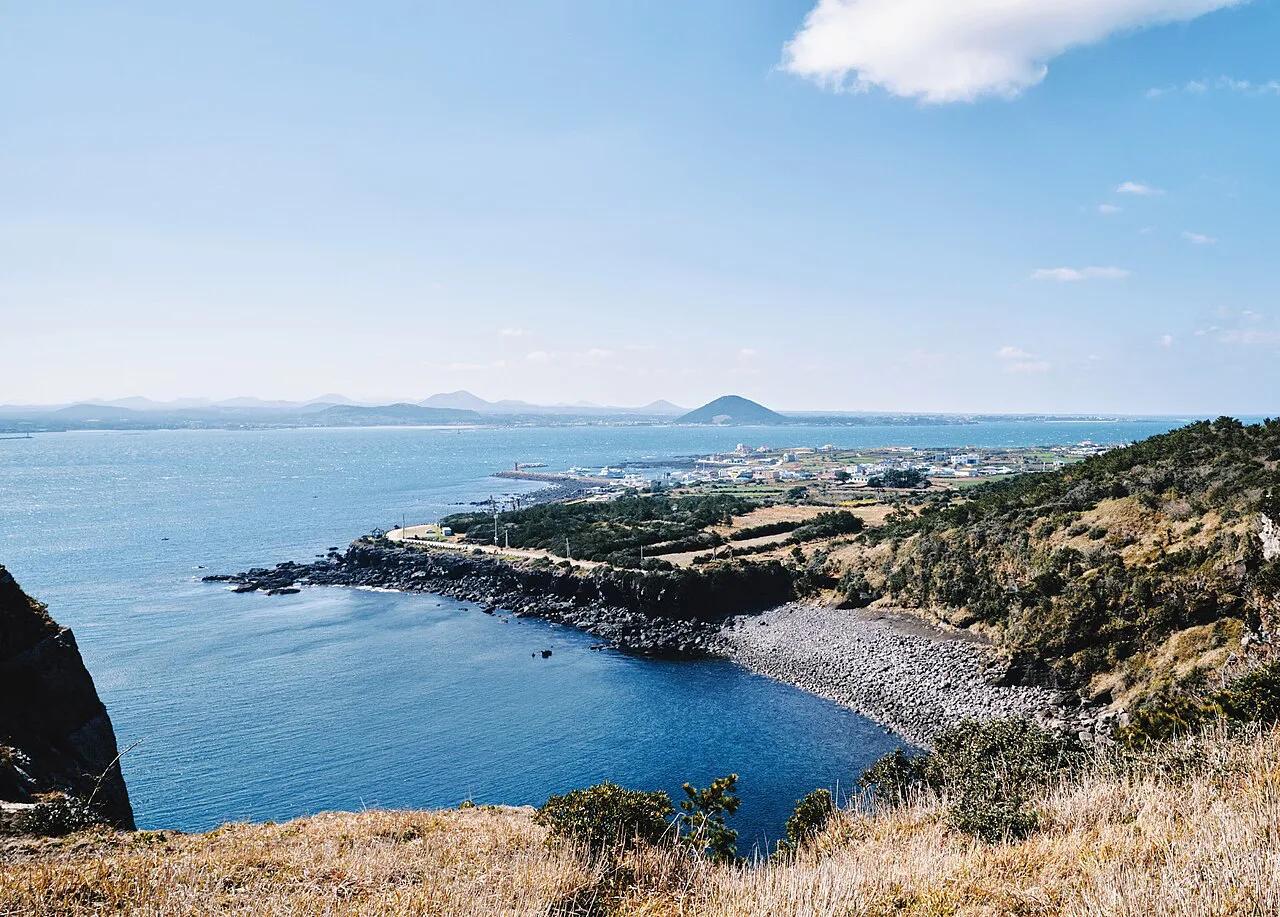
Featured image: Dushan Hanuska, CC BY-SA 2.0, via Flickr.
Quick verdict: Jeju or Gangneung
Pick Jeju if you want volcanic scenery, coastal driving and hiking, and you have several days. Pick Gangneung if you have a weekend, prefer the train to a flight, and want beach and coffee-shop time. Island alternatives sit outside Korea too. Our Jeju versus Okinawa comparison covers the wider island question. Access is the spine of this decision. Jeju costs you a flight or ferry before the trip starts. Gangneung is reached from the mainland by KTX train or bus.
Jeju vs Gangneung at a glance
This table compares the two on the criteria that change a trip most. Cost ranges are typical planning figures in won, not quotes. Fares move with season and booking date.
| Criteria | Jeju | Gangneung |
|---|---|---|
| Getting there | Flight or ferry required | KTX train or bus from the mainland |
| Typical one-way transport from Seoul | ₩40,000–₩100,000 by air | ₩25,000–₩35,000 by KTX |
| Getting around | Car or a firm transport plan | More compact, easier without a car |
| Typical car hire per day | ₩50,000–₩120,000 | Usually optional |
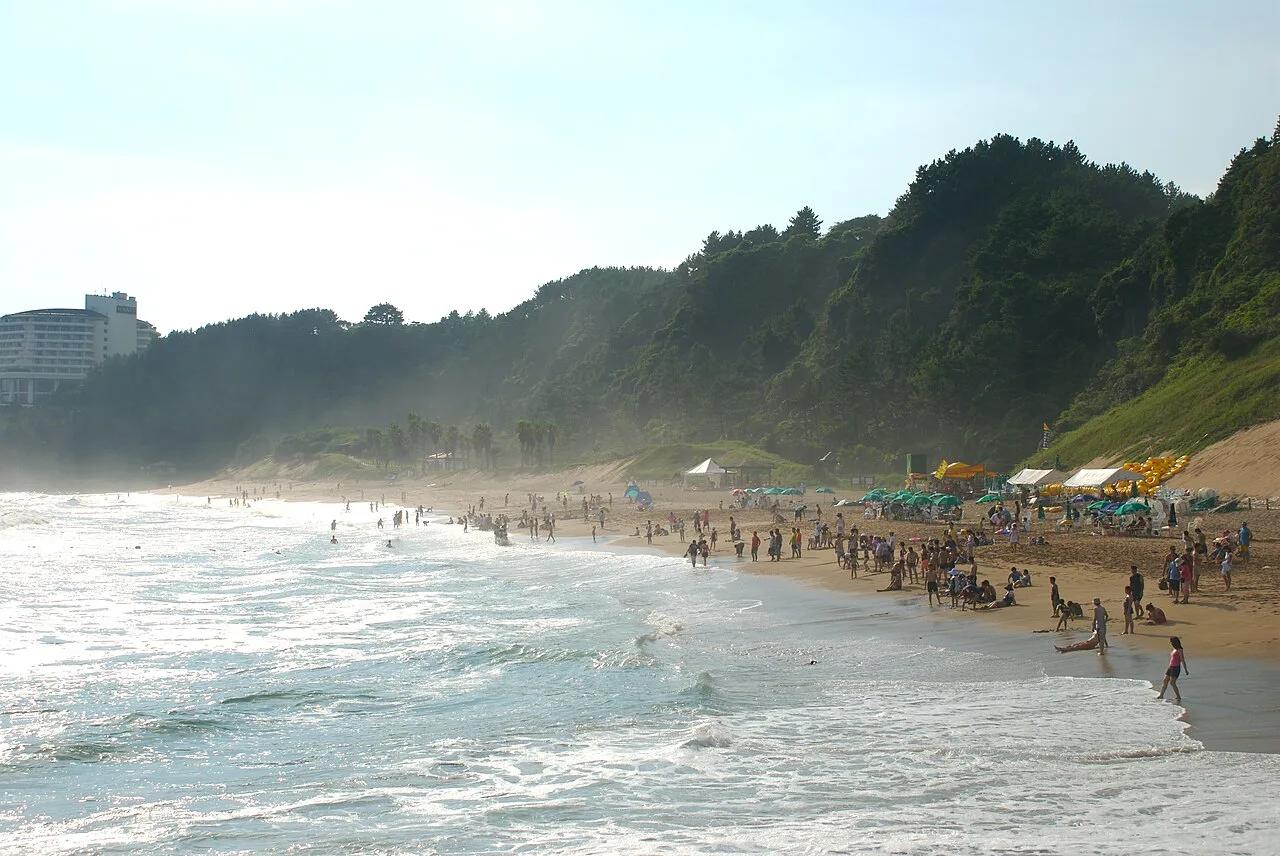
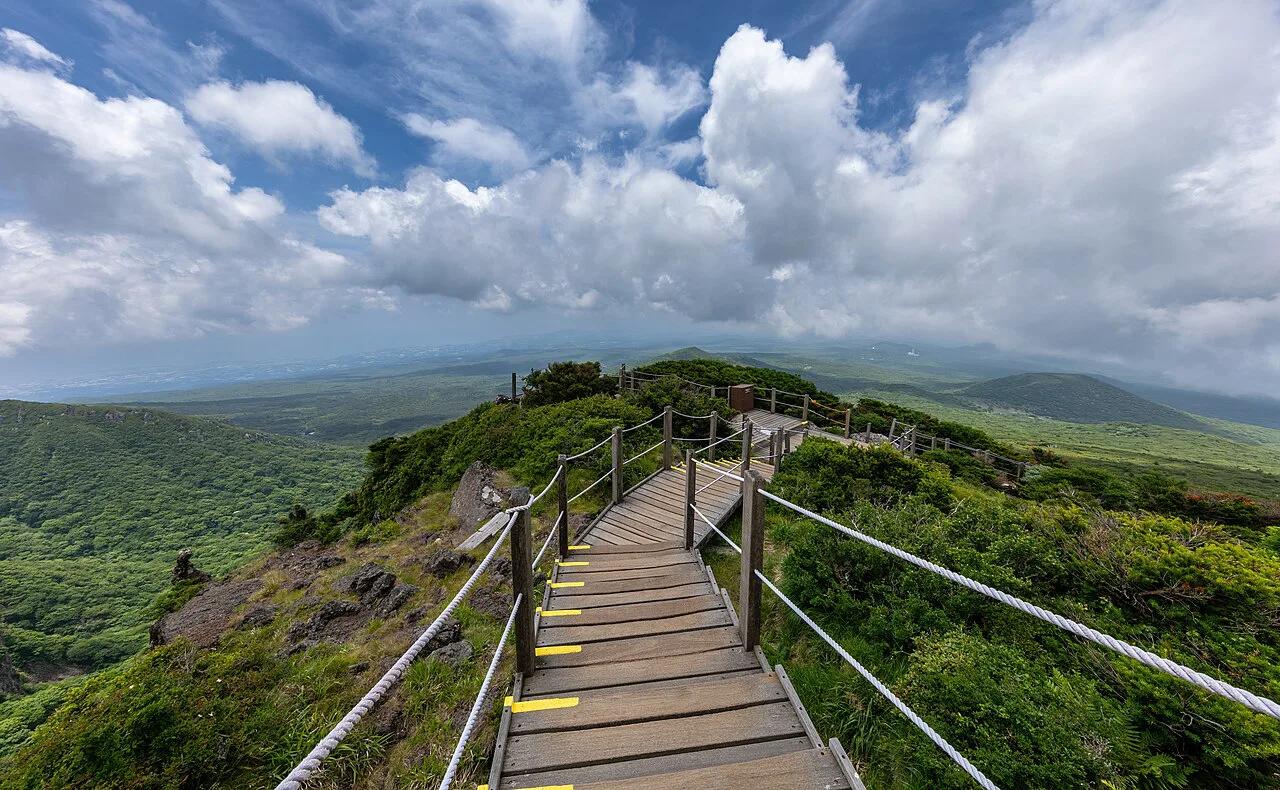
| Scenery | Volcanic cones, lava coast, Aewol shoreline | Beaches and a coffee-shop coast |
| Best trip length | 3+ days | Weekend |
Getting there and getting around
Jeju has an air-and-sea barrier. Weather can delay both flights and ferries. Gangneung avoids that step because KTX trains and buses run from the mainland. Expect a typical one-way fare of about ₩25,000–₩35,000 by KTX, versus roughly ₩40,000–₩100,000 for a Jeju flight. Your arrival day on Jeju also eats more time. On Gangneung, you step off the train and head straight to the coast.
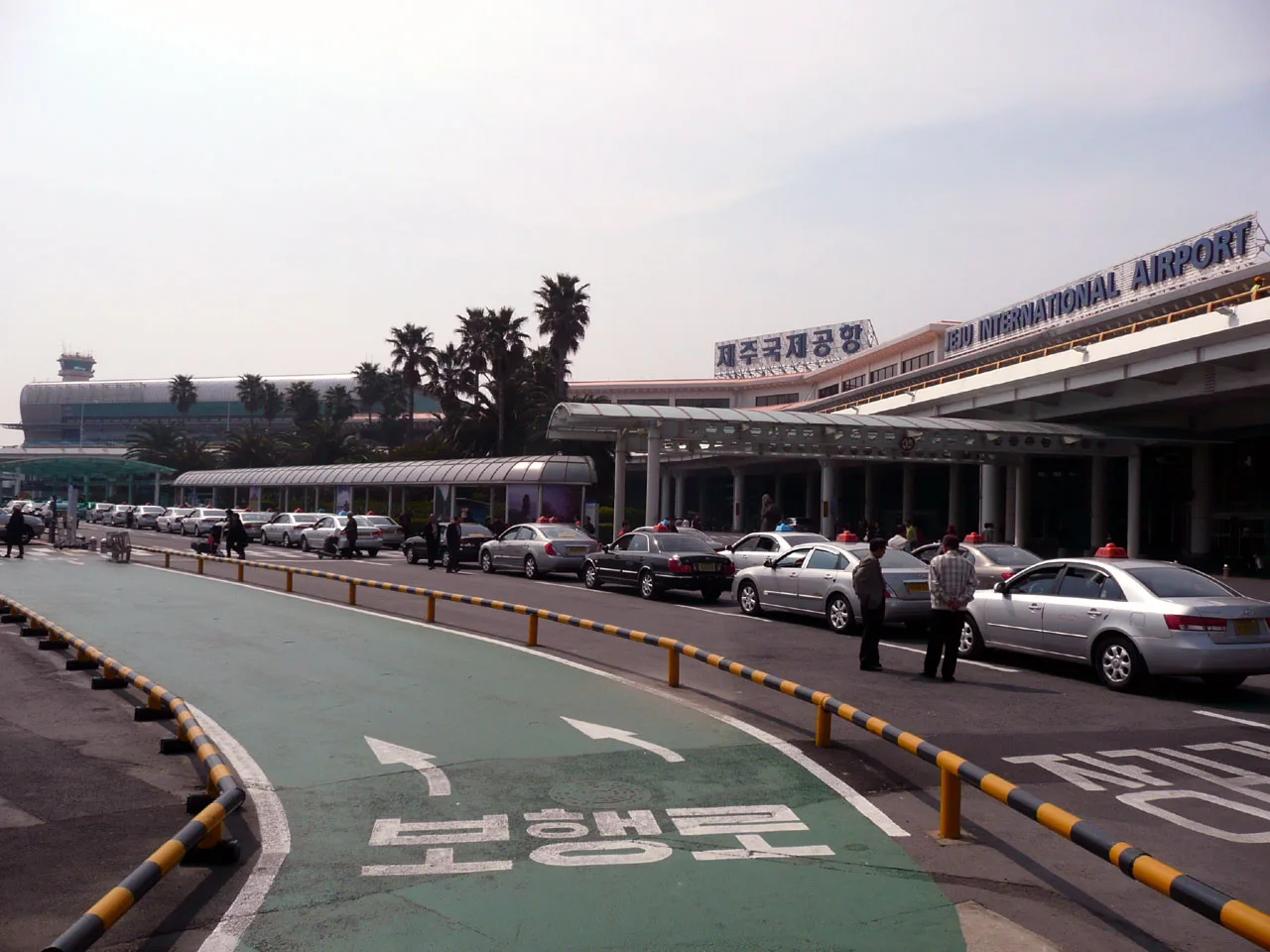
- Jeju: land at the airport, then transfer to Jeju City or Seogwipo. Our Jeju City and Seogwipo comparison helps you choose a base.
- Jeju on the road: a car gives the most freedom. Foreign visitors should check licence requirements on the official Visit Jeju site before booking.
- Gangneung: rely on rail to arrive, then local buses or taxis. Check the Gangneung city tourism site for local transport details.
Landscape, activities and seasons
Jeju is the stronger pick for varied nature. Aewol has a roughly 9 km coastal route from Hagwi-ri to Aewol-ri. You can drive, cycle or walk it. It overlaps part of Jeju Olle Trail Route 16 and the Jeju Fantasy Bicycle Path. Seongsan is the volcanic highlight. The paid section to the summit typically takes about 30 to 40 minutes. Hours vary by season. Winter runs 06:00–18:00 and summer runs 04:30–20:00. Spring and autumn run 05:00–19:00. Seongsan closes on the first Monday of every month. Umutgae Beach lies in the free section of the trail. Gangneung trades volcanic drama for beach time and cafés. Winter is the thinner season for swimming on either coast. Pick months by what you want to do, then check forecasts from the Korea Meteorological Administration close to departure.
Budget and trip length
Jeju costs more before you arrive. A flight of roughly ₩40,000–₩100,000 each way adds up for a family. A rental car at roughly ₩50,000–₩120,000 per day adds more. Gangneung often needs only the KTX fare and local taxis. Those are typical planning ranges, not quotes. Lodging and food depend on season and area. Compare current rates before booking.
- Two days: choose Gangneung. Less time is lost in transit.
- Three to four days: Jeju works if you base yourself in one area.
- Five days or more: Jeju gives you room for Aewol, Seongsan and a hiking day.
- Still weighing other islands? Our Jeju versus Bali guide compares that option.
Who should pick which
Match the destination to the traveler, not the other way round.
Families who can handle a car face ₩50,000–₩120,000 per day in hire, while a one-way KTX fare runs ₩25,000–₩35,000.
- Couples: Jeju for coastal drives, Gangneung for a short coffee-and-beach break.
- Families: Gangneung for easy rail travel, Jeju if you can handle a car.
- Solo travelers: Gangneung is simpler without a car.
- Hikers: Jeju, especially Jeju Olle Trail Route 16 near Aewol.
- First-timers to Korea: Gangneung adds easily to a Seoul stay.
- Short-break travelers: Gangneung wastes less time in transit.
What can go wrong
Weather is the main risk on Jeju. Flights or ferries can be delayed, which can swallow a short trip. Car dependence is the second risk. Without a car, reaching places like Seongsan takes planning. Seongsan's first-Monday closure can catch you out too, and no outside food is allowed there. On Gangneung, peak-season crowding at the beaches is the main concern. Book weekend trains and lodging early in busy months.
Late arrivals lose time at Seongsan: in winter, ticket sales end at 17:00, an hour before the 18:00 closing time.
How to Make a Short Jeju Trip Work
Jeju becomes practical in 3 or 4 days when you avoid trying to circle the island every day. Choose one base and group sights by area. Jeju City works well for Aewol, while an east-side or Seogwipo base reduces backtracking for Seongsan.

Plan Aewol as a flexible coastal half-day. Its route runs about 9 km from Hagwi-ri to Aewol-ri, with sections for driving, cycling and walking. It also overlaps part of Jeju Olle Trail Route 16, so it suits travelers who want scenery without committing to a full hike.
Give Seongsan its own morning or late-afternoon slot. The paid summit section usually takes 30 to 40 minutes, while the surrounding trail includes a free area near Umutgae Beach. In winter, ticket sales end at 17:00, so arriving late can limit the visit. This slower, area-by-area approach is why Jeju needs more time than a weekend Gangneung break.
Notes for your Korea trip
Optional updates to our city guides.
You might also like
Continue reading
More guides you'll find useful