Jeju Weather by Season: What to Expect & Pack
Plan around Jeju weather: four seasons, wind and rain risks, north-south microclimates, Hallasan conditions, what to pack and the best time to go.
On this page
Last updated November 2026. Jeju weather runs through four distinct seasons, and wind and sudden rain are the main trip risks. Spring and autumn suit most travelers, as laid out in our guide to the Best Time to Visit Jeju: Month-by-Month Guide. This page explains what each season feels like and how to plan around it.
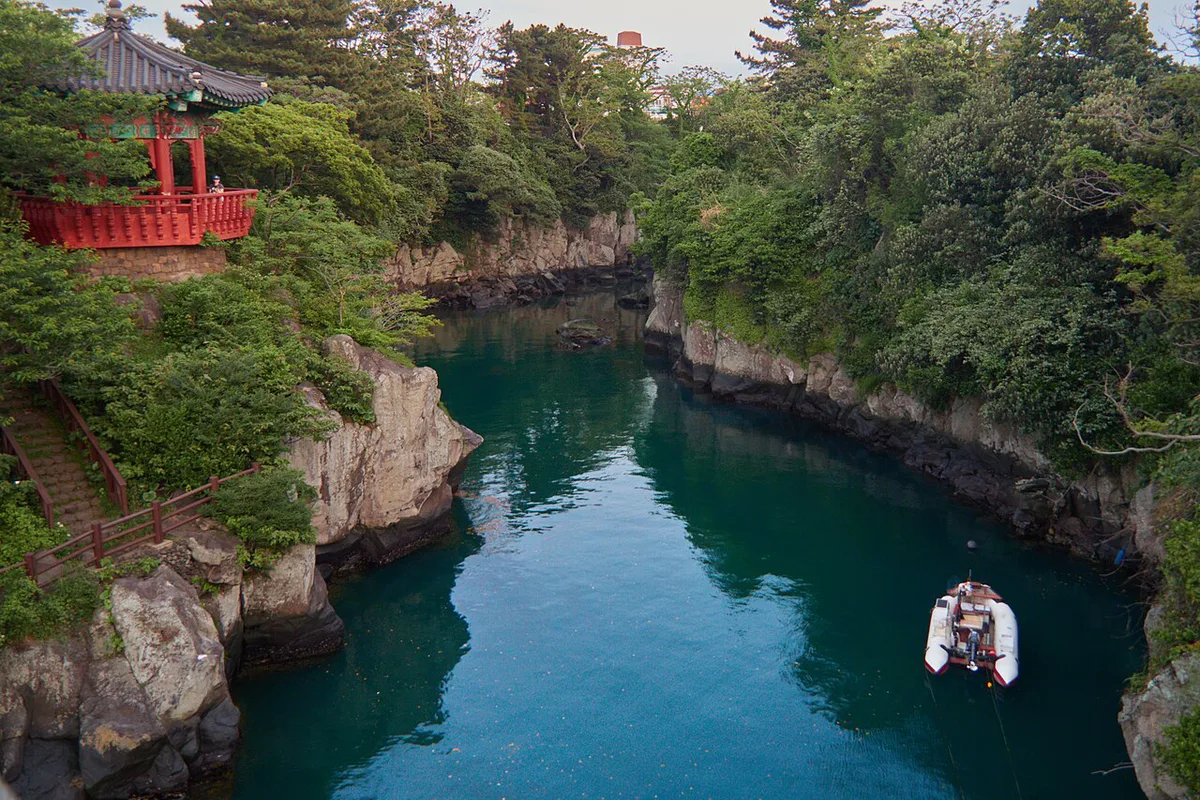
Featured image: Sgroey, CC BY-SA 4.0, via Wikimedia Commons.
Jeju weather at a glance
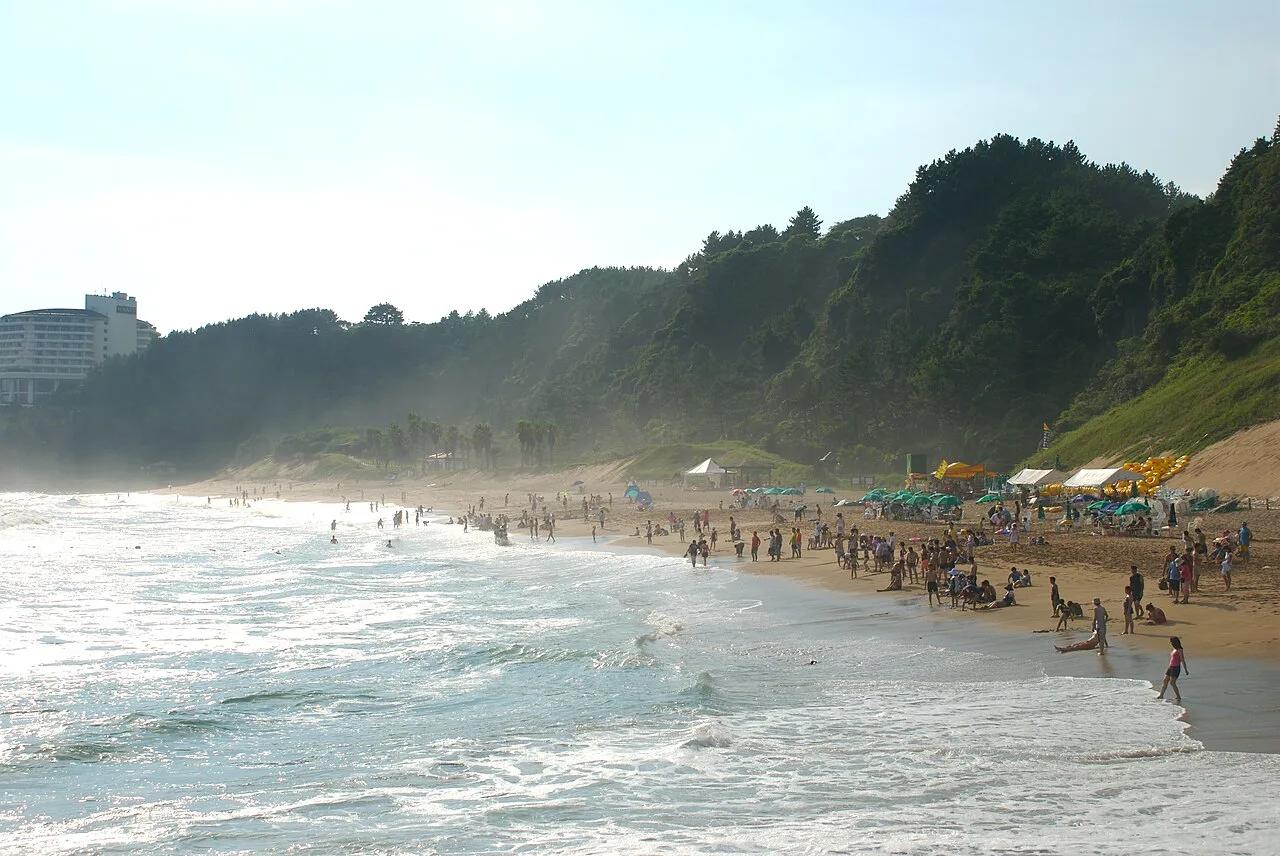
Jeju has an oceanic island climate that behaves differently from the Korean mainland. Sea air keeps winters milder and summers more humid than many inland cities. Wind is the constant, and low cloud can arrive within an hour. Typical figures are rough guides: winter days often sit near 5°C (41°F), spring near 15°C (59°F), and summer afternoons near 30°C (86°F). Daily forecasts shift, so read the live outlook on the Korea Meteorological Administration site before you set out. This page carries no live data.
Jeju weather by season
Each season suits a different kind of trip. The table frames the trade-off, and our month-by-month hub adds the detail. Spring brings flowers; read about March on the island and April conditions for timing. Summer is hot and wet, with monsoon rain (jangma) and typhoon risk. Autumn is clear and calm, and October is a strong pick. Winter is cold and windy; winter on Jeju covers snow and closures. For a rough cost swing, a mid-range room might run about ₩80,000 in November against ₩150,000+ in peak summer. That is an indicative planning estimate, not a quoted rate.
| Season | Feel | Main risk | Pack | Best for |
|---|---|---|---|---|
| Spring (Mar–May) | Cool, fresh, changeable | Wind, showers | Layers, windproof shell | Cherry blossom, canola flowers |
| Summer (Jun–Aug) | Hot, humid | Monsoon rain, typhoons | Rain jacket, sun hat | Beaches, sunrise starts |
| Autumn (Sep–Nov) | Clear, mild | Late typhoons in September | Light layers | Hiking, tangerines |
| Winter (Dec–Feb) | Cold, windy | Snow on Hallasan, gales | Warm coat, grippy shoes | Quiet sights, hot springs |
Wind, rain and cloud: what actually disrupts plans
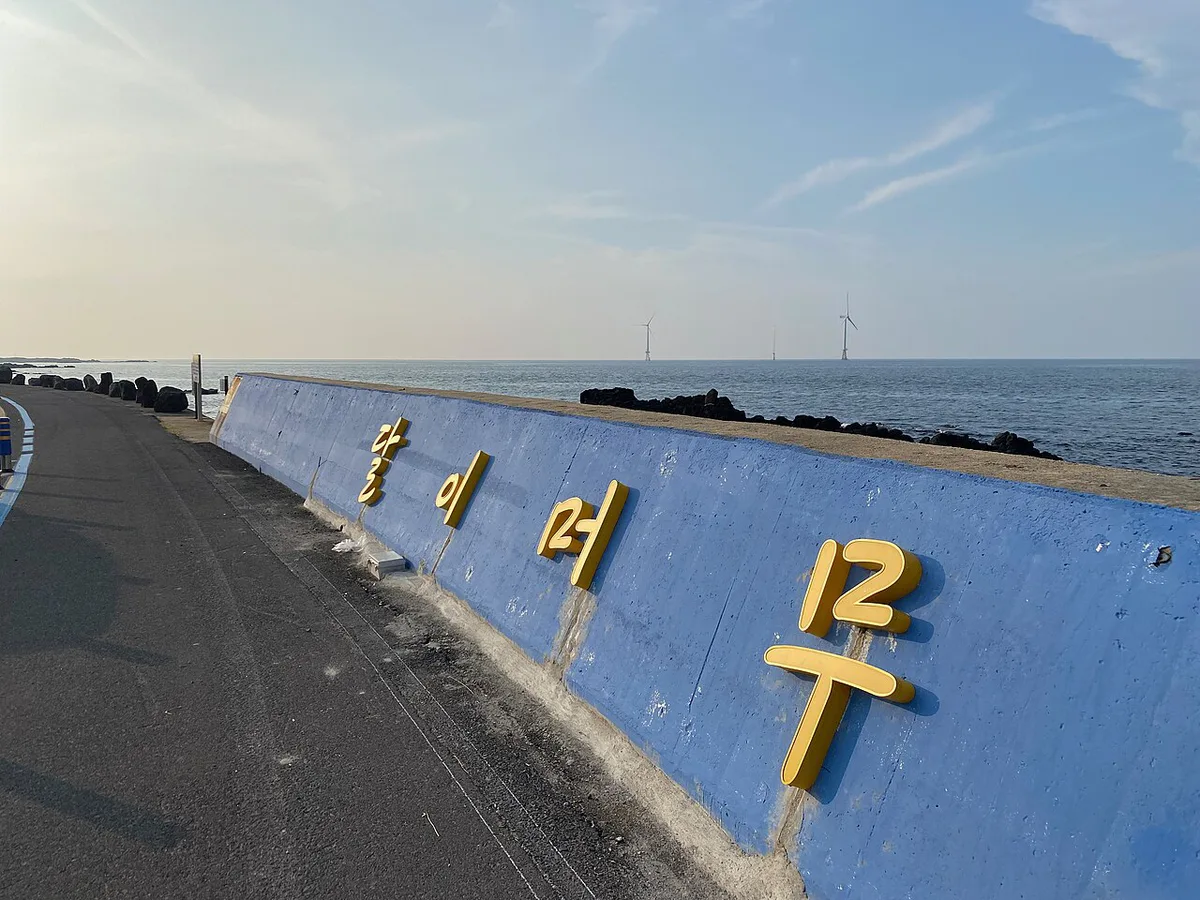
Wind is the factor that most often changes a Jeju day. Strong gusts can delay flights and cancel small-island ferries and boat trips. Low cloud hides summit and coastal views even when it is dry below. Typhoons usually threaten late summer, but they are a reason to book flexibly, not to skip the island. Check the operator's status on the morning of any boat trip. Coastal drives feel exposed in a gale, so move cliff walks to a calmer day.
Microclimates: north, south, east, west and Hallasan

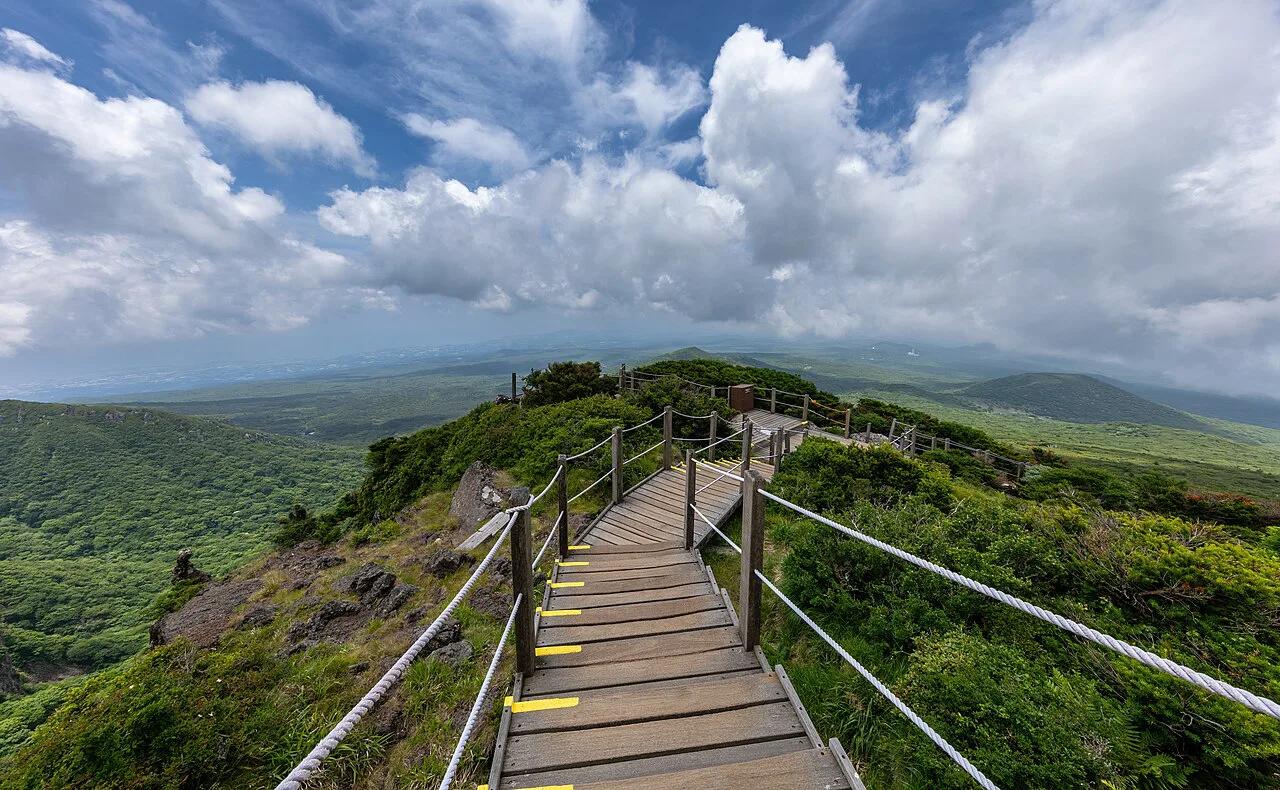
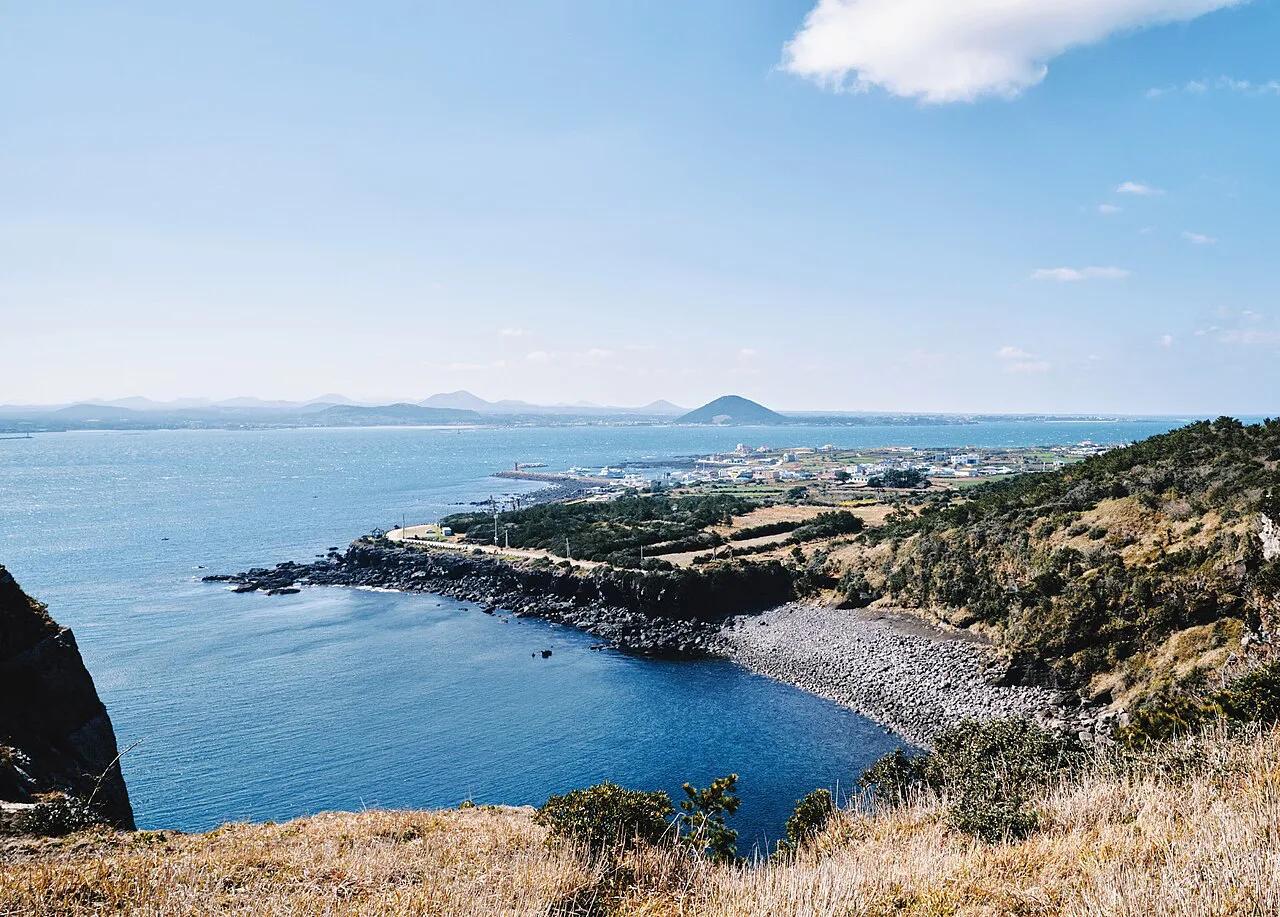
Jeju City sits on the north coast and takes the brunt of winter north winds. Seogwipo on the south coast is milder on those days, so it makes a sensible base if the wind is from the north. Never judge the whole island from the Jeju City forecast. Hallasan's summit runs colder and cloudier than the coast, and snow can lie there while the coast is dry. Trail status changes with conditions, so confirm it with the park before you climb. On the east coast, Seongsan Ilchulbong opens 06:00–18:00 from November to February and 04:30–20:00 from May to August. Climbing to the summit takes about 30 to 40 minutes. It closes on the first Monday of each month, so do not plan that day around it. Spring and autumn hours run 05:00–19:00.
What to pack by season
Layers beat a single heavy coat on Jeju. A windproof, waterproof shell works in every season. In spring and autumn, add a fleece and closed shoes. In summer, bring sun protection and quick-dry clothing. In winter, bring a warm coat, gloves and shoes with grip for icy paths. Read December on Jeju and January conditions for cold-weather detail.
Peak summer mid-range rooms might run ₩150,000+ against about ₩80,000 in November, so the season shifts budget as much as packing.
- Windproof shell for coastal viewpoints
- Compact umbrella that survives gusts
- Sun hat and sunscreen from spring onward
- Grippy, closed shoes for volcanic rock and wet trails
How to plan around the weather
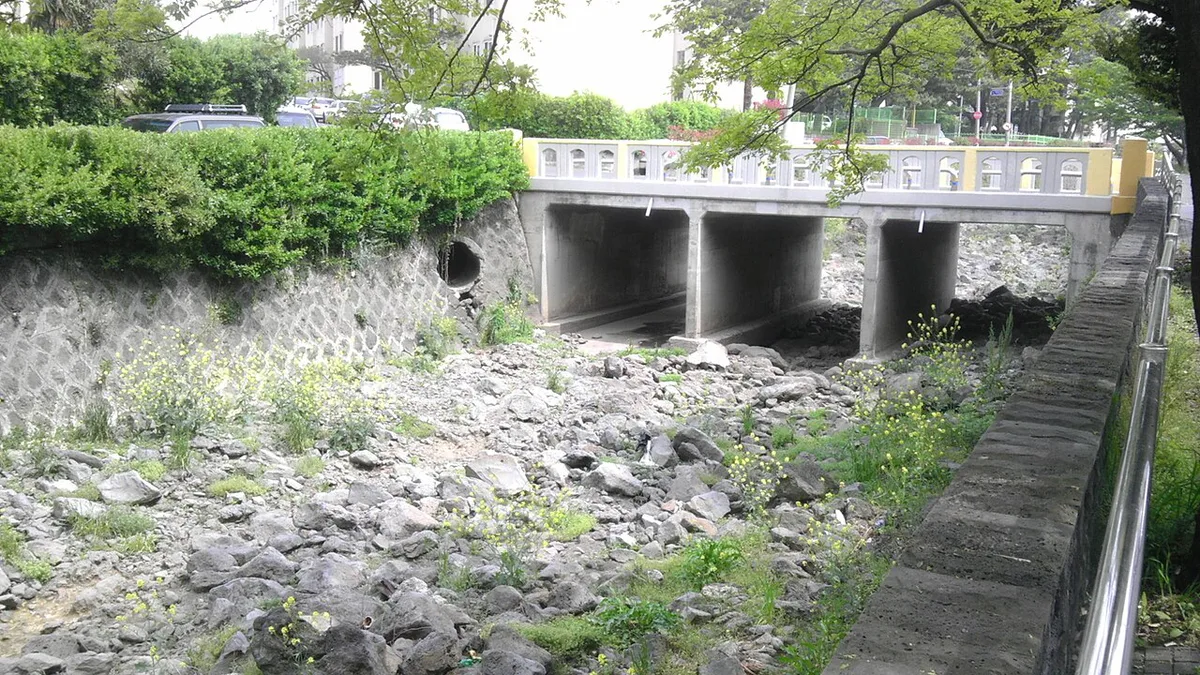
Build one flexible day into every three. Put outdoor headline sights on the clearest day, then swap when the forecast changes. Seogwipo rewards a few days, with Saeyeon Bridge and Saeseom as stops. In rain, a car is easier than buses for reaching scattered sights. Choose free-cancellation bookings for boats and tours. For flowers and fruit, see cherry blossom timing, the canola flower season and tangerine picking. Autumn visitors can also read about November weather.
Seongsan's summit climb takes about 30 to 40 minutes, so it fits a clear window when the forecast turns.
- Windy coast day: move to sheltered indoor stops
- Rain at the summit: stay on lower coastal walks
- Boat cancelled: use the free hiking section around Umutgae Beach at Seongsan
- Cold north wind: base in Seogwipo
Where to check the live forecast
Use the KMA forecast and warnings for official conditions. For events and seasonal notices, see Visit Jeju. Look at the forecast for the specific coast you are visiting, not just Jeju City.
Frequently Asked Questions
What is the weather like in Jeju Island, Korea?
Jeju has four seasons and an oceanic island climate. Winters are cold and windy, and summers are hot and humid with monsoon rain. Spring and autumn are the most comfortable.
What to do in Jeju if it's raining?
Swap coastal walks and summit climbs for indoor stops. Shift outdoor sights to the clearest day in your plan. Seogwipo is a good base when rain or wind hits the north coast.
Does snow fall in Jeju?
Snow falls mainly in winter, and Hallasan's summit gets it more than the coast. Trail access can change with conditions. Read our winter guide for planning.
Notes for your Korea trip
Optional updates to our city guides.
You might also like
Continue reading
More guides you'll find useful