Jeju Cherry Blossoms: When and Where to See Them
Plan Jeju cherry blossoms: typical bloom window, best spots by area, route options, where to stay and mistakes to avoid.
On this page
Last updated November 2026: Jeju cherry blossoms typically peak from late March into early April, earlier than most of Korea. Prioritise the Jeju National University road and Jeonnong-ro in Jeju City, then add Noksan-ro for the canola pairing. Bloom dates shift every year, so plan a flexible window rather than one fixed viewing day.
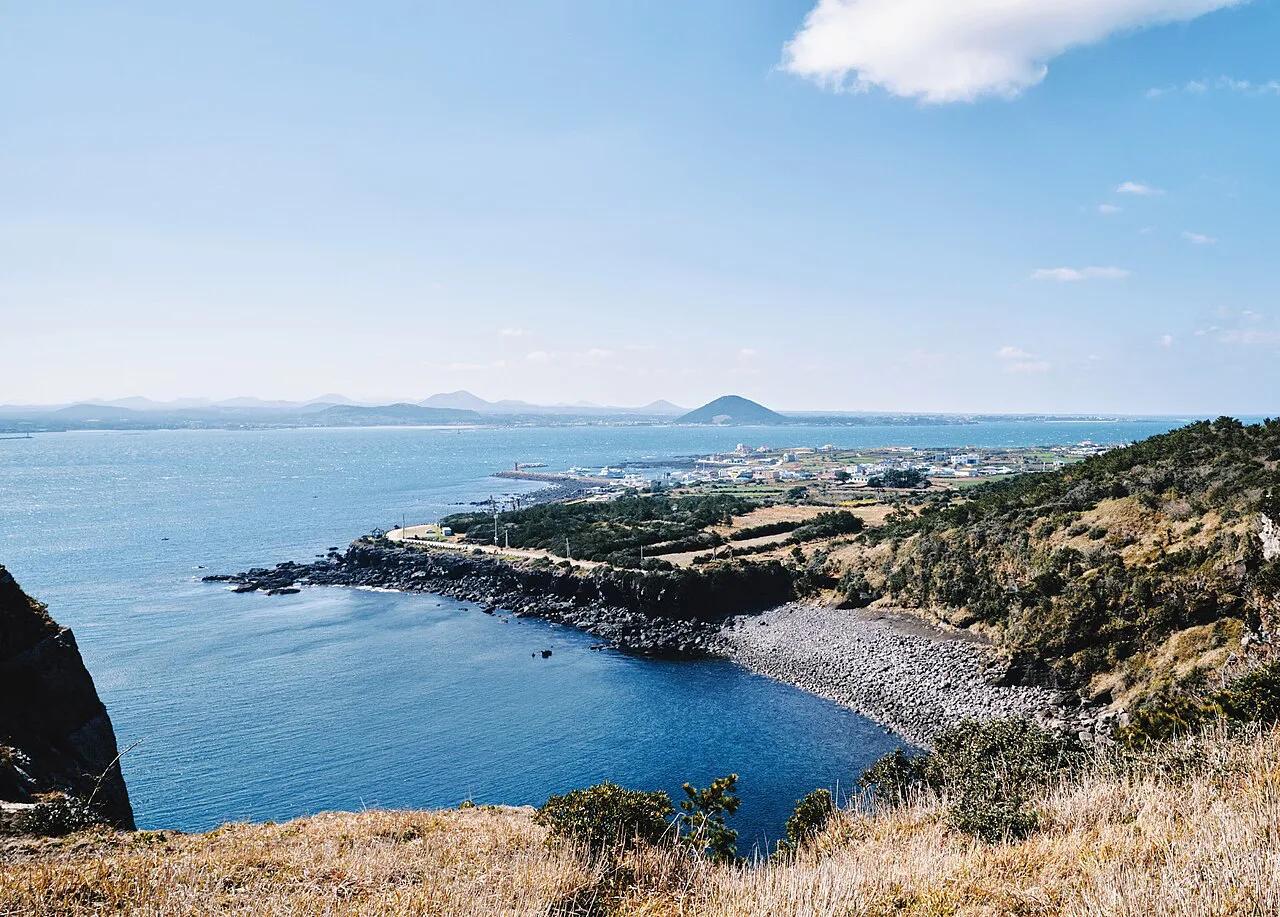
Featured image: thddbwnd, CC BY 3.0, via Wikimedia Commons.
Jeju Cherry Blossoms at a Glance
Jeju sits at the front of Korea's blossom season. Most years the flowering runs from late March to early April, and a warm or cool spring can move it by days. Rain and wind can strip petals early, so a short, fixed trip is the biggest risk. Treat the dates below as a typical window, not a promise. Prices and hours in this guide were checked November 2026.
- Typical window: late March to early April, varying by year.
- Jeju City picks: Jeju National University road, Jeonnong-ro and Samseonghyeol.
- South and east pick: Yerae Eco Park, plus Noksan-ro where cherry and canola can overlap.
- Planning rule: keep two to three flexible days and book lodging you can change.
When Is the Cherry Blossom Season in Jeju?
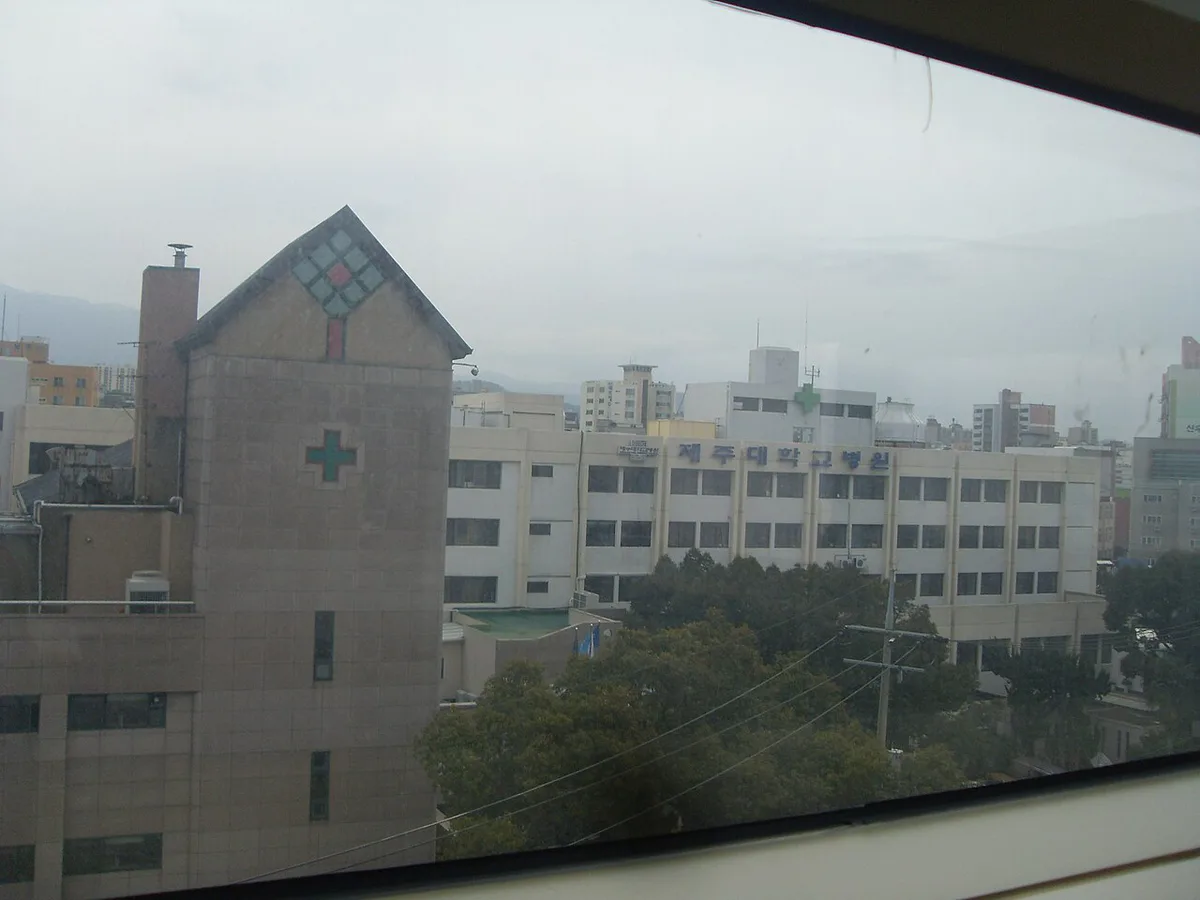
Most years the blossoms open in the last week of March and fade in the first week or two of April. Jeju's mild climate is the usual explanation for blooming ahead of the mainland. For month-level context, read our notes on March weather and crowds. Then compare them with April on the island. Peak bloom is often described as arriving about four to seven days after the first flowers open. Treat that as a rule of thumb.
Track the year's progress through the Korea Meteorological Administration. Watch the forecast for rain and wind in the days before you fly, because a single wet, windy night can end a peak. Our guide to Jeju's weather patterns explains how quickly conditions change. For the wider calendar, see the best months to visit.
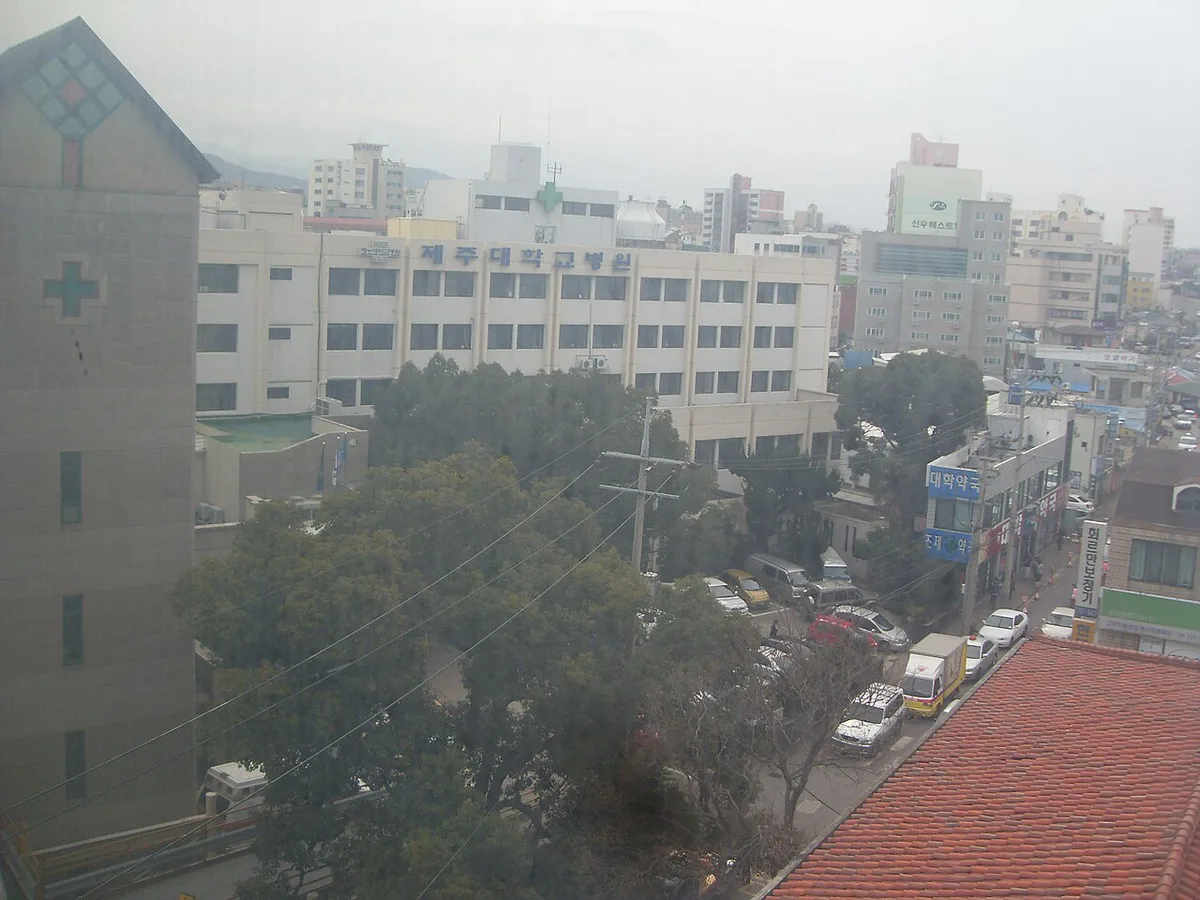
Use a buffer rule. Book three days on the island rather than one. Keep the viewing days at the middle of the stay, so an early or late bloom still falls inside your trip. If blooms are late or rain is forecast, shift to canola fields and indoor stops rather than forcing the viewing day.
Best Places to See Cherry Blossoms in Jeju
Spots cluster by area, which matters more than any single ranking. Jeju City holds the easiest group for visitors without a car. The south and east need more transport planning. The table below sorts each stop by area and the practical catch.
| Spot | Area | Best for | Practical caveat |
|---|---|---|---|
| Jeju National University road | Jeju City | Tree-lined walk, early-morning photos | Busy at weekends; go early |
| Jeonnong-ro Cherry Blossom Street | Jeju City | Walking under tree rows, cafés nearby | Crowds peak during festival weekends |
| Samseonghyeol | Jeju City | Blossoms beside a historic site | Check entry details locally |
| Yerae Eco Park | Seogwipo | Blossoms with canola colour | Allow extra time to reach it |
| Noksan-ro | Seogwipo-si, Pyoseon-myeon | Canola road with cherry overlap in places | Fast roadside traffic |
| Hallim Park | West, Jeju-si | Garden visit with spring flowers | Plan about 1 hour 30 minutes |
- Jeonnong-ro: a street of cherry trees with cafés nearby. Festival weekends bring the heaviest foot traffic.
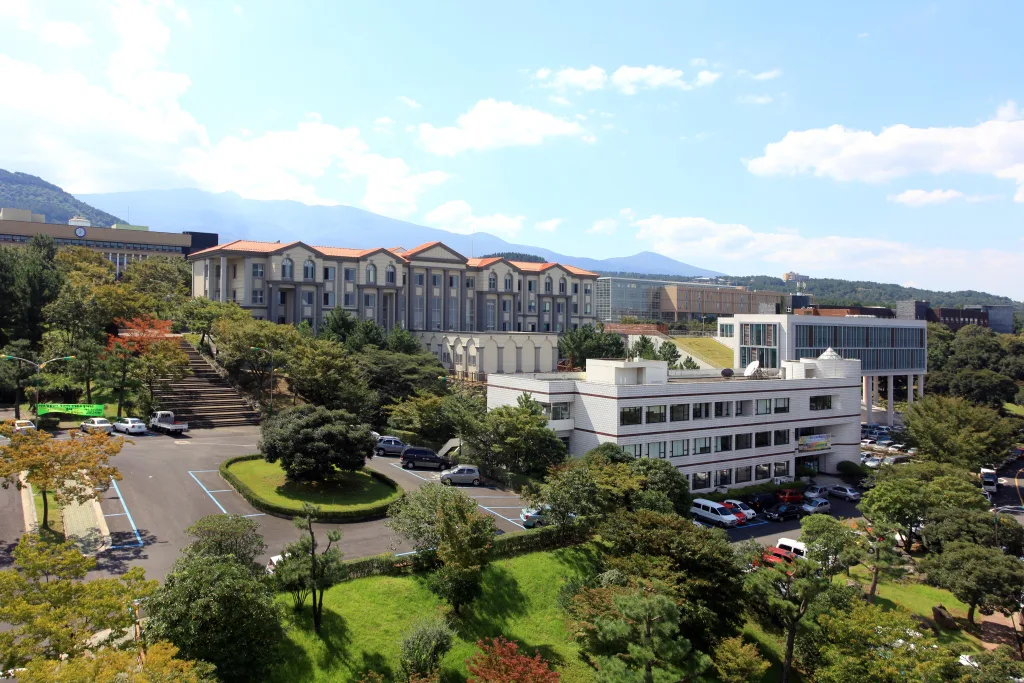
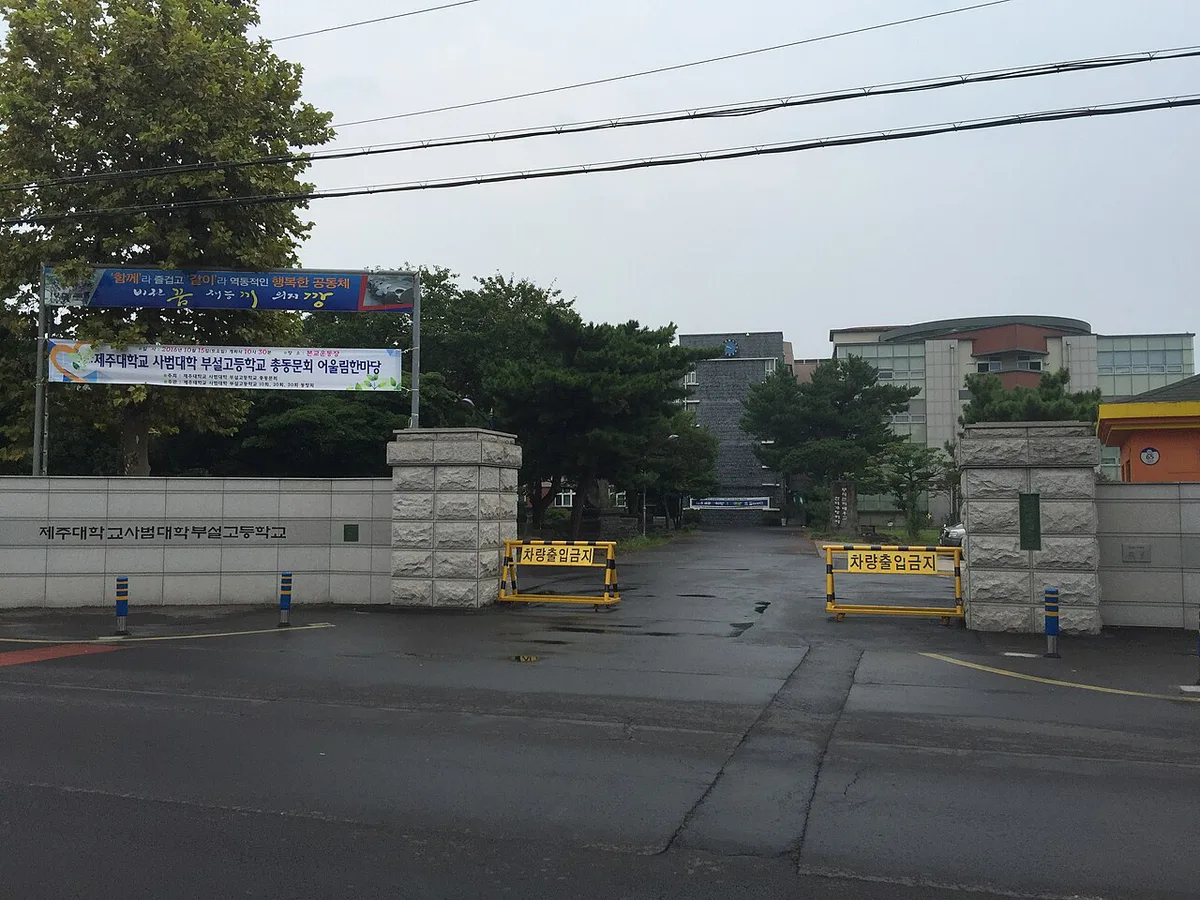
- Jeju National University: an avenue of blossoms. Arrive at sunrise for the quietest walk.
- Samseonghyeol: pair the blossoms with the shrine grounds. It is usually calmer than the main streets.
- Hallim Park: parking is free, and a full visit takes about 1 hour 30 minutes.
How to Plan Your Jeju Cherry Blossoms Route
Group stops by area to avoid zigzagging. On day one, stay in Jeju City. Start at the university road at sunrise, walk Jeonnong-ro mid-morning, and finish at Samseonghyeol. All three work on foot, by taxi or by local bus once you are in the city.
On day two, head to the south and east. Noksan-ro is the canola road, listed by Visit Jeju as a spring favourite. Cherry and canola overlap in some sections, so you can see both together in places. Match your visit with canola bloom timing to judge how much yellow to expect. Drivers should park properly rather than stopping on the carriageway.
For a third day, add Seongsan Ilchulbong. In March and April it is open 05:00 to 19:00, with the last ticket at 18:00. It closes on the first Monday of each month, or the next day if that Monday is a public holiday. The paid climb to the summit takes about 30 to 40 minutes. A rental car makes this loop easiest, while a taxi suits a single stop. Buses work best within Jeju City.
Where to Stay for Jeju Cherry Blossoms
Pick a base by transport, not by hotel brand. Jeju City suits visitors without a car, because the university road, Jeonnong-ro and Samseonghyeol sit in one cluster. Seogwipo suits a second night if you plan Yerae Eco Park and Noksan-ro. Visit Jeju suggests spending a few days in Seogwipo. Its Saeyeon Bridge and Saeseom Island are listed as a must-see there. Rates and availability tend to tighten at peak bloom, so book early and choose a free-cancellation rate.
What to Do Besides Blossoms in Spring
Use gaps between flower stops for sights with fixed hours. Manjanggul Lava Tube opens 09:00 to 18:00, with the last ticket at 17:00. General visitors use Entrance 2 and can explore about 1 km of the tube. It closes on the first Wednesday of each month.
Hallim Park takes about 1 hour 30 minutes, so it can fill a gap if rain cancels a blossom stop.
Udo Island is a half-day trip. Ferries leave from Seongsan Port and Jongdal Port, and the crossing takes about 10 to 15 minutes. Udo Marine Provincial Park admission is ₩1,000 for adults, and the ferry fare is separate. One or two main sights plus a café break take roughly 3 to 4 hours. Ferries depend on weather, so check sailings on the day.
Hallim Park works as a rain-day backup. Parking is free, and it has no regular closing days. Visiting in winter instead? See our pointer on tangerine picking in winter.
Mistakes to Avoid and Practical Tips
Most blossom trips fail on timing and transport, not on spot choice. Layers matter, since spring weather swings between sun and rain. Pack a light rain jacket and comfortable walking shoes.
Seongsan Ilchulbong is open 05:00 to 19:00 in March and April, but it shuts on the first Monday of the month.
- Fixing exact dates months ahead without flexibility.
- Walking the Noksan-ro roadside carelessly, given fast traffic.
- Arriving at Jeonnong-ro late on a festival weekend instead of early morning.
- Skipping a car or taxi plan for Yerae Eco Park and Noksan-ro.
- Planning Seongsan Ilchulbong or Manjanggul on their monthly closing days.
For trip-planning details, see Visit Jeju official tourism site.
Frequently Asked Questions
How many days will cherry blossoms last?
Each spot usually peaks for only several days. Rain and wind can end it sooner. Keep a spare day in the plan and track the Korea Meteorological Administration forecast.
Are there cherry blossom trees in Korea?
Yes, and Jeju blooms ahead of most of the country. Typical timing there is late March to early April. Jeju National University and Jeonnong-ro in Jeju City are good starting points.
Notes for your Korea trip
Optional updates to our city guides.
You might also like
Continue reading
More guides you'll find useful