Jeju Tangerine Picking: Season, Booking & Farm Tips
How Jeju tangerine picking works: when the season runs, where to pick near Seogwipo and Namwon, voucher vs walk-in, costs, and who should skip it.
On this page
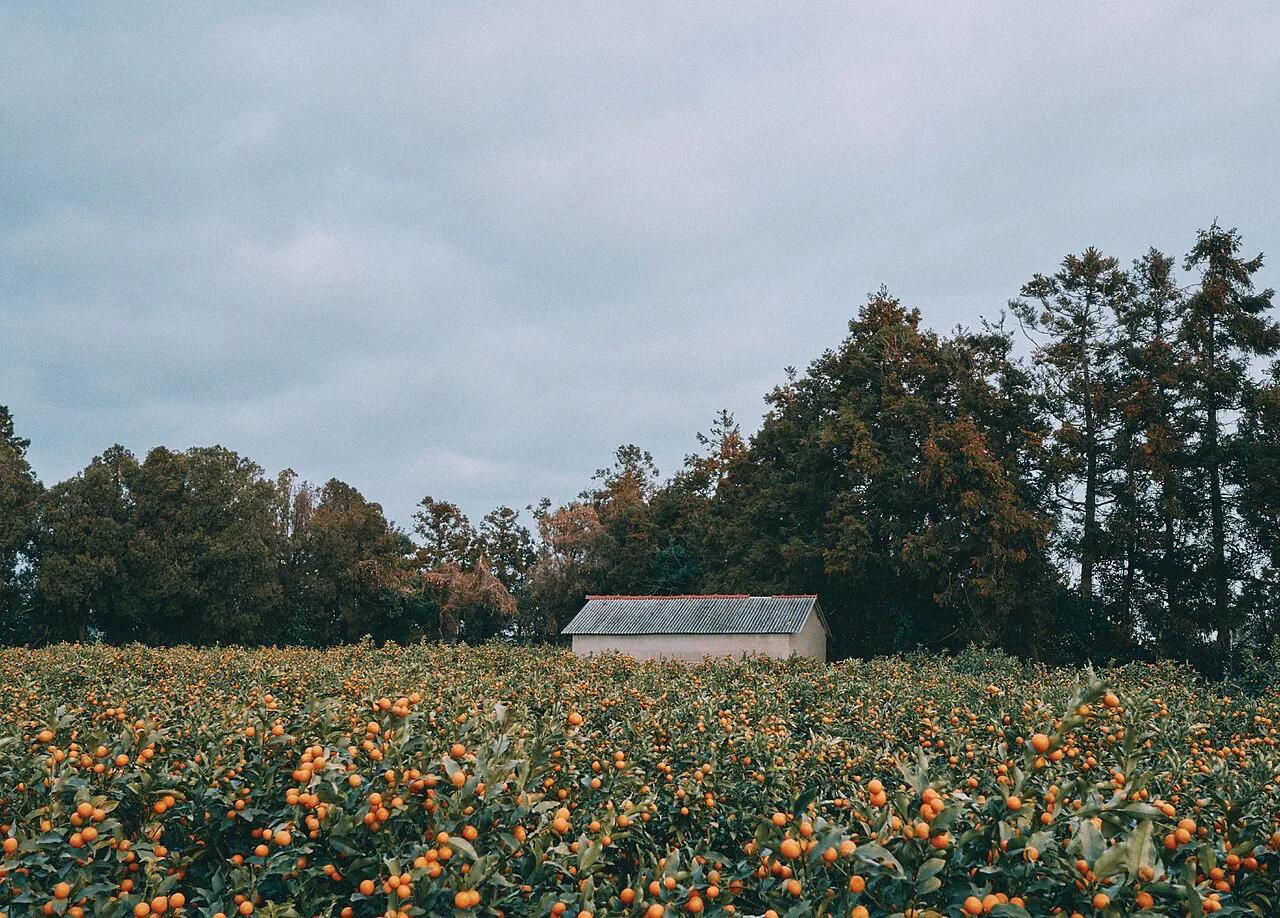
Last updated November 2026: Jeju tangerine picking is a winter activity, and you can do it at farms around Seogwipo and Namwon-eup. Hueree Natural Park lists its citrus experience as open to all ages from October to February. Choose a farm, then check its hours and booking rules before you drive out.
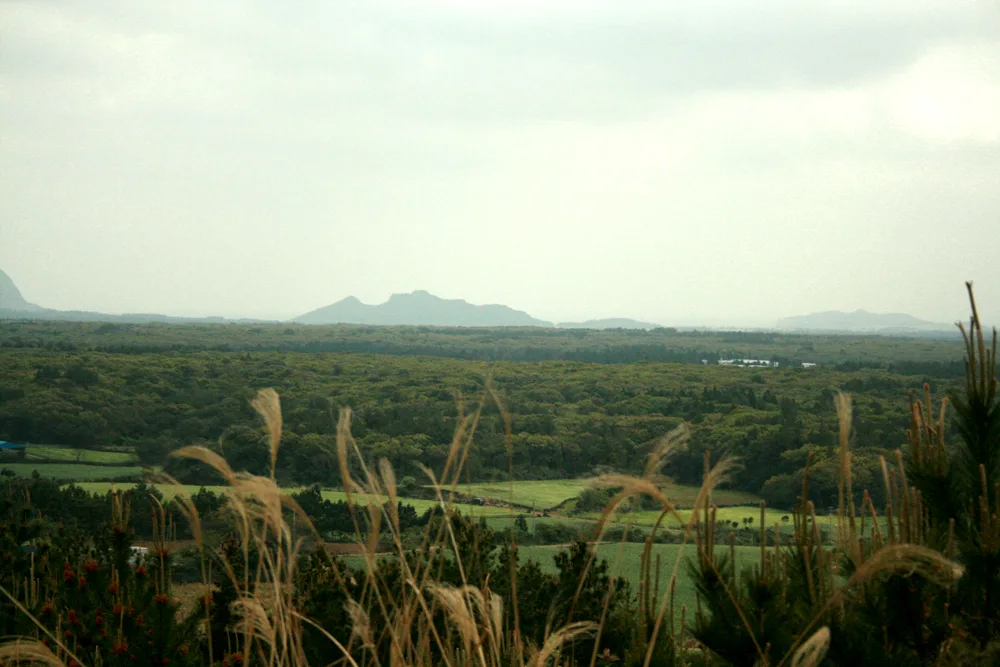
Featured image: Jeju Olle Foundation, CC BY-SA 4.0, via Wikimedia Commons.
Can you pick tangerines on Jeju?
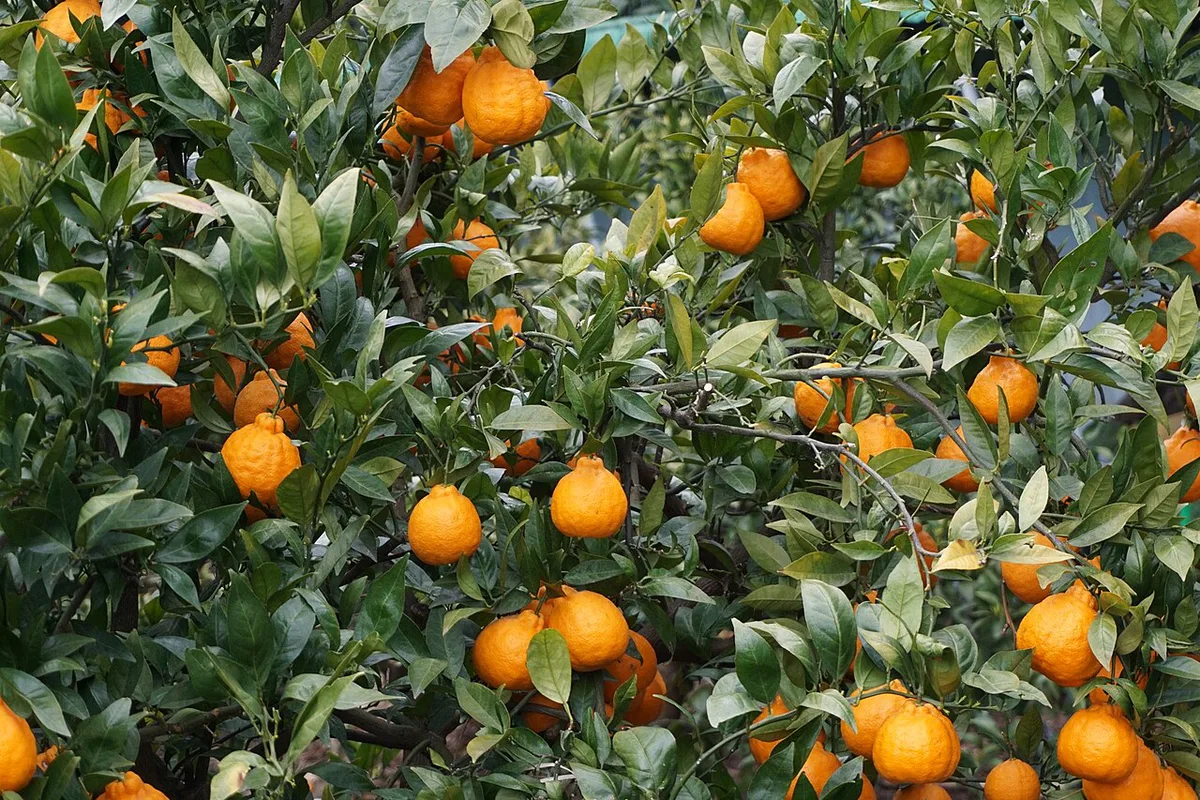
Yes. Jeju grows citrus across the island, and several farms let visitors pick fruit themselves. Locals call the fruit gyul (감귤). There are two main routes. You can book a packaged farm experience through a platform, or you can go to an orchard or park that sells its own entry. Both work best on the south side of the island, where the farms around Seogwipo and Namwon-eup sit. Prices and hours below were checked November 2026.
When is Jeju tangerine picking season?
Hueree Natural Park runs a citrus experience that is open to all ages from October to February, and visitors can take the picked fruit home. August and September are different there. Those months are set aside for children's education, and the fruit picked is green citrus. One booked farm listing in Namwon-eup shows an end date around 20 January, and it warns that picking can stop early if the fruit or farm conditions change. Treat late January as the risky edge of the window. For the wider picture, read our Jeju winter guide. Planning dates is easier with the Best Time to Visit Jeju: Month-by-Month Guide page.
Hours at Hueree run 09:00 to 18:00 across the same October to February stretch that the citrus experience covers.
- Early season: see Jeju in October: Weather, Fall Colors & What to Do for what the island is like when picking starts.
- Peak window: Jeju in November: Weather, Sights and Who Should Go and Jeju in December: Weather, Things to Do and Tips cover the weeks when most farms are open.
- Late season: Jeju in January: Weather, What to Do & Winter Tips is the month when farms may close early.
Which citrus will you meet on Jeju?
Standard Jeju tangerines are the small, easy-to-peel fruit you will see in roadside stalls and orchards. Hallabong is another well-known Jeju citrus, and it is a different fruit with its own harvest timing. Ask each farm which varieties are ripe on your day. A farm that is picking mandarins may not be picking hallabong. Do not assume every orchard offers both.
Where to pick: Seogwipo, Namwon and near Jeju City
Seogwipo is the practical base for tangerine picking. Hueree Natural Park sits at 256 Sinnyedong-ro, Namwon-eup, Seogwipo-si. One booked farm experience also lists a Namwon-eup address. Both are on the south side, so they fit into a south-coast day rather than a Jeju City day. Experience farms near Jeju City exist too. Each sets its own hours and prices. Seogwipo is worth a few days on its own, and the Visit Jeju page on Seogwipo sights and visitor information is a good starting point for the rest of the area. A rental car or taxi is the realistic way to reach a farm. Save the farm's Korean address or map pin before you leave.
Book a voucher or turn up at the farm?
A voucher gives you a fixed option and instant confirmation. Walking in leaves the farm in charge of price and hours. Use the table to decide.
| Route | Flexibility | Price clarity | Cancellation | Best for |
|---|---|---|---|---|
| Platform voucher | Fixed date and option | Shown before you pay | One listing is non-refundable once the voucher is sent | Travelers who want a guaranteed slot |
| Walk-in at a farm or park | Choose your own time | Set by the farm at the gate | Nothing to cancel | Flexible drivers on the south coast |
What does tangerine picking cost and how long is it open?
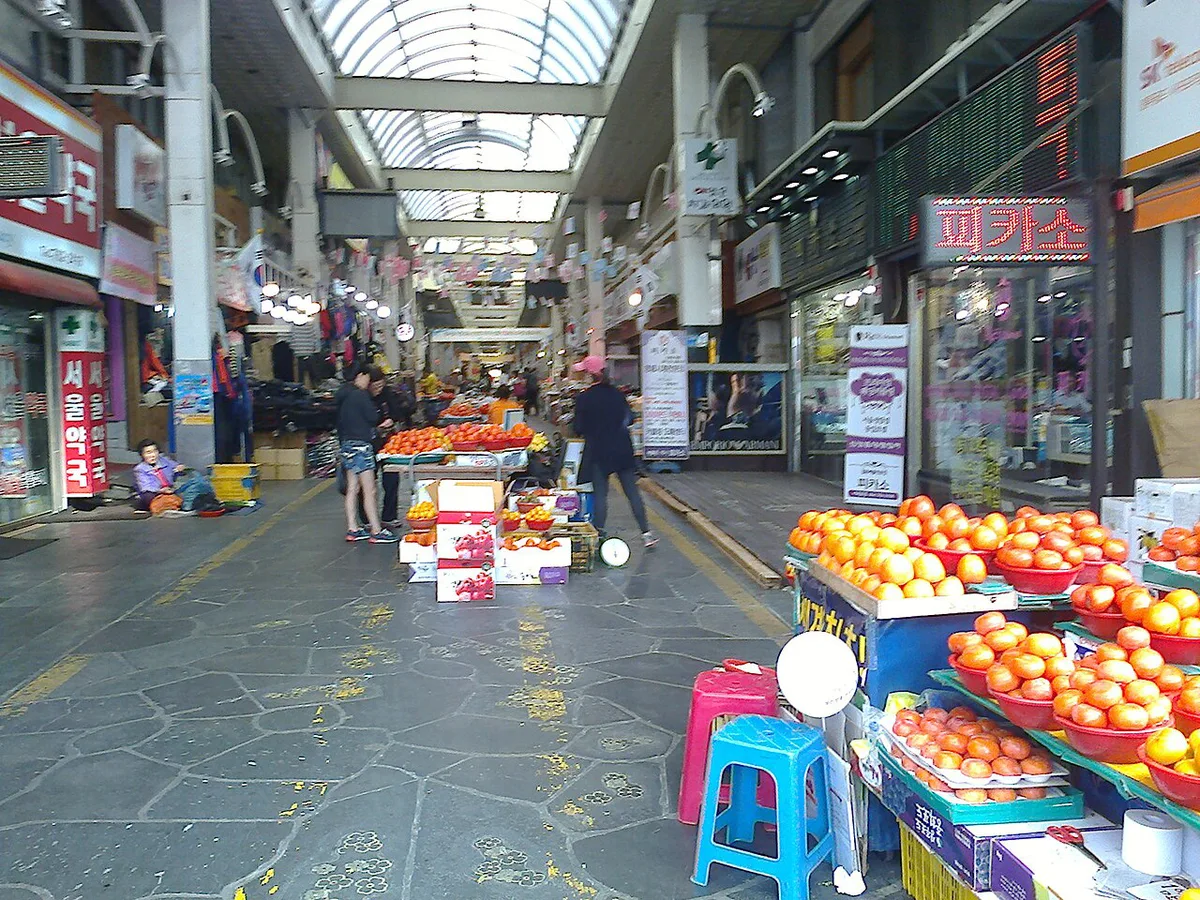
Costs follow two patterns. One is entry with all-you-can-eat fruit. The other adds about 1 kg to take home, which is optional. One Namwon-eup listing charges the same price for adults and children aged 3 and over. Children under 3 enter free with photo ID. Minimum group size is 1 person, and bookings close 1 day ahead. Hueree Natural Park has a published ticket price: ₩13,000 for adults, ₩11,000 for teenagers and ₩10,000 for children. Children aged 35 months or younger are free. In winter, from October to February, the park is open 09:00 to 18:00, with last admission at 16:30. The same 16:30 last admission appears on the farm listing, which runs 09:00 to 17:00. Farms set their own hours, so a mid-afternoon arrival is safer than a late one. Plan a short stop and pair it with another south-coast sight. Check the farm's own page for the current price before you go.
Who should do it, and who should skip it
Families with children over 3 get the most from it, since fruit is the whole point. Couples on a south-coast day also fit well. Skip it if you dislike citrus, or if you are visiting outside October to February. Travelers with only carry-on luggage may also prefer to skip the take-home kilo. Ask your airline and the farm about carrying fruit. If you miss the season, spring is a better time for flowers. See Jeju Cherry Blossoms: When and Where to See Them for that option.
Carry-on-only trips can skip the option that adds about 1 kg to take home, since it is optional and entry alone still includes all-you-can-eat fruit.
Mistakes to avoid and a rain plan
Orchards are outdoors, so winter weather matters. Check Jeju weather by month before you pick a day. For forecasts on the day, use the Korea Meteorological Administration. Dress in layers and wear shoes you can get muddy. Rain makes the ground slippery between the trees. Hueree Natural Park lists its citrus experience as depending on season, fruit growth and on-site conditions, so ask about experience hours before you set out.
- Arriving after last admission at 16:30.
- Booking a non-refundable voucher without checking the forecast.
- Turning up outside October to February.
- Assuming one farm's rules apply to every farm.
Frequently Asked Questions
What is the most famous fruit grown on Jeju Island?
Jeju is best known for its tangerines, called gyul in Korean. Hallabong is another well-known Jeju citrus. Both are tied to the winter picking season.
Notes for your Korea trip
Optional updates to our city guides.
You might also like
Continue reading
More guides you'll find useful