Jeju in Winter: What to Expect, Where to Go and What to Skip
Planning Jeju in winter? Weather, Hallasan snow hikes, camellias, hot springs, rainy-day backups and who should skip it.
On this page
Last updated November 2026. Jeju in winter suits travelers who want quiet trails, red camellias, snow on Hallasan and hot springs. It is a poor fit if you want beach weather or flexible mountain plans, because wind and sudden weather changes shape every day.
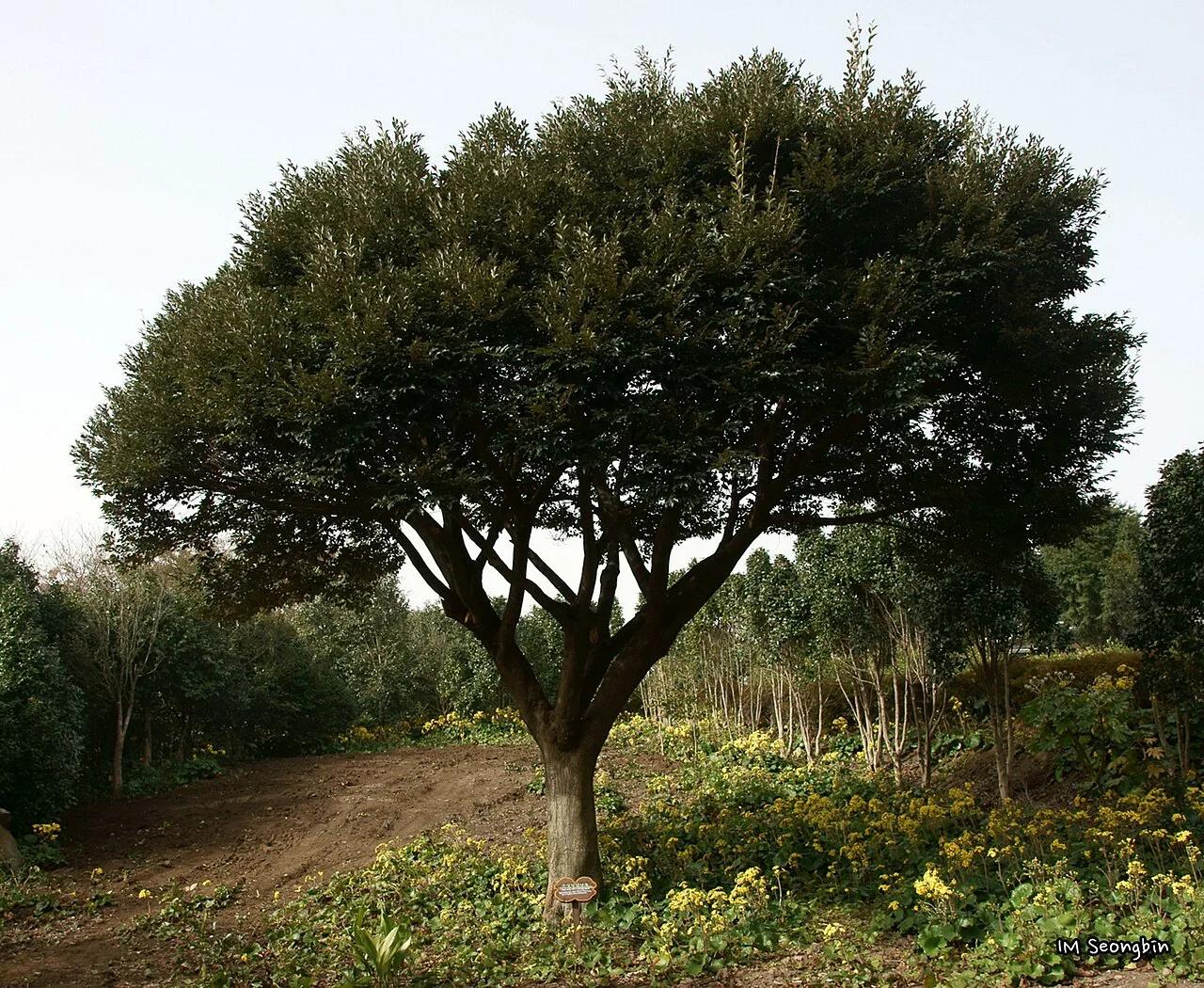
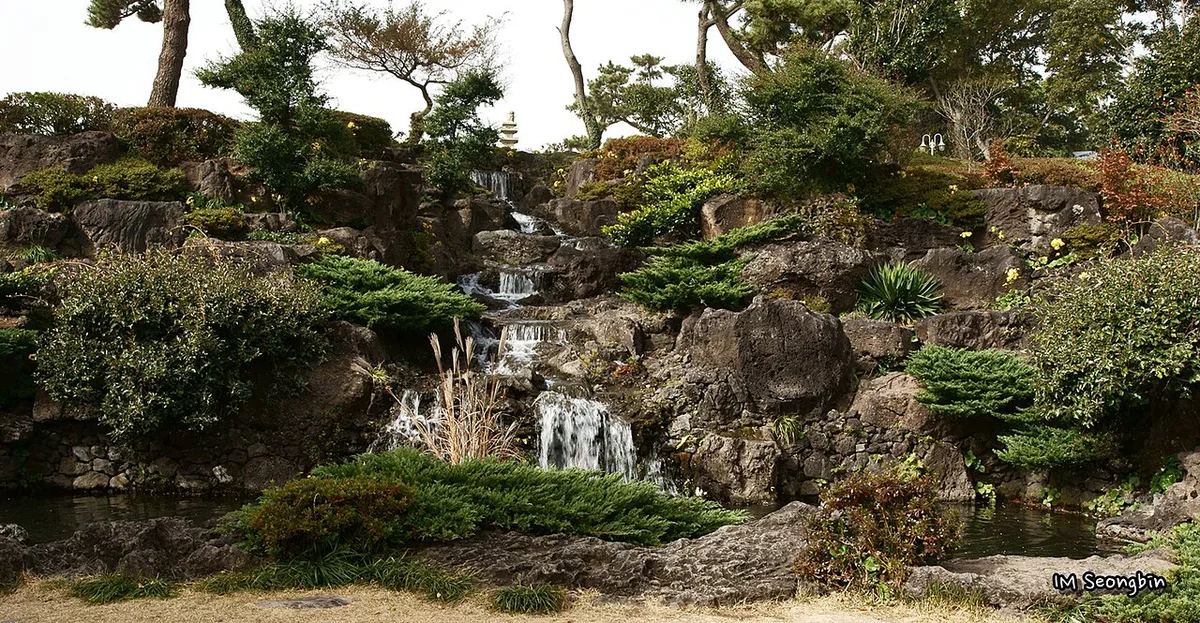
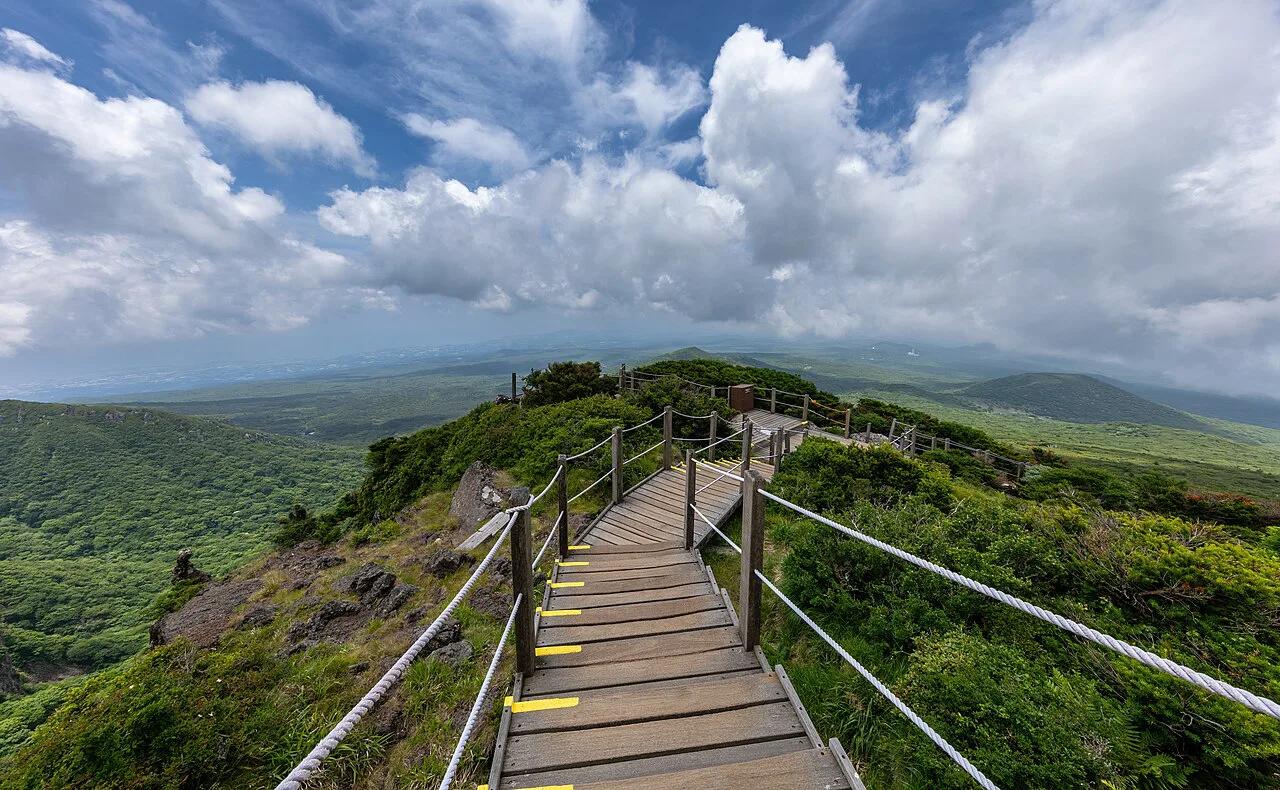
Featured image: 골뱅이, CC BY-SA 3.0, via Wikimedia Commons.
Is Jeju in Winter Worth It?
Yes, if you plan around weather instead of against it. Winter means fewer crowds, camellias in bloom, tangerine orchards and snow-covered Hallasan. Couples, food lovers, photographers and slow travelers get the most from it. Beach lovers and hikers who need fixed dates are better served in other months. Our Best Time to Visit Jeju: Month-by-Month Guide guide compares all four seasons. Winter runs from December to February here, with snow mostly on Hallasan and the interior and sunnier stretches along the south coast.
Jeju Winter Weather: Wind, Rain and Snow
Jeju is milder than the mainland in winter, but wind is the real chill factor. In our editorial planning estimate, January daytime highs sit near 8°C (46°F) and nights near 2°C (36°F). Hallasan's upper slopes are often below freezing, around -5°C (23°F) in snowy spells. Snow falls mostly on the mountain and interior, while the south coast near Seogwipo often stays clearer. Daylight is short, so Seongsan Ilchulbong runs 06:00–18:00 from November to February. Pack a windproof shell, thermal layers and grippy shoes. For official forecasts and snow data, use the Korea Meteorological Administration. Month detail is in our Jeju weather guide.
- Windproof outer layer and thermals
- Waterproof, grippy shoes for wet stone
- Crampons if you plan any Hallasan snow hike
- Gloves and a hat for coastal viewpoints
Jeju Winter Season Comparison
Winter is the quietest and cheapest stretch for rooms. As a rough editorial planning guide, mid-range rooms may run about ₩70,000 a night in January against ₩150,000+ in July. Treat those as ballpark figures and compare live rates before booking. Temperatures below are typical editorial estimates, not forecasts.
| Season | Typical daytime temp | Crowds and prices | Best for |
|---|---|---|---|
| Winter (Dec–Feb) | 6–9°C (43–48°F) | Quiet; lowest room rates, about ₩70,000 in January | Camellias, hot springs, Hallasan snow |
| Spring (Mar–May) | 12–20°C (54–68°F) | Busier; rates rise | Canola flowers, cherry blossoms |
| Summer (Jun–Aug) | 27–31°C (81–88°F) | Peak crowds; about ₩150,000+ in July | Beaches, swimming |
| Autumn (Sep–Nov) | 15–23°C (59–73°F) | Moderate to busy | Hiking, tangerine season |
Things to Do in Jeju in Winter
Sort plans by weather tolerance. Red camellias bloom in winter at Camellia Hill, Camellia Forest and the Jeju Camellia Arboretum, all listed by Visit Jeju. For a bloom-by-bloom view, see our Jeju spring blossoms guide. Seongsan Ilchulbong runs 06:00–18:00 from November to February, with the last ticket sold at 17:00. Reaching the summit via the paid section takes about 30 to 40 minutes. It closes on the first Monday of each month. Hallim Park takes about 1 hour 30 minutes, opens year-round and has free parking. Hot springs and tea houses suit cold evenings, and Visit Jeju lists Jeju Aragonite Hot Springs and Sanbangsan Carbonate Hot Springs. Seogwipo rewards a few days, with Saeyeon Bridge and Saeseom as must-sees. For fruit, try tangerine picking at village farms. Official winter themes are on the Visit Jeju tourism site.
Hallasan in Winter: Trails and Reservations
Hallasan is the main snow draw. Visit Jeju says the summit route to Baengnokdam needs an advance reservation. It also says the Yeongsil and Eorimok trails need none and suit snowy days. Crampons are essential in snow. Storms can close the summit or cancel reservations, so keep a lower-trail plan ready. Start early, turn back if whiteout conditions build, and never assume the summit is open.
| Trail | Reservation | Winter fit |
|---|---|---|
| Baengnokdam summit | Advance reservation required | Weather-dependent; may close |
| Yeongsil | None | Good for snowy days |
| Eorimok | None | Good for snowy days |
Plan B When Weather Closes Things
Match each day to the forecast. On a clear day, do Seongsan Ilchulbong at sunrise, then walk the free section toward Umutgae Beach. On a windy or rainy day, visit Hallim Park or Jeju museums, bookstores and tea houses. On a snow or road-closure day, choose a hot spring or stay near Seogwipo. Arrive at sights well before closing, since Seongsan stops ticket sales at 17:00 in winter. Leave slack around flights for delays.
Seongsan's 06:00–18:00 winter window is short on daylight, so a clear-day sunrise start makes the most of it.
Getting Around and Where to Stay
Seogwipo suits travelers who want a south-coast base with milder, sunnier stretches. Jeju City works for flights and city access. The east coast around Seongsan is exposed to wind but close to the sunrise sights. A rental car gives freedom, but ice on mountain roads can end a drive, so many winter visitors switch to buses or taxis on bad days. Rates and transport details change by season, so check booking sites and the Korea Tourism Organization before you go.
Winter Versus Nearby Months
Months differ more than you might expect. Go earlier for color with Jeju in October: Weather, Fall Colors & What to Do or Jeju in November: Weather, Sights and Who Should Go. Our December guide covers early-winter events, and Jeju in January: Weather, What to Do & Winter Tips covers the coldest stretch. If you can wait, Jeju in March: Weather, Blossoms & What to Expect brings milder days. Jeju in April: Weather, Blooms & What to Expect adds flowers, and the canola flower season turns fields yellow.
Mid-range rooms may cost about ₩70,000 in January but ₩150,000+ in July, a gap worth weighing against March's milder days.
Frequently Asked Questions
How cold does Jeju get in winter?
Coastal highs sit near 8°C (46°F) in January in our editorial estimate, with wind making it feel colder. Hallasan is far colder and snowy. Pack windproof layers.
Which month to avoid Jeju?
Avoid peak summer if you dislike crowds and high rates. In winter, avoid planning fixed Hallasan summit days around storms. January is the coldest stretch.
Notes for your Korea trip
Optional updates to our city guides.
You might also like
Continue reading
More guides you'll find useful