Jeju in March: Weather, Blossoms & What to Expect
Is Jeju in March worth it? Weather, early canola and cherry blossoms, what's open, and how to plan early versus late March.
On this page
Last updated November 2026: Jeju in March is a cool, windy shoulder month, and the island blooms before the mainland does. Early March still feels like winter, while late March brings the first canola and cherry blossoms. Plan around bloom timing, layers and mountain access, and read our year-round Jeju timing guide if your dates are flexible.
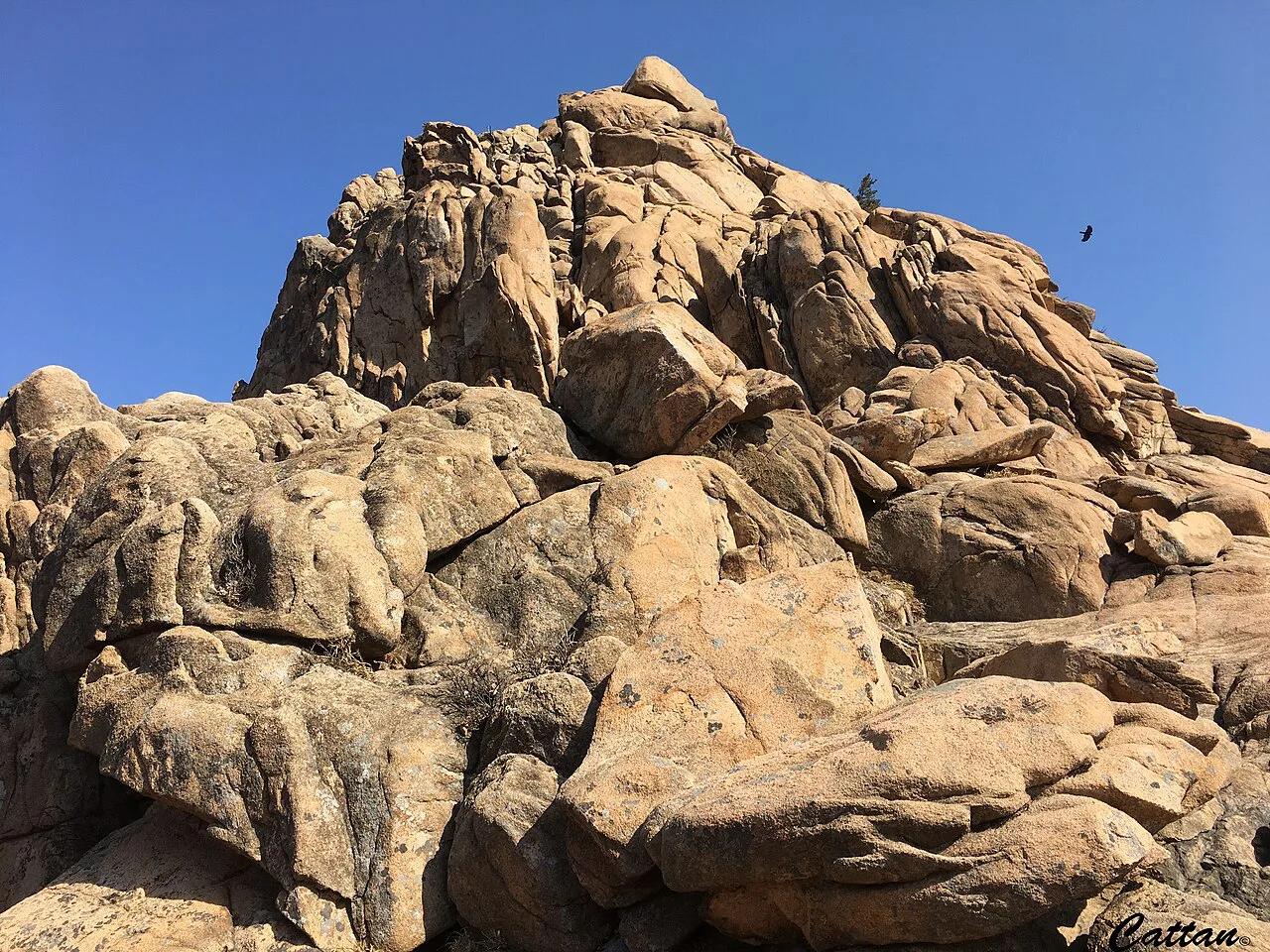
Featured image: cattan2011, CC BY 2.0, via Wikimedia Commons.
Is Jeju in March Worth Visiting?
Yes, if you want quiet attractions and can accept wind. March suits travelers who like gentle light and short queues at Seongsan Ilchulbong. It also suits flower chasers who can stay flexible. Bloom-first travelers with fixed dates should lean toward April. Beach days are not on the March menu. Expect jackets, not swimwear, and treat any flowers as a bonus rather than a promise.
Jeju Weather in March: Temperatures, Wind and What to Pack
Daytime temperatures in March commonly run about 8–14°C, with an average near 11°C. Published figures differ by a few degrees, and coasts differ from the Hallasan slopes. Check the Korea Meteorological Administration forecast a few days before you fly. Wind matters more than the thermometer on exposed coasts and on the Seongsan Ilchulbong ridge. Month-by-month numbers sit in our Jeju weather breakdown. Pack in layers, ordered from skin outward.
- Base layer: thin thermal top for early-morning starts
- Mid layer: fleece or light sweater for midday walks
- Outer layer: windproof jacket with a hood
- Accessories: scarf and light gloves for coastal wind
- Shoes: grippy walking shoes for oreum trails and wet stone
Early, Mid and Late March: How the Month Changes
March splits into three very different weeks. Early March keeps a winter feel, with camellias still open and plum blossom fading. Mid-March brings the first canola near Gasi-ri. Cherry blossoms arrive late in the month, roughly 7–10 days ahead of the mainland. Bloom dates shift with each year's weather, so build in a buffer of several days rather than locking a single day.
| Period | What is likely | Best for |
|---|---|---|
| Early March (about 1–10) | Winter-like air, camellias, fading plum blossom, few crowds | Quiet sightseeing and lower pressure |
| Mid March (about 11–20) | First canola near Gasi-ri and Noksan-ro, cool wind | Flower scouting with flexible plans |
| Late March (about 21–31) | Canola building toward peak, first cherry blossoms | Bloom-chasing, with more people around |
Blossoms and Flowers in March
Canola is the headline flower. One seasonal guide puts its peak from mid-March to mid-April. Noksan-ro, at Gasi-ri in Pyoseon-myeon, is lined with canola every spring. Where cherry blossom and canola overlap, some sections show both together. A canola festival is held on a nearby vacant lot at full bloom. Our canola season guide covers more fields.
- Cherry blossom: Jeonnong-ro in Jeju City is a tree tunnel of about 1.5 km, and its blossom usually opens in the last week of March. Details are in our cherry blossom timing page.
- Camellia: Dongbaek-ro in Seogwipo and Hallim Park are the usual stops, with March as a peak month.
- If the bloom runs late: spend the day in Seogwipo. Visit Jeju calls Saeyeon Bridge and Saeseom a must-see if you stay a few days there.
Best Things to Do in Jeju in March
Hours below were checked November 2026 on official pages. Seongsan Ilchulbong runs 05:00–19:00 from March to April, with the last ticket sale at 18:00. It closes on the first Monday of each month. The paid climb to the summit takes about 30 to 40 minutes. A free, gentler section leads toward Umutgae Beach. Outside food is not allowed. Wind is strongest here, so dress for it.
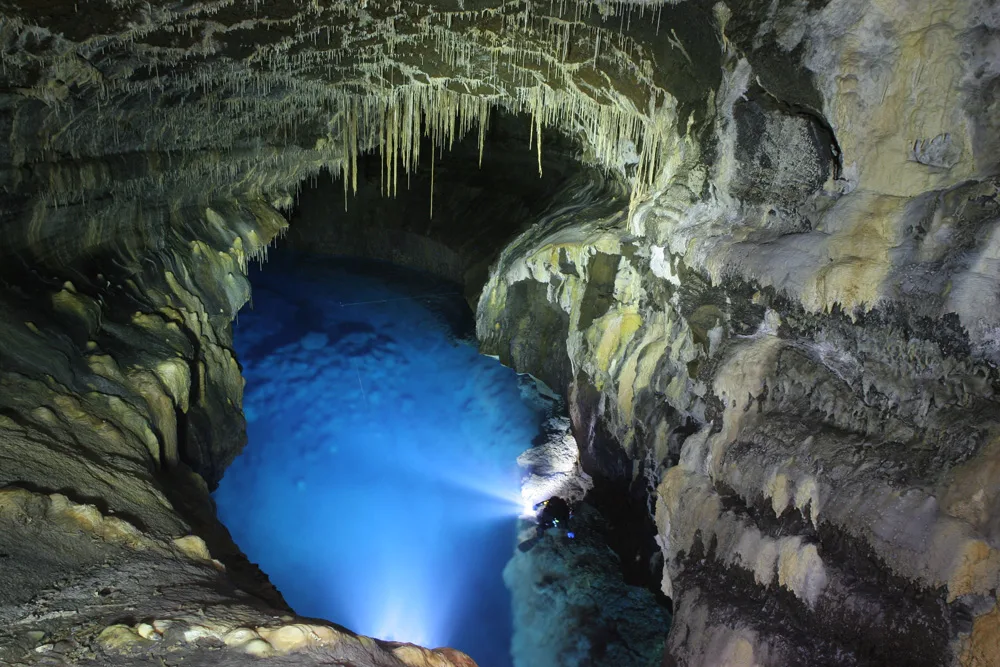
- Manjanggul Lava Tube: open 09:00–18:00, last ticket 17:00, closed the first Wednesday of every month. Visitors enter by Entrance 2 and explore about 1 km. It makes a good wind and rain fallback.
- Hallim Park: open year-round with no regular closing days, free parking, and a visit of about 1 hour 30 minutes. It is another solid wet-weather option, and camellias are a draw here.
- Saebyeol Oreum: a summit climb of about 20–30 minutes from a public car park. The west trail is steeper than the east one. Watch for snakes and ticks.
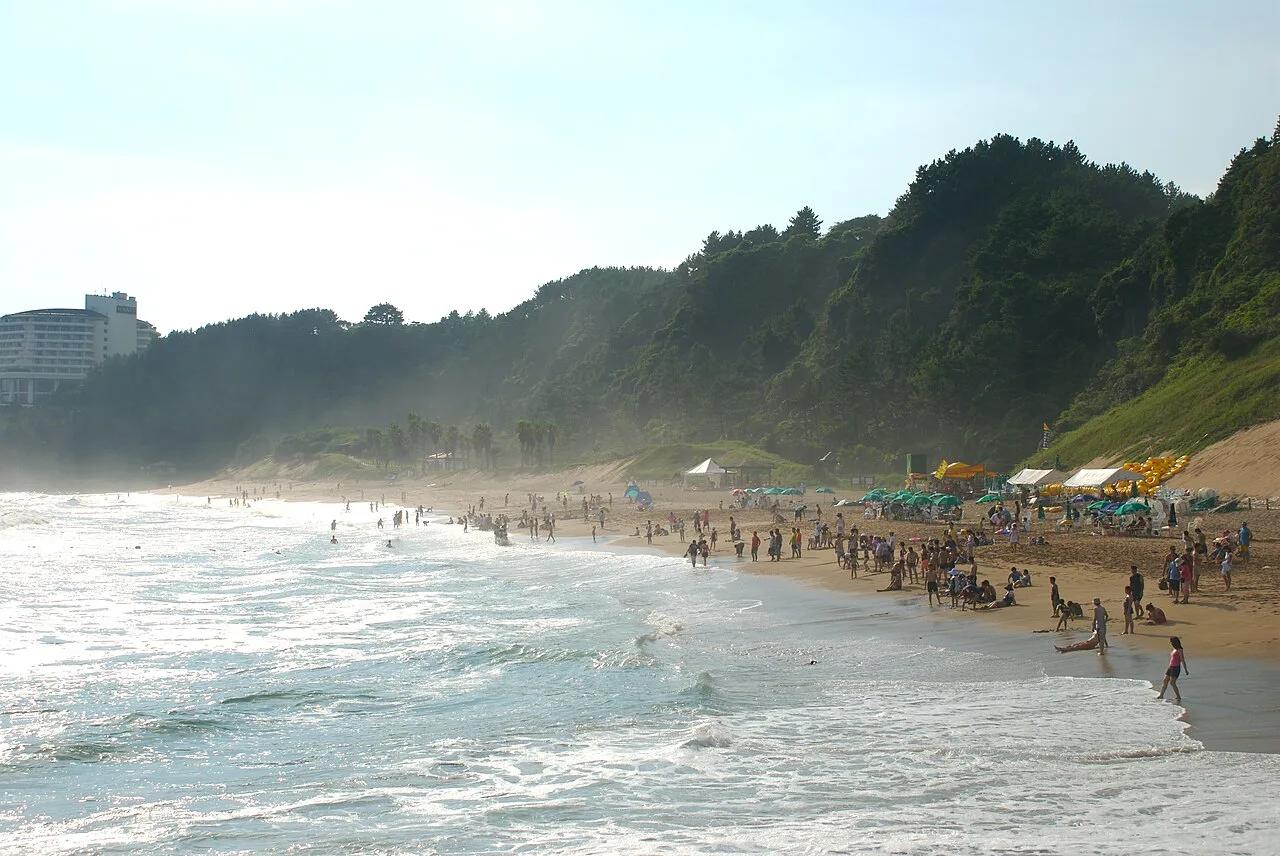
- Hyeopjae Beach: a walk, not a swim. The 2026 designated swimming period runs June 24–September 6, so March water is for looking at.
Routing, Car or Bus, and Mountain Checks
Group stops by coast to save daylight. Seongsan Ilchulbong and Gasi-ri fit one eastern day, with Seogwipo as a southern day. Hallim Park and Hyeopjae Beach fit a western day. A car gives the most flexibility for canola roads and oreum. Many oreum lack parking, and some GPS pins miss the trailhead. Call the Jeju Tourist Information Center on 064-740-6000, or use the Visit Jeju official site. Check Hallasan trail status before any climb, as mountain access can still be limited in early spring.
Saebyeol Oreum's summit takes 20–30 minutes, and the Jeju Fire Festival is held around it, so a festival week means a busier climb.
Jeju in March vs. Neighbouring Months

March sits between a quiet winter and a busier bloom season. For a firmer bloom and warmer afternoons, read about Jeju in April: Weather, Blooms & What to Expect. For the cold, empty baseline, see January's colder baseline. Our winter contrast page covers snow and short days. Plan bookings earlier if your dates hit the late-March blossom peak.
| Month | Mood | Trade-off |
|---|---|---|
| January | Cold, quiet, winter | Little bloom, short days |
| March | Cool, windy, first flowers | Bloom may not have started |
| April | Peak blossom and canola | Higher crowds and prices |
Mistakes to Avoid in March
Four errors cause most disappointment. Assuming beach weather leaves visitors cold and unprepared. Underpacking for wind is the next trap. Locking one date to a bloom, with no buffer days, risks arriving early. Skipping Hallasan trail checks can waste a morning. Fix all four with layers, flexible days and a backup indoor stop such as Manjanggul or Hallim Park.
Hallim Park's visit takes about 1 hour 30 minutes and parking is free, which makes it a short backup when plans fall through.
Jeju Fire Festival: A March Timing Wildcard
The Jeju Fire Festival can overlap with a March trip because it is held around the first full moon of the lunar calendar. Its calendar date changes each year, so it may fall outside your stay. The festival takes place around Saebyeol Oreum, where the summit walk takes about 20–30 minutes.
The event has changed substantially. Since 2025, the former volcanic-cone fire setting has been replaced by a digital fire display. Moon-house burning, cultural performances and experience programs remain part of the festival format. Expect the area to be busier than on an ordinary March day, especially around evening programs.
Use the public car park near the entrance, then choose the gentler eastern trail if you want to walk uphill. The western trail is steeper. For the latest event details and oreum access guidance, contact the Jeju Tourist Information Center on 064-740-6000.
Frequently Asked Questions
Is March a cold month in Korea?
On Jeju, March is cool rather than cold, with daytime highs around 8–14°C. Wind makes coasts feel colder, so wear layers. Jeju also blooms roughly 7–10 days before the mainland.
What is the best month to go to Jeju?
Guides commonly name April–May and October for mild weather. March trades some warmth for quiet and a chance at early canola. Choose it if you value fewer people over a guaranteed bloom.
How many days is enough for Jeju?
Many guides suggest 3–4 days for a first loop of the east and south. Visit Jeju says a few days in Seogwipo alone is well spent. Add days if you want unhurried oreum climbs.
Notes for your Korea trip
Optional updates to our city guides.
You might also like
Continue reading
More guides you'll find useful