Seogwipo Weather by Month: When to Visit and What to Pack
Seogwipo weather by season and month, with packing tips, typhoon and rain planning, and weather-based itinerary swaps for Jeju's southern coast.
On this page
Last updated November 2026. Seogwipo weather is shaped by its position on Jeju's southern coast, which makes it generally milder and more humid than the Korean mainland. Late spring and autumn suit walking, summer brings monsoon rain and typhoon risk, and winter is cool rather than harsh. This guide covers planning ahead, so use the live sources near the end for day-of conditions.
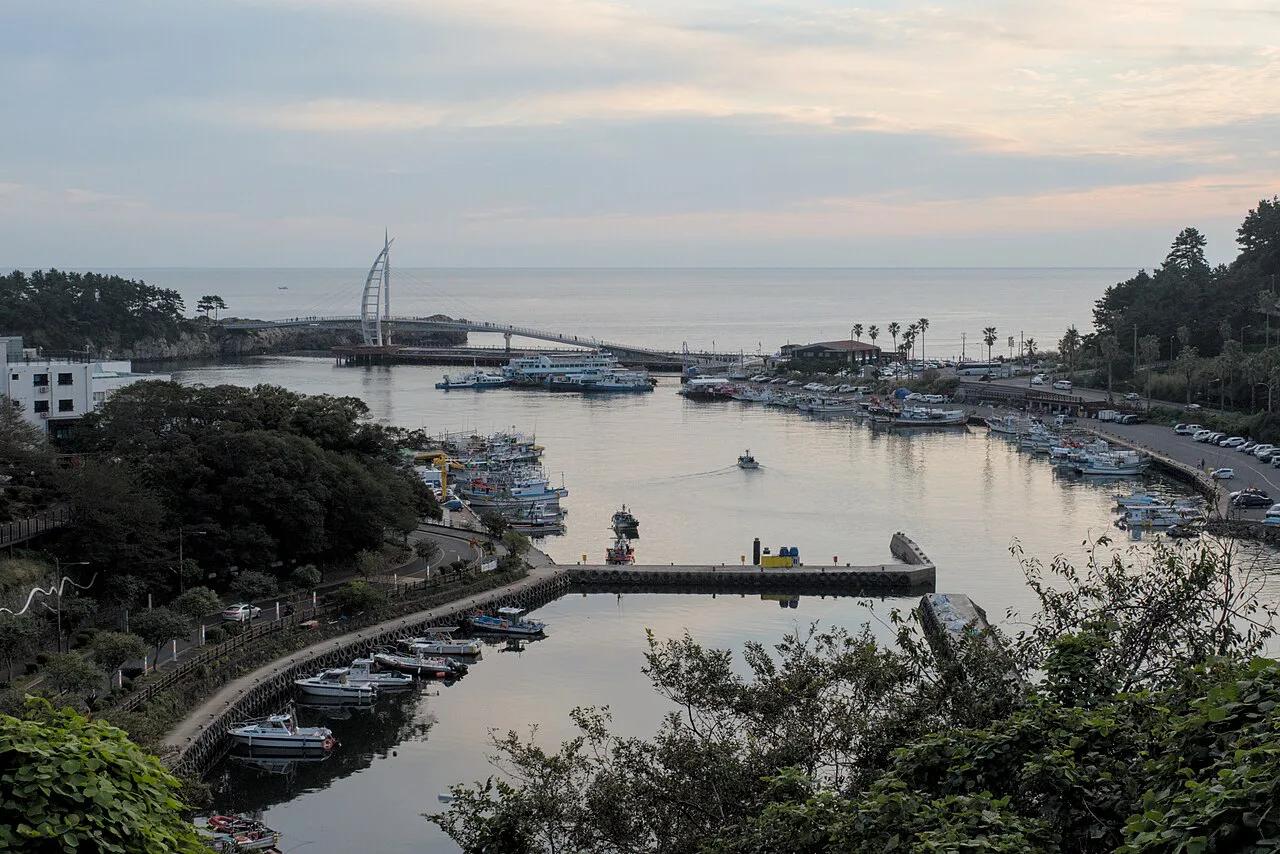
Featured image: KOREA.NET - Official page of the Republic of Korea, CC BY-SA 2.0, via Flickr.
Seogwipo Weather at a Glance
Seogwipo faces the sea to the south, and that coast softens winter cold. Summer feels sticky, with highs near 30°C (86°F) in August. January lows hover around 0°C (32°F) on cold nights. Those are approximate planning ranges, so check the Korea Meteorological Administration for official figures. Prices and conditions in this guide were checked November 2026.
| Season | General feel | Best for | Main risk |
|---|---|---|---|
| Spring (Mar-May) | Mild, breezy, changeable | Coastal walks, photography | Fog and wind on exposed headlands |
| Summer (Jun-Aug) | Hot, humid, wet early | Beach time at Jungmun | Monsoon rain, typhoons, heat |
| Autumn (Sep-Nov) | Clear, comfortable | Hiking, scenery | Early autumn typhoons |
| Winter (Dec-Feb) | Cool, windy, drier | Quiet sightseeing, low crowds | Cold sea wind, short days |
Weather by Season in Seogwipo
Spring warms gradually, with afternoon highs around 18°C (64°F) in April. Sea fog and wind can arrive without warning. Summer begins with the monsoon rains in the early part of the season. July and August turn hot and humid. Typhoon season runs from summer into early autumn. Strong wind can cancel flights and ferries, so keep slack in your schedule. Autumn is the steadiest period once typhoon risk fades. Winter is milder than inland Korea, though wind makes it feel colder than the numbers suggest. Snow is more likely at higher elevations than at the coast.
Month-by-Month Cheat Sheet
Use this as a planning guide, not a forecast. For exact monthly normals, see the Korea Meteorological Administration at KMA's English portal.
| Months | What to expect |
|---|---|
| January-February | Coldest stretch, windy, light crowds |
| March-April | Cool to mild, blossoms, variable skies |
| May-June | Warm and green, rain builds in June |
| July | Monsoon tail, heat, humidity |
| August-September | Hottest weeks, peak typhoon risk |
| October-November | Dry, clear, comfortable for hiking |
| December | Cool, short days, quiet coast |
Best Time to Visit Seogwipo by Trip Type
Hikers do best in October and early November, when air is dry and clear. Beach visitors should aim for July and August, when swimming at Jungmun Beach (Saekdal) Guide: Parking, Surf & Tips is practical. Photographers favor spring and autumn light. For fewer crowds, choose winter or late autumn. In our editorial assessment, a mid-range room might run about ₩100,000 a night in November versus ₩180,000 or more in peak August. Treat that as a planning estimate. Rates move with demand, so compare current listings. Rain-free days around the south coast also open up a lot of free outdoor options, which our budget outdoor guide covers. Pair them with the wider Seogwipo activity guide to match each season to a route.
Beach plans in summer also mean heat, with highs near 30°C (86°F) in August, so sun protection matters as much as swimwear.
What to Pack for Seogwipo
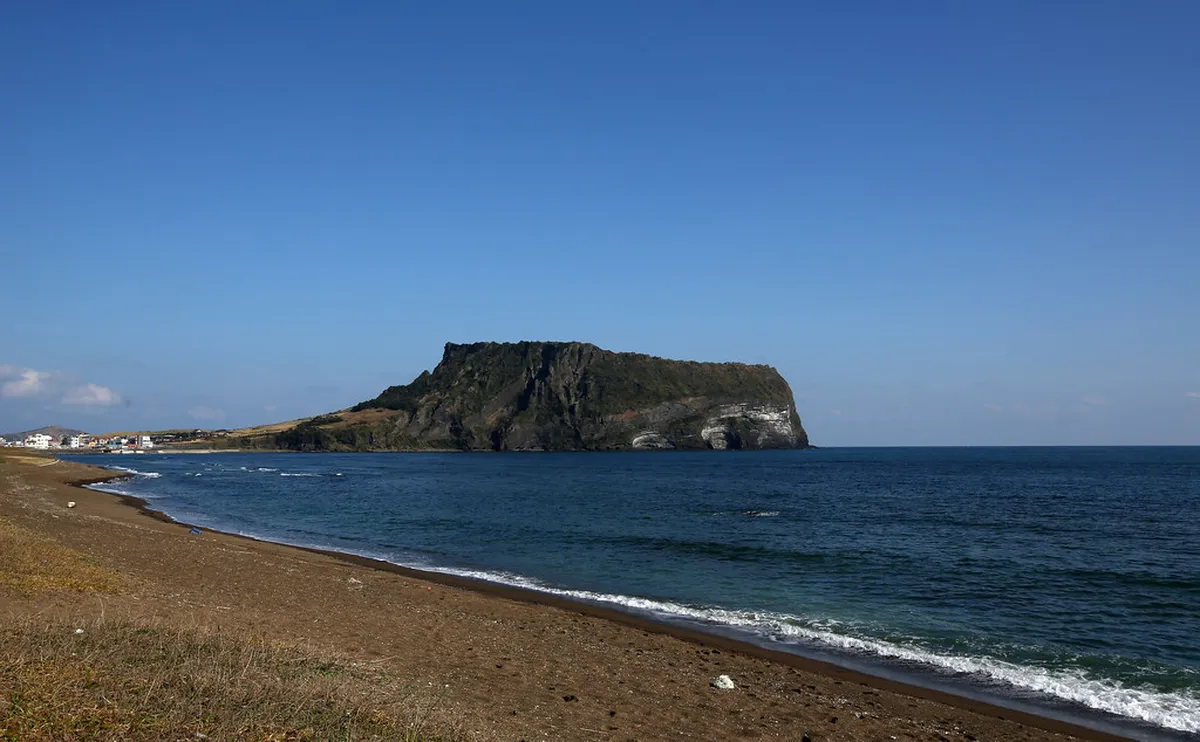
Pack a windproof shell in every season, because the coast is exposed. In summer, add a compact umbrella, sun protection and quick-dry clothes. Spring and autumn call for light layers, since mornings near 10°C (50°F) turn warm by afternoon. Winter needs a warm coat, a hat and gloves. Wear shoes with grip, because wet basalt and trail mud are slippery. Oedolgae Rock is open 24 hours with no closing days, so good shoes matter for any hour you visit. Dogs may enter on a leash or harness within 2 meters, with waste bags required.
Rainy, Windy, or Typhoon Days: What to Swap
Build one indoor fallback into every outdoor day. Our indoor rainy-day options list covers museums and covered stops. If wind is the problem, skip exposed cliff walks and head inland. After dark, cooler evenings suit night-time Seogwipo plans. Hot summer evenings are the best moment for them. Beach days around Jungmun depend on surf and wind, so see Jungmun area planning for alternatives.
- Rain: switch to indoor stops and covered markets.
- Wind: avoid headlands and move inland.
- Fog: postpone viewpoints until it clears.
- Typhoon: stay flexible and follow official warnings.
Getting Around in Bad Weather
Strong wind can disrupt flights, ferries and some roads. Allow a spare day when you travel in typhoon season. Current rules for specific operators change, so rely on the airline and ferry operator for rebooking terms. For visitor guidance on the island, see Visit Jeju's official site. National travel advice sits at Visit Korea's English guide.
Live Forecast and Warning Sources
For the day-of check, use the Korea Meteorological Administration for forecasts and weather warnings. It also publishes typhoon information. Check it each morning in summer and early autumn. Pair it with your accommodation host, who knows which roads and trails are affected.
Frequently Asked Questions
What is the coldest month in Jeju?
January is usually the coldest month, with lows around 0°C (32°F) on the coldest nights. Seogwipo on the southern coast tends to feel milder than the north of the island and the mainland.
What is the monthly weather in South Korea?
Korea has four distinct seasons, with a hot, wet summer and a cold, drier winter. Seogwipo is milder than most of the mainland all year. See the month-by-month table above for the local pattern.
Notes for your Korea trip
Optional updates to our city guides.
You might also like


Continue reading
More guides you'll find useful