Best Time to Visit Busan: Month-by-Month Guide
Find the best time to visit Busan by month, with weather, crowds, events, typhoon risk, and who each season suits.
On this page
Last updated November 2026: the best time to visit Busan is late September through October, with late March to April a close second. May and June work as shoulder months, with milder air than midsummer and thinner crowds than peak beach weeks. Your goal can shift the answer, so the sections below match beach days, blossom, foliage, festivals, budget and winter city breaks to specific months.
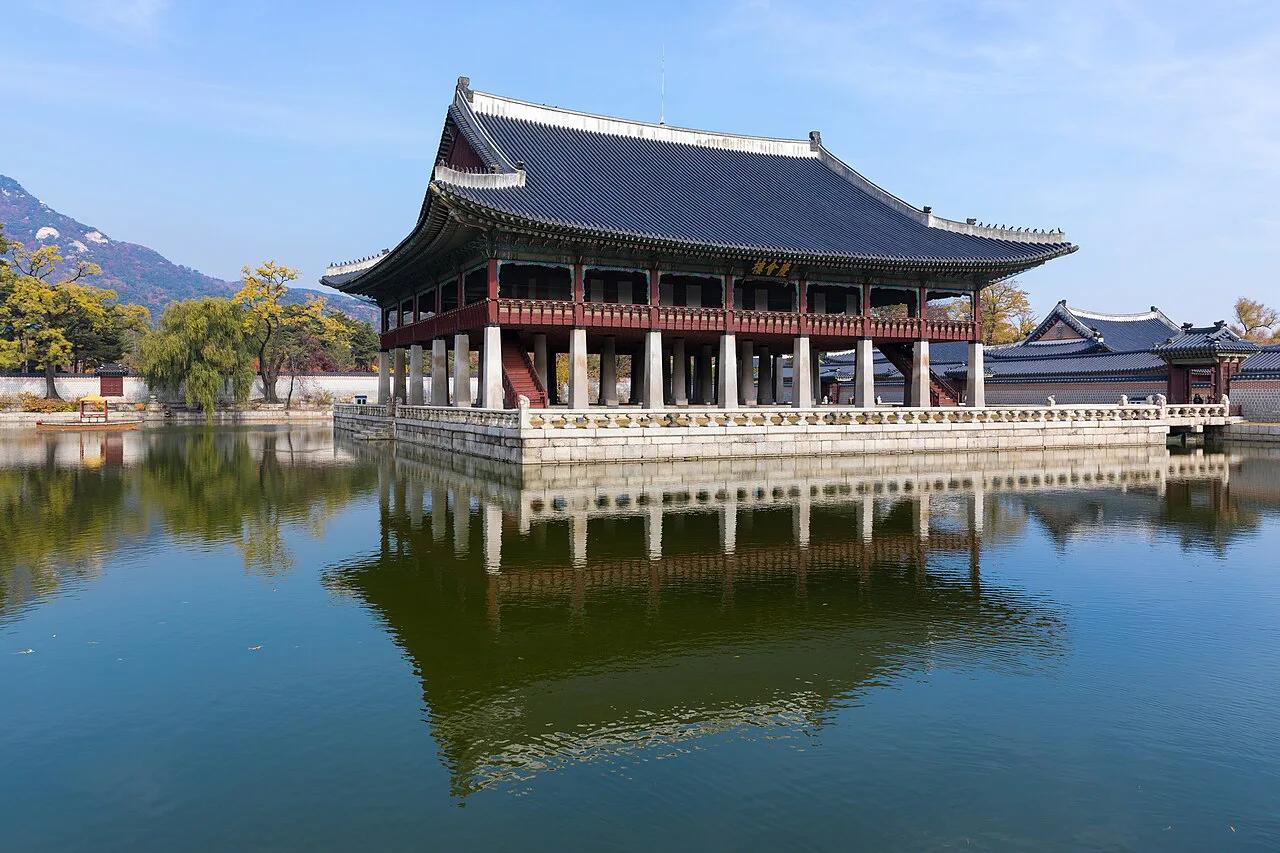
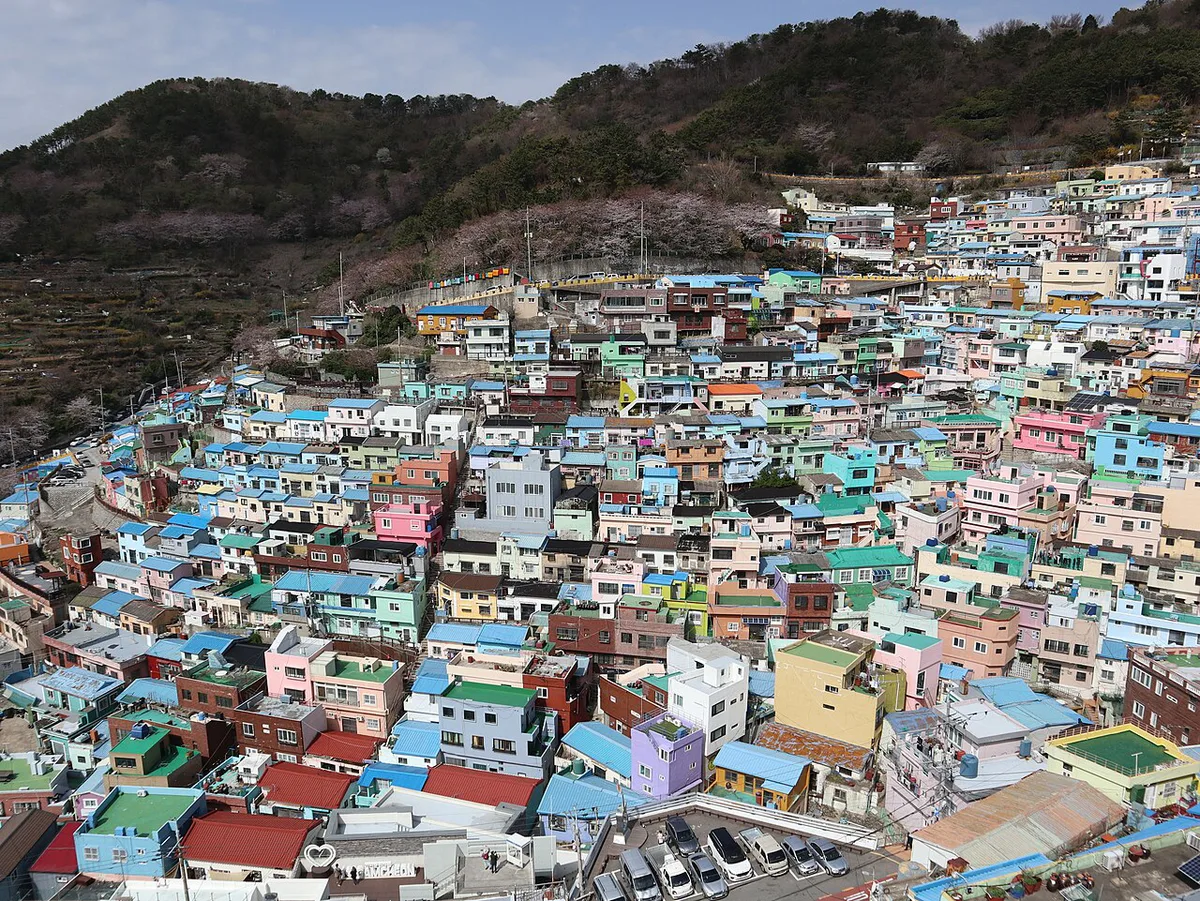
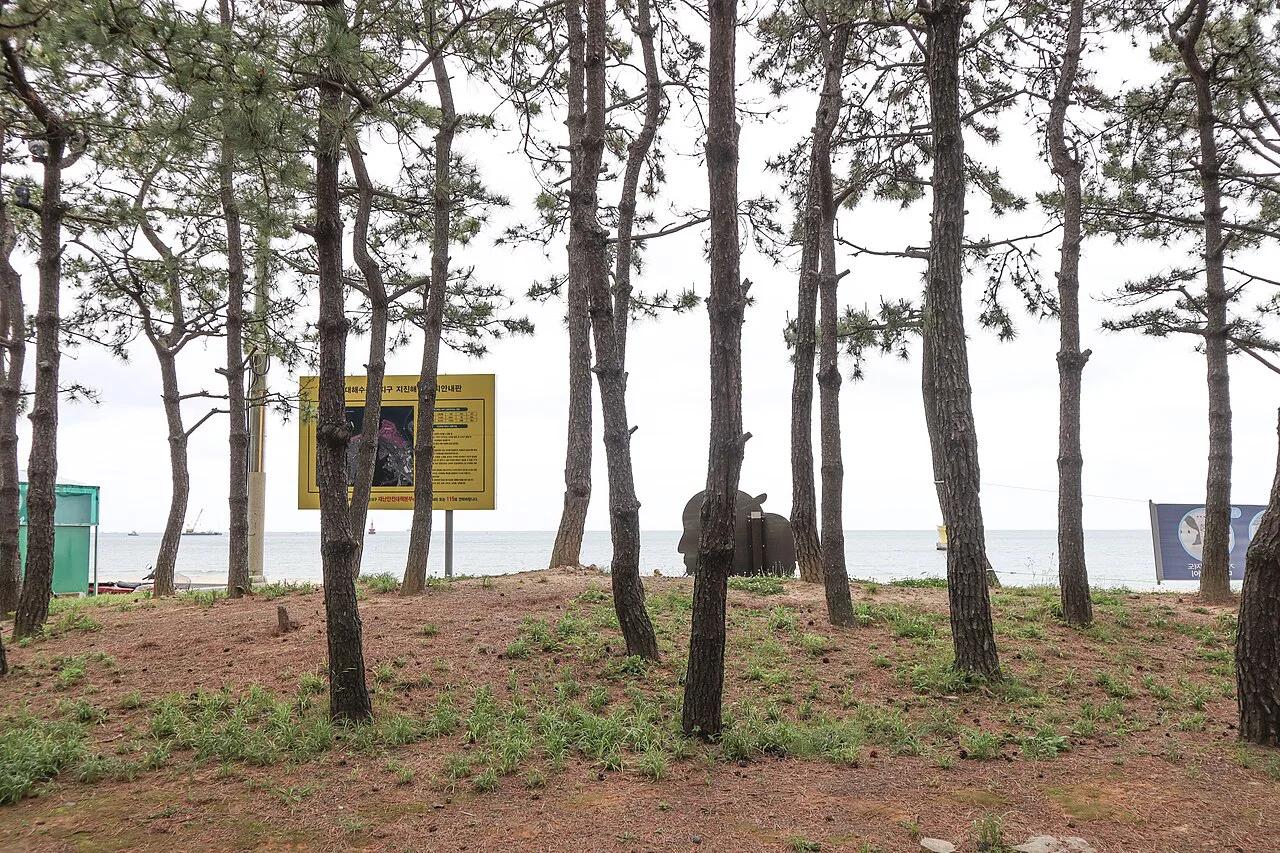
Featured image: Mobius6, CC BY-SA 4.0, via Wikimedia Commons.
Quick verdict: best time to visit Busan
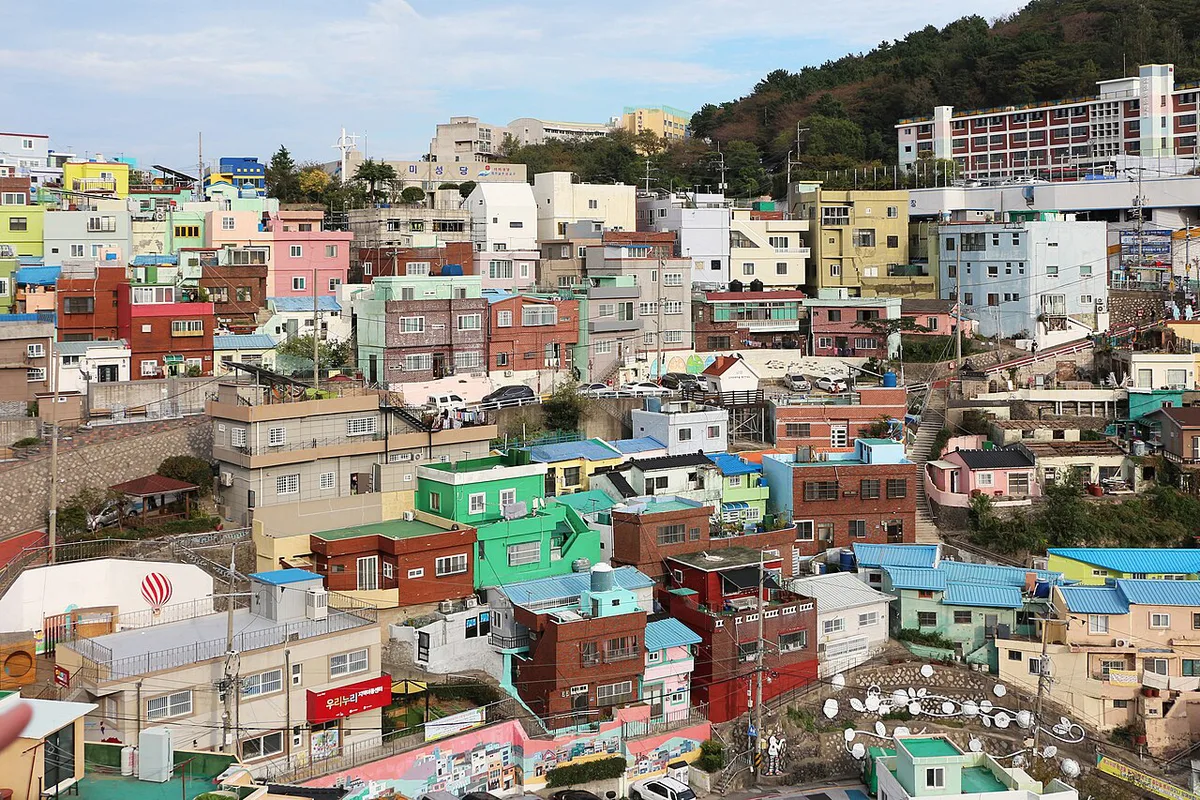
Late September to October gives the most comfortable walking weather, clearer evenings and no beach-season crowds. Late March to April is the spring alternative, with blossom as the draw. May and June are the shoulder option when you want warm days without peak-summer pressure. Mid-November daytime temperatures of 10–18°C (50–64°F) show how quickly late autumn cools. Pick by goal using the list below.
- Beach days: late June to August, with a rain plan.
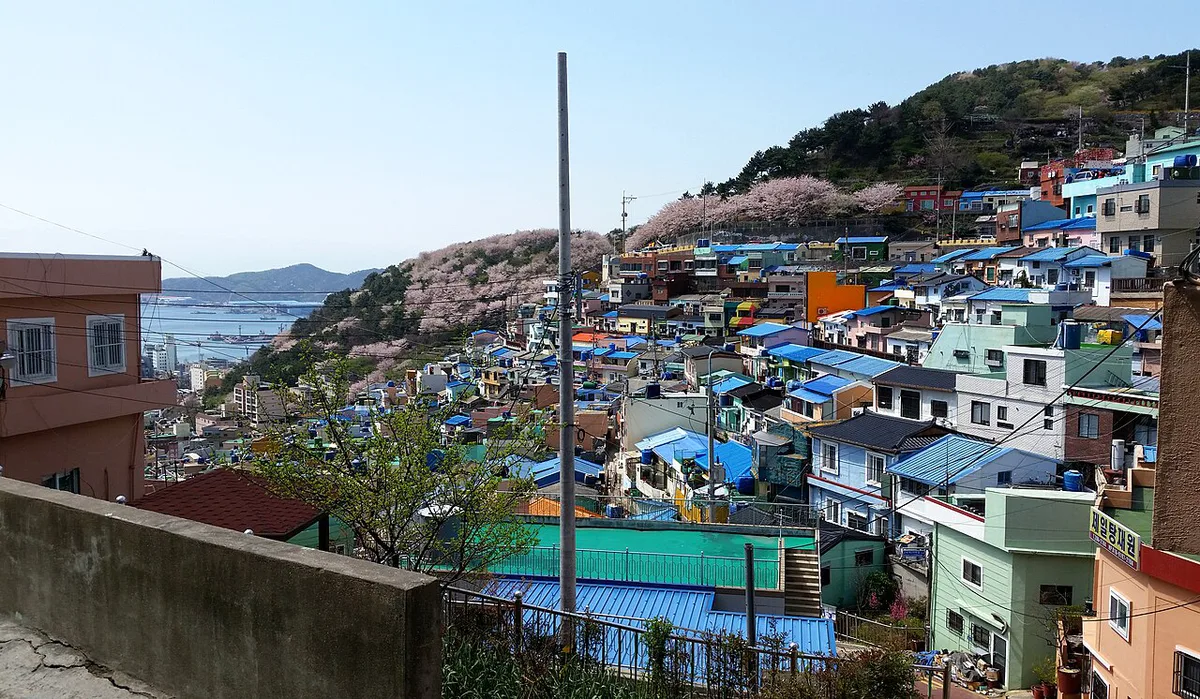
- Cherry blossom: late March to early April, with dates that shift each year.
- Autumn foliage and walking: October into early November.
- Fewest crowds: January and February, if you accept the cold.
- Lowest cost: winter outside holiday dates, then early June.
- Nightlife and festivals: autumn, when the film festival runs.
Busan month-by-month at a glance
Use this table as a first filter. Levels are qualitative and reflect our editorial assessment, not official statistics. For detailed temperature and rainfall normals, see our Busan weather guide. Winter mornings can fall to around 0°C (32°F), while summer highs can reach about 32°C (90°F), according to Korea Meteorological Administration climate data.
| Month | Weather feel | Crowds | Cost pressure | Best for | Watch out for |
|---|---|---|---|---|---|
| January | Cold, windy coast | Low | Low | Spa days, cafés, food | Wind off the sea; no beach season |
| February | Cold, drying out | Low | Low | City break, markets | Short days; chilly viewpoints |
| March | Cool, changeable | Medium | Medium | Early blossom hunting | Variable bloom timing |
| April | Mild, fresh | High | High | Blossom, Jinhae day trip | Festival crowds; blossom dates shift |
| May | Warm, comfortable | Medium | Medium | Beach-temple-market pairing | Holiday weekends |
| June | Warm, turning humid | Medium | Medium | Early beach days, seafood | Start of rainy season |
| July | Hot, humid, wet spells | High | High | Beach season, night views | Heavy rain; humidity |
| August | Hottest, humid | High | High | Beaches, Gwangan Bridge nights | Typhoon window; crowded sand |
| September | Warm, easing | Medium | Medium | Walking, clear evenings | Early typhoon risk |
| October | Crisp, clear | High | High | Foliage, film festival | Festival-week hotel demand |
| November | Cool, dry | Medium | Medium | Quiet sights, late colour | Evenings turn cold |
| December | Cold, bright | Medium | Medium | Winter city break | Holiday-week pricing |
Spring (March–May)
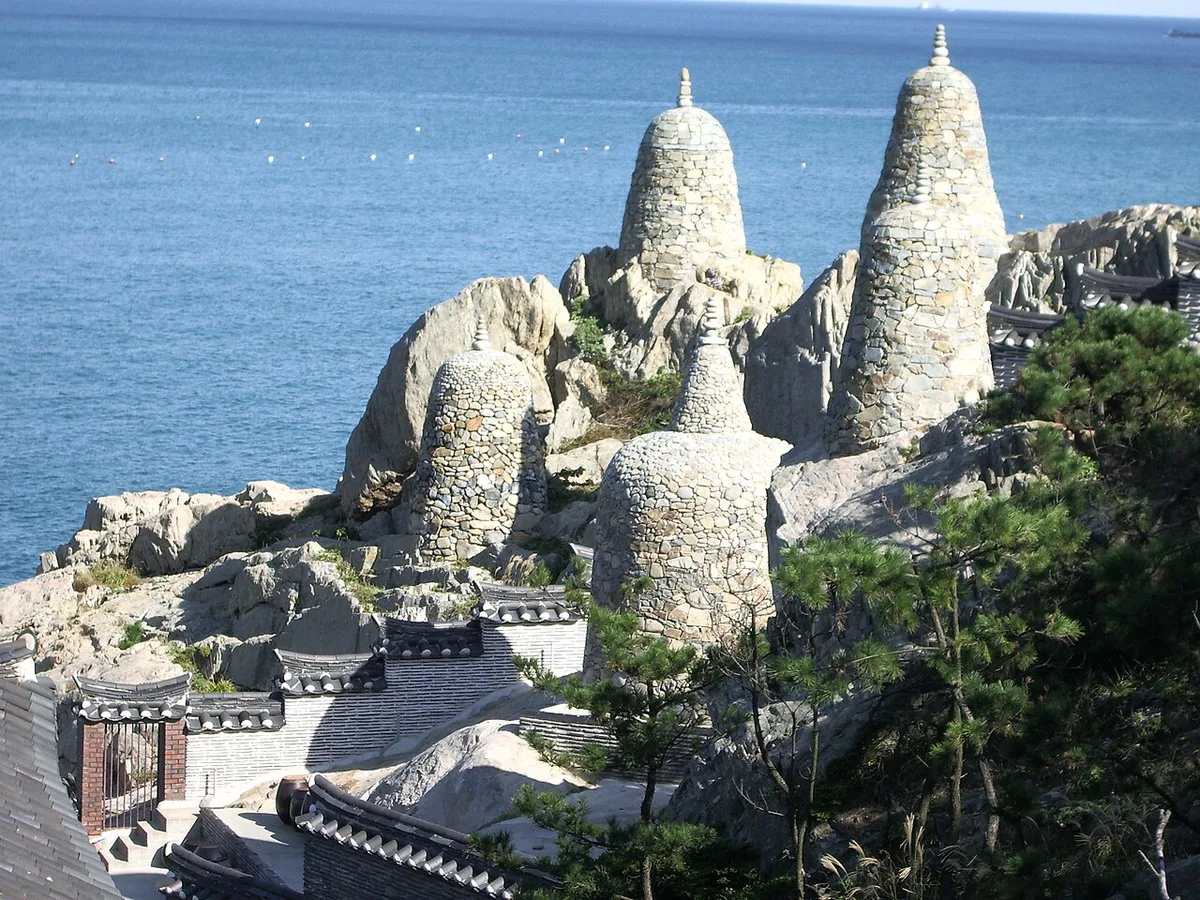
Spring brings blossom, but not on a fixed schedule. Bloom timing varies year to year, so treat any date as approximate and watch forecasts a week out. Our Busan cherry blossom guide compares the best spots in the city. Jinhae is the classic day trip for blossom, but festival crowds there are heavy at peak weekends, so go on a weekday morning. Early May is often comfortable, with warm days and little of the summer humidity. A good spring day pairs Haedong Yonggungsa Temple with a market meal. The temple is open every day from 04:30 to 19:20, with last entry by 18:50, and admission is free. Arrive at 07:00 for the quietest hour. Follow the temple rules: lower your voice, and use only the side doors of the Buddhist Sanctuary. Afterward, Jagalchi Market runs from 05:00 to 22:00 daily. It is closed on the 1st, 3rd and 5th Tuesdays, so plan around those.
Summer (June–August)
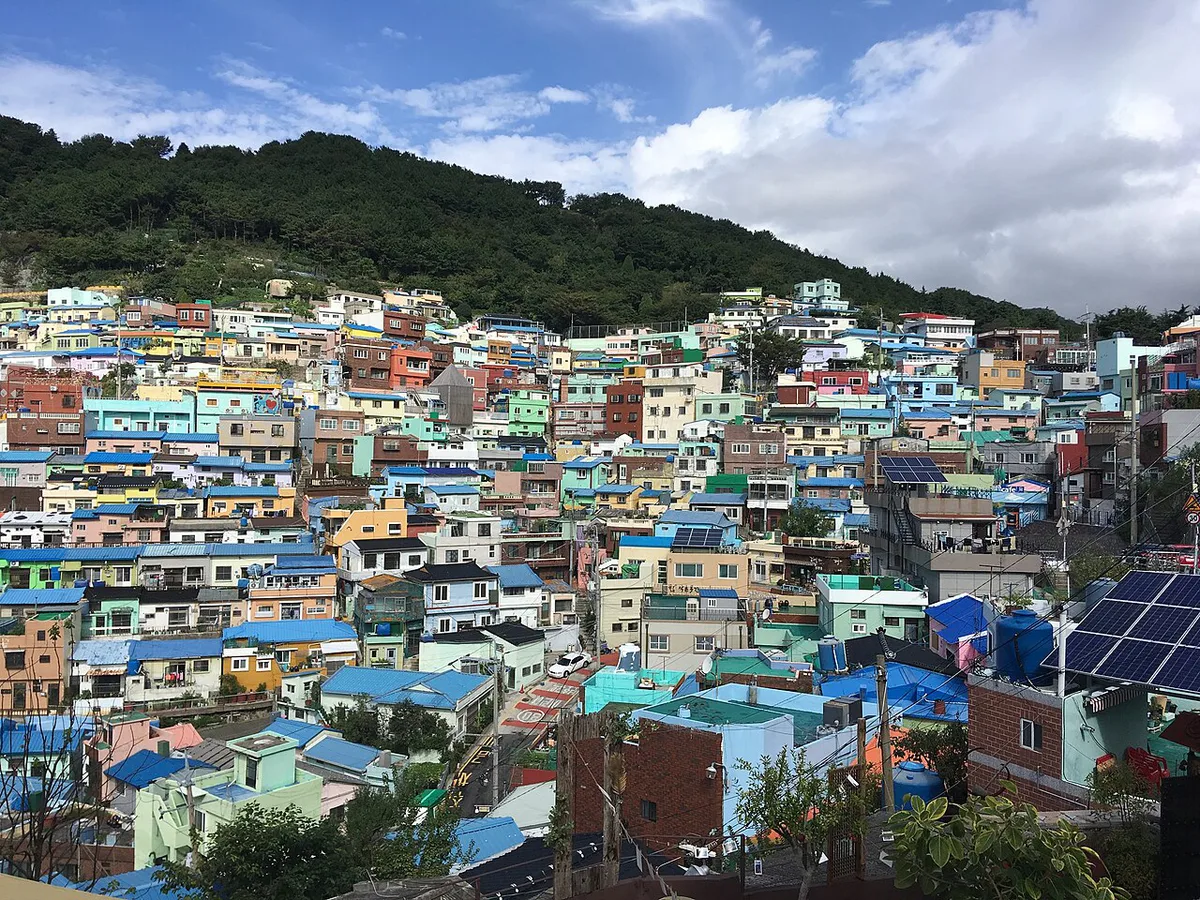
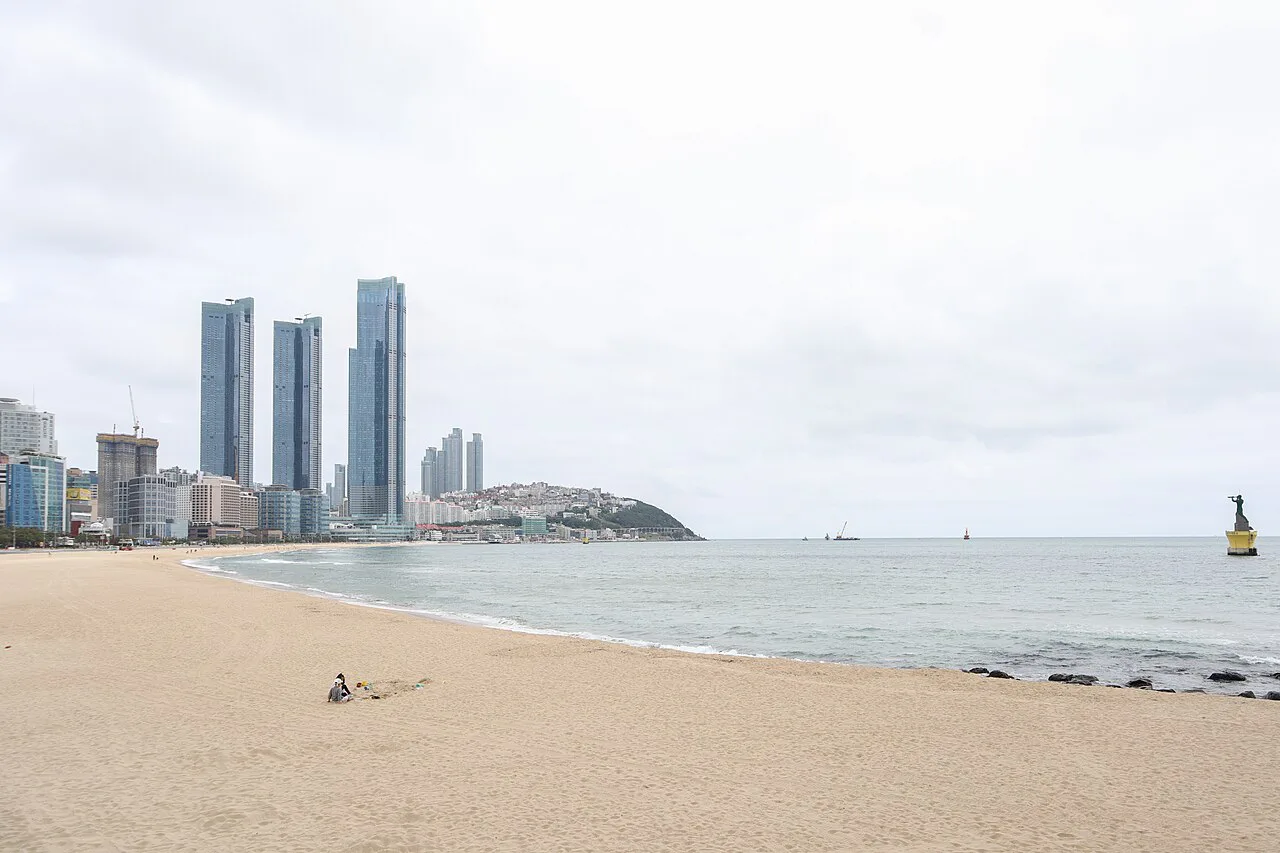
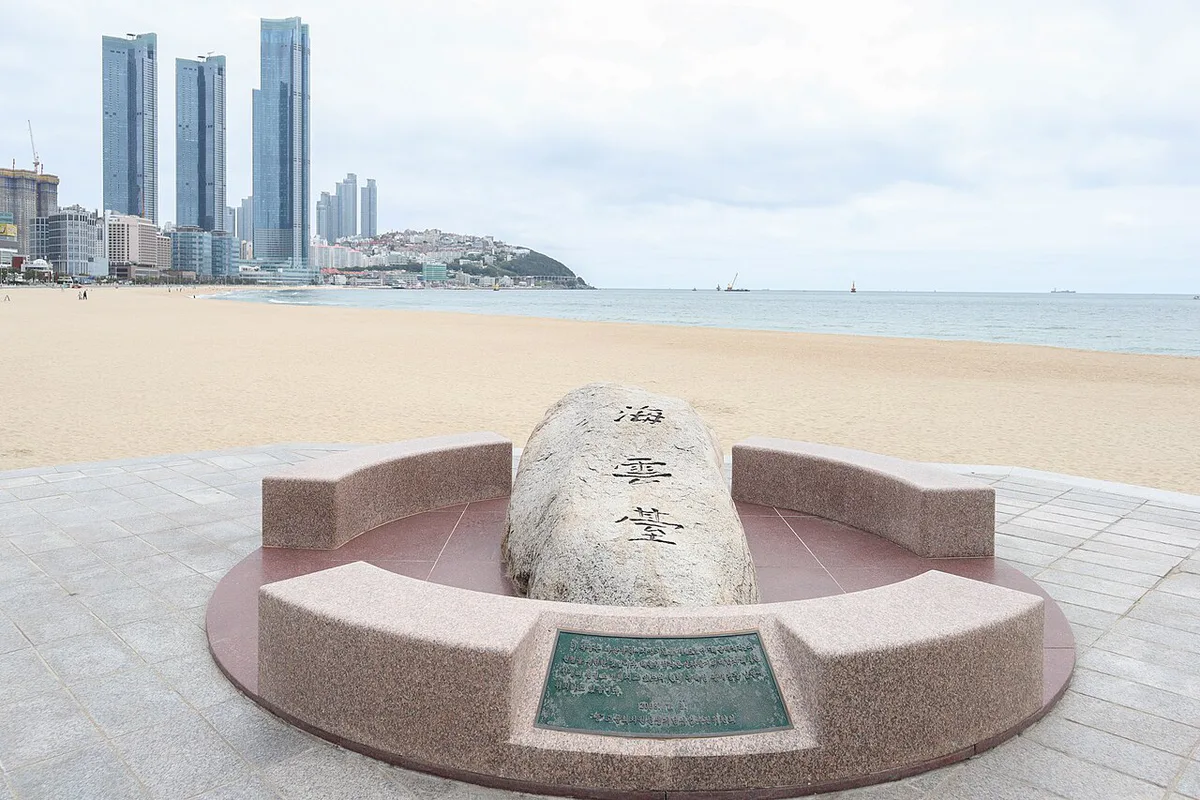
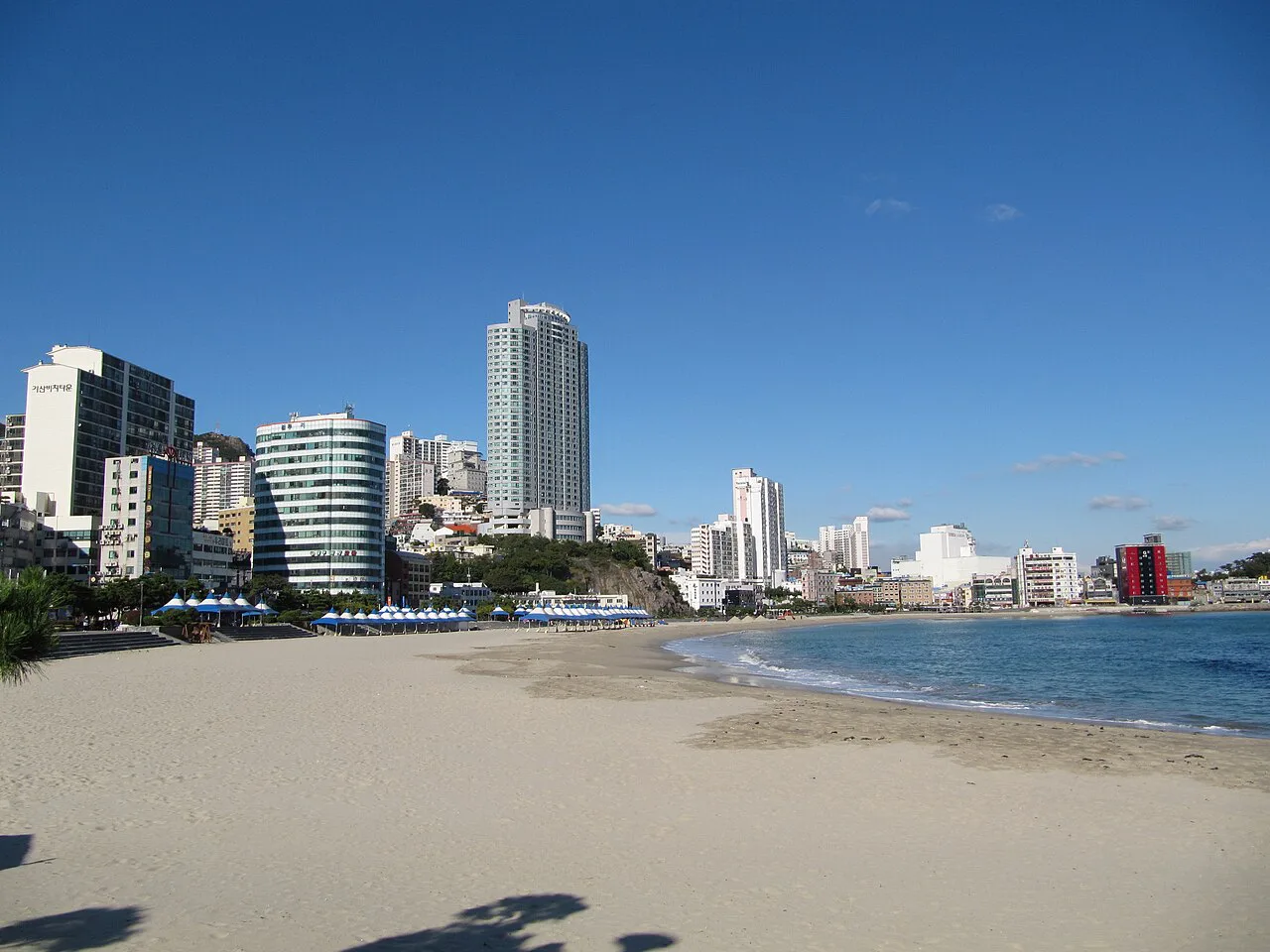
Summer is beach season at Haeundae and Gwangalli. It is also hot, humid and the most weather-disrupted stretch of the year. The rainy season starts in early summer, and typhoon risk concentrates in late summer. Check KMA typhoon bulletins before travelling. Our Busan in summer guide covers beach logistics in more depth. Keep an indoor list ready. Spa Land in Centum City is open 08:00 to 23:00 with no regular closing days, and adult entry costs ₩26,000. Basic admission covers 4 hours, and each extra hour costs ₩5,000. Its outdoor foot bath turns cold in summer. Avoid the daily maintenance checks that start at 2 PM and 5 PM, each about 30 minutes. Busan Tower is another dry-weather-dependent option: it opens 10:00 to 22:00, last admission 21:30, and costs ₩12,000 for adults. At night, Gwangan Bridge views are the summer highlight, and you can skip beach hours in the afternoon heat.
Autumn (September–November)
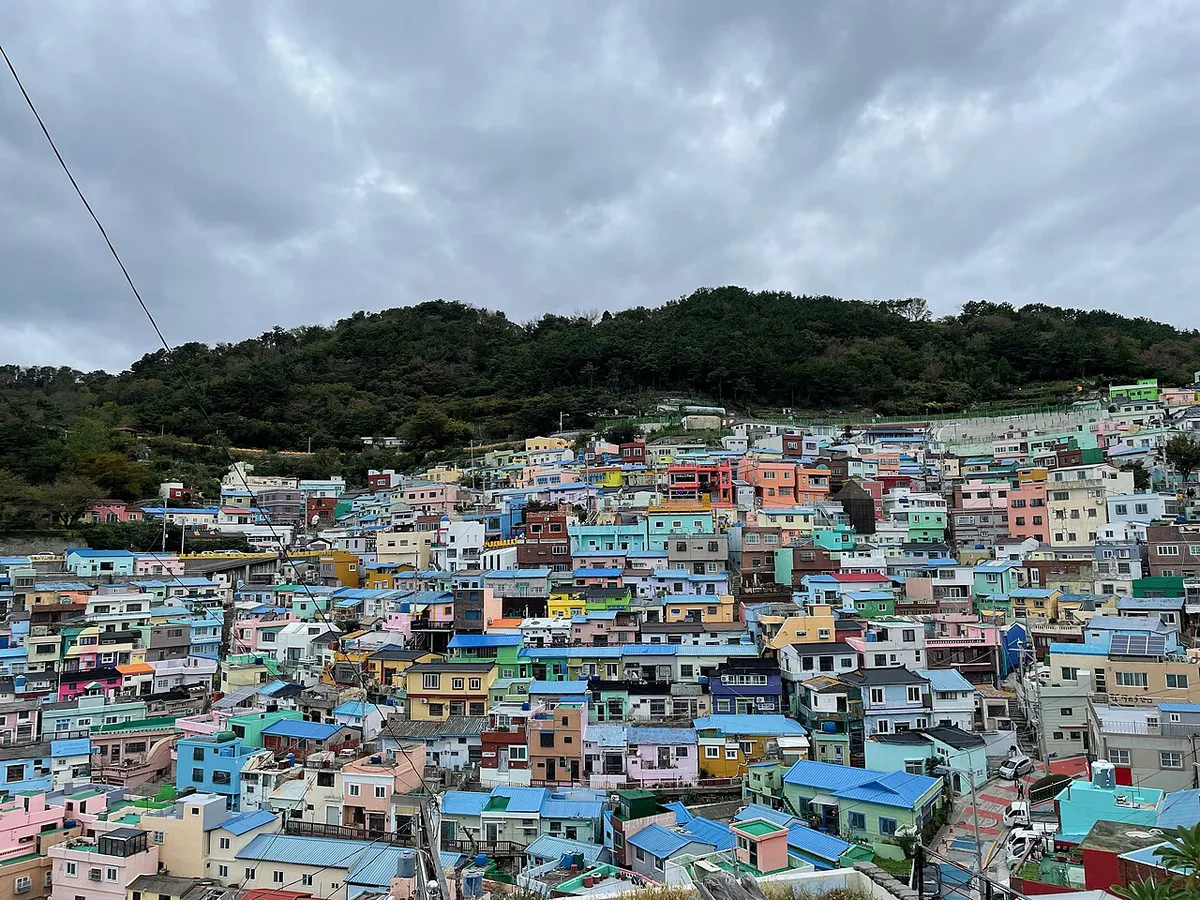
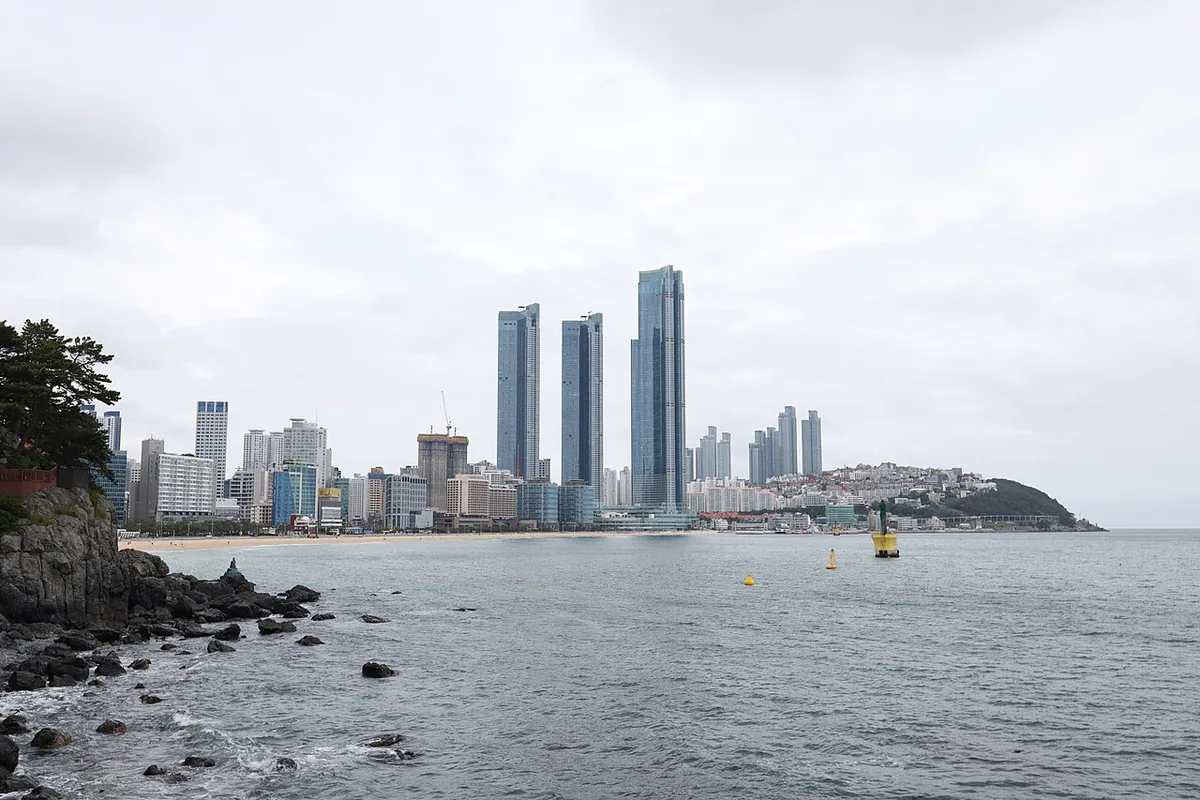
Autumn is the strongest all-round season. September eases the heat, though early typhoons remain possible. October is crisp and clear, which suits walking-heavy days from Nampo to Haeundae. Read our Busan in October guide for a week plan. November cools quickly, and evenings need a jacket. Our Busan in November guide covers quieter sights and late colour. The film festival is the main crowd driver. Dates shift each year, so check the official film festival site before booking. Read our Busan International Film Festival guide for what it does to hotels and screenings. For foliage, you can pair Busan with a day trip, but verify conditions before committing. Gukje Market is a good cool-weather stop. It opens 09:00 to 20:00 and closes on Sundays. Nampo and Jagalchi Station on Line 1 put both markets within a 7-minute walk of each other's stations.
Winter (December–February)
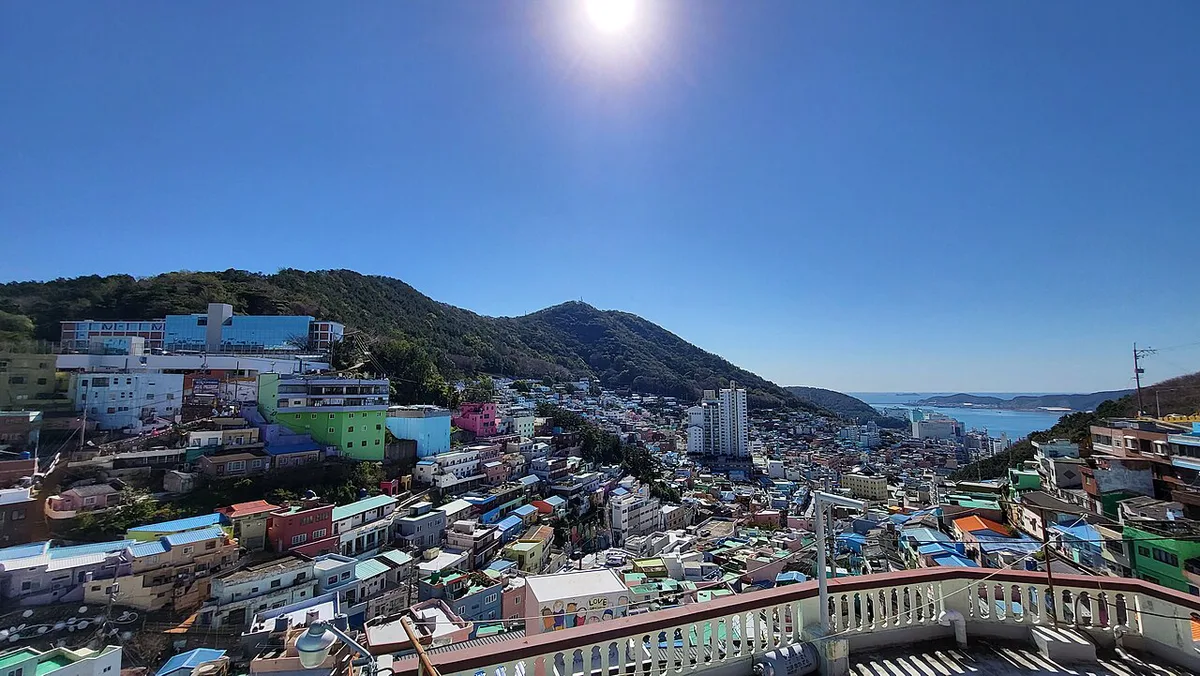
Winter is worth it for a low-crowd city break built around food, cafés and spas. It does not suit beach-goers. Coastal wind makes mornings feel colder than the thermometer suggests, with lows near 0°C (32°F). Spa Land is the obvious refuge, and its outdoor foot bath is warm in cold seasons. Seomyeon's Samjung Tower runs 11:00 AM to 10:00 PM Monday to Thursday, which helps for indoor evenings. Our Busan in winter guide covers the full season. For holiday-week plans, see Busan in December: Weather, Events & What to Do. January is usually the coldest month, and our Busan in January guide explains what stays open. Skip winter if you want beaches, long outdoor viewpoints, or a flexible budget for lodging near New Year.
Winter visitors pay the same ₩26,000 adult fee at Spa Land as in summer, so the cold season costs no more there.
Pick your month by traveler type
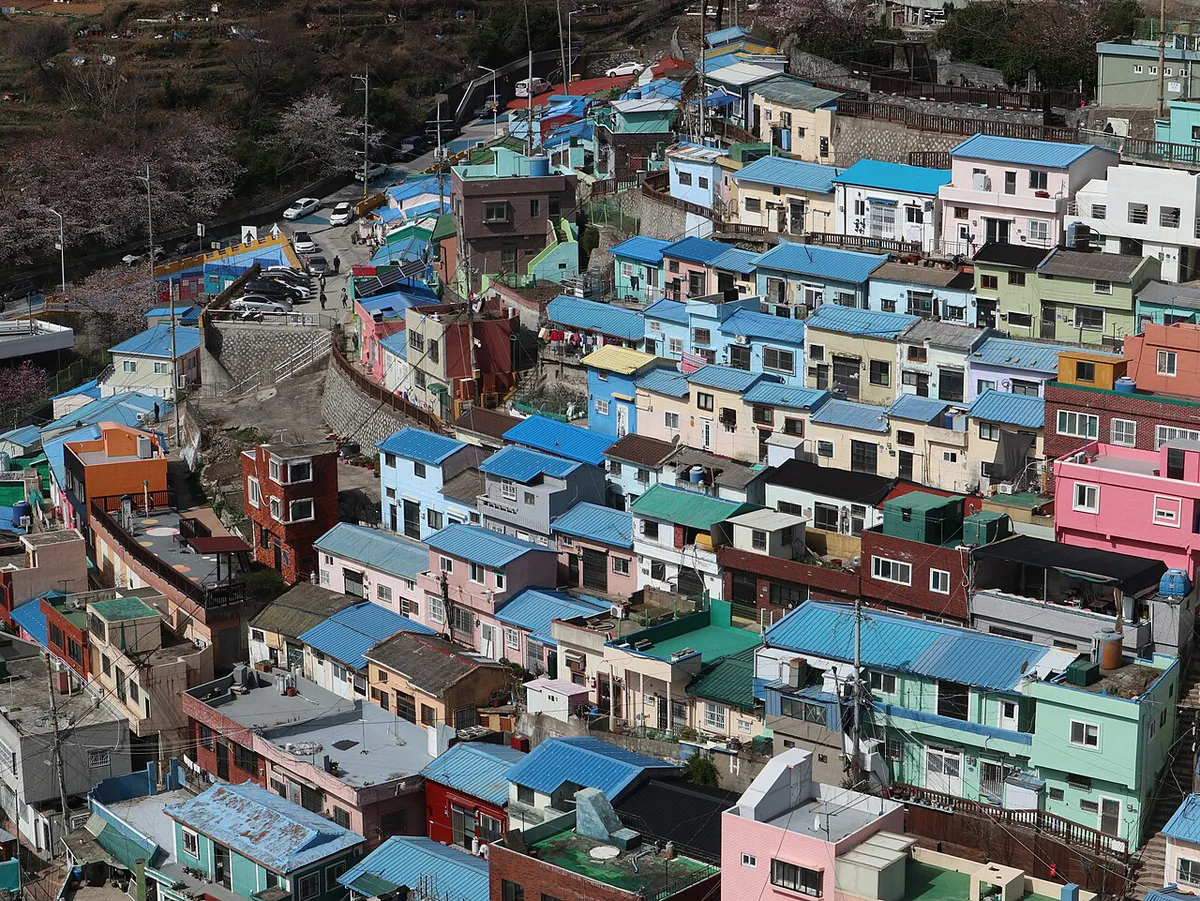
Match your trip style to the month, then check the avoid-if line.
Foodies can plan a Sunday at Jagalchi, which runs 05:00 to 22:00, since Gukje Market is the one that shuts that day.
- First-timers: October. Avoid if you dislike festival-week crowds.
- Beach travelers: July or early August. Avoid if you dislike humidity and rain.
- Photographers: late March to April for blossom, October for clear light. Avoid if blossom dates are fixed in your plans.
- Foodies: November or May, when markets are comfortable. Avoid Sundays at Gukje Market and certain Tuesdays at Jagalchi.
- Budget travelers: January, February or early June. Avoid holiday weeks.
- Couples: late September to October for evening views at Gwangan Bridge. Avoid typhoon-prone weeks.
- Families: May or early October. Avoid midsummer if kids dislike heat.
- Winter city break: December to February. Avoid it if beaches are the point.
Practical planning: booking, logistics, and costs
Attraction prices stay flat across the year, so the seasonal swing sits in lodging. Spa Land charges ₩26,000 for adults in every month, and students pay ₩21,000. Busan Tower stays at ₩12,000 for adults whatever the season. Beachfront hotel rates are the item that moves. Expect high pressure in July, August and film-festival week, and low pressure in January and February. Prices and hours checked November 2026. Book beachfront rooms early for peak dates, and choose central stays near Seomyeon or Nampo if rain is likely. Seomyeon is on Exit 2 of Busan Metro Lines 1 and 2, which keeps you off wet streets. For Haedong Yonggungsa, take Exit 7 of Haeundae Station on Line 2, then Bus 181, 100 or Haeundae 9. Add a typhoon checklist: choose refundable rooms, keep one indoor day free, and book flights with change options. Official city information is at Visit Busan.
Mistakes to avoid
Three errors cause most disappointment.
- Fixing blossom dates months ahead. Bloom shifts each year, so keep two spare days.
- Booking a beach hotel without a rain plan. Line up Spa Land, Busan Tower or a market meal.
- Ignoring festival weekends. Check film-festival and Jinhae dates before paying for rooms.
- Visiting Jagalchi on a closed Tuesday, or Gukje Market on a Sunday.
Building the rest of the trip? Our Busan attractions guide covers the sights, districts and logistics around this guide.
Best time to visit other cities
Frequently Asked Questions
How many nights should you spend in Busan?
Three to four nights covers the beaches, Haedong Yonggungsa, the markets and a night view. Add one more night in summer or winter to leave room for weather swaps.
What is the coldest month in Busan?
January is typically the coldest month, with mornings near 0°C (32°F). Check KMA monthly normals for exact figures. Coastal wind makes it feel colder.
Explore More Busan Guides
Keep planning your Busan trip with these guides.
Busan Guides
- Busan Weather by Season
- Busan in Winter: Weather, Events and Cold-Day Picks
- Busan in Summer: Beaches, Heat, Rain & Planning Guide
- Busan in December: Weather, Events & What to Do
- Busan Cherry Blossom Guide
- Busan in November: Weather, Foliage & Trip Tips
- Busan in October: Weather, Festivals & What to Do
- Busan in January: Weather, What to Do & What to Skip
- Busan International Film Festival: Visitor Guide
Notes for your Korea trip
Optional updates to our city guides.
You might also like
Continue reading
More guides you'll find useful