Busan Weather by Season: What to Expect and Pack
Busan weather by season, with rain and typhoon planning, packing tips and what bad weather changes about your trip. Check live forecasts first.
On this page
Last updated November 2026. Busan weather is humid-subtropical and coastal: hot, sticky summers, cold and dry winters, and a sea that softens extremes. This page covers what each season feels like and how to plan around rain, wind and typhoons. For the "when to go" verdict, start with our Best Time to Visit Busan: Month-by-Month Guide guide.
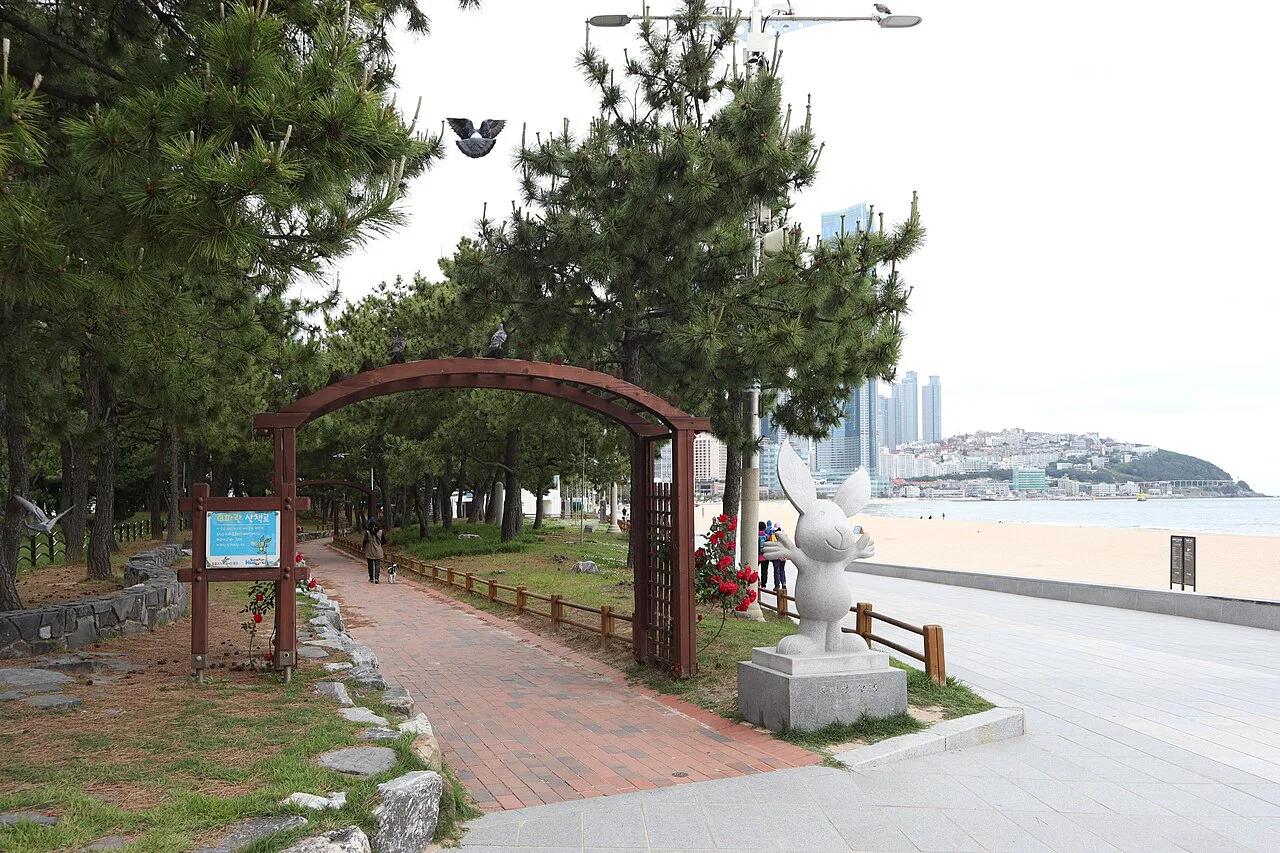
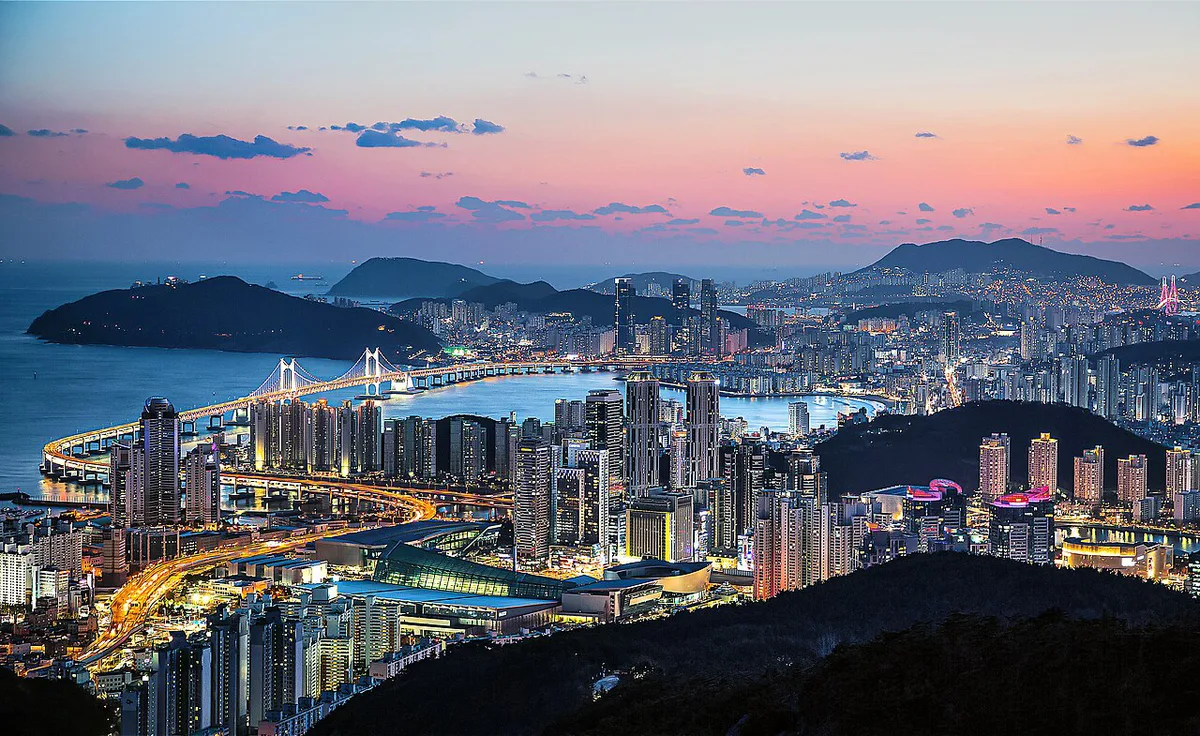
Featured image: Mobius6, CC BY-SA 4.0, via Wikimedia Commons.
Busan Weather at a Glance
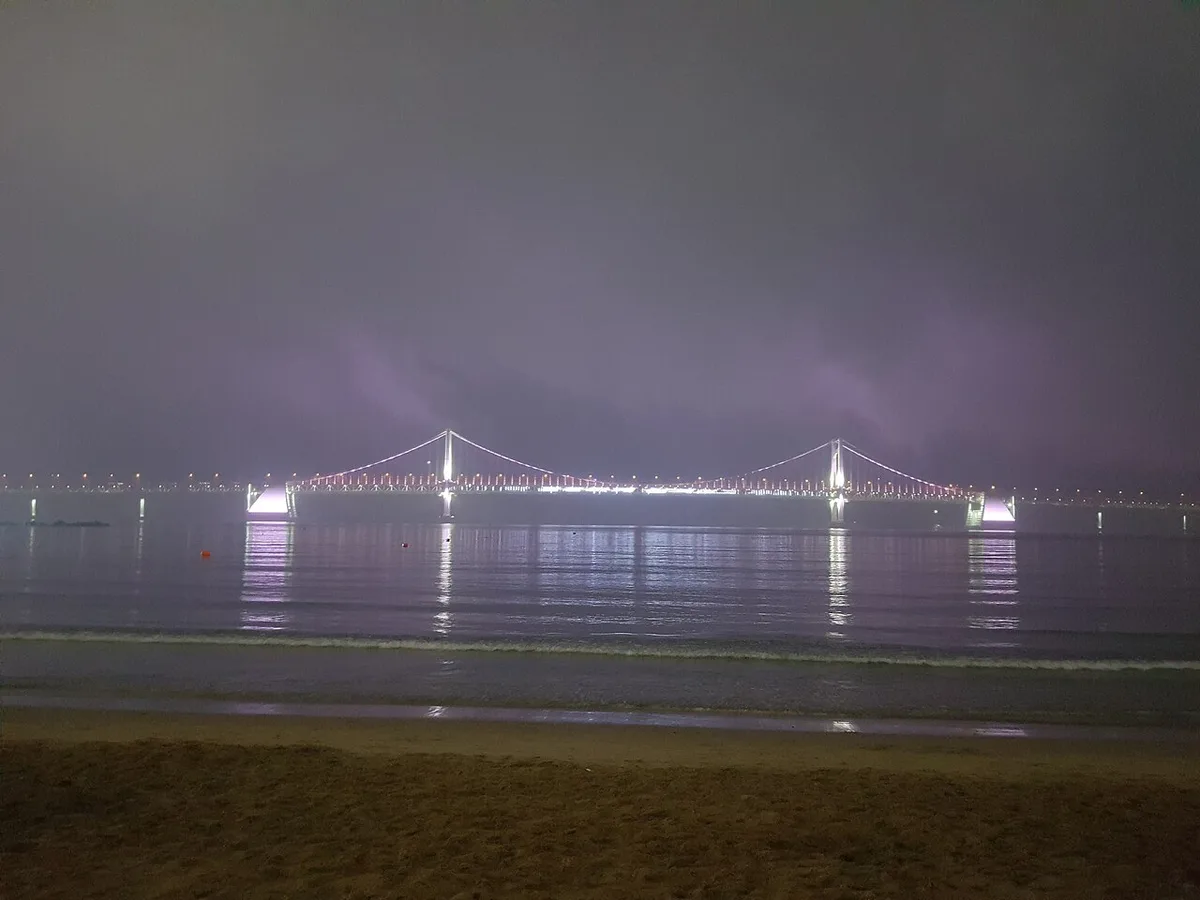
Busan sits on the southeast coast of South Korea, so the sea shapes almost every forecast. Summers run humid, with daytime highs around 30°C (86°F) in August. Winters are colder but drier, with January averages near 3°C (37°F). Spring and autumn are the mild stretches, with typical highs near 19°C (66°F) in October. Treat these as typical ranges, not forecasts. Sea breezes make waterfront districts feel cooler than inland streets in summer. They also make them feel colder in winter.
Busan Weather by Season
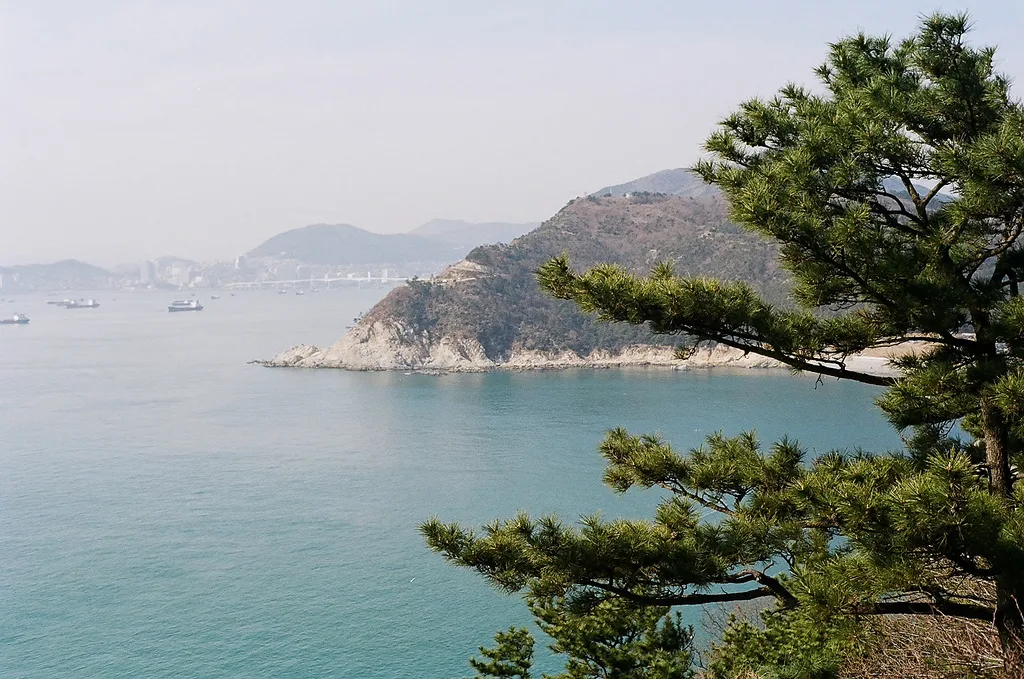
Spring warms slowly, with April highs near 17°C (63°F) and cool, windy evenings by the water. Bloom timing shifts with each year's weather, as our Busan Cherry Blossom Guide: Best Spots and Timing guide explains. Summer brings the heat, humidity and the heaviest rain. Autumn is dry and clear, and walking weather holds through October and into November. Winter is cold but rarely snowy on the coast.
Mid-range doubles can reach ₩180,000 or more in August, so pick a changeable booking for those July to September dates.
Seasonal pricing follows the weather. In our editorial estimate, a mid-range double room runs near ₩100,000 a night in a shoulder month such as April. In August it can reach ₩180,000 or more. Prices checked November 2026, so look at live rates for your own dates.

| Season | General feel | Main trip impact | Month guide |
|---|---|---|---|
| Spring (Mar–May) | Mild, windy, cool nights | Blossom timing varies; pack layers | Cherry blossom timing |
| Summer (Jun–Aug) | Hot, humid, rainy spells | Beach days need a flexible date | Busan in Summer: Beaches, Heat, Rain & Planning Guide |
| Autumn (Sep–Nov) | Clear, dry, comfortable | Best for long coastal walks | Busan in October: Weather, Festivals & What to Do |
| Winter (Dec–Feb) | Cold, dry, strong sea wind | Short days; lighter crowds | Busan in Winter: Weather, Events and Cold-Day Picks |
Autumn and Winter Weather Month by Month
October is the easy month, with highs near 19°C (66°F) and little rain. By Busan in November: Weather, Foliage & Trip Tips, mornings drop toward 5°C (41°F) and you need a proper jacket. Coastal wind adds a chill beyond the thermometer reading. In Busan in December: Weather, Events & What to Do, expect cold, bright days and early sunsets. January is usually the coldest month, and our January in Busan guide covers what stays open and enjoyable.
Rain, Typhoons and Fog: How to Plan Around Them
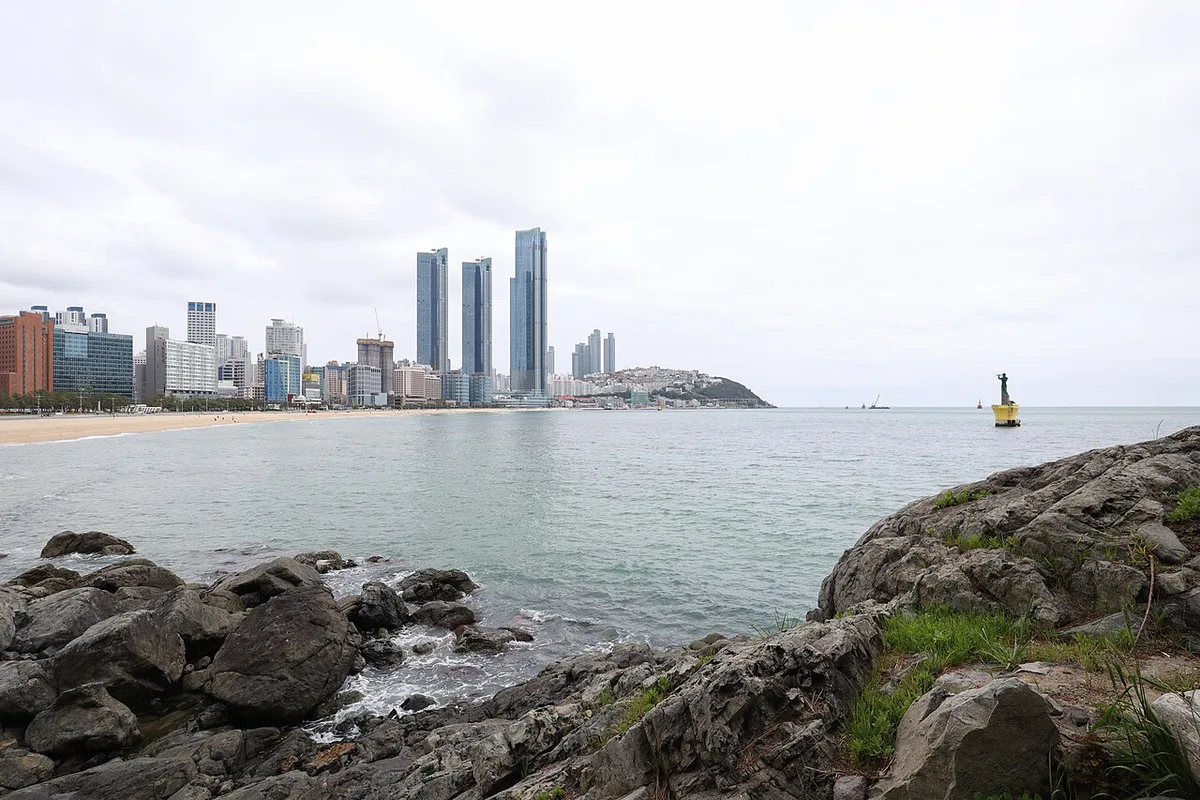
Heavy rain is most likely in summer, and typhoons can reach the southeast coast in late summer and early autumn. Build one spare day into any trip from July to September. Choose refundable or changeable hotels and tours for those months. Ferries, cable cars and coastal paths can close in strong wind, so check each operator's status on the morning you plan to go. Sea fog can also hide skyline and coastal views, even on dry days.
- Mistake to avoid: do not fix one beach day on one date in typhoon season.
- Keep the outdoor highlight flexible and the indoor plan ready.
- Official warnings come from the Korea Meteorological Administration.
What to Pack for Busan
Pack for the sea wind as much as the temperature. A light windproof layer helps in every season. Comfortable shoes with grip matter on wet steps and hills.
Pack a light autumn jacket, but plan for November mornings that drop toward 5°C (41°F) and need a proper one.
- Spring: light layers, windbreaker, scarf for evenings
- Summer: breathable clothes, compact umbrella, sandals, sunscreen
- Autumn: light jacket and a sweater for evenings
- Winter: padded coat, gloves, hat, warm socks
Best Things to Do in Good Weather vs Bad Weather
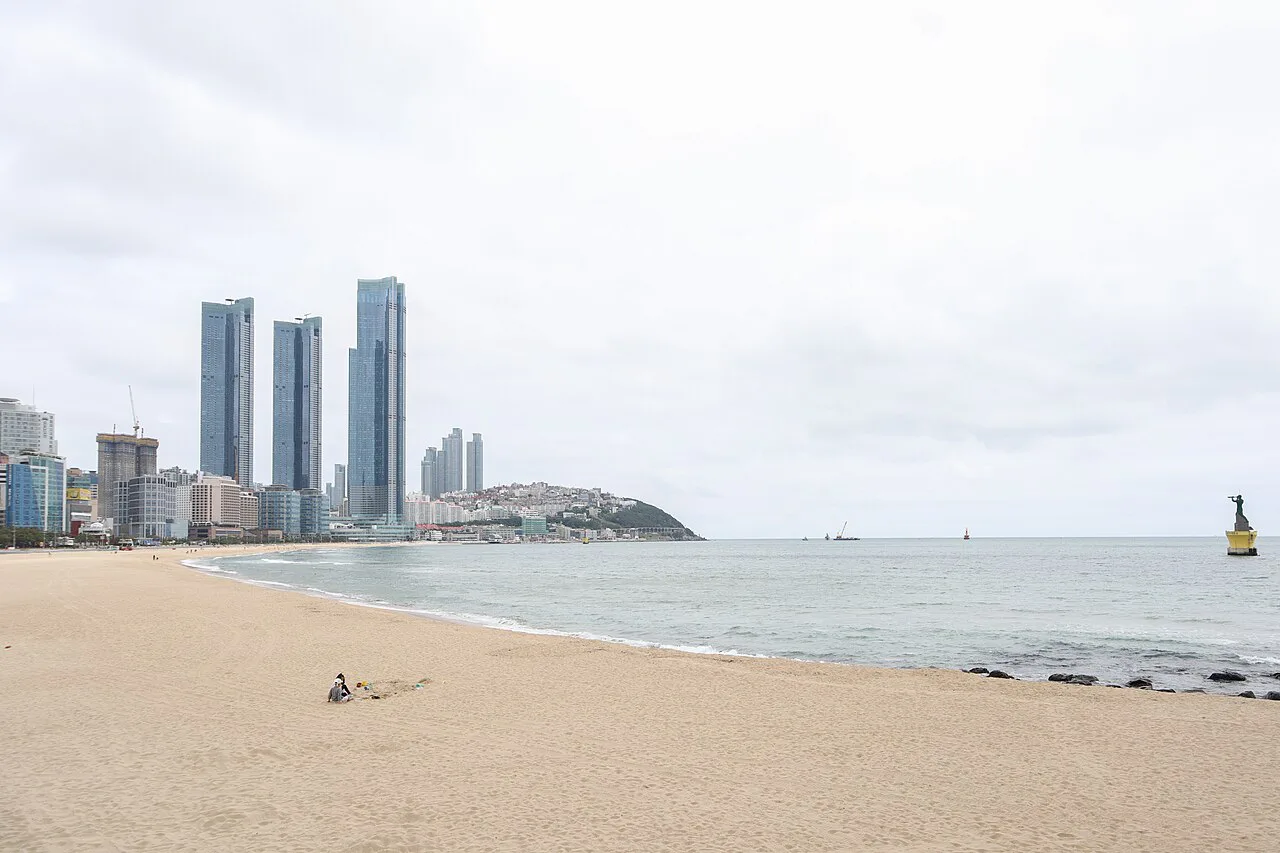
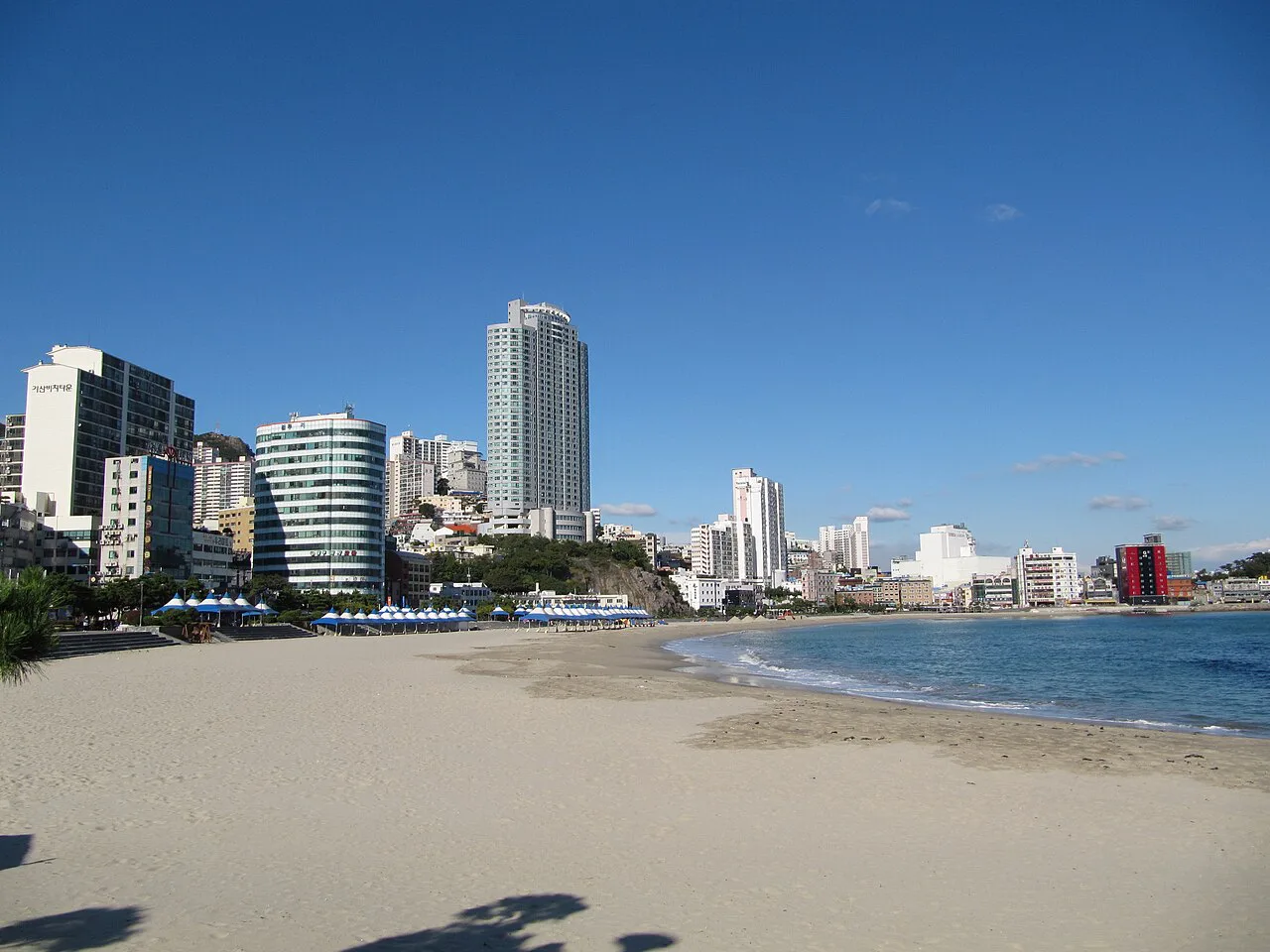
Match each day to the forecast, not the other way around. Clear days suit Haeundae and Gwangalli beaches, Taejongdae cliff paths and the colorful lanes of Gamcheon Culture Village. Wet days still work for covered food stalls and indoor halls. Haedong Yonggungsa sits on the shore, so wind and spray affect it more than inland temples.

| Good weather | Bad weather fallback |
|---|---|
| Haeundae or Gwangalli beach walk | Covered food stalls and cafes nearby |
| Taejongdae coastal paths | Jagalchi Market, which has indoor sections |
| Gamcheon Culture Village lanes | Museums and galleries, then return if the sky clears |
| Skyline viewpoints | Wait for a clear morning after fog or rain |
Events and Weather Timing
Weather-sensitive events deserve a flexible plan. Blossom peaks can move by days or more, so avoid booking nonrefundable travel around one date. Autumn's Busan International Film Festival: Visitor Guide mostly sits in comfortable weather. Outdoor queues and open-air events can still be affected by rain, so check the festival's official schedule at biff.kr before you go.
How to Check the Live Forecast
Start with the Korea Meteorological Administration for forecasts, weather warnings and typhoon tracks. Look at wind speed and rain probability, not just temperature, because wind decides ferry, cable car and viewpoint comfort. Check again the evening before and the morning of any outdoor day. For seasonal event and travel updates, see the Visit Busan official guide. For choosing your travel month, return to our Busan timing guide.
Who Should Adjust Their Busan Plans for the Weather
Beach-focused travelers should keep Haeundae and Gwangalli flexible in summer. August daytime highs are around 30°C (86°F), and heavy rain is most likely during summer. Plan a covered market, café or museum as a same-day alternative.
Photographers should avoid locking skyline or Taejongdae views into one fixed morning. Sea fog can hide coastal views even on dry days. Check conditions the evening before and again on the morning of your outing.
Families, older travelers and anyone sensitive to cold should allow shorter waterfront walks in winter. January averages near 3°C (37°F), while sea wind can make exposed areas feel colder. Use indoor stops between outdoor sights and carry a windproof layer.
Festival visitors should also leave room for changes. Blossom timing can shift by days or more, and rain can affect outdoor queues at autumn events. Choose changeable bookings when a weather-sensitive event is central to your trip.
Frequently Asked Questions
What is the coldest month in Busan?
January is usually the coldest month, with averages near 3°C (37°F). Sea wind can make it feel colder, so pack a windproof coat.
What is the weather and climate like in South Korea?
South Korea has four distinct seasons, with hot, humid summers and cold winters. Busan is milder than inland areas because the sea moderates temperatures. Check the Korea Meteorological Administration for current conditions.
Notes for your Korea trip
Optional updates to our city guides.
You might also like
Continue reading
More guides you'll find useful