6 Best Day Trips From Busan: Pick by Time, Cost & Season
Six day trips from Busan ranked by travel time and effort: Gyeongju, Tongyeong, Geoje, Jinhae, Haeinsa and Ulsan, plus who each one suits.
On this page
Last updated November 2026: the best day trips from Busan are Gyeongju, Tongyeong, Geoje, Jinhae (April only), Ulsan and Haeinsa for temple fans. Gyeongju is the easiest, at roughly 30–40 minutes by KTX to Singyeongju Station. Use the table and pick rules below to match a destination to your time, season and energy.
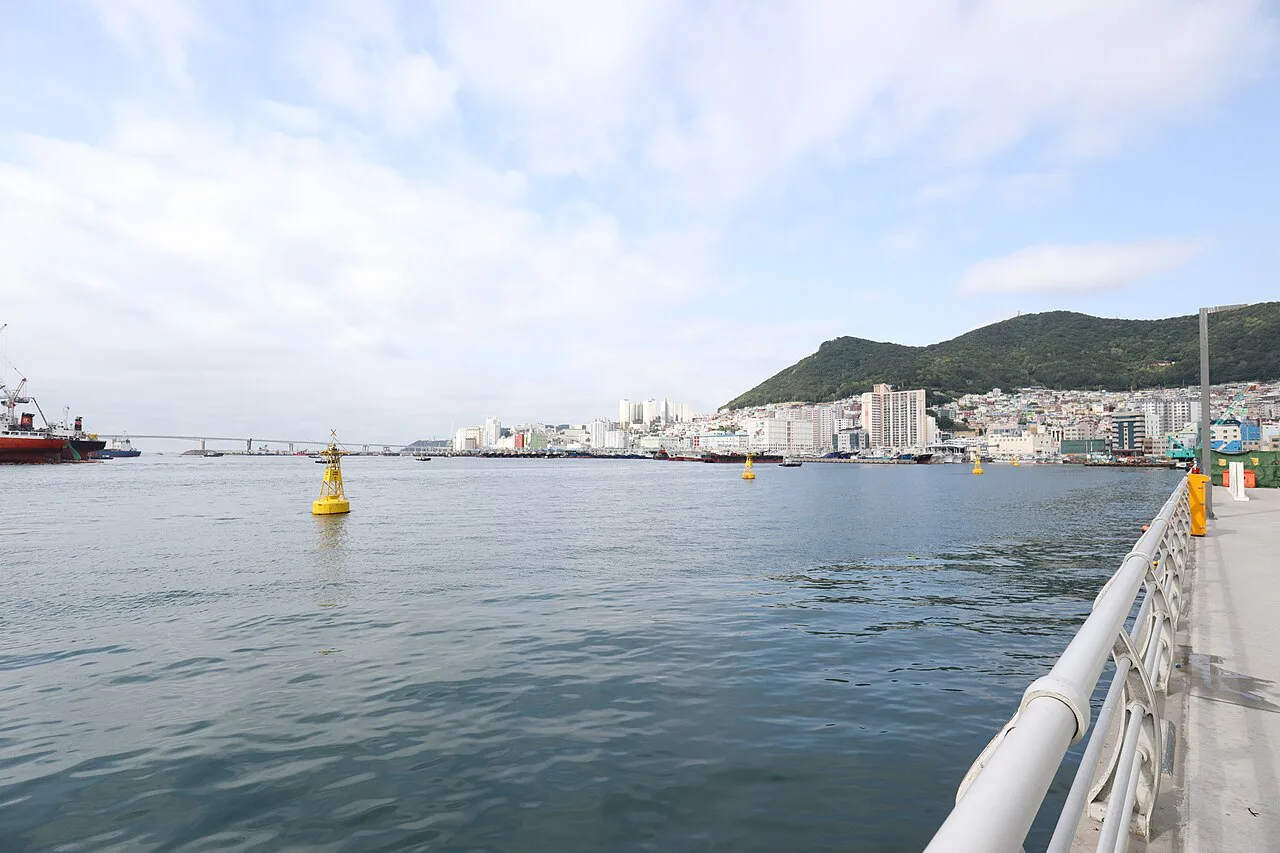
Featured image: vitroid, CC BY 2.0, via Flickr.
Quick Answer: Day Trips From Busan at a Glance
Gyeongju wins on ease and history. Tongyeong and Geoje win on coastline and seafood. Jinhae only makes sense in April. Haeinsa rewards temple fans who accept two bus legs. Ulsan suits a lighter day of riverside bamboo and sea cliffs. Times below are ranges because bus durations vary by traffic and by source.
| Destination | Mode and departure | One-way time | Fare range | Best season | Best for | Effort |
|---|---|---|---|---|---|---|
| Gyeongju | KTX from Busan Station to Singyeongju | About 30–40 min | Korail fare, see Costs section | Spring and autumn | History, first-timers | Low |
| Tongyeong | Express bus from Busan Seobu Terminal | About 1.5–2.5 hrs | About ₩12,000 | Clear days | Seafood, sea views | Medium |
| Geoje | Express bus from Busan Seobu Terminal | About 1–2 hrs | ₩8,000–10,000 | Dry months | Gardens, coast | Medium |
| Jinhae | Bus or train from Busan | About 50 min | ₩4,000–6,000 | April blossom | Cherry blossoms | Low, crowded |
| Haeinsa | Bus via Daegu, or weekend direct bus | About 1.5–2 hrs direct, 2 hrs via Daegu | About ₩3,000 entry | Autumn, spring | Temple fans | High |
| Ulsan | Bus or train from Busan | About 1–2 hrs | Check operator | Spring to autumn | Gardens, sunrise coast | Medium |
How to Choose: Time, Cost, Season and Effort
Start with the clock. If you have only a half day, choose Gyeongju by KTX or Jinhae at about 50 minutes. A full day opens up Tongyeong, Geoje and Ulsan. Haeinsa needs a full day and an early start. Then check the calendar, because Jinhae is a one-month decision and Gyeongju is pleasant year-round. Cost is rarely the deciding factor, since one-way fares across the core options sit between about ₩3,000 and ₩12,000 on bus routes.
Ulsan's trip runs 1–2 hours each way, against Gyeongju's KTX ride of about 30–40 minutes, so Gyeongju suits a shorter clock.
| If you are... | Choose | Why |
|---|---|---|
| A first-timer with one day | Gyeongju | Shortest ride, densest sights |
| A history lover | Gyeongju, then Haeinsa | Silla tombs and the Tripitaka Koreana |
| After seafood and scenery | Tongyeong | Market, harbor, ropeway |
| Visiting in April | Jinhae | Blossom season only |
| Traveling without a car | Gyeongju or Ulsan | Frequent trains and buses |
| Facing a rainy day | Gyeongju museums or Tongyeong market | Indoor stops within walking distance |
6 Best Day Trips From Busan, Ranked by Effort
Each pick below follows the same pattern: how to get there, what to do, and who should skip it. Fares are typical ranges, and prices and hours checked November 2026. Bus times are given as ranges because services and traffic differ.
1. Gyeongju: the easiest big-name day trip
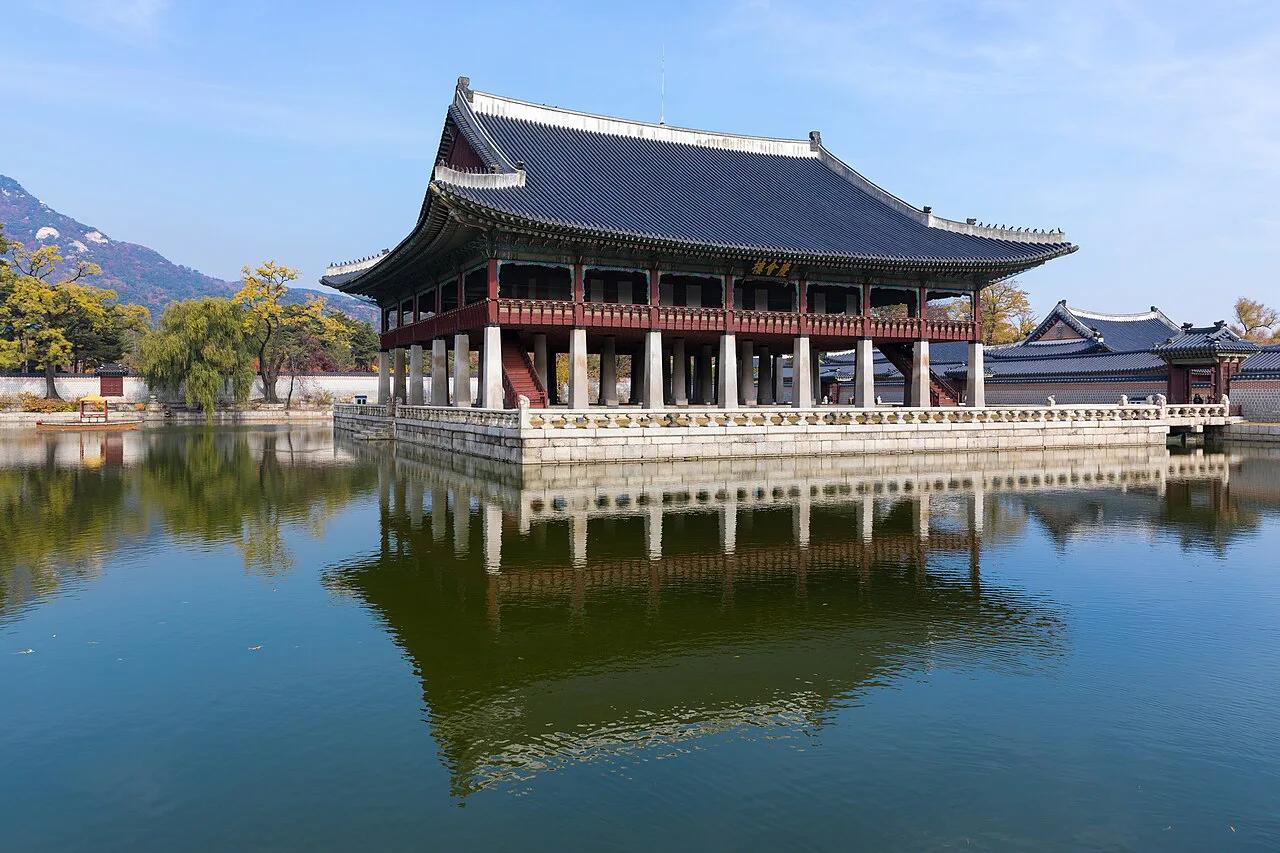
Gyeongju was the Silla capital, and its royal tombs, temples and ponds sit within a short ride of each other. KTX runs from Busan Station to Singyeongju Station in about 30–40 minutes, then a bus or taxi takes you into town. Spend the morning at Bulguksa and Seokguram, then walk the Daereungwon tomb park. Finish at Donggung Palace and Wolji Pond, which many guides call Anapji.
Evening lighting at the pond is the argument for staying overnight. Day-trippers see the daytime sights and catch an earlier train home. The city's official tourism site lists current hours. Our Busan to Gyeongju itinerary sets out the full route. Skip Gyeongju if you dislike the transfer from Singyeongju Station into the old center.
2. Tongyeong: coast, seafood and cable car
Tongyeong is a harbor city reached by express bus from Busan Seobu Terminal. Travel time runs about 1.5–2.5 hours depending on traffic, and a one-way fare is around ₩12,000. Ride the Hallyeosudo ropeway up Mireuksan for views over the islands. Walk down to the mural-lined lanes of Dongpirang Village, then eat at Jungang Market, known for fresh seafood and honey bread filled with red bean paste.
Yi Sun-sin Park honors the admiral and gives you a quieter stop between meals. Leave Busan early, because the long ride squeezes your hours on the ground. Skip Tongyeong if you dislike long bus rides or want a compact itinerary with several sights near the station.
3. Geoje Island: bridges, gardens and shipyard coast
Geoje connects to the mainland by bridge, so a bus from Busan Seobu Terminal takes you straight on. Journey times run about 1–2 hours, and fares are about ₩8,000–10,000 one way. Oedo Botania is the garden stop, Haegeumgang is the rocky island coast, and Windy Hill is the short-hike viewpoint. Shipyards define the island's working skyline.
Pick two or three stops instead of trying everything. Our Geoje Island guide covers the stops in more detail, and Geoje City Tourism posts current visitor information. Skip Geoje if you want a walkable town center. Sights are spread out, and connections between them take planning.
4. Jinhae: cherry blossoms, April only
Jinhae is a blossom trip and little else. A bus or train from Busan takes about 50 minutes and costs roughly ₩4,000–6,000 each way. The signature spot is the Gyeonghwa Station railway crossing, lined with blossom in the first half of April. Festival dates shift each year, so read Changwon City Tourism for this year's schedule and any crowd controls.
Our Jinhae cherry blossom festival guide covers timing and routes. Arrive early on weekends, and plan your return before the evening rush. Skip Jinhae outside April. Without blossom, there is little reason to make the trip.
5. Haeinsa Temple: Tripitaka Koreana and the long transfer
Haeinsa sits in the Gayasan mountains and holds the Tripitaka Koreana, a Buddhist canon carved on 81,258 woodblocks. It is UNESCO-listed, and the wooden depositories that house the blocks were built in the 14th century. The standard route is a bus from Busan to Daegu (about 1 hour), then a second bus to Haeinsa (about 1 hour). A weekend direct bus from Busan Seobu Terminal takes about 1.5–2 hours.
Entry has been listed at about ₩3,000, so allow for a small change. Start early and check the last bus back before you climb to the halls. Skip Haeinsa if transfers frustrate you or if you have only a half day.
6. Ulsan: bamboo, river and sea cliffs
Ulsan is an industrial port city with a surprisingly green center. Allow roughly 1–2 hours each way from Busan. Taehwagang National Garden has a bamboo forest and Taehwaru Pavilion beside the river. Daewangam Park adds a pine-lined coastal trail and a suspension bridge, while Ganjeolgot is a popular sunrise point.
Our Ulsan day trip guide lays out a route that links the garden and the coast. Walk the garden in the morning and the coast in the afternoon. Skip Ulsan if you came for temples, tombs or a seafood market town.
Farther or Trickier: Suwon, Tsushima, Pohang and More
Suwon is about 2 hours each way by KTX, which makes it a stretch for a single day. Hwaseong Fortress is the reason to go. Tsushima in Japan is about 2.5 hours by ferry, plus passport and entry steps on both sides. Our Busan to Tsushima ferry guide covers the crossing, and the Tsushima Tourism Association publishes visitor information. Pohang is roughly 1.5 hours by train and offers Homigot Sunrise Square and the Hwanho Park SPACE Walk. Daegu and Gimhae are closer options for markets and Gaya history. Yeosu, Suncheon and Boseong lean toward overnight trips, so treat them as separate journeys.
Costs, Passes and Tickets
Bus fares are the cheapest route for Tongyeong (about ₩12,000), Geoje (₩8,000–10,000) and Jinhae (₩4,000–6,000). Haeinsa entry has been listed at about ₩3,000. Gyeongju by KTX costs more than the bus, so look up the live fare on Korail and compare it with the express bus timetable. If you plan several train legs, a multi-day rail pass can pay off, but price it against single tickets first. Weekend and holiday buses sell out, so book ahead for Haeinsa and Jinhae.
Getting Around: Terminals, Stations and Last Returns
Trains leave from Busan Station, and the KTX stops at Singyeongju Station, which is outside the old center. Express buses to Tongyeong and Geoje leave from Busan Seobu Terminal. The tourist information center at Busan Central Bus Terminal, 2238 Jungang-daero, Geumjeong-gu, is open 09:00–18:00. It hands out maps and booklets. Look up the last return before you leave, since it often sets your whole itinerary. Store luggage at the hotel, because lockers at small-town stations are limited.
Mistakes to Avoid and Rainy-Day Backups
Do not treat Singyeongju Station as the city center, because it needs a bus or taxi transfer. Do not go to Jinhae outside blossom season. Do not rely on one travel time for Tongyeong or Geoje, since published durations differ by half an hour or more. Do not underestimate Haeinsa's two-leg route. In rain, switch to Gyeongju's museums or Tongyeong's Jungang Market, and remember that museums can close on Korean public holidays.
Rain plans can start at Busan Central Bus Terminal's tourist center, open 09:00–18:00, for maps and booklets.
Explore More Busan Guides
Keep planning your Busan trip with these guides.
Busan Guides
Building the rest of the trip? Our Busan attractions guide covers the sights, districts and logistics around this guide.
Notes for your Korea trip
Optional updates to our city guides.
You might also like
Continue reading
More guides you'll find useful