Jinhae Cherry Blossom Festival: Dates, Spots & Busan Day Trip
Plan the Jinhae Gunhangje cherry blossom festival: when to go, how to get there from Busan, the best spots, and how to beat the crowds.
On this page
Last updated November 2026: the Jinhae cherry blossom festival, formally the Jinhae Gunhangje in Jinhae-gu, Changwon, usually runs from late March into early April. Exact dates move with the bloom, so treat any fixed date as provisional until the organisers publish it. From Busan it works as a long day trip, and our guide to other Busan day trips lays out the alternatives.
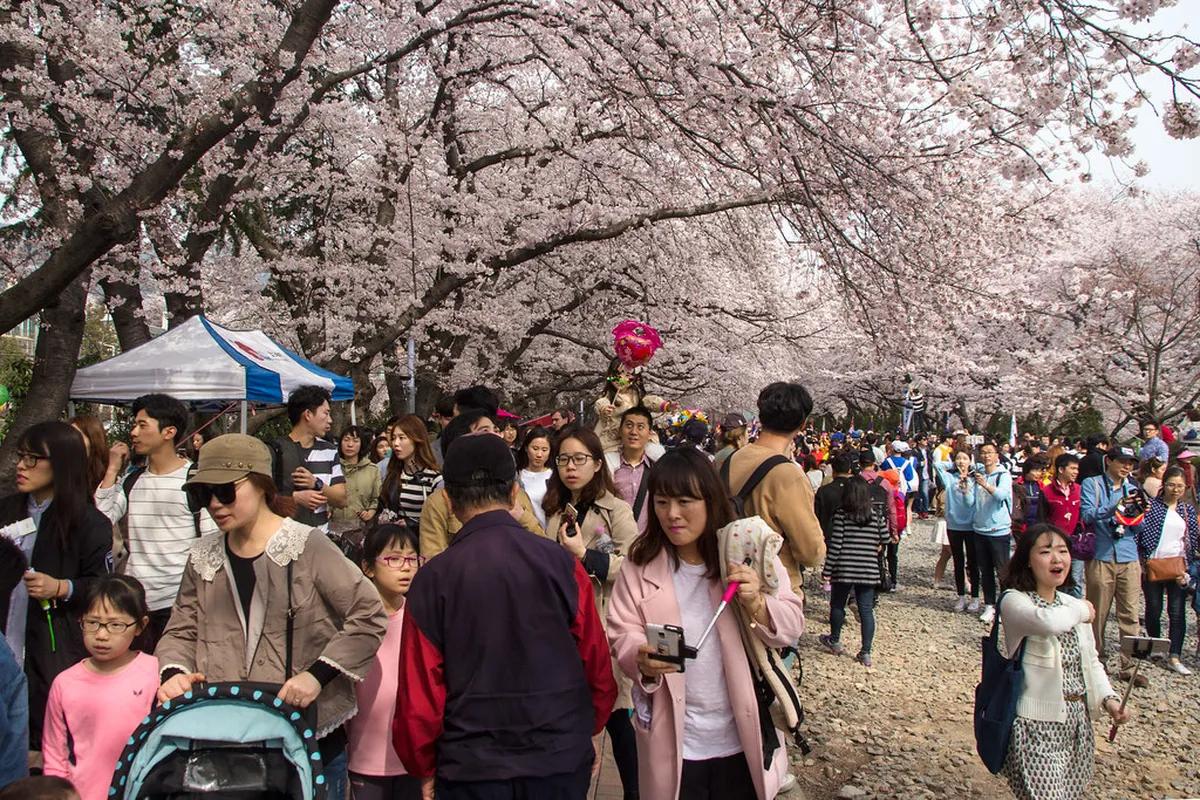
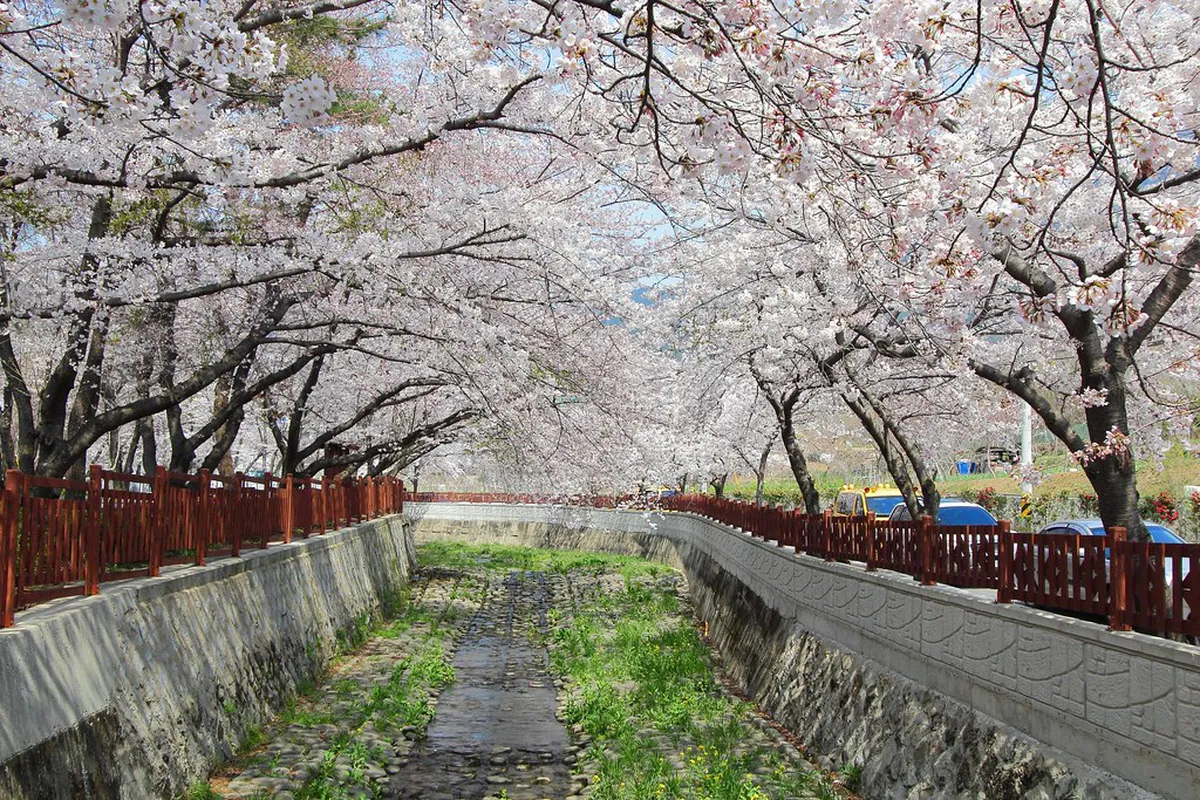
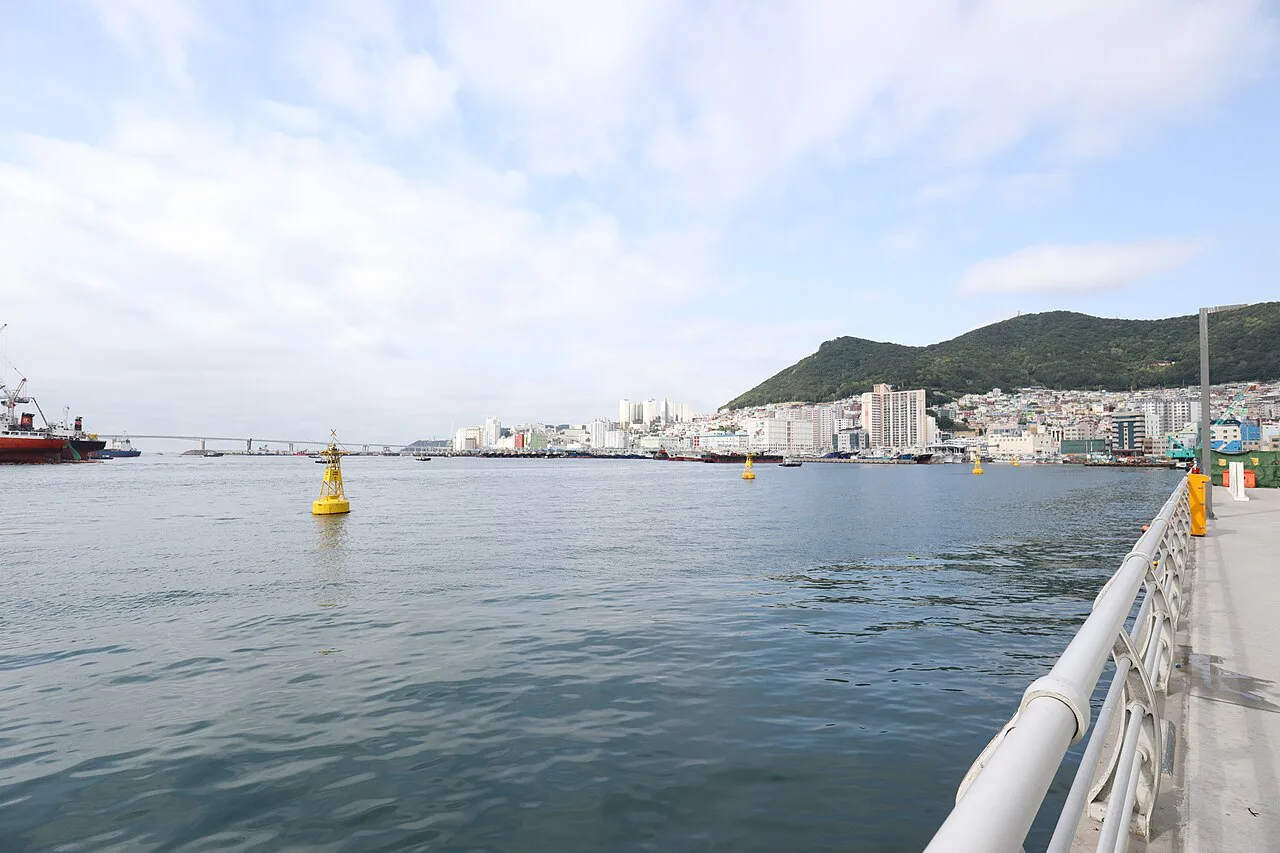
Featured image: cat_collector, CC BY 2.0, via Flickr.
When to Visit the Jinhae Cherry Blossom Festival
Jinhae Gunhangje is built around the blossoms, and blossoms follow the weather. The festival window is announced each year, and the real peak can land a few days before or after it. Look up the programme on the Korea Tourism Organization site for the current year. Changwon publishes local notices on its city tourism pages. For the bloom itself, follow the Korea Meteorological Administration's cherry blossom forecast in the week before you travel. Flowers that open early usually fall within about two weeks, so a late-March trip is safer than a mid-April one.
- Go now: the forecast says full bloom is within a few days of your free date.
- Go midweek: the festival is on but you can shift your day off a weekend.
- Wait: buds are still closed and petals have not opened on the Yeojwacheon trees.
- Switch plans: petals are already falling, so head for a later-blooming spot instead.
Getting to Jinhae from Busan
Three options make sense from Busan: train, intercity bus and taxi or rental car. Korail lists current train services on its timetable and booking site. Bus times come from the terminal operators, and both vary on festival days. Traffic restrictions around the main sites are common during the festival, so a car can lose its advantage. Plan your return before you arrive, because late-afternoon queues for trains and buses are the usual pinch point.
| Option | Cost level | Crowd risk | Best for |
|---|---|---|---|
| Train via Korail | Low to medium | High on weekends | Travellers who book ahead and want fixed times |
| Intercity bus | Low | High on weekends | Flexible departures without advance booking |
| Taxi or rental car | High | Very high near the main sites | Groups of three or more, early starts |
Best Spots and a Suggested Route
Start at Gyeonghwa Station, a railway line lined with cherry trees along roughly 800 m of track. Go early, before tour groups arrive. Never stand on the tracks, and follow any staff direction about trains. Whether trains still stop there changes, so check before building your plan around it. Next, walk to Yeojwacheon Stream, a flower-lined waterway of about 1.5 km that includes the Romance Bridge. Stay for dusk, when lanterns and umbrellas are reported to light the stream. Add the festival's food stalls and cultural performances between the two stops. Programming varies by year, so read the current schedule. A realistic order is Gyeonghwa Station in the morning, a food stop at midday and Yeojwacheon in the late afternoon. Treat any time per stop as an estimate and allow extra for crowds.
Gyeonghwa Station's blossom line is roughly 800 m of track, so anyone who tires easily can turn back early.
Crowds, Costs and What to Expect
Entry to the main street spots, Gyeonghwa Station and Yeojwacheon, has typically been free to walk through. Your real costs are transport, food from stalls and any optional extras. Expect stall food at a low to medium price level, and transport to be the largest line. Naval academy and naval base events are a festival feature, and access rules can include ID or advance registration. Look for the official notice and skip those areas if none is posted. Weekends and midday are the worst times to arrive. Weekday mornings are calmer. Here are the mistakes that cost the most time:
- Arriving at midday on a peak weekend.
- Relying on one fixed date without checking the bloom forecast.
- Skipping the official programme and missing closures or one-way flows.
- Booking a return train or bus for late afternoon, when queues peak.
Day Trip or Overnight?
A day trip from Busan suits most visitors. Leave early, do Gyeonghwa Station first and finish at Yeojwacheon after dusk. Overnight pays off in two cases. You may want both a morning visit before crowds and the evening lanterns. You might also want to avoid the return rush. Rooms in Changwon and Jinhae fill fast during the festival and cost more, so Busan is the cheaper base. If you want a second spring stop, Gyeongju as a separate day trip pairs well with a different day.
Who Should Skip It, and Alternatives
Skip the festival if dense crowds bother you, if walking long distances is hard, or if your only free date may miss the bloom. Quieter options exist. Other Korean cherry blossom festivals, such as those in Gyeongju, Hadong's Hwagae, Seoul's Yeouido and Gangneung's Gyeongpo, have different timing and scale. If petals have already fallen, a day in Ulsan gives a calmer outing. For a longer coastal trip, Geoje Island Guide: Day Trip from Busan, Zones, Costs is another regional option, with details on the Geoje city site.
Yeojwacheon Stream extends about 1.5 km around the Romance Bridge, so a weekday morning keeps the walk calm.
Planning for limited mobility and young children
Jinhae works best when you treat it as two separate walking areas, rather than one compact attraction. Gyeonghwa Station follows roughly 800 m of blossom-lined railway, while Yeojwacheon Stream extends about 1.5 km around the Romance Bridge. Choose one as your priority if anyone in your group tires easily.
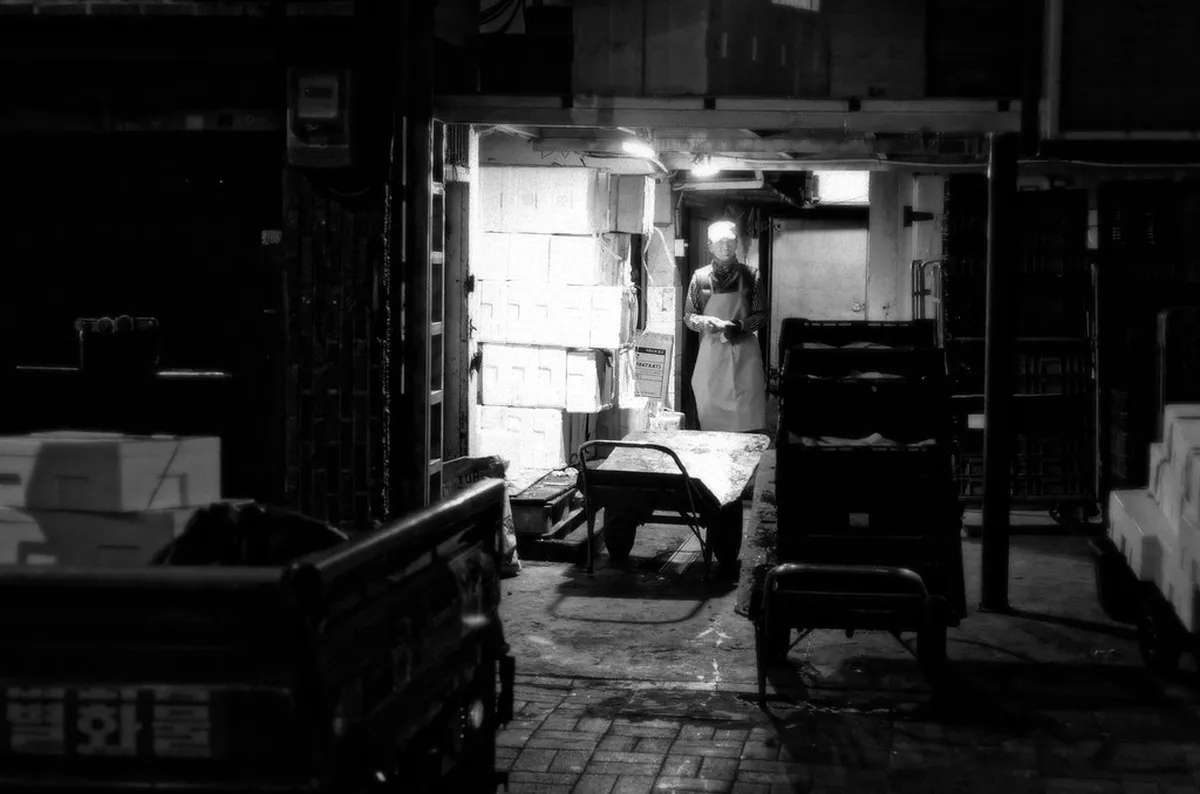
Start at Gyeonghwa Station early if the railway blossoms matter most. It offers a clear turnaround point if crowds or standing become difficult. Choose Yeojwacheon instead if you want cafés, food stalls and the evening atmosphere in one area. Do not try to cover every decorated stretch simply because it is on the festival map.
Weekend midday crowds can make narrow paths slow and uncomfortable for strollers, wheelchairs, or visitors needing frequent rests. A weekday morning is the easier option. Keep your return transport flexible, and check the current festival notice for temporary closures, one-way pedestrian flows, and any accessible-route guidance before leaving Busan.
Notes for your Korea trip
Optional updates to our city guides.
You might also like
Continue reading
More guides you'll find useful