Busan Food Guide: 10 Dishes to Try and Where to Eat
Busan food guide: pork soup rice, milmyeon, seed hotteok, fish cake and raw fish, with areas, metro exits, market hours and what to skip.
On this page
Last updated November 2026: busan food comes down to pork soup rice, cold milmyeon noodles, seed-filled hotteok, fish cake and raw fish at Jagalchi Market. Nampo, Seomyeon and Haeundae cover most of these dishes, and each is a short walk from a Busan Metro exit. Use the ten dishes below to build a route that matches your appetite and your dietary limits.
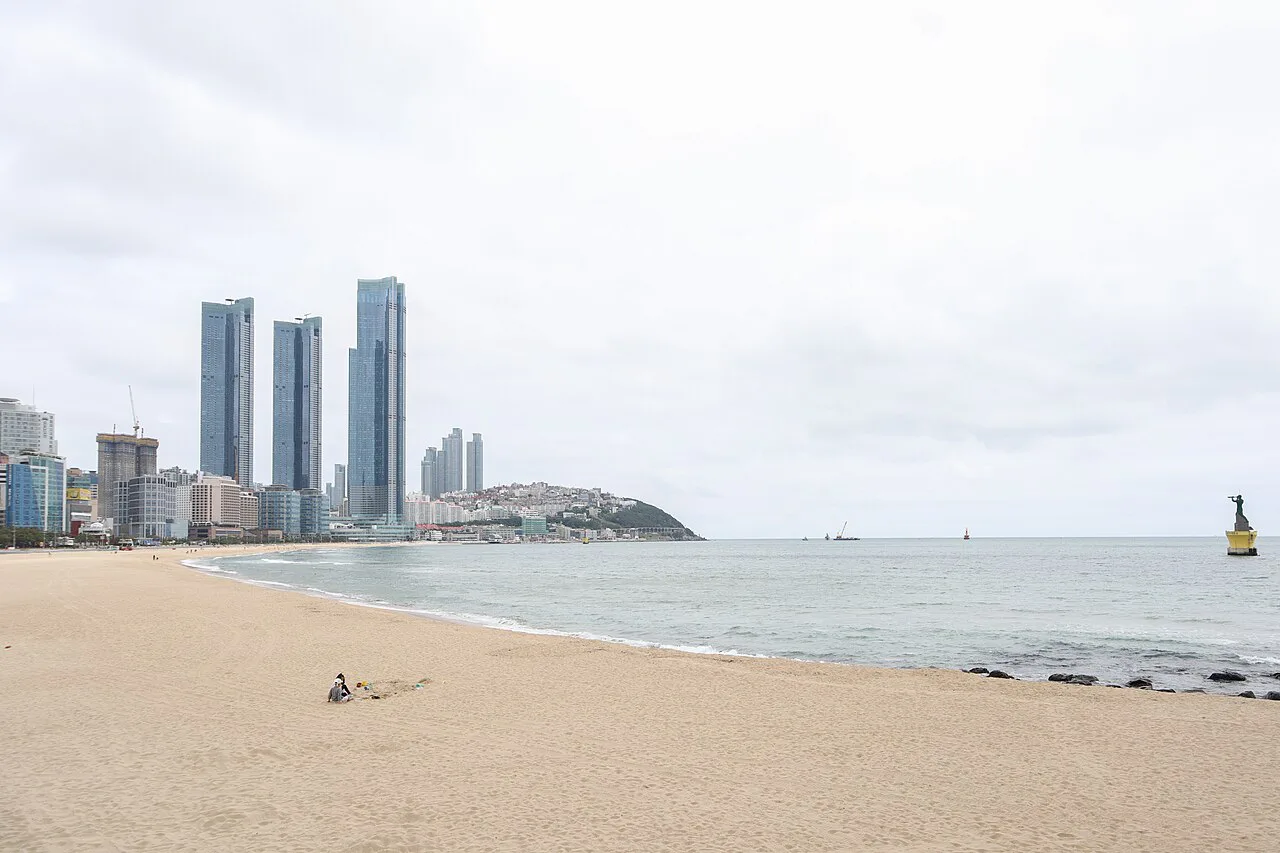
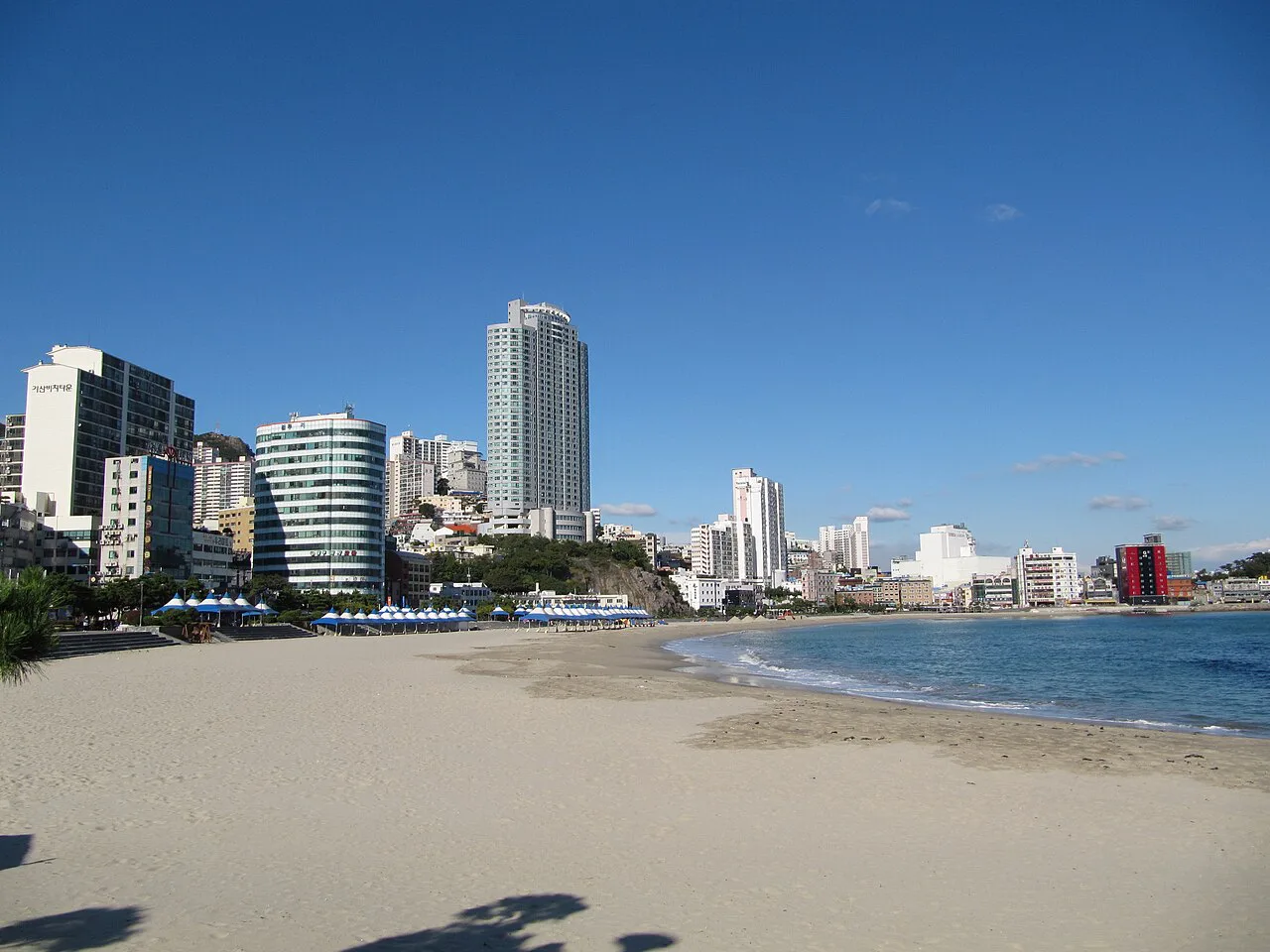
Featured image: Mobius6, CC BY-SA 4.0, via Wikimedia Commons.
10 Busan Food Dishes Worth Planning a Day Around
Prices and hours checked November 2026. Cost levels in this guide are relative, because stall and restaurant prices change shop by shop. Entries run from hot soups to street snacks.
1. Dwaeji gukbap (pork soup rice)
Dwaeji gukbap is a hot bowl of pork belly in broth, served over steamed rice. Locals eat it as a restorative meal when they feel weak or sick. Season it at the table with salted shrimp and salt, adding a little at a time.
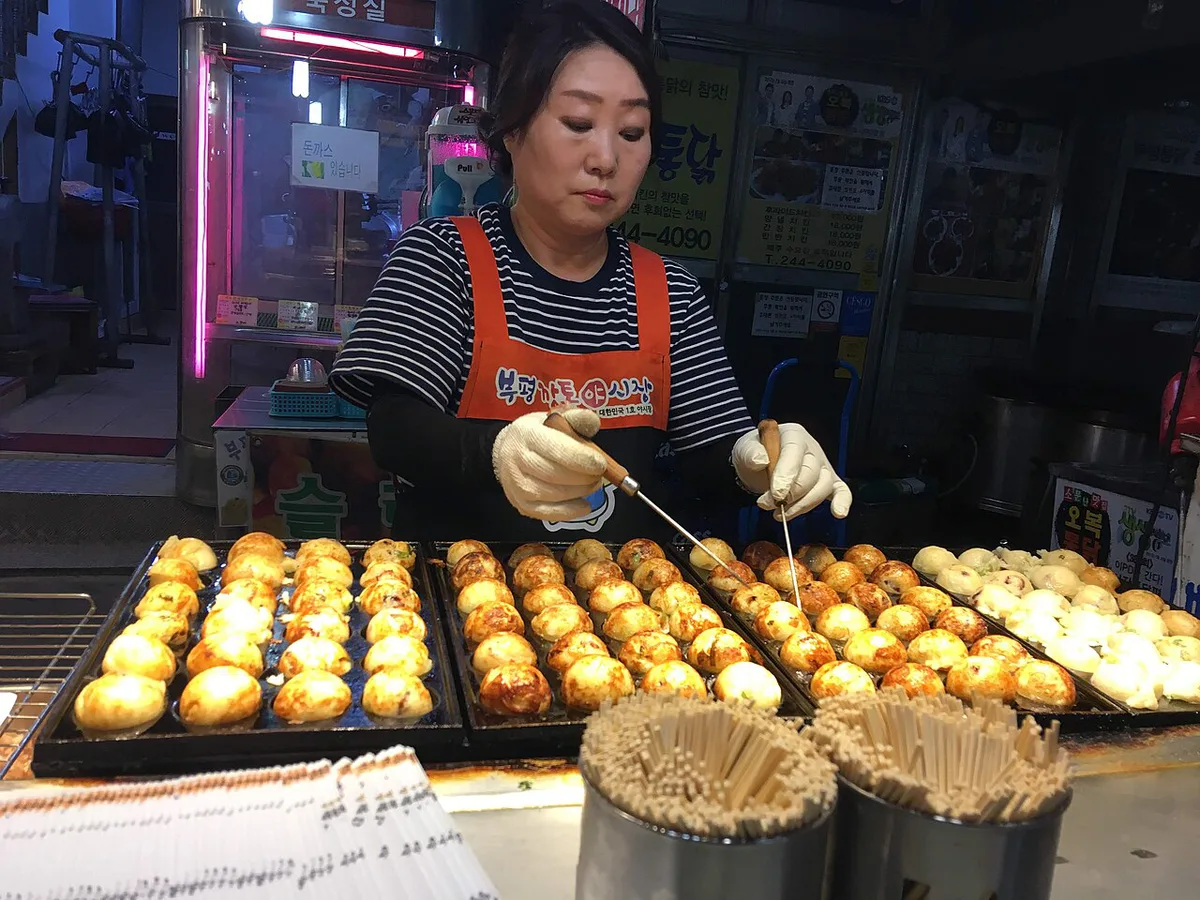
Side dishes arrive alongside, and many shops seat solo diners at a counter. Our pork soup rice guide covers ordering step by step. Expect a mid-range sit-down price. Pass on it if you avoid pork, because the broth is built on it.
2. Milmyeon (cold wheat noodles)
Milmyeon is Busan's cold noodle dish, chewy and served in an icy broth. Common toppings are cucumber, beef and pear slices, and some shops add a spoonful of gochujang. Noodles are made from wheat flour and sweet potato starch.
One theory traces the dish to Korean War refugees who used wheat flour in place of buckwheat, though the origin is uncertain. Summer is the natural season, and a bowl is a light mid-range meal. Read our milmyeon noodle guide before you order. Cold broth is a poor fit in January, so winter visitors can swap in gukbap.
3. Ssiat hotteok (seed-filled pancake)
Ssiat hotteok is a fried pancake stuffed with sesame, sunflower and pumpkin seeds. Cinnamon and melted sugar give the filling its sticky, nutty bite. Street vendors near BIFF Square in Jung-gu are the classic place to find it.
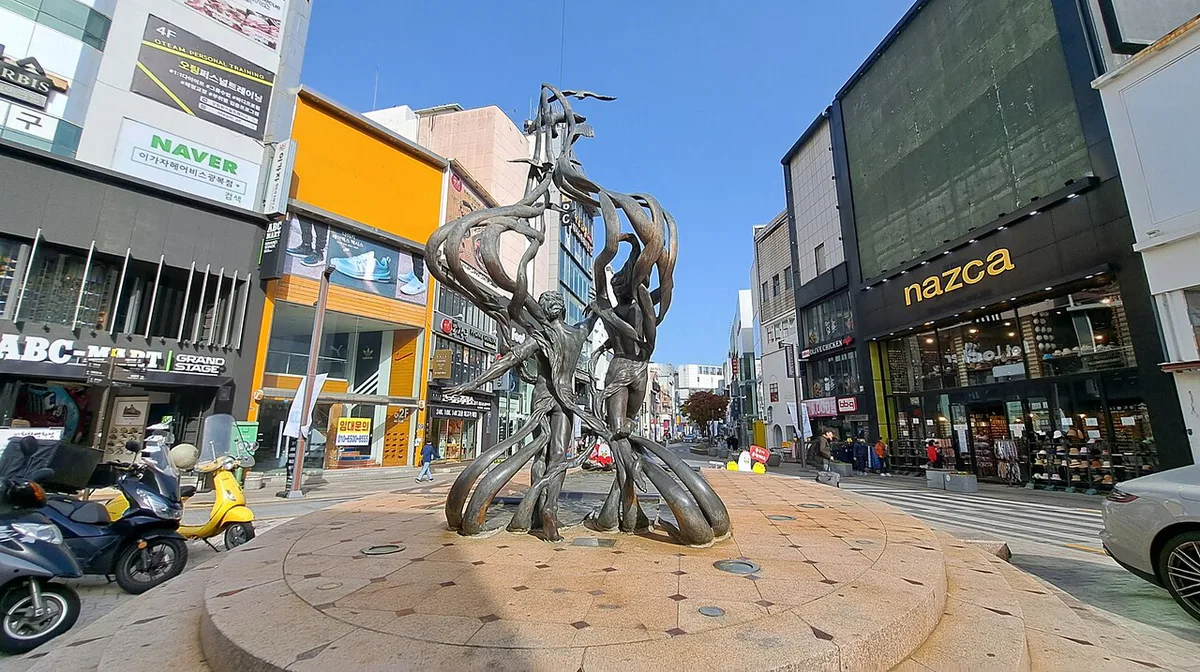
BIFF Square is open year-round, so a late-afternoon snack stop works in any season. Expect a cheap street-snack price and a short wait while vendors fry each one to order. Details sit in our seed hotteok guide. Eat it hot, and skip it if you dislike sweet fillings.
4. Eomuk (fish cake)
Eomuk is minced white fish, shaped, fried and skewered. Vendors keep the skewers warm in hot broth, and you can drink the broth from a paper cup. Busan's version is a nationally recognized street food.
It is the cheapest dish on this list and the easiest to eat standing up. Winter is peak season, when steam off the broth pots works as a landmark. Compare shapes and flavors in our Busan fish cake guide. Anyone with a fish allergy should pass.
5. Mullehoe and raw fish at Jagalchi
Mullehoe is thin-sliced raw fish in a cool broth, mixed with vinegar or doenjang and chili paste. Some versions wrap the fish in perilla leaves with carrot, onion or cucumber, and crushed ice keeps it cold. Jagalchi Market runs 05:00 to 22:00 daily and closes on the 1st, 3rd and 5th Tuesdays.
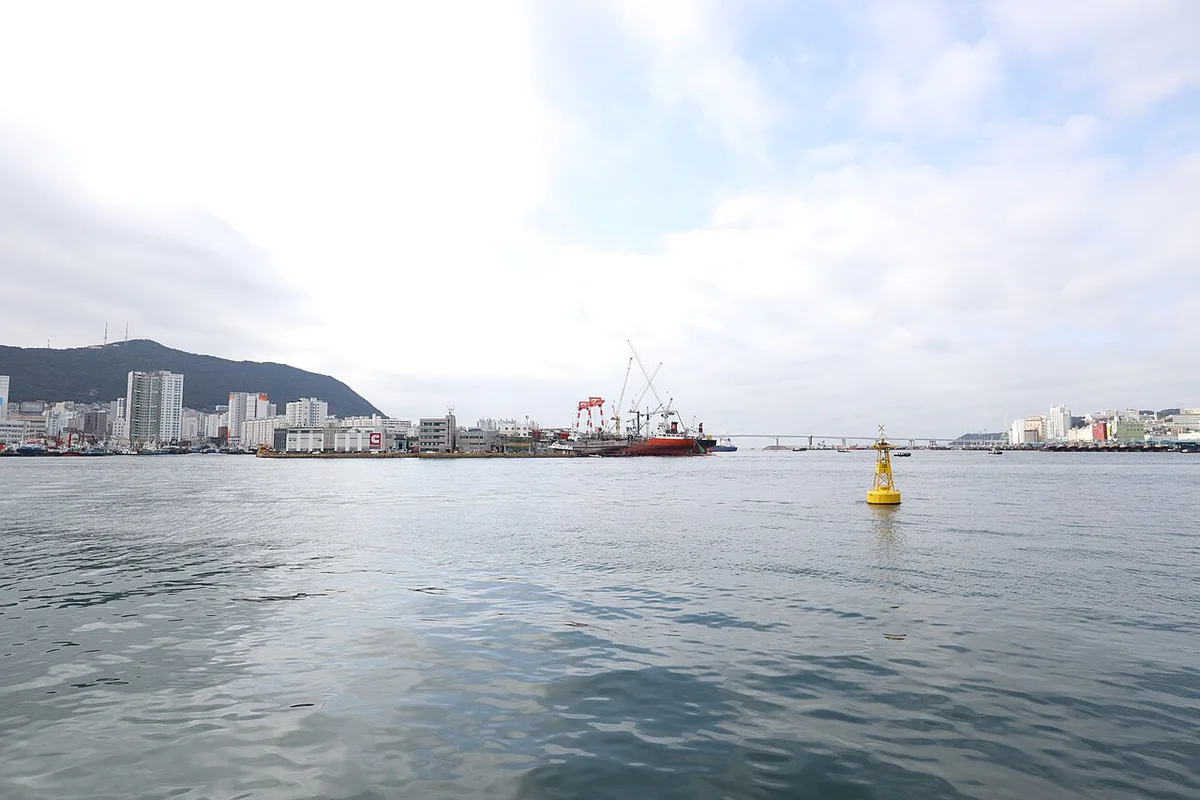
Walk 6 minutes from Exit 10 of Jagalchi Station or Exit 2 of Nampo Station on Metro Line 1. Fees differ by store, so ask before your fish is sliced. See Jagalchi's fish stalls for the market layout. Our raw fish and seafood spots page lists sit-down options. Skip raw fish if you are pregnant or allergic to shellfish.
6. Pork belly barbecue in Seomyeon
Seomyeon is a central dining district, reached from Exit 2 of Busan Metro Lines 1 and 2. Grill-at-the-table pork belly is the main order, wrapped in leaves with sauces and side dishes. Grill shops are designed for groups, so solo diners often meet a two-portion minimum.
Evenings are busiest, and a table for two is easier to get before the dinner rush. Budget at the upper mid-range, since meat is priced per portion. Our Korean barbecue guide compares styles. Halal and pork-free travelers should look elsewhere.
7. Haemul pajeon (seafood pancake)
Haemul pajeon is a crisp pancake of rice flour batter, green onions and seafood. Cooks fry the green onions first, then pour batter over them until the base turns golden. Clams, shrimp, oysters and squid all show up, depending on the shop.
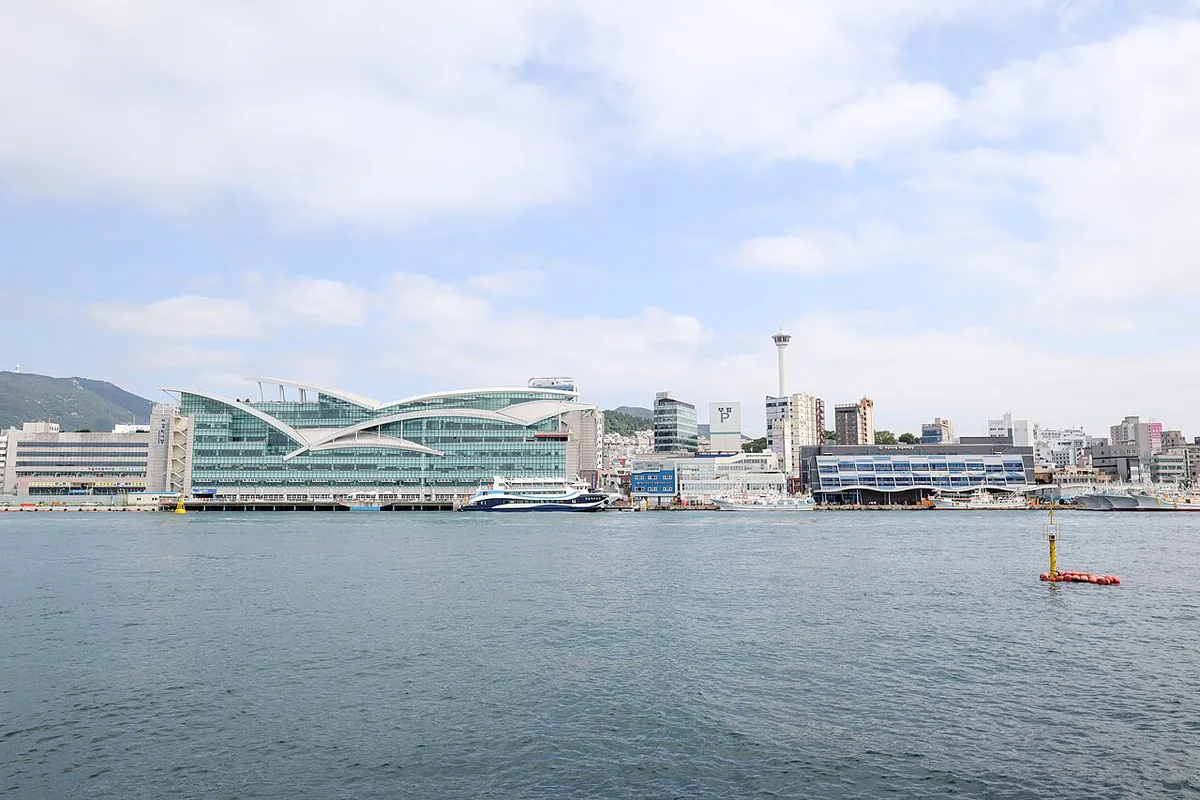
Dip each piece in soy sauce mixed with vinegar and onions. Order it as a shared side to a soup or noodle bowl at a mid-range price. Shellfish-allergic travelers should skip it, because most versions pile on mixed seafood.
8. Chimaek (fried chicken and beer)
Chimaek pairs Korean fried chicken with cold beer, and the name blends the two words. Chicken spread from U.S. military bases to streets nationwide after the Korean War. Sauces and toppings vary by shop, from plain fried to heavily glazed.
Evening is the natural slot, once your day of walking is done. Plan a mid-range spend, and share one order between two people. Pass on it if you want something distinctly Busan, because chimaek is eaten everywhere in Korea.
9. Korean street toast
Street toast is a grilled sandwich on two slices of white bread. Shops stuff it with cabbage, an omelet and tomato sauce, then sprinkle sugar on top. It works as a quick breakfast on the go, and franchise chains sit beside independent toast stands.
Expect a cheap street-snack price and almost no wait. Pair it with coffee from dessert and coffee stops nearby. Skip it if you want a sit-down meal, since toast is a handheld snack.
10. Market grazing at Gukje and Bupyeong Kkangtong
Gukje Market is open 09:00 to 20:00 and closed Sundays. Walk 7 minutes from Exit 7 of Jagalchi Station. Vendors serve rice cakes, fish soup and blood sausage from stalls with plastic stools. Bupyeong Kkangtong Market opens 08:00 to 20:00, and Exit 3 of Jagalchi Station is a 9-minute walk.
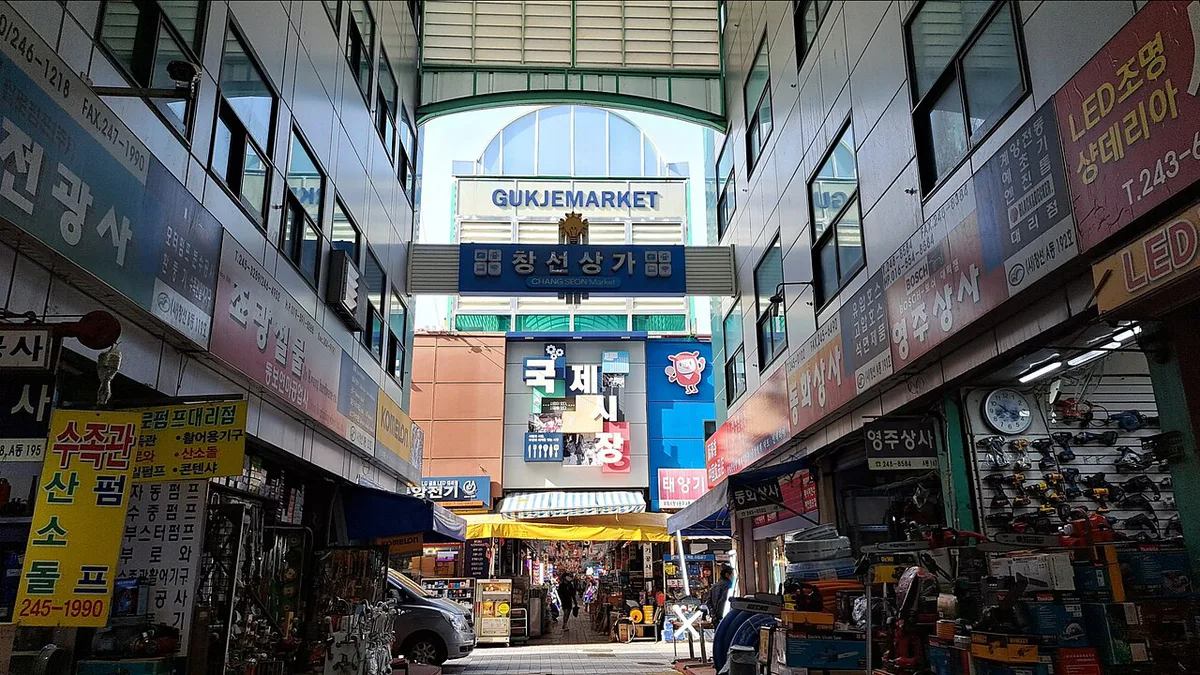
After 19:30, cart bars enter and the market becomes a night market until 23:30. Our snack stalls around the markets page lists more stops. Skip Gukje on a Sunday, and go to Kkangtong after dark instead.
Where to Eat Busan Food by Area
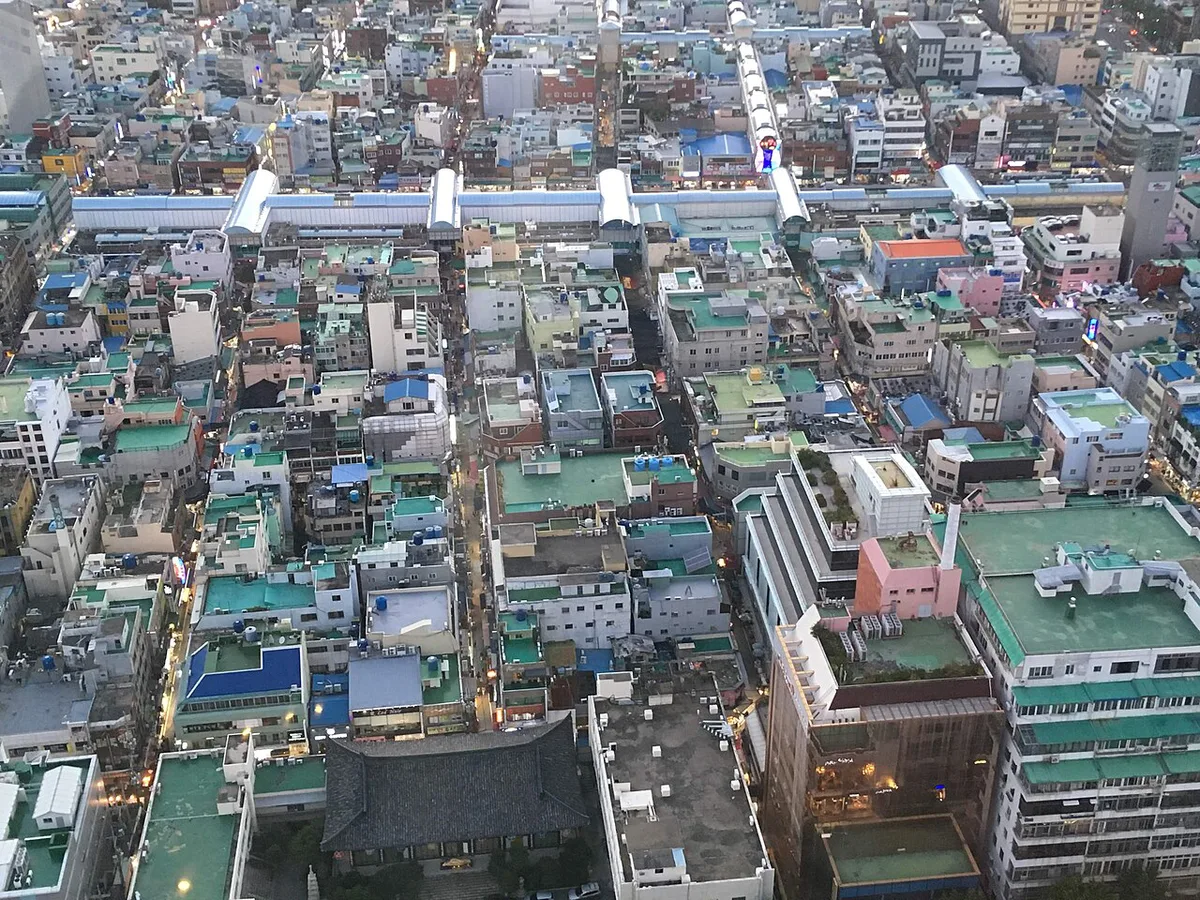
Nampo packs the most dishes into one walkable zone. Jagalchi, BIFF Square, Gukje Market and Bupyeong Kkangtong all sit in Jung-gu. Haeundae Market runs 09:00 to 22:00 and sits about 5 minutes from Haeundae Beach. Bujeon Market opens at 04:00 and closes at 19:00, so it suits an early start. For sit-down meals across these areas, see our sit-down restaurant picks. For coffee after a meal, try Jeonpo's cafe lane.
Bujeon Market opens at 04:00, an hour before Jagalchi's 05:00 start, so an early route can begin there.
| Area | Eat here | Time to allow |
|---|---|---|
| Nampo and Jagalchi | Raw fish, eomuk, ssiat hotteok, market snacks | Half a day |
| Gukje and Kkangtong markets | Stall snacks by day, cart bars at night | One afternoon plus evening |
| Seomyeon | Pork belly barbecue, pork soup rice | One dinner |
| Haeundae Market | Street snacks and sit-down meals near the beach | One meal |
| Bujeon Market | Early market browsing | One morning |
Reaching Busan's Food Markets by Metro
Busan Metro Line 1 links most of the food zones in this guide. Exit 10 of Jagalchi Station and Exit 2 of Nampo Station both lead to Jagalchi Market in 6 minutes on foot. Gukje Market is 7 minutes from Exit 7 of Jagalchi Station. Seomyeon sits at Exit 2 of Lines 1 and 2. Haeundae Market is a 5-minute walk from Exit 3 of Haeundae Station on Line 2. Official stop lists and bus numbers are on the Visit Busan official guide.
How to Order, Pay and Budget for Busan Food
Street snacks such as eomuk, hotteok and toast sit at the cheap end. Soups, noodles and pancakes sit mid-range. Raw fish platters and grill meals are the splurge, since both are priced per portion. Cards are accepted at Haeundae Market, but carry small cash for cart bars and stalls. Service fees at Jagalchi, Gukje and Kkangtong differ by store, so ask before you sit. Many menus are Korean-only, so point at neighboring plates. For market background, see the Korea Tourism Organization food guide.
Cart bars at Bupyeong Kkangtong enter after 19:30 and the night market runs to 23:30, so keep small cash for evening snacks.
A Half-Day Nampo Food Route
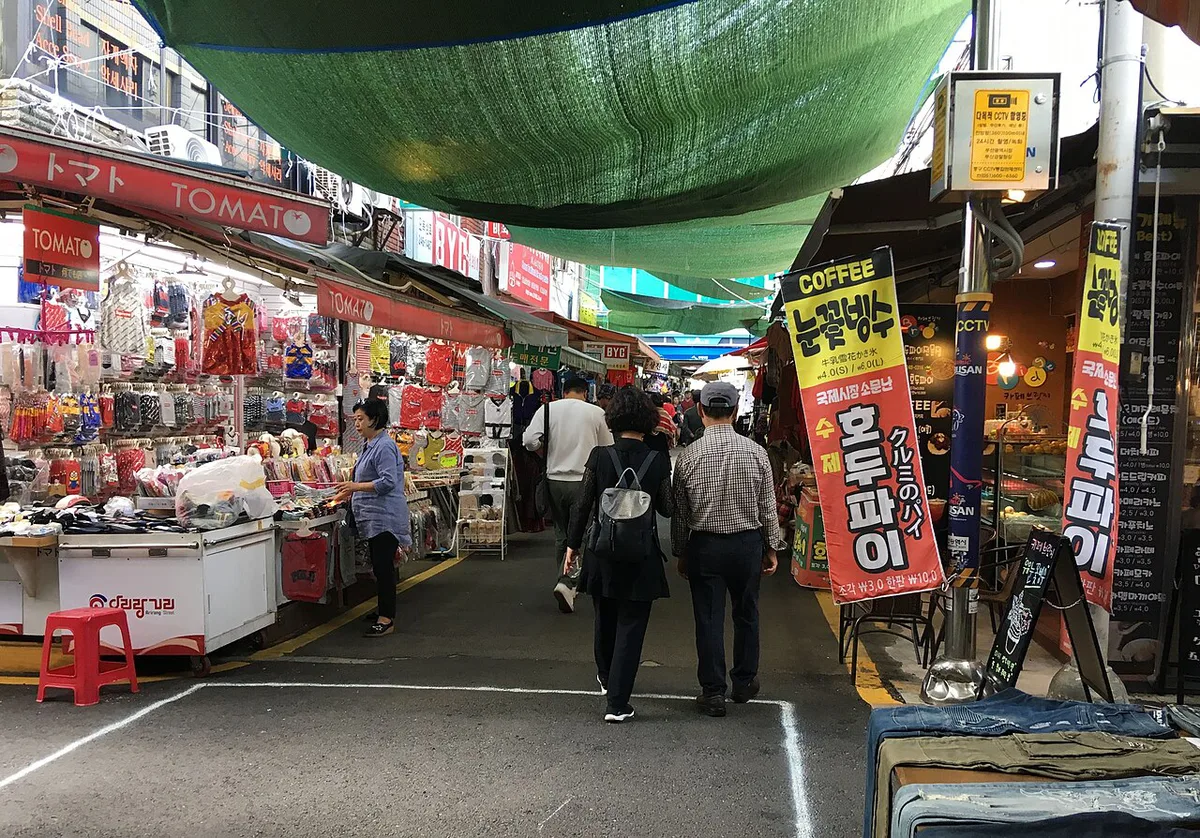
Start at Jagalchi Market, which opens at 05:00, and look at the fish stalls before the crowds. Move to Gukje Market for stall snacks on any day except Sunday. Finish with ssiat hotteok near BIFF Square. On a Sunday, swap Gukje for Bupyeong Kkangtong, which is open every day. Come back at 19:30 for cart bars and the night market, which runs to 23:30. Cold dishes such as milmyeon suit summer, while eomuk broth suits winter.
Dietary Needs and Common Mistakes
Busan food leans on pork, seafood and fish cake. Vegetarian, halal and pork-free travelers will find limited options at soup counters and barbecue shops. Shellfish-allergic travelers should avoid pajeon and mixed seafood stalls. Overordering is the most common error, so share dishes and stop after two stops per meal. Raw-fish stalls at Jagalchi quote by weight, so ask for a price before slicing. Avoid eating at peak mealtimes if you dislike queues.
A One-Day Busan Food Route
Start early at Bujeon Market, which opens from 04:00 to 19:00. Browse first, then make a light breakfast your only substantial morning stop. Save room for the market-heavy afternoon ahead.
Move to Nampo for Jagalchi Market, BIFF Square and Gukje Market. Jagalchi runs from 05:00 to 22:00, and it is a 6-minute walk from Exit 10 of Jagalchi Station. Have raw fish or mullehoe here, then walk toward BIFF Square for hotteok rather than treating every stall as a meal.
Use Gukje for one savory snack, provided it is not Sunday. End at Bupyeong Kkangtong Market after 19:30, when the night market begins. Its cart bars run until 23:30, making it a better dinner finish than an early-afternoon stop. This order separates cold seafood, sweet snacks and grilled evening food, so the day does not become one long sequence of fried market bites.
Explore More Busan Guides
Keep planning your Busan trip with these guides.
Busan Guides
- Busan Street Food Guide
- Dwaeji Gukbap Busan: Where to Eat & How to Order
- Milmyeon Busan: Where to Eat Cold Wheat Noodles
- Busan Seafood Guide
- Jagalchi Fish Market Busan
- 7 Best Restaurants in Busan
- Busan Cafes: Best Sea-View, Coffee & Dessert Spots by Area
- Ssiat Hotteok in Busan
- Busan Korean BBQ: Where to Eat & How to Order
- Busan Fish Cake (Eomuk)
- Jeonpo Cafe Street, Busan
Building the rest of the trip? Our Busan attractions guide covers the sights, districts and logistics around this guide.
Explore food in other cities
Notes for your Korea trip
Optional updates to our city guides.
You might also like
Continue reading
More guides you'll find useful