Busan Seafood Guide: Where to Eat and What to Order
Choose between Jagalchi, Gwangalli, Kkangtong and Gijang. Learn how buy-and-cook works, what to order, and what to settle before you pay.
On this page
Last updated November 2026: busan seafood comes down to four choices. Jagalchi Market suits live and raw fish, Gwangalli suits a sunset table, Gijang suits grilled hagfish and seaweed, and Bupyeong Kkangtong suits seafood snacks. Most market meals use a buy-then-cook model, so agree the total price before anything is cut.
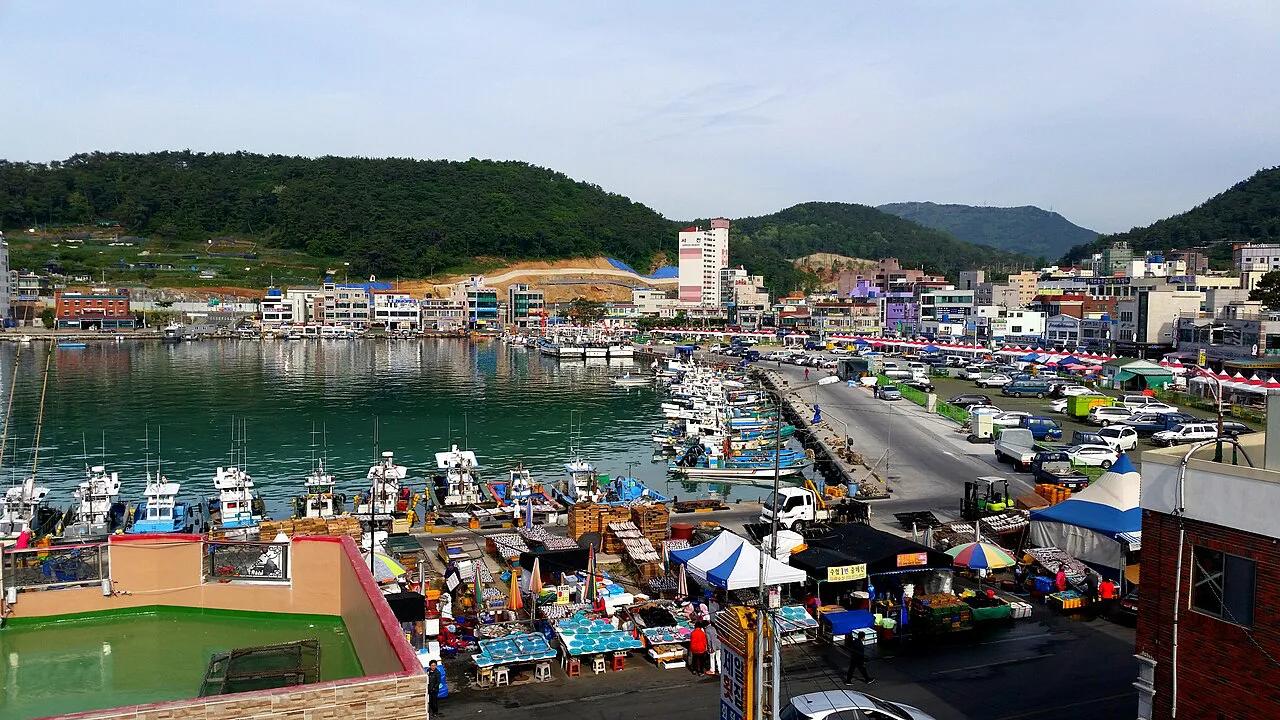
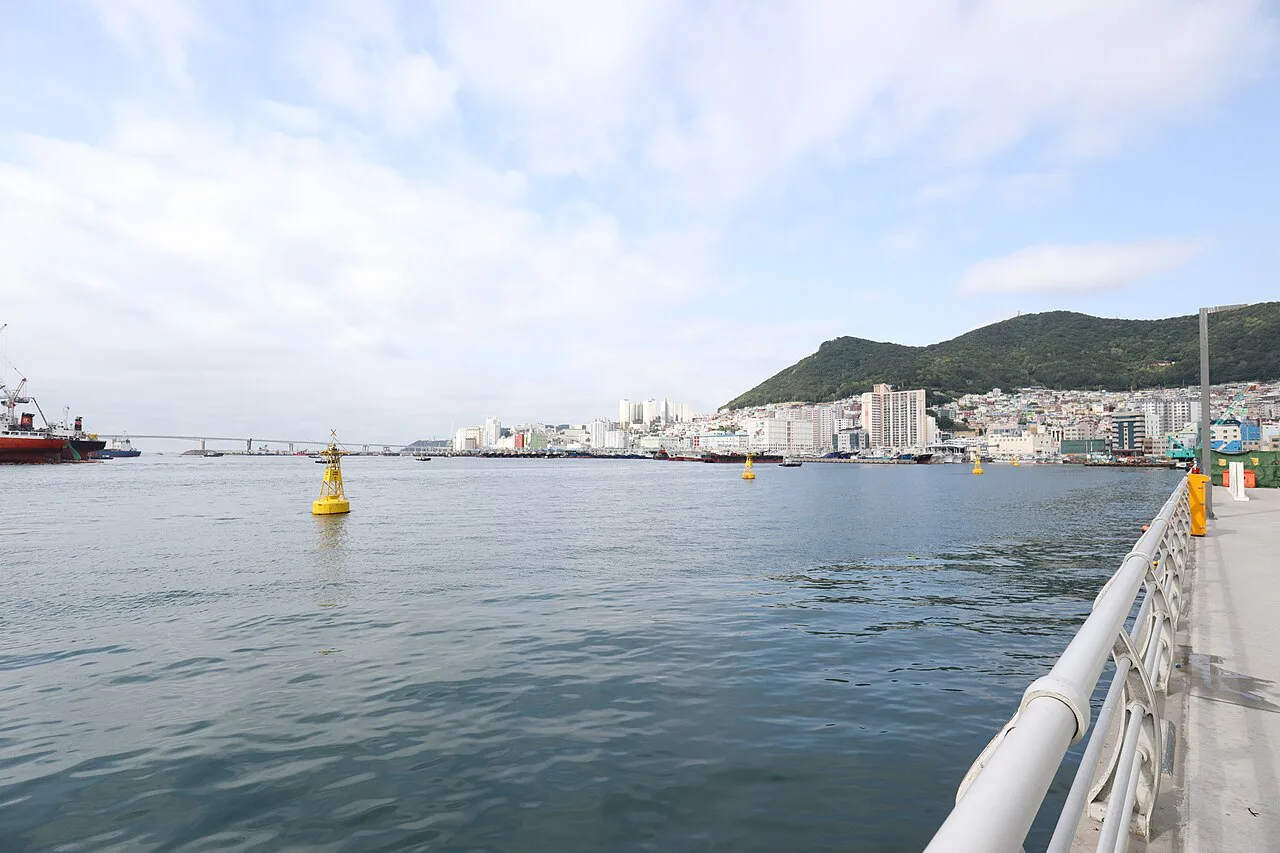
Featured image: cezzie901, CC BY 2.0, via Wikimedia Commons.
Busan seafood: which experience fits you
Pick the format first, then the area. Market buy-and-cook gives the widest choice of live fish but needs the most negotiating. A sit-down restaurant removes the haggling and costs a little more. Readers who want depth on one market can open our full Jagalchi market guide.
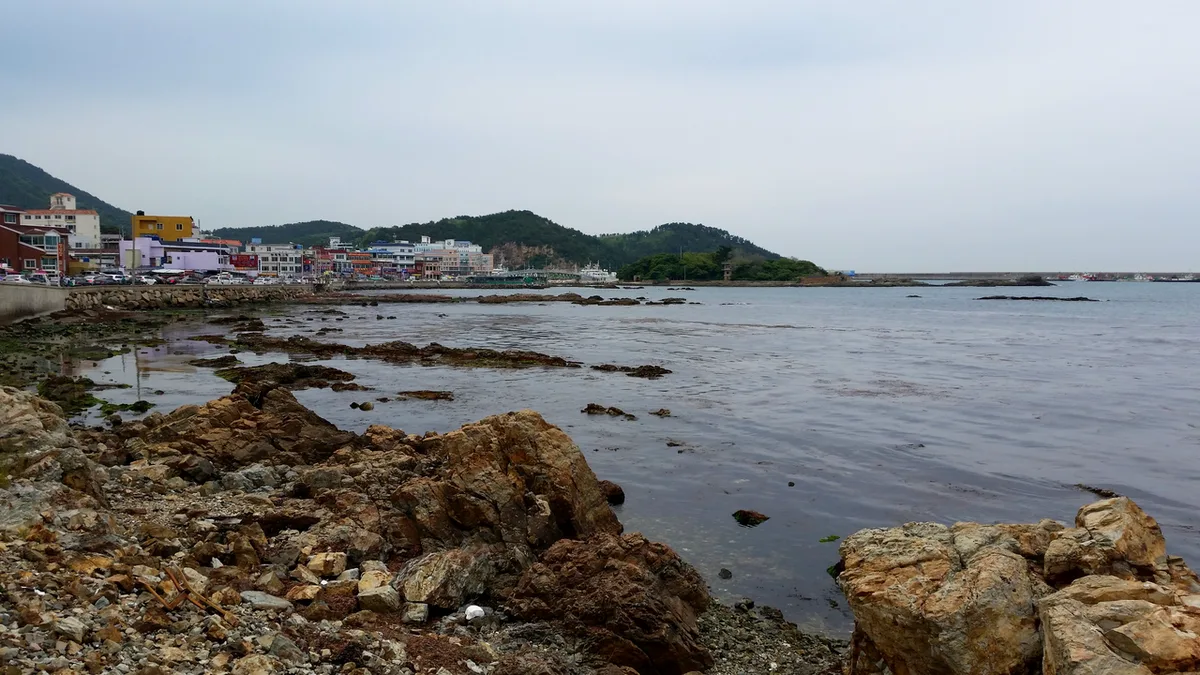
| Format | Best for | Effort | Cost level | Main risk |
|---|---|---|---|---|
| Market buy-and-cook | Raw fish fans, groups | High | Mid to splurge | Unclear table or sauce fees |
| Market-hall restaurant | First-timers who want a set menu | Low | Mid | Pricing by weight without a size check |
| Grilled-fish set meal | Anyone avoiding raw fish | Low | Budget to mid | Popular rooms fill at lunch |
| Street-food seafood | Snackers, short stays | Low | Budget | Cash-only stalls |
| Coastal grill | Half-day trips, couples | Medium | Mid to splurge | Longer transfer from the centre |
Jagalchi Market: live seafood, buy-and-cook and when to go
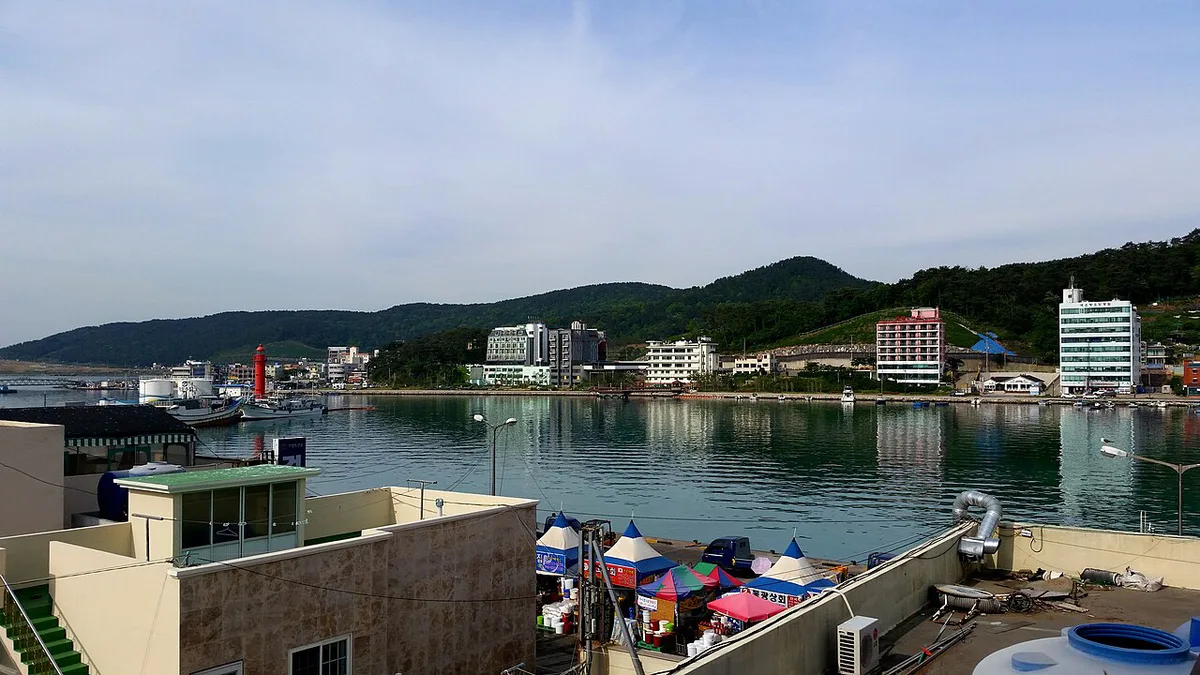
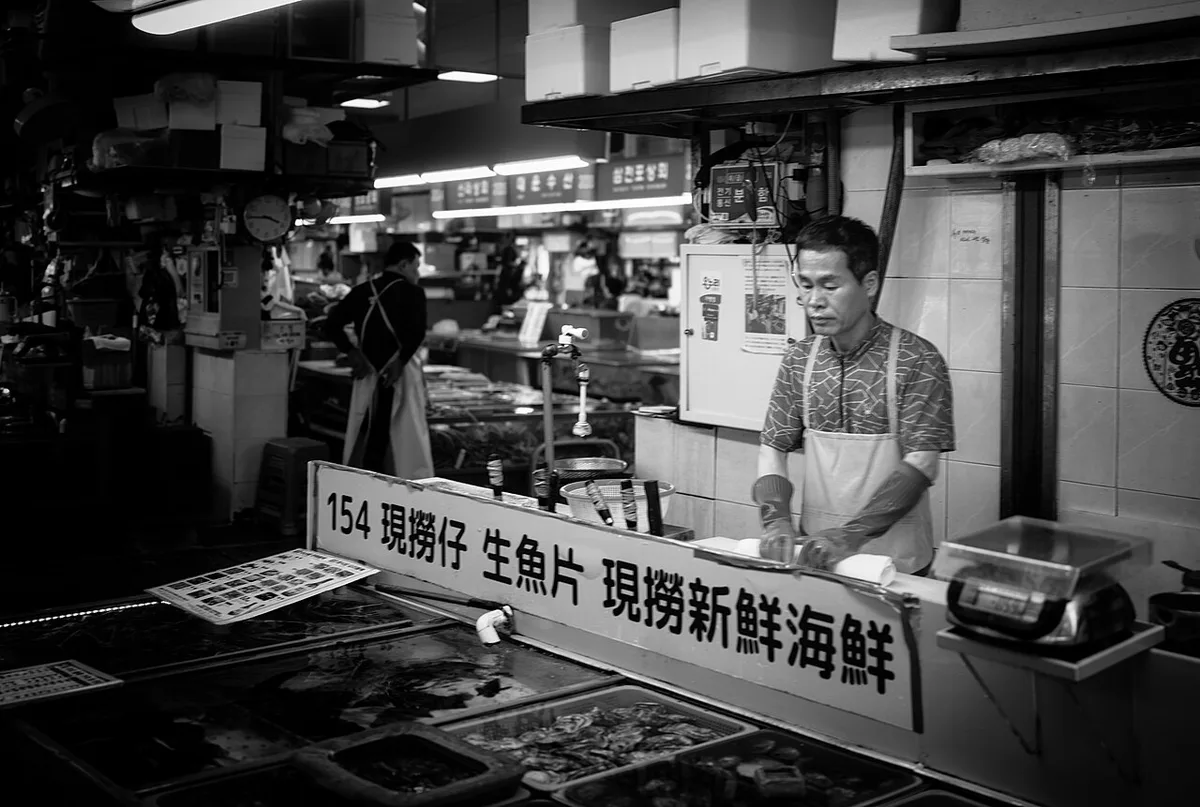
Jagalchi Market is open 05:00–22:00 every day, according to Visit Busan's official guide. Closing days fall on the 1st, 3rd and 5th Tuesdays of the month. Prices and hours checked November 2026. From Nampo Station Exit 2 on Busan Metro Line 1, the walk is 6 minutes. From Exit 10 of Jagalchi Station on the same line, it is also 6 minutes. Early morning shows the market at work, while evening suits a relaxed dinner. Service fees differ by stall, so ask before you sit. For dessert afterwards, try seed-filled hotteok.
How buy-then-cook works (and what to confirm before you pay)
Buying fish at a stall and eating it upstairs or next door is the standard market routine. Three steps cover it. Settle the details before the knife comes out.
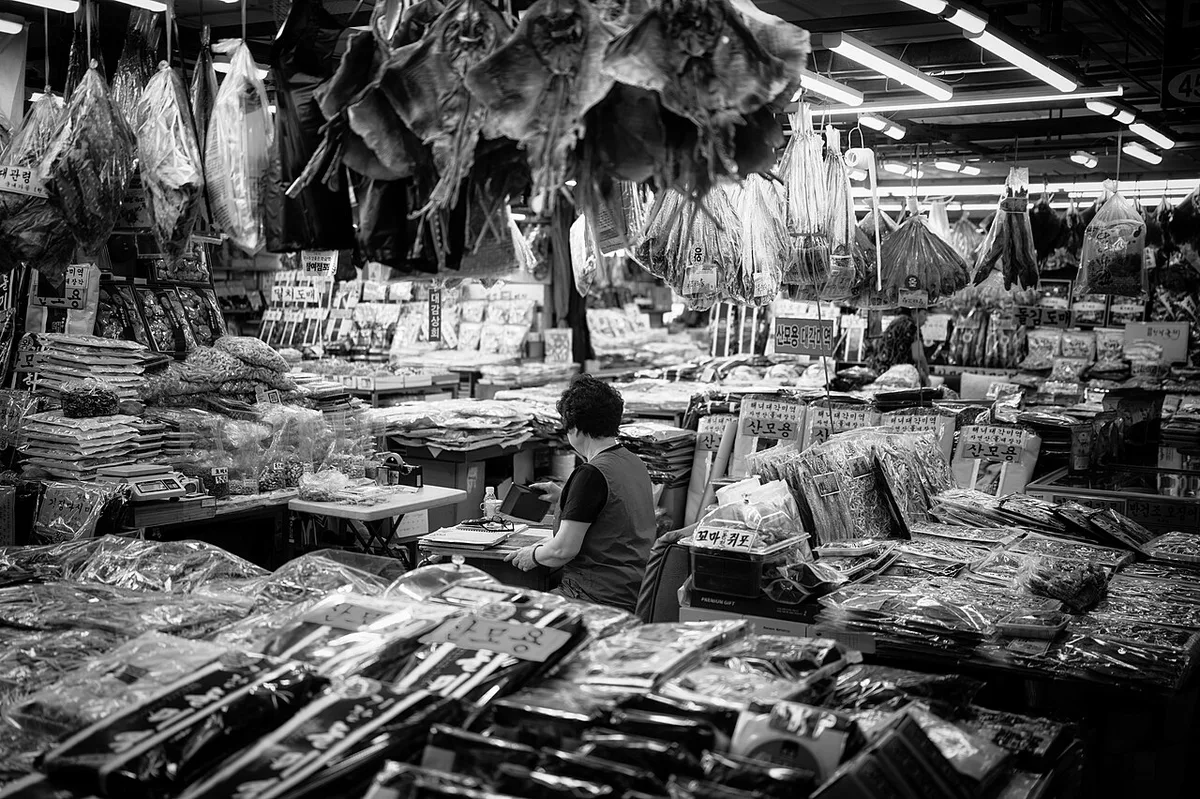
- Pick the fish or shellfish at a stall and agree the weight and price out loud.
- Get directed to a cooking restaurant, which prepares it as sliced raw fish (hoe) or as a stew.
- Pay a table or sauce fee on top, which varies by restaurant.
- Mistake to avoid: ordering by weight without checking the size, then discovering the total only at the till.
- Ask which side dishes, rice and condiments the fee includes, and ask for the full total in writing or on a phone calculator.
Gwangalli seafood: raw fish with night views
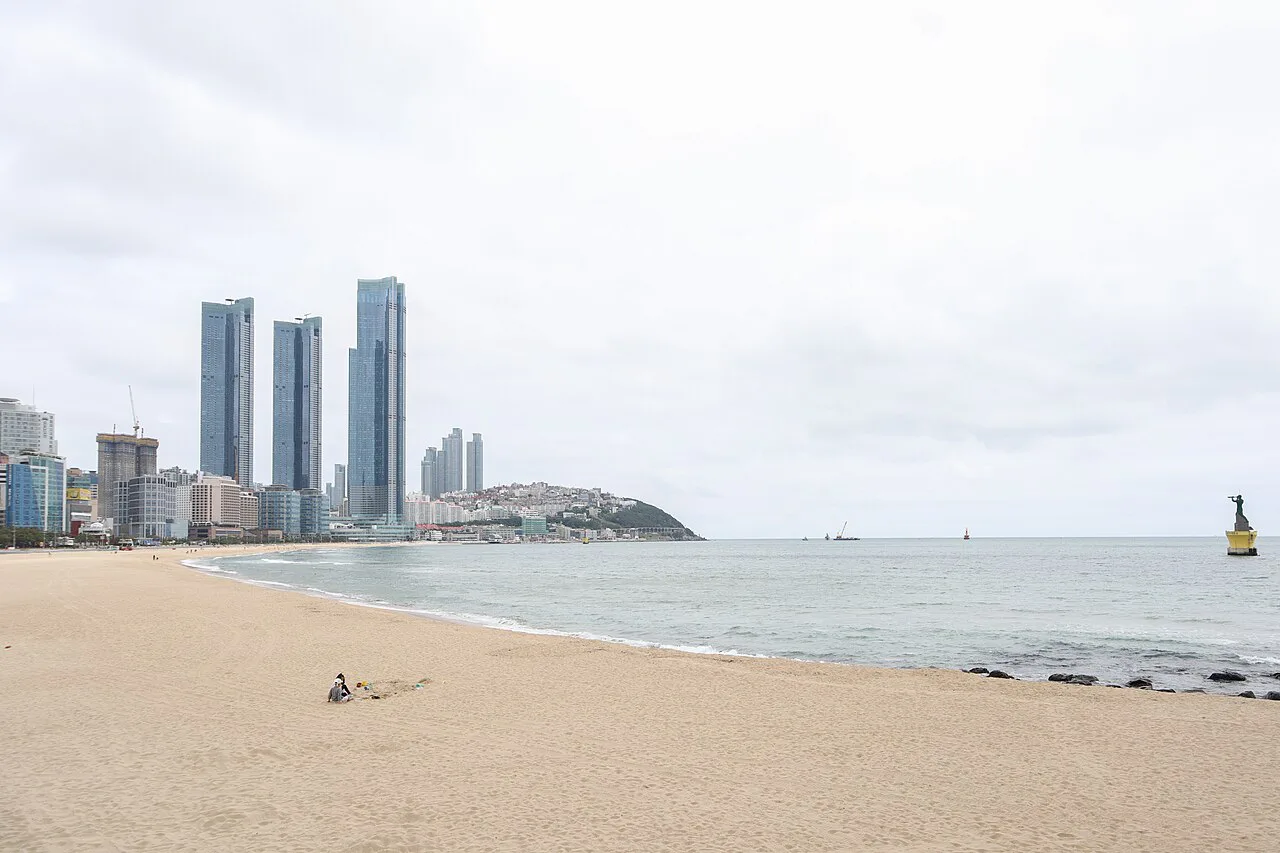
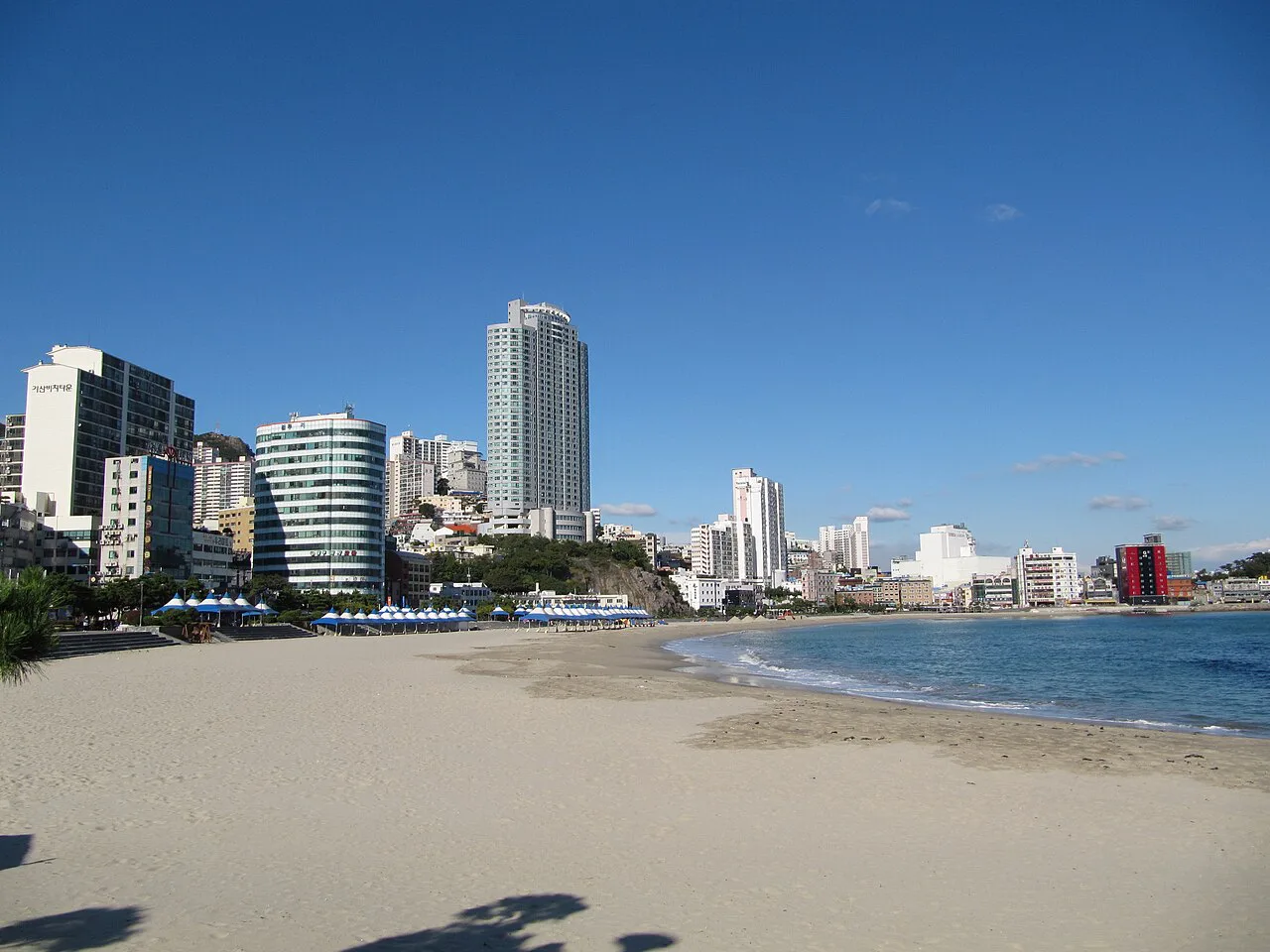
Millak Raw Fish Town near Gwangalli Beach is the easiest place to eat sashimi with a view. Gwangandaegyo Bridge lights up after dark, and tables facing the water fill early on weekends. Prices run friendlier than at the big market, but each restaurant sets its own. Come at sunset for the best light. Order a platter for two rather than single portions, and ask about the cooked add-ons before sitting down.
Bupyeong Kkangtong Market: seafood as street snacks
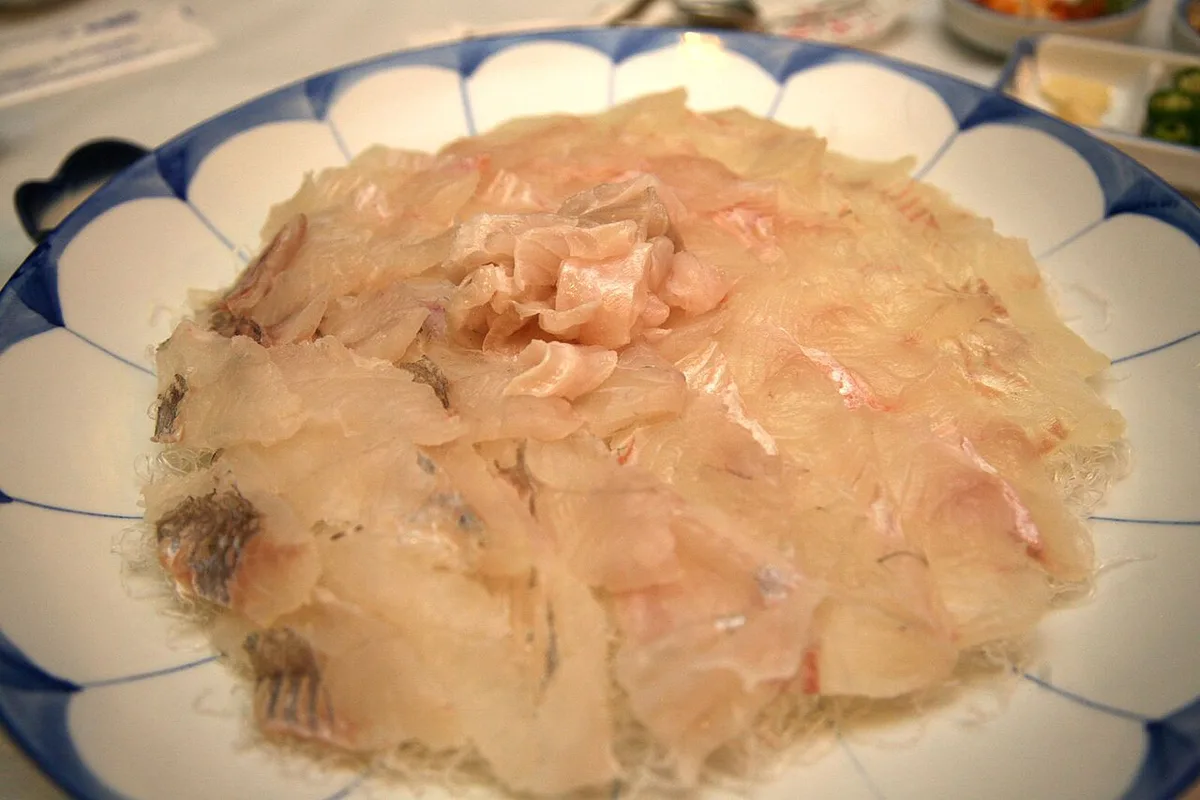
Bupyeong Kkangtong Market sells seafood in snack form. Look for boiled octopus, fried squid and spicy stir-fried baby octopus. Daytime stalls run 08:00–20:00, though hours differ by store. The night market runs 19:30–23:30 at the public parking lot and in Arcade 2. The market is open all year. From Exit 3 of Jagalchi Station the walk is 9 minutes. For other bites on the same lanes, see our Busan street food guide. Fish skewers are covered in our Busan fish cake guide.
Gijang coast: hagfish, seaweed and a half-day out of the centre
Gijang sits in northeastern Busan and is known for grilled hagfish and seaweed. Direct-sale seaweed and kelp shops line the shoreline, and coastal restaurants serve seafood barbecue. Grilled hagfish is chewy, smoky and best eaten hot off the charcoal. Cheongsapo in Haeundae is the other grilled-clam stop on the coast. Treat Gijang as its own half-day, not a quick detour. Visit Busan's English site lists current transport options.
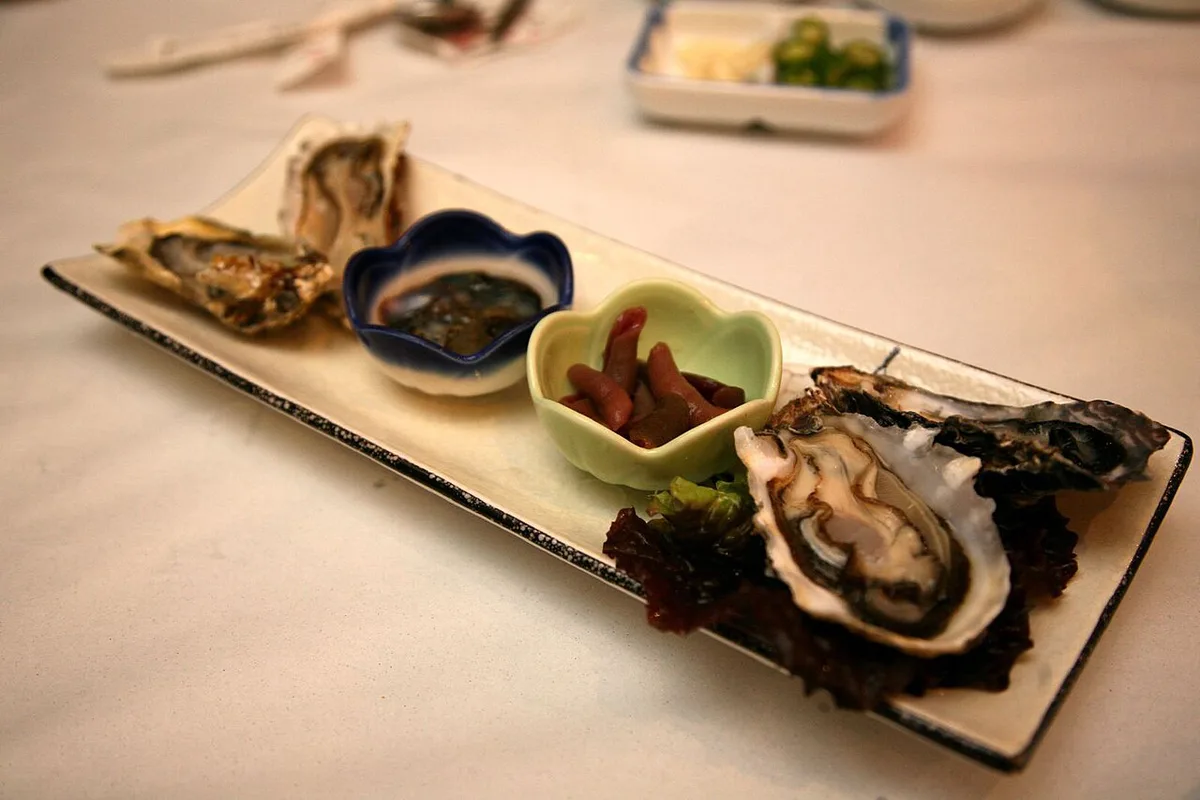
What to order: a short dish guide
You do not have to eat anything alive. Cooked options sit beside the raw ones on almost every menu. Sannakji, chopped live octopus, can stick to the throat. Chew it thoroughly, and skip it with children or if swallowing is a concern.
- Hoe: sliced raw fish, usually served with lettuce, chili paste and wasabi.
- Sannakji: chopped live octopus with sesame oil. Skip it if unsure.
- Maeun-tang: spicy fish stew, often made from the leftovers of your hoe.
- Grilled fish set meal: a cooked, no-risk first meal.
- Grilled hagfish: a Gijang specialty with a smoky char.
- Jogaegui: grilled clams, best at Cheongsapo or Gijang.
If you don't eat raw fish or have dietary limits
Vegetarian options at seafood markets are limited, so plan a separate meal. Shellfish allergies need a clear warning in writing or on a translation app. Try pork and rice soup for a hearty non-seafood lunch. Another good pick is Busan's wheat noodles. For grilled meat, see Busan Korean barbecue.
Plan your time: one-stop, half-day and full-day routes
Short stay: pick one stop, and make it Jagalchi. For a half-day, add Gukje Market, a 7-minute walk from Exit 7 of Jagalchi Station. Gukje opens 09:00–20:00 and is closed on Sundays. A full day can run Jagalchi in the morning, Kkangtong after lunch and Gwangalli at sunset. Sit-down alternatives are in our best Busan restaurants list. The parent Busan food hub maps the wider menu.
Kkangtong's night market runs 19:30–23:30, so it can follow the sunset stop at Gwangalli in a full day.
Costs, timing and getting there
Costs stay relative here because stalls set their own fees. Budget means snacks and set meals, mid means a shared platter, and splurge means live fish by weight. Jagalchi's address is 52 Jagalchihaean-ro, Jung-gu. Buses 27, 41, 5-1, 61, 113, 30, 6, 7, 71 and 86 stop at Jagalchi Market or Sindonga Market. For Kkangtong, buses 8, 11, 96, 103, 113 and Jung-gu 1 stop at Bupyeong Market, then it is a 2-minute walk. The Korea Tourism Organization lists the market's current details.
Kkangtong is reachable by bus, but walking from Jagalchi Station Exit 3 takes 9 minutes.
Seafood and sustainability: practical choices
Ask where the fish is from and which species are in season. Order what the stall recommends rather than a fixed list. Share platters so nothing goes to waste. Stalls with clean ice and clear labels are easier to trust.
Frequently Asked Questions
Where to eat fresh seafood in Busan?
Jagalchi Market suits live fish and buy-and-cook meals. Gwangalli suits raw fish at sunset. Bupyeong Kkangtong suits seafood snacks, and Gijang suits grilled hagfish.
Where is the biggest fish market located?
Jagalchi Market is the best-known fish market in Busan. It is at 52 Jagalchihaean-ro, Jung-gu, a 6-minute walk from Nampo Station Exit 2.
What is Busan known for food wise?
Seafood leads, from raw fish to grilled hagfish. Pork and rice soup and wheat noodles are the other local staples. Street snacks fill the gaps between meals.
Notes for your Korea trip
Optional updates to our city guides.
You might also like
Continue reading
More guides you'll find useful