Dwaeji Gukbap Busan: Where to Eat & How to Order
Where to eat dwaeji gukbap in Busan, how to order and season it, which broth style suits you, and how to avoid meal-time queues.
On this page
Last updated November 2026. Dwaeji gukbap in Busan is a pork-and-rice soup tied to the city's Korean War refugee history, and it is the dish locals reach for when they want a cheap, filling bowl. We cover where to eat it, how to order, and which broth style suits you. Start with our Busan food guide if you want the wider picture.
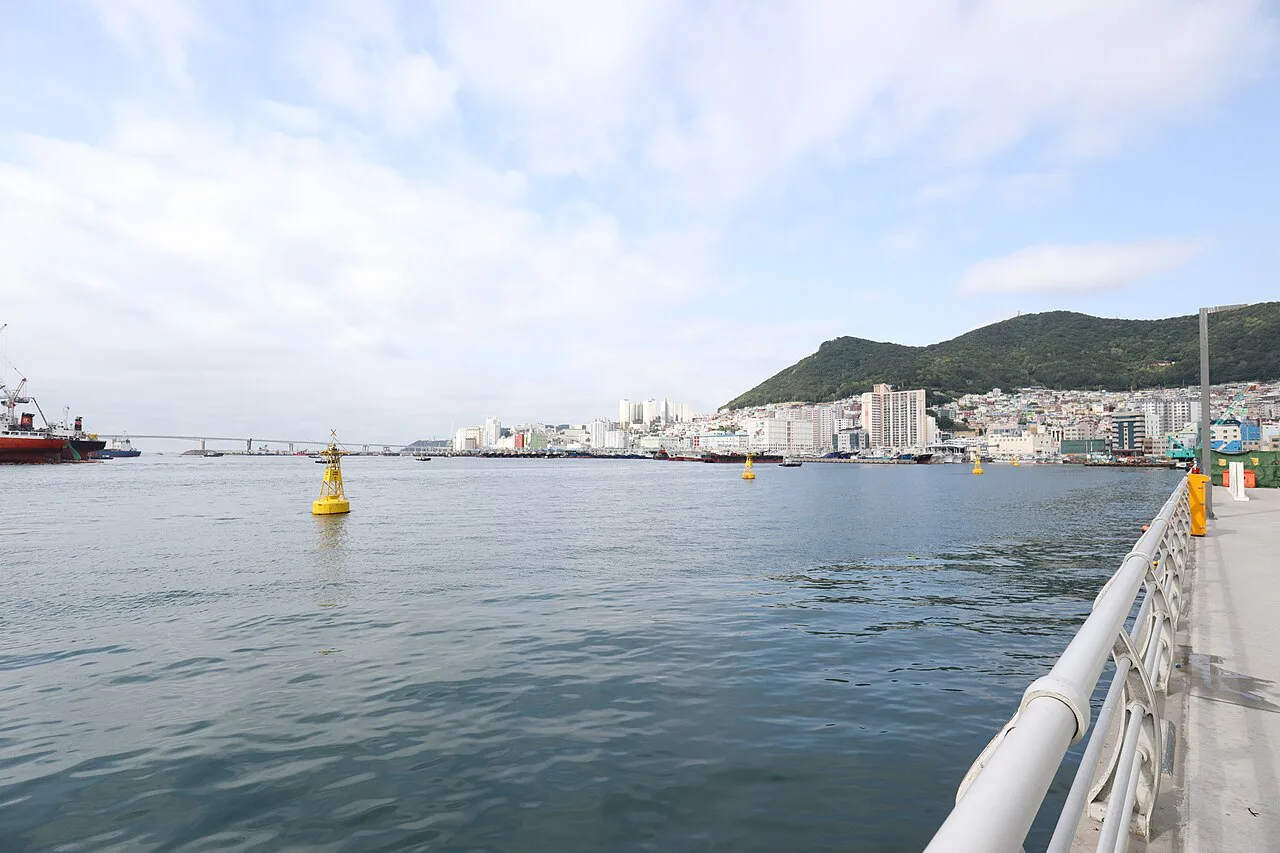
Featured image: hyolee2, CC BY-SA 3.0, via Wikimedia Commons.
Quick answer: what dwaeji gukbap is and where to start
Dwaeji gukbap is pork simmered in a milky broth and served with rice, either in the bowl or on the side. Busan's refugee years in the Korean War are where the dish took hold, because pork cuts and offal were cheap and the soup stretched far. Our pick for an arrival-day meal is Bonjeon near Busan Station. For a cleaner, modern bowl, we'd head to Anmok in the Namcheon-dong area.
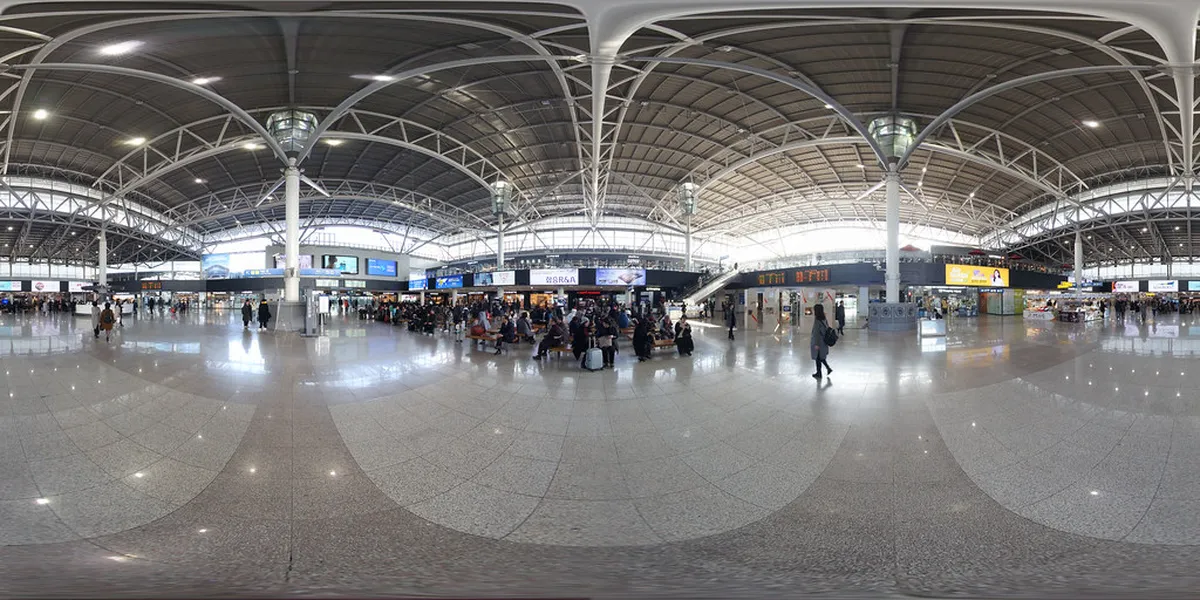
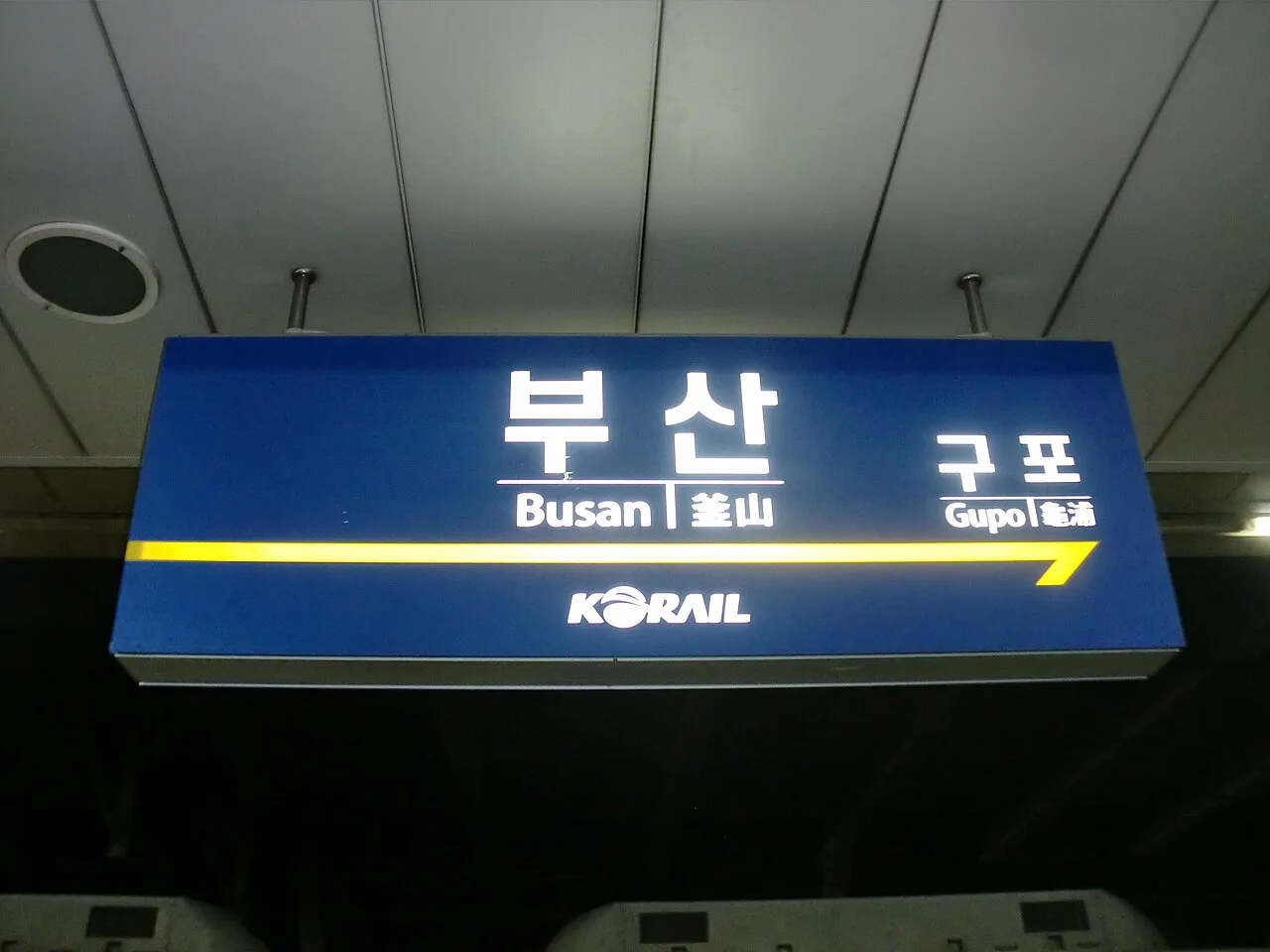
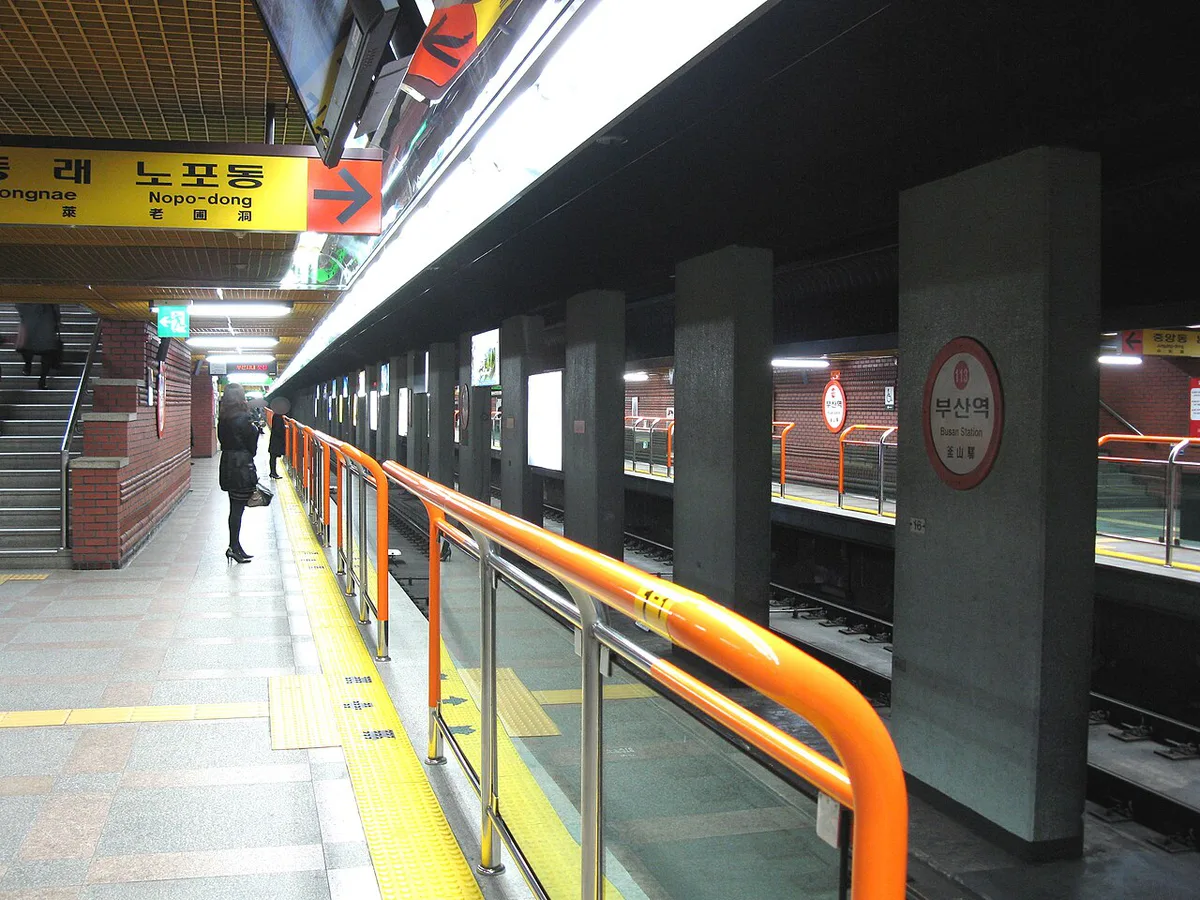
Step off the KTX and Bonjeon is about 5 minutes from Busan Station on foot. Its dinner queue is the one to plan around.
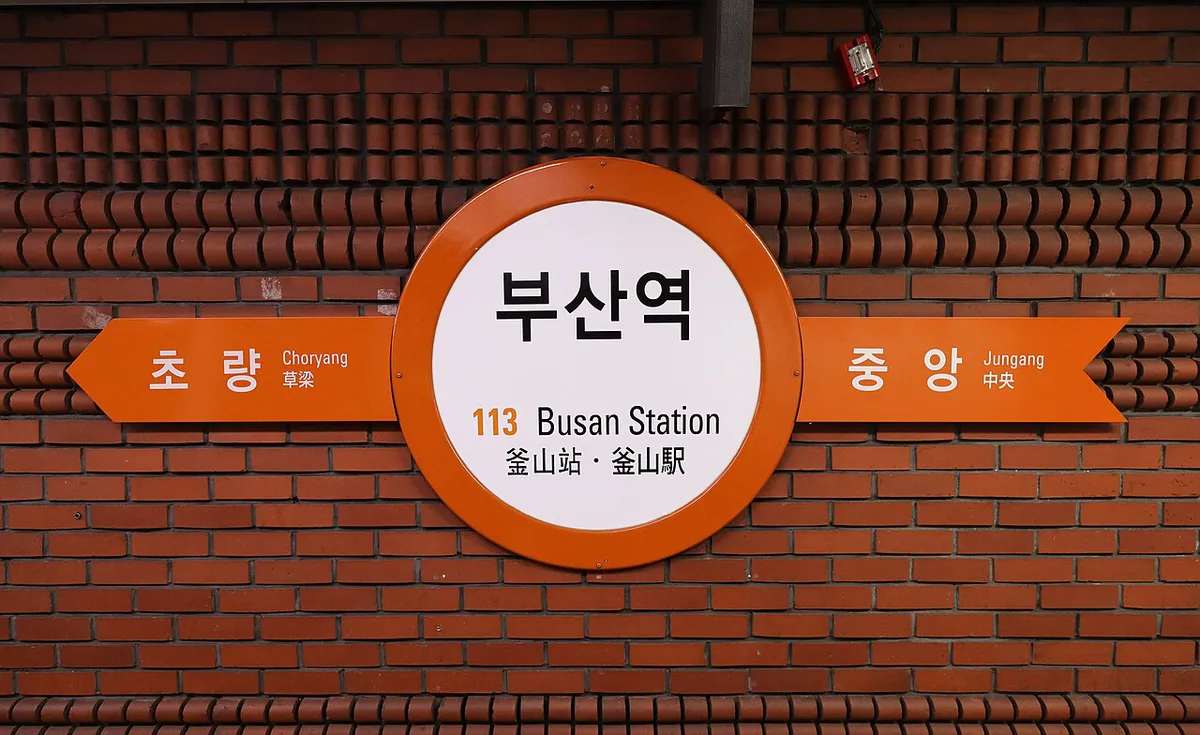
- Arriving by KTX: Bonjeon Dwaejigukbap, about 5 minutes from Busan Station on foot.
- Smell-sensitive first-timer: Anmok, an open-kitchen, modern take.
- Seaside evening: Namakjip near Gwangalli, which serves clear-broth gomtang.
- Local-style classic: Subyeon Choe Gukbap, Minlak branch.
Dwaeji gukbap vs gomtang vs sundae-gukbap
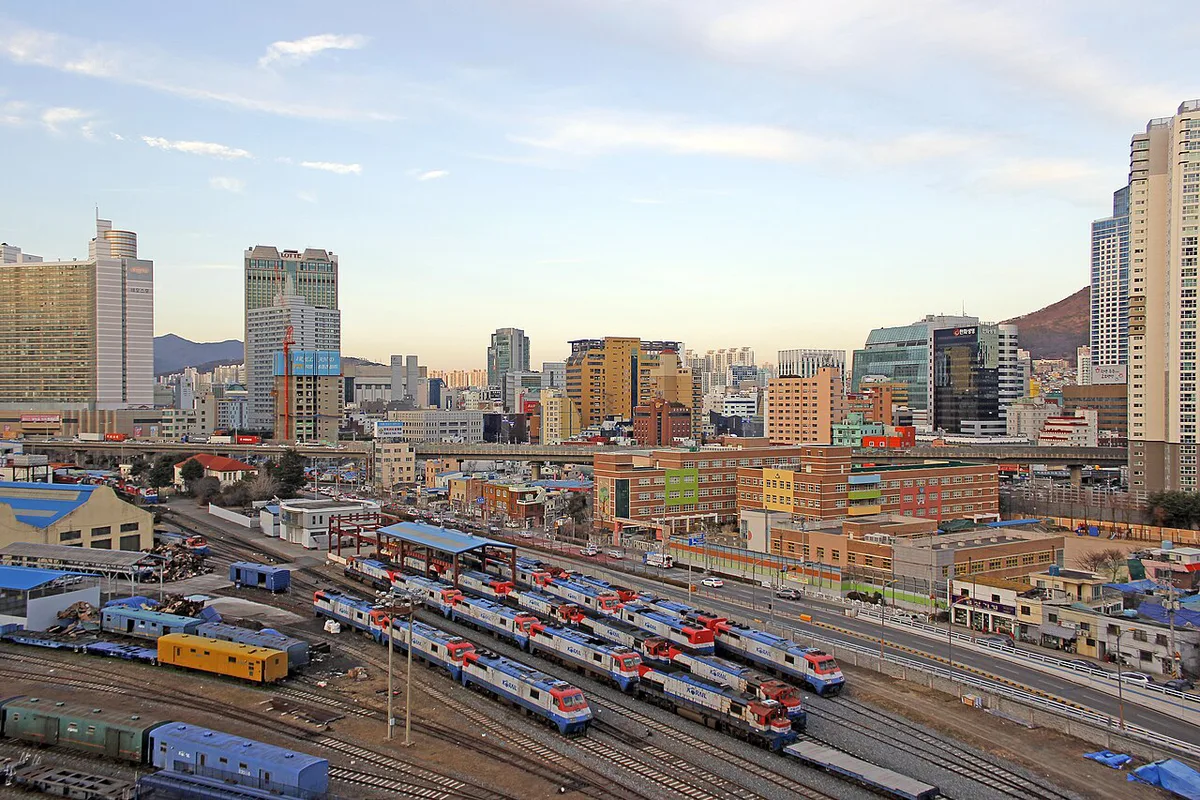
Gukbap means soup with rice. In its classic form, pork and bones boil for hours into a cloudy, rich broth. Rice used to go straight into the soup, but many shops now serve it separately. Dwaeji gomtang is a different bowl: pork bones give a clear, clean broth. Sundae-gukbap swaps the pork slices for Korean blood sausage in a similar soup. Restaurants blur these lines, so read the menu rather than trusting the name on the sign. Pork soup newcomers should expect three things. The broth has a distinct pork smell. Fresh chives (buchu) go in. Offal often sits in the bowl alongside the sliced pork. For a lighter contrast, Busan's cold wheat noodles are the city's other signature dish.
Which style suits you?
Traditional shops serve a milky, strongly savory broth. Modern shops tend to serve a cleaner bowl with less pork smell. We'd match the style to the eater rather than chase one famous name.
| If you are... | Choose | Why |
|---|---|---|
| A first-timer worried about smell | Clean, modern bowl (Anmok) | Open kitchen and a clean broth, with little of the typical pork smell |
| Arriving or leaving by train | Traditional bowl (Bonjeon) | Short walk from Busan Station; casual and no-frills |
| Wanting a clear, deep broth | Gomtang (Namakjip) | Clear pork-bone broth, not classic gukbap |
| Wanting a pricier cut | Pork jowl (Subyeon Choe Gukbap) | Hangjeongsal is offered as a step-up option |
Where to eat dwaeji gukbap in Busan
Four places cover most tastes and arrival points. Bonjeon sits in Choryang-dong, at 3-8 Jungang-daero 214beon-gil in Dong-gu. Namakjip is at 1F, 36, Millaksubyeon-ro 17beon-gil in Suyeong-gu. Subyeon Choe Gukbap has a Minlak branch, and we'd go to the original location if you can, since locals rate it above its branches. Anmok serves the Namcheon-dong area. Bonjeon suits an arrival-day meal, though it is plain and the line builds at dinner. Namakjip pairs naturally with an evening near Gwangalli, but expect gomtang rather than classic gukbap. Anmok is modern rather than traditional, so locals who want the old style may find it too clean.
| Restaurant | Area | Style | Best for | Queue risk | Price signal |
|---|---|---|---|---|---|
| Bonjeon Dwaejigukbap | Choryang-dong, near Busan Station | Traditional, mild broth | Arrival-day meal | A 20-minute wait around 7:20pm | Not listed |
| Subyeon Choe Gukbap (Minlak) | Minlak, Suyeong-gu | Local-style, tender cuts | Pork jowl option | Not listed | About ₩10,000 standard bowl |
| Anmok | Namcheon-dong area | Clean, modern | Smell-sensitive eaters | Lines at meal times | About ₩10,000 standard bowl |
| Namakjip | Gwangalli, Suyeong-gu | Clear gomtang | Seaside evening | Not listed | Not listed |
How to order and eat it
Ordering is simple once you know the vocabulary. Tell the staff the cut and the side, and they bring the table sides after you order. Menus at Bonjeon include plain pork gukbap, sundae gukbap, a mixed pork-and-offal bowl, and a premium boiled pork belly version.
- Pick a bowl: plain pork, sundae, mixed offal-and-pork, or a premium belly or jowl option.
- Choose rice in the soup or on the side. Many shops now default to separate rice.
- Taste the broth first. At Bonjeon it is mild.
- Add a little jeotgal, the salted fermented seafood on the table.
- Stir in the seasoned spicy spring onions to taste.
- Add fresh chives if you like the traditional flavor.
- Take kimchi from the refillable pot or banchan bar. Take a small amount first.
- Go easy on raw green chilies. One diner at Bonjeon felt the burn for about 10 minutes.
Cost, timing and queues
A standard bowl at Subyeon Choe Gukbap and Anmok runs about ₩10,000 after post-COVID price rises (prices and hours checked November 2026). Expect similar numbers at other modern shops. Meal-time lines form at Anmok, and Bonjeon had a 20-minute wait around 7:20pm. Our advice is to arrive before the lunch or dinner rush. If you land at Busan Station in the evening, have a backup within walking distance. Namakjip uses tablet ordering at the table, with payment through staff after the meal. Opening hours change, so look up each venue on Naver Map or Kakao Maps on the day. For general Busan listings, Visit Busan's official guide is a useful starting point.
Plan Bonjeon for an arrival-day meal, since its 20-minute wait around 7:20pm lands during the evening rush.
Fit it into a Busan food day
Gukbap is hearty, so keep the rest of the day light. Pair a morning bowl with snacks from Busan's street food stalls later on. Try Busan Fish Cake (Eomuk): What to Eat, Where to Try It as a small snack, and finish with Ssiat Hotteok in Busan: Where to Eat It, Price & Queue Tips, the seed-stuffed pancake. If you want more pork, Korean barbecue in Busan is the grilled alternative. For seafood, Jagalchi Fish Market Busan: How to Eat and Get There runs 05:00–22:00 daily, except the 1st, 3rd and 5th Tuesdays. It is a 6-minute walk from Exit 2 of Nampo Station or Exit 10 of Jagalchi Station on Busan Metro Line 1. Busan's seafood restaurants make a clean contrast to a pork day. Seomyeon is another useful base, with Exit 2 of Busan Metro Lines 1 and 2 as its main metro access. For broader picks, see the best restaurants in Busan. After lunch, Busan's cafes cover a coffee stop. Jeonpo is not near most gukbap picks, so treat Jeonpo Cafe Street, Busan: Visitor Guide & Cafe Picks as a separate outing.
Mistakes to avoid
Most first-timers stumble on the same few things.
- Arriving at peak meal time with no backup plan.
- Expecting Seoul-style soup. Busan's broth is milkier and its seasoning is done at the table.
- Assuming every pork soup is gukbap. Namakjip's bowl is gomtang.
- Piling on the green chilies without tasting one first.
- Relying on old opening hours from blog posts.
Frequently Asked Questions
What does gukbap mean?
Gukbap means soup with rice. Dwaeji gukbap is the pork version, with a rich broth and rice served in the bowl or beside it.
Is Busan famous for pork soup?
Yes. Busan's pork soup grew out of the city's Korean War refugee era, and it sits alongside milmyeon and fish cake as a signature dish. Korea's national tourism site covers regional food culture.
Notes for your Korea trip
Optional updates to our city guides.
You might also like
Continue reading
More guides you'll find useful