Busan Fish Cake (Eomuk): What to Eat, Where to Try It
Busan fish cake (eomuk) explained: what to order, street snack vs. Samjin factory class, hours, ₩20,000 booking details and a Jagalchi food-day plan.
On this page
Last updated November 2026: busan fish cake, called eomuk or odeng, is the city's signature snack. You can eat it from a market counter or make it yourself in a Yeongdo factory class. Below you'll find what to order, where to go and how to fit it into a Jagalchi food day.
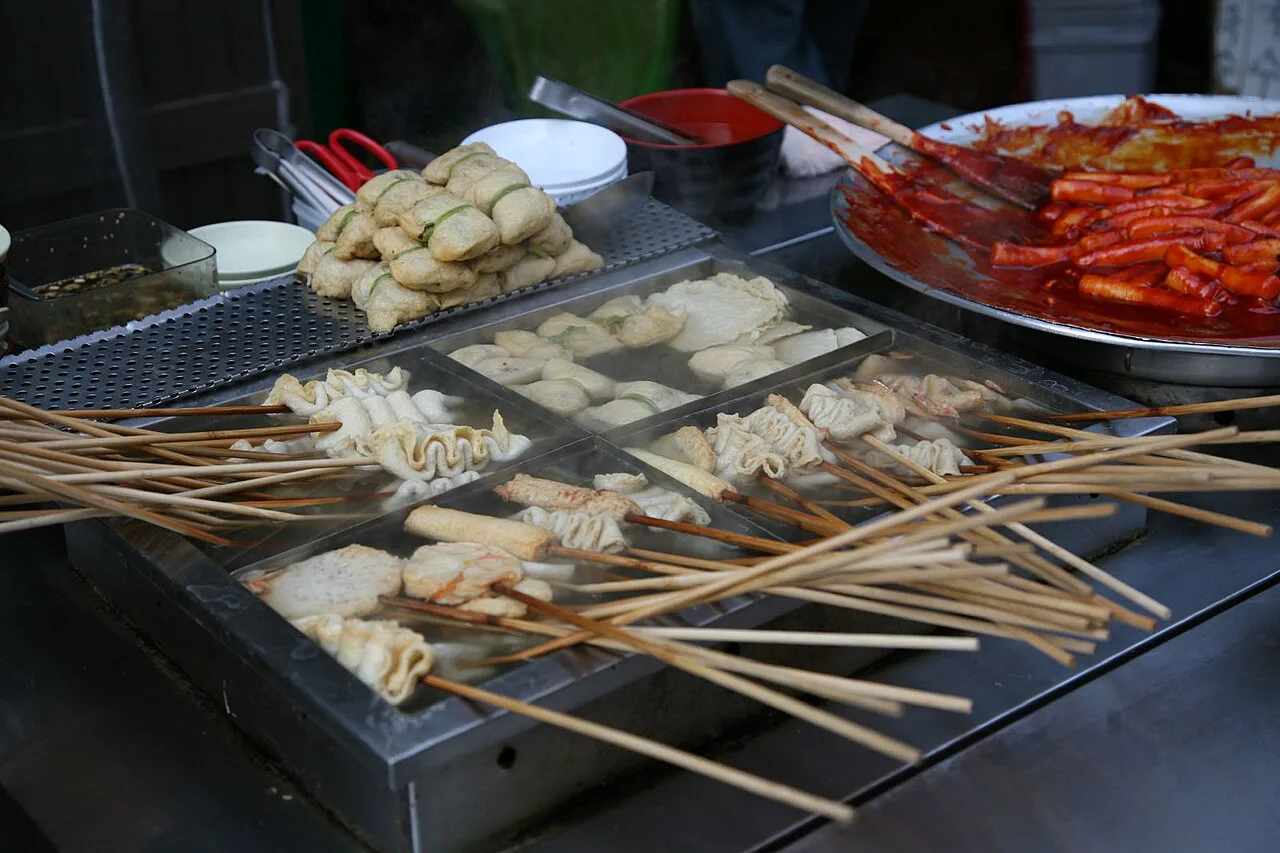
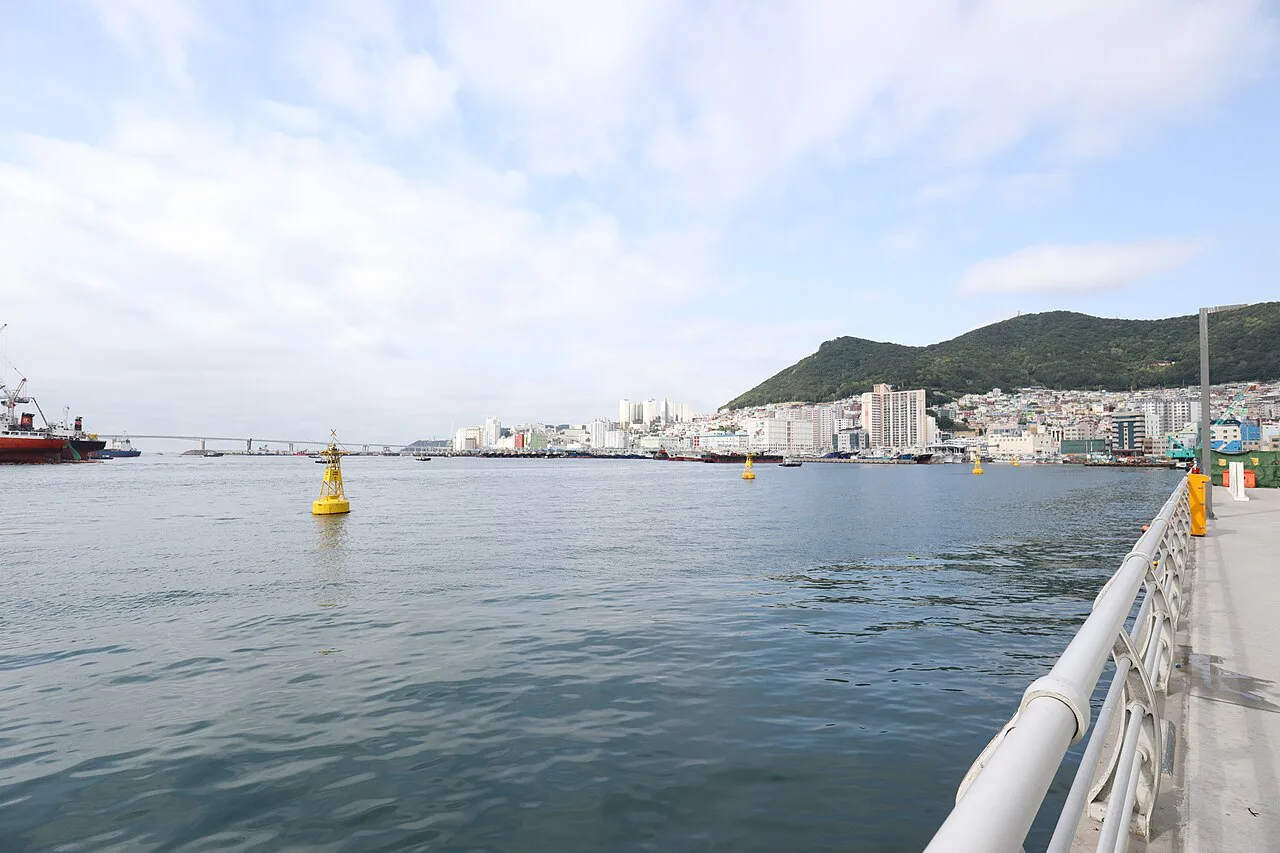
Featured image by Junho Jung at Flickr from South Korea, CC BY-SA 3.0, via Wikimedia Commons.
What Busan Fish Cake Is, and Why It's Everywhere
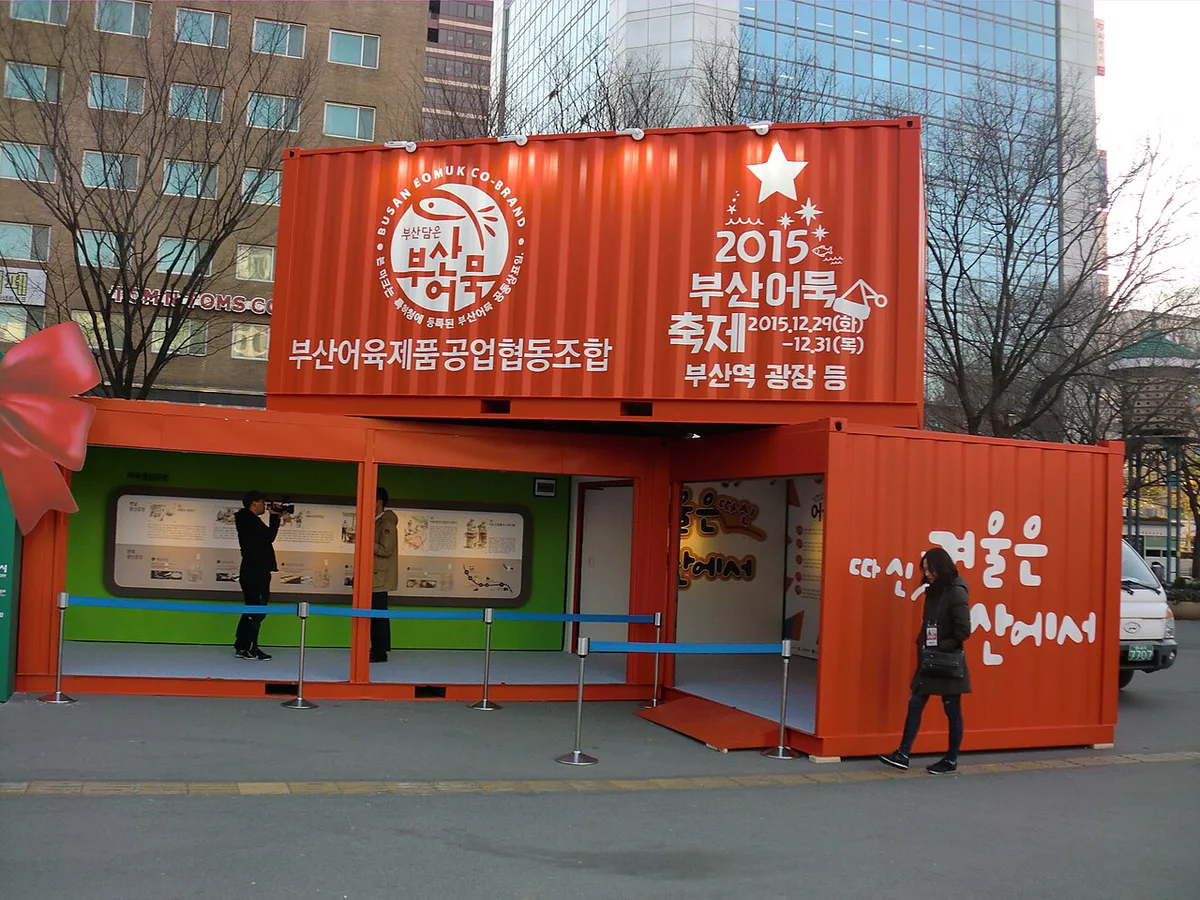
Eomuk is ground white fish mixed with starch and seasonings, then shaped and cooked. Koreans also say odeng, which is the word you will hear at street counters. Visit Busan links the city's fame to history. Its guide says fish cake originated from Japanese oden, a dish popular since the Edo period. Busan sat close to Japan and served as a gateway for Japanese food culture during the occupation. Fish was also abundant in this port city. Treat that as the tourism board's account of the origin, not a settled food history. For the wider picture of local eating, start with our Busan food guide.
What to Order: Types and How They're Eaten
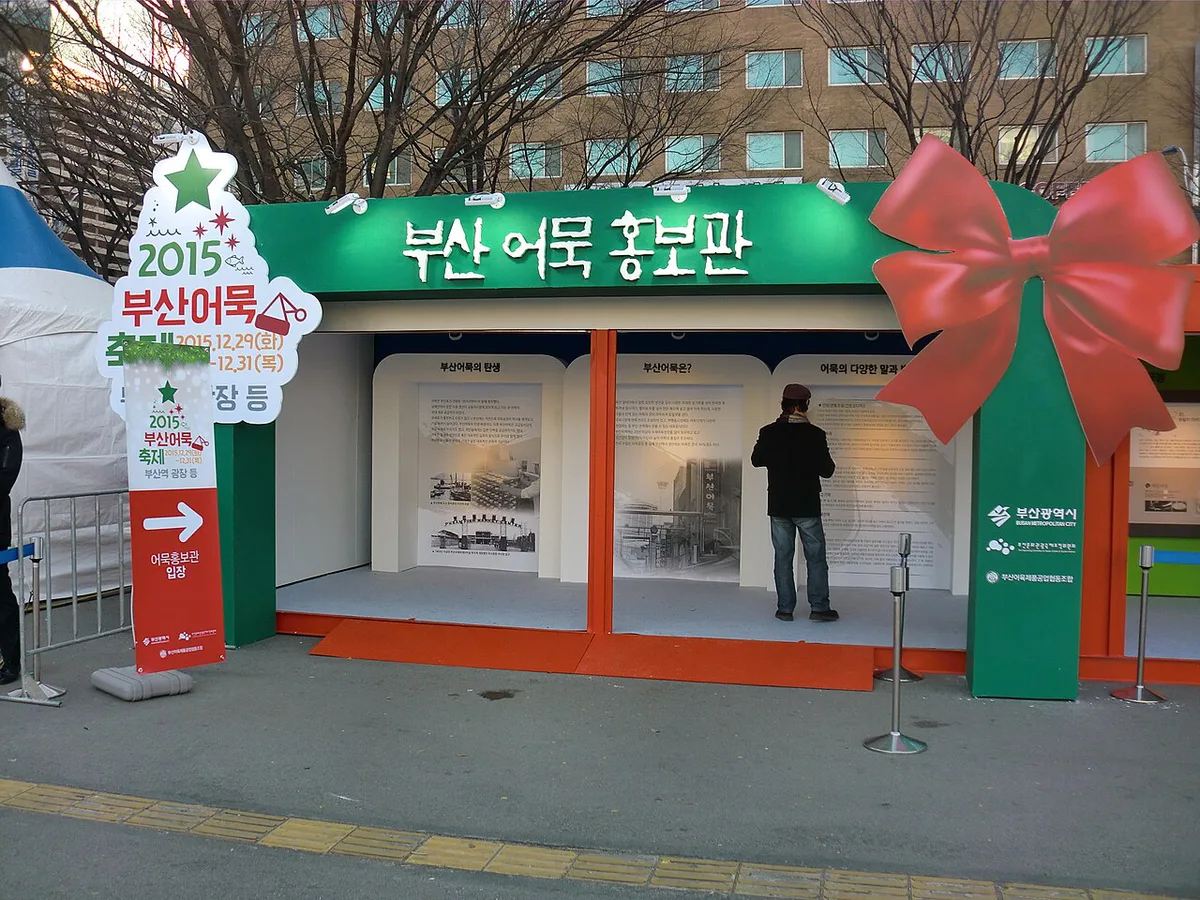
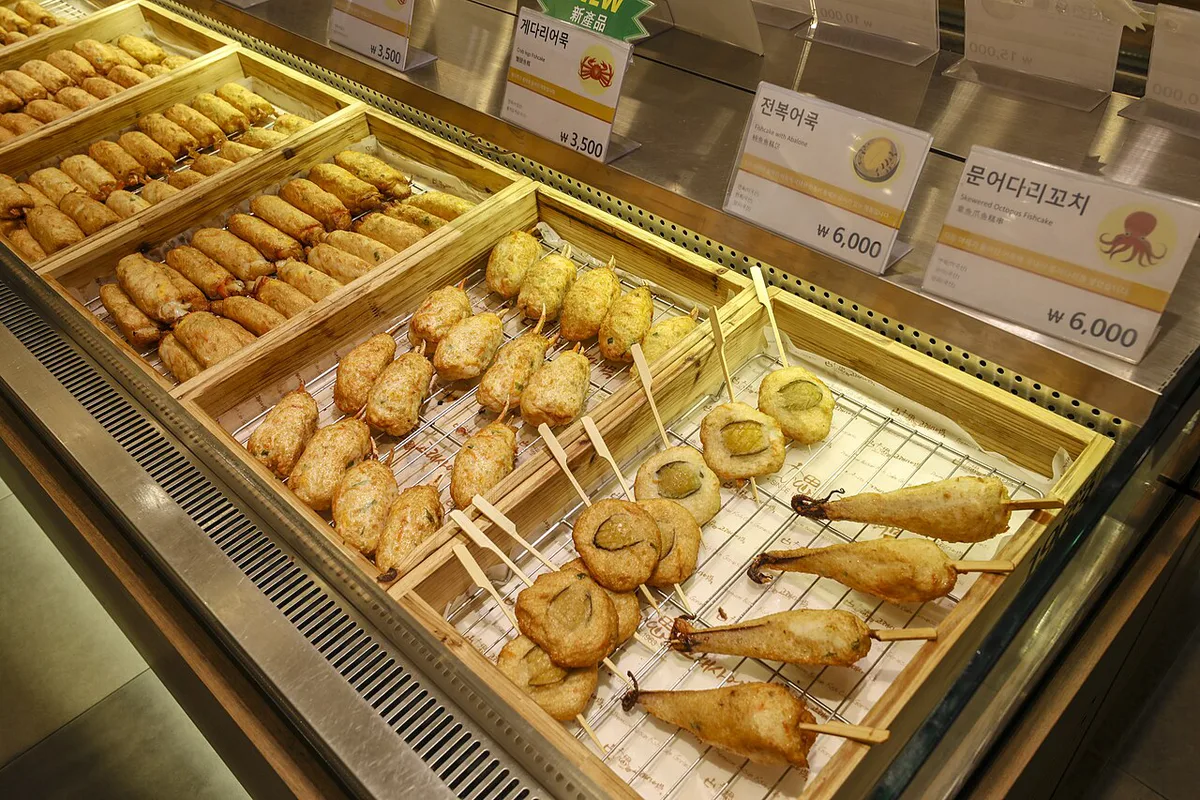
Busan fish cake comes in more shapes than most visitors expect. Skewers sit in hot broth and are eaten straight off the stick. Seaweed rolls, corn-studded pieces and fried or stuffed types fill the display trays. Fish cake shops often sell them in a bakery-style format, where you load a tray and staff wrap it. At home, Koreans stir-fry sliced sheets as eomuk bokkeum, a soy-sauce side dish served with rice. You will not find a recipe here, because the street version is the point.
- Eomuk (어묵): fish cake, the standard word on signs and menus.
- Odeng (오뎅): the casual street-stall word for the same food.
- Han gae juseyo (한 개 주세요): "one, please," useful when pointing at a skewer.
- Gukmul (국물): broth, which usually comes alongside skewers in a paper cup.
Street Snack, Shop Tasting or Factory Class?
Your choice depends on how much of the day you want to give it. A market snack takes a few minutes. A class at Samjin Fish Cake's Experience Hall in Yeongdo-gu takes a booked session. The hall is open Tuesday to Sunday, 09:00 to 18:00, and closed every Monday. The individual program costs ₩20,000 per person. Prices and hours checked November 2026. Families suit the class best, since Visit Busan describes a fish cake pizza activity that children enjoy.
At ₩20,000 per person, the class costs the same as a weekday individual seat, so budget it as a half-day.
| Format | Time | Cost level | Booking | Best fit |
|---|---|---|---|---|
| Street or market snack | Short stop | Budget; priced per skewer or piece at each stall | None | Solo travelers, time-poor days |
| Shop tasting tray | Short browse | Moderate; you pay for what you tray | None for browsing | Gift buyers, curious eaters |
| Factory class | One booked session | ₩20,000 for the individual program | Online booking | Families, couples, foodies |
Booking a Fish Cake Class at Samjin in Yeongdo
Samjin Fish Cake runs experience programs at its 2nd Experience Hall, 36 Taejong-ro 99beon-gil, Yeongdo-gu. You book online through the experience hall reservation page, for individual or group places. Weekend individual sessions run at 10:00, 13:00, 14:30 and 16:00. Weekday individual visitors get one session, at 15:30. Both cost ₩20,000, and ages from those born in 2022 up to adults can join.
- Weekend individual: ₩20,000; 10:00, 13:00, 14:30 or 16:00.
- Weekday individual: ₩20,000; 15:30.
- Advanced class: ₩25,000; 2nd and 4th Sunday of each month at 14:30; born 2016 to adult.
- General group: ₩20,000; 8 to 48 people; 10:30 or 13:30.
- Daycare or kindergarten group: ₩15,000; children born 2020 to 2022; 10:30.
Where to Try Busan Fish Cake: Gukje Market and BIFF Square
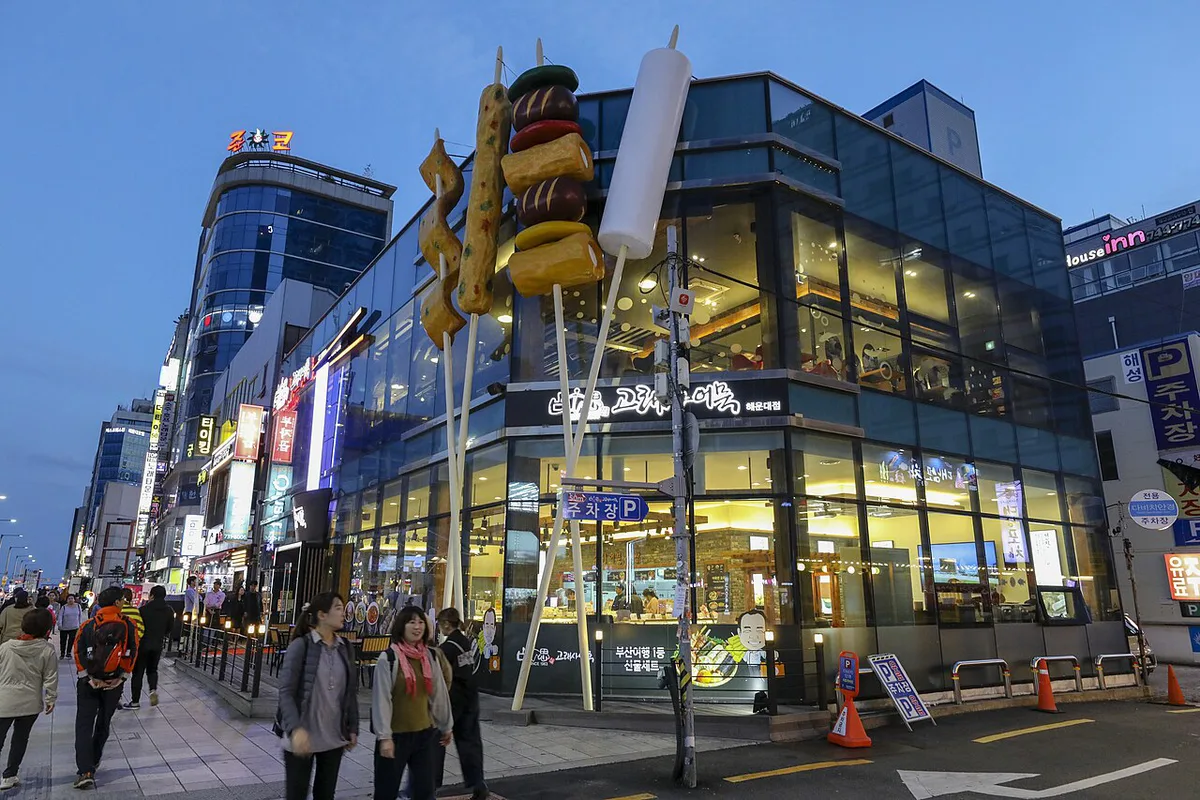
For a street-style stop, head to the eomuk bars at Gukje Market and BIFF Square. Gukje Market (32 Junggu-ro, Jung-gu) opens 09:00 to 20:00, though hours differ by shop. It closes on Sundays. From Exit 7 of Jagalchi Station on Metro Line 1, walk about 7 minutes. Buses 15, 40, 86, 126 and 186 stop at Gukje Market, followed by a 4-minute walk. BIFF Square sits on BIFF Square Road in Jung-gu and is open year-round. At either spot, pick a counter with steady foot traffic and fresh trays, and skip empty stalls with sagging, sweating displays. Visit Busan's official city guide lists more food areas if you want alternatives.
From Exit 7 of Jagalchi, walk about 7 minutes to Gukje Market, then keep the Sunday closure in mind before you go.
Pairing Fish Cake With a Busan Food Day
Jagalchi Station is your anchor. Start with raw and grilled catch at the Jagalchi waterfront stalls. Then walk 7 minutes from Exit 7 to Gukje Market for a skewer. For a longer sit-down meal, our guide to raw fish and grilled seafood helps you choose. Day-of-week matters. Gukje Market closes Sundays, while Samjin's hall is open Sunday but shut Monday. A Sunday therefore suits the factory class, and a Monday suits the market. Yeongdo is a separate district, so treat the class as its own half-day leg rather than a quick detour. Finish with a hotteok from our list of Busan hotteok pancakes, or a coffee on Jeonpo's café street. Other options appear in street snacks around the city and sit-down restaurants in Busan.
Buying and Carrying Fish Cake Home
Visit Busan notes that experience centers often have a bakery-style shop on the first floor. You choose fish cakes onto a tray, and an employee wraps them. Ask staff how long each type keeps and whether it needs a cold pack. Rules for bringing fish products into another country differ, so read your customs agency's page before buying. The Korea Tourism Organization's visitor food pages cover general Korean food questions. For help in English, call the Busan Travel Hotline on 1330.
Common Mistakes and Quick Tips
Most problems come from timing. Arriving at Samjin on a Monday, or after 18:00 on any other day, means a closed hall. Showing up at Gukje Market on a Sunday means closed shops. Skipping the online booking can leave you without a place, especially for the 8-to-48-person group slots.
- Do not expect a recipe class to teach home cooking; the program is about shaping and baking fish cake.
- Book the class online before you travel, then plan around the session time.
- Choose busy counters for street snacks.
- Ask about fish content and allergies before you order if you avoid seafood.
- Carry small cash for stalls, since payment options differ by vendor.
Frequently Asked Questions
Do Korean fish cakes have fish in them?
Yes. Eomuk is made from ground white fish blended with starch and seasonings, then shaped and cooked. Ask the vendor about the exact fish and fillers if you have an allergy.
Is Korean odeng healthy?
It depends on the maker and the broth. Fillers and salt levels differ between stalls, and no single figure covers Busan's vendors. Check the ingredient label on packaged fish cakes.
How does Korean fish cake taste?
Expect a soft, chewy texture and a savory, mildly sweet fish flavor. In broth, skewers pick up a salty, umami taste. Stir-fried eomuk bokkeum adds a soy-sauce glaze.
Notes for your Korea trip
Optional updates to our city guides.
You might also like
Continue reading
More guides you'll find useful