Getting Around Busan: Metro, Buses, Airport & Taxis
How to get around Busan: which metro lines matter, when buses or taxis win, how to reach the city from Gimhae Airport, and how to plan each day without crossing town twice.
On this page
Last updated November 2026: getting around Busan works best with the metro as the backbone, buses and light rail for the gaps, and taxis for awkward transfers. Busan stretches along the coast and over ridges, so cross-town rides add up fast. Keep each day to one coastal corridor and the system works well.
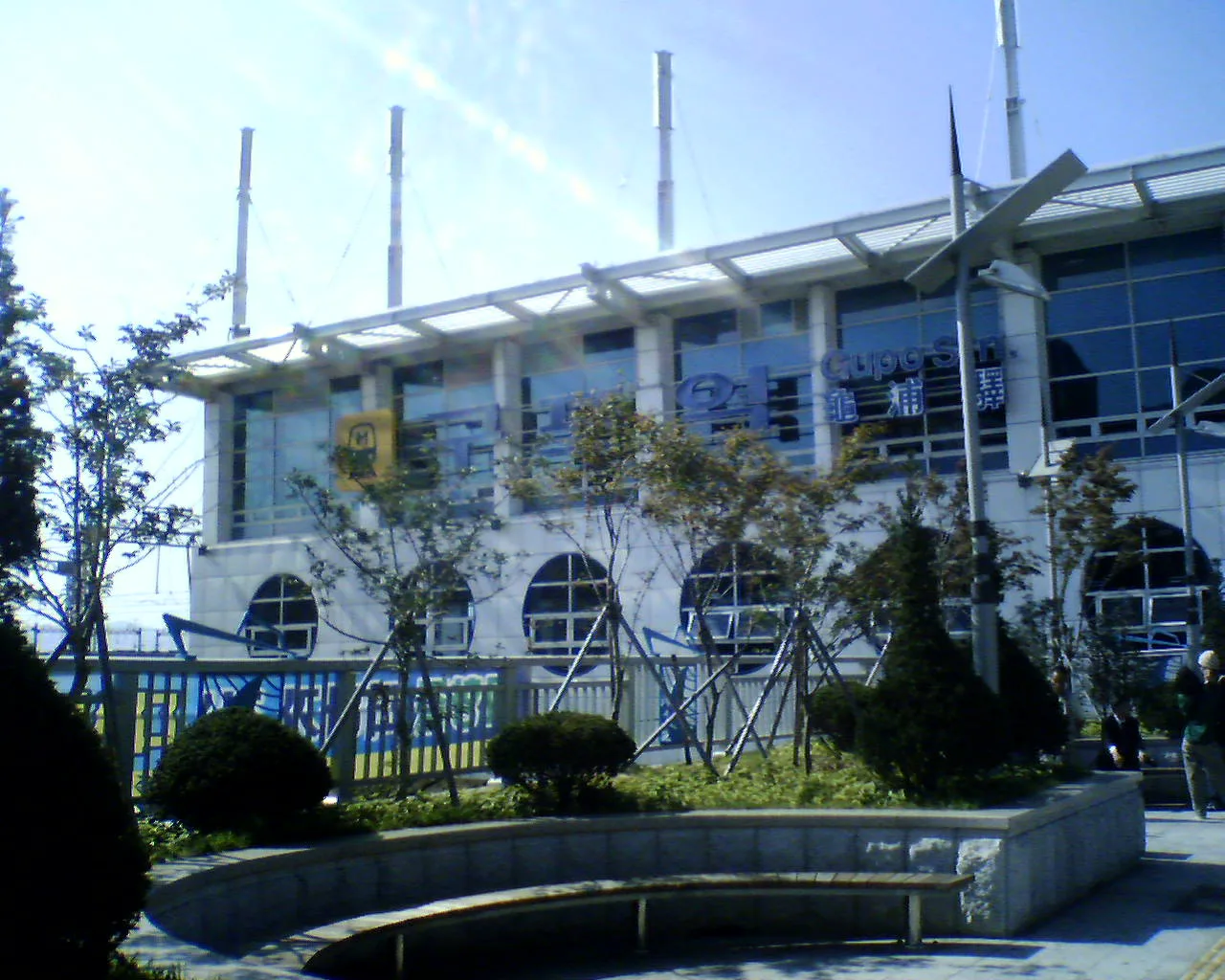
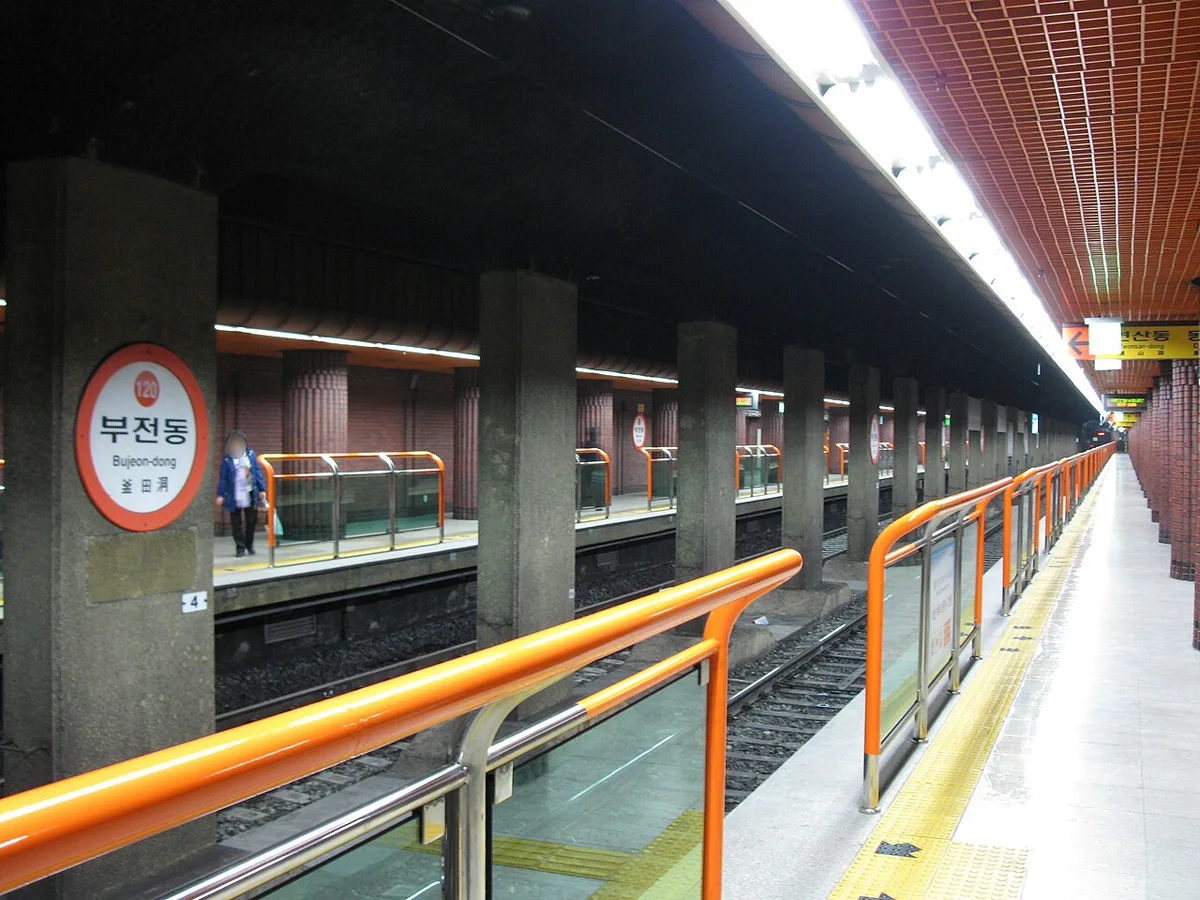
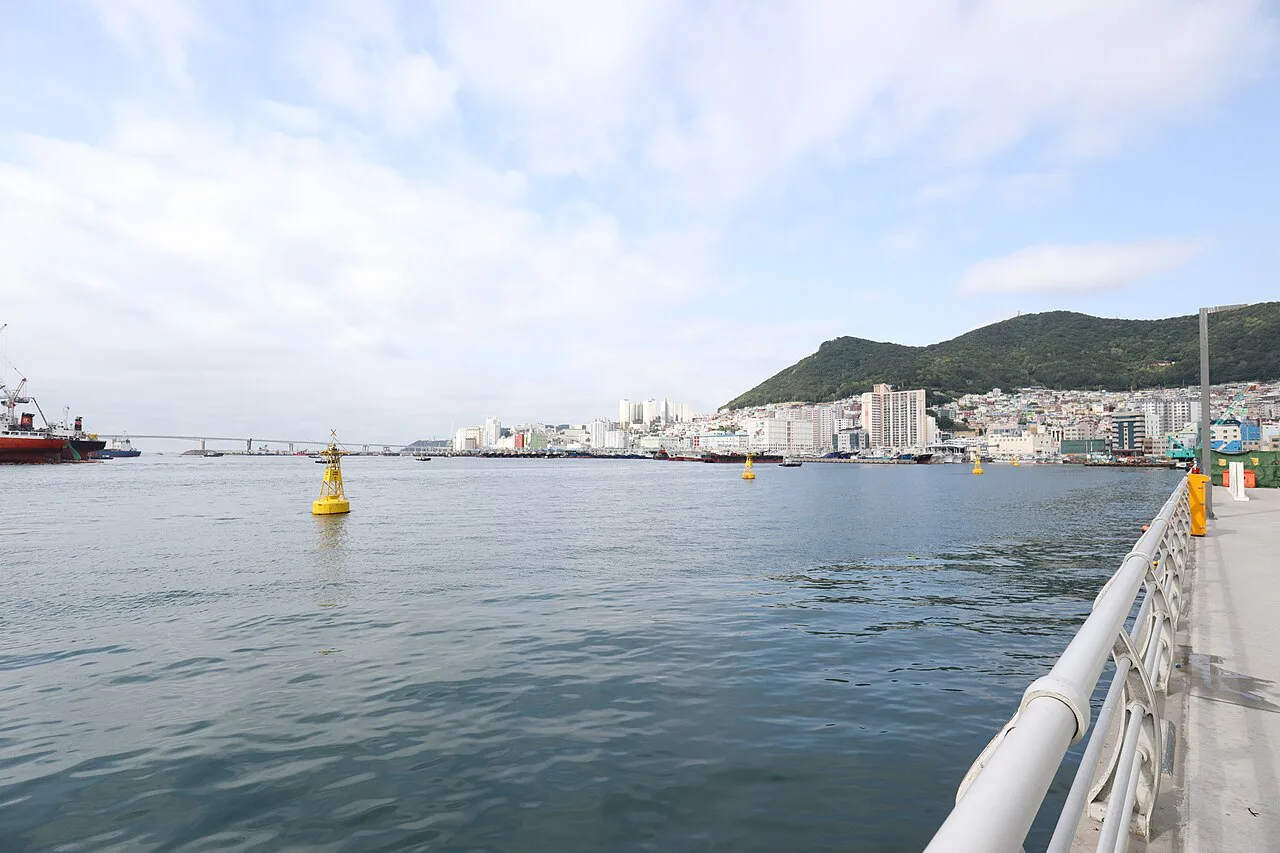
Featured image: Manse5(talk / Contributions) at the Korean Wikipedia, CC BY 2.0 kr, via Wikimedia Commons.
Quick answer: how to get around Busan
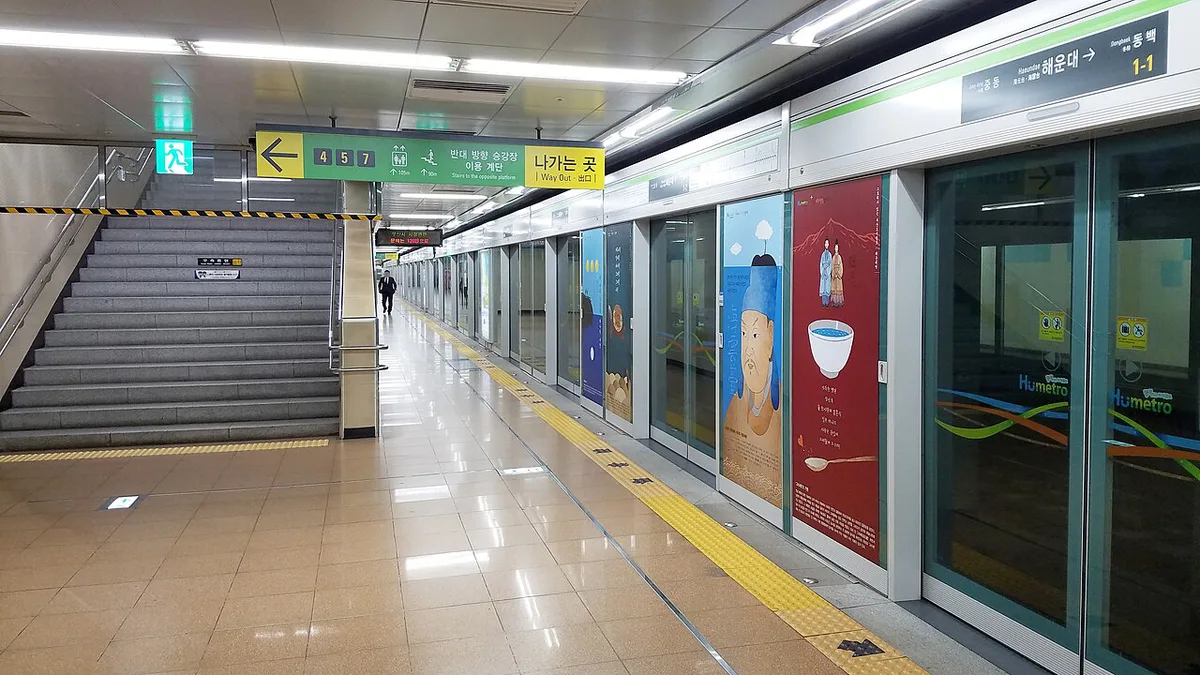
Busan Metro Lines 1 and 2 form the spine. Line 1 serves Busan Station, Nampo and Jagalchi. Line 2 serves Seomyeon, Gwangalli and Haeundae. Our metro station guide maps lines and exits. Buses, light rail and taxis cover what the rails miss.
- Metro: best for Nampo, Seomyeon and Haeundae. The catch is the distance between coasts.
- Buses: best for outer coast and hill areas such as Haedong Yonggungsa Temple. The catch is reading routes.
- Taxis: best for luggage, slopes and late nights. Costs climb with distance.
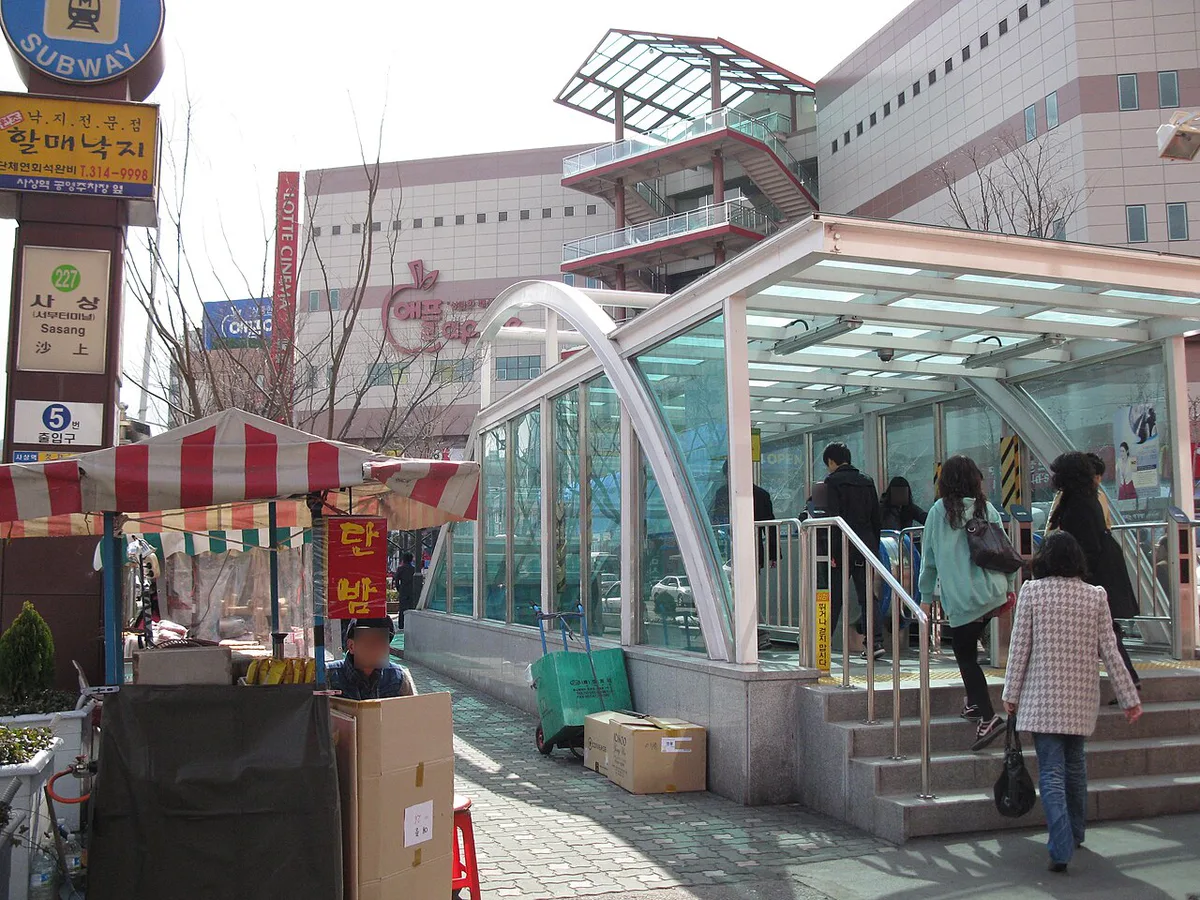
- Light rail: the rail link from Gimhae Airport to Sasang, where you change to Line 2.
- Beach Train and city tour bus: sightseeing modes, not commuting.
Busan's layout: why one day should stay in one corridor
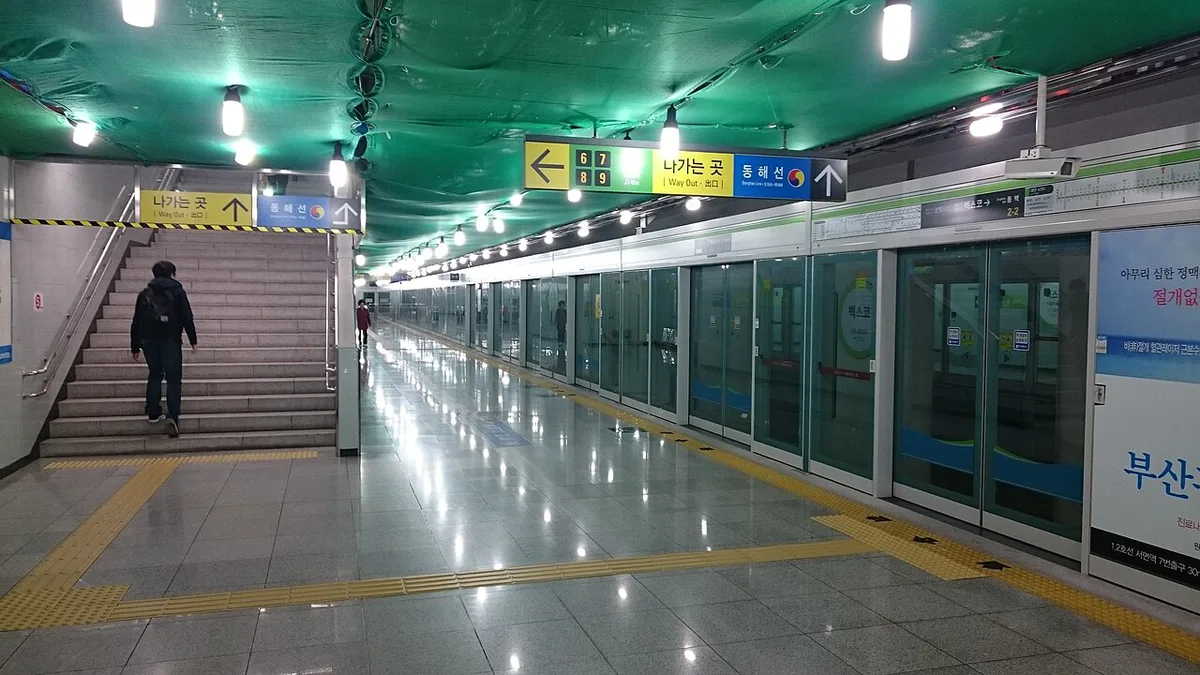
Busan has no single centre. Ridges and bays split the city into coastal chapters. Seomyeon is where Lines 1 and 2 meet, and Exit 2 serves both. Build each day around one row of the table below. Treat outer stops as separate trips rather than extra pins.
| Corridor | Nearest station and line | Best mode in and out | One-day pairing |
|---|---|---|---|
| Port and south | Busan Station, Nampo, Jagalchi (Line 1) | Metro plus walking | Jagalchi Market, Gukje Market, BIFF Square |
| East coast | Haeundae (Line 2) | Metro, then Beach Train | Dongbaek Island, Cheongsapo |
| Central hub | Seomyeon (Lines 1 and 2) | Metro | Interchange and base for mixed days |
| Outer coast | Haeundae (Line 2) or Osiria (Donghae Line) | Bus | Haedong Yonggungsa Temple |
Metro: Lines 1 and 2 and the stations that matter
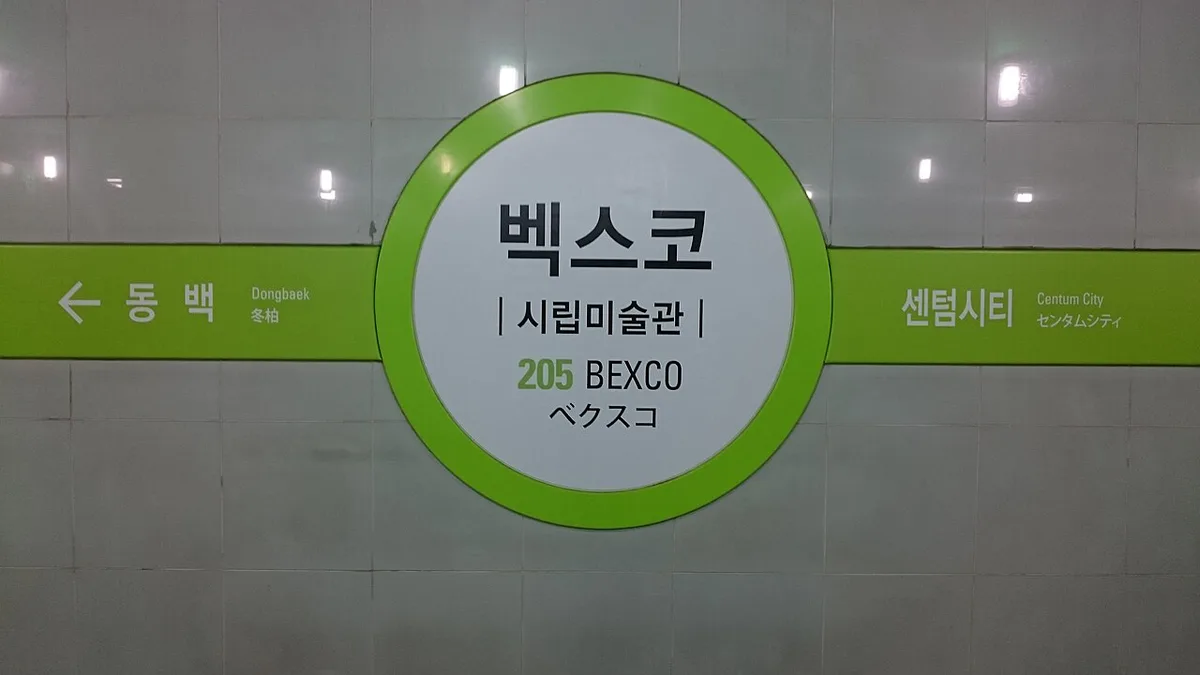
Line 1 runs through Busan Station, Nampo and Jagalchi. Its first train from Dadaepo Beach toward Nopo leaves at 05:04 daily. Its last leaves at 23:11, according to the Busan Transportation Corporation. Line 2 covers Seomyeon, Gwangalli and Haeundae. Save the station name, line and exit, not just the attraction pin. Jagalchi Market is a 6-minute walk from Exit 2 of Nampo Station or Exit 10 of Jagalchi Station. Gukje Market is a 7-minute walk from Exit 7 of Jagalchi Station. Tap a rechargeable transit card at the gate instead of buying single tickets. Fares are listed on the operator's site.
From Gimhae Airport into the city
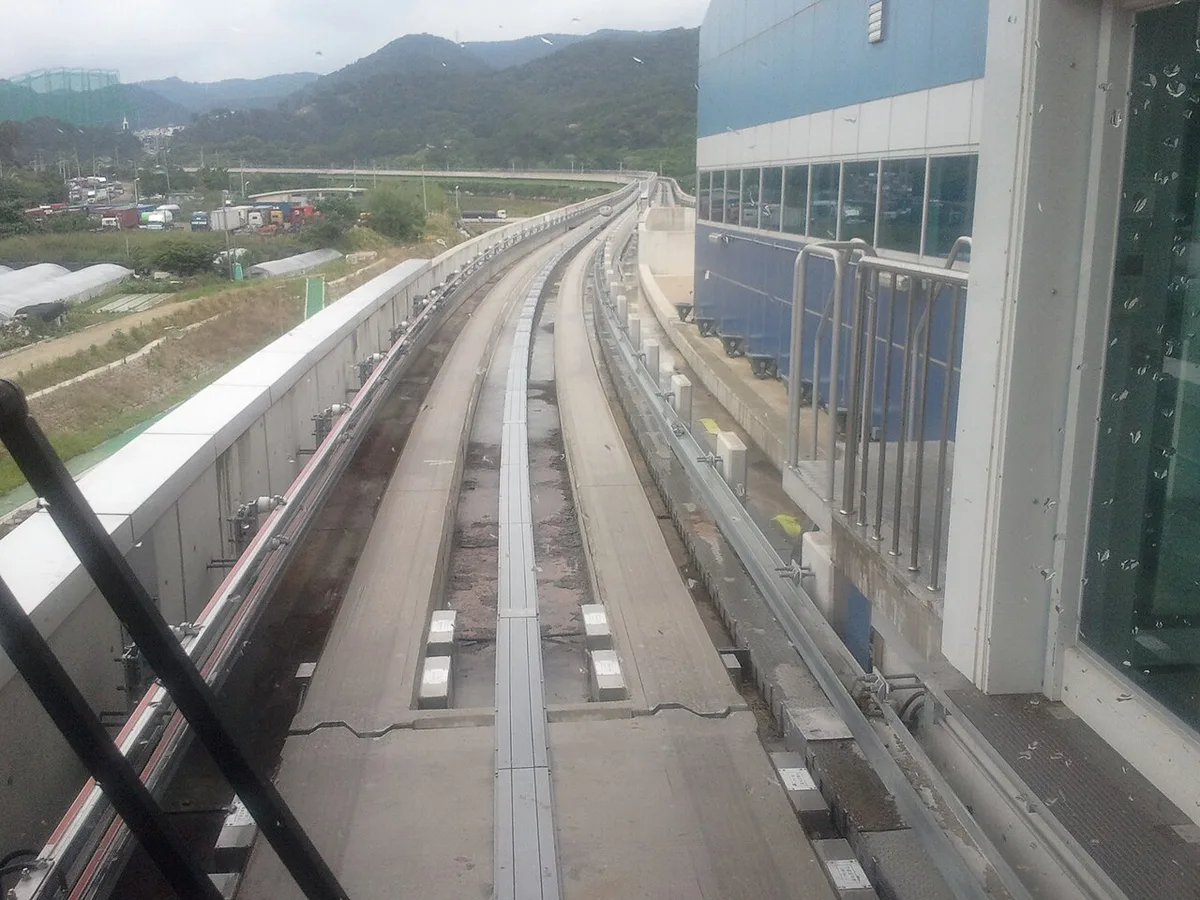
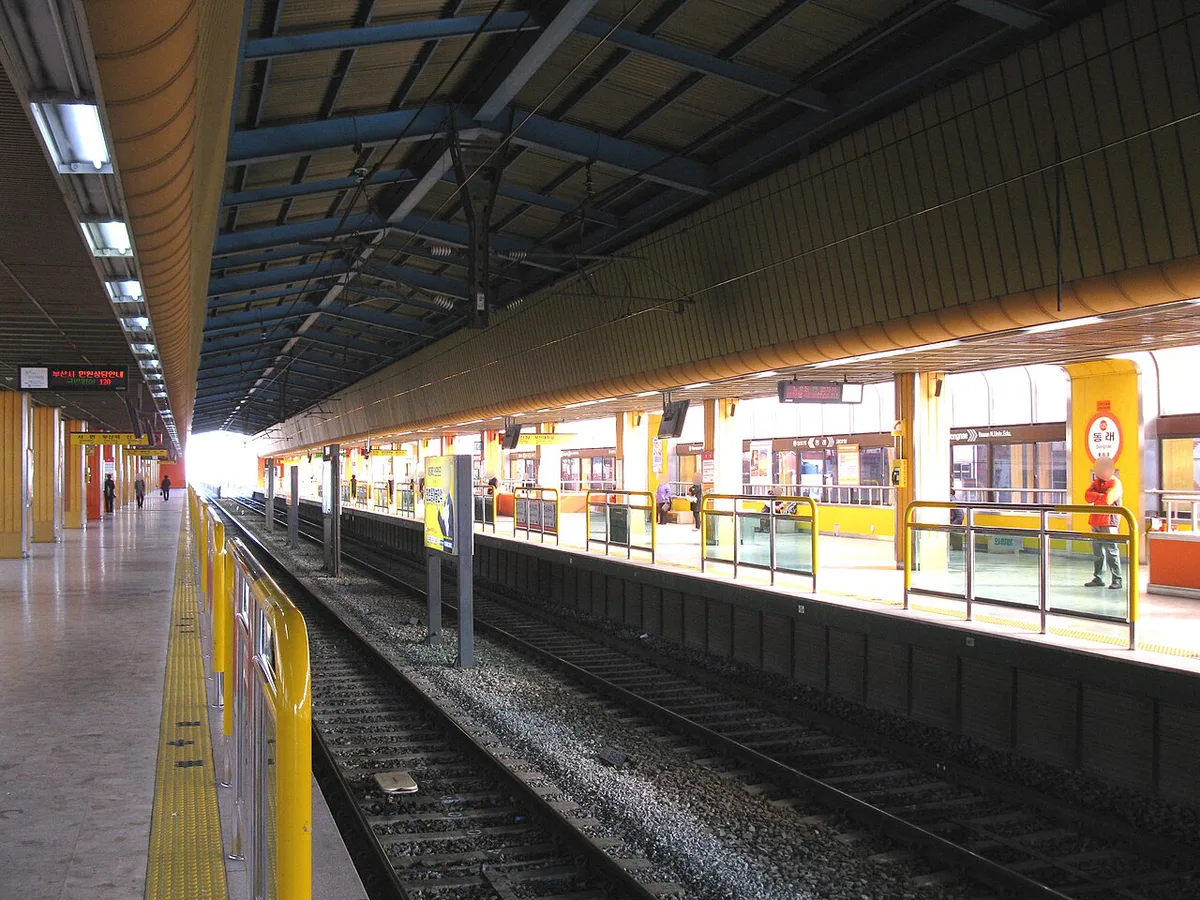
Gimhae International Airport connects to the Busan–Gimhae Light Rail Transit. Ride it to Sasang Station, where doors open on the right on arrival. Change there to Line 2. From Line 2 you reach Seomyeon and Haeundae without leaving the rails. Sasang also serves Seobu (West) Bus Terminal and Silla University. Airport limousine buses suit heavy bags, and stops and times are on the airport's transport page. A taxi costs more but skips every transfer. Our airport-to-Haeundae routes compare all three in detail.
| Destination | Light rail plus metro | Limousine bus | Taxi |
|---|---|---|---|
| Haeundae | Sasang transfer, then Line 2 | Check current stops | Door to door, best with heavy bags |
| Seomyeon | Sasang transfer, then Line 2 | Check current stops | Useful after the last train |
| Nampo | Sasang, Line 2 to Seomyeon, then Line 1 (two changes) | Check current stops | Easiest with bags and stairs |
Arriving by train and from the cruise port
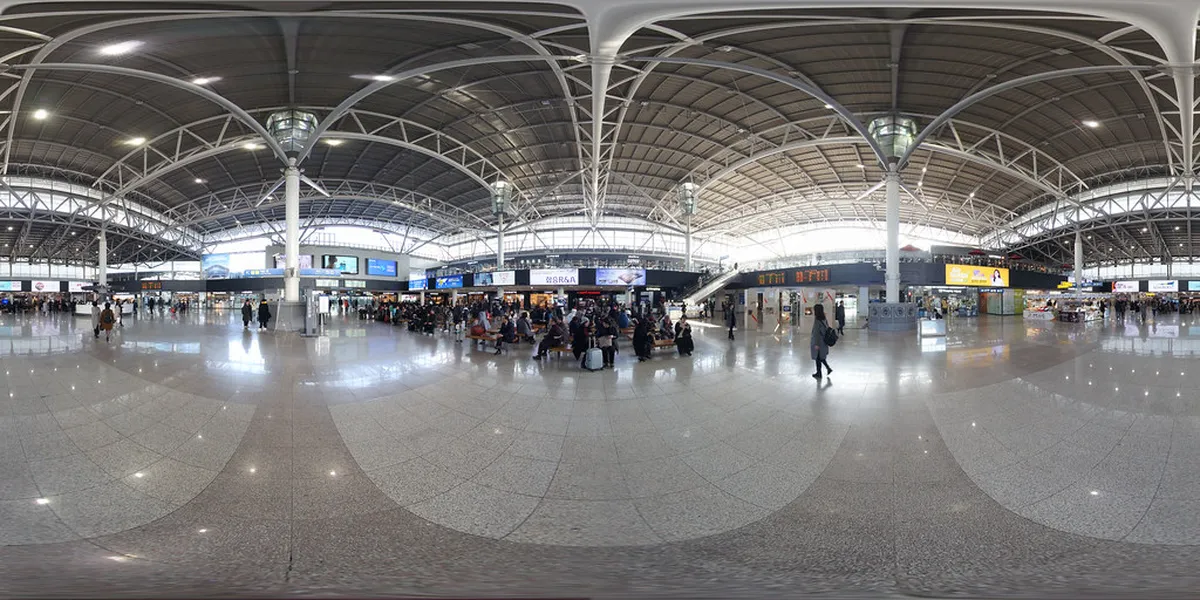
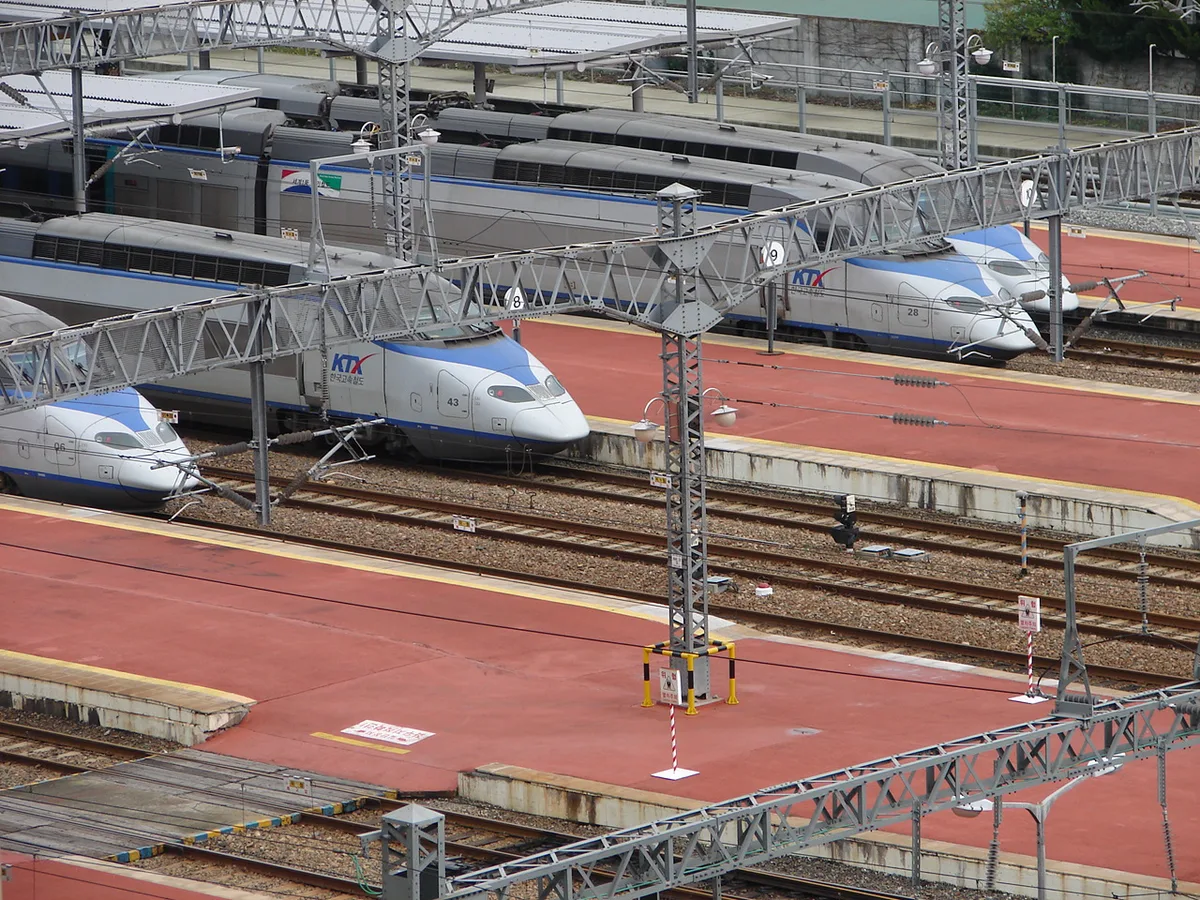
Busan Station sits on Line 1 and is the rail gateway. Our guide to Busan's rail gateway covers its exits. KTX and SRT services run to Busan from Seoul. Some also use Gupo, so read which station your ticket names. Fares and times for Seoul–Busan trains are on the Korail English site. Cruise passengers land at Busan International Passenger Terminal, 45-39 Choryang-dong, Dong-gu. Our cruise port transfer notes cover the onward options. Terminal details are on the Busan Port Authority site.
Buses: where they beat the metro
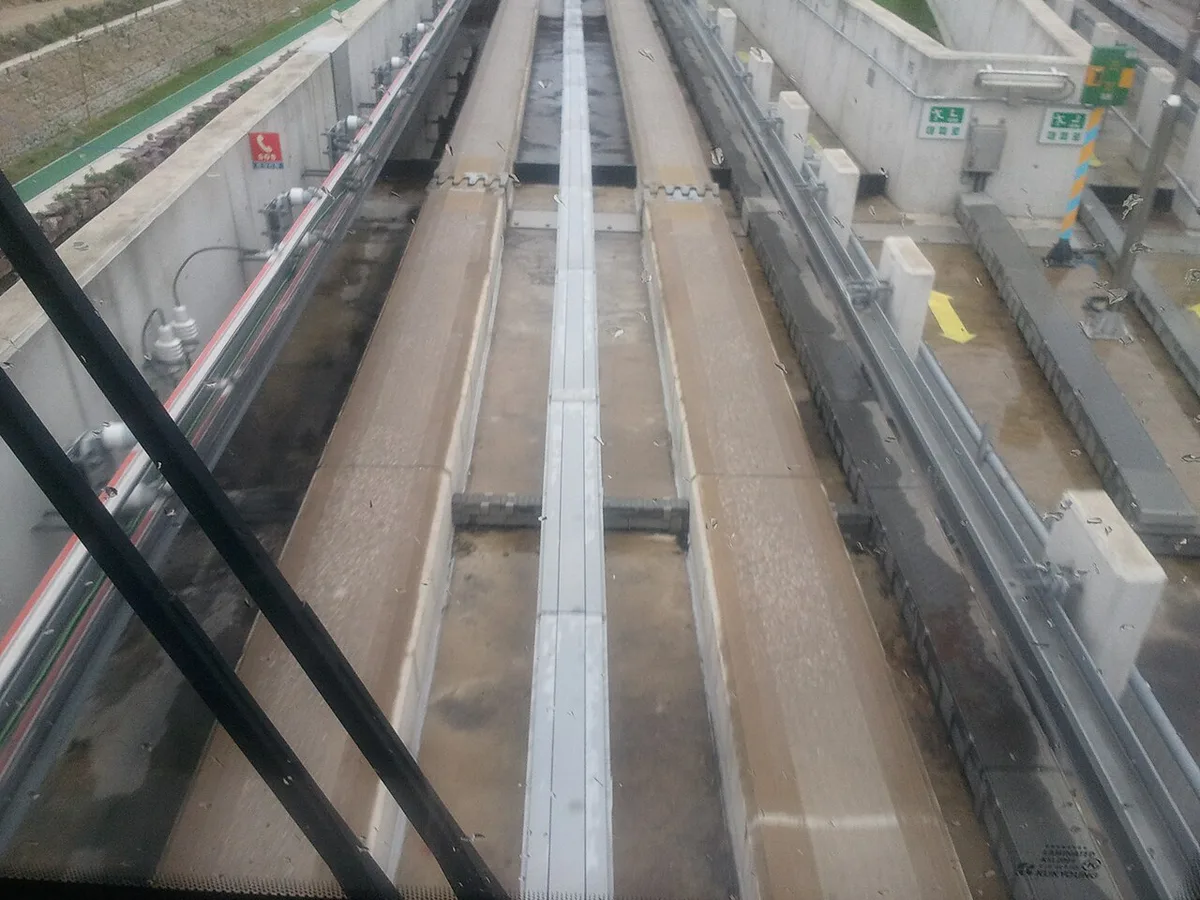
Buses win on the outer coast and in hill areas. Haedong Yonggungsa Temple is the clearest case. From Exit 7 of Haeundae Station on Line 2, take Bus 181, 100 or Haeundae 9. From Exit 1 of Osiria Station on the Donghae Line, take Bus 139. Entry is free, and the temple is open daily 04:30–19:20 with last entry by 18:50. Cheongsapo needs a bus too. Leave Jangsan Station on Line 2 by Exit 5, ride Village Bus Haeundae-gu 2 to Cheongsapo Mart, and walk 3 minutes. Seomyeon is served by Buses 108, 138, 160, 167, 168, 169-1, 67, 68, 17, 23 and 66. Jagalchi Market has Buses 27, 41, 5-1, 61, 113, 30, 6, 7, 71 and 86. Kakao Map and Naver Map in English give live bus data. Save the bus number and stop name before you leave. Service thins late in the day, so plan the return first on outer routes.
Taxis: when they are worth it
Taxis earn their fare on short gaps, hills and luggage. Nampo has stairs and slopes, and a short ride saves the climb. They also help after transit thins at night. Kakao T lets you hail from your phone and skips the language problem. Otherwise show the destination in Korean on your map app. Our taxi tips cover hailing and payment. Avoid using a taxi to cross the whole city. A rail transfer is usually cheaper for that.
Late dinners near Nampo need a plan, since Line 1's last train from Dadaepo Beach leaves at 23:11.
Haeundae coastal options: Blueline Park train and the beach rail
The Haeundae Beach Train is a sightseeing ride, not a commute. Prices and hours checked November 2026. The fare listed for Mipo and Songjeong is ₩10,000 per person. Passengers must get off at Mipo or Songjeong, the end stations. A round trip needs two boarding passes or an all-station pass. At Mipo Station, the 1F has the boarding area, ticketing kiosk and waiting room. Mipo Station is 250 m from the Mipo entrance. Weekend demand can be high, so reserve on the Haeundae Blueline Park site where possible. Operator notices also announced extended evening operation for the 21st Busan Fireworks Festival, posted October 13, 2026. Our Beach Train guide covers the route.
City tour bus and guided tours: who they suit
A hop-on route suits short stays and anyone wary of bus numbers. Passengers can take the Red Line from Busan Station and change to the Blue Line at Haeundae Beach. That Blue Line reaches Cheongsapo and Haedong Yonggungsa Temple. Routes and tickets are on the Busan City Tour site. Our city tour bus routes compare stops. Compared with DIY, you give up flexibility and gain a fixed loop with no transfers to plan. The metro wins on speed between Line 1 and Line 2 stops.
Car rental: usually not worth it in the city
Parking is limited around Haeundae and Nampo, so a rental car adds stress there. Metro and buses cover the main corridors. A car makes more sense on outer coast days. Haedong Yonggungsa Temple has a charged parking lot. Cheongsapo has a public lot with accessible spaces. Even then, a bus or taxi often costs less effort than driving.
Transit cards and costs
Per-ride metro and bus fares change, so read current amounts on the operator's site. The Beach Train at ₩10,000 per person is the one fare this page can state. Budget metro and bus as the cheap tier, light rail alongside them, and taxis as the premium for convenience. The table ranks each mode by cost, speed and catch.
| Mode | Cost level | Speed | Main catch |
|---|---|---|---|
| Metro | Low | Fast on one corridor | Slow across town |
| Bus | Low | Variable | Route reading, thin late service |
| Taxi | Highest | Door to door | Cost grows with distance |
| Light rail | Low | Direct to Sasang | Needs a transfer to Line 2 |
| Tour bus | Medium | Fixed loop | Less flexibility |
| Beach Train | ₩10,000 per person | Scenic, slow | Sightseeing only |
Sample one-corridor days
Each day below uses one corridor. Count the transfers before you commit.
- Port day: ride Line 1 to Nampo or Jagalchi Station with no transfers. Jagalchi Market is open 05:00–22:00 but closed on the 1st, 3rd and 5th Tuesdays. Gukje Market is closed Sundays, so pair them on another day.
- East coast day: take Line 2 to Haeundae. Ride the Beach Train from Mipo Station. Walk the free path around Dongbaek Island, open 24 hours. Add Cheongsapo by Jangsan Exit 5 and the village bus for one bus change.
- Outer-route day: ride Line 2 to Haeundae, then Bus 181 to Haedong Yonggungsa Temple. Plan one metro leg and one bus leg. Leave before the 18:50 last entry.
Bad weather and late-night fallbacks
Wind and rough seas affect the outer coast, so drop cliff and shoreline stops first. Keep one indoor alternative near your corridor. Stores in Samjung Tower near Seomyeon open at 11:00 AM. They close at 10:00 PM Monday to Thursday and Sunday, and 10:30 PM Friday and Saturday. After Line 1's last train leaves Dadaepo Beach at 23:11, switch to a taxi.
Mistakes to avoid
Most transit problems come from four habits.
A map pin alone hides the exit: Jagalchi Market is a 6-minute walk from Exit 2 of Nampo Station.
- Crossing the city twice in one day.
- Trusting a map pin without a station exit.
- Pushing outer stops into a corridor day.
- Landing at Gimhae Airport without a plan for Sasang.
Building the rest of the trip? Our Busan attractions guide covers the sights, districts and logistics around this guide.
Getting around other cities
Frequently Asked Questions
How do you get around in South Korea?
Between cities, KTX and SRT trains are the usual choice. Booking and fares are on the Korail English site. Inside Busan, use the metro, buses and taxis as described above.
How much is the bullet train from Seoul to Busan?
Fares depend on the train and seat class. Current prices are on the Korail English site.
Explore More Busan Guides
Keep planning your Busan trip with these guides.
Busan Guides
Notes for your Korea trip
Optional updates to our city guides.
You might also like
Continue reading
More guides you'll find useful