KTX Seoul to Busan: Times, Tickets & How to Book
How long the KTX from Seoul to Busan takes, what a ticket costs, where to book, and when a KORAIL PASS is worth it. Updated November 2026.
On this page
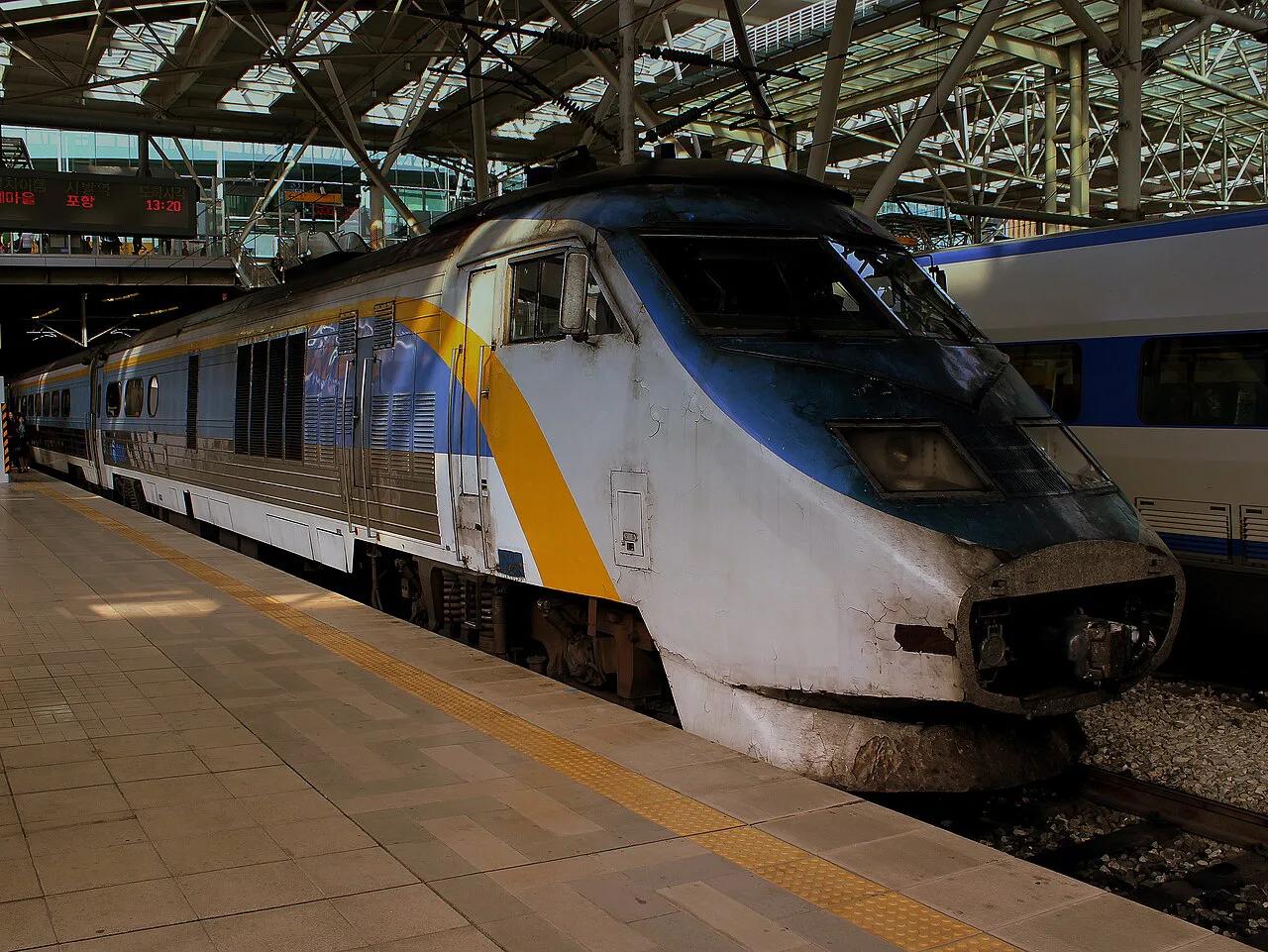
Last updated November 2026: the KTX Seoul to Busan runs direct from Seoul Station to Busan Station on the Gyeongbu line. The fastest services take about 2 hours 15 minutes, and slower KTX trains stretch toward 3 hours. Book through the Korail English site or the Korail Talk app. For other modes, see our Seoul to Busan comparison.
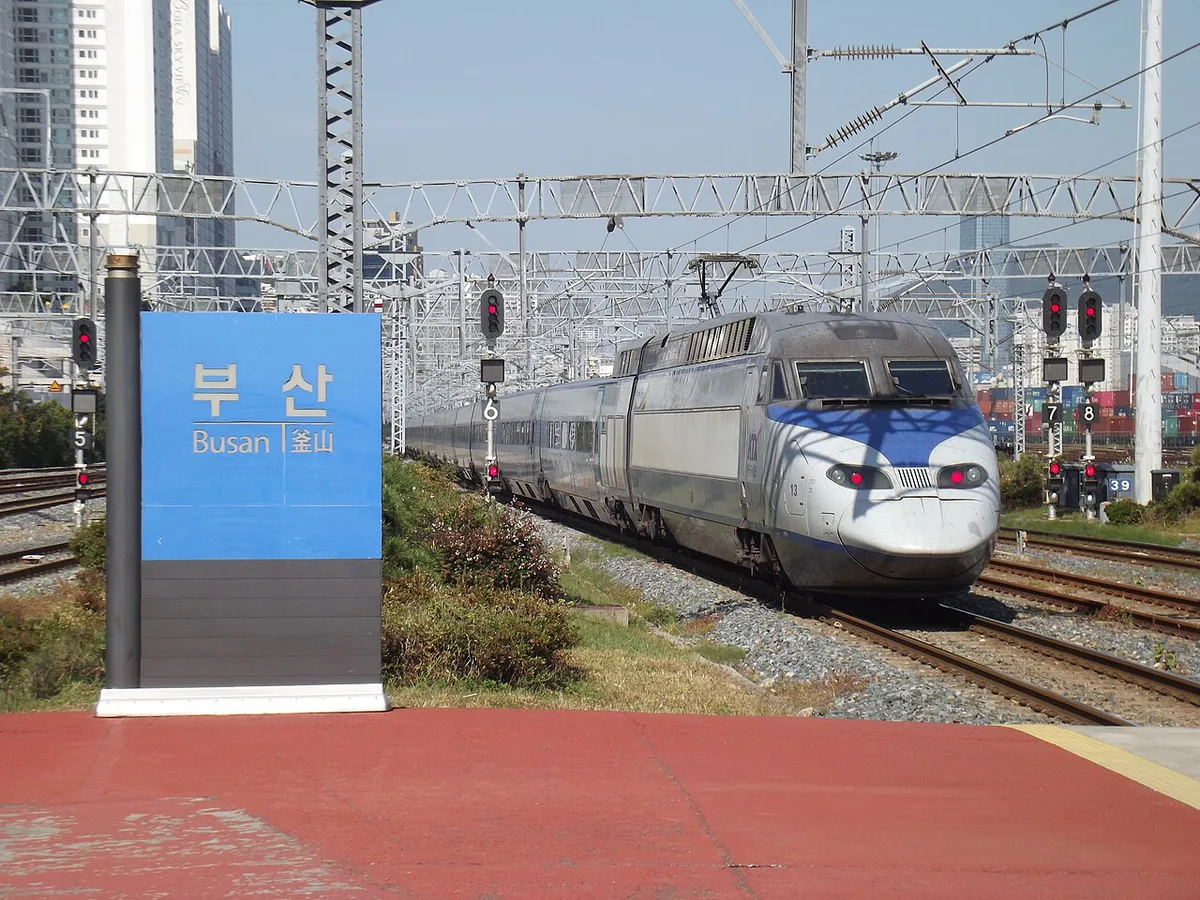
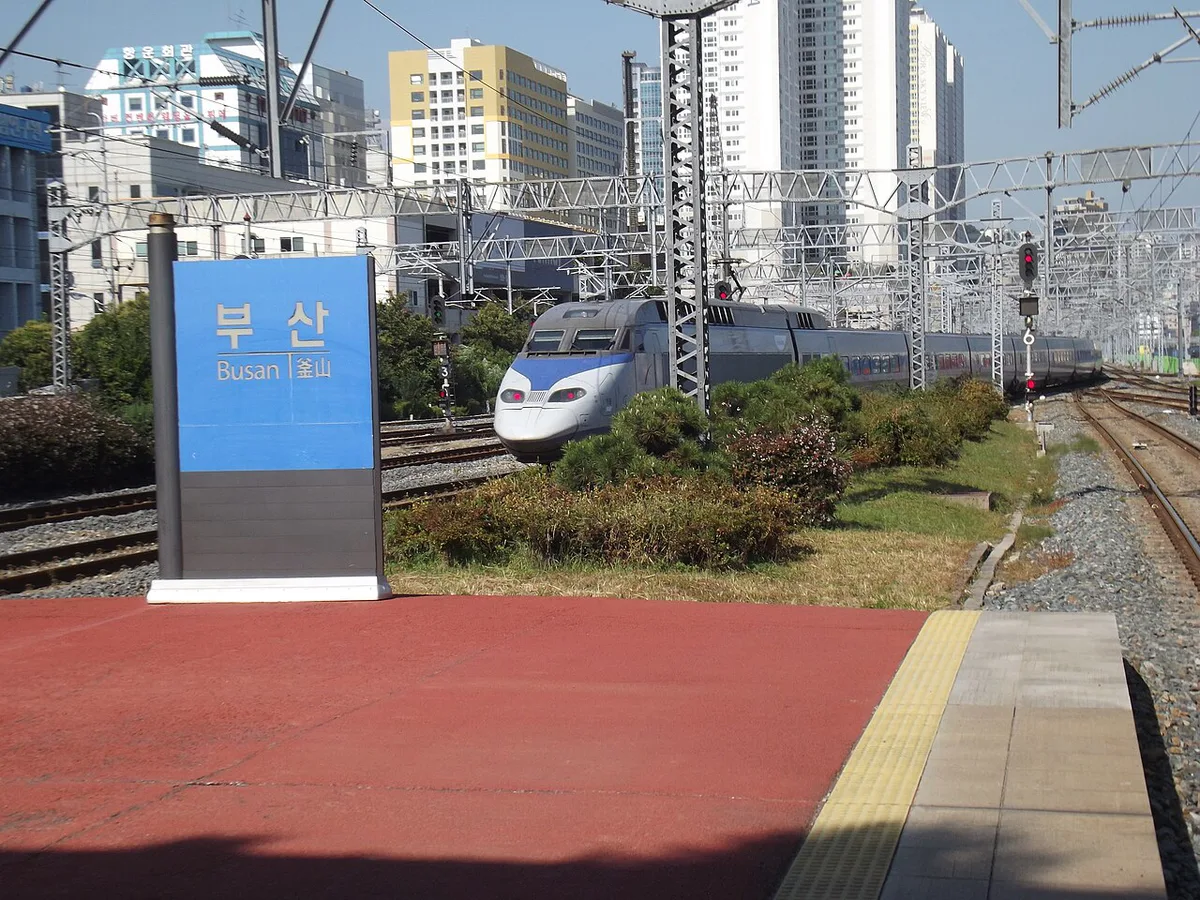
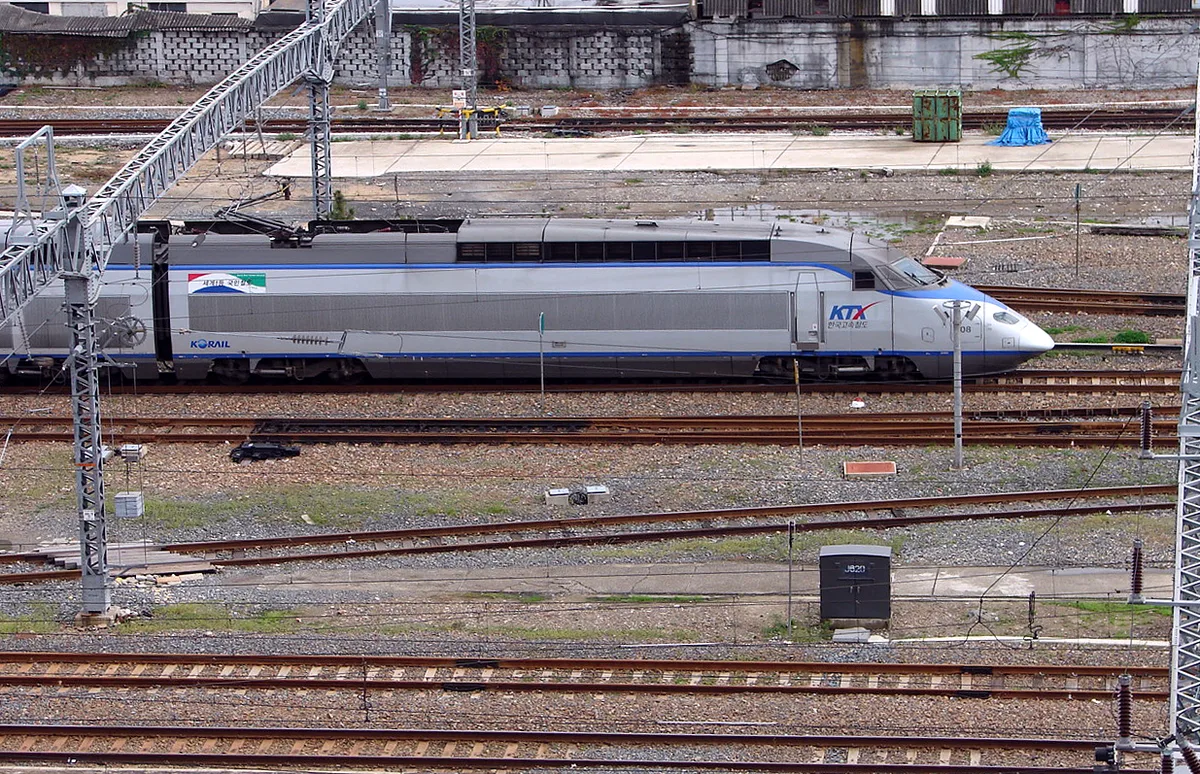
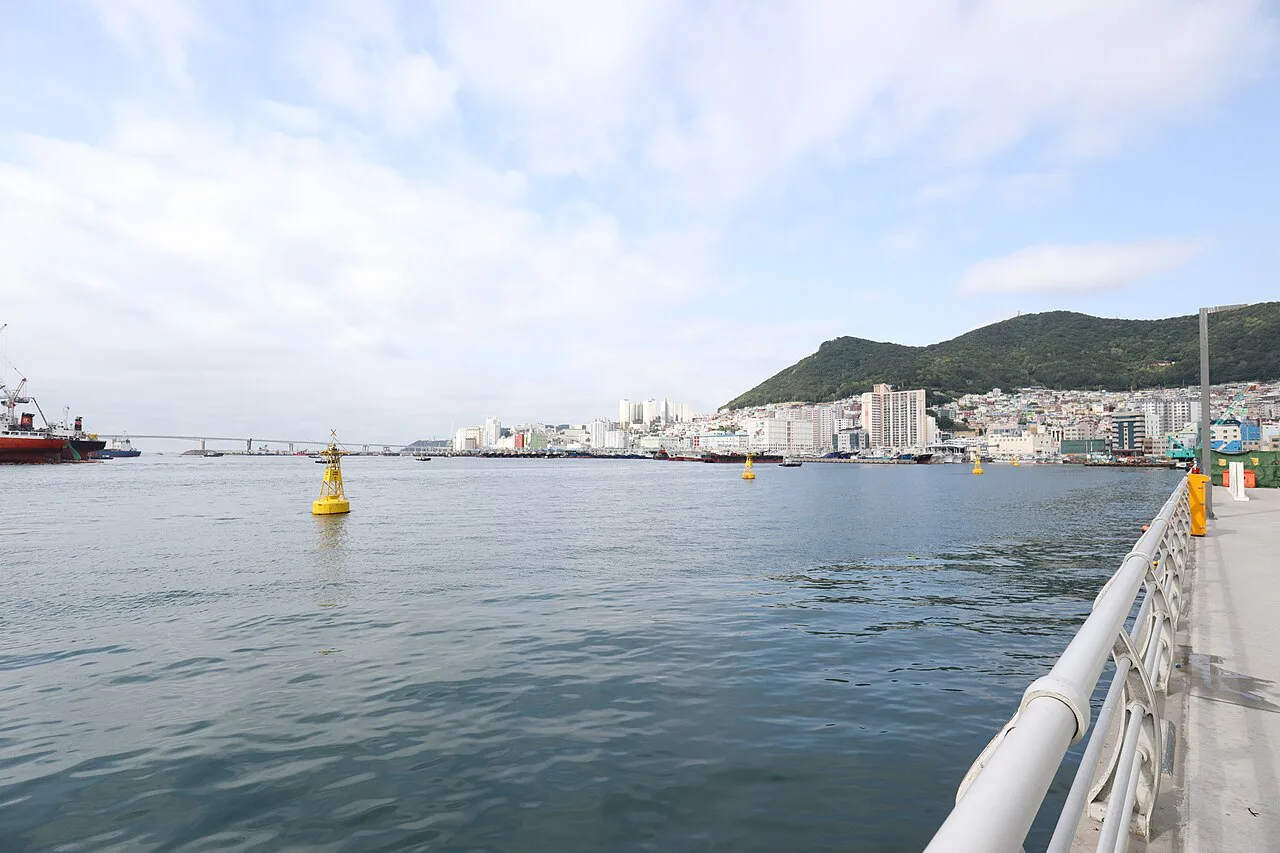
Featured image: calflier001, CC BY-SA 2.0, via Wikimedia Commons.
KTX Seoul to Busan: Key Facts at a Glance
Korail runs the KTX, and Seoul Station is the usual departure point. Trains arrive at Busan Station. Fares in this guide come from published 2026 listings and change by train and day.
| Item | What to expect |
|---|---|
| Route | Seoul Station to Busan Station, Gyeongbu line, direct |
| Journey time | About 2h 15m to 3h, depending on the train |
| Standard fare | ₩42,900 to ₩54,400 one way |
| First Class fare | ₩67,400 to ₩78,900 one way |
| Booking channels | Korail site, Korail Talk app, station counters, resellers |
| Tickets | E-ticket accepted; seat reservation recommended |
KTX Seoul to Busan Times and Timetable
Journey time depends on the specific train. The quickest services cover Seoul to Busan in about 2 hours 15 minutes. Trains that make extra stops take closer to 2 hours 45 minutes or more. Some timetable listings show direct departures between 2 hours 37 minutes and 2 hours 58 minutes. Early departures start around 05:13, and the last trains leave in the late evening, around 22:28. Look at the arrival time rather than the departure time when you plan a connection. A same-day round trip is realistic: leave on an early train and return on an evening service. That still leaves most of a day in Busan, though a night there is more relaxed. Services between Seoul and Busan run frequently all day, but exact departures change by weekday and season.
KTX Ticket Price: Standard vs First Class
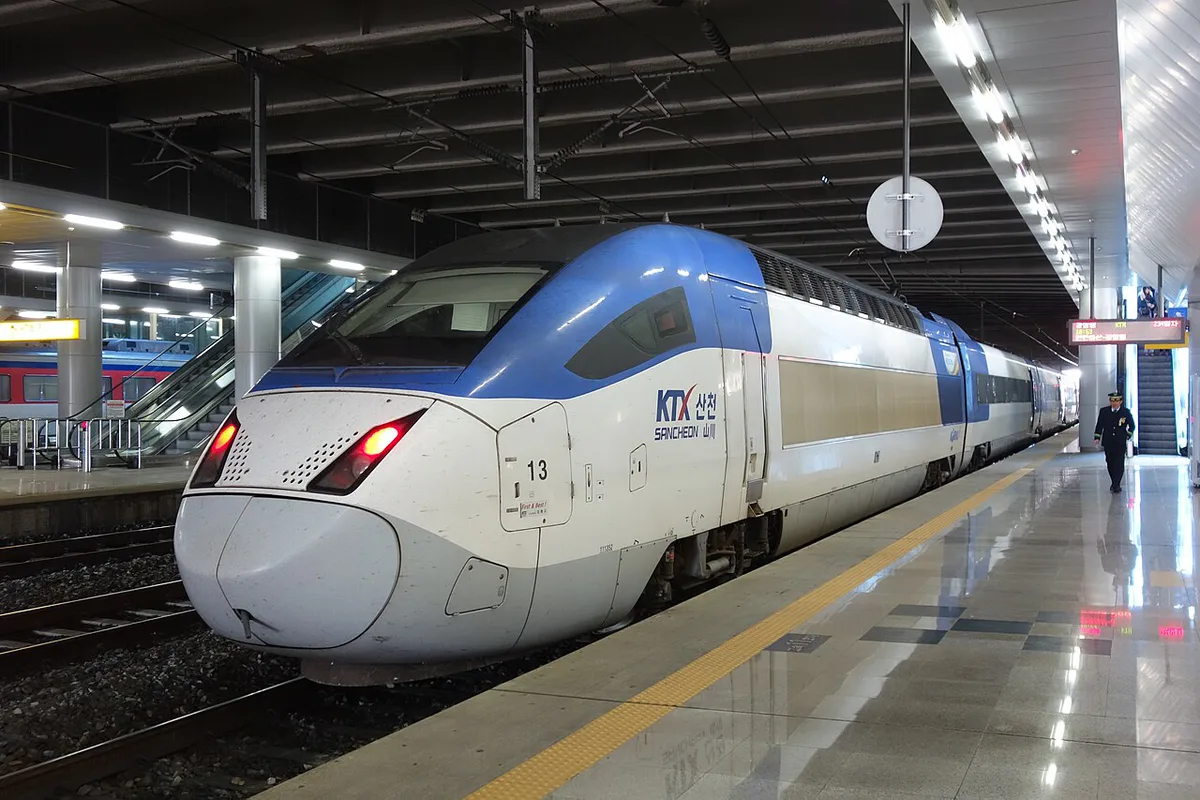
A Standard seat costs about ₩42,900 to ₩54,400 one way with a reserved seat. First Class runs about ₩67,400 to ₩78,900. Prices vary by train timing and day of the week. First Class gives wider seats and a quieter carriage. Most travelers choose Standard, which has large windows and reserved seating. First Class makes sense on a long day when you want extra space for a laptop or a nap. Your ticket also shows whether the seat faces forward or backward. If direction matters to you, check it in the seat map before paying.
How to Book KTX Tickets
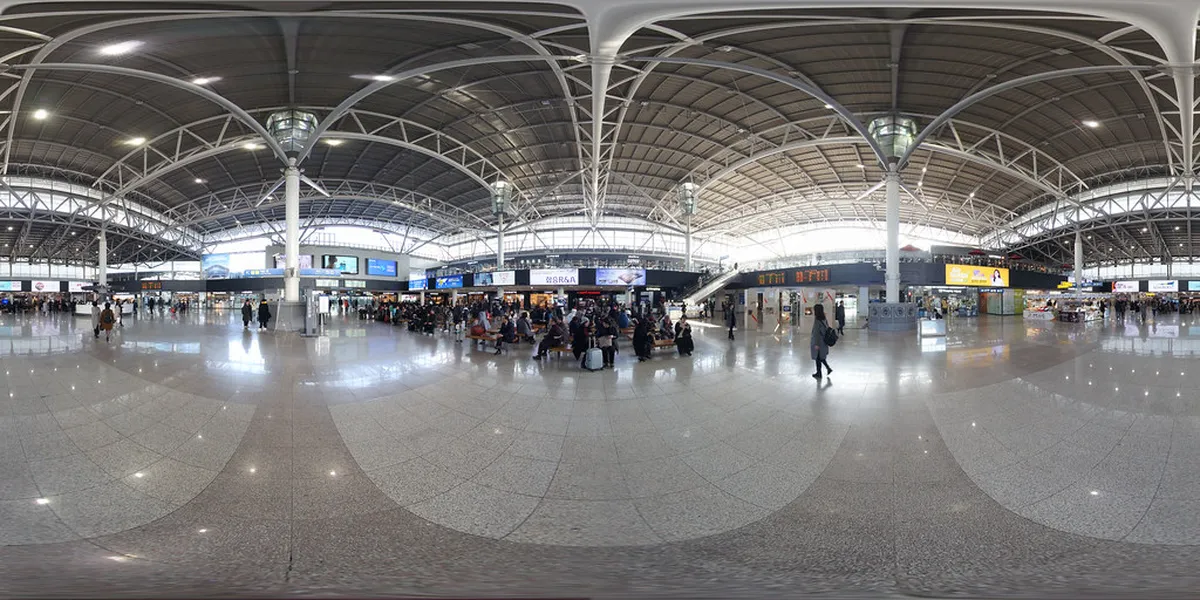
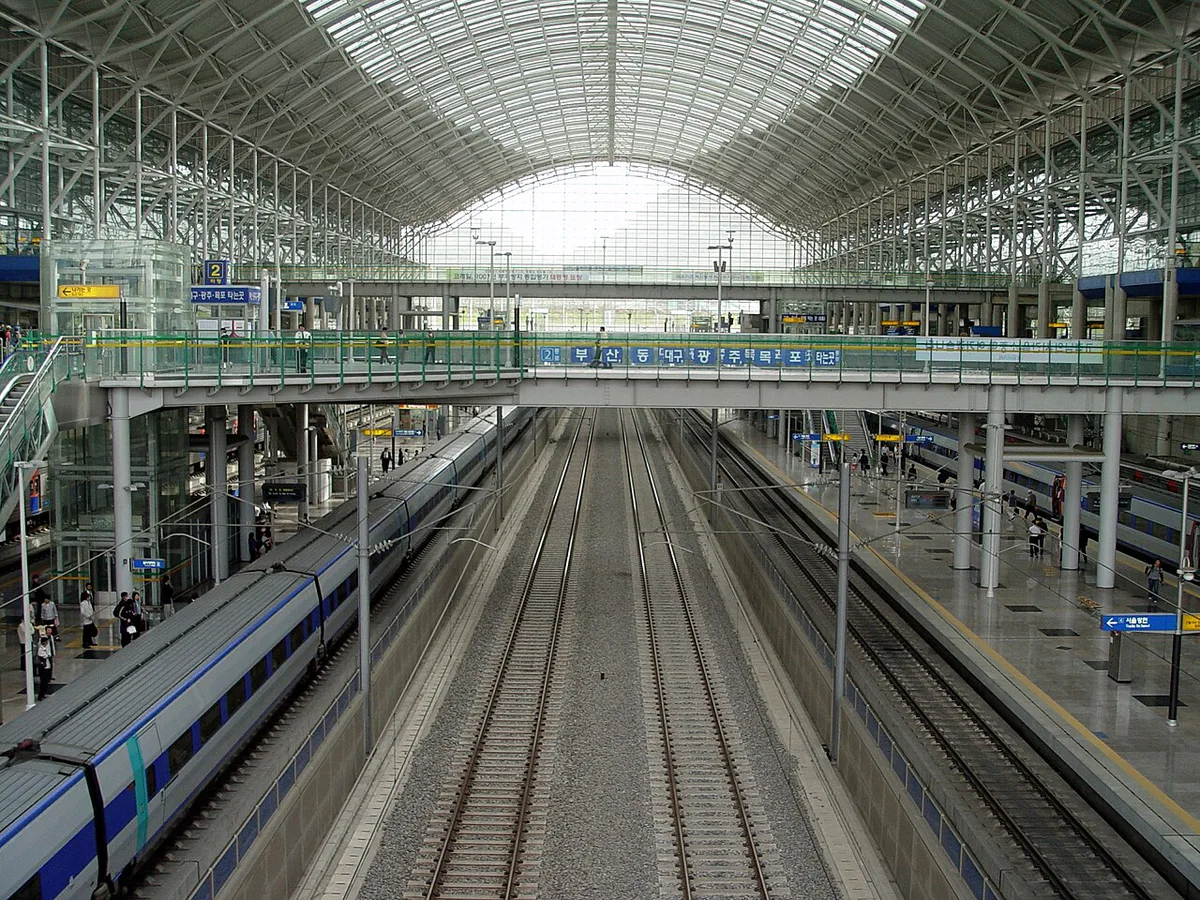
You have four main options. Korail's own site and the Korail Talk app sell tickets directly. Station counters and kiosks at Seoul Station sell them in person. Resellers such as Klook sell e-tickets too. One reseller listing says you can buy up to 3 months ahead, against about 1 month on Korail's own site. Booking rules change, so read the current window on the Korail site. Resellers can offer longer windows and English support. Korail gives you its own refund and change rules. Weekends and holidays sell out first, so book early for those. With an e-ticket you can board without collecting paper. Check your platform on the big screen at Seoul Station and find your assigned seat.
| Channel | Strength | Watch for |
|---|---|---|
| Korail site or app | Official fares and timetable | Shorter booking window; foreign-card payment may need a retry |
| Reseller e-ticket | Longer window, English support | Different refund terms |
| Station counter or kiosk | Pay in person, ask staff | Queues on weekends; trains may be full |
KORAIL PASS: Is It Worth It for Seoul to Busan?
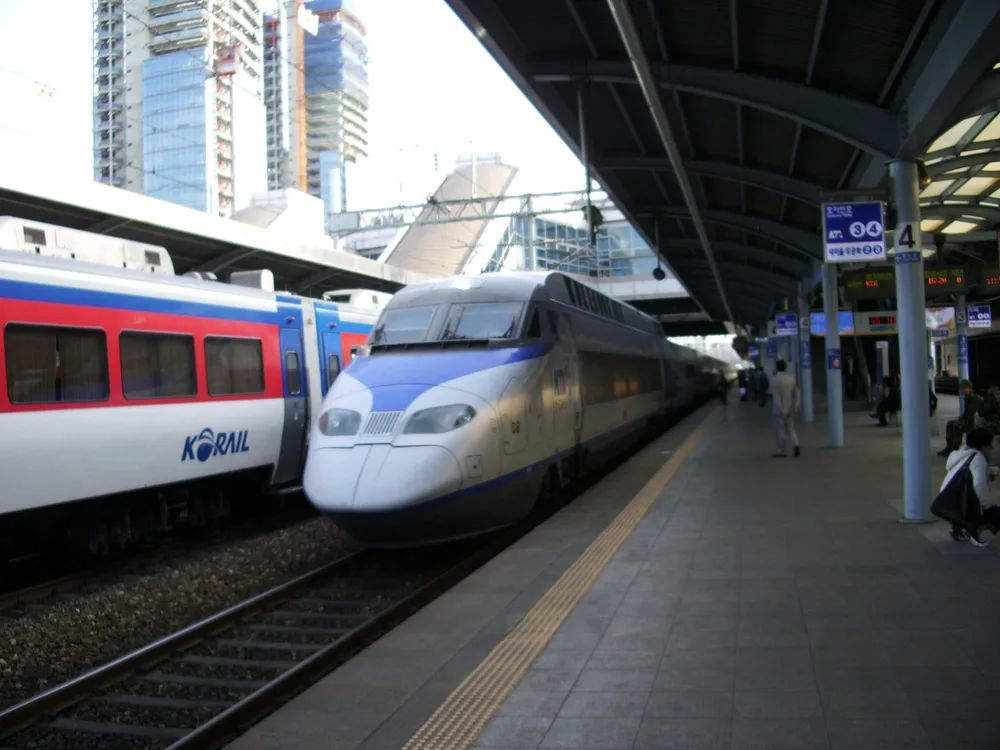
The KORAIL PASS is sold only to overseas visitors. One listing prices the 2-day pass at ₩131,000 per adult. That is far above a single Seoul to Busan fare of ₩42,900 to ₩54,400. A pass pays off when you ride several long legs, such as Seoul to Busan to Gyeongju and back. A plain return trip is cheaper on point-to-point tickets. You still reserve seats when you hold a pass, and you carry your passport as ID. Pass terms and prices change, so read them on the Korail site before you buy. Add up your planned legs at the fares above and compare the total against the pass price.
Before you buy, note that the 2-day pass at ₩131,000 per adult does not cover AREX Express, so pay for that airport leg separately.
KTX vs Bus, Slower Trains, and Flying
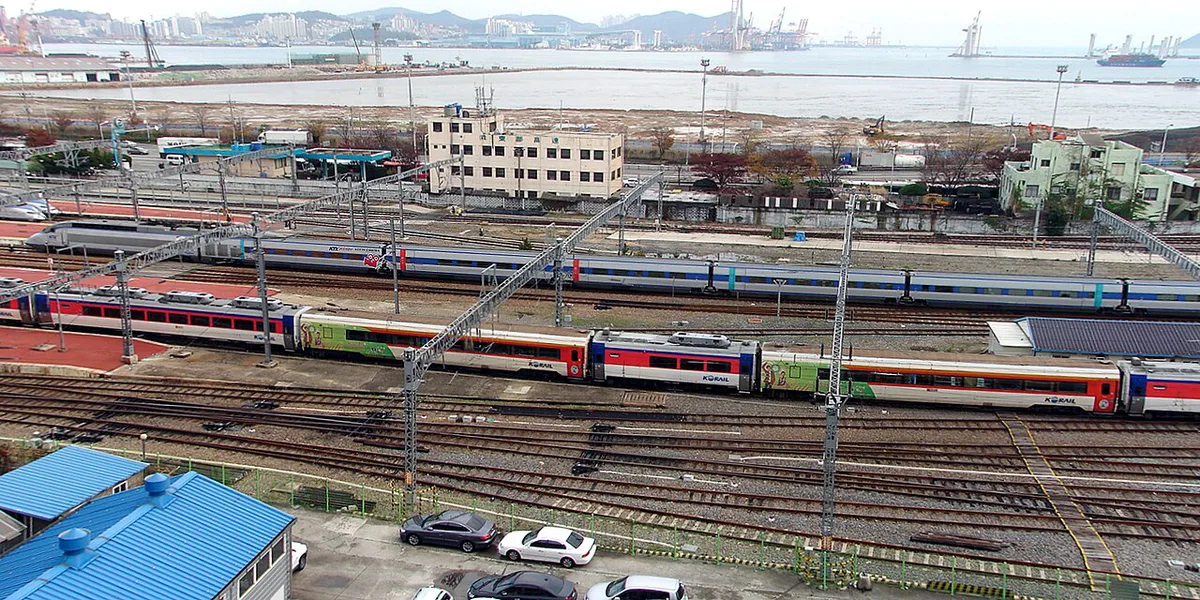
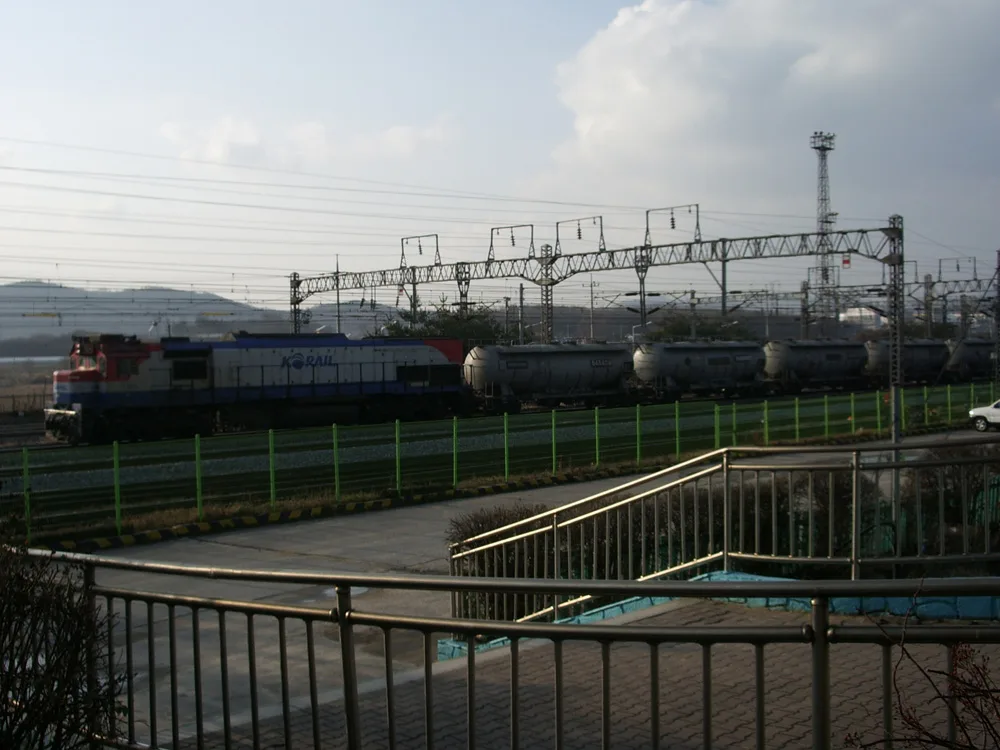
KTX is the fastest ground option and runs station to station. ITX-Saemaul and Mugunghwa trains are slower and cheaper. One guide puts ITX at about 5 hours and Mugunghwa at about 6 hours. Another gives ITX-Saemaul 4 hours or more and Mugunghwa 5 hours or more. Our Seoul to Busan bus guide covers the express coach option in detail. Flying depends on airports and check-in time, so compare door-to-door rather than flight time alone.
Set against the about 2 hours 15 minutes fastest KTX, ITX-Saemaul 4 hours or more is a real time cost.
| Option | Time | Relative cost | Best for |
|---|---|---|---|
| KTX | About 2h 15m to 3h | Mid to high | Speed, city center to city center |
| ITX-Saemaul | 4 to 5 hours | Lower than KTX | Savings with spare time |
| Mugunghwa | 5 to 6 hours | Lowest of the trains | Tight budgets |
| Express bus | See bus guide | Varies | Flexible departures |
| Flight | Check airlines | Varies | Airport-based itineraries |
Seoul Station to Busan Station: What the Journey Is Like
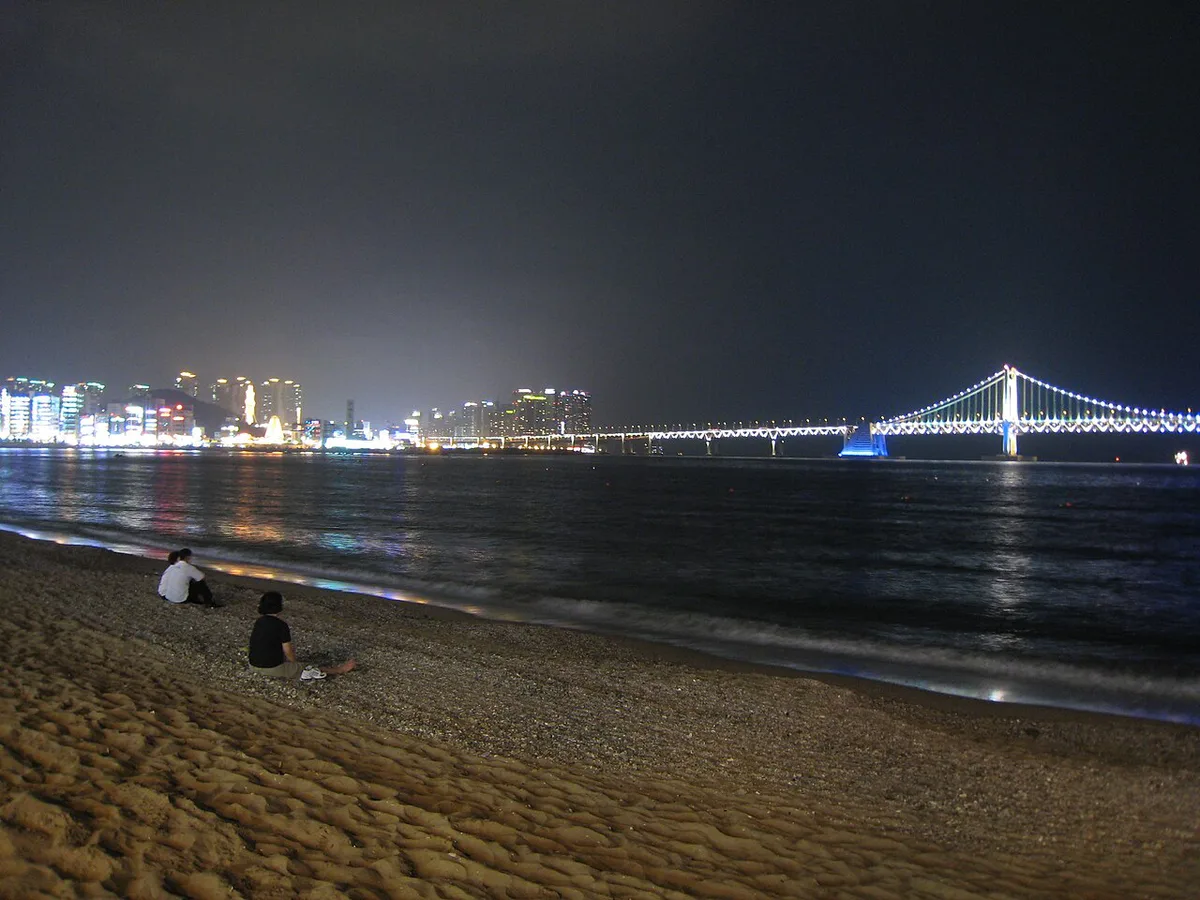
Allow extra time at Seoul Station to find your platform. Board with your e-ticket and take your reserved seat. Onboard facilities include restrooms, vending machines, and a café car. Overhead racks hold small bags. Larger luggage goes in designated areas near the doors. Some seats have charging ports beside them. Wi-Fi is reported on some sections only, so download maps and entertainment before you go. Popular stops on the Gyeongbu line include Suwon for Hwaseong Fortress, Gyeongju for the Silla capital, and Ulsan. Not every KTX stops at each of them, so choose a direct service for the fastest ride. At Busan Station, subway lines connect to central Busan. Luggage lockers exist at the station, but check location and fees locally. Once you arrive, our Busan pages cover the next steps. Haeundae Blueline Park at 116 Cheongsapo-ro posted a 2026 notice about extended evening operation of its Beach Train and Sky Capsule for the 21st Busan Fireworks Festival.
From Incheon Airport to Busan by KTX
No direct train runs from Incheon Airport to Busan. Take AREX to Seoul Station, then board the KTX. Non-stop AREX Express takes 43 minutes from Terminal 1 and 51 minutes from Terminal 2. All-stop AREX takes 59 minutes from T1 and 66 minutes from T2, and costs ₩4,750 and ₩5,350. The express fare is listed at ₩13,000 on one guide and ₩11,500 on a reseller. The KORAIL PASS does not cover AREX Express. See the Incheon Airport to Busan guide for the full route. You can check airport rail details on the Incheon Airport site. Leave a buffer between landing and your KTX departure.
Mistakes to Avoid and Practical Tips
Check your departure station before you book. KTX leaves from Seoul Station. Trains labeled SRT leave from Suseo and are a different service. Confirm that your train is direct, because stopping services take longer. Reserve a seat instead of buying a standing ticket on a busy weekend. Book weekend and holiday trains early. Do not assume AREX Express is covered by your pass. Heading back? Our Busan to Seoul guide covers the return trip. Onward to Japan? See the Busan to Osaka Ferry: Schedule, Price & Overnight Tips page.
Notes for your Korea trip
Optional updates to our city guides.
You might also like
Continue reading
More guides you'll find useful