Getting Around Gyeongju: Bus, Bike, Tour Bus or Taxi Tour
Choose the best way to get around Gyeongju. Compare bus, bike rental, city tour bus and taxi tour by time, cost and sights, with route tips.
On this page
Last updated November 2026: getting around Gyeongju works best on foot or by bike inside the flat old town. Add city bus 10 or 11 for Bulguksa, which sits outside the central cluster. Book a taxi tour or ride the city tour bus when time, luggage or group size rules out buses.
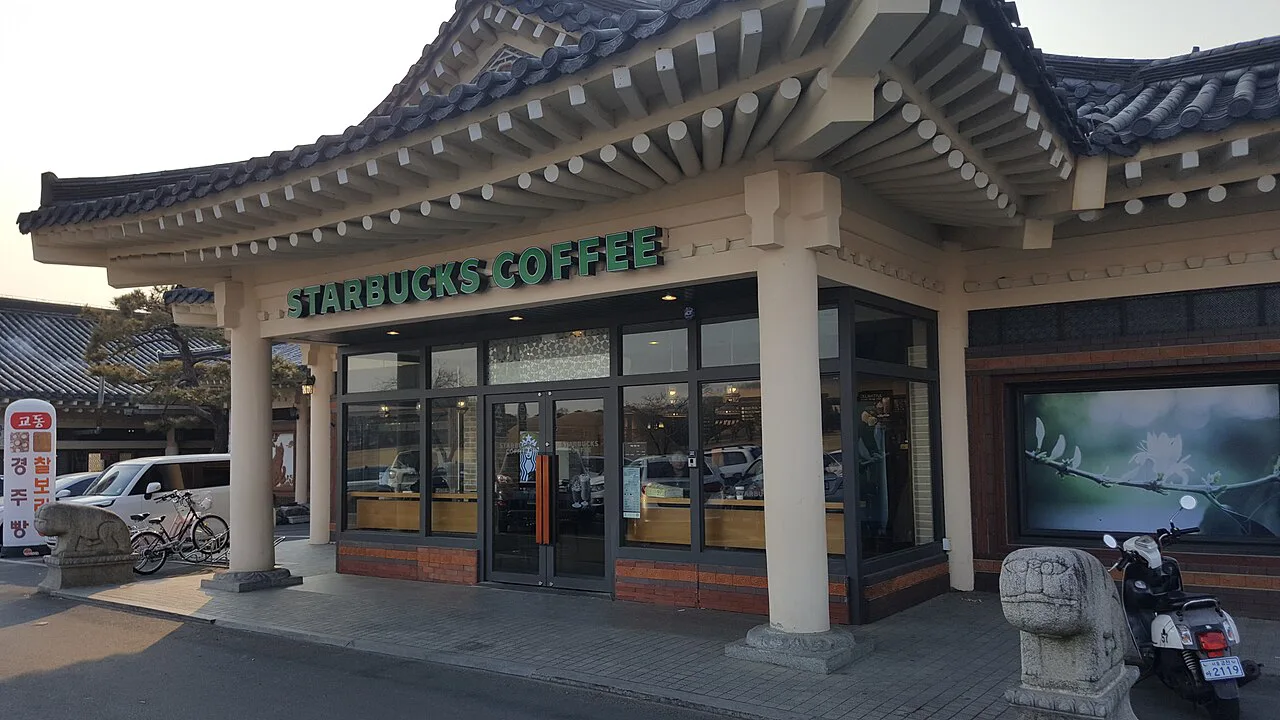
Featured image: 김해시민, CC BY-SA 3.0, via Wikimedia Commons.
Quick answer: the best way of getting around Gyeongju
Most visitors need two modes, not one. Walk or cycle the flat old town, then add a bus or a driver for the temples. Bulguksa and Seokguram sit outside the central cluster, so they shape the rest of your day. Pick by trip profile.
- Solo budget: walk the old town and take city bus 10 or 11 to Bulguksa.
- Couples: stay on foot for the lit evening sights, which stay open until 22:00.
- Families with kids: use a taxi tour for the temples and walk the tomb park.
- Older travelers or limited mobility: book a private driver and keep walking to short loops.
- Photography and night focus: base yourself near Wolji Pond and walk after dark.
- Short layover: ride the city tour bus for an overview, then pick two sights.
How Gyeongju's layout shapes your transport choice
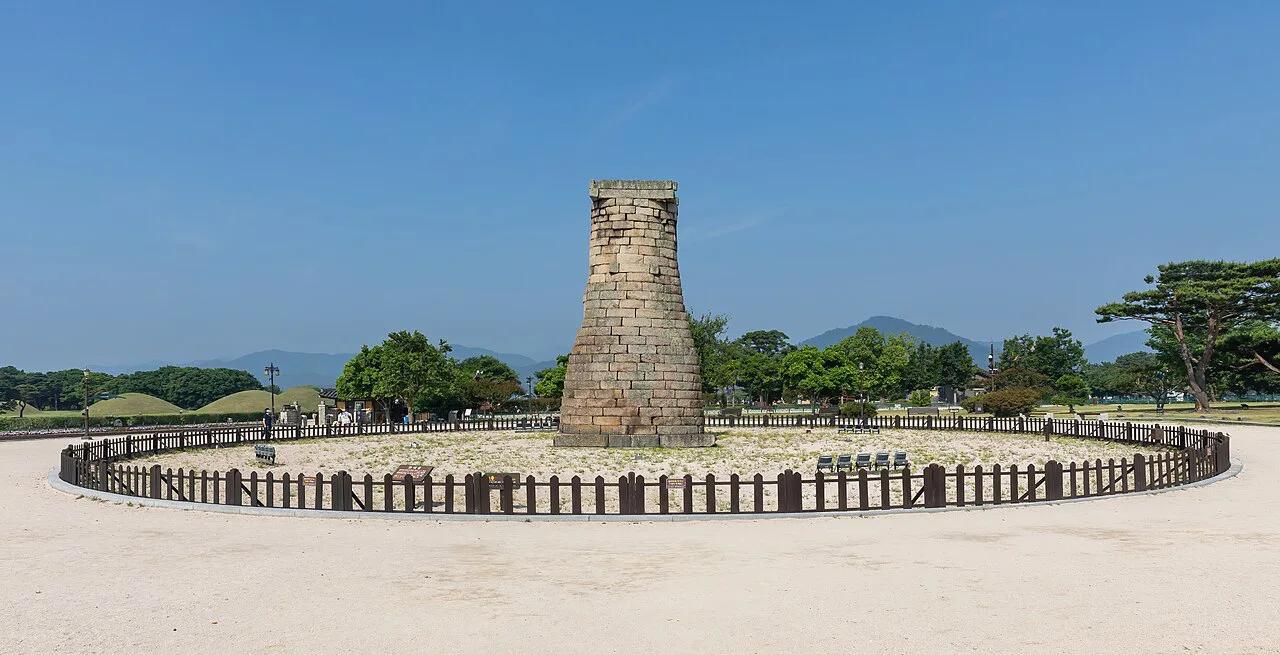
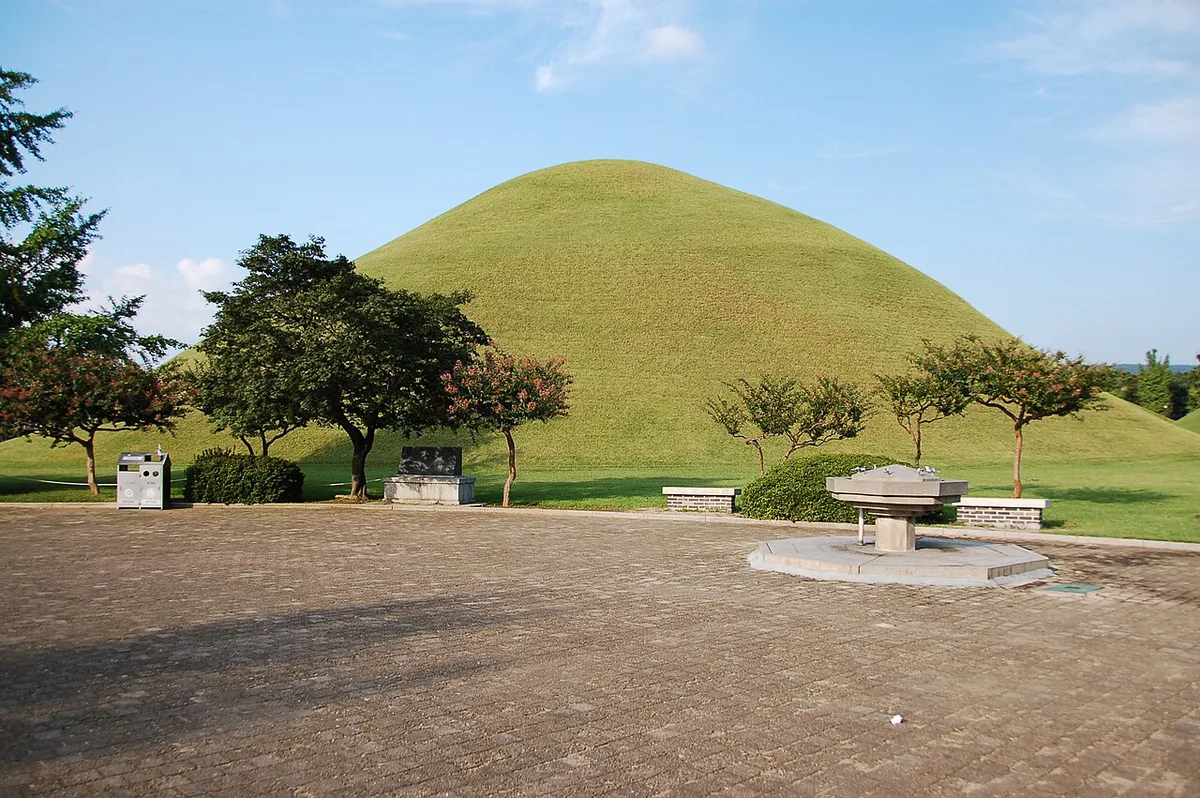
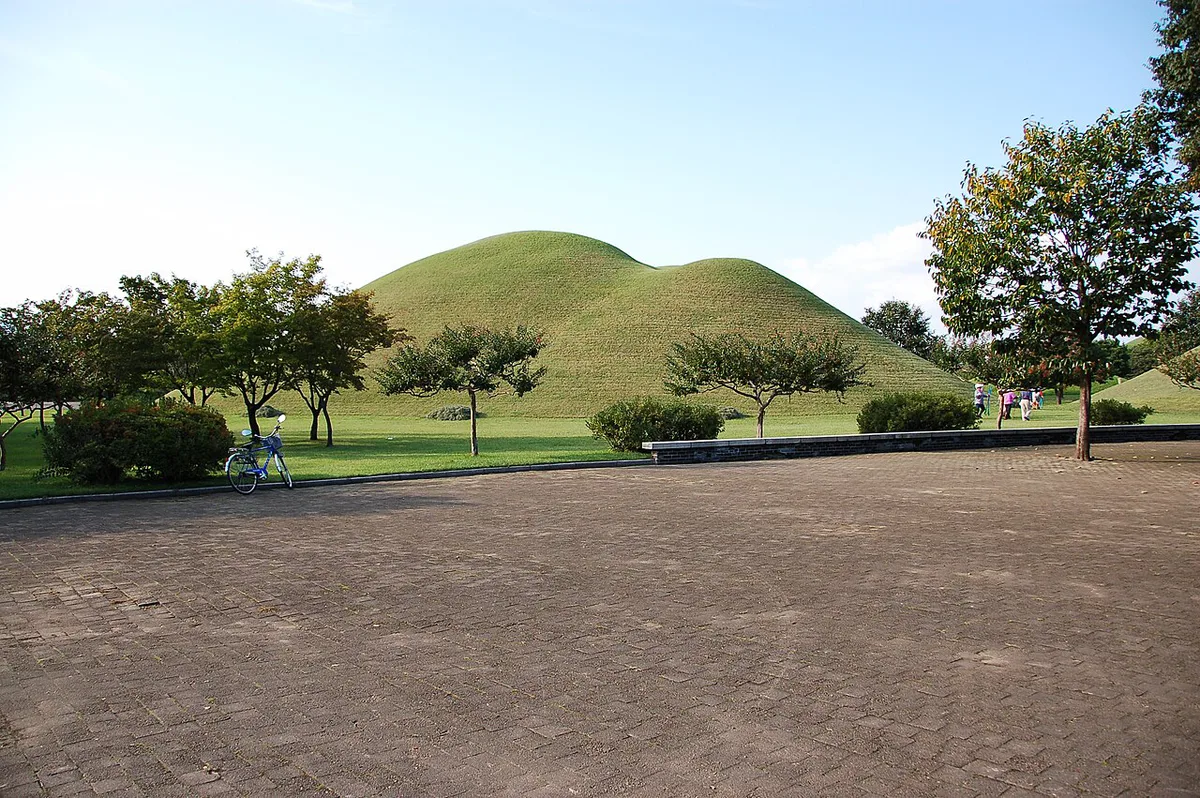
Gyeongju splits into a walkable core and a ring of outlying sights. Daereungwon, Cheomseongdae, the Wolseong district, Donggung Palace and Wolji Pond, Gyochon Village, Woljeonggyo Bridge and Hwangnidan-gil make up the core. From Donggung Palace, Daereungwon, Cheomseongdae, Gyerim Forest, Gyochon Village and the Gyeongju National Museum are each about 20 minutes away on foot. Woljeonggyo Bridge is about 1 km, or 15 minutes on foot, from Gyerim. Bulguksa lies roughly 16 km southeast of the center. Seokguram sits higher up Mount Toham. Neither makes a sensible walk from the old town. Visitors who are not archaeology specialists often skip outlying tumuli, because an hour on a bus buys little that the downtown tomb park does not. Gyeongju National Museum sits southeast of the center, so give it a separate leg.
Getting around Gyeongju compared: bus, bike, city tour bus, taxi tour
Use the table to match a mode to your day. Cost levels are relative because fares and rates vary by operator. Walking beats everything for the central cluster.
| Mode | Best for | Time efficiency | Cost level | Flexibility | Weather sensitivity | Main drawback |
|---|---|---|---|---|---|---|
| Walking | Old-town cluster | Good within 20-minute hops | Free | High | High: heat and rain | Cannot reach Bulguksa |
| Bus | Bulguksa, solo budget | Medium, timetable-bound | Low | Medium | Low | Waiting and last departures |
| Bike | Old town and Gyochon Village | High in the core | Low to medium | High | High | Heat; poor fit for the temples |
| City tour bus | Short stays, first visit | Medium, fixed loop | Medium | Low | Low | Set route and timing |
| Taxi tour | Groups, luggage, both temples | High | Highest | High | Low | Costly per person for solos |
Gyeongju by bus: the budget route to Bulguksa
City buses No. 10 and 11 run frequently from the city center to Bulguksa. You can catch them at Gyeongju Station and the bus terminal. Prices and hours checked November 2026. Bulguksa has had free admission since May 4, 2023, so the ride is the main cost. From Bulguksa, a bus to Seokguram reportedly runs about hourly and takes about 15 minutes. Expect a short uphill walk at the end. Buses suit solo travelers, couples and anyone who can plan around a timetable. Skip them with heavy luggage, a tight schedule or a group that wants several outlying stops. Fares, card use and last departures are covered in our Gyeongju bus guide.
Gyeongju by bike: flat ground for the old town
Central terrain is flat, which makes a bike the quickest link between tombs, ponds and Gyochon Village. Daereungwon is open 09:00-22:00, so cycling days can run from morning to dark. Heat is the main limit. Lotus at Wolji Pond bloom from late July to early August, which also falls in the hottest weeks. Ride in the morning or after sunset then. A 16 km trip to Bulguksa is better left to the bus. Skip the bike with young children, in heavy rain or on a day that includes both temples. Shops, deposits and return rules are in our bike rental options in Gyeongju guide.
Gyeongju by city tour bus: fixed route, low effort
A tour bus follows a set loop. You give up flexibility and gain zero route planning. That trade suits first-timers with one or two days. Skip it if you want to linger at one site or reach Bulguksa on your own schedule. Our city tour bus route guide lists stops, ticket validity and hop-on rules.
Gyeongju by taxi tour: when a driver wins
Private drivers win for groups, luggage and tight schedules. One driver can cover Bulguksa and Seokguram in a single loop. Parking at Bulguksa costs ₩2,000 for cars and ₩4,000 for buses. At Seokguram, small and medium vehicles pay ₩2,000. Give the driver an address: 385 Bulguk-ro for Bulguksa, 238 Seokgul-ro for Seokguram. By car from the city, National Route 7 toward Ulsan leads to the Gujeong-dong junction. From there, Local Road 902 runs 2.5 km to the tourist complex parking lot. Solo travelers usually pay the most per person. Our private taxi tour guide covers booking and rates.
A group arriving by coach pays ₩4,000 for buses at Bulguksa parking, double the ₩2,000 car rate.
On foot in the old town: a no-backtrack sequence
Start at Daereungwon, open 09:00-22:00 with ₩3,000 adult admission. Cheomseongdae and Gyerim Forest come next. Walk on to Woljeonggyo Bridge, open to walkers until 22:00. Gyochon Village follows, then Donggung Palace and Wolji Pond, open 9:00-22:00. Hwangnidan-gil at 1080 Poseok-ro is free to enter and works as a meal stop, though store hours vary. Gyeongju National Museum is a separate leg.
From Gyerim, Woljeonggyo Bridge is about 15 minutes on foot, so the bridge still works as a finale if you are walking until 22:00.
- Daereungwon Tomb Complex
- Cheomseongdae and Gyerim Forest
- Woljeonggyo Bridge
- Gyochon Village
- Donggung Palace and Wolji Pond after dark
Sample plans by time available
Half-day, one-day and two-day trips need different mode mixes. Admission to Bulguksa ends at 5:00 PM from November to January, 5:30 PM in February and October, and 6:00 PM from March to September. Seokguram follows the same hours.
- Half day: walk Daereungwon, Cheomseongdae and Wolji Pond, and skip the temples.
- One day: take bus 10 or 11 to Bulguksa in the morning, walk the old town after lunch, and finish at Wolji Pond after dark.
- Two days: spend day one on foot or by bike, then use day two for Bulguksa and Seokguram by bus or taxi tour, ending at Hwangnidan-gil.
Getting to and from Gyeongju's station and bus terminals
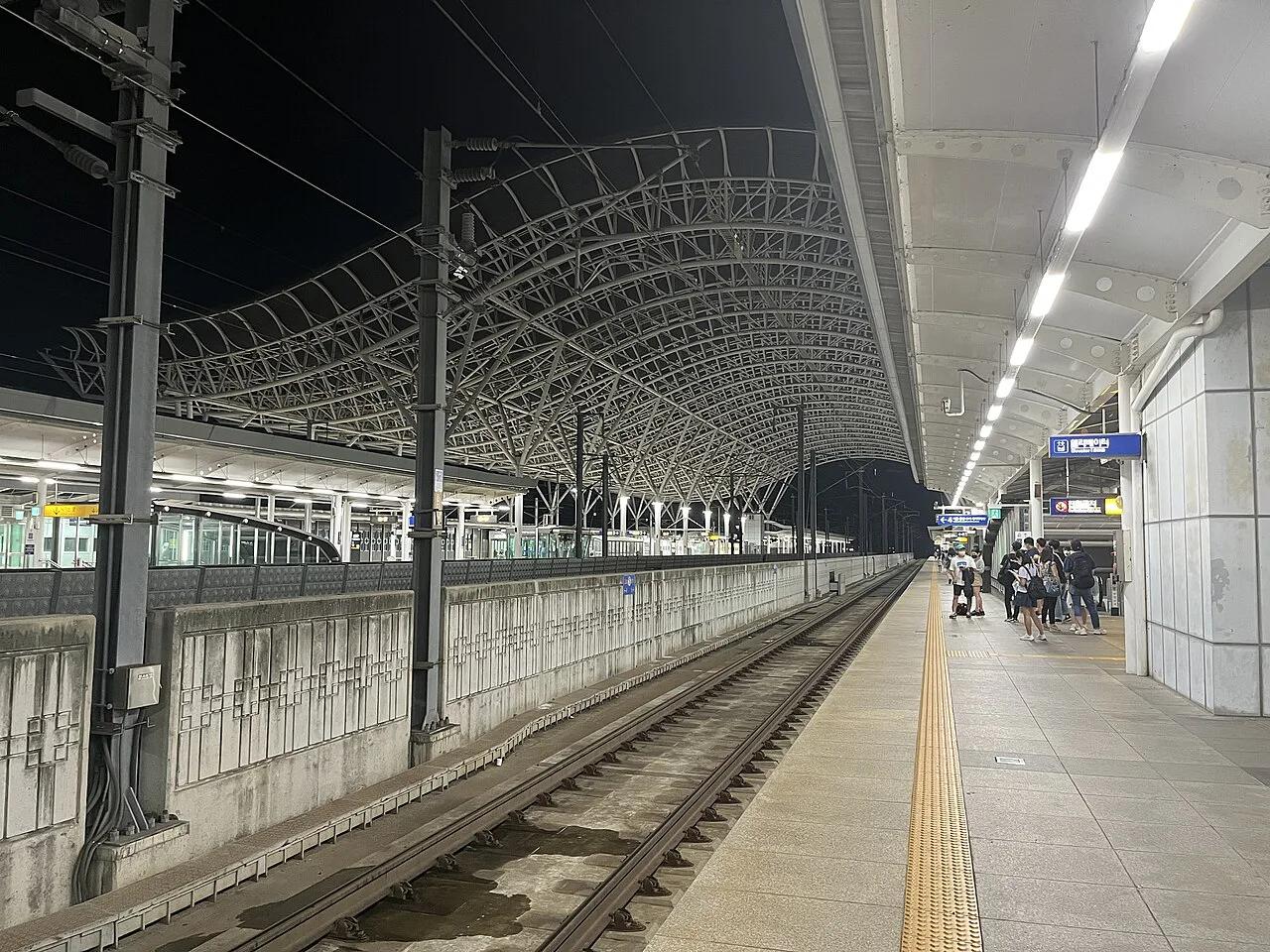
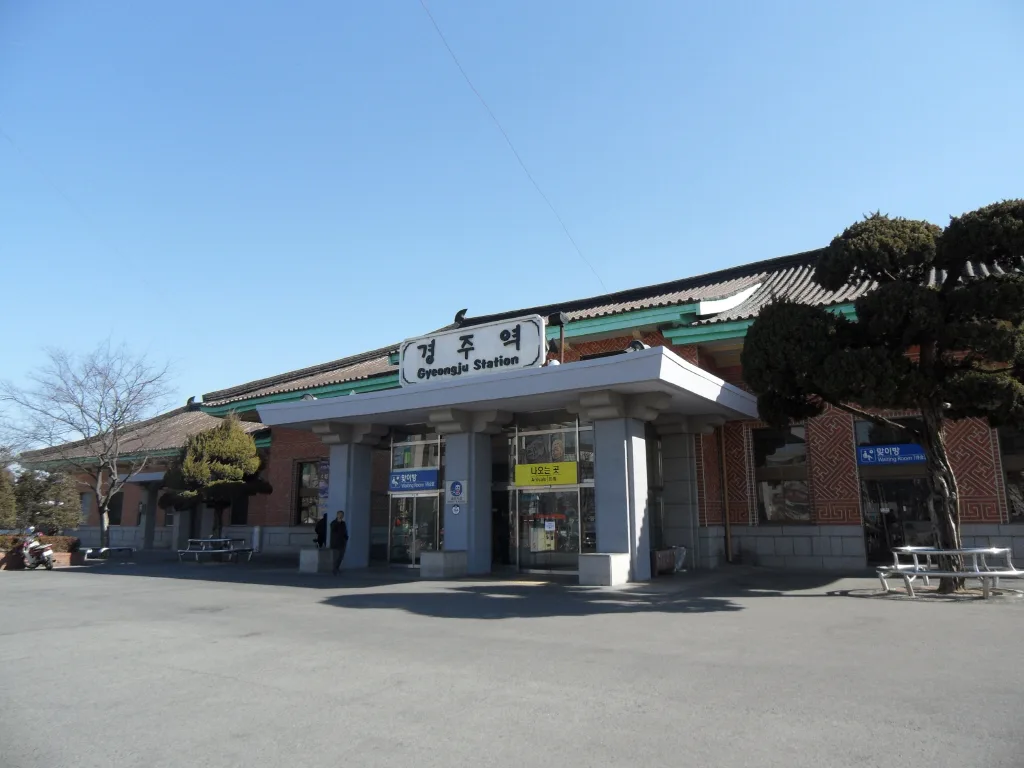
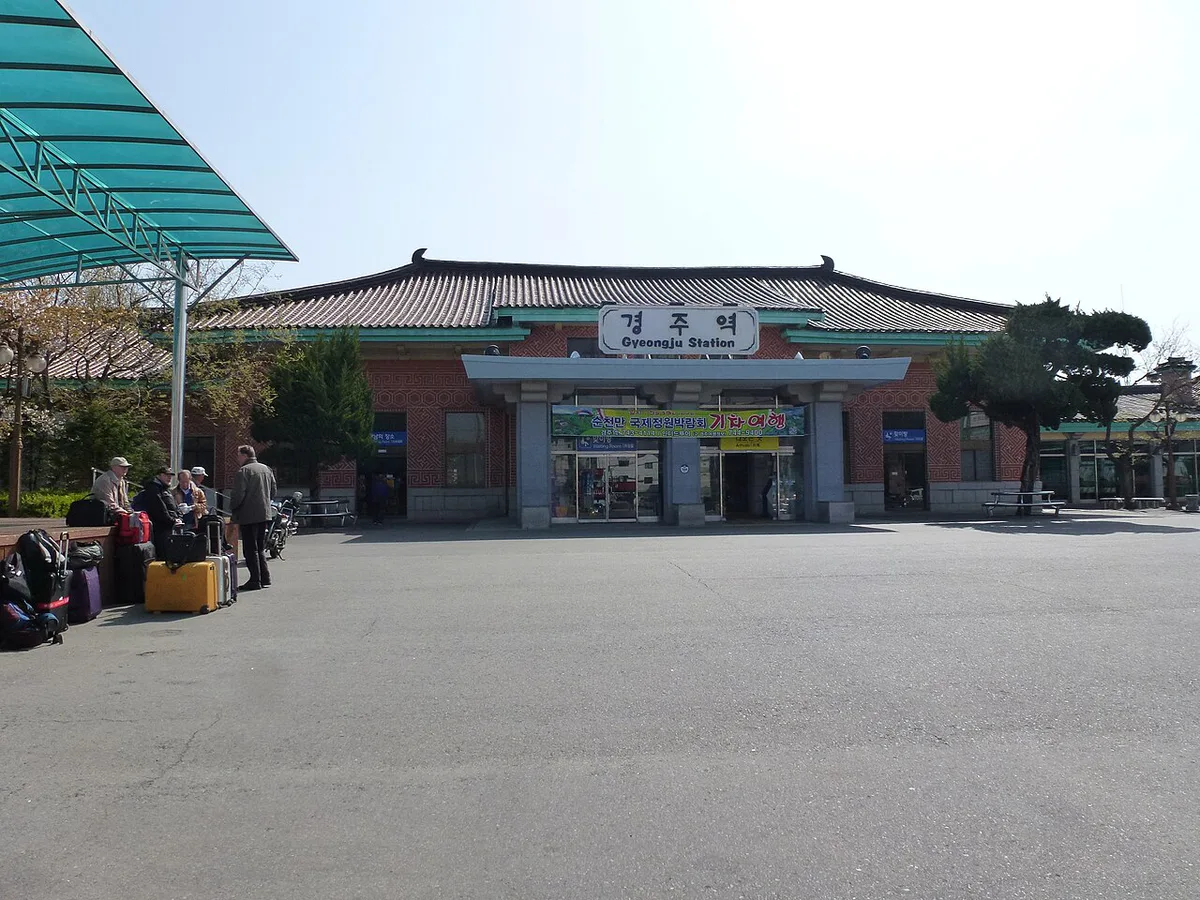
KTX trains stop at Gyeongju Station, formerly Singyeongju Station. Tickets for KTX and SRT must be booked under Gyeongju Station since the Dec 28, 2023 rename. Older guides still say Singyeongju. Seoul to Gyeongju takes about 2 hours 10 minutes on the KTX Gyeongbu line. Trains run about hourly from 07:37 to 00:07. Coming from Busan, KTX takes 30 minutes; from Dongdaegu, 20 minutes. Return trains to Seoul run about hourly from 05:59 to 22:34. Intercity and express buses use the city's bus terminals. For the current ride from the station to the old town, see Gyeongju City tourism.
Costs, passes and payment on the ground
Entry fees stay low. Daereungwon charges ₩3,000 for adults, ₩2,000 for teenagers and ₩1,000 for children. Both Bulguksa and Seokguram cost nothing to enter. Woljeonggyo Bridge and Hwangnidan-gil are free to walk. Parking adds ₩2,000 at either temple for an ordinary car. Bus fares, taxi-tour rates and transit-card rules differ by operator. Our bus and taxi guides carry the current figures.
Evening and night logistics
Several central sights stay open late. Daereungwon runs until 22:00, with last admission at 21:30. Woljeonggyo Bridge stays open for walking until 22:00, though its gate-tower exhibition hall opens at 10:00. Donggung Palace and Wolji Pond keep 9:00-22:00 hours. Last-bus times shift by line and season, so ask the operator or the city tourism office for the current timetable. Taxis are the fallback after dark. Save your lodging's Korean address before heading out. Temples close earlier, with winter admission ending at 5:00 PM.
Rainy-day and hot-day fallbacks
Hot days call for early starts and late finishes. Wolji Pond's 22:00 close gives a cool evening window. Rain does not close Bulguksa or Seokguram, which have no regular closing days. Severe weather warnings can restrict access to Seokguram's grounds, though.
- Walking: shift to morning and after sunset in summer.
- Bike: skip it in heavy rain and midday heat.
- Bus: the steadiest option in bad weather.
- Tour bus or taxi tour: best for staying dry with kids or older travelers.
Mistakes to avoid when getting around Gyeongju
Mount Toham has seasonal closures. A trail section between the Seokguram guard post and the Toham summit (1.4 km) is closed from Nov 1, 2026 to Mar 31, 2027. Autumn wildfire-prevention closures run Nov 15 to Dec 15, 2026, with the Bulguksa-Seokguram route partially open. Pets are not allowed at either temple. Naver's map app lists the best city bus for your route.
- Assuming everything is walkable: Bulguksa is about 16 km from the center.
- Reaching Bulguksa near closing: winter admission ends at 5:00 PM.
- Missing the last bus: line up a taxi as backup.
- Relying on apps alone: save the Korean address, such as 경상북도 경주시 황남동 31-1 for Daereungwon.
Explore More Gyeongju Guides
Keep planning your Gyeongju trip with these guides.
Gyeongju Guides
Building the rest of the trip? Our Gyeongju attractions guide covers the sights, districts and logistics around this guide.
Getting around other cities
Notes for your Korea trip
Optional updates to our city guides.
You might also like
Continue reading
More guides you'll find useful