Gyeongju Hanok Village (Gyochon): Visit vs Stay Guide
Gyochon is Gyeongju's hanok village. Learn how long to spend, whether to stay overnight, and how it connects to the royal tombs and the historic centre.
On this page
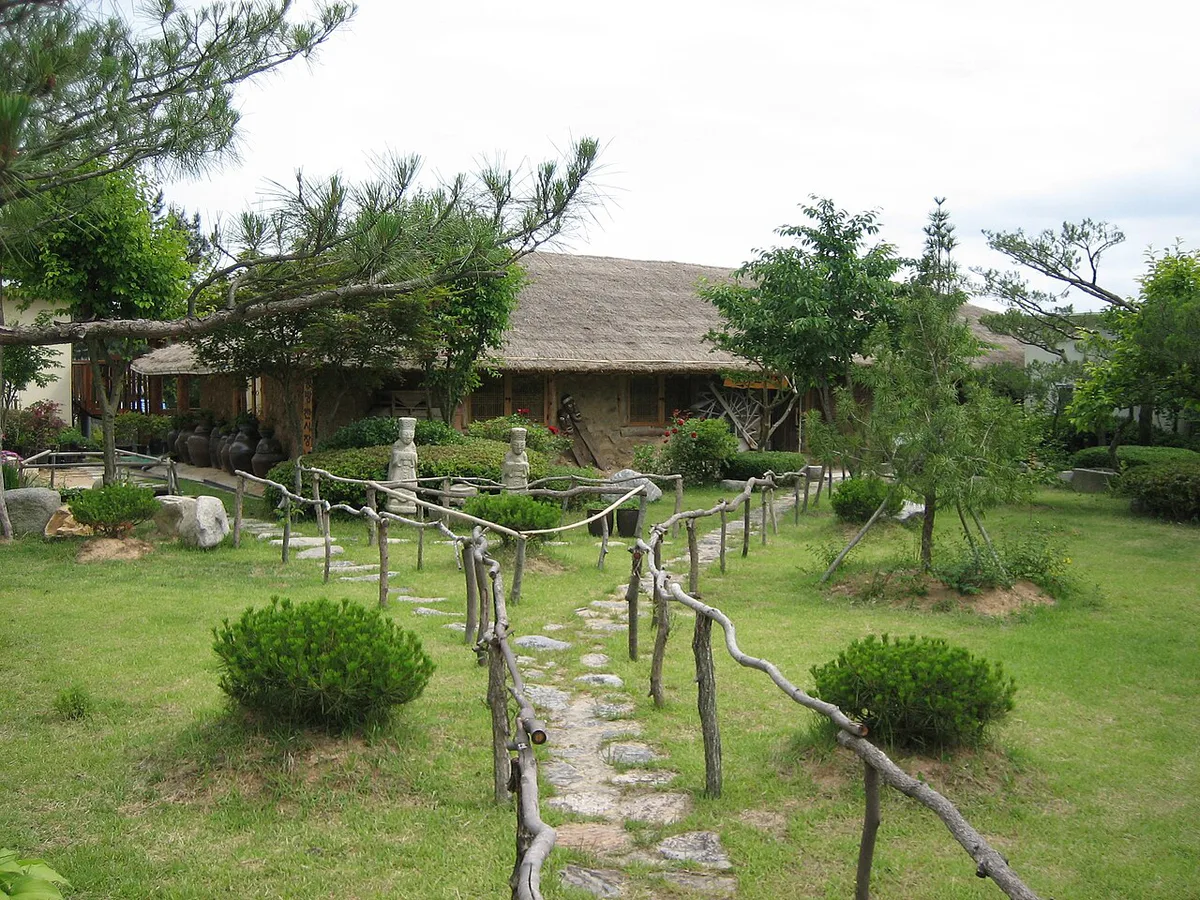
Last updated November 2026. The Gyeongju hanok village most visitors mean is Gyochon Hanok Village (Gyochon Traditional Village, 교촌마을), a lane of traditional houses beside Woljeonggyo Bridge and a short walk from Cheomseongdae. Plan one to two hours here as part of a historic-centre walk. Sleep over only if you want a quiet ondol night near the tombs, and do not confuse it with Gongju Hanok Village in a different city.
Featured image: Choi2451, CC BY-SA 3.0, via Wikimedia Commons.
Gyeongju Hanok Village at a Glance
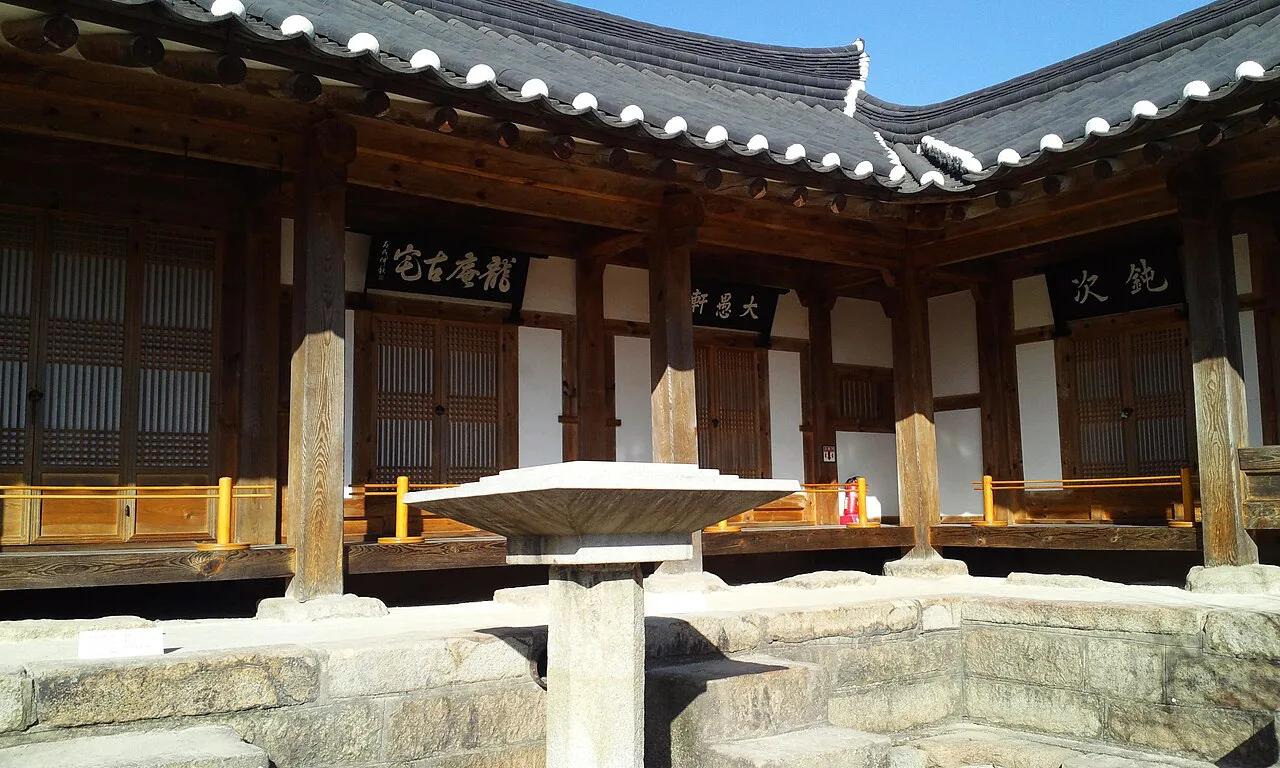
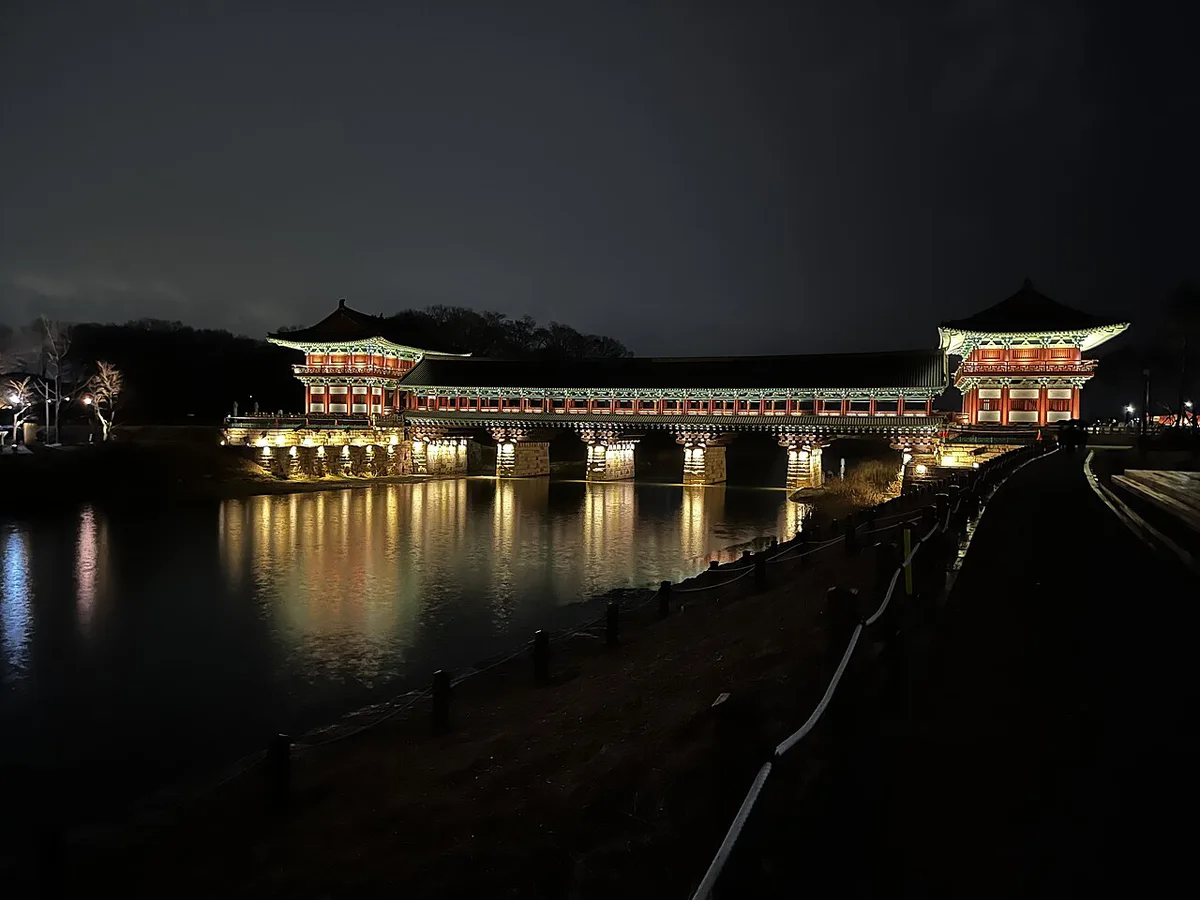
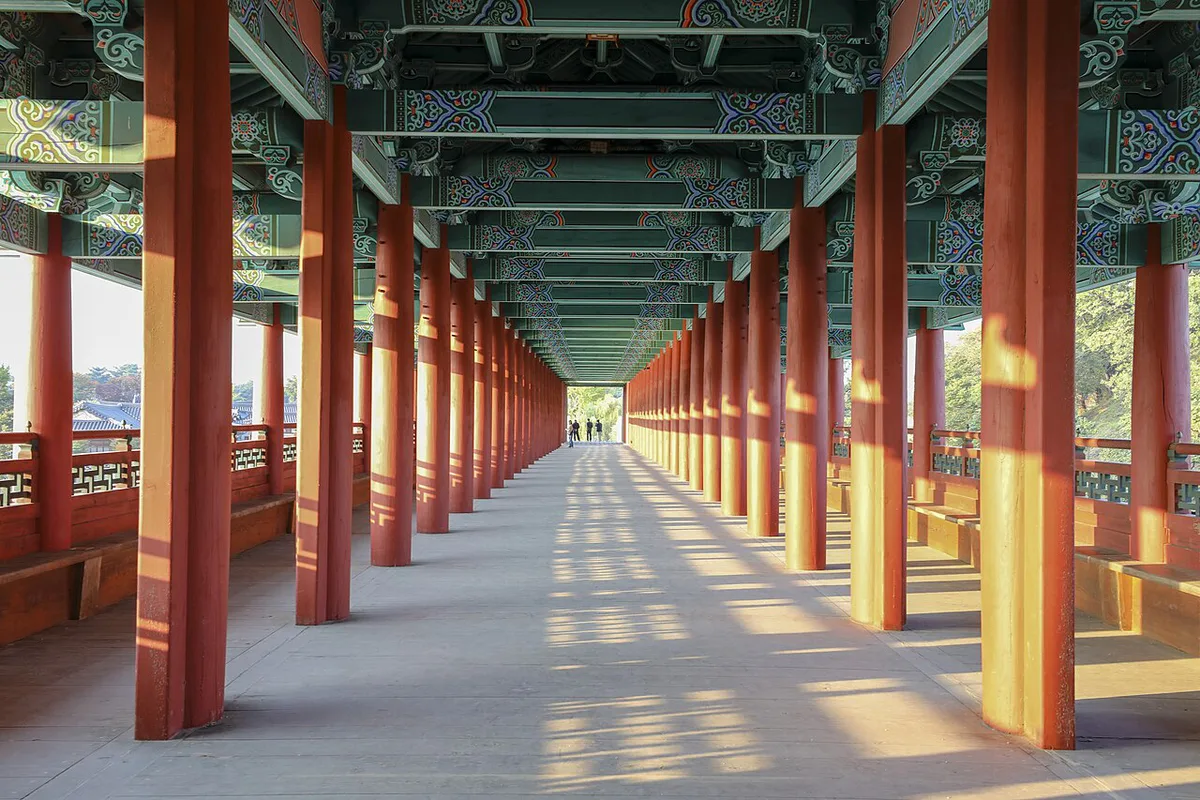
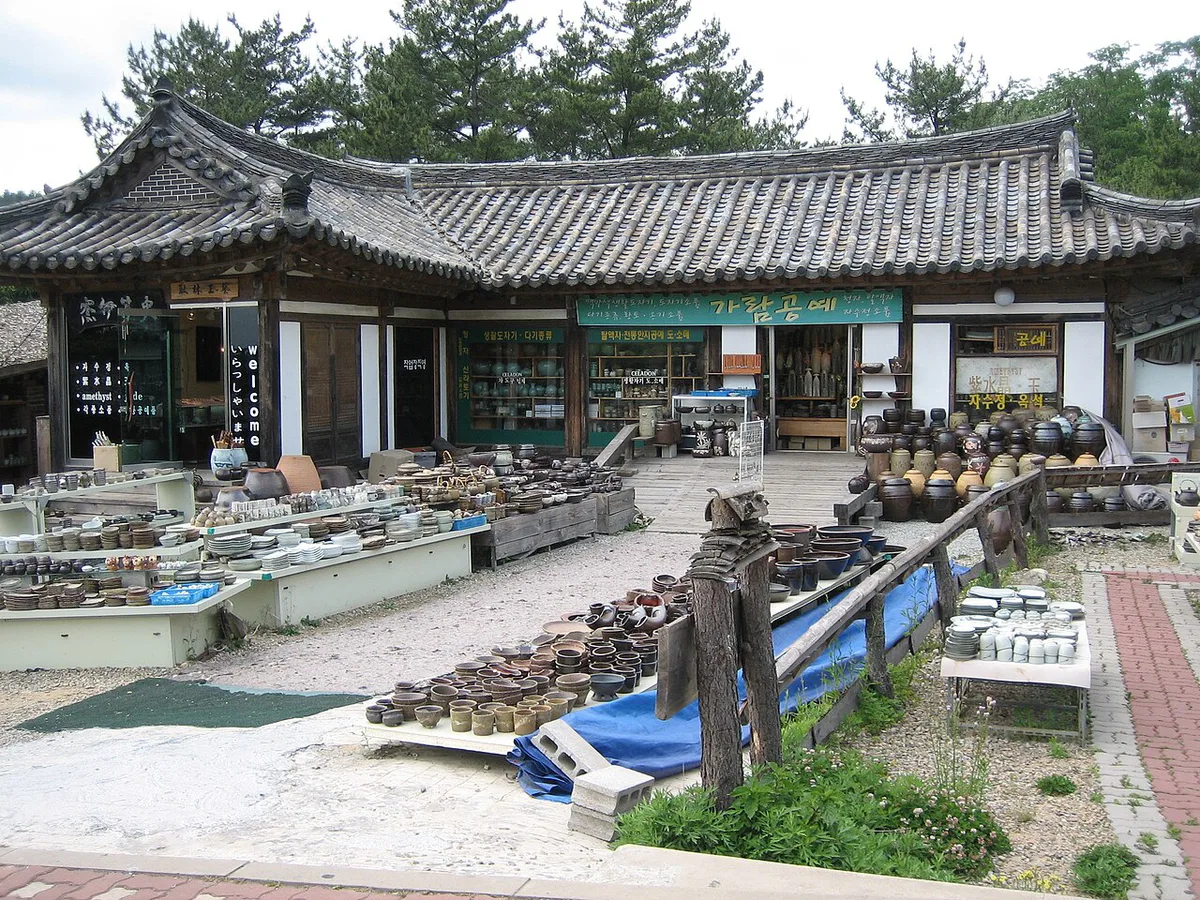
Gyochon is a residential cluster of tiled-roof houses, cafes and craft shops. You walk in freely, with no gate and no ticket. Choi's House is the best-known building, a family home tied to the Choi clan that works as a cultural space and photo stop. Woljeonggyo Bridge, rebuilt as a covered wooden crossing, links the village to the far bank of the stream. Official background on the city sits on Visit Korea's Gyeongju pages. Korean spellings vary, so you may also see Kyocun on signs and listings.
- Best for: a slow morning or evening walk among hanok lanes
- Time needed: one to two hours as a stop, or one night as a stay
- Skip it if: you want a gated attraction with exhibits at every turn
Is Gyochon Worth Visiting? Who It Suits
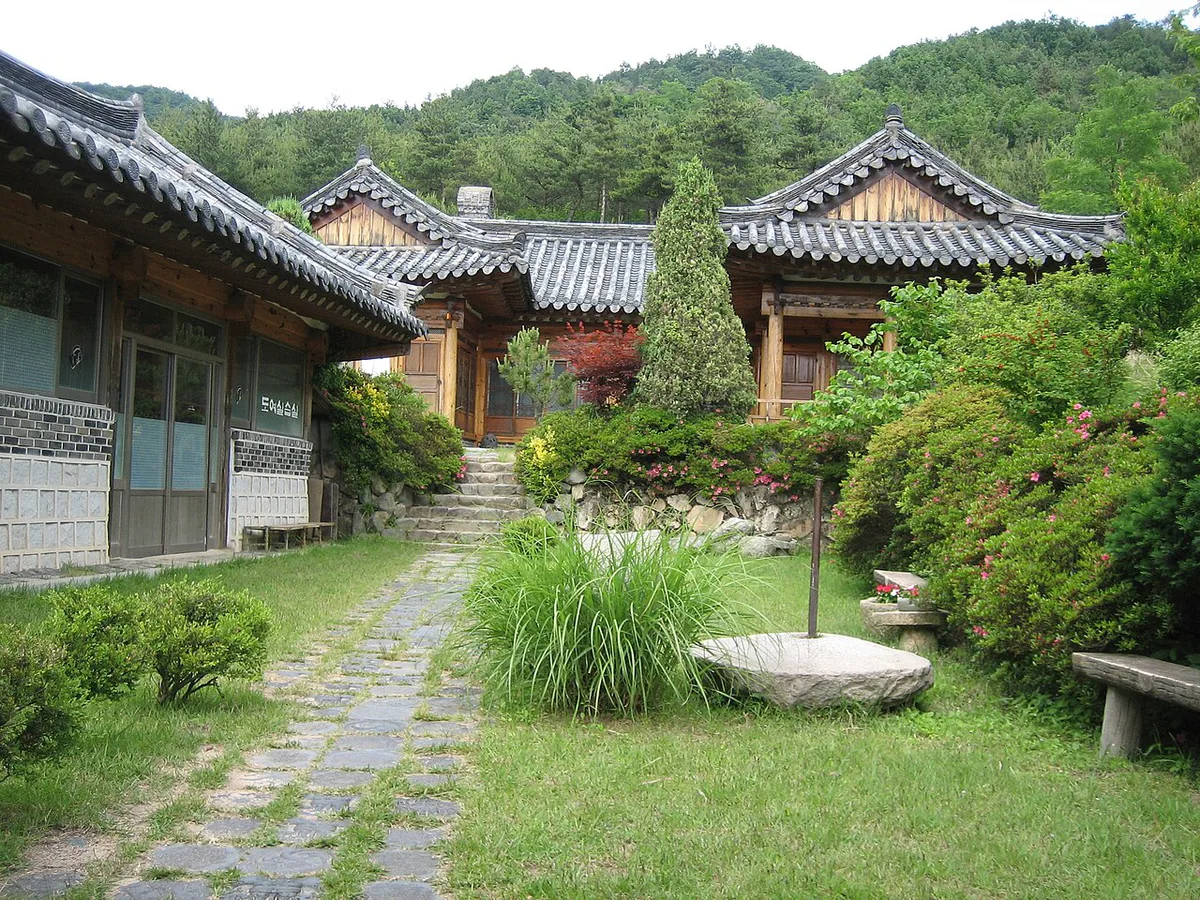
Gyochon rewards travelers who like architecture, photography and unhurried walking. Its hanok are low, wooden and arranged around courtyards. Fences, tiled eaves and narrow lanes make it easy to browse without a plan. Families with strollers or travelers with limited mobility will meet steps and raised thresholds. Anyone who wants guided displays and big sights should lean on the tomb parks and museums nearby. Common mistakes are expecting an entrance fee booth, arriving with luggage on narrow lanes, and booking a hanok without checking the room's exact location.
A Half-Day Walk From Gyochon
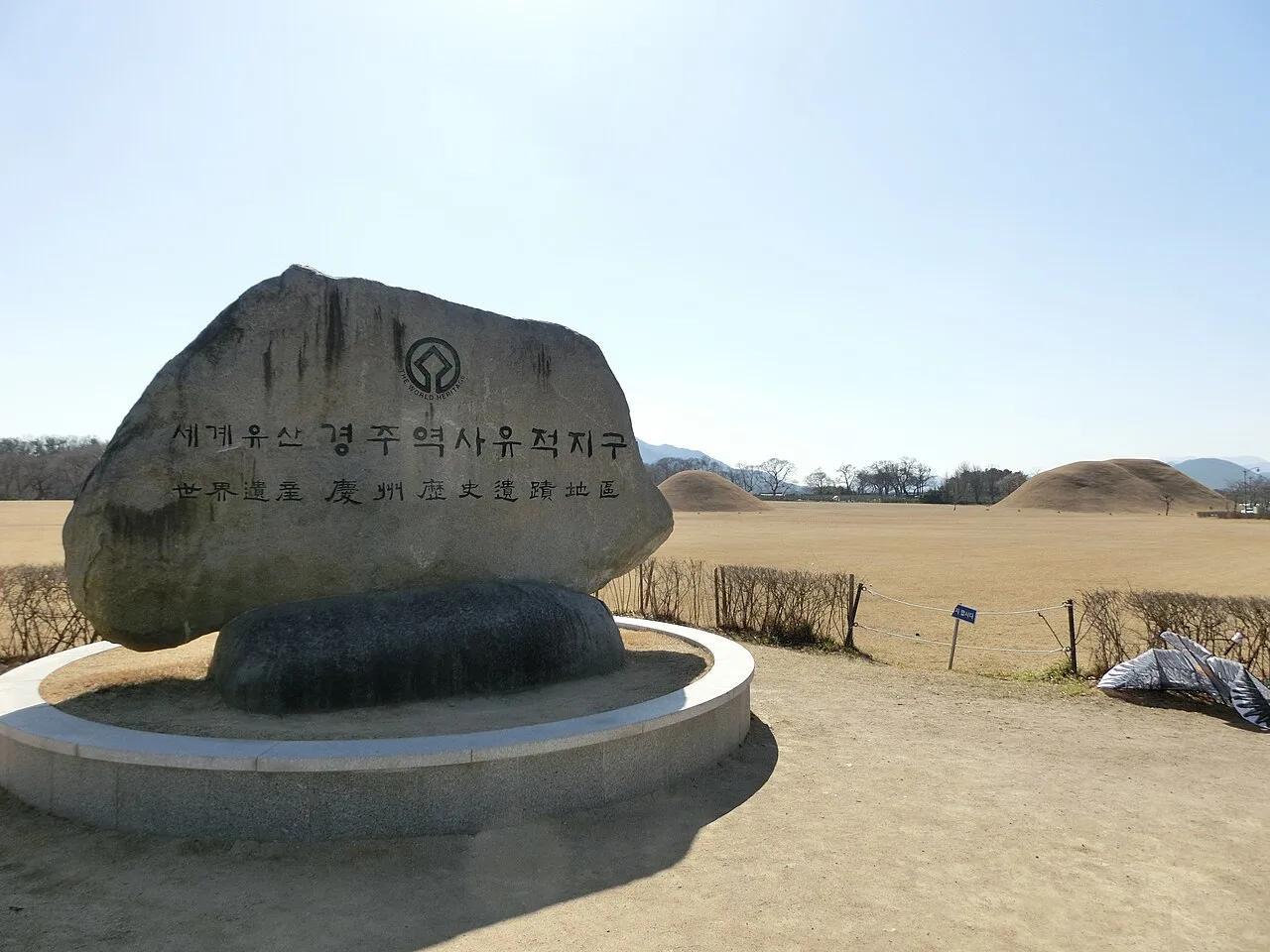
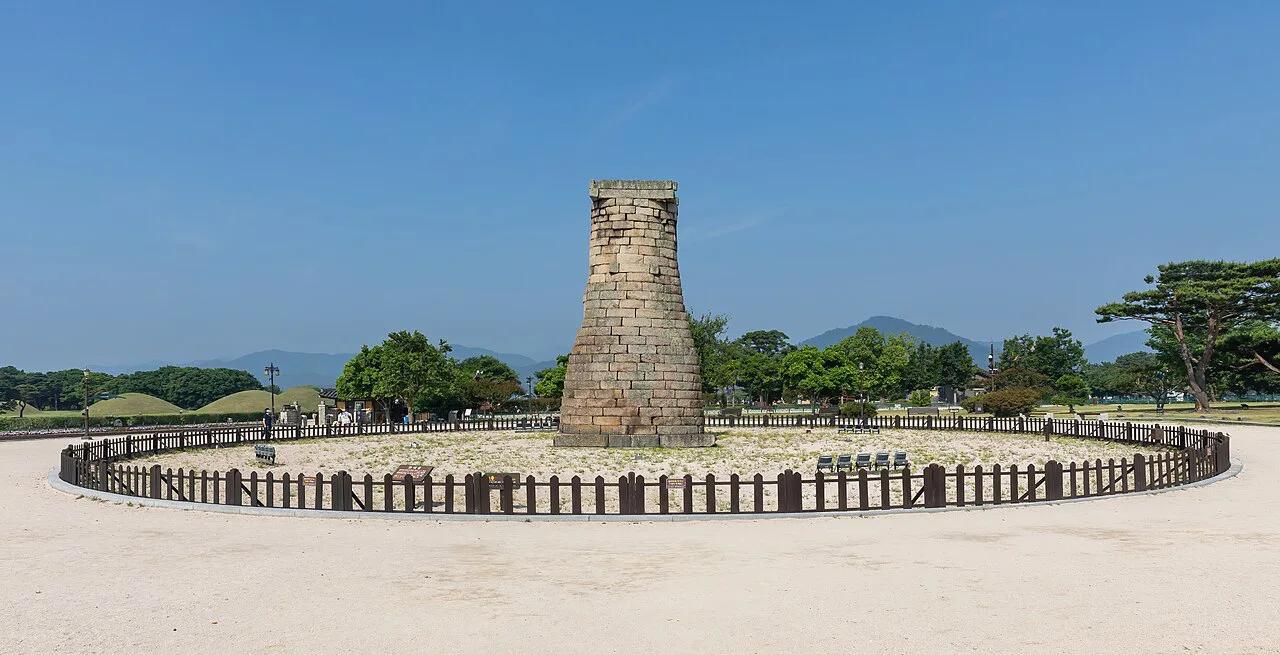
Start at Gyochon and cross Woljeonggyo Bridge while the light is soft. From there, a short walk leads to the grassy mounds of the Silla royal tombs and Cheomseongdae. Donggung Palace and Wolji Pond are about 20 minutes away on foot from Gyochon. Hwangnidan-gil, a street of cafes and shops at 1080 Poseok-ro, makes a natural lunch break. Add the wider historic centre route if you have a full day. Treat all walking times as approximate and allow extra for photo stops.
Budget ₩3,000 for adults at Daereungwon on this walk, since Gyochon and Hwangnidan-gil are free to enter.
- Morning: Gyochon lanes and Choi's House exterior
- Midday: Cheomseongdae area and the tomb park
- Lunch: Hwangnidan-gil, where hours vary by store
- Afternoon: Donggung Palace and Wolji Pond, about 20 minutes on foot from Gyochon
Hours, Costs and Access
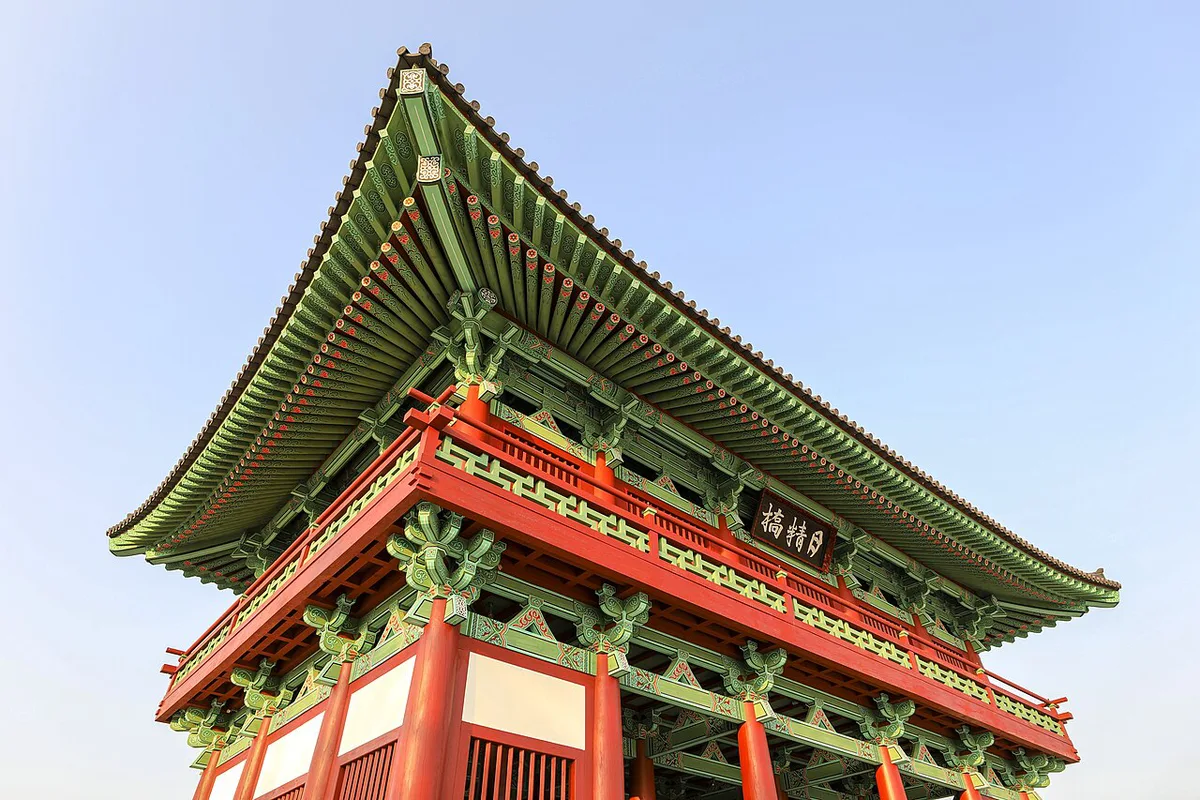
Prices and hours checked November 2026. Walking through the village costs nothing. Woljeonggyo Bridge is free and open 09:00-22:00, and the exhibition hall in its gate tower opens at 10:00. The bridge sits at 274 Gyo-dong, about 1 km and 15 minutes on foot from Gyerim. Daereungwon Tomb Complex charges ₩3,000 for adults, ₩2,000 for teenagers and ₩1,000 for children. Its main gate runs 09:00-22:00, with last admission at 21:30. Hwangnidan-gil is free to enter, though each shop sets its own hours. For individual houses and Choi's House, check the official Gyeongju tourism pages for current opening details.
Hanok Stay vs Day Visit vs Hotel
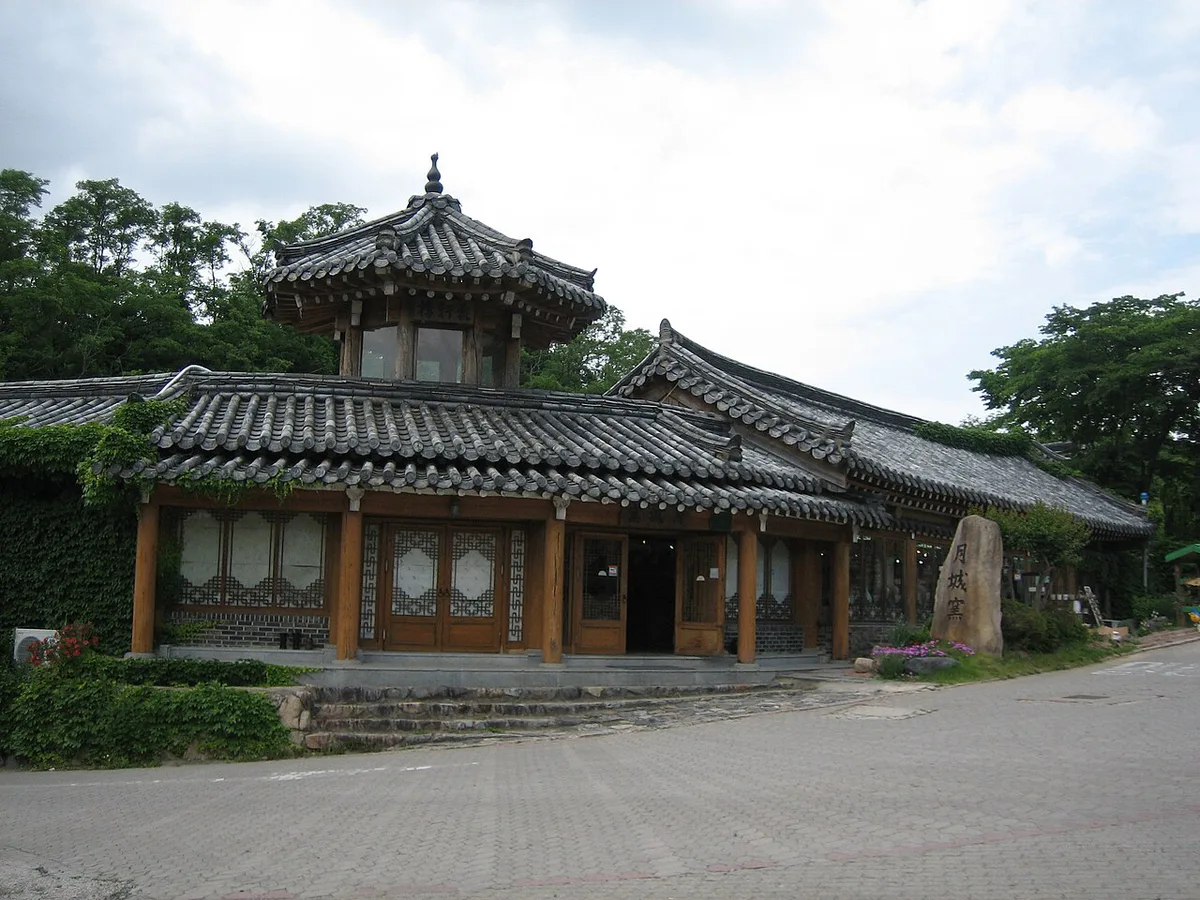
A day visit suits most itineraries because the village is compact and the sights around it are walkable. A night in a hanok adds the ondol floor, a courtyard breakfast and an empty lane after dark. A regular hotel gives better soundproofing, lifts and reception hours. Cost levels below are relative, since rates change by season and weekend.
| Option | Time | Cost level | Comfort | Best fit |
|---|---|---|---|---|
| Day visit | 1-2 hours | Lowest | Walking and steps | Itinerary stop, photographers |
| One-night hanok stay | Overnight | Mid to premium | Floor bedding, shared walls | Couples, culture-focused travelers |
| Hotel base | Flexible | Budget to mid | Beds, lifts, services | Light sleepers, mobility limits |
Choosing a Hanok Stay in Gyeongju
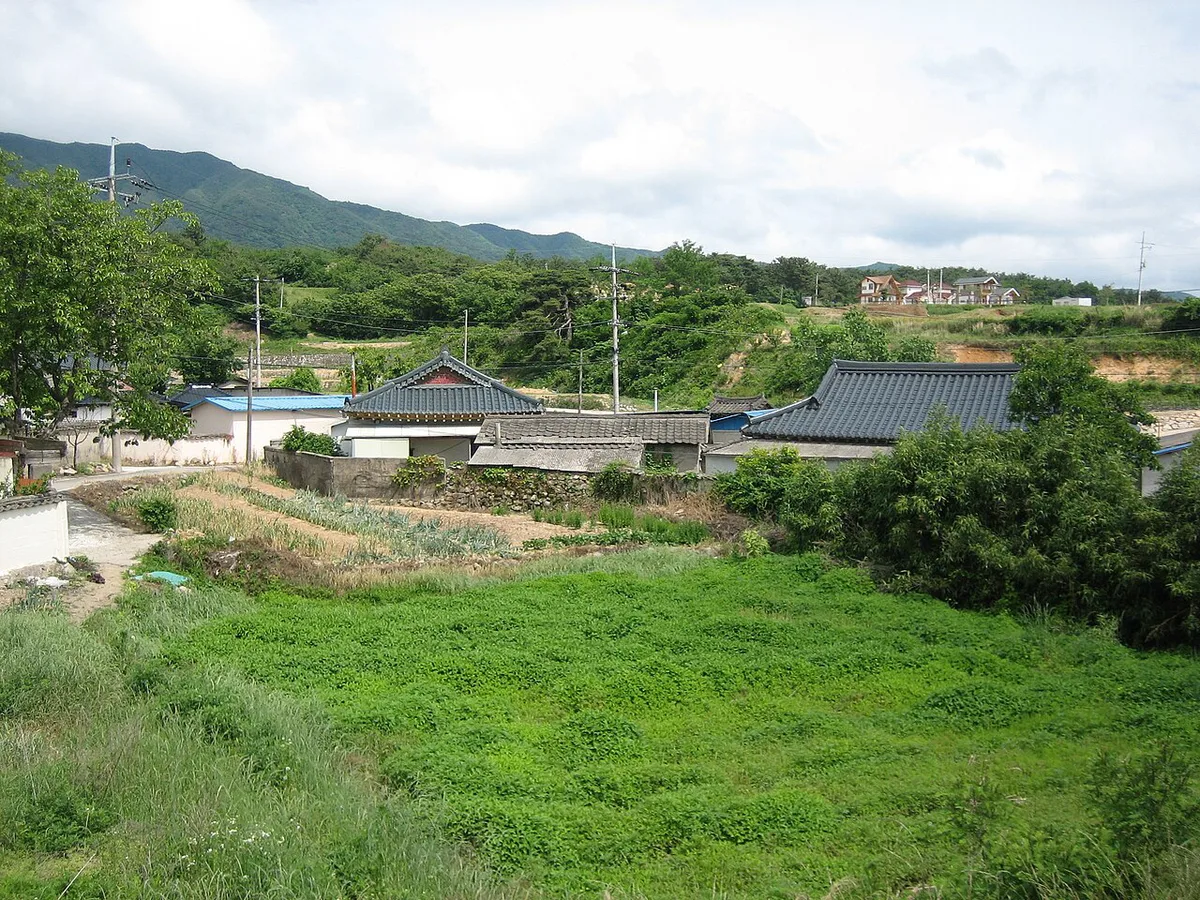
Many guesthouses are scattered across the city, and not all stand inside Gyochon. Check the map pin before booking, because a stay on Hwangnidan-gil feels different from one beside the village lanes. Compare private versus shared bathroom, breakfast, and room size, since rooms are often small. Ask about luggage access, as vehicles cannot always reach the door. Book early for April weekends, when Bomun Lake cherry blossoms draw crowds. Yangdong Folk Village is another hanok option outside town and needs transport; see the UNESCO heritage sites page for how it fits.
Sleeping on Ondol: Practical Tips
Ondol is underfloor heating, so you sleep on a mattress laid on a warm floor. Take shoes off at the entry step. Set a moderate heat before bed, because the floor holds warmth for hours. Ask for an extra blanket instead of raising the setting. Keep voices down in the lanes after dark, since houses are close together and walls are thin. Winter is when the heated floor makes the most difference, and summer rooms rely on fans or air-conditioning.
Getting There and Around
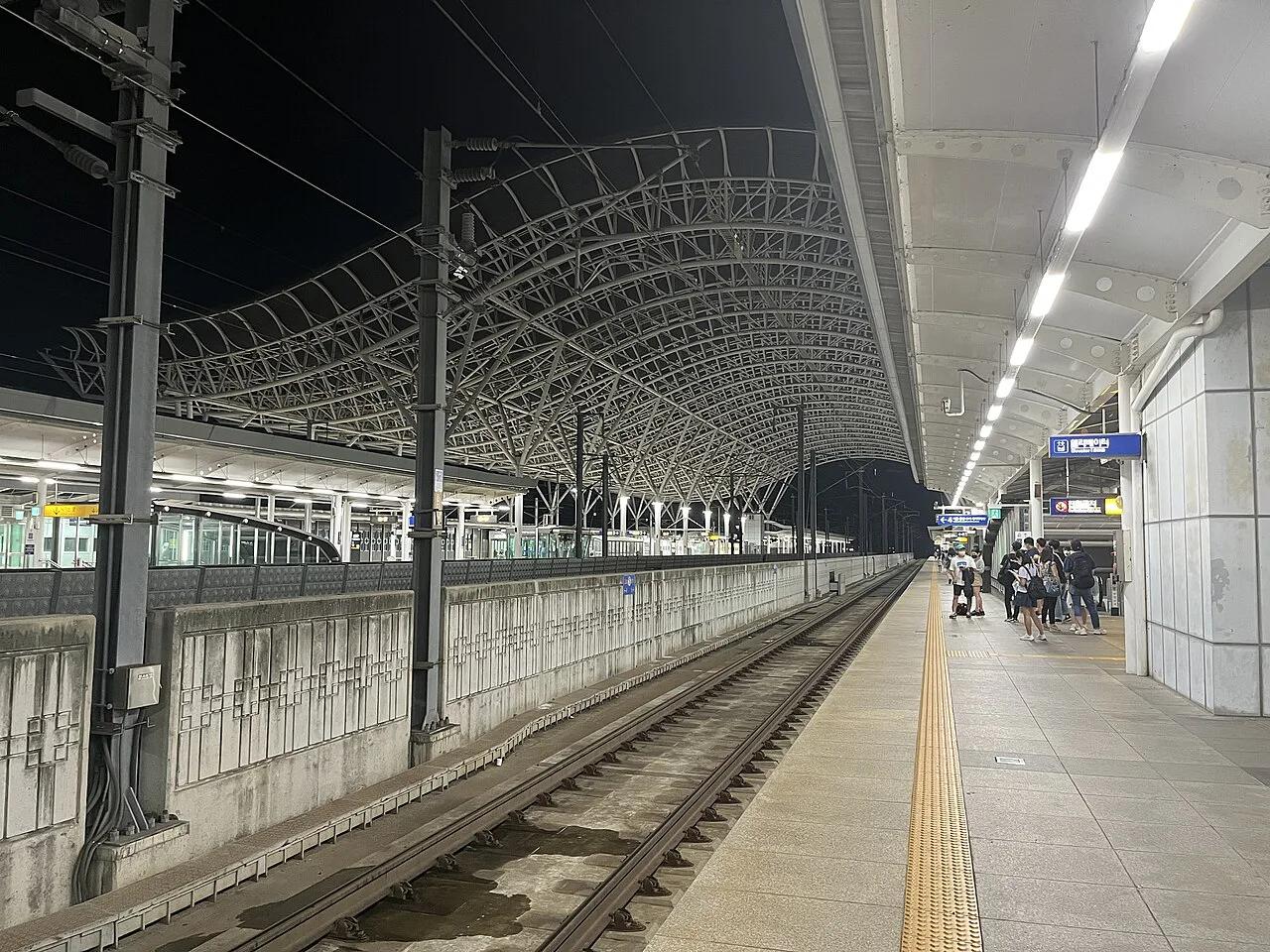
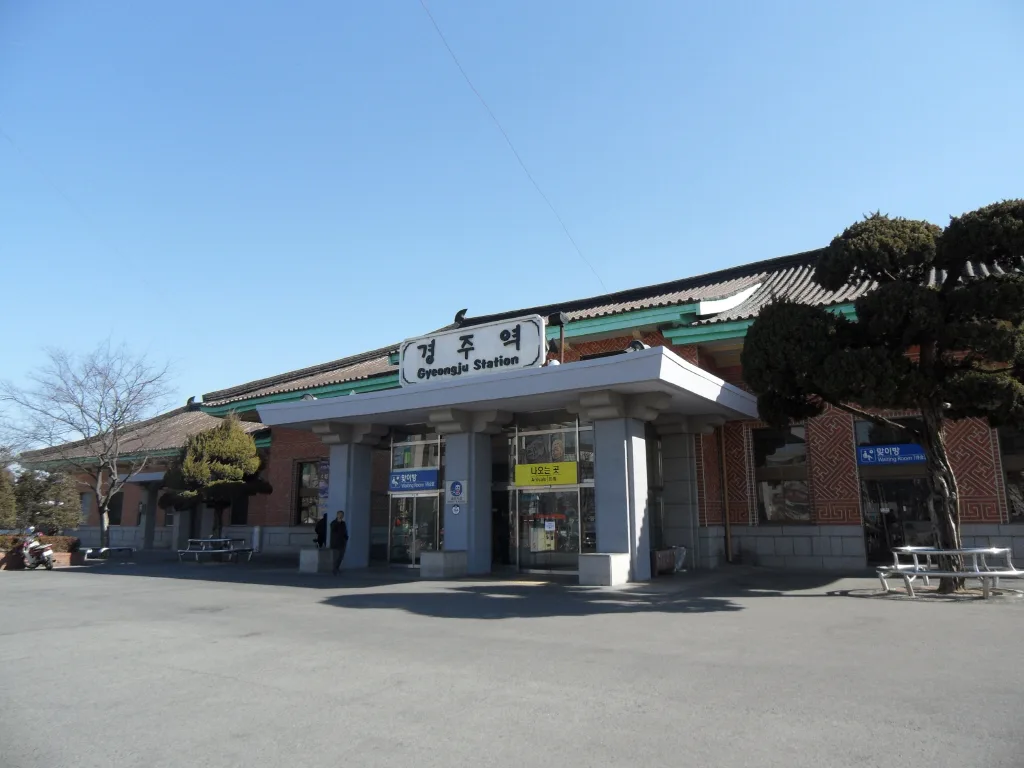
KTX trains from Seoul Station reach Gyeongju Station in about 2 hours 10 minutes, running roughly hourly from 07:37 to 00:07. Busan is 30 minutes away and Dongdaegu 20 minutes. The station was renamed from Singyeongju in December 2023, so book tickets under Gyeongju Station. From there, take a taxi or local bus to the historic centre, then walk between sites. Bulguksa is further out. City buses No. 10 and 11 run frequently to the temple from Gyeongju Station and the bus terminal. Admission to Bulguksa Temple has been free since May 4, 2023, and parking costs ₩2,000 for a standard car.
KTX from Seoul takes about 2 hours 10 minutes, and Seokguram's last entry at 6:00 PM from March to September leaves room for a morning start.
Best Season and Time of Day
Mornings are quietest in the lanes, and Woljeonggyo Bridge opens at 09:00. Evenings suit the bridge, which stays open until 22:00, and Donggung Palace is also open until 22:00. Pair the walk with the night views of Gyeongju for lit pavilions and reflections. Spring brings cherry blossoms and magnolias at Daereungwon. Summer afternoons are better spent indoors, and winter suits a hanok night best.
Beyond the Village: Where to Go Next
With a full day, head east to Bulguksa and Seokguram Grotto. Seokguram is free to enter, with last entry at 6:00 PM from March to September and 5:00 PM from November to January. Our temple day trip guide covers the route in more detail. Return to the centre for dinner on Hwangnidan-gil.
Gyochon, Yangdong or an In-Town Hanok Stay?
Choose Gyochon if you want a hanok setting woven into a central sightseeing day. Woljeonggyo Bridge is about 1 km, or 15 minutes on foot, from Gyerim. Donggung Palace and Wolji Pond are about 20 minutes away on foot. That makes Gyochon the practical choice for travelers who want to walk between historic sites.
Choose Yangdong Folk Village when the village itself is the destination. It sits outside the central circuit and requires separate transport, so it fits better as a dedicated excursion than as a quick stop between tombs and cafes.
Choose an in-town hanok stay when room comfort or a particular neighborhood matters more than sleeping inside Gyochon. Check the map pin carefully. A property near Hwangnidan-gil gives easy access to shops and restaurants, while one near Gyochon favors quieter evening walks and Woljeonggyo views.
Frequently Asked Questions
What is Gyeongju famous for?
Gyeongju is known for its Silla-era heritage. Visitors come for the royal tomb mounds at Daereungwon, Cheomseongdae, Bulguksa Temple and Seokguram Grotto. Gyochon's hanok lanes add a residential, walkable stop to that circuit.
Notes for your Korea trip
Optional updates to our city guides.
You might also like
Continue reading
More guides you'll find useful