
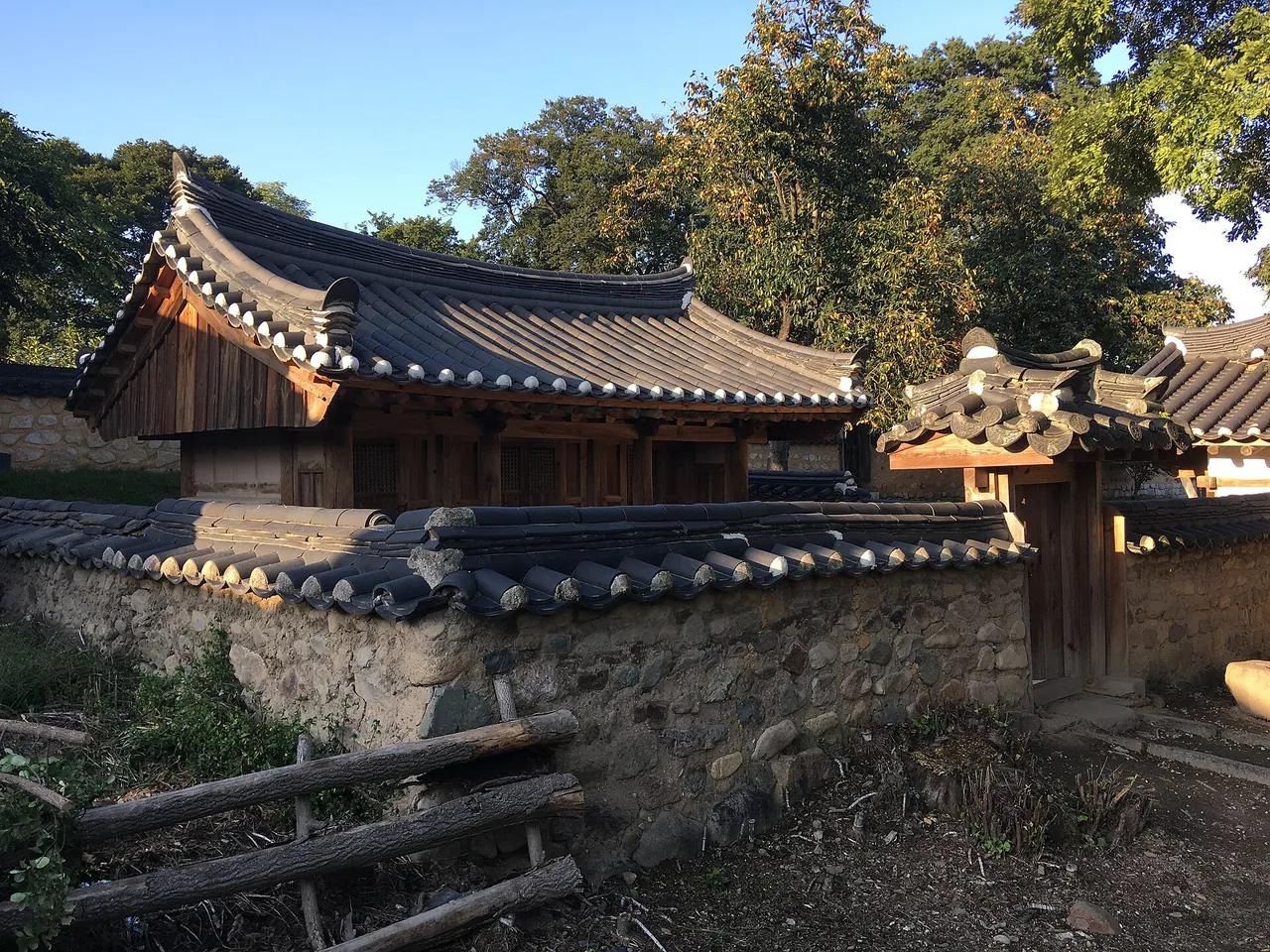
Visiting Gyochon Traditional Village in Gyeongju

Last updated November 2026. This Gyochon traditional village Gyeongju visitor guide covers a quiet hanok neighborhood in the middle of the city. Entry is free and there are no set visiting hours. Below we cover the Choi clan house, the rice wine, workshops, getting there from the bus terminal and Gyeongju Station, and nearby sights.
The village stands on the site of Silla's first national academy, founded in 682. That history gives the lanes more weight than a typical restored hanok cluster.
Tickets and Opening Hours
According to the Gyeongju city tourism page, admission to Gyochon Traditional Village is free. The same page says the village has no set visiting hours, so there is no gate time to beat. We still suggest arriving in daylight, because the shops and workshops keep their own schedules.
Our verified sources list no adult ticket price and no village-wide opening hours, so we will not guess either number. Individual workshops charge their own fees and set their own hours. Check with each one directly, or start with the official Gyochon village site before you plan around a specific activity.
Late in the day works well because the walk can end at the lit-up bridge next door. The official village site says Woljeonggyo is lit at night, though lighting times are not listed there. Ask a local or check on arrival if the evening glow is the main reason for your trip.
- Admission
- The Gyeongju city tourism page lists entry to the village as free for all visitors.
- Visiting hours
- The village has no set visiting hours, according to the Gyeongju city tourism page.
- Workshops and shops
- Each workshop sets its own hours and fees, so confirm before you travel to the village.
What to See in Gyochon Traditional Village
The headline sight is the house of the Choi rich family of Gyeongju, a designated folk heritage site (Important Folklore Material No. 27, in the old numbered form the city page uses). According to the city tourism page, the family kept its wealth for 12 generations and produced jinsa scholars for 9 generations. Its household rules included letting no one within 100 ri go hungry, which explains the family's local reputation.
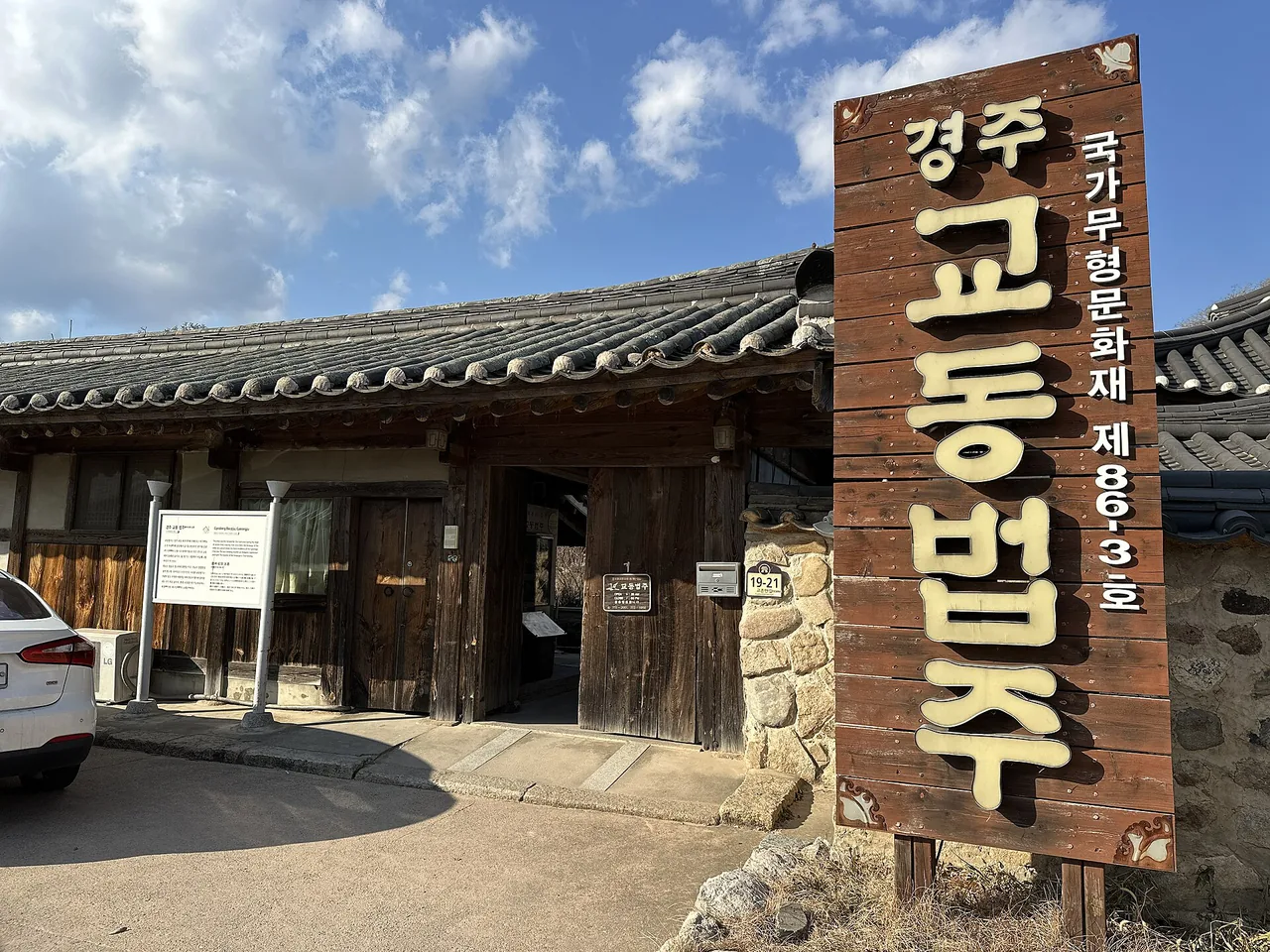
The second draw is Gyeongju Gyodong Beopju, a traditional rice wine recognized as National Intangible Cultural Heritage. It is brewed and sold in the village, and the brewery's hanok entrance carries a tall wooden sign naming the designation as 86-3. Buy a bottle as a souvenir, but check the shop's hours first.
The name Gyochon comes from the hyanggyo, a Confucian provincial school that continued here under Goryeo and Joseon. The site was earlier home to the Gukhak, Silla's first national academy.
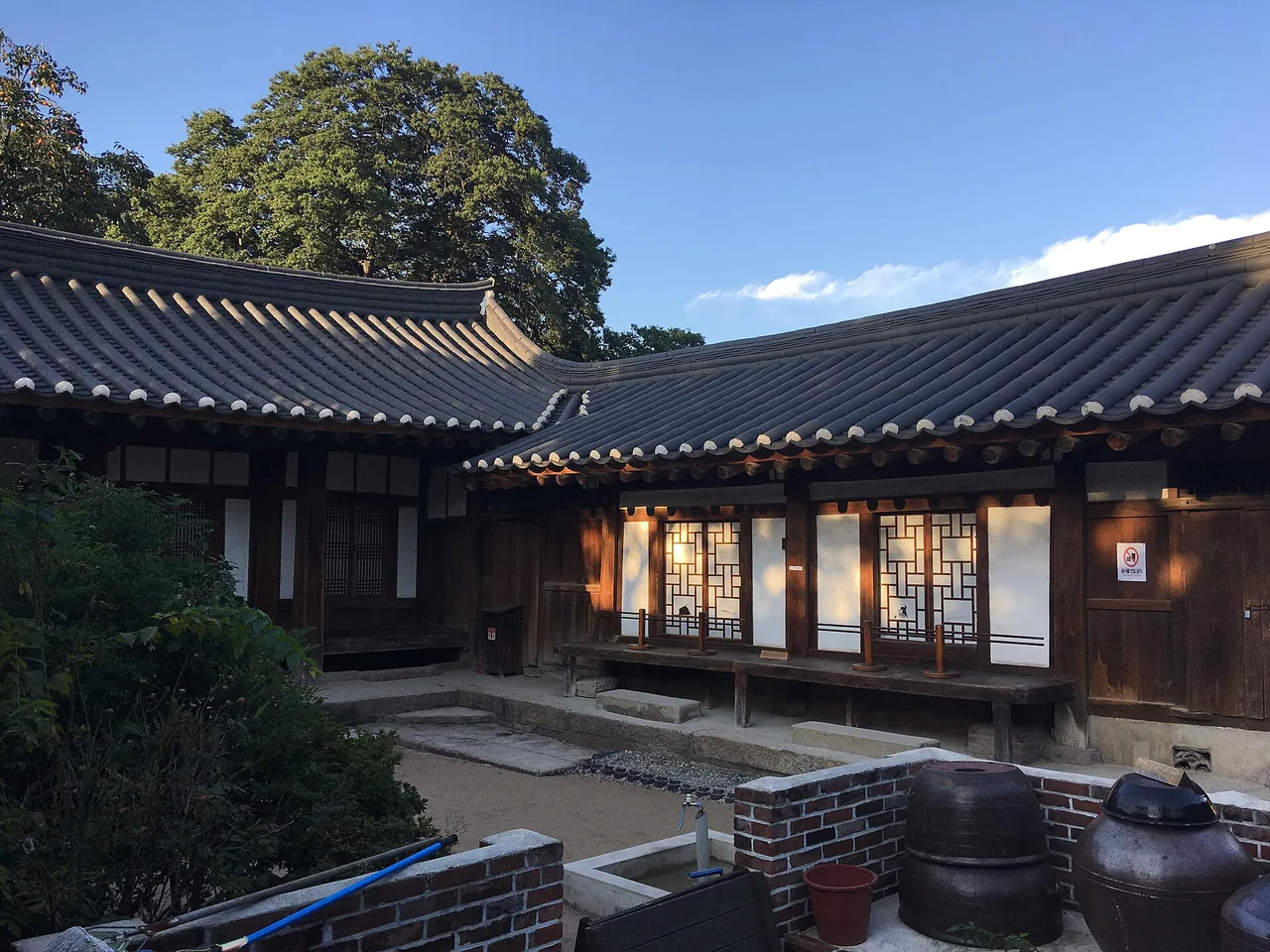

Workshops and Hanbok Rental
The Gyeongju city tourism page and the official village site list pottery painting, rice-cake pounding, tea ceremony, traditional sauce-making, noodle-making and hanbok rental. Prices and hours vary by workshop, and none of them are verified here. The city advises checking each workshop before you visit.
- Add one workshop such as pottery painting or tea ceremony and allow roughly two hours in total.
- Combine the village, a hanbok rental and the nearby sights for a slow, unhurried afternoon.
Getting There
The village is at 39-2 Gyochon-gil (Gyo-dong), Gyeongju-si, Gyeongsangbuk-do. According to the official village directions page, the trip from Gyeongju Intercity Bus Terminal (3.2 km) takes about 23 minutes by city bus. The fare is about ₩1,300, and a taxi covers the 2.75 km in about 7 minutes for roughly ₩3,600. Those figures are approximate on the official page, so expect small differences.
From Gyeongju Station (KTX), the official page gives about 50 minutes by city bus at roughly ₩1,300. A taxi takes about 22 minutes and costs around ₩11,800 for the 13.5 km ride.
Here is a naming trap worth knowing. The official directions page still says Singyeongju Station, but Wikipedia notes that the station is now called Gyeongju Station. Search for either name in your map app, and you should reach the same KTX stop.
Drivers have two options, according to the official village site. Paid on-street parking is available around the village (Gyochon-gil 2), and a free public lot sits at Woljeonggyo (Gyo-dong 153-5).

Nearby Sights
The rebuilt Woljeonggyo Bridge sits right beside the village. The official site calls it Korea's largest wooden bridge, and it is lit up at night. Lighting times are not listed, so check on arrival.
Gyerim forest, the Gyeongju Hyanggyo and Cheomseongdae Observatory are all close by, according to the official village site. Jaemaejeong, the well site of General Kim Yu-sin's house, is also nearby.
Frequently Asked Questions
Is Gyochon Traditional Village free?
Yes. Gyeongju city lists admission as free.
What are the opening hours?
The village has no set visiting hours. Workshops and shops keep their own hours, so check with each one before you go.
What is Gyochon known for?
The house of the Choi rich family of Gyeongju, which kept its wealth for 12 generations, and Gyeongju Gyodong Beopju, a traditional rice wine that is a National Intangible Cultural Heritage.
Why is it called Gyochon?
The name refers to the hyanggyo (Confucian school) here. The site was home to the Gukhak, Silla's first national academy, founded in 682, which later became the Goryeo and Joseon-era hyanggyo.
What can you do in Gyochon?
Village workshops offer pottery painting, rice-cake pounding, tea ceremony, hanbok rental, traditional sauce-making and noodle-making. Hours and fees vary by workshop.
How do I get to Gyochon from the bus terminal?
From Gyeongju Intercity Bus Terminal it is about 23 minutes by city bus (about ₩1,300) or about 7 minutes by taxi (about ₩3,600).
Where can I park?
There is paid on-street parking around the village (Gyochon-gil 2) and a free public lot at Woljeonggyo (Gyo-dong 153-5).
What is next to Gyochon?
Woljeonggyo Bridge, which is lit up at night, plus Gyerim forest, the Gyeongju Hyanggyo and Cheomseongdae are all close by.
Gyochon rewards a slow, curious visit more than a rushed photo stop. Entry is free and there are no set hours, but workshop schedules and fees need a quick check. Pair the lanes with the neighboring Woljeonggyo Bridge, then browse more picks in our Gyeongju attractions guide.
For more Gyeongju planning, read our 20 Things to Do in Gyeongju: Silla Sights by Area, Best Time to Visit Gyeongju: Month-by-Month Guide and Gyeongju Hanok Village (Gyochon): Visit vs Stay Guide.