Gyeongju Royal Tombs: Which to Visit and How Long
Which Gyeongju royal tombs to visit, what you can enter, how long to allow, and how to pair Daereungwon and Cheonmachong with evening views.
On this page
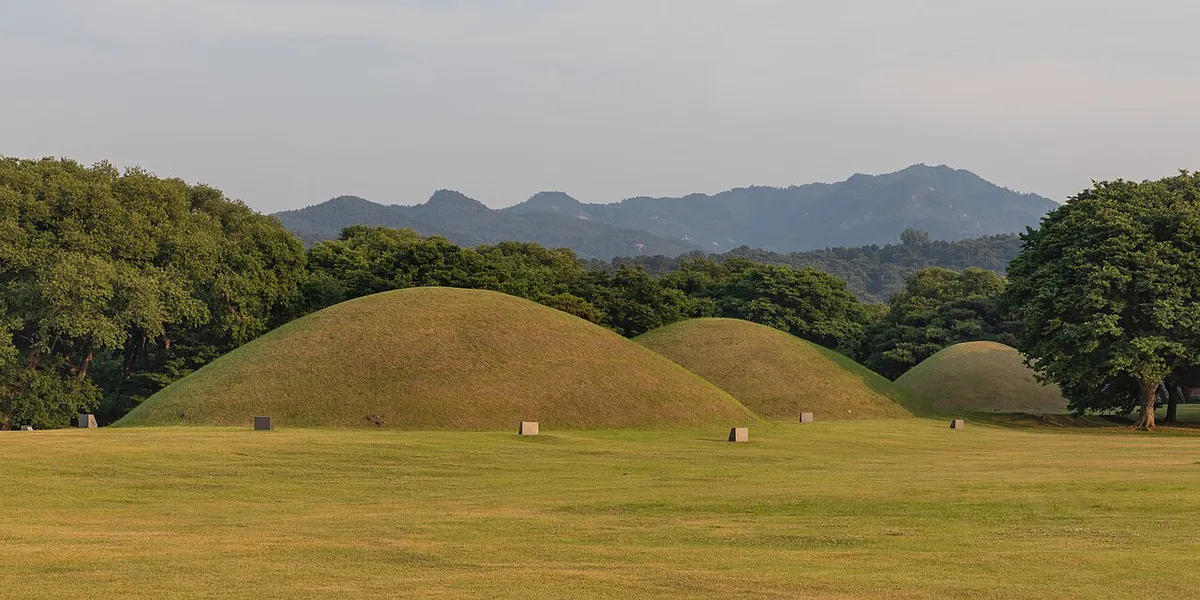
Last updated November 2026: the Gyeongju royal tombs worth planning around are the Daereungwon Tomb Complex in Hwangnam-dong, with its walk-in Cheonmachong, plus the Seobong-chong and Nodong-dong groups. Allow about 60–90 minutes at Daereungwon as a planning estimate. Entry is ₩3,000 for adults, and the main gate stays open until 22:00.
Featured image: Christophe95, CC BY-SA 4.0, via Wikimedia Commons.
Which Gyeongju Royal Tombs to See First
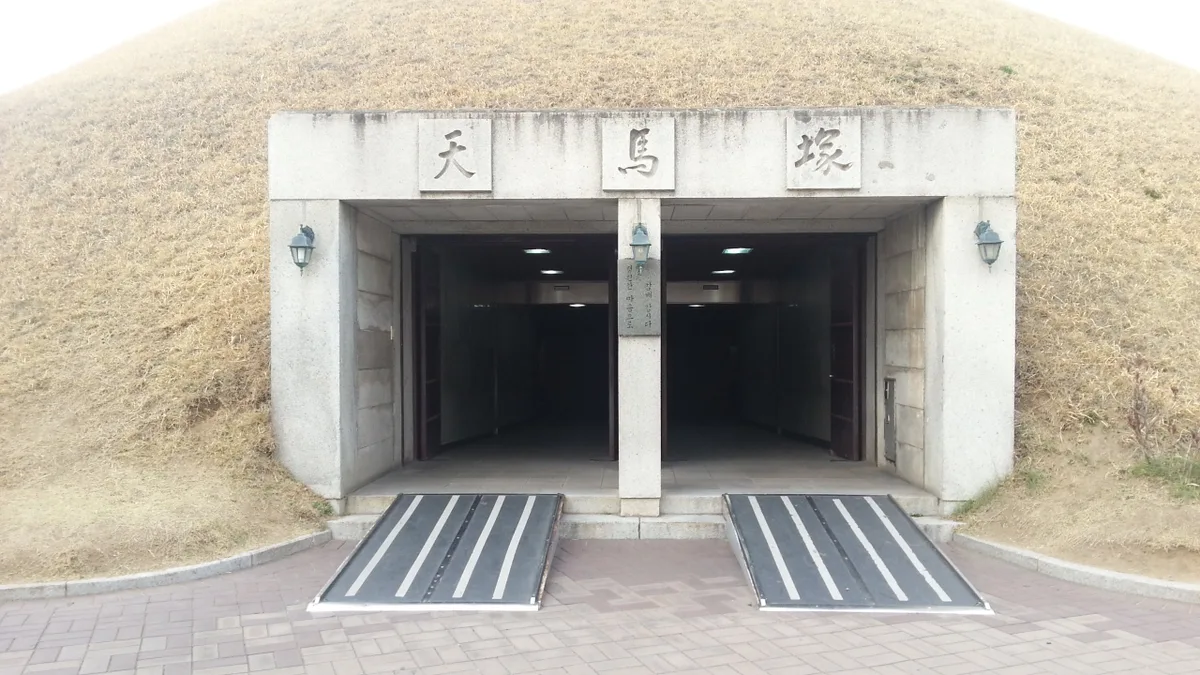
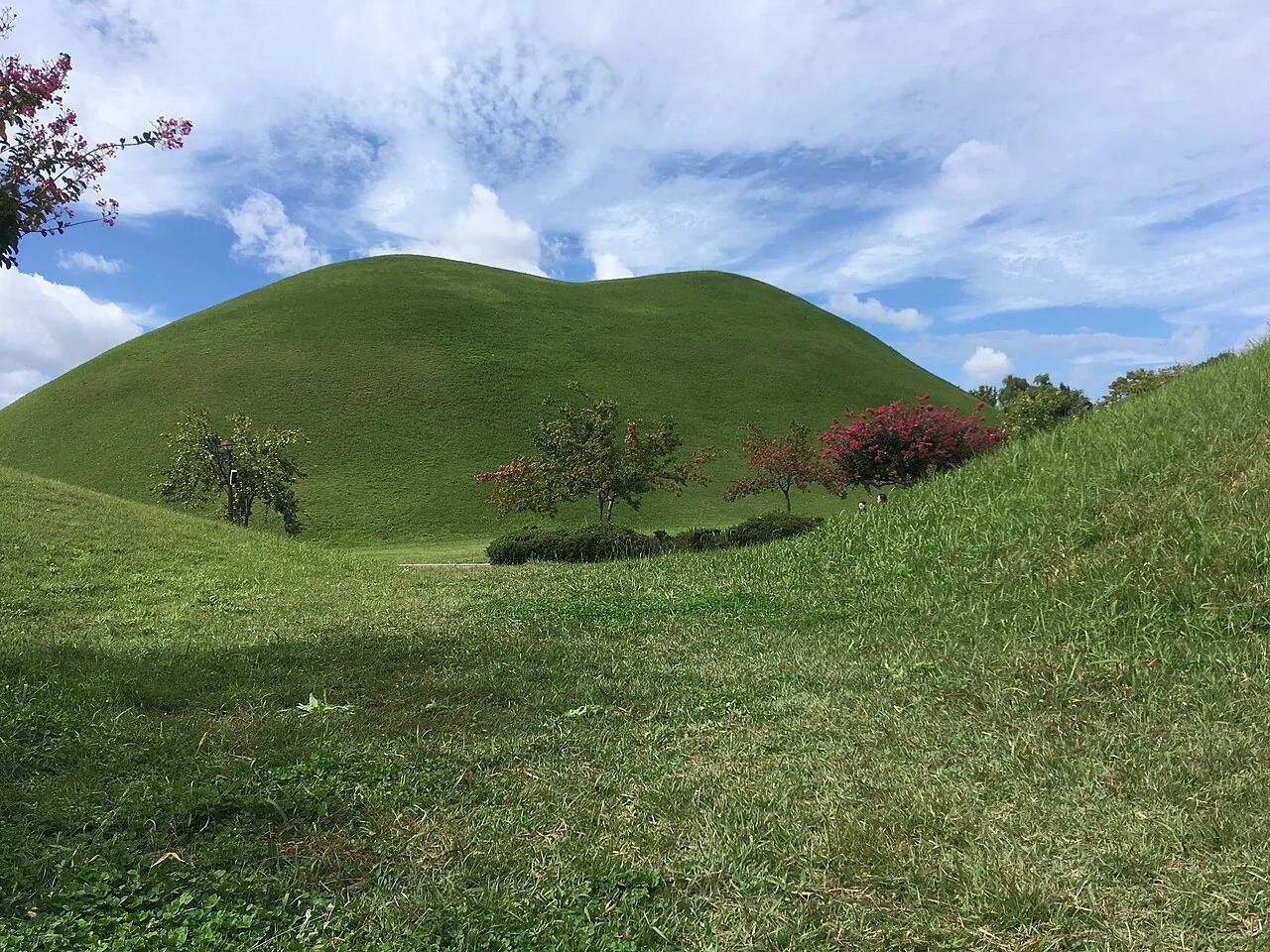
Start at the Daereungwon Tomb Complex at 31-1 Hwangnam-dong. It is the central cluster of Silla-era burial mounds, and it holds Cheonmachong, the Heavenly Horse Tomb, which you can walk into. These mounds are the burial places of Silla kings, queens and nobles. Visitor material usually identifies each mound by its site name rather than a named occupant, so the on-site labels are your best guide to who lies where. Seobong-chong and Nodong-dong are further mound groups that suit travelers with extra time. This cluster is one stop within Gyeongju's historic areas.
Gyeongju Royal Tombs at a Glance
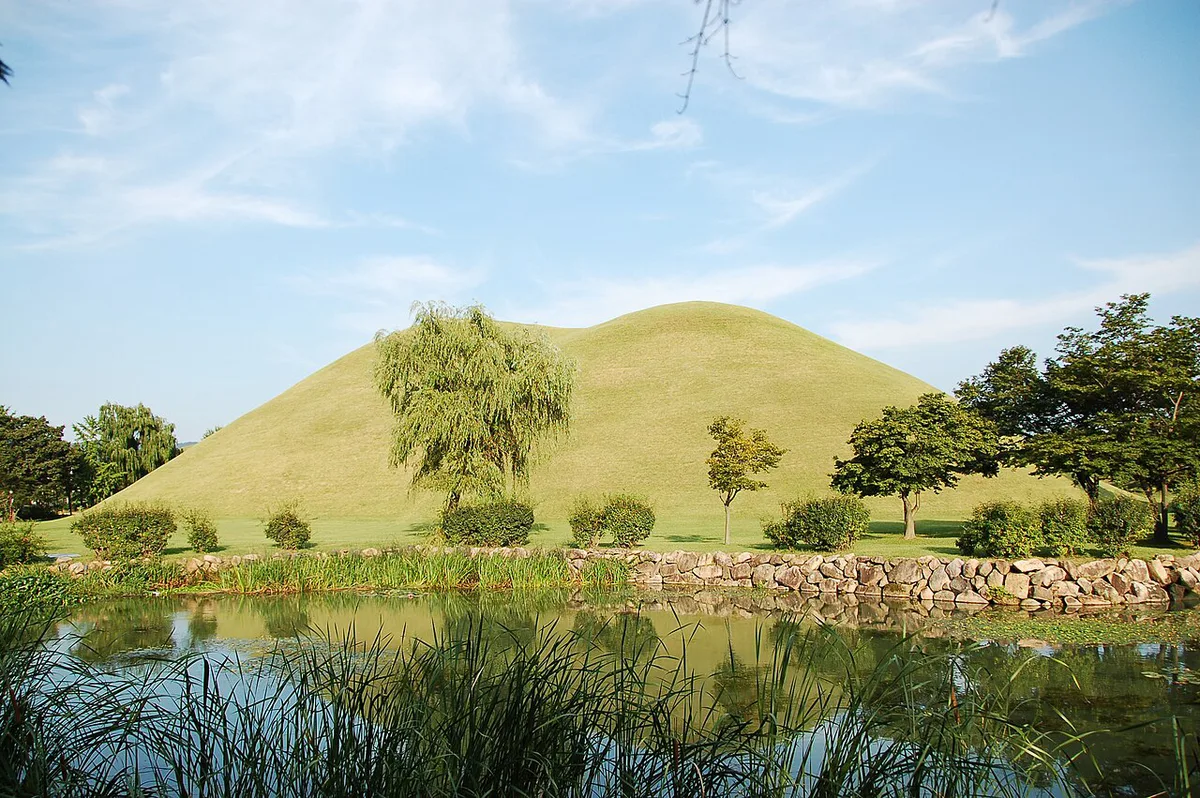
Daereungwon is the anchor, and the other groups are add-ons. Time ranges below are planning estimates, not measured figures. Oreung is a separate group of royal tombs, so treat it as its own trip rather than a stroll from Daereungwon.
| Area | What you see | Can you go inside? | Time to allow (estimate) |
|---|---|---|---|
| Daereungwon Tomb Complex, Hwangnam-dong | Large grassy mounds on walking paths | Yes, Cheonmachong is walk-in | 60–90 minutes |
| Seobong-chong | A smaller mound group | Look for on-site signs | 20–30 minutes |
| Nodong-dong tombs | A further mound group | Look for on-site signs | 20–30 minutes |
| Oreung | A separate royal tomb group | Separate trip | Plan it as its own stop |
Tickets, Hours and Access at Daereungwon
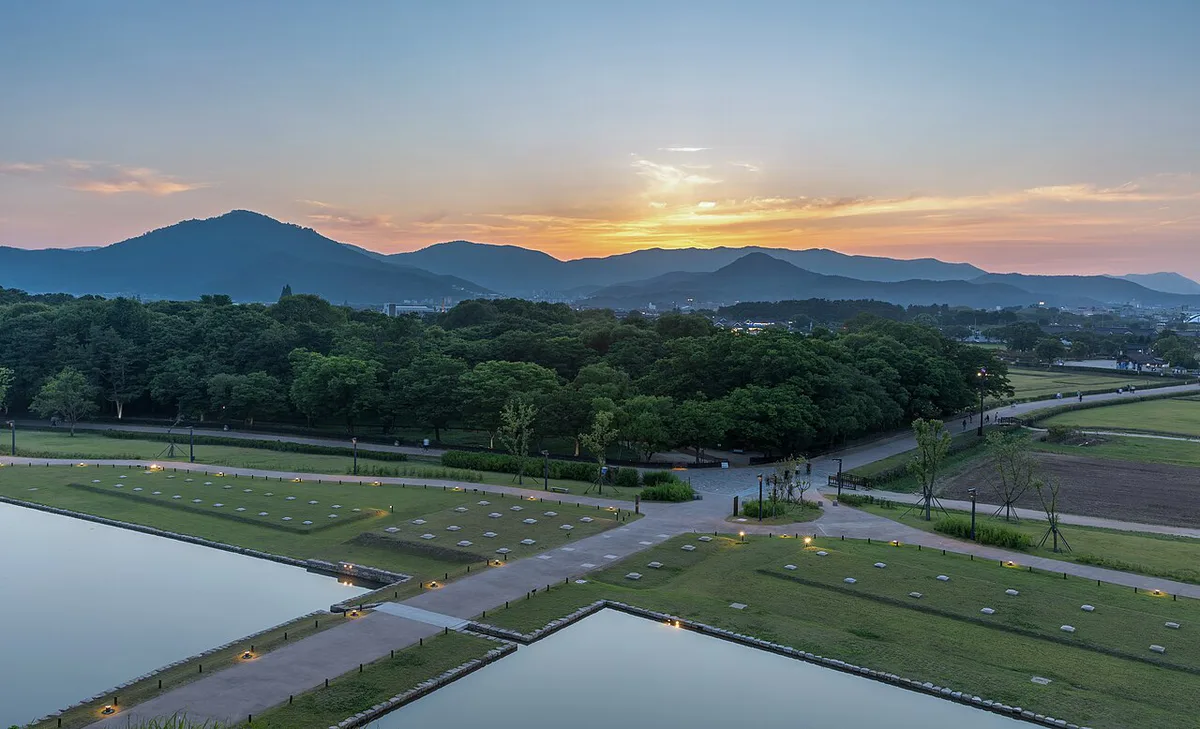
Prices and hours checked November 2026. Adults pay ₩3,000, teenagers pay ₩2,000 and children pay ₩1,000, according to Visit Korea's Gyeongju listing. The main gate is open 09:00–22:00, with last admission at 21:30. Drivers can use the public parking lot. Mounds are mostly grass, so wear shoes with grip. Hours and prices for Seobong-chong and Nodong-dong are not listed, so ask at the Daereungwon ticket office when you arrive.
Bulguksa charges no admission, so when you pair the two, Daereungwon's ₩3,000 adult ticket is the entry fee to budget for.
How Long to Spend and How to Sequence It
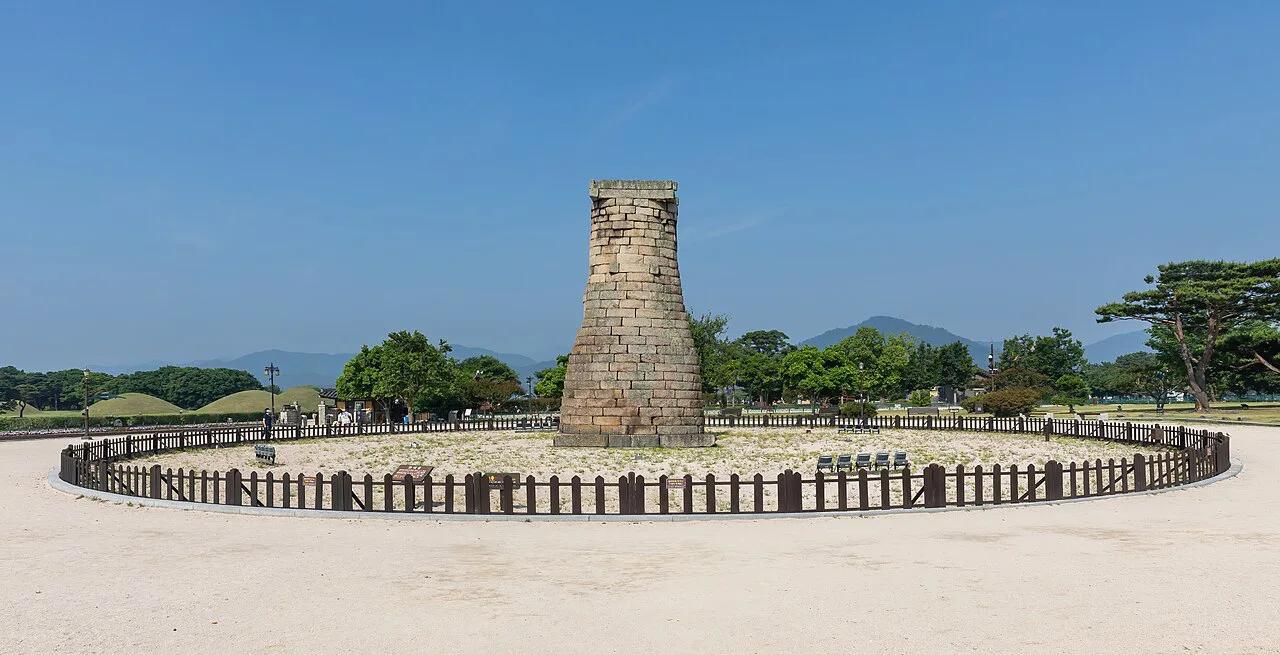
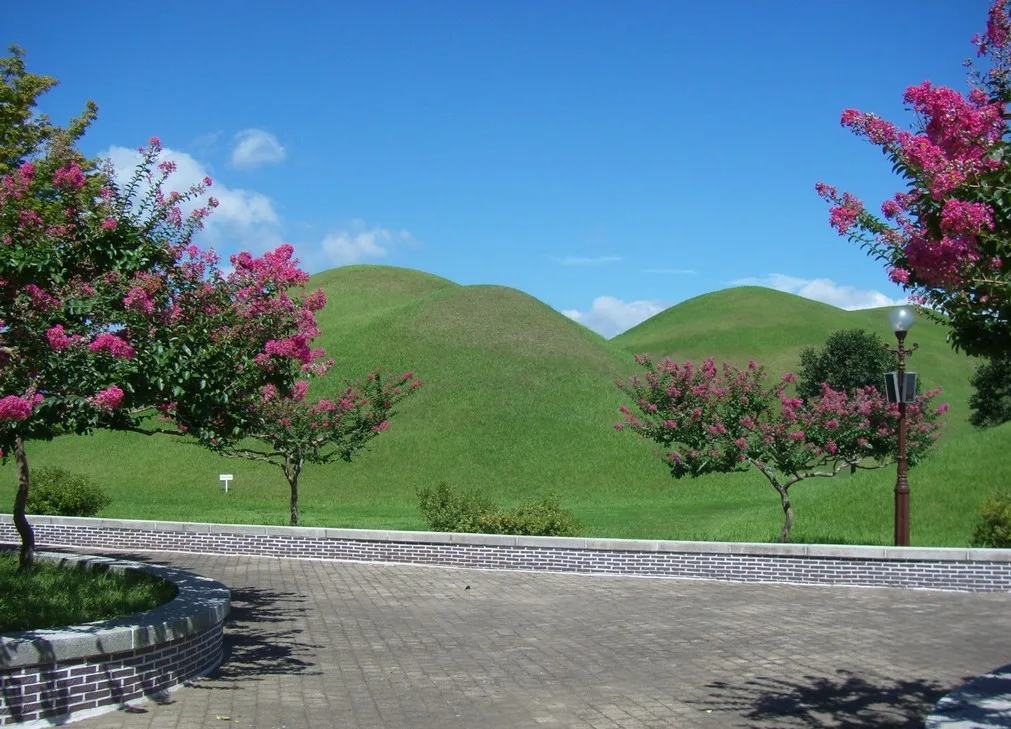
Daereungwon works as a short stop or the start of a longer day. Donggung Palace and Wolji Pond lie about 20 minutes away on foot, as do Cheomseongdae, Gyerim Forest and the Gyeongju National Museum. That makes a walking loop possible without a taxi. The museum matters because it is where tomb finds are displayed, so skipping it leaves the story half told.
- Short stop (60–90 minutes): walk the mounds and enter Cheonmachong, then leave.
- Half day: add Donggung Palace and Wolji Pond, which is open 9:00–22:00.
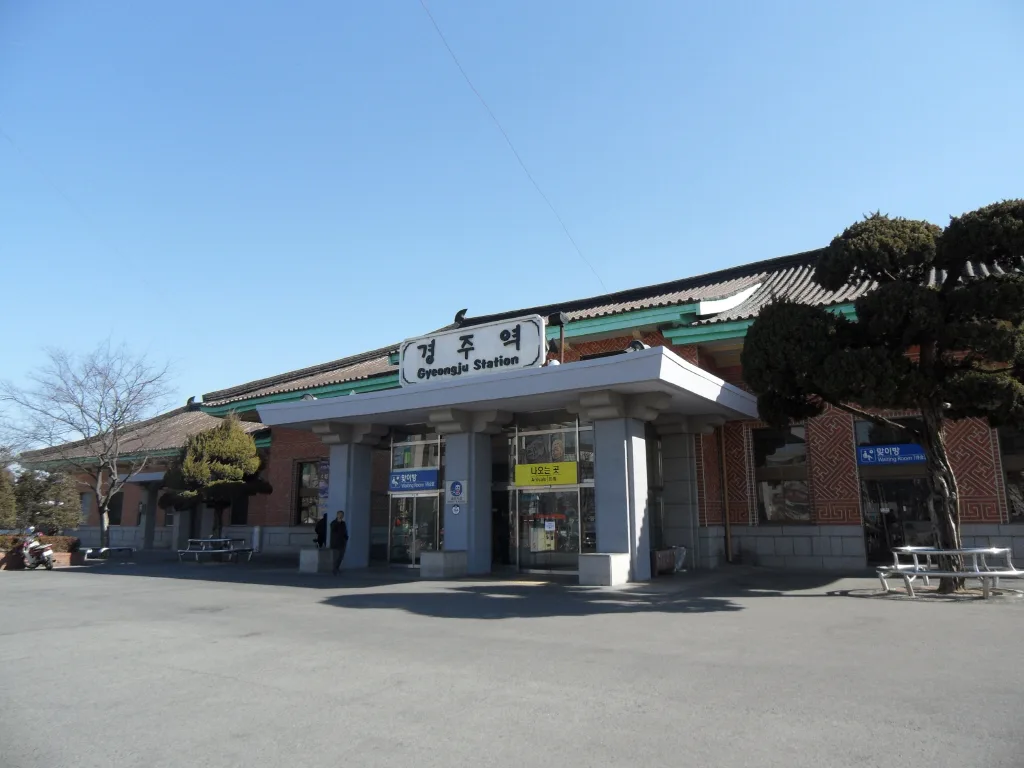
- Full day: add Bulguksa by city bus No. 10 or 11, which run from Gyeongju Station and the bus terminal.
Pairing the Tombs with Bulguksa
If you are pairing tombs with temples, do the tombs second. Bulguksa Temple opens at 9:00 and charges no admission. Admission closes at 5:00 PM from November to January, 5:30 PM in February and October, and 6:00 PM from March to September. Daereungwon stays open until 22:00, so it absorbs the late afternoon well. Read our guide to Gyeongju Temples: Which to Visit and How to Plan for more stops on that side.
Bulguksa admission closes at 6:00 PM from March to September, so visiting the temple first leaves the mounds' 21:30 last admission as your late option.
Day or Evening: When to Visit
Morning light suits photography and quiet paths. Midday in summer is hot, with little shade on the open grass. Evening visits are possible because the gate stays open to 22:00, with last entry at 21:30. Plan an evening visit around the lit-up sights described in our Gyeongju night view guide. Spring adds cherry blossoms and magnolias around the mounds, and white fringe tree blossoms arrive in late spring. Bomun Lake Resort, about 10 kilometers east of downtown, draws crowds in April when its cherry blossoms are in full bloom.
Where to Stay and What to Skip
Sleeping near Hwangnam-dong lets you reach Daereungwon on foot at either end of the day. Hwangnidan-gil is a free street to enter, and its shops set their own hours. Prefer a traditional room? Browse the hanok village stays. Travelers with a single day who already plan Bulguksa can shorten the tombs to the Cheonmachong visit alone. Expect mounds rather than displayed artifacts on site.
- Arriving after 21:30 means no entry.
- Mixing up Daereungwon with Oreung costs time, since Oreung is a separate trip.
- Midday in summer is the hardest slot for the open grounds.
- Skipping the Gyeongju National Museum leaves the finds unseen.
UNESCO Context
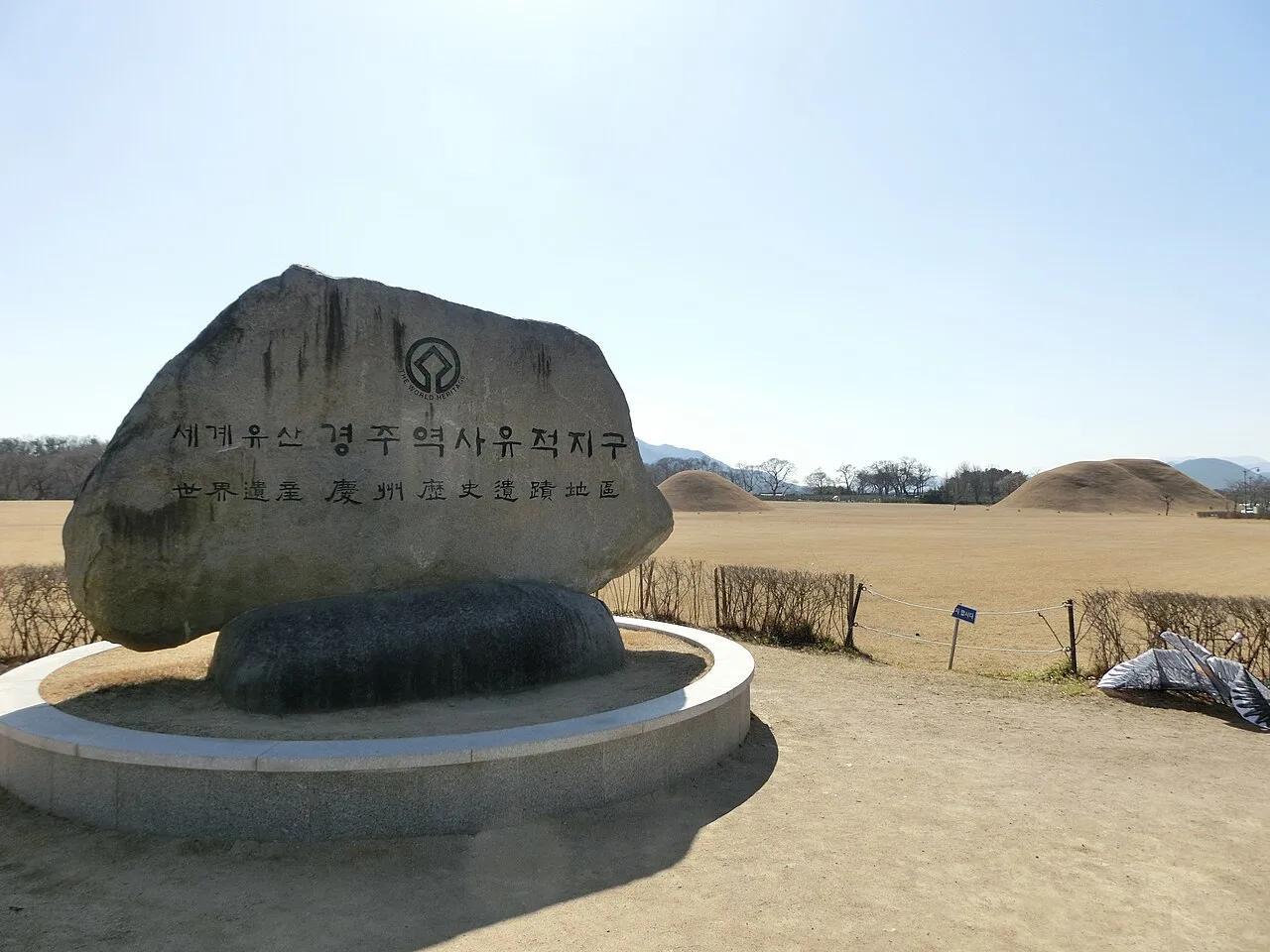
Gyeongju's heritage designations cover specific areas, so check which sites carry the status before you quote it. Our guide to Gyeongju's UNESCO sites covers which places are listed.
Frequently Asked Questions
What are the mounds in Gyeongju?
They are Silla-era burial mounds for kings, queens and nobles. The largest cluster is the Daereungwon Tomb Complex in Hwangnam-dong, where Cheonmachong can be entered.
What are royal tombs?
Royal tombs are burial places built for monarchs and their families. In Gyeongju, they take the form of large earth mounds from the Silla dynasty.
Notes for your Korea trip
Optional updates to our city guides.
You might also like
Continue reading
More guides you'll find useful