5 Gyeongju Historic Areas Zones: Time Needed and How to Visit
The Gyeongju Historic Areas explained as 5 zones, with hours, ₩ fees, one-day and two-day plans, and how to get around from Gyeongju Station.
On this page
Last updated November 2026: the Gyeongju Historic Areas are a UNESCO listing made of five separate zones of Silla-era remains, not one neighborhood. Those zones are Namsan, Wolseong, the Daereungwon tomb complex, Hwangnyongsa and the Sanseong fortress. One day covers the central tombs, Wolji Pond and the Woljeonggyo Bridge, while two days add Namsan and the temples.
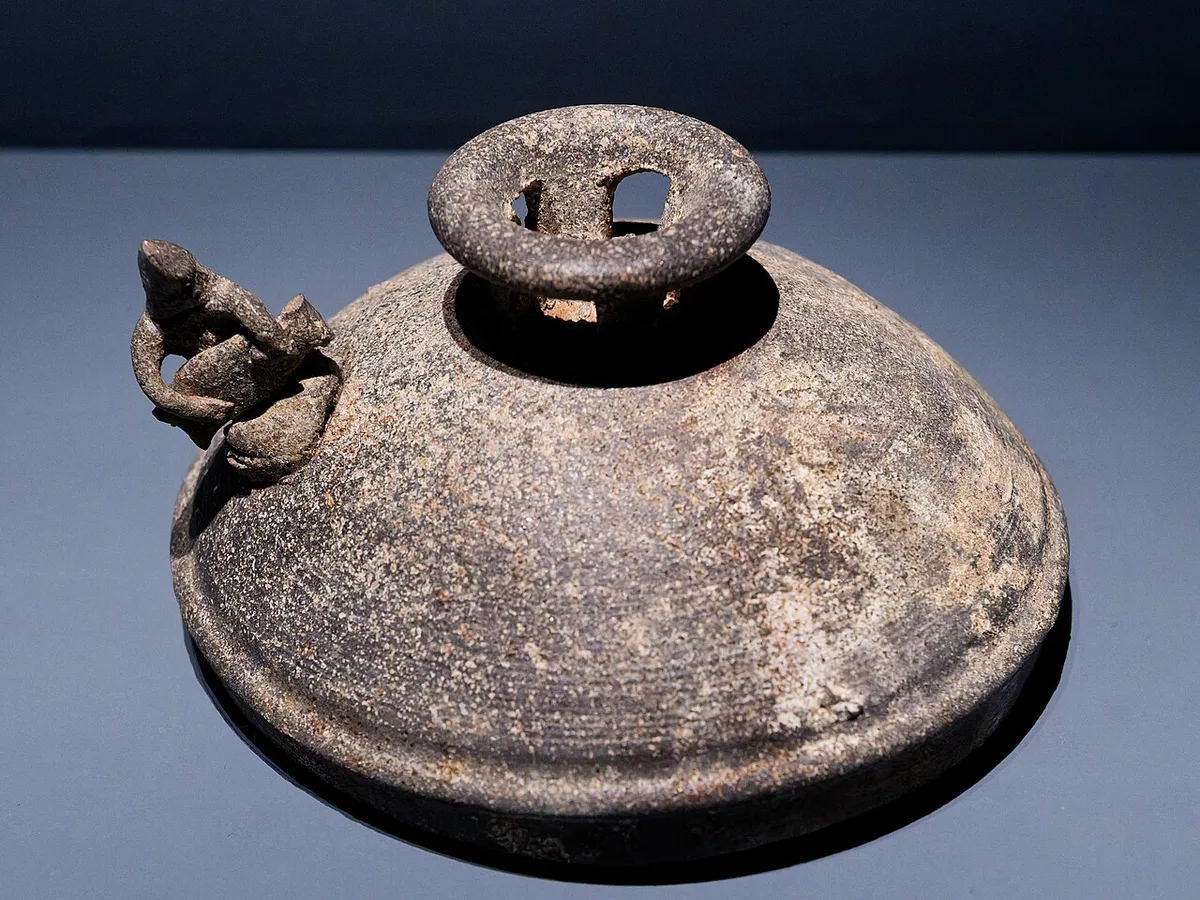
Featured image: Abasaa, Public domain, via Wikimedia Commons.
What the Gyeongju Historic Areas Actually Are
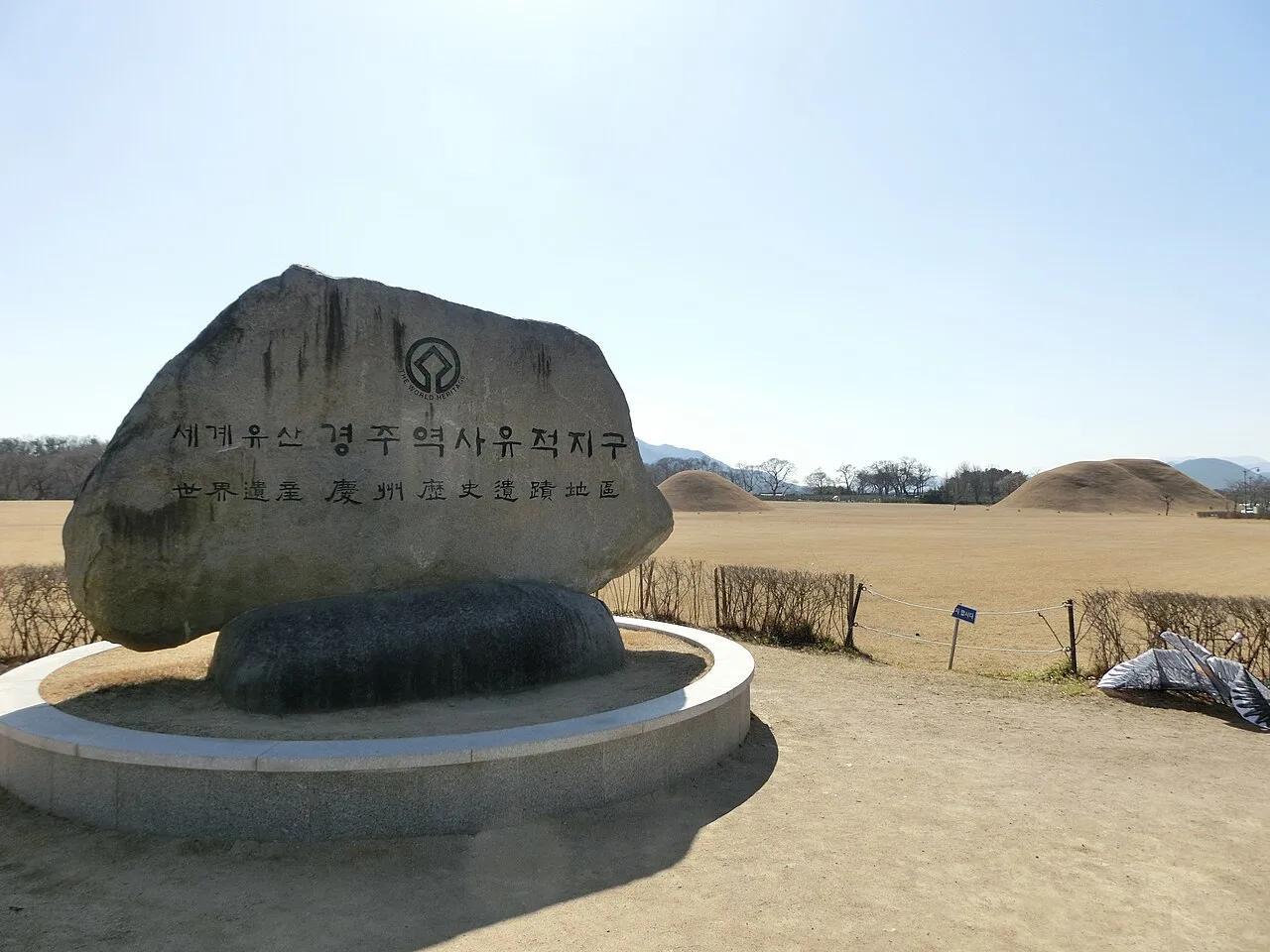
Gyeongju was the capital of the Silla kingdom, which dates from 57 BC to 935 AD. The UNESCO listing groups its surviving remains into five areas spread across the city. Several zones sit close together in the flat central basin, while Namsan rises as a mountain zone. Bulguksa and Seokguram appear as their own UNESCO entry, so treat them as a separate trip from the five zones below. Our UNESCO site breakdown maps the boundaries in more detail.
| Zone | What you see | Best for |
|---|---|---|
| Daereungwon | Grass-covered royal tumuli | First-timers, families, evening visits |
| Wolseong and Wolji Pond | Palace-site grounds, pond pavilions, bridge | Gentle walks, photography |
| Namsan | Mountain trails and Buddhist remains | Hikers, temple fans |
| Hwangnyongsa | Former Silla temple site | History-minded travelers |
| Sanseong Fortress | Namsansinseong Fortress remains | Add-on for Namsan days |
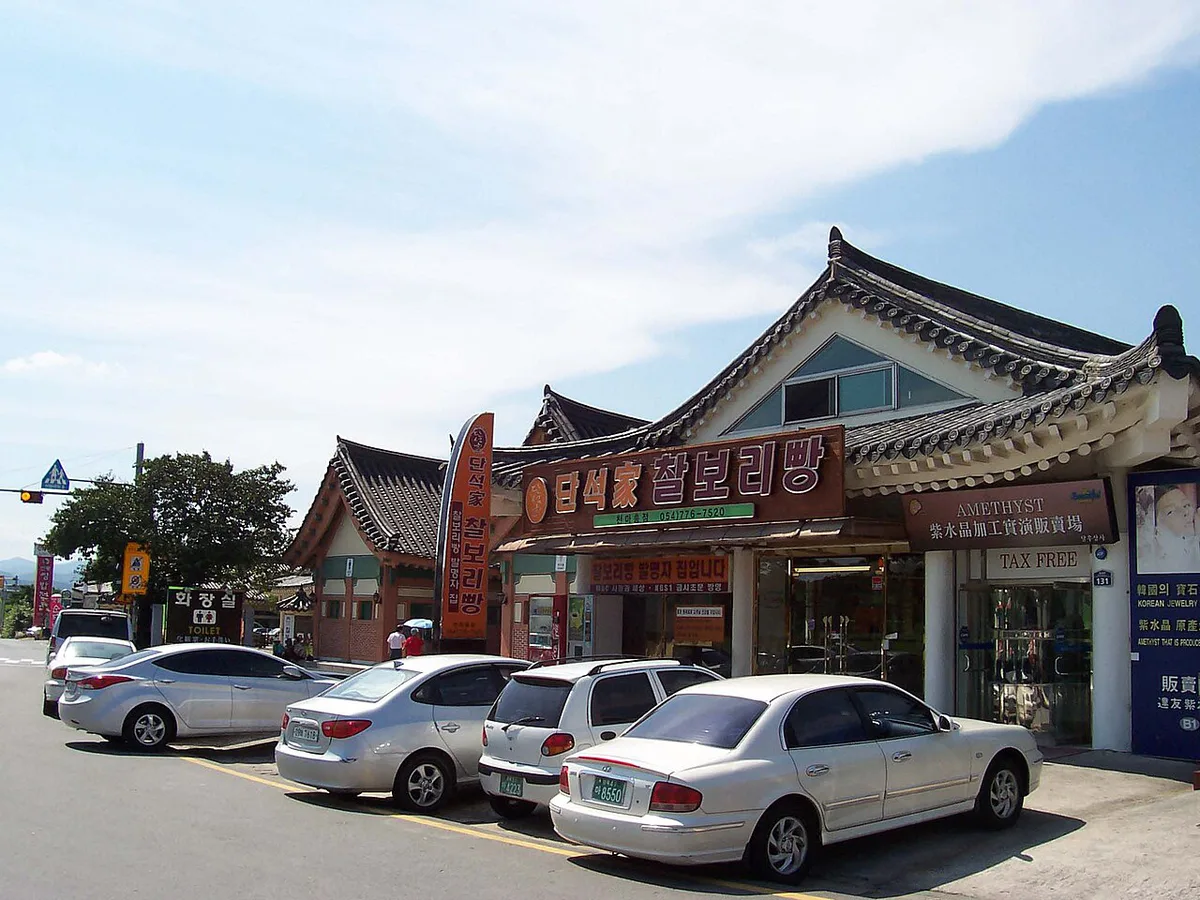
5 Gyeongju Historic Areas Zones Worth Your Time
Each zone below gets a short profile. Prices and hours checked November 2026 against Korea tourism and city pages.
1. Daereungwon Tomb Complex
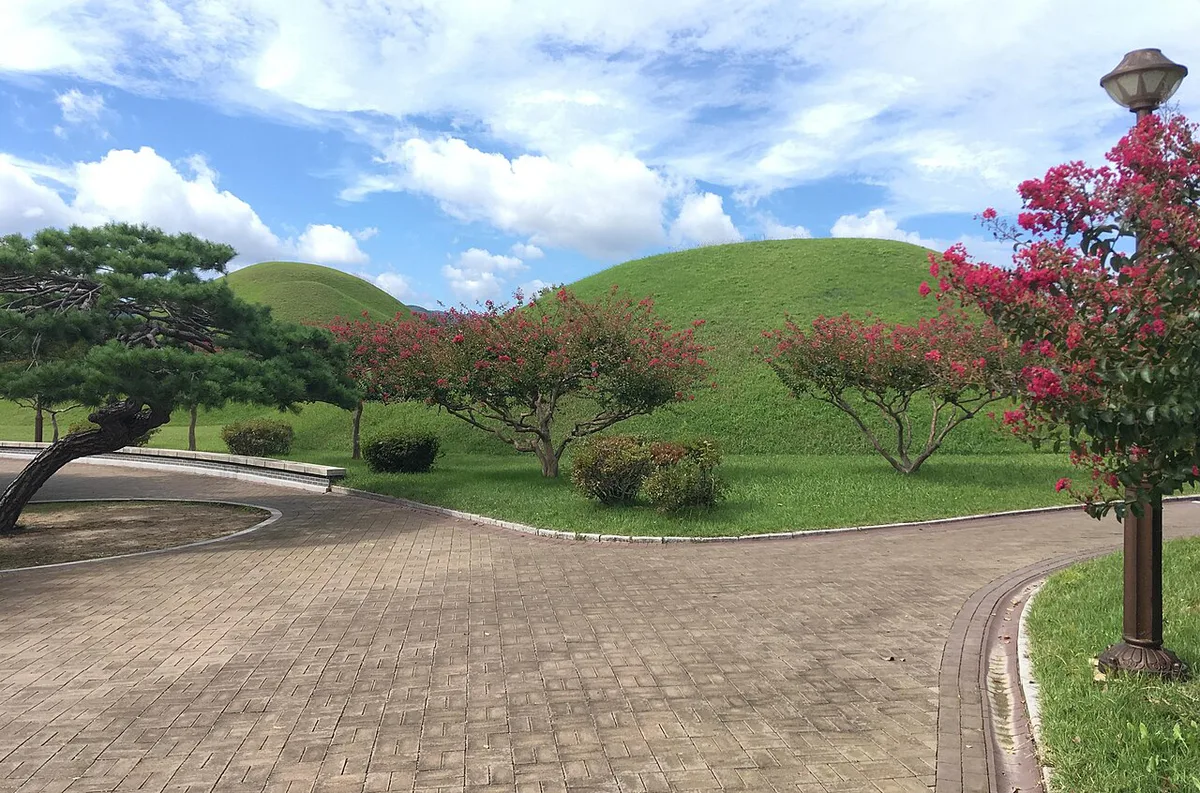
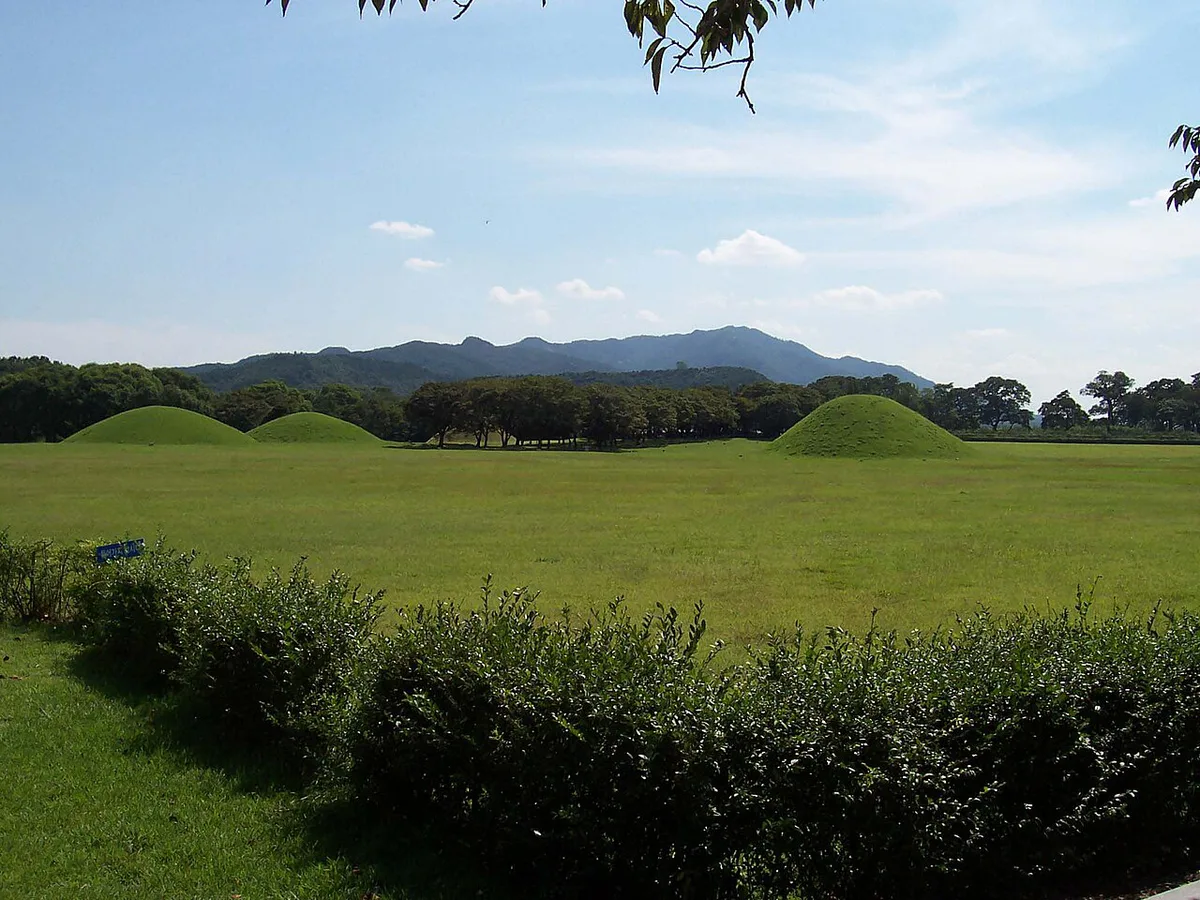
Daereungwon is the clearest answer to what the mounds in Gyeongju are: a park of large grass-covered Silla royal tumuli at 31-1 Hwangnam-dong. Adult entry is ₩3,000, teenagers pay ₩2,000 and children pay ₩1,000. The main gate opens 09:00 to 22:00, with last admission at 21:30, so an evening slot works well.
Cherry blossoms and magnolias bloom here in spring, with white fringe tree blossoms in late spring. Visitors report that Cheonmachong, the one tomb open to walk into, shows replicas of the finds. Skip a long stay if you want dramatic scenery, since the mounds look plain from outside. Our royal tombs guide adds the context that makes them worthwhile.
2. Wolseong, Donggung Palace and Wolji Pond
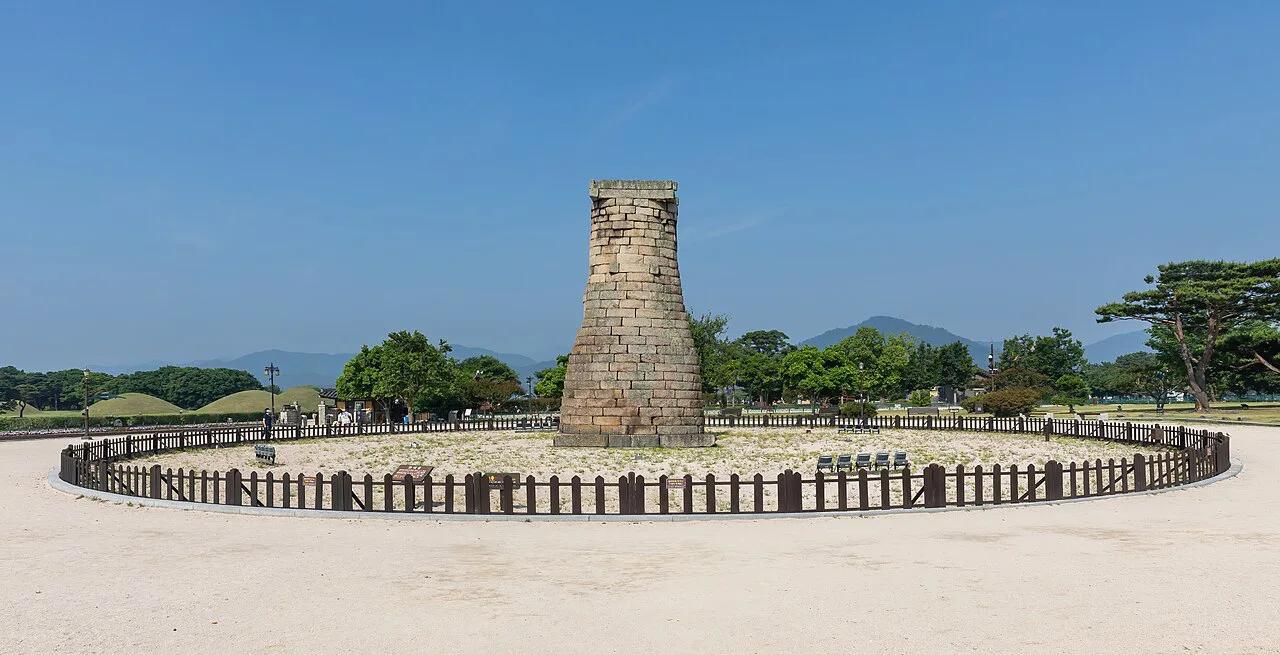
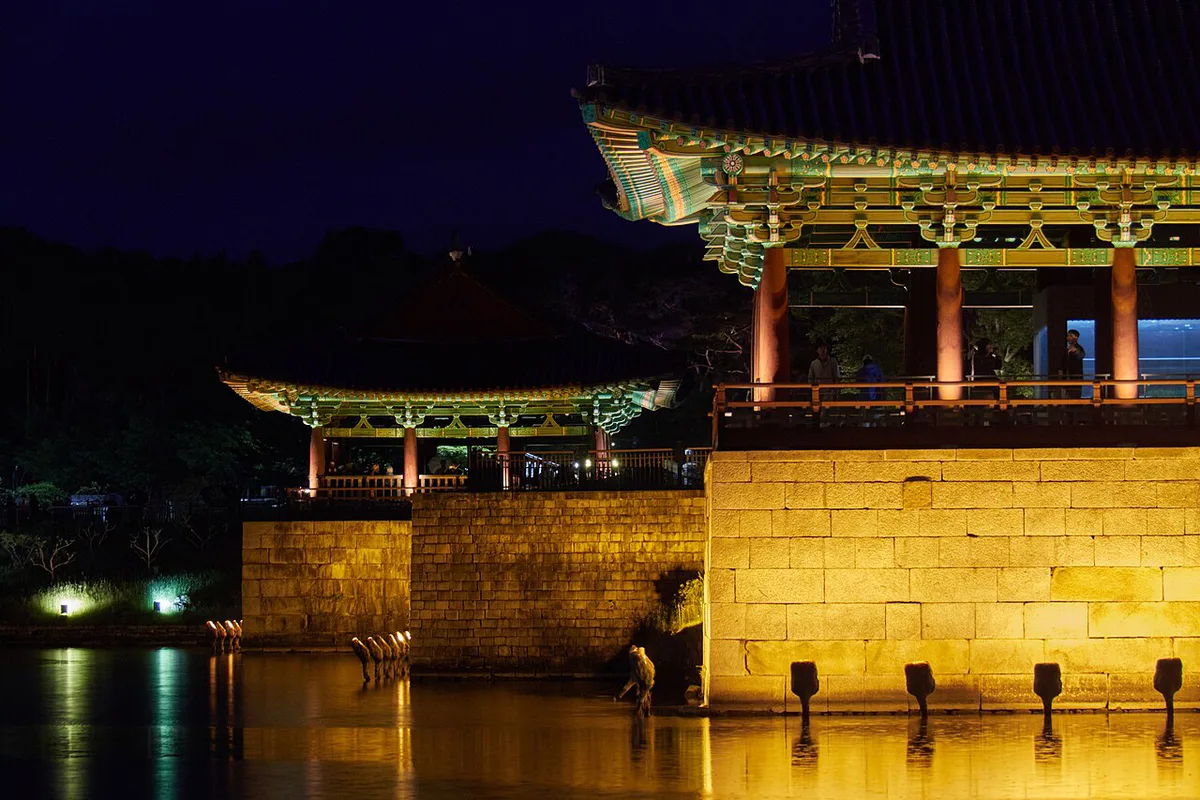
Wolseong is a designated Historic Site at 387-1 Inwang-dong, and it anchors the palace-site zone. Donggung Palace and Wolji Pond are open 09:00 to 22:00 at 102 Wonhwa-ro. Visitors find pavilions strewn around a meandering pond with lotus flowers. Daereungwon, Cheomseongdae, Gyerim Forest, Gyochon Village and the Gyeongju National Museum are about 20 minutes away on foot from Donggung.
Woljeonggyo Bridge at 274 Gyo-dong is free and open 09:00 to 22:00. The exhibition hall in its gate tower opens at 10:00. From Gyerim, the bridge is about 1 km, or 15 minutes on foot, on the night walking course. Skip this zone at midday in summer, because shade is limited. Our night view guide covers the lit evening version.
3. Namsan
Namsan is the mountain zone, and it suits travelers who want trails with Buddhist remains rather than flat paths. It is free, open 06:00 to 18:00, with no regular closing days. The address is Bae-dong, Gyeongju. Start early. With an 18:00 close, a morning climb leaves you time for the central zones in the afternoon.
Pair it with a temple visit. Our temple guide lists the stops that fit a Namsan day. Skip Namsan if you have only one day. It needs half a day by itself.
4. Hwangnyongsa
Hwangnyongsa was a major Silla temple. Mongol forces destroyed its nine-story wooden pagoda in the 13th century. Go for the story of a lost monument rather than for standing buildings.
Read about the pagoda before you arrive, because the site gives little to see without that background. Skip it if you want standing halls. Bulguksa, open from 9:00 AM daily, is the better choice for that.
5. Sanseong Fortress
Sanseong is the heritage-registry name for the Namsansinseong Fortress remains, listed under Inwang-dong. The name links it to Namsan, so plan it as an add-on to a Namsan day rather than a separate trip.
Expect ruins and open land, not restored buildings. Skip it on a first visit unless you have two days. The other four zones give more for the same time.
How to Plan Your Time Across the Zones
A half day covers Daereungwon and Wolji Pond, which lie about 20 minutes apart on foot. One day adds the Wolseong walk and Woljeonggyo Bridge, which stays open until 22:00. Two days add Namsan, then Bulguksa on the second afternoon. The tourist office's recommended central route is reported at about 6 km.
Bulguksa admission closes at 5:00 PM from November to January, earlier than Namsan's 18:00 close.
| Option | Time | Effort | Weather exposure |
|---|---|---|---|
| Walking | Slowest, most flexible | Moderate | High in summer heat or rain |
| Bike rental | Faster across the flat basin | Moderate | High |
| Local bus | Good for Bulguksa | Low | Low |
| Taxi | Fastest door to door | Low | None |
Tickets, Hours and Costs
Daereungwon charges ₩3,000 for adults, and Namsan is free. Bulguksa and Seokguram have had free admission since May 4, 2023. Parking at Bulguksa costs ₩2,000 for cars, and Seokguram also charges ₩2,000 for small and medium vehicles. Bulguksa admission closes at 5:00 PM from November to January, at 5:30 PM in February and October, and at 6:00 PM from March to September. Seokguram uses the same closing times. Pets are not allowed at either site. For other zones, Visit Korea lists current details.
Getting There and Getting Around
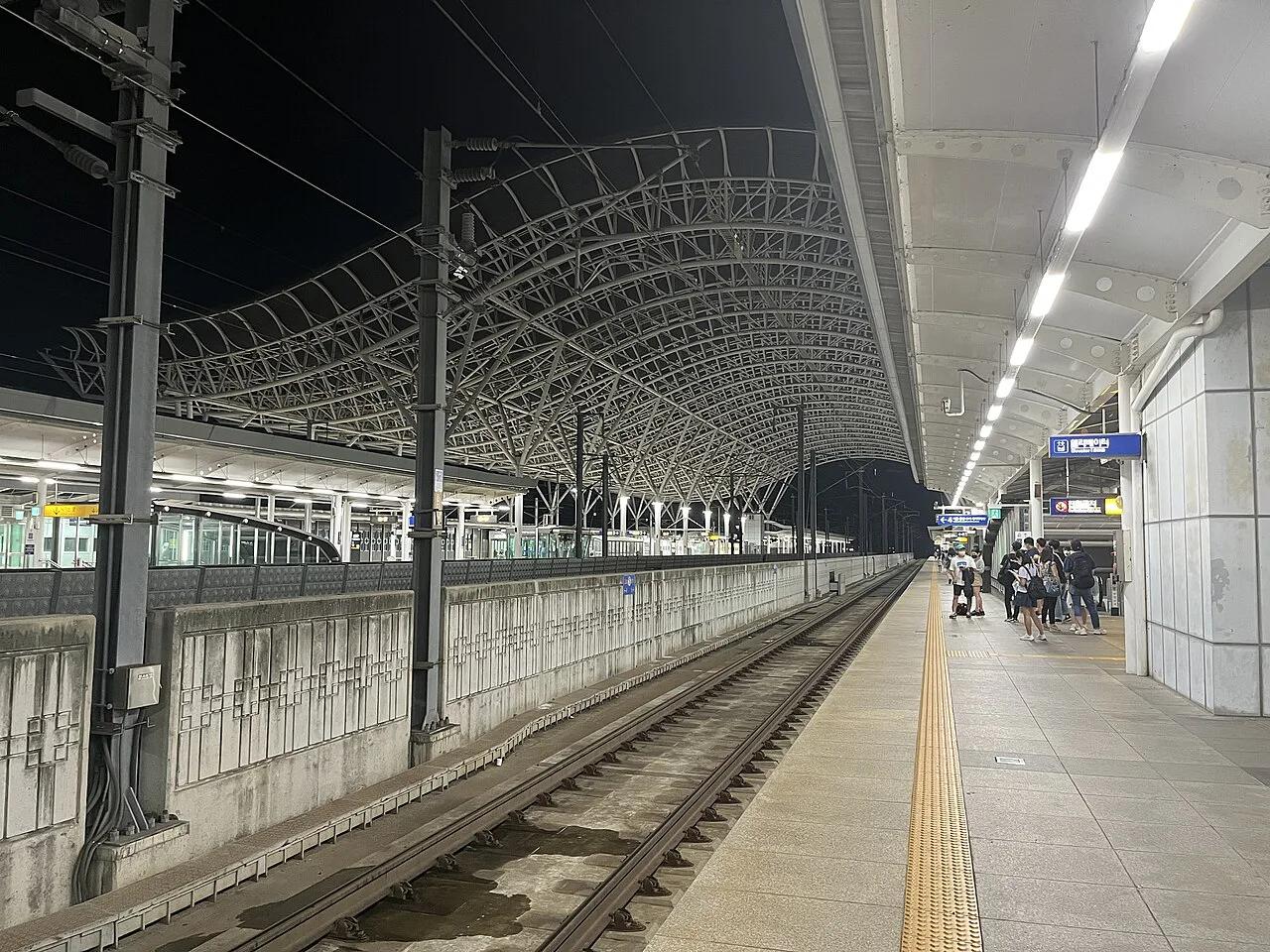
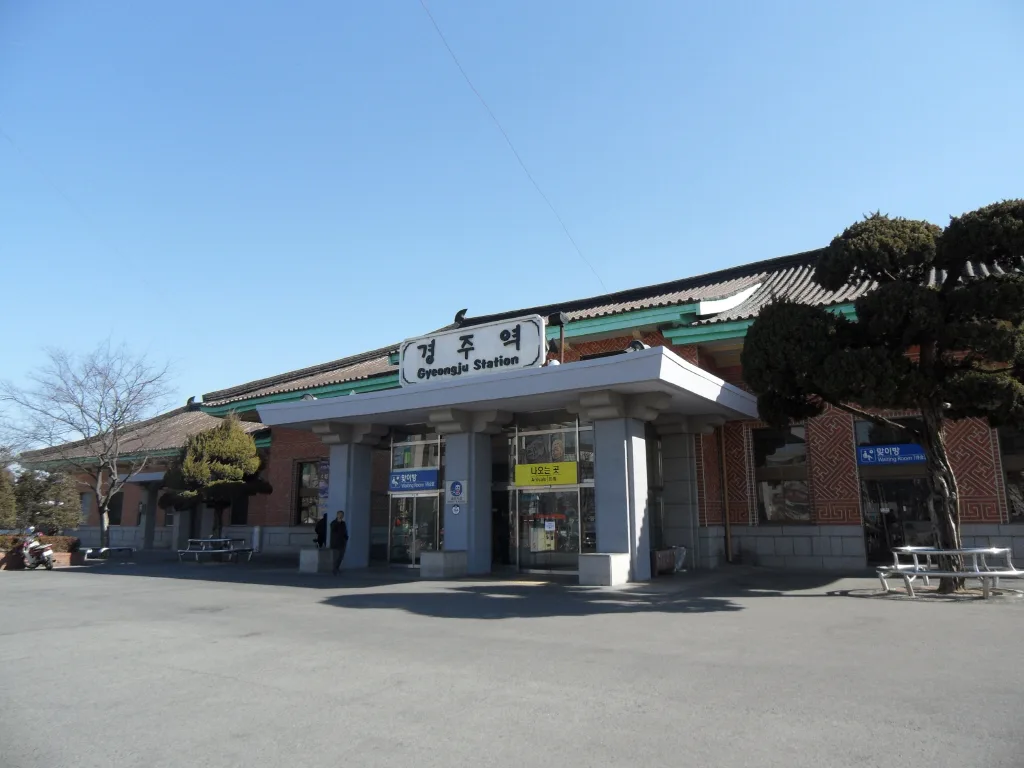
The KTX runs from Seoul Station to Gyeongju Station about hourly from 07:37 to 00:07, and the trip takes 2 hours 10 minutes. From Busan the KTX takes 30 minutes, and from Dongdaegu it takes 20 minutes. The station was renamed from Singyeongju Station on December 28, 2023, so book tickets under Gyeongju Station. City buses No. 10 and 11 run frequently to Bulguksa from Gyeongju Station and the bus terminal. Details are on the official Bulguksa site.
City buses No. 10 and 11 run frequently to Bulguksa, a separate UNESCO entry, so plan that as its own outing rather than a sixth zone.
Where to Stay Near the Historic Areas
Daereungwon sits in Hwangnam-dong, and Donggung Palace is about 20 minutes away on foot. Staying near that cluster lets you walk home after the tombs stay open until 22:00. A base near Gyeongju Station suits early KTX departures, but you will need buses for the sights. For a traditional-style stay, see our hanok village guide.
Are the Gyeongju Historic Areas Worth Visiting?
Yes, if you treat the tombs as context rather than scenery. Visiting the National Museum first gives history before a walk. Skip that step if you have under one day. Mistakes to avoid include arriving at Namsan after 18:00, booking KTX under the old Singyeongju name, and expecting Bulguksa to be one of the five zones.
Building the rest of the trip? Our Gyeongju attractions guide covers the sights, districts and logistics around this guide.
Frequently Asked Questions
What are the mounds in Gyeongju?
They are Silla royal tumuli, grass-covered burial mounds. Daereungwon, at 31-1 Hwangnam-dong, is the main place to see them, for ₩3,000 per adult.
Which neighborhood to stay in Gyeongju?
Hwangnam-dong puts you beside Daereungwon. From Donggung Palace, the tombs, Gyerim Forest and the National Museum are about 20 minutes away on foot. Staying near Gyeongju Station instead suits early train departures.
Explore More Gyeongju Guides
Keep planning your Gyeongju trip with these guides.
Gyeongju Guides
Notes for your Korea trip
Optional updates to our city guides.
You might also like
Continue reading
More guides you'll find useful