Gyeongju UNESCO Sites: Areas, Routes and Time Needed
Which Gyeongju UNESCO sites are worth your time? A guide to the five historic areas plus Bulguksa and Seokguram, with routes and timing.
On this page
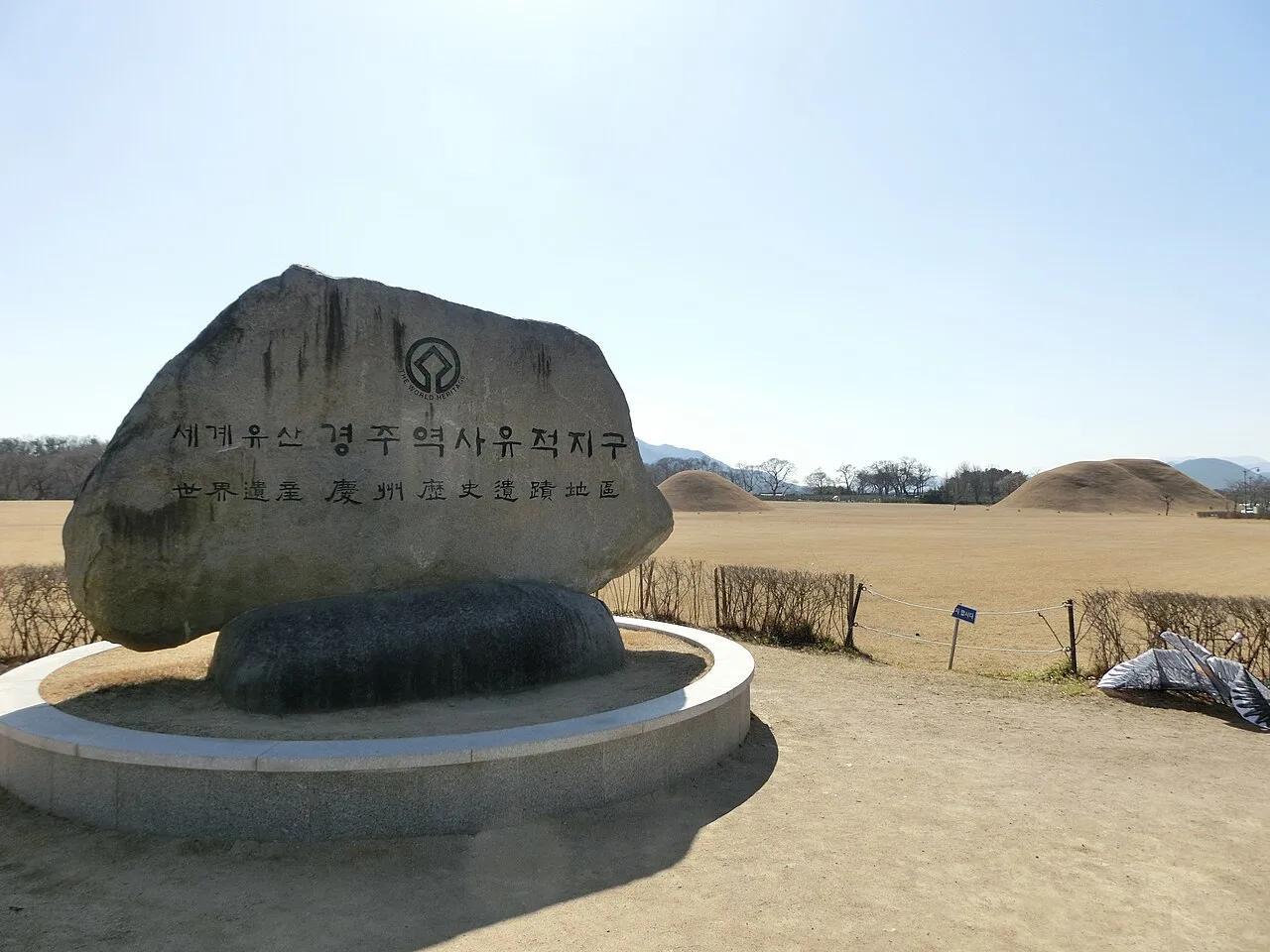
Last updated November 2026. Gyeongju UNESCO sites fall into two separate listings: Bulguksa and Seokguram Grotto (inscribed 1995) and the Gyeongju Historic Areas (inscribed 2000). The Historic Areas split into five zones, and only some of them are easy to see in a single day. This guide shows what each listing holds, which zones reward a visit, and how to sequence them.
Featured image by eimoberg, CC BY 2.0, via Wikimedia Commons.
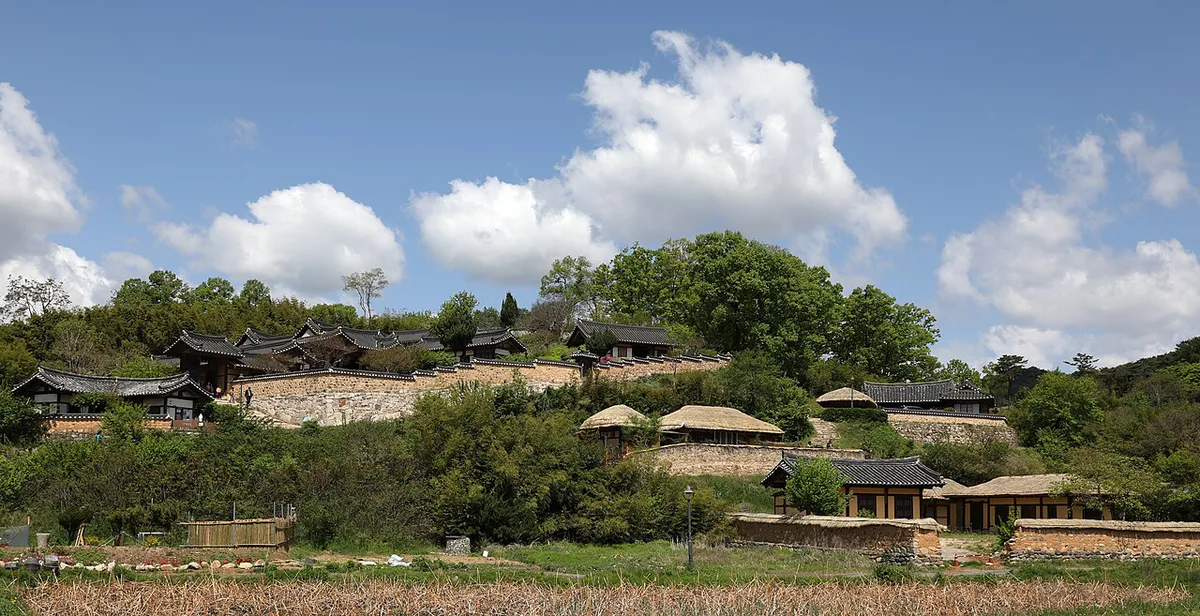
Gyeongju's UNESCO sites at a glance
The Korea Heritage Service describes the Historic Areas as five locales holding 52 listed items. They cover Silla, the kingdom that ruled from Gyeongju until A.D. 935. Bulguksa and Seokguram form the second listing and sit outside those five zones. For area-by-area history, see our Gyeongju Historic Areas guide. Use the table below to decide what deserves your hours.
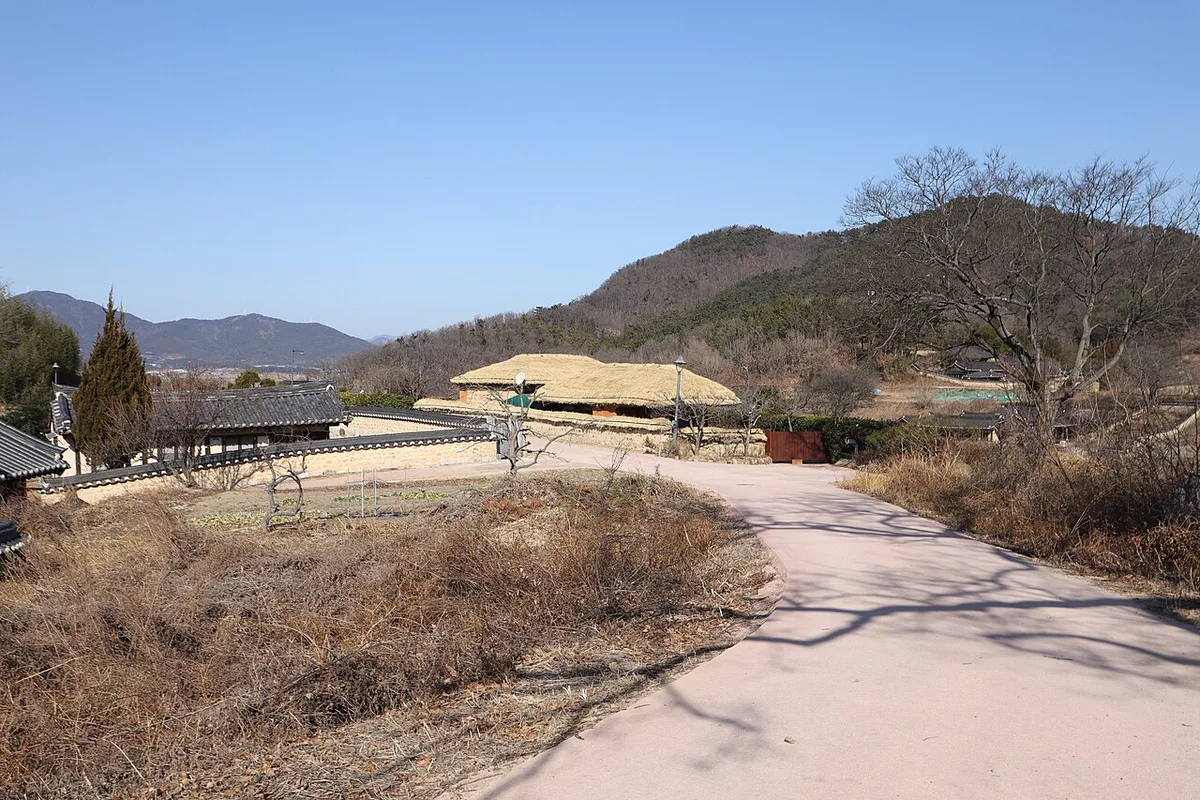
| Area | What you actually see | Best for | Effort | Skip if |
|---|---|---|---|---|
| Namsan | Buddhist rock carvings, pagodas and temple sites along a mountain about 10 km long | Hikers and Buddhist art fans | Moderate to hard on the ridges; easy at the foot | You have under a day or dislike uneven trails |
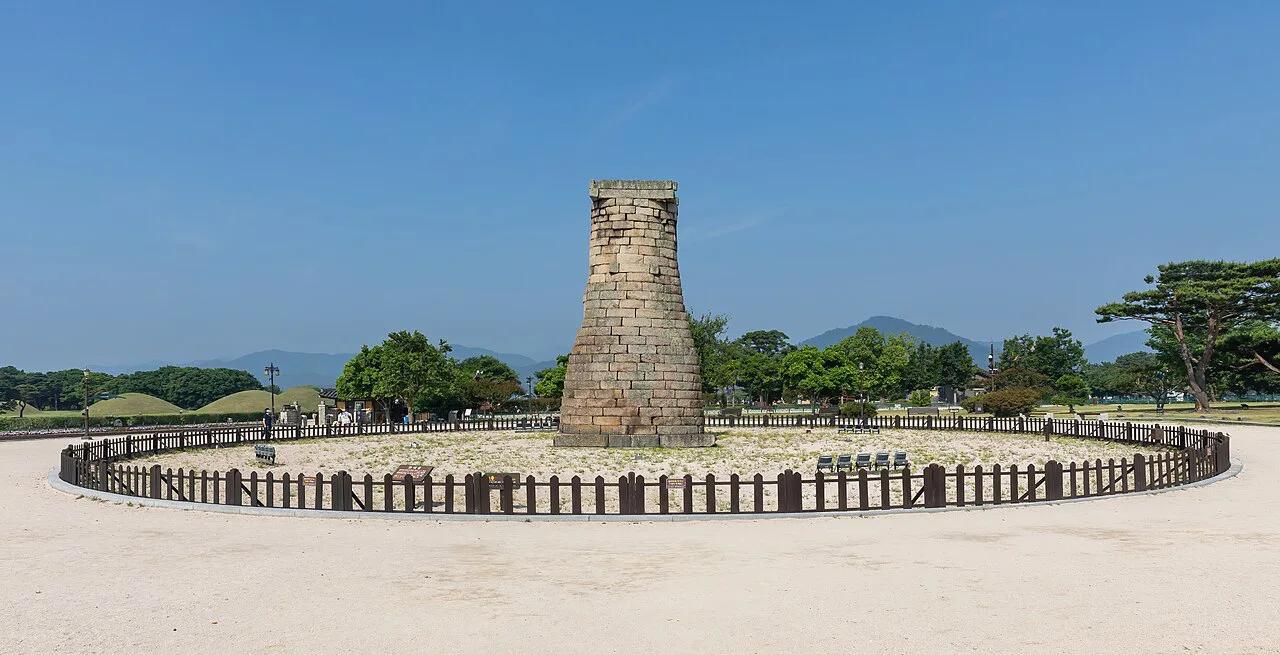
| Wolseong (Moon Fortress) | Earthworks of a palace site, with Cheomseongdae, Gyerim and Anapji nearby | Easy walking and evening photos | Flat | You expect standing palaces |
| Tumuli Park (Daereungwon) | Grassy royal burial mounds, some 23 m high | First-timers | Flat | Rarely worth skipping |
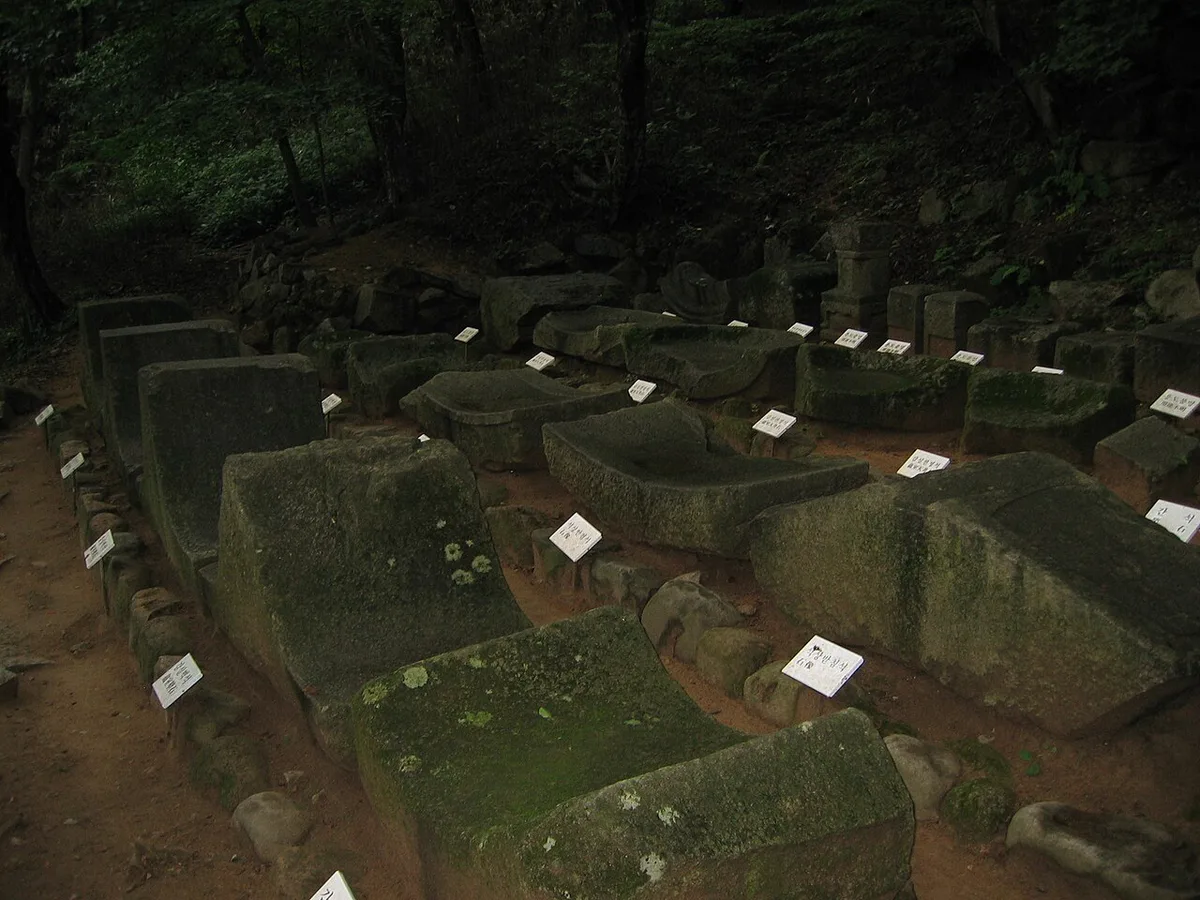
| Hwangnyongsa | Foundation stones of a former state temple | History enthusiasts | Flat, open ground | You want visible monuments |
| Sanseong (Myeonghwal Fortress) | Remains of a Silla mountain fortress | Fortress and trail fans | Separate trip with transport | You are on a short stay |
| Bulguksa and Seokguram | Temple complex and a mountain grotto, both from the separate 1995 listing | Almost everyone | Bus or car; short walks | Rarely worth skipping |
How much time to give Gyeongju UNESCO sites
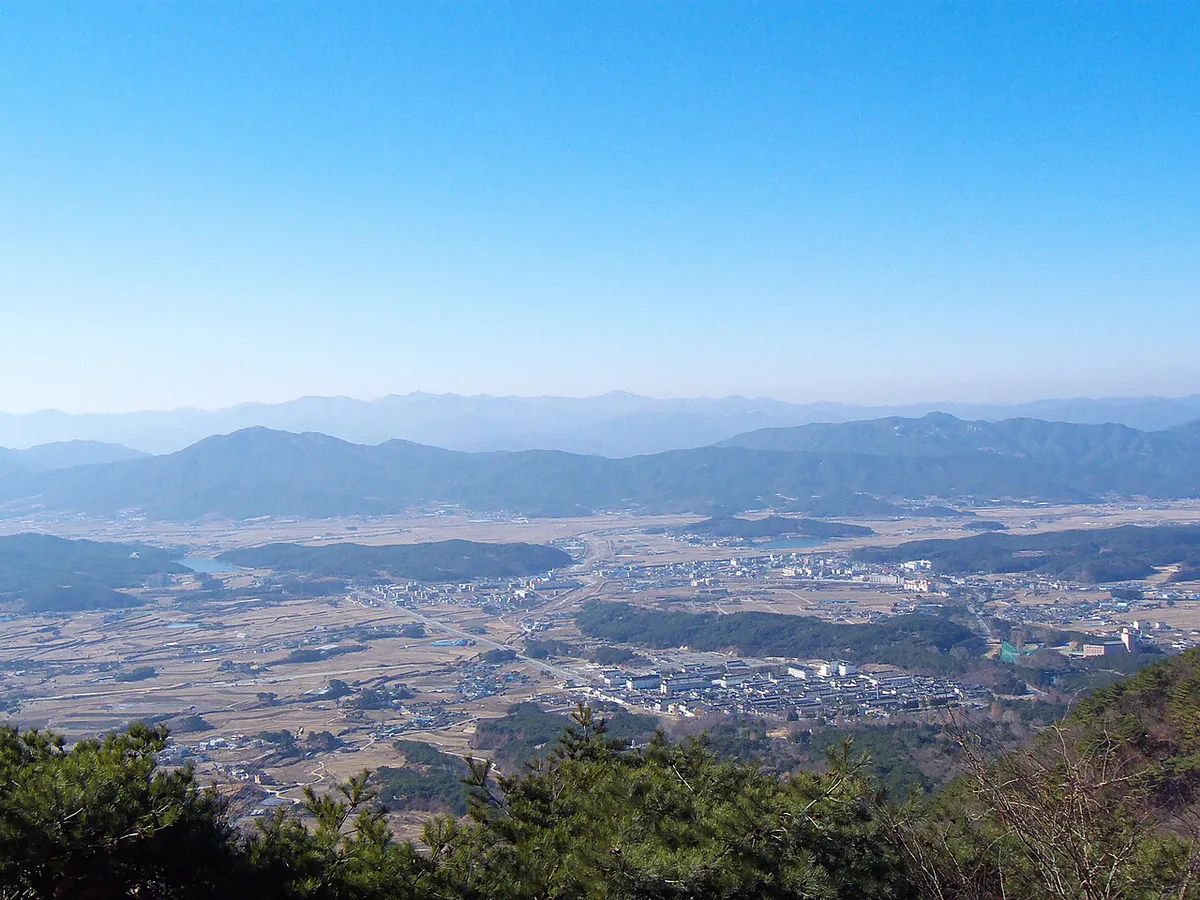
Treat these as suggestions, not fixed schedules. The central cluster is walkable, while Namsan, Hwangnyongsa, Myeonghwal and Bulguksa each need their own leg. Drop the outer legs first when time is short.
- Half day: Tumuli Park, then Cheomseongdae and Gyerim on foot. Add Anapji if daylight remains.
- One full day: the half-day route, plus Bulguksa by city bus. Skip Namsan, Hwangnyongsa and Myeonghwal.
- Two days: day one covers the central cluster and an evening at Anapji. Day two splits between Bulguksa with Seokguram and a Namsan foot-of-mountain walk.
Tumuli Park and the central walkable cluster
Central Gyeongju holds some 150 Silla-period tombs, and the biggest reach 23 m. Daereungwon, the park around the Hwangnam mounds, is open 9:00 to 22:00 with last admission at 21:30. Adults pay ₩3,000, teenagers ₩2,000 and children ₩1,000. Prices and hours checked November 2026. Cheonmachong is the one Silla mound opened to the public, so it is the only tomb you can enter. For more on the mounds themselves, read our royal tombs guide. Donggung Palace at Wolji Pond (Anapji) is open 9:00 to 22:00. From there, Daereungwon, Cheomseongdae and Gyerim Forest are about a 20-minute walk. Wolseong itself lists as a designated historic site at 387-1 Inwang-dong. Expect earthworks rather than palace halls. After dark, the pond lights are the draw, and our night view guide covers the evening route.
Daereungwon's last admission at 21:30 comes before the 22:00 close, so reach the tombs early and save time for the pond lights.
Namsan: the Buddhist art mountain
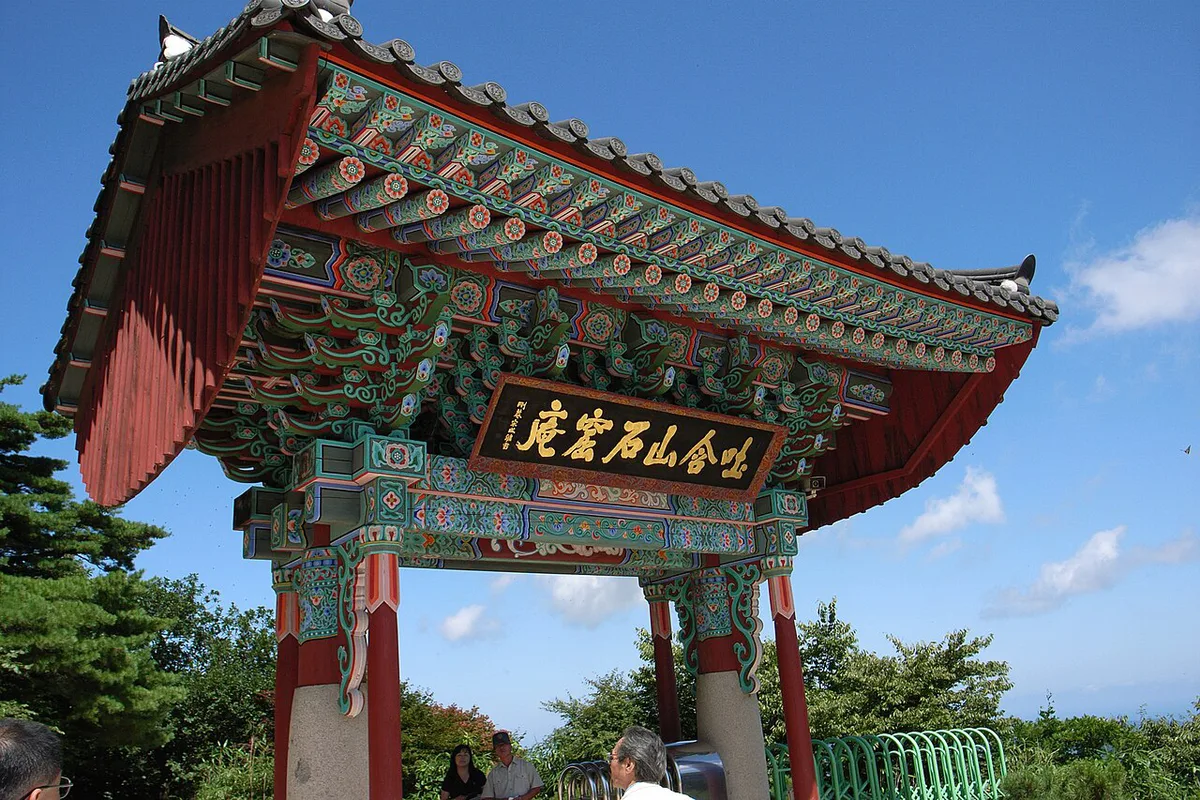
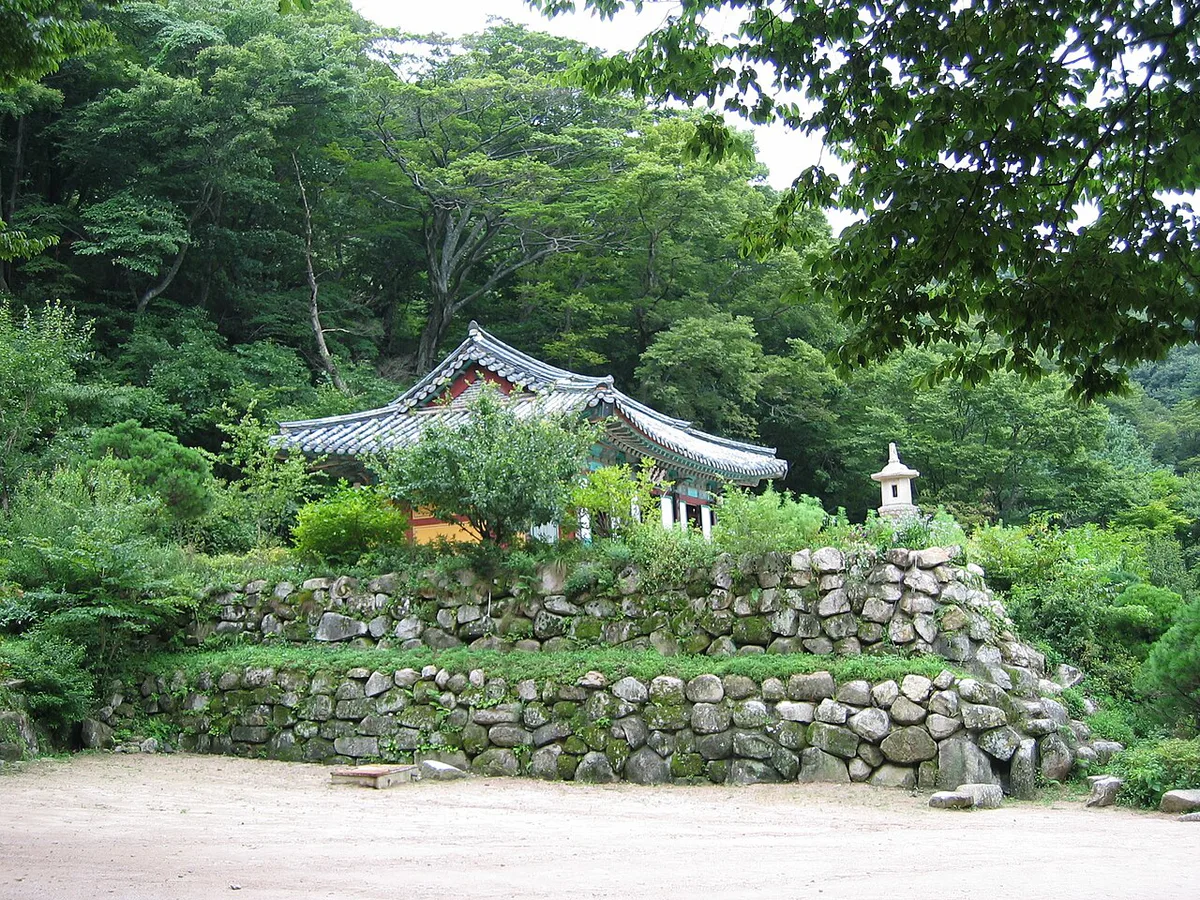
Namsan stretches roughly 10 km and has two peaks: Gowibong at 494 m and Geumobong at 468 m. Rock-cut Buddhas, stone pagodas and lotus pedestals date mostly from the seventh to tenth centuries. Most carvings blend into the rock, so individual sites look modest. Entry is free, and the mountain is open 6:00 to 18:00 with no regular closing days. First-timers should stay at the foot, where Najeong and the Poseokjeong pavilion site sit. Save the ridge for a dedicated morning. Hikers who want temple context can pair it with our Gyeongju temples guide. Do not plan a ridge hike and Bulguksa on the same afternoon.
Hwangnyongsa and Myeonghwal: for ruins and history enthusiasts
Hwangnyongsa was Silla's largest state temple, begun in 553 and burned in the Mongol invasion of 1238. Only foundation stones remain across a surveyed area of 380,086 m². Without context, casual visitors may find it flat and quiet. Bunhwangsa is an easier stop: it is free, open 8:00 to 18:00 (until 17:00 in winter), and takes about 1 hour. Myeonghwal Mountain Fortress is the only Silla mountain fortress in the listing. It stands on Mt. Myeonghwal, east of Gyeongju. Reach it only if fortresses are your priority.
Bulguksa and Seokguram: the second UNESCO listing
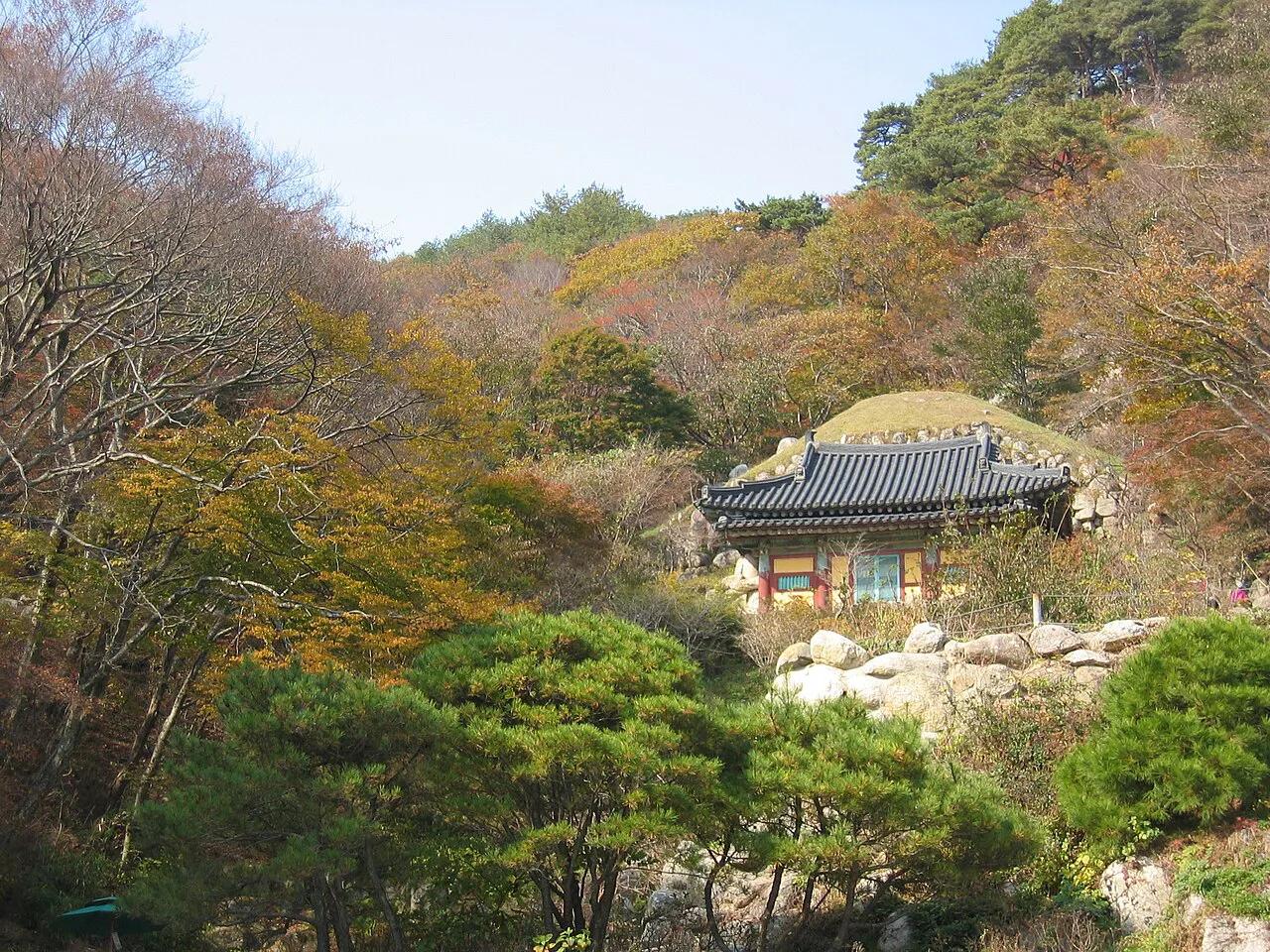
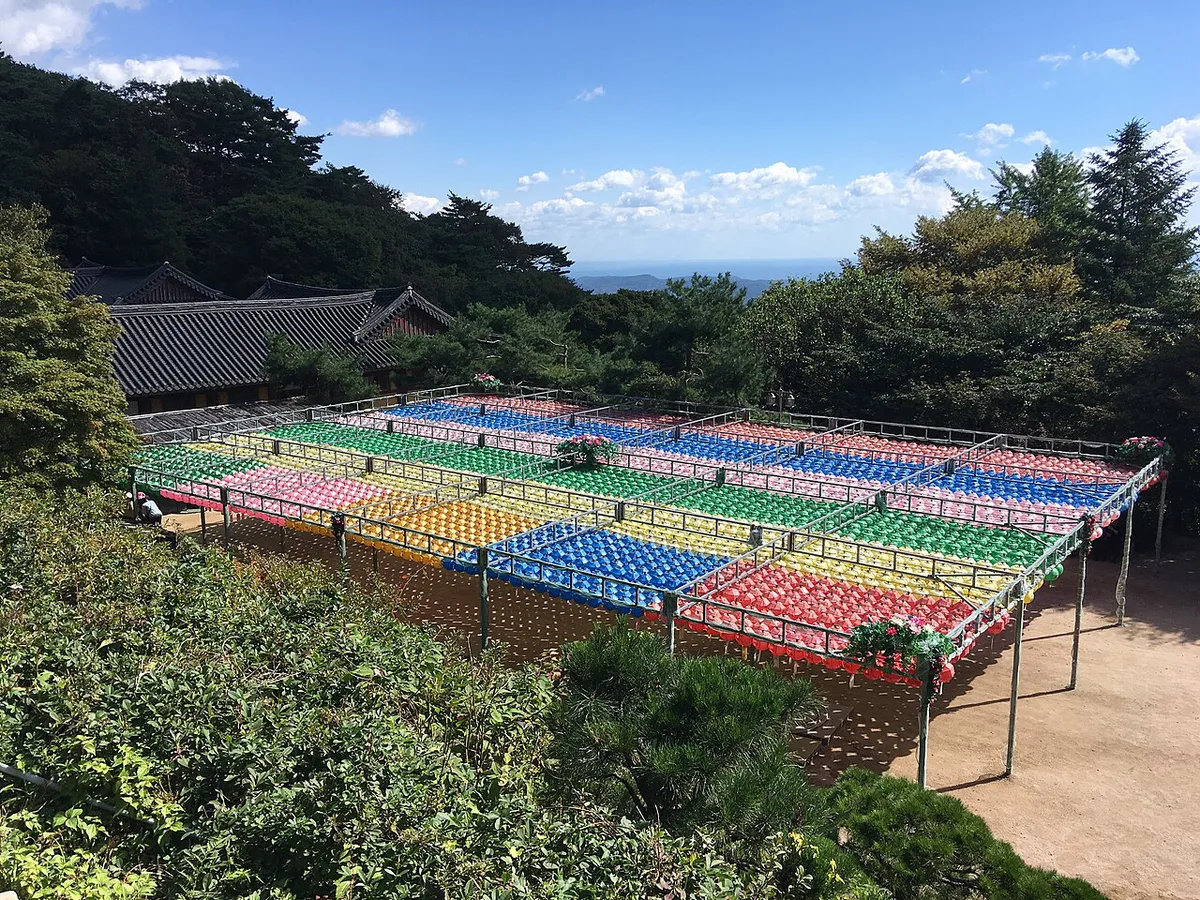
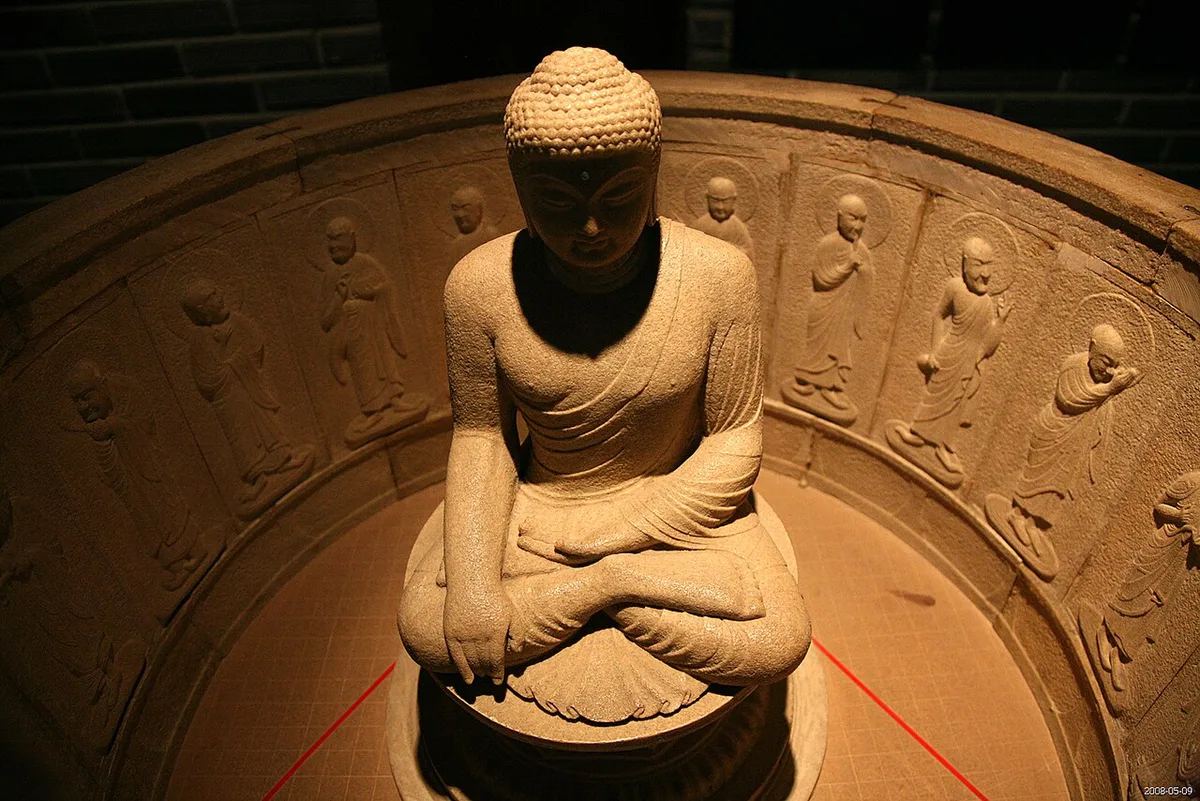
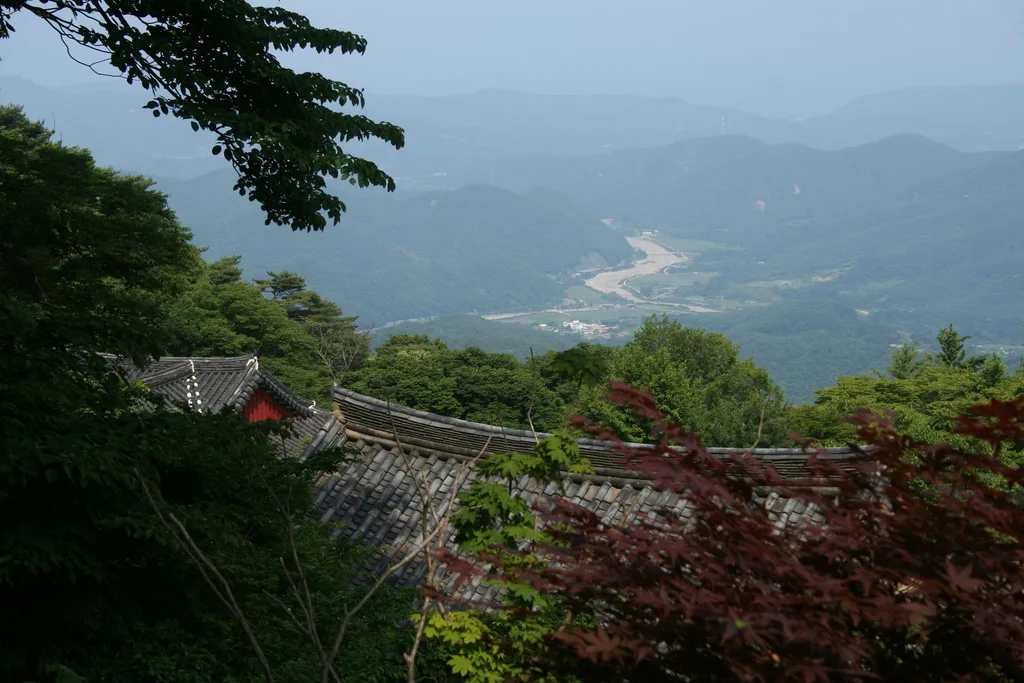
This 1995 listing is not part of the Historic Areas. Bulguksa Temple sits at 385 Bulguk-ro, and Seokguram Grotto is at 238 Seokgul-ro. Both admit visitors free since May 4, 2023. Hours are identical on weekdays, weekends and holidays. Doors open at 9:00 and close at 5:00 in November to January, 5:30 in February and October, and 6:00 from March to September. Seokguram has no regular closing days either. Access may be restricted during heavy rain, typhoons or heavy snow. Pets are not allowed at either site. See more Gyeongju temples for lower-key alternatives.
Tickets, hours and getting around
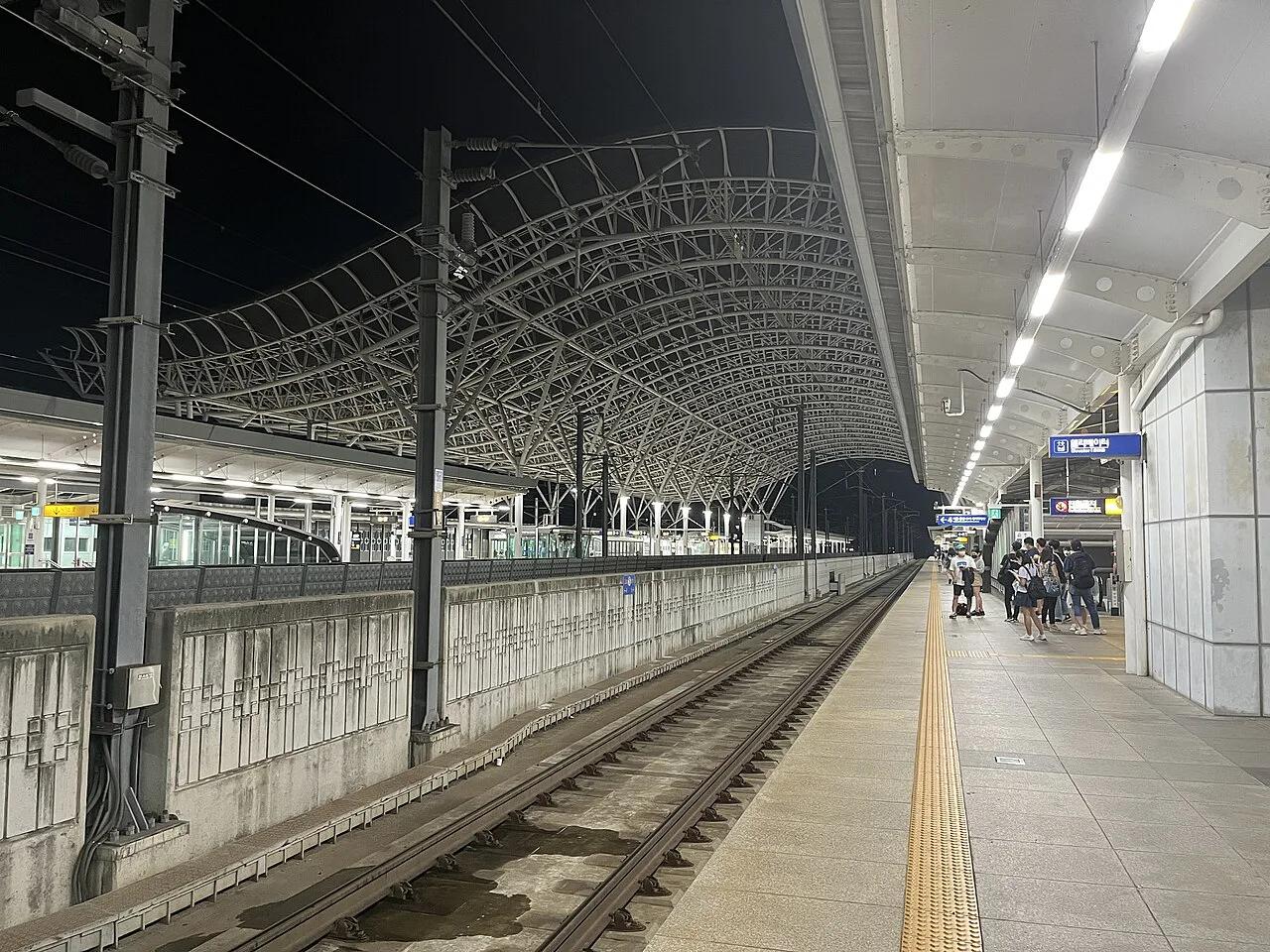
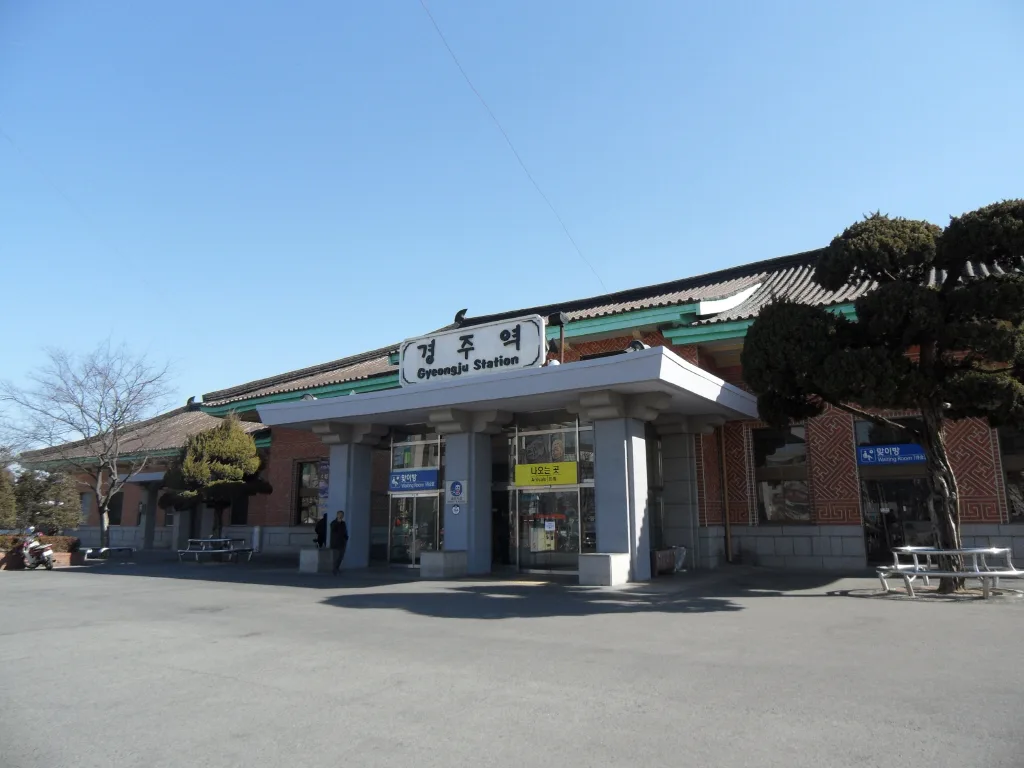
City buses No. 10 and 11 run frequently from Gyeongju city center to Bulguksa. They are easy to catch at Gyeongju Station and the bus terminal. Drivers pay ₩2,000 for parking at Bulguksa and at Seokguram for cars, or ₩4,000 for buses. From Gyeongju city, take National Route 7 toward Ulsan, then Local Road 902 for 2.5 km to the tourist complex car park. Free sites are Bulguksa, Seokguram, Namsan and Bunhwangsa. Daereungwon is the paid stop on this route. Visitkorea publishes current tourism information for the rest.
Entry to Bulguksa and Seokguram costs nothing, yet parking at both sites runs ₩4,000 for buses.
Where to stay for UNESCO sightseeing
Staying downtown puts Tumuli Park and Anapji within a short walk. The hanok village stays suit travelers who want traditional lodging near the central cluster. Staying near Bomun Lake or Bulguksa trades evening walkability for easier mornings at the temple.
Common mistakes to avoid
Most disappointment comes from mismatched expectations. Avoid these errors.
- Expecting standing palaces at Wolseong or Hwangnyongsa; both are earthworks and foundations.
- Treating the Historic Areas as one contiguous park; the five zones are scattered.
- Combining a Namsan ridge hike with Bulguksa in one afternoon.
- Assuming Bulguksa and Seokguram belong to the Historic Areas listing; they are separate.
Frequently Asked Questions
How many tombs are there in Gyeongju?
Central Gyeongju holds some 150 tombs from the Silla period, according to the Korea Heritage Service. Some reach 23 m high, while others are flattened almost beyond recognition. Cheonmachong is the only one you can enter.
Notes for your Korea trip
Optional updates to our city guides.
You might also like
Continue reading
More guides you'll find useful