Busan in Winter: Weather, Events and Cold-Day Picks
Is winter a good time to visit Busan? See how cold it feels, which sights suit the wind, where to warm up, and what tickets cost in 2026.
On this page
Last updated November 2026. Busan in winter is cold, dry and windy, yet milder than Seoul and short on crowds. Plan around sea wind, put indoor stops in the afternoon, and use the temples, markets and hot springs below as your core list.
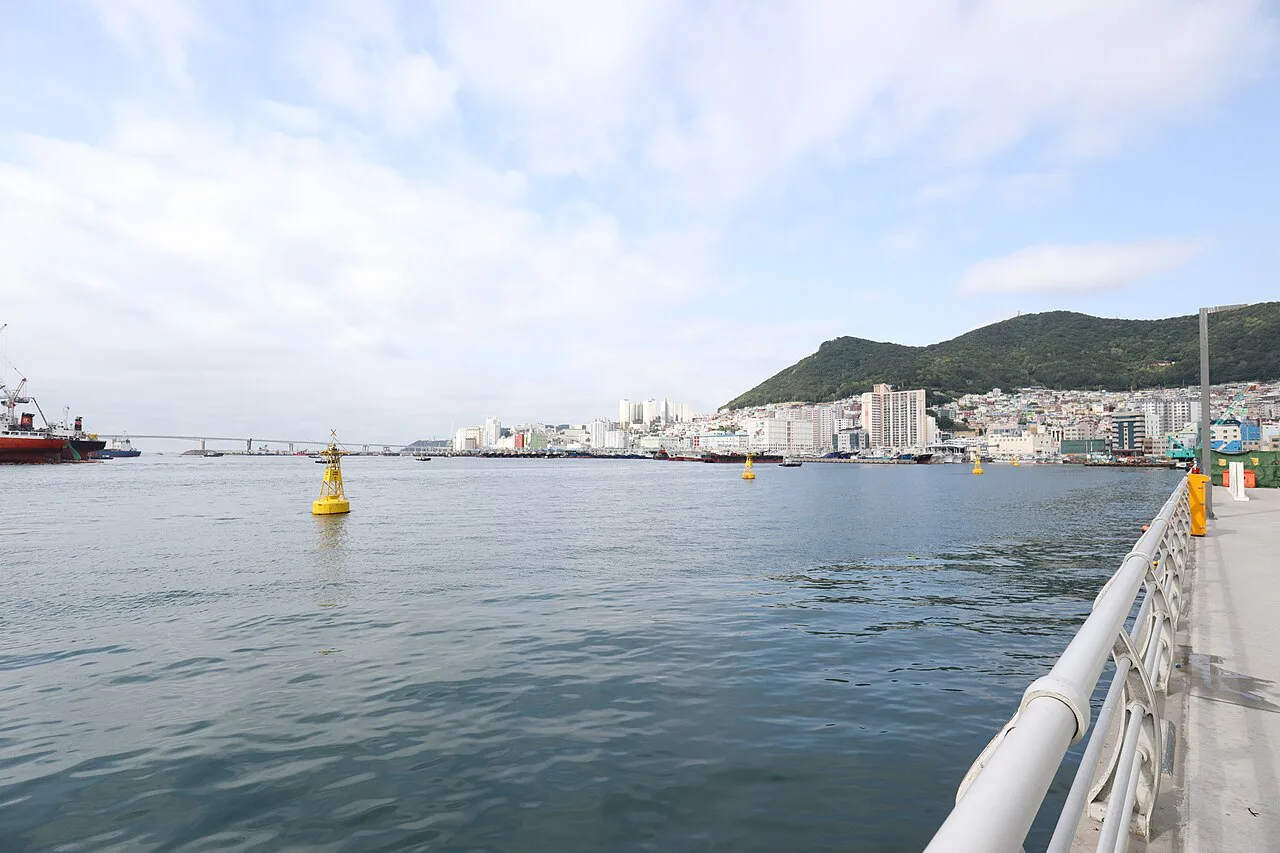
Featured image: Bernard Gagnon, CC0, via Wikimedia Commons.
Is Busan in Winter Worth Visiting?
Yes, if you want sea views, temples, food markets and hot springs without summer queues. Snow is rare in the city, so Busan wins over Seoul for travelers who dislike deep freezes. Beach swimming is off the table, and mountain snow sports mean leaving town. Families, solo travelers and friend groups all fit, provided they pack for wind. Compare other months in our Best Time to Visit Busan: Month-by-Month Guide guide.
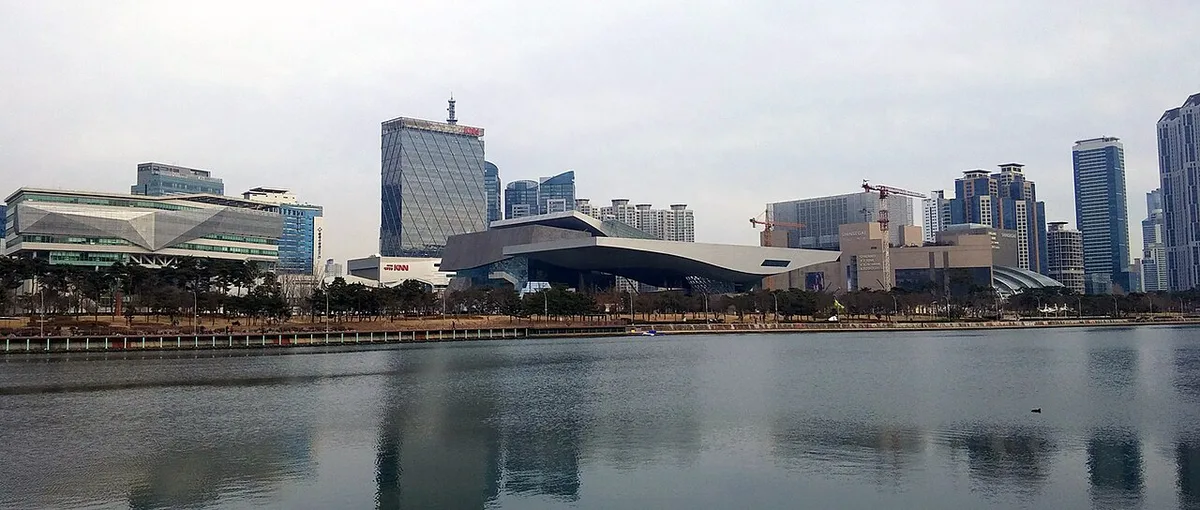
- Good for: temples, markets, spas, light displays and quiet viewpoints.
- Weak for: swimming, long beach walks and anything that depends on snow.
- Feels like: dry cold, with sharper chill on exposed coastline.
Busan Winter Weather and What to Pack
Expect December highs near 10°C (50°F) and January lows around -1°C (30°F), based on typical climate normals from the Korea Meteorological Administration. Daytime highs in January and February usually sit near 7°C (45°F). Wind off the water makes it feel colder than the thermometer says. Rain is light and most days are dry, which is why a windproof shell beats a heavy umbrella. Pack thermal layers, gloves, a scarf and shoes with grip for hillside lanes. Month-level detail lives on our Busan Weather by Season: What to Expect and Pack page.
Winter Month by Month: December, January, February
Late autumn leads in gently, so see Busan in November: Weather, Foliage & Trip Tips if your dates are flexible. December brings Christmas lights and year-end events, with crowds building around Nampo-dong and Gwangalli on holiday weekends. January is the coldest and quietest stretch, covered in Busan in January: Weather, What to Do & What to Skip. February eases toward spring, with milder afternoons. Full festive planning is in Busan in December: Weather, Events & What to Do. Light shows and festival dates change each season, so check the Visit Busan event pages for the 2026-27 schedule.
- December: lights, Christmas tree displays on Gwangbok-ro in Nampo-dong, busiest weekends.
- January: coldest weather, thinnest crowds, best for spas and markets.
- February: late-winter thaw and a shoulder-season feel.
Best Things to Do in Busan in Winter
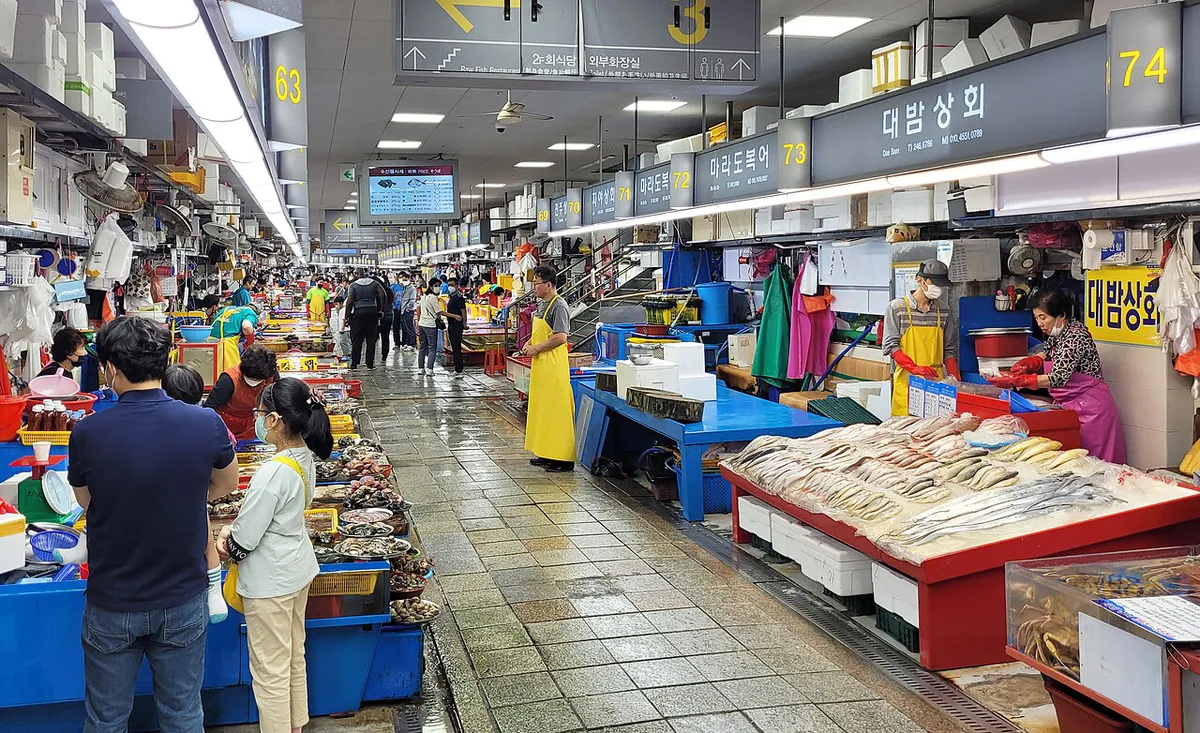
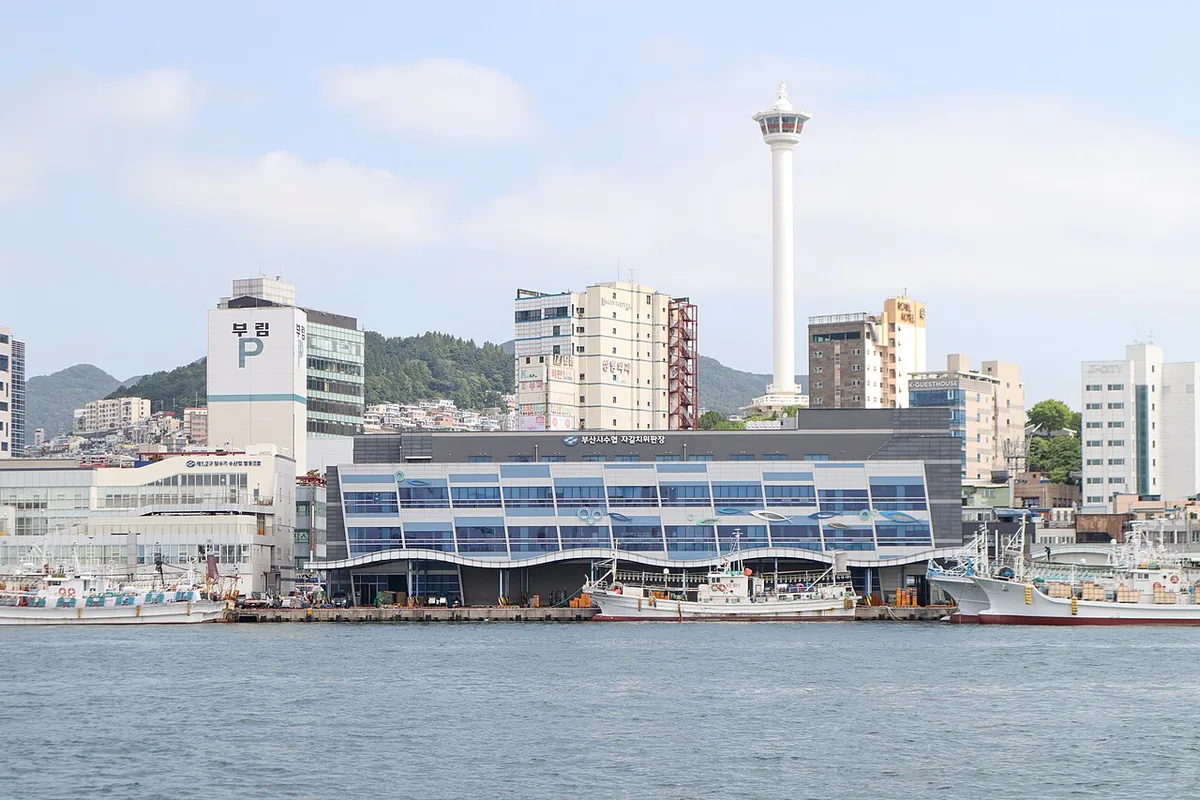
Start with heat. Spa Land at Shinsegae Centum City opens 08:00-23:00 daily, and its outdoor foot bath runs warm in cold seasons. Sea Life Busan Aquarium in Haeundae opens 10 AM to 7 PM on weekdays and 10 AM to 8 PM on weekends. Shark feeding runs daily at 14:00, and penguin feeding at 11:30 and 15:30. For warmth with flavor, walk Haeundae Market for tteokbokki and odeng. Gukje Market is open daily 09:00-20:00 except Sundays. Jagalchi Market runs 05:00-22:00, closed on the 1st, 3rd and 5th Tuesdays. Coastal sights suit late morning, when the sun is highest. Haedong Yonggungsa Temple opens 04:30-19:20 daily, with last entry at 18:50. Oryukdo Skywalk opens 09:00-18:00 and can close in snow, rain or strong wind.
- Indoors: Spa Land, Sea Life Busan Aquarium, Centum City.
- Coastal: Haedong Yonggungsa, Oryukdo Skywalk, Gwangan Bridge views from Gwangalli.
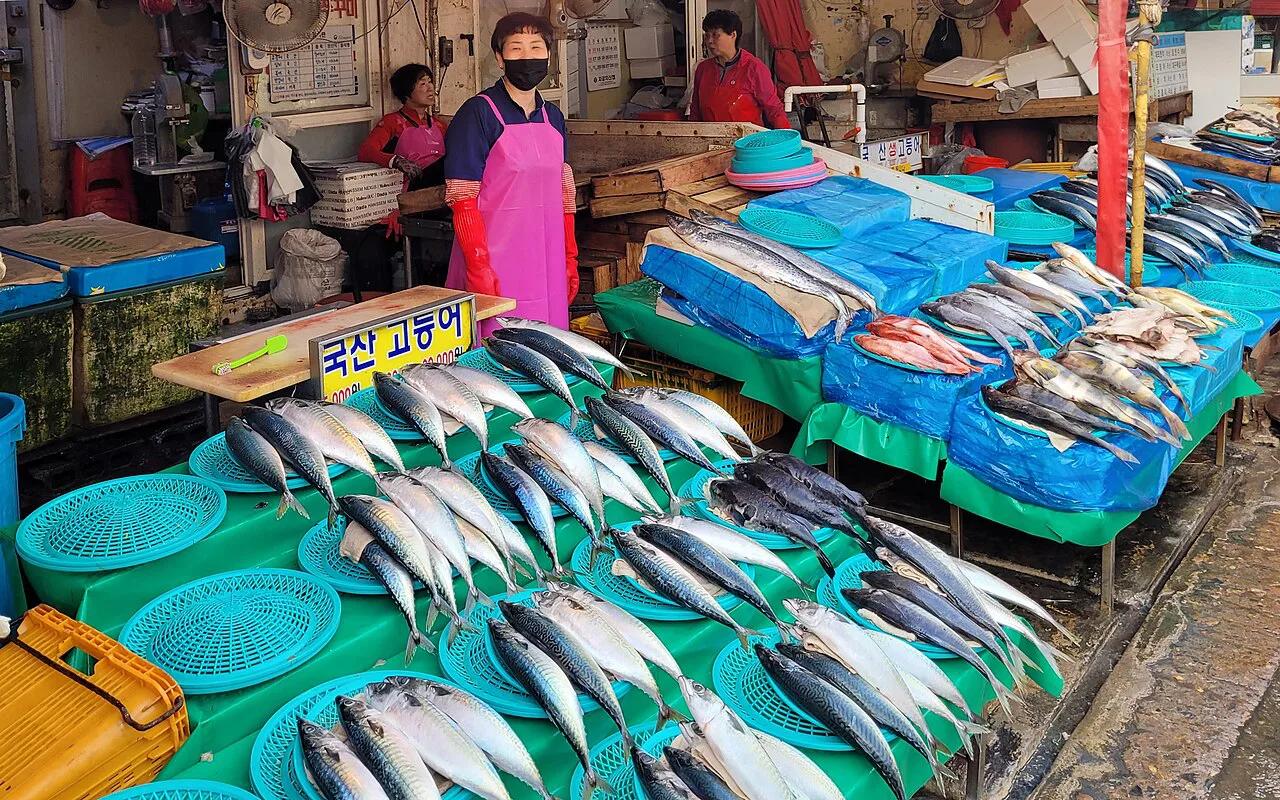
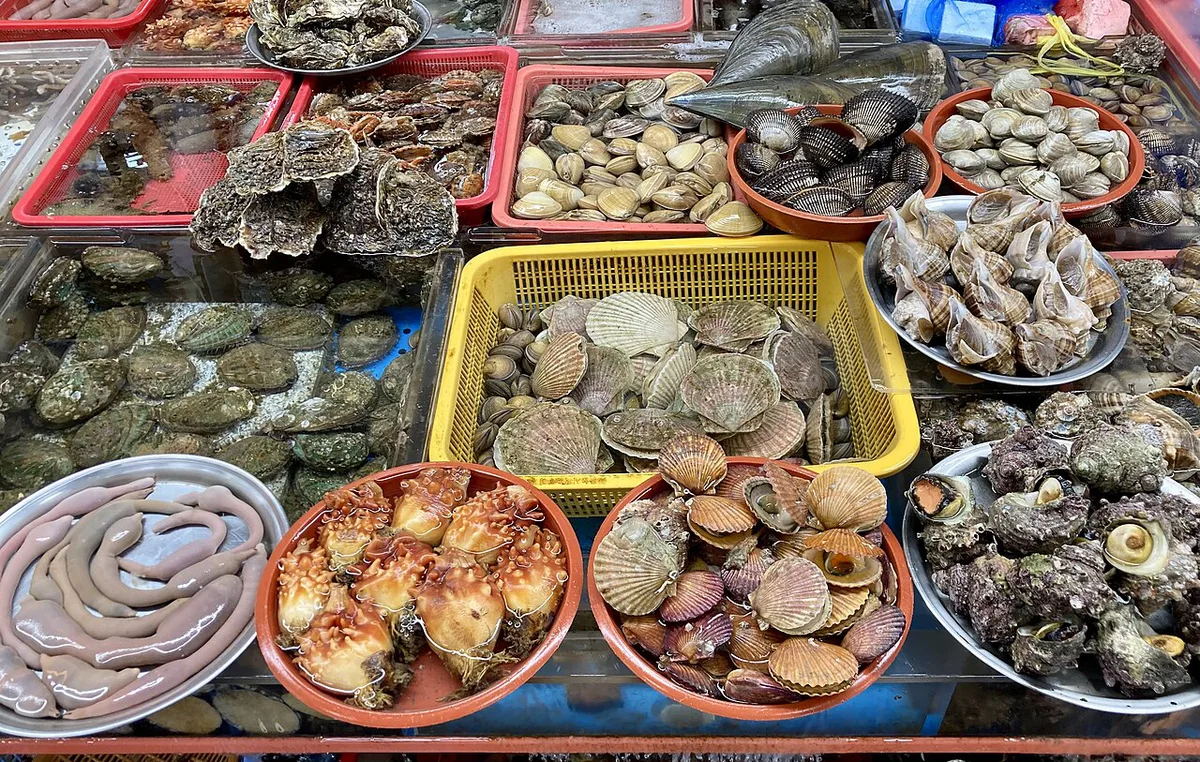
- Food: Haeundae Market, Gukje Market, Jagalchi Market.
Cold-Weather Picks: Do, Time Smartly or Skip
Exposure to wind decides how much a sight suffers. Haedong Yonggungsa and Oryukdo sit on open coast, so go midday and bundle up. Busan Tower on Yongdusan Park is open 10:00-22:00 with last admission at 21:30, and its glass shelters you from gusts. Gamcheon Culture Village is hilly, so frost can make lanes slippery. Skip the Haeundae Sky Capsule in strong wind or heavy rain, and check current operations first. Eden Valley ski resort lies outside the city, so skip it unless you have a car or a confirmed transfer. Leave beach swimming for another season; Busan in Summer: Beaches, Heat, Rain & Planning Guide covers that.
Coastal stops belong before 15:00, and Oryukdo Skywalk opens 09:00-18:00 but can close in strong wind.
How Many Days and a Simple Winter Itinerary
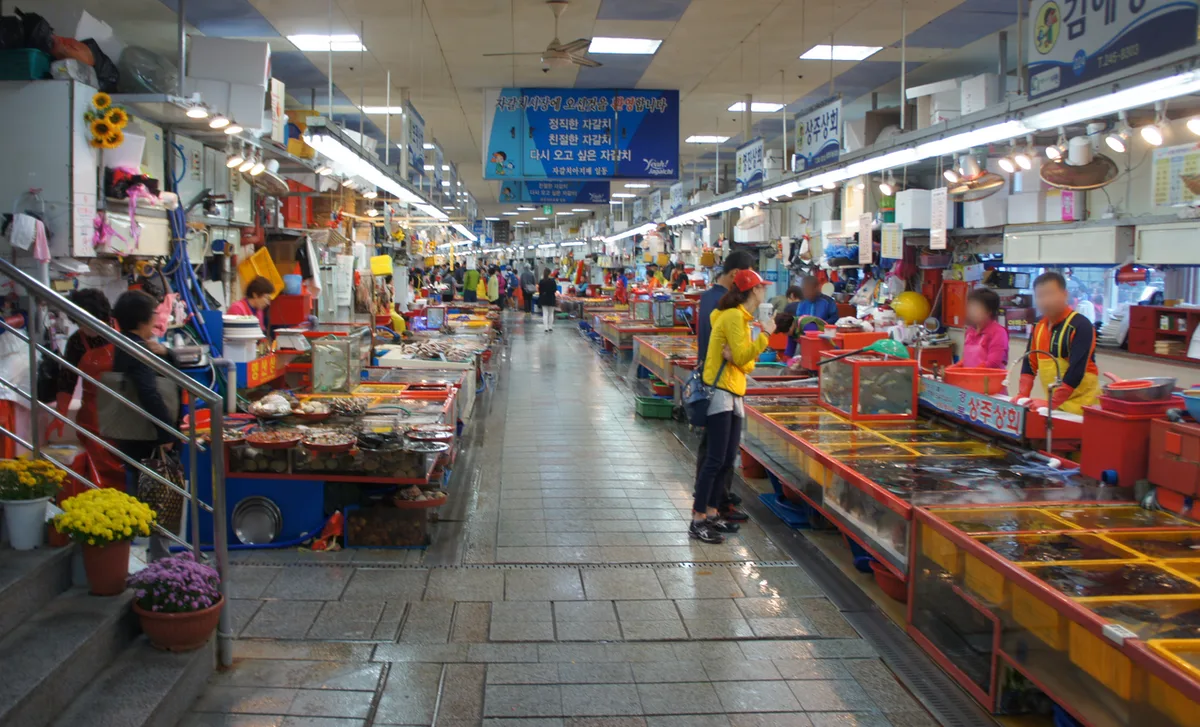
Two days covers the essentials. Daylight is short, so put coastal stops before 15:00 and indoor stops after. Day one: Haedong Yonggungsa in the morning, Haeundae Market for lunch, then Sea Life or Spa Land. Day two: Gukje and Jagalchi markets, Busan Tower at dusk, then the lights on Gwangbok-ro. A third day adds Oryukdo Skywalk and Gamcheon. Solo travelers can swap the aquarium for a longer spa visit, since basic Spa Land admission covers 4 hours.
Gukje Market runs 09:00-20:00 except Sundays, so day two's market stop needs a non-Sunday date in your plan.
Costs, Tickets and Opening Hours
Prices and hours checked November 2026. Attraction pricing barely moves in winter. Spa Land costs ₩26,000 for adults and ₩21,000 for students. Busan residents get ₩3,000 off with ID. Basic admission covers 4 hours, and each extra hour adds ₩5,000. Spending ₩10,000 or more on the in-facility account buys 2 extra hours. Avoid the maintenance checks at 2 PM and 5 PM, which last about 30 minutes each. Busan Tower costs ₩12,000 for adults and ₩9,000 for children or seniors aged 65 and older. Haedong Yonggungsa and Oryukdo Skywalk are free (see our free things to do in Busan). Market stall prices differ by store. For Sea Life, see its official site for ticket rates; hotel rates are the main winter swing, so compare listings for your dates.
Where to Stay and Getting Around in Winter
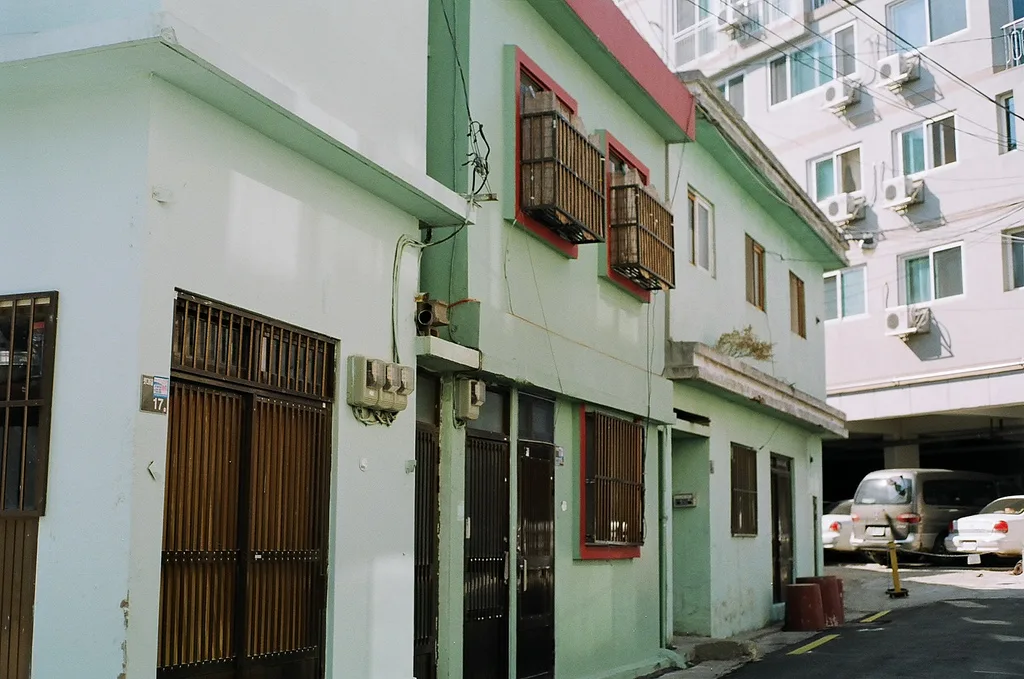
Haeundae and Gwangalli put you near the sea, the aquarium and night lights. Nampo and Seomyeon suit those who want transit and indoor food streets. For Haedong Yonggungsa, take Exit 7 of Haeundae Station on Line 2, then Bus 181, 100 or Haeundae 9. Gukje Market is a 7-minute walk from Exit 7 of Jagalchi Station on Line 1. Jagalchi Market is 6 minutes from Exit 2 of Nampo Station. Take a taxi on windy evenings between Gwangalli and Haeundae. Book year-end weekends early. Official transport details are on the Visit Busan guide.
Busan in Winter vs Other Seasons
Winter trades warmth for space. Spring brings blossoms, as in Busan cherry blossom season. Autumn adds film crowds, covered in the Busan International Film Festival: Visitor Guide guide. Entry prices stay flat across seasons, so the real swing is hotel demand.
| Season | Typical high | Crowds | Price note |
|---|---|---|---|
| Winter | about 7°C (45°F) in January | Low, except holiday weekends | Spa Land ₩26,000 and Busan Tower ₩12,000, same all year |
| Spring | Mild; see blossom guide | High at peak bloom | Hotel demand rises |
| Summer | Warm; beach season | High on beaches | Hotel demand rises |
| Autumn | Mild; festival month | High around the festival | Hotel demand rises |
Frequently Asked Questions
Is it snowing in Busan in January?
Snow is uncommon in the city, and most January days are dry and windy. Expect lows around -1°C (30°F). Mountains and the ski areas outside town see far more snow than the coast.
What months are winter in Korea?
Winter runs December through February. January is usually the coldest month. Busan stays milder than Seoul across all three.
Notes for your Korea trip
Optional updates to our city guides.
You might also like
Continue reading
More guides you'll find useful