Busan in January: Weather, What to Do & What to Skip
Planning Busan in January? See what the cold means, the best indoor and outdoor picks, how to get around, and who should visit or skip.
On this page
Last updated November 2026: Busan in January is cold, dry and low-season, with strong wind off the sea. It suits travelers who want fewer crowds, hot springs, indoor sights and winter sunrises, and it does not suit beach trips. Below you will find weather-based picks, hours and prices, and a plan for each kind of day.
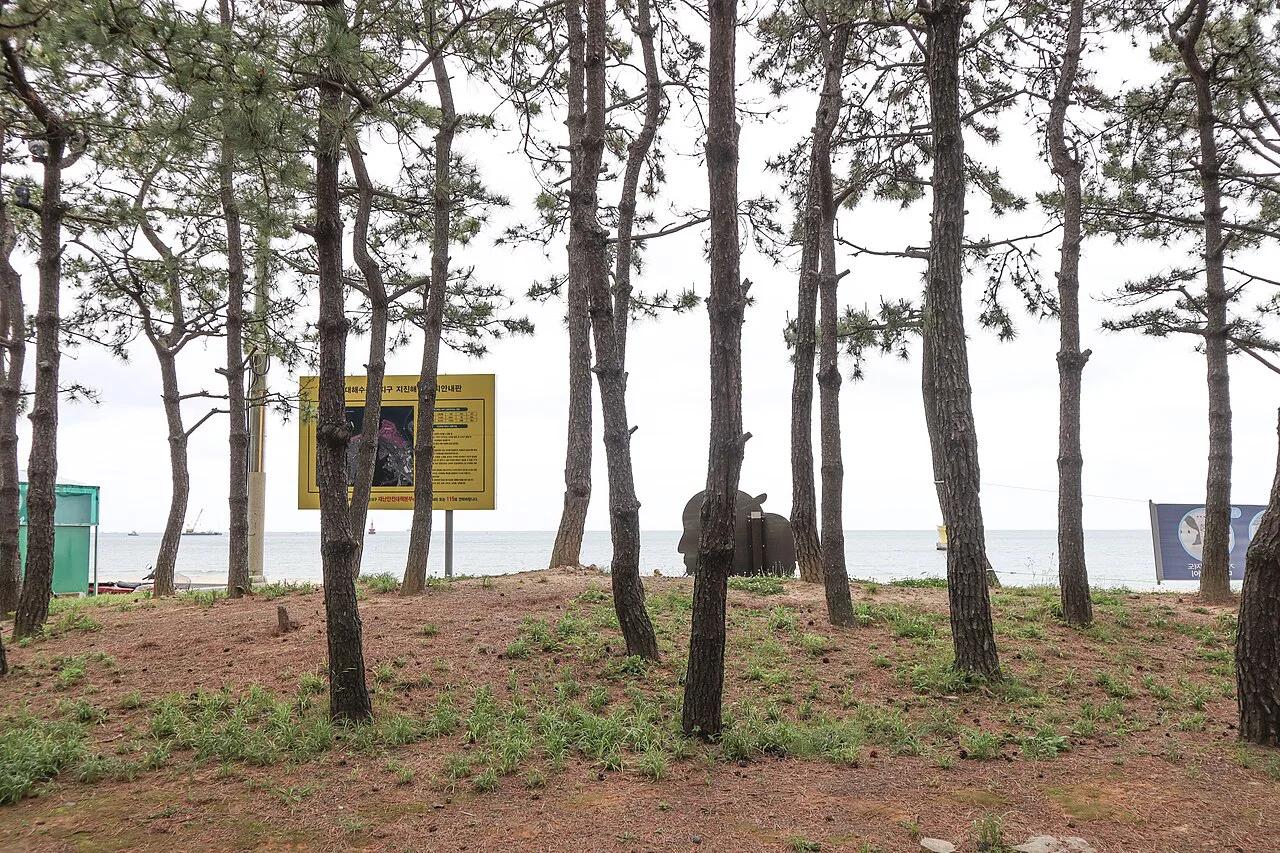
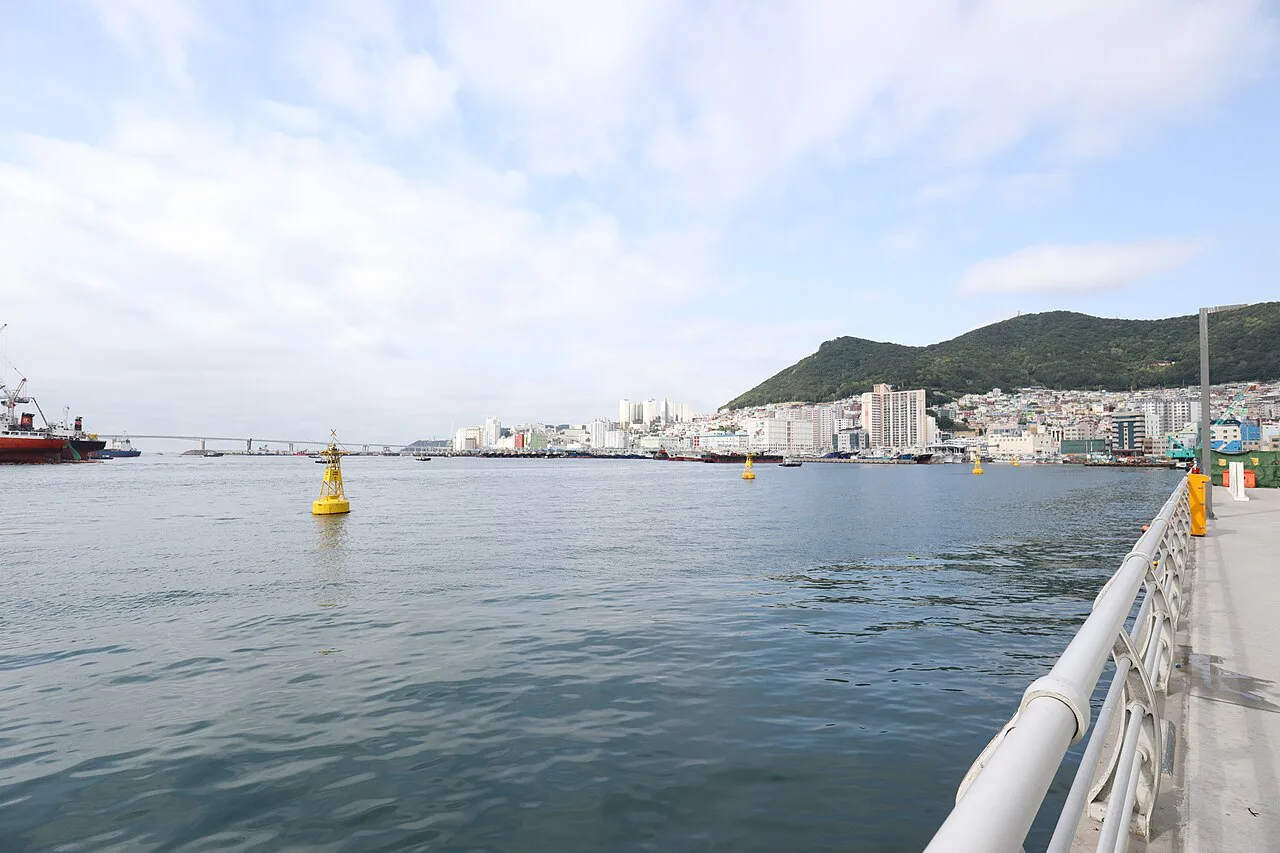
Featured image by Junho Jung at Flickr from South Korea, CC BY-SA 3.0, via Wikimedia Commons.
Busan in January: who it suits and who should skip
January is the coldest month in Busan. Days are often dry and sunny, yet sea wind makes the waterfront feel colder than the air alone. Visitor numbers and demand drop, so queues are shorter at popular sights. Choose January if you like quiet temples, hot baths and warm food. Skip it if you want swimming or long rooftop views in strong wind. Mobility matters too, because hillsides and stairs turn slippery on frosty mornings. Our year-round timing guide compares every month.
Busan weather in January and what to pack
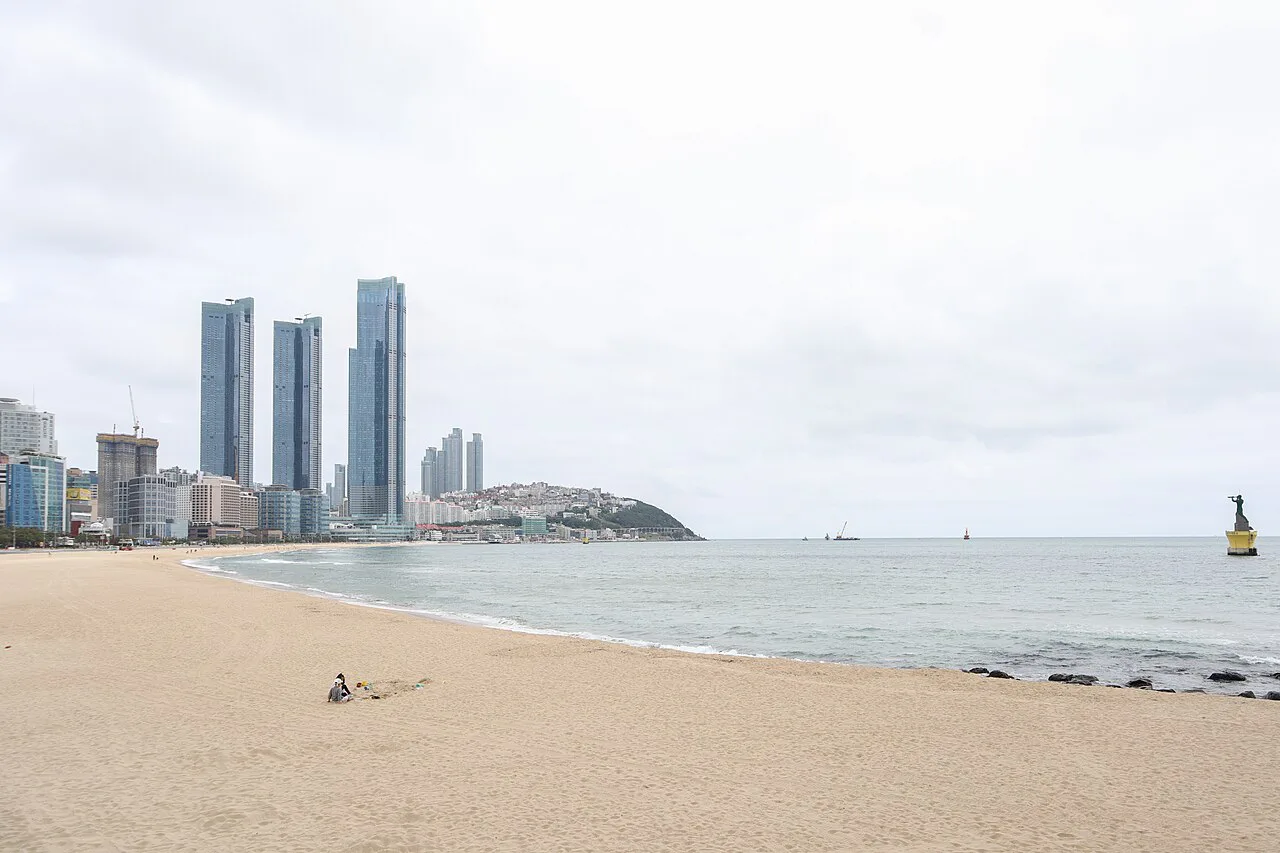
Expect cold, dry, clear weather with wind off the sea. Haeundae and Gwangalli seafronts take the full wind. Inland downtown and Seomyeon feel easier because you can duck into indoor areas. Gamcheon's hillside and Beomeosa's mountain paths add stairs and slope. For daily temperatures and any snow warning, use the Korea Meteorological Administration forecast. Month-level climate notes sit in our monthly weather details. Layering works best, and the list below covers it.
- Wind-proof outer layer, since sea wind is the main discomfort
- Thermal base layer under your regular clothes
- Hat and gloves for the seafront and temple grounds
- Grippy shoes for hills, stairs and frosty mornings
- Warm-up stops: cafes, jjimjilbang, department stores and subway concourses
Best things to do in Busan in January by weather type
Match each plan to the day, not the date. On a cold or windy day, go indoors to Spa Land, the aquarium or Gukje Market. When skies are clear, use daylight for Haedong Yonggungsa, Beomeosa Temple or Gamcheon Culture Village. A short Haeundae seafront walk fits a clear midday, then warm up indoors. Finish hillside walks before dark, since stairs and ice are harder to read at night.
| Activity | Weather sensitivity | Transit effort | Best day type |
|---|---|---|---|
| Spa Land | Low | Low | Cold or windy |
| Sea Life Busan Aquarium | Low | Low | Windy or wet |
| Gukje Market | Medium | Low | Cold but dry |
| Haedong Yonggungsa Temple | High | Medium | Clear |
| Beomeosa Temple | High | Medium | Clear |
| Gamcheon Culture Village | High (hills, stairs, ice) | Medium | Clear, daytime only |
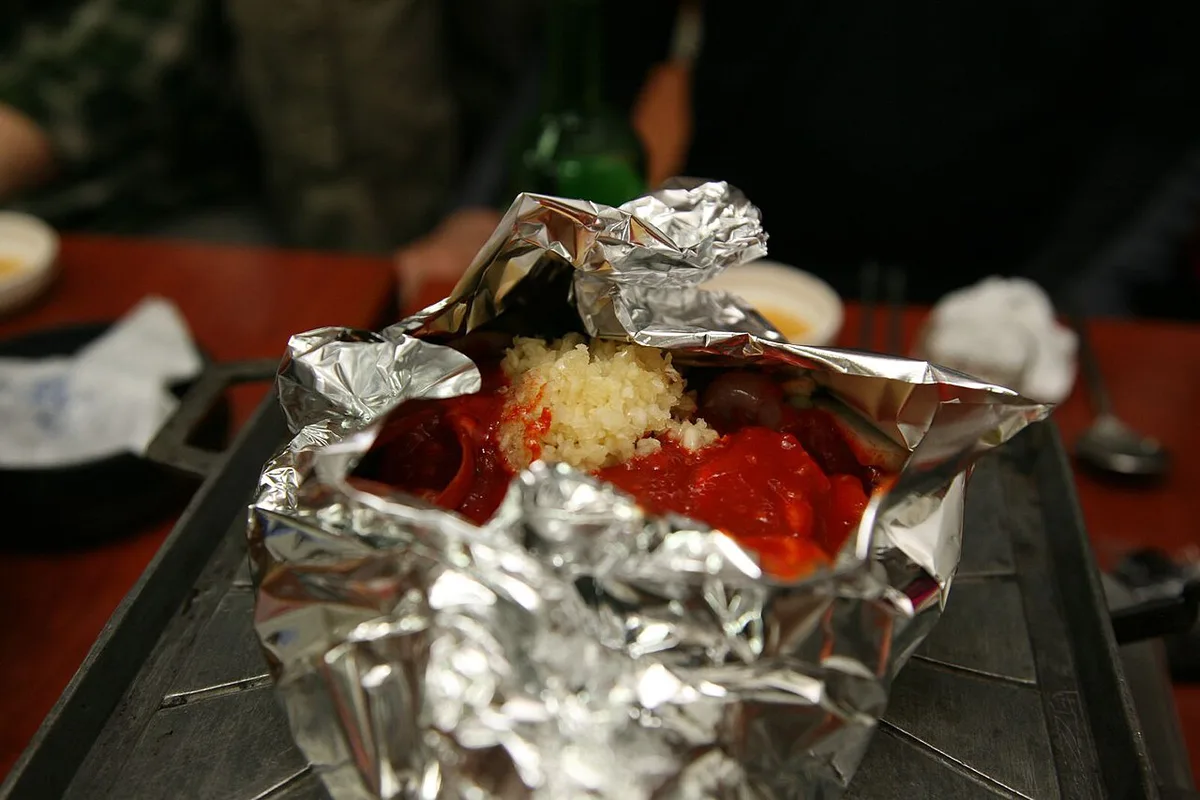
Spa Land and hot springs for the coldest days
Prices and hours checked November 2026. Spa Land in Haeundae-gu opens 08:00–23:00 with no regular closing days. Adult entry costs ₩26,000 and student entry ₩21,000. Basic admission covers 4 hours. Each extra hour adds ₩5,000. Spending ₩10,000 or more per person on the in-facility account buys 2 extra hours. Daily maintenance checks start at 2 PM and 5 PM and last about 30 minutes each. Plan your soak around them. Its outdoor foot bath stays warm in cold seasons, which suits January. Hurshimchung is another hot-spring option for cold days. Visit Busan's listings are the place to look for its current details.
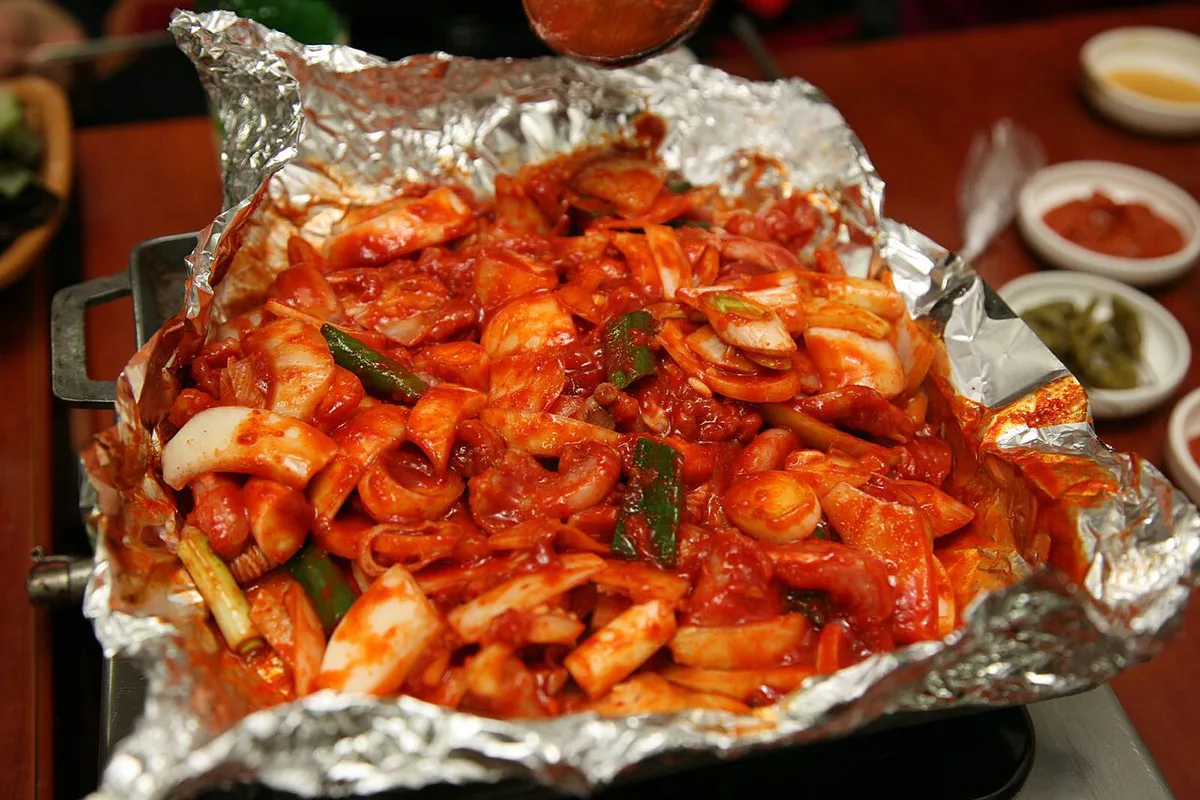
Sea Life Busan Aquarium for wind or rain
Sea Life Busan Aquarium sits at 266 Haeundaehaebyeon-ro in Haeundae-gu. Weekday hours run 10 AM to 7 PM, with last entry at 6 PM. Weekends run 10 AM to 8 PM, with last entry at 7 PM. Feedings are free with admission. Otters feed at 10:30 and 14:30 on B2F. Penguins feed at 11:30 and 15:30 on B2F. Sharks feed at 14:00 on B3F. Hours can shift with site conditions and weather, so check before visiting. Pair it with Spa Land for a compact bad-weather day in Haeundae-gu.
Daily maintenance checks start at 2 PM and 5 PM and last about 30 minutes each. Sharks feed at 14:00 on B3F, so plan the aquarium around both.
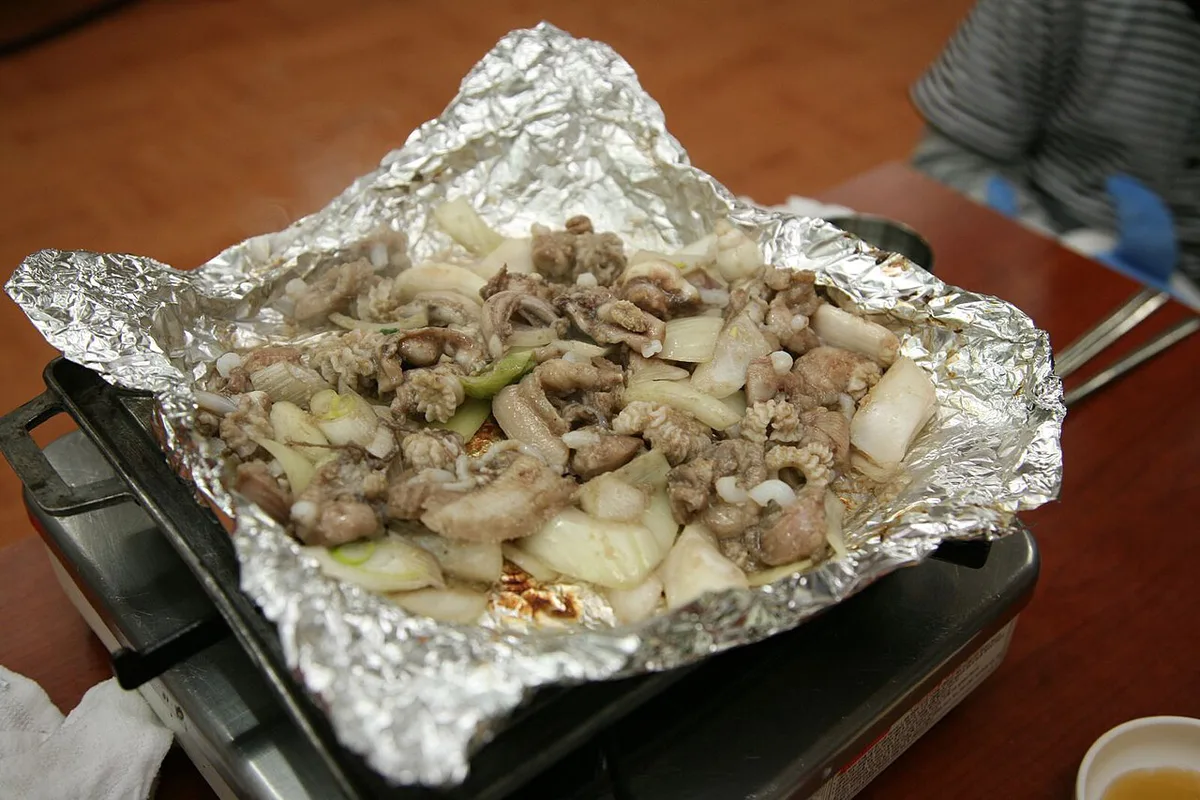
Temples, markets and hillside walks on clear days
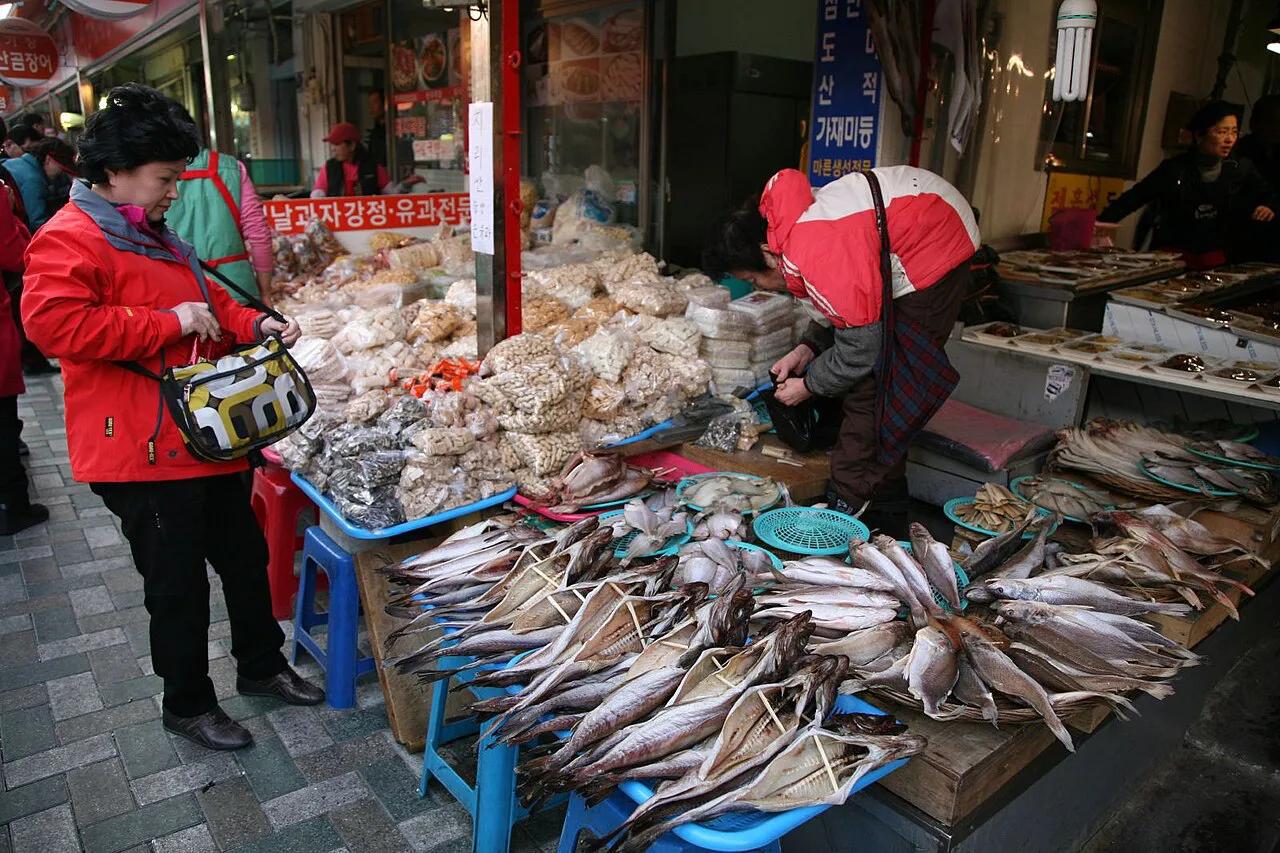
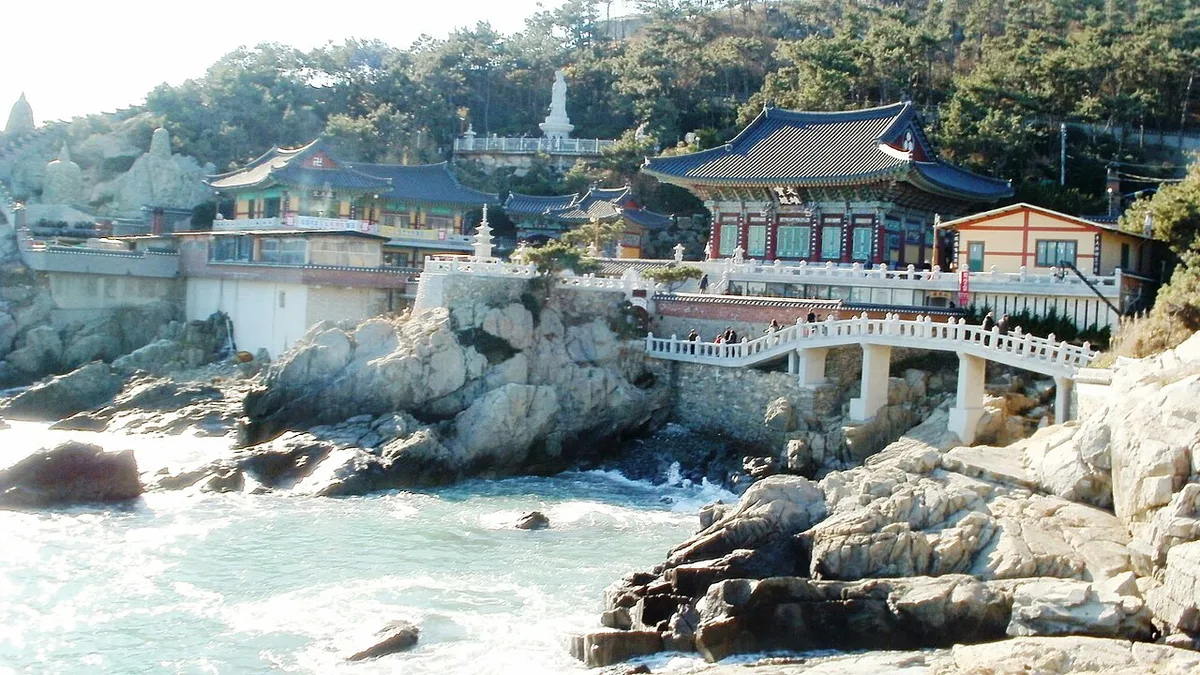
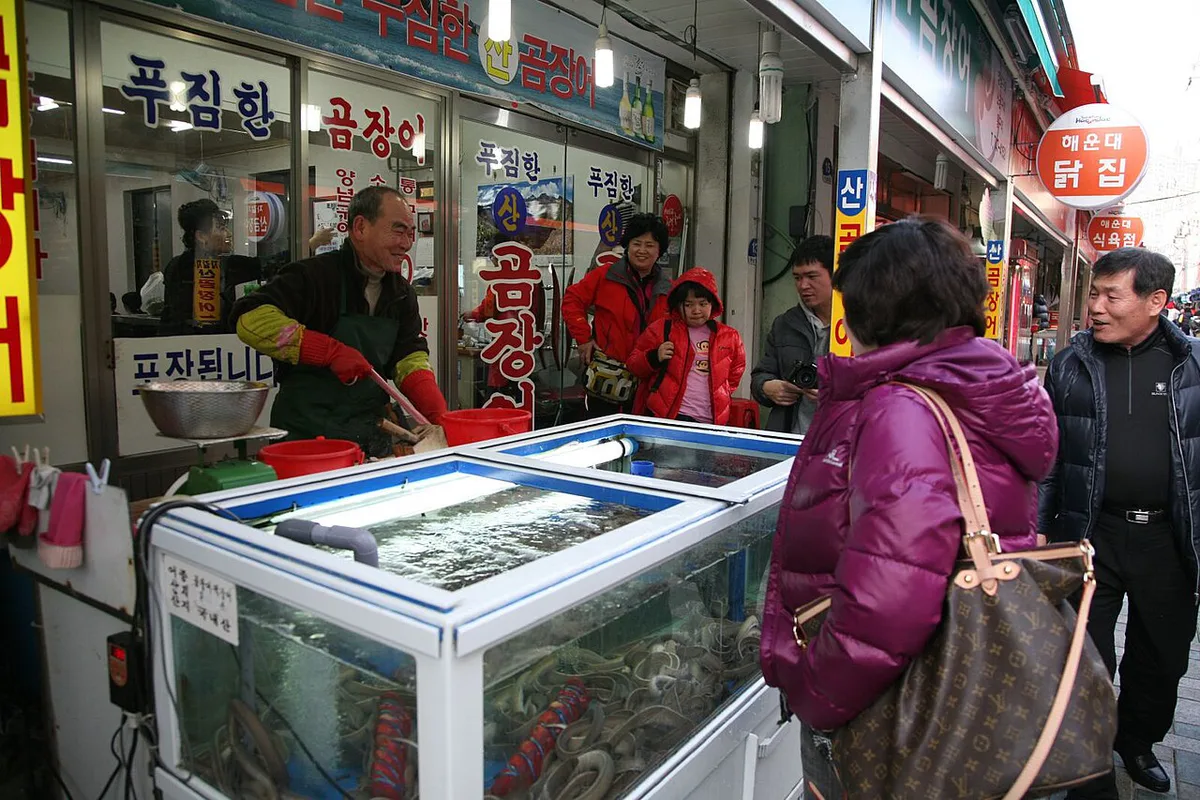
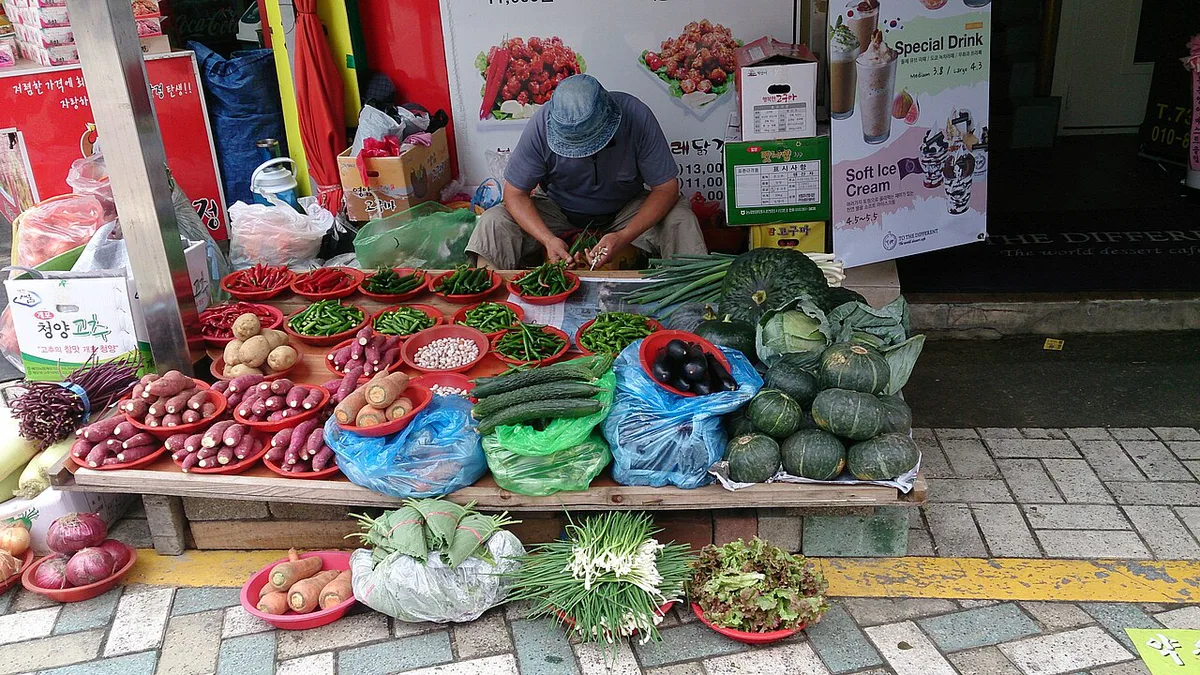
Haedong Yonggungsa Temple in Gijang-gun is free. It opens daily from 04:30 to 19:20, with last entry by 18:50. Early opening suits a winter-sunrise visit. Use the side doors for the Buddhist Sanctuary, since the front door is for monks. Lower your voice and keep shoes organized. Gukje Market trades 09:00–20:00, with hours differing by shop, and closes on Sundays. From Exit 7 of Jagalchi Station on Line 1, walk 7 minutes. Buses 15, 40, 86, 126 and 186 also serve the Gukje Market stop, followed by a 4-minute walk. Beomeosa Temple sits up steep forest paths, so allow for the climb. Winter usually means fewer people there. Gamcheon Culture Village adds stairs and narrow lanes, so skip it on icy days.
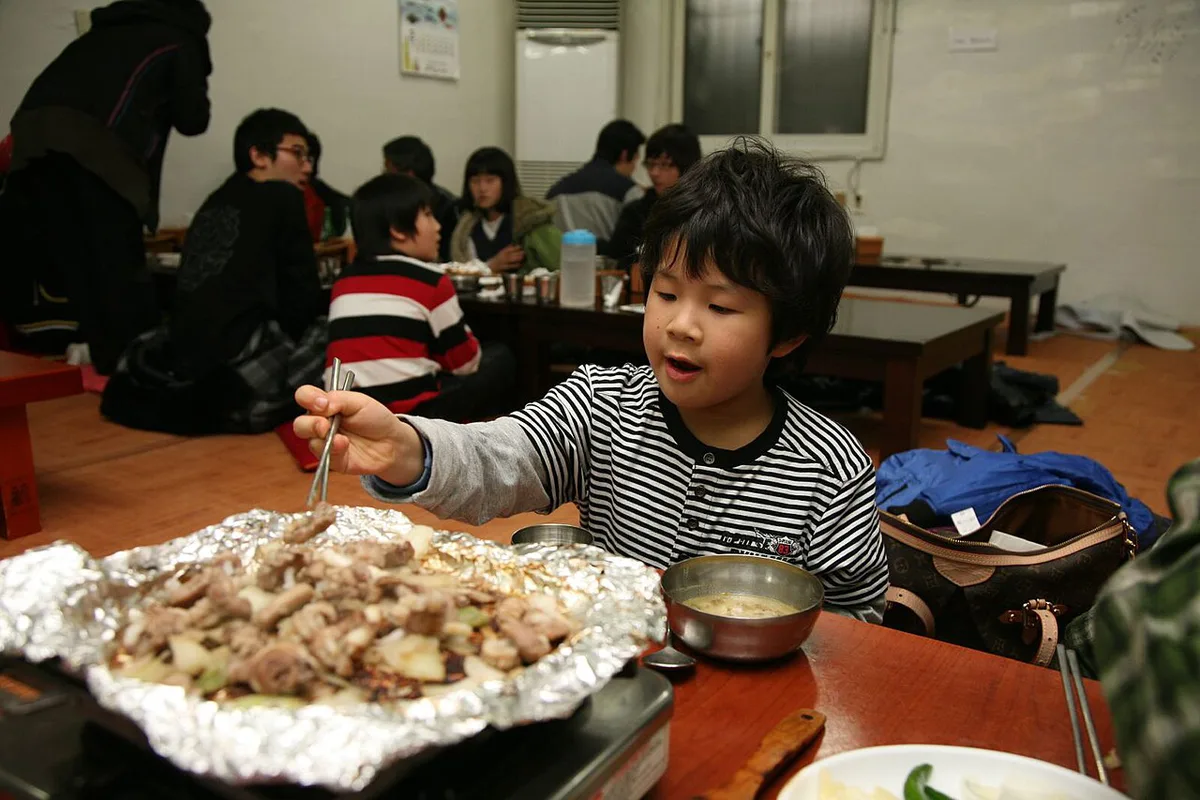
Getting around Busan in cold weather
Metro lines are the warmest way to move, and subway concourses double as sheltered walkways. For Haedong Yonggungsa, ride Line 2 to Exit 7 of Haeundae Station. Then take Bus 181, 100 or Haeundae 9. From the Donghae Line, leave Osiria Station by Exit 1 and take Bus 139. Parking at the temple is charged. Farther Gijang stops, such as a strawberry farm or indoor surfing, need a connecting bus and walks of 3 to 9 minutes at the end. Without a car, treat Gijang as a half-day-plus detour. Haeundae-area sights are the faster choice on a short trip. Taxis tend to cost more in bad weather.
Costs, crowds and where to stay
January is low season, so hotel rates are generally cheaper than in summer. Queues at some sights are shorter. Heating-dependent options and winter taxis cost more. At Spa Land, a ramyeon and drink set at Ottogi Ramen Land costs ₩10,000. That matches the spend threshold that unlocks 2 extra hours. Service fees at Gukje Market differ by store. Pick your base by how you plan to spend cold evenings.
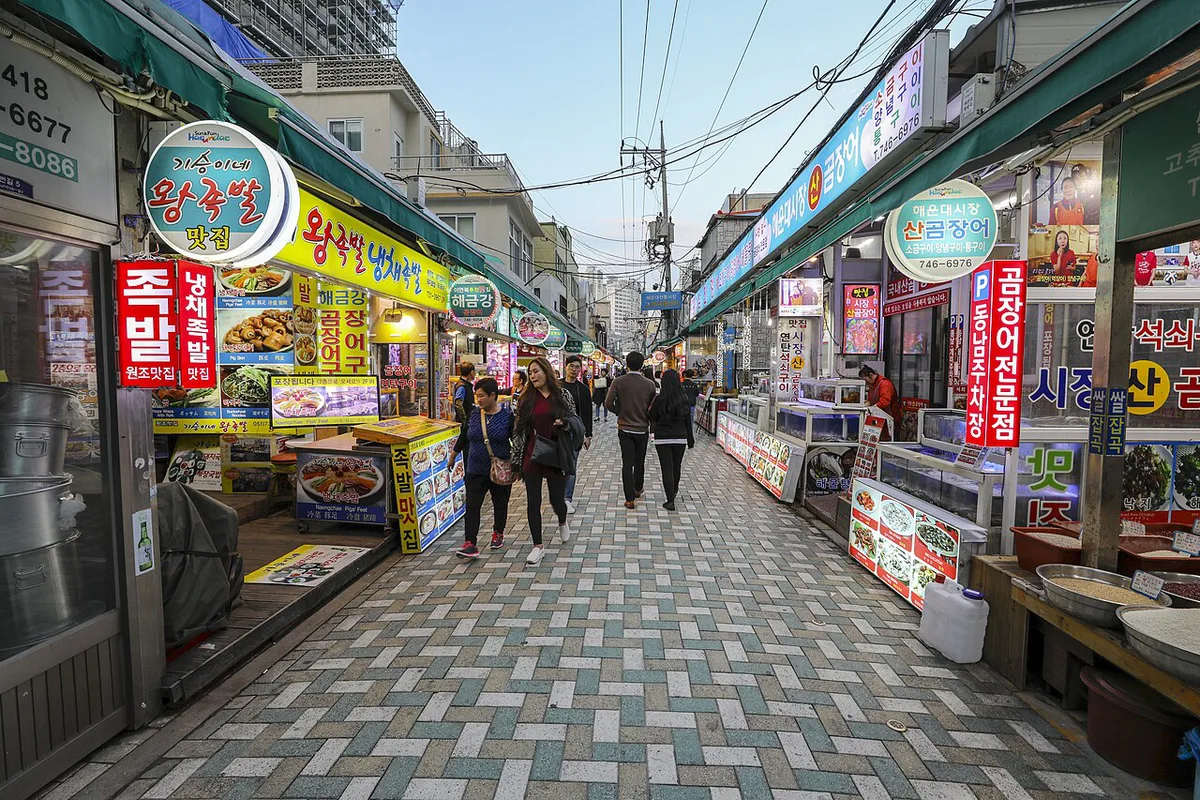
- Haeundae: beach and nightlife, windy and quieter in winter, close to Spa Land and the aquarium in Haeundae-gu
- Seomyeon: central transit hub with indoor areas for cold evenings
- Nampo and Busan Station: older city, markets, ferry and rail links
Mistakes to avoid in January
Four errors cost travelers the most time in winter.
- Planning beach days or swimming
- Scheduling hillside walks after dark
- Booking Gijang stops without a transit plan
- Trusting an old blog's hours instead of the venue's own page
January events and timing
New Year brings sunrise-viewing season along the coast. Pre-dawn visits to Haedong Yonggungsa work because the gates open at 04:30. Lunar New Year falls in late January in some years and February in others. Check the calendar for your travel year before booking. Event dates change yearly, so see the Visit Busan official guide for current listings.
Busan in January vs the other months
January is quieter than a December trip, which adds the festive season. Our wider winter guide covers the full season. Travelers who find January too cold can pick a November visit. Another milder option is an October trip. Beach lovers should look at summer beach season. Spring travelers can read about cherry blossom timing. For a different-season contrast, see the film festival, an autumn event.
Frequently Asked Questions
Is it snowing in Busan in January?
January in Busan is mostly dry and sunny, and wind is a bigger issue than snow. Snow cannot be promised either way. Watch the Korea Meteorological Administration forecast in the days before you travel.
Notes for your Korea trip
Optional updates to our city guides.
You might also like
Continue reading
More guides you'll find useful