Best Time to Visit Daegu: Month-by-Month Guide
Best time to visit Daegu: April blossom and October to early November are the sweet spots. Winter is cheapest, and July–August heat is the trade-off.
On this page
Last updated November 2026: the best time to visit Daegu is April for cherry blossom and October to early November for clear, mild days. Daegu sits in a basin, and July and August average around 28°C (82°F) to 29°C (84°F), so spring and autumn win on comfort. Winter is the cheapest season, and this guide ranks every month by comfort, cost, and what is in season.
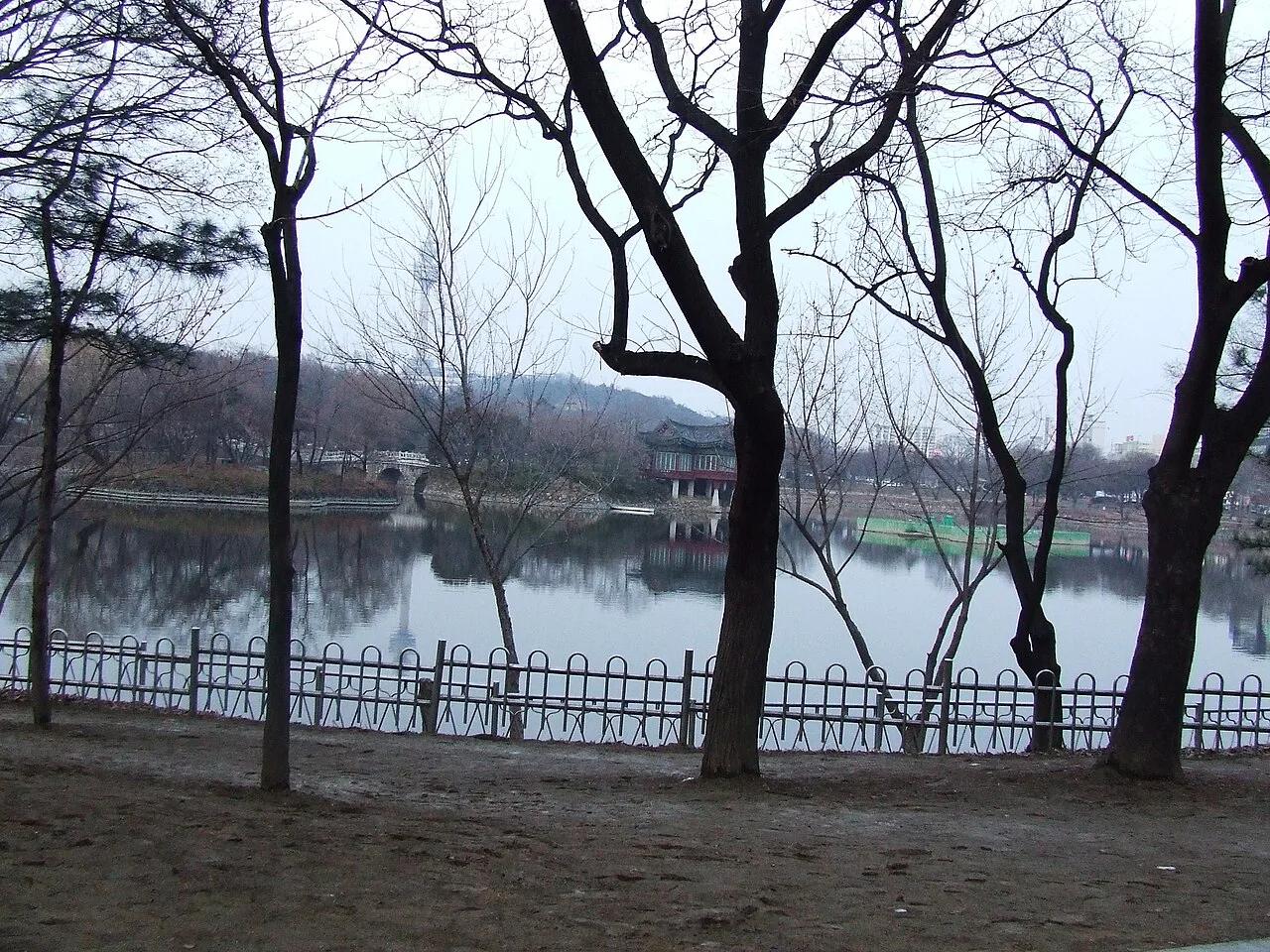
Featured image: Namoroka This photo was taken with Fujifilm FinePix S5600, CC BY-SA 3.0, via Wikimedia Commons.
Best Time to Visit Daegu: The Short Answer
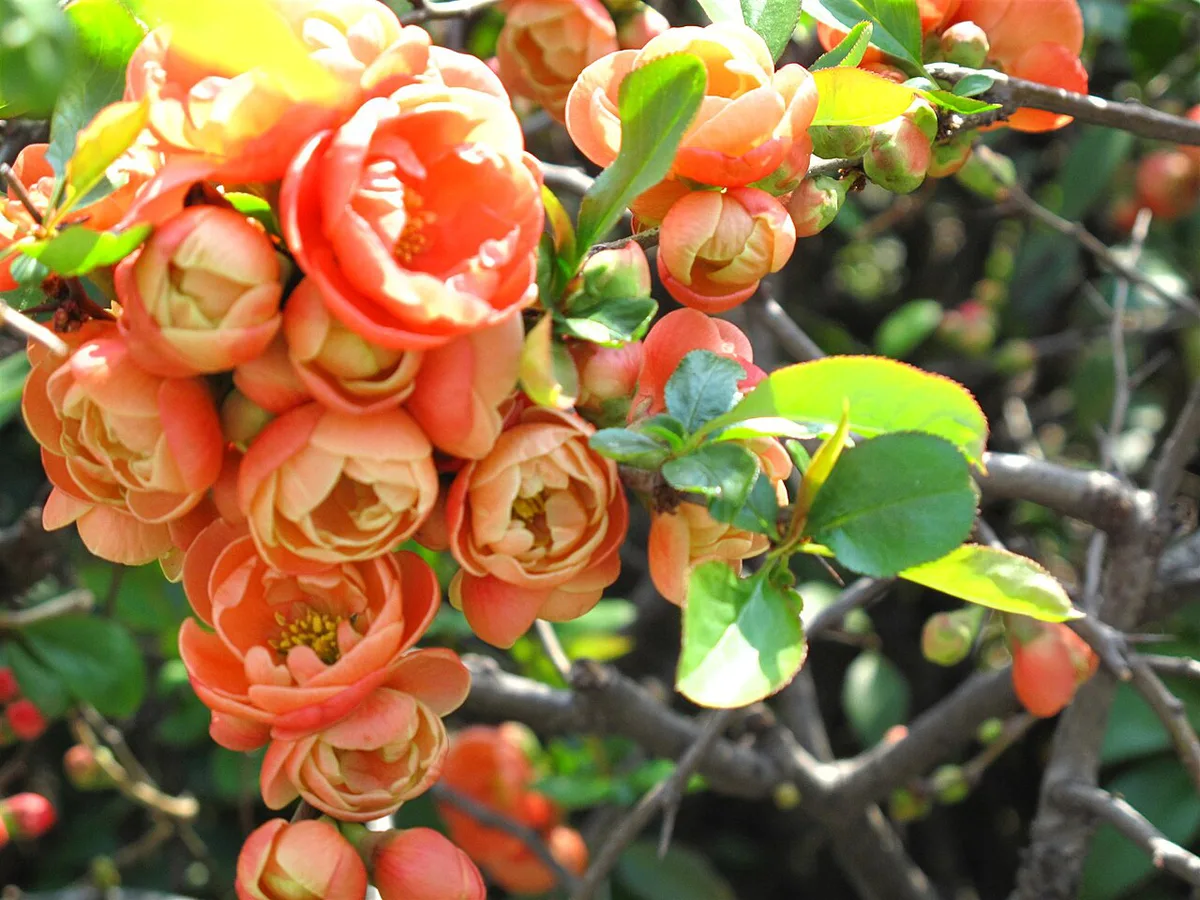
Pick April or October if you want one default. April brings blossom and temperatures near 15°C (59°F). October averages about 18°C (64°F) with clear skies and early foliage on Palgongsan. Winter is the cheapest window, and July–August is the hardest on long outdoor days. Monthly averages in this guide are approximate. Korea's national weather service, the Korea Meteorological Administration, publishes the official climate normals.
- Best overall: October to early November (mild, dry, foliage).
- Best for blossom: late March to early April, with timing that shifts each year.
- Cheapest: December to February, when hotels are at their lowest levels.
- Hardest: July and August, with heat and humidity.
- Best value: May and September, which are warm but sit outside the blossom and foliage peaks.
Best Time to Visit Daegu by What You Want
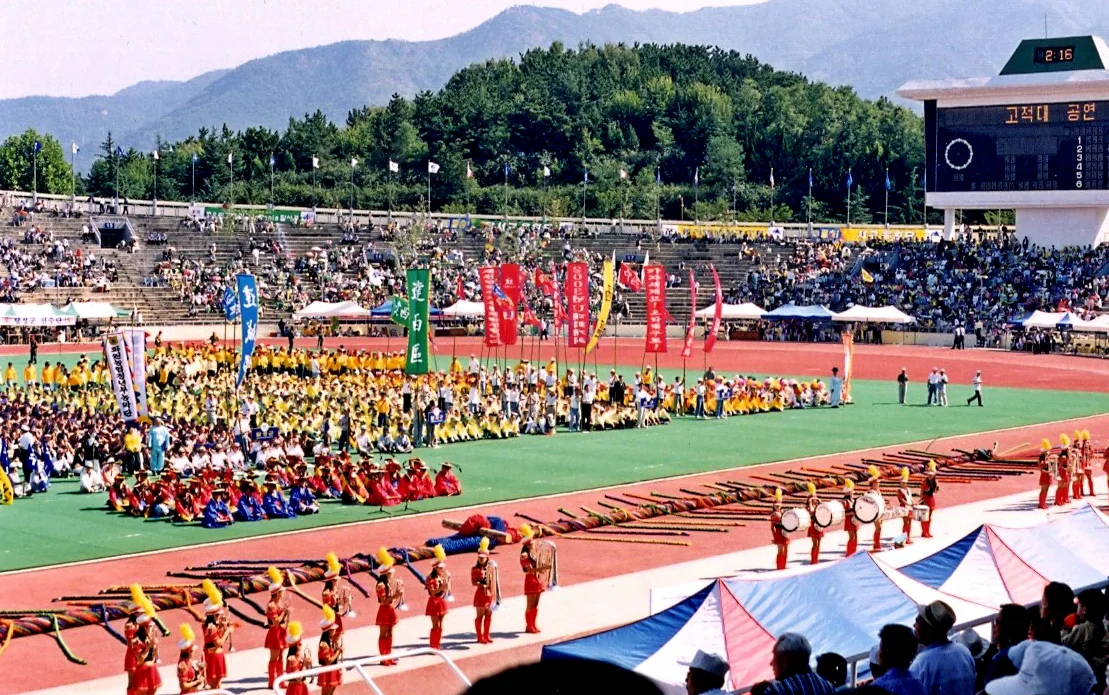
Define "best" by priority first. A blossom trip and a budget trip point to different months. This table gives one answer per goal, plus the main catch. For blossom, start with our guide to cherry blossom spots.
| Your goal | Best month(s) | Watch out for |
|---|---|---|
| Cherry blossom | Late March to early April | Bloom dates move each year; Donghwasa on higher ground blooms later |
| Autumn colour | October to early November | Weekends and foliage crowds on Palgongsan |
| Lowest cost | December to February | Cold days near 5°C (41°F) and short daylight |
| Avoiding heat | April, May, October | Spring weekends can be busy |
| Nightlife and festivals | Late spring to summer evenings | Heat; book stays early for festival weekends |
| Hiking | April to May, October | Trail closures: check park notices |
| Temple visits | Spring and autumn | Lotus Lantern crowds in May |
| Families and older travelers | May, late September, October | Stairs and hills at temples |
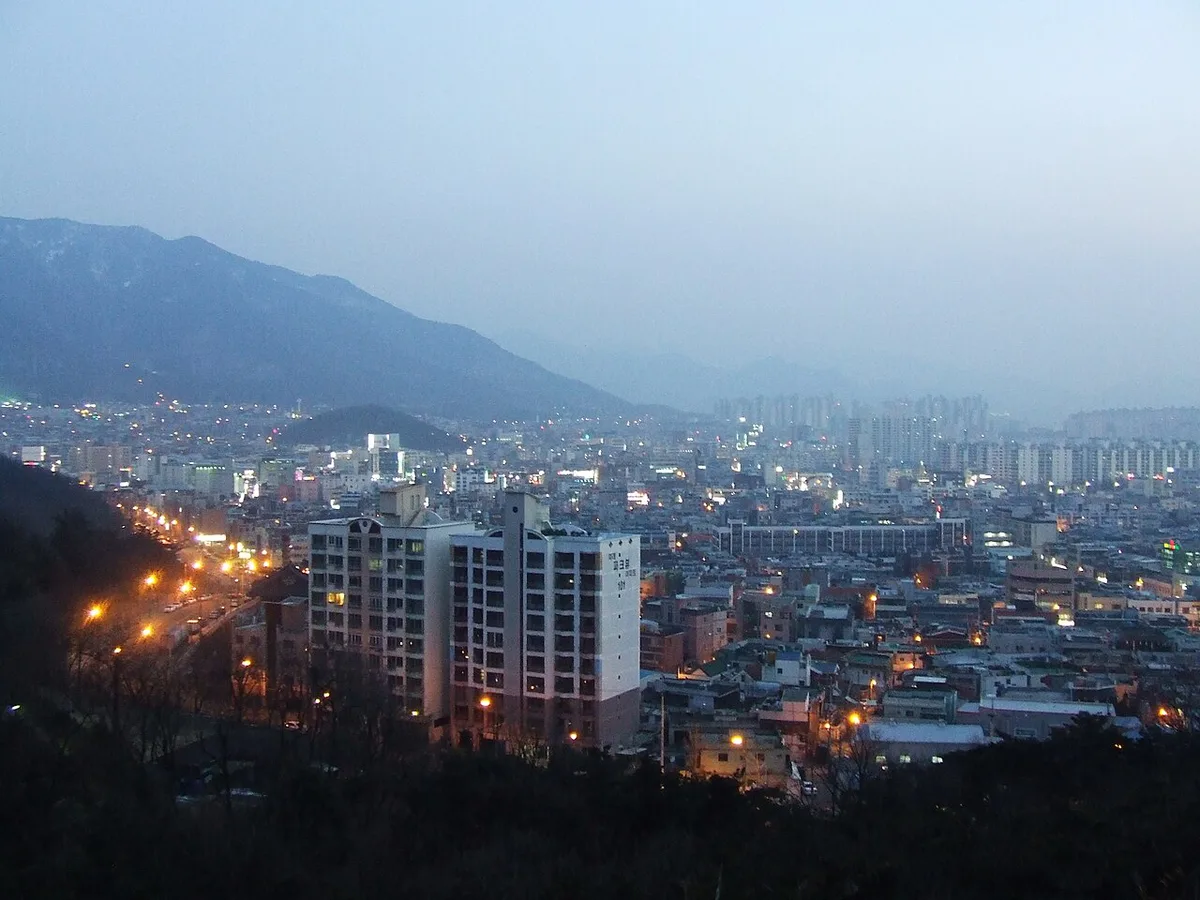
Daegu by Season: Spring, Summer, Autumn, Winter
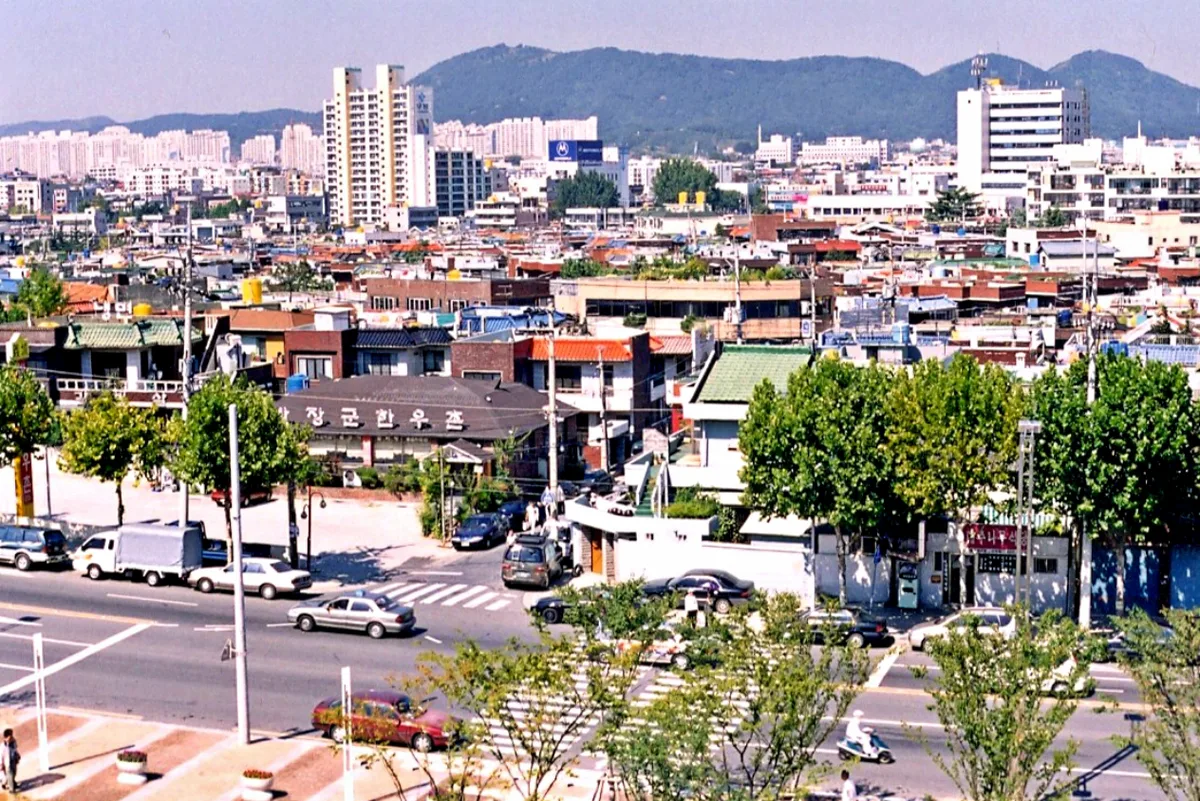
Daegu runs four distinct seasons. Spring is the blossom window, with Duryu Park and Donghwasa as natural stops. Summer is hot and humid, with festival energy after dark. Autumn is the most comfortable stretch for hiking Apsan and Palgongsan. Winter is cold and quiet, and it suits museum and market days. Approximate monthly averages are in the table below.
| Season | Months | Typical average temperatures | Crowds and cost | Trade-off |
|---|---|---|---|---|
| Spring | March to May | 10°C (50°F) in March, 15°C (59°F) in April, 20°C (68°F) in May | High in April; mid to high elsewhere | Blossom and mild days against weekend crowds |
| Summer | June to August | 24°C (75°F) in June, 28°C (82°F) in July, 29°C (84°F) in August | Mid to high, with festival weekends the busiest | Night life and festivals against heat and humidity |
| Autumn | September to November | 25°C (77°F) in September, 18°C (64°F) in October, 12°C (54°F) in November | High in October and November | Best hiking weather against foliage crowds |
| Winter | December to February | 7°C (45°F) in December, 5°C (41°F) in January, 6°C (43°F) in February | Lowest | Lowest prices against cold and short days |
Month-by-Month Guide
Use this table to compare all 12 months quickly. Temperatures are rounded averages. For deeper climate detail, see our monthly climate breakdown. Crowd and cost levels are our editorial assessment, not measured data.

| Month | Feel | Crowd and cost level | Main reason to go or avoid |
|---|---|---|---|
| January | 5°C (41°F), cold and dry | Low | Go for the lowest prices; avoid long hikes |
| February | 6°C (43°F), cold | Low | Quiet museums and markets; check Seollal closures |
| March | 10°C (50°F), cool | Mid | Early blossom at lower elevations |
| April | 15°C (59°F), mild | High | Peak blossom and the most expensive month |
| May | 20°C (68°F), warm | High | Pleasant sightseeing; Lotus Lantern season |
| June | 24°C (75°F), humid start | Mid | Fewer crowds; plan indoor backups |
| July | 28°C (82°F), muggy | High | Festival nights; avoid midday hikes |
| August | 29°C (84°F), hottest | High | Evening outings only |
| September | 25°C (77°F), warm | Mid | Good value and cooling evenings |
| October | 18°C (64°F), clear | High | Best weather and early foliage |
| November | 12°C (54°F), crisp | High early, easing late | Late foliage; pack layers |
| December | 7°C (45°F), cold | Mid | Christmas temple stay and lower rates |
Festivals and Events That Should Shape Your Dates
Festival dates change every year, so treat month-level timing as typical, not fixed. Cherry blossom runs from late March into early April in most years. The Lotus Lantern Festival falls in the spring Buddhist calendar, typically May, and ties in with Donghwasa. Summer brings the Chimaek festival, which is a fried-chicken-and-beer event. Seomun Night Market runs 19:30 to 24:00 nightly, and until 24:30 on Fridays and Saturdays. It stays open every night of the year, so it works in any season. Donghwasa offers temple stays through the national temple stay site. A Christmas temple stay is listed for 25–26 December 2026. A New Year program runs 31 December 2026 to 1 January 2027. A weekend tea-experience stay runs on the 1st, 3rd, and 5th Saturday–Sunday of each month until 31 December 2026.
Cheapest, Most Expensive, and Best-Value Times
Winter is cheapest, April is the peak, and May and September offer the best value. Prices and hours checked November 2026. Hotel rates change by date, so this guide uses relative levels, not nightly figures. Museum admission shows the cost pattern in won. Regular exhibitions at Daegu Art Museum cost ₩1,000 all year. The special exhibition running 17 November 2026 to 14 March 2027 costs ₩10,000 for adults. Wednesday is Culture Day, when regular exhibitions are free and special exhibitions are half price. Donghwasa's November temple stay was priced at ₩70,000 for one night and two days, and it ran 26 October to 1 December 2026. Daegu Yangnyeongsi Oriental Museum charges nothing for admission.
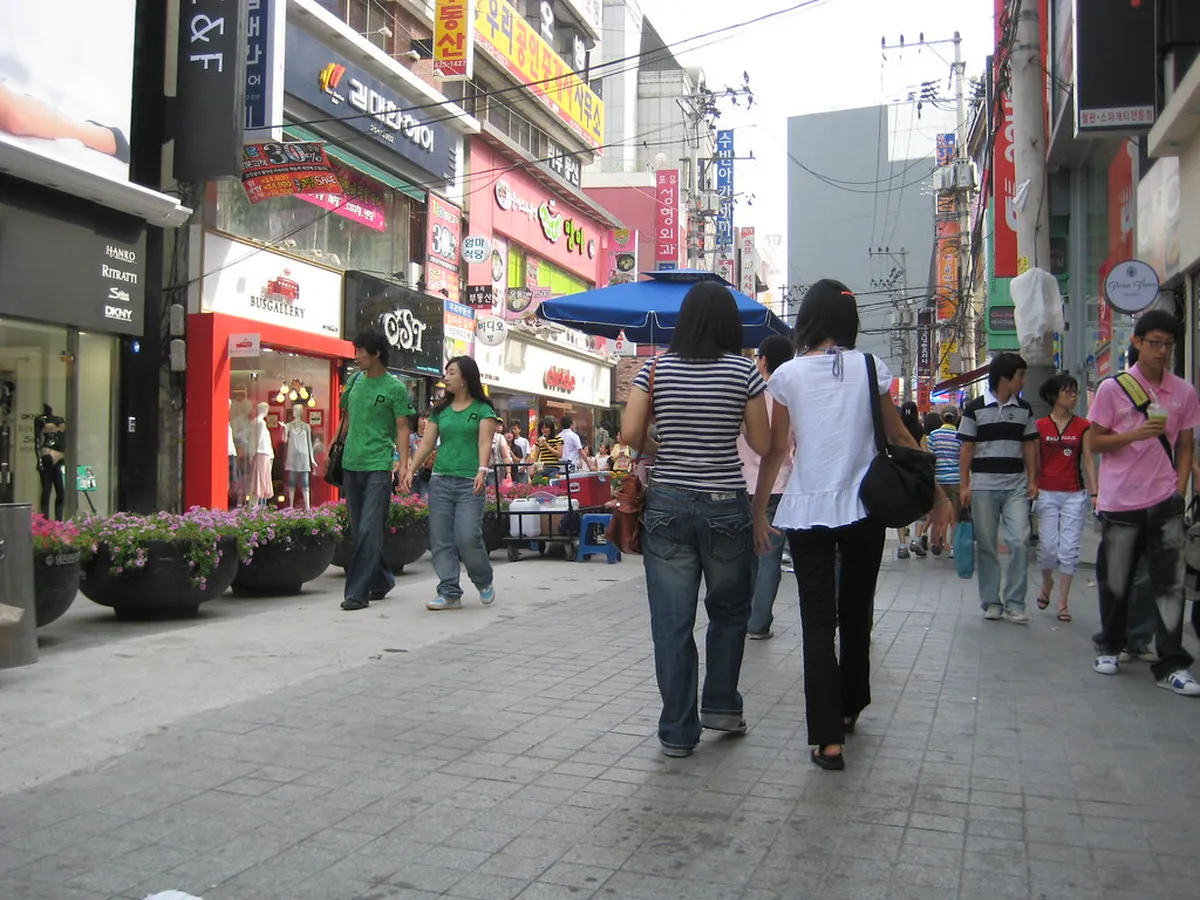
- Cheapest: December to February, when hotels sit at their lowest levels.
- Most expensive: April blossom weekends and festival weekends.
- Best value: May and September, when sights are open and rates are mid-range.
How to Handle Daegu's Heat, Rain, and Cold
July and August are the hardest stretch for long days outdoors, with averages near 28°C (82°F) to 29°C (84°F) and high humidity. Start sightseeing early and move indoors by midday. Our guide to summer in the city covers this in more detail. Daegu Art Museum is open 10:00 to 19:00 from April to October. Daegu Yangnyeongsi Oriental Museum opens 9:00 to 18:00 and is closed Mondays. Apsan's cable car is 790 m long and reaches near the summit. The Keungol route by cable car is 3.2 km and takes about 40 minutes. A walk up from Anjirang-gol is 2.5 km and takes about an hour, so choose the cable car in peak heat. In winter, Daegu Art Museum closes at 18:00, and the last ticket is sold one hour earlier. Suseong Lake's Moti information center runs shorter weekday hours from November to March. Trail notices at Palgongsan matter in autumn. The park posted closures for wildfire prevention on 15 November 2026, and East-area trail construction notices on 6 October 2026.
In July and August, save the evening for Seomun Night Market, which runs 19:30 to 24:00 nightly, after the hot midday hours.
Where to Stay by Season
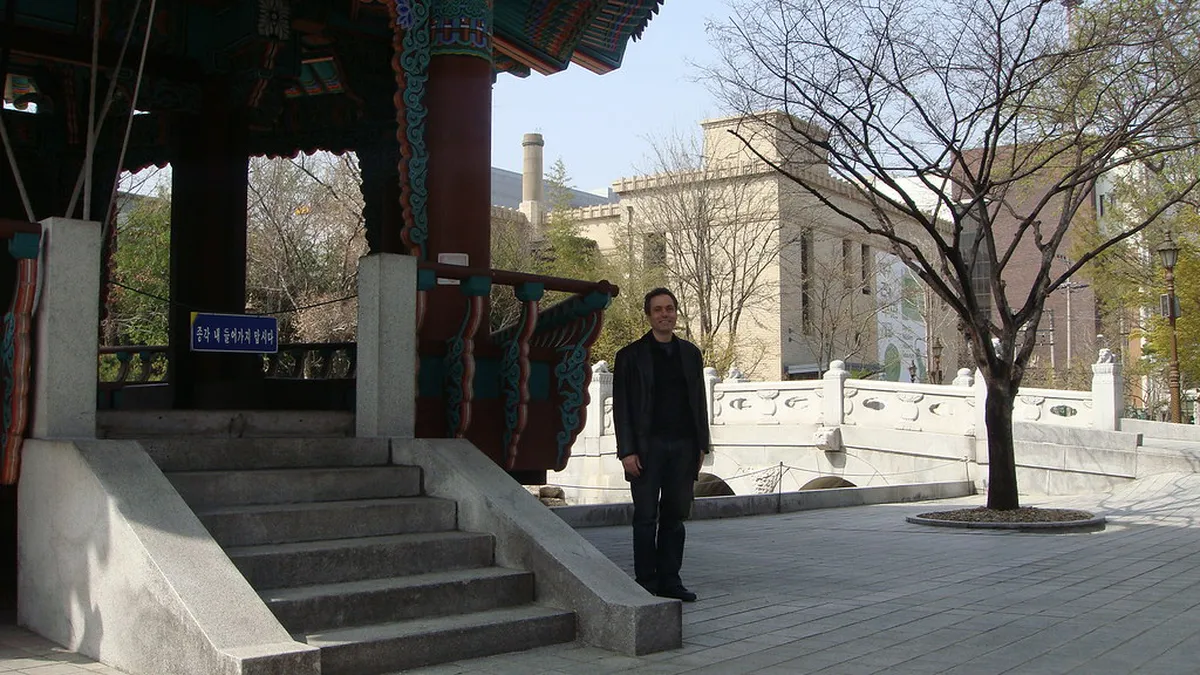
Dongseongno is the easiest base in most seasons. Its pedestrian-only section runs about 900 m between the Daegu Station intersection and the Dongseongno Tourist Information Center, which opens 10:00 to 19:00 and offers luggage storage. The street sits in a public-transport-only zone, and there is no dedicated parking. Stay here in winter for shops and indoor cafés close by. In spring and autumn, a hotel in this area still gives you walking access to markets. Suseong-gu suits blossom walks around Suseong Lake. Dalseo-gu puts you near Duryu Park, which is free all year and has four parking lots. Book blossom weekends and festival weekends early, and keep a flexible date if you can.
Getting There and Around by Season
The KTX from Seoul to Daegu takes about 1.5 hours and was listed at ₩38,400. Express buses take about 3.5 hours. Trains fill up around Korean public holidays such as Seollal, Chuseok, and Children's Day, so check the official holiday calendar for exact dates each year. Donghwasa is about 22 km from the city and about 45 minutes by bus. It suits clear autumn or spring days best. Daegu Art Museum can be reached from Suseong Alpha City Station, exit 5, by a free 10-minute shuttle. On weekends and public holidays, a demand-responsive bus runs 08:30 to 17:30 from Yeonho Station and Yongji Station. Use the Daegu DRT app, since phone calls are not accepted. Official city information is available on the Daegu city tourism site.
Mistakes to Avoid
Most timing mistakes come from fixed plans in a season that moves.
Temple-stay listings shift too: Donghwasa's November program ran 26 October to 1 December 2026, so check the current dates before booking.
- Booking blossom week without a flexible date.
- Scheduling Palgongsan hikes at midday in July or August.
- Ignoring Monday closures at Daegu Art Museum and Yangnyeongsi Oriental Museum.
- Assuming festival dates carry over from last year.
- Planning a Seollal or Chuseok trip without checking transport and closures.
Building the rest of the trip? Our Daegu attractions guide covers the sights, districts and logistics around this guide.
Best time to visit other cities
Frequently Asked Questions
How is the weather in Daegu?
Daegu has four seasons. Summers are hot and humid, with July and August averaging near 28°C (82°F) to 29°C (84°F). Winters are cold and dry, with January around 5°C (41°F).
What is the weather like in Daegu in February?
February averages about 6°C (43°F) and stays cold. Hotel rates are at their lowest levels. Seollal closures can affect museums.
Explore More Daegu Guides
Keep planning your Daegu trip with these guides.
Daegu Guides
Notes for your Korea trip
Optional updates to our city guides.
You might also like
Continue reading
More guides you'll find useful