Daegu Weather by Season: What to Expect and Pack
Daegu's weather season by season, with what to pack, which months suit which trips, and how heat, rain, and dust change plans.
On this page
Last updated November 2026. Daegu weather is most comfortable in spring and autumn, while summer brings heat and humidity and winter is cold and dry. Dust and typhoon-season rain are the main disruptions to plan around. Use this guide with our Best Time to Visit Daegu: Month-by-Month Guide overview to pick your month.
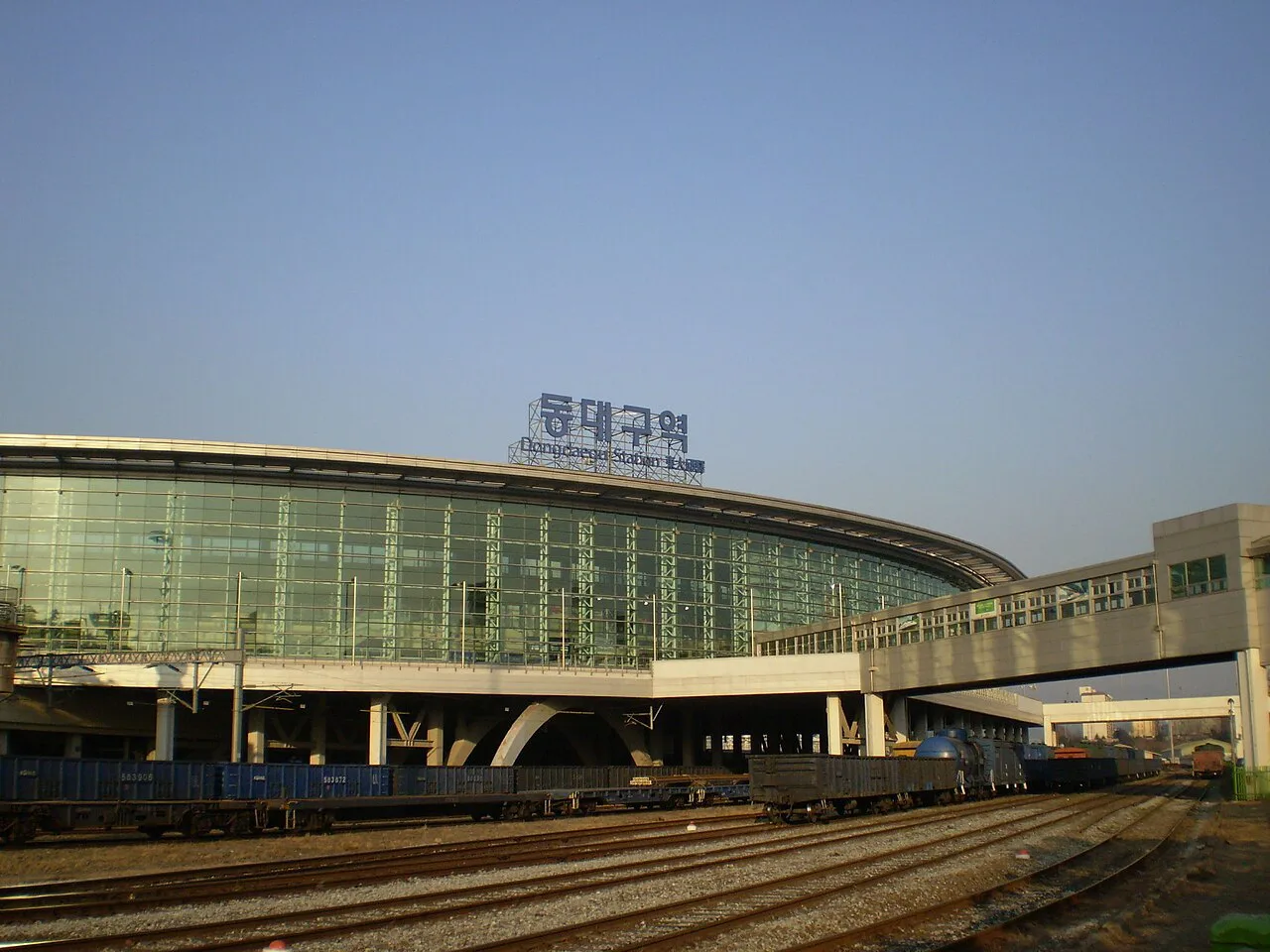
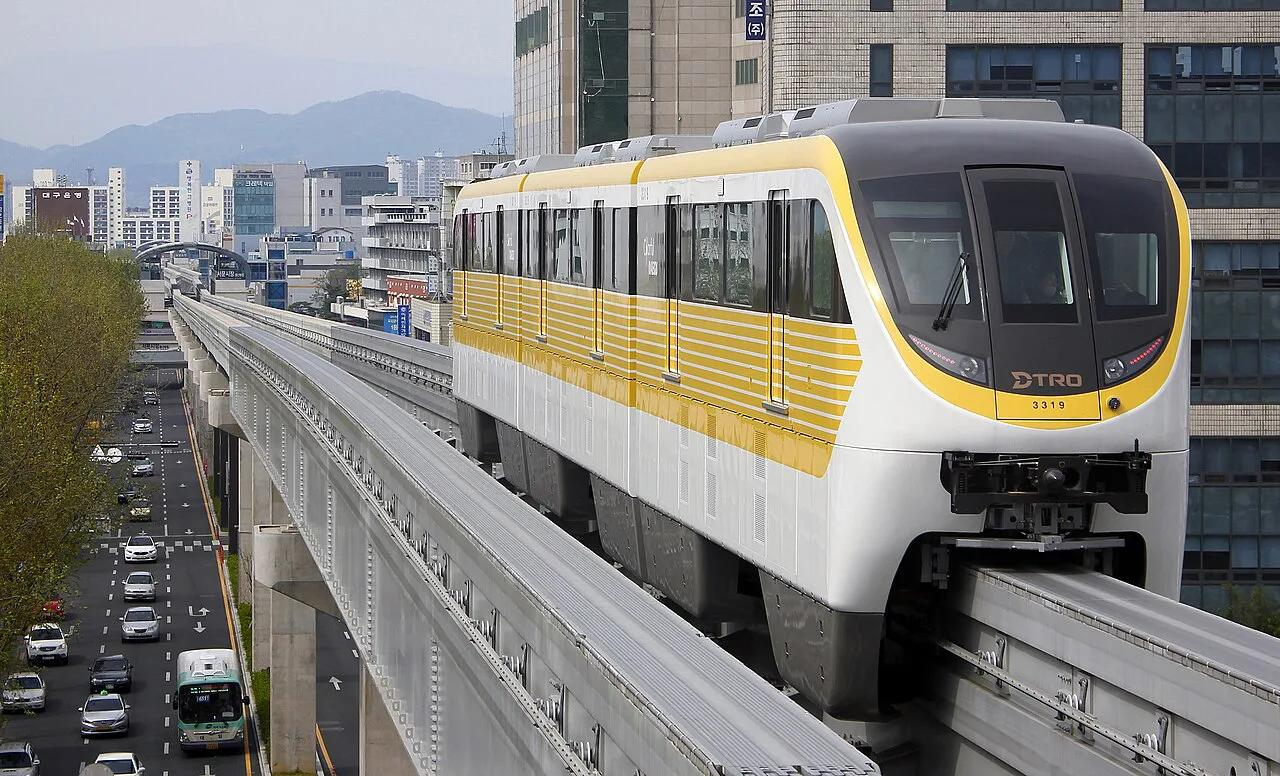
Featured image: Mobius One, CC BY-SA 4.0, via Wikimedia Commons.
Daegu Weather at a Glance
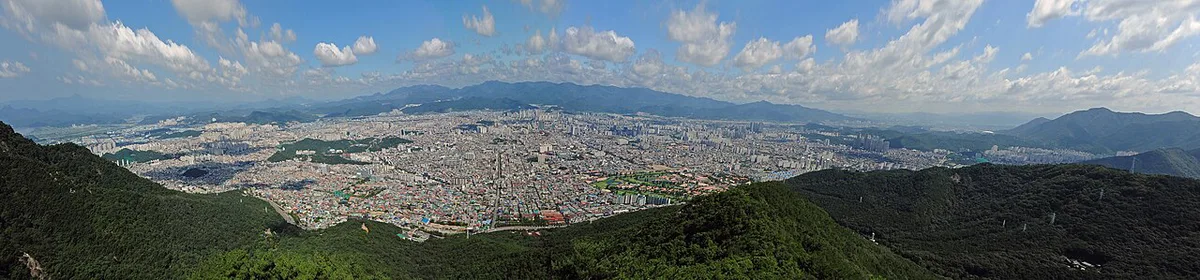
Daegu sits in a basin, so it swings harder than coastal Busan. Summers run hotter and winters colder. Summer afternoons often climb above 30°C (86°F), and winter nights can fall below 0°C (32°F). Spring afternoons around 20°C (68°F) are the easy middle ground. For exact monthly normals, check the Korea Meteorological Administration. Our parent timing guide turns these patterns into trip dates.
| Season | Typical feel | Main risk | Pack |
|---|---|---|---|
| Spring | Mild, sunny, layered mornings | Yellow dust, cool evenings | Light jacket, mask |
| Summer | Hot and humid | Heat exhaustion, monsoon downpours | Breathable clothes, umbrella, water bottle |
| Autumn | Dry and comfortable | Late typhoon rain | Layers, light rain shell |
| Winter | Cold and dry | Icy mornings, wind chill | Insulated coat, gloves, lip balm |
Spring: Layers and the Blossom Window
Mornings stay cool, and afternoons warm to roughly 20°C (68°F) once the sun is up. Dress in layers you can shed by lunch. Blossom timing shifts from year to year with the weather. Our cherry blossom guide explains how to track the window. Spring is also the season when yellow dust is most likely, so keep a mask in your bag.
Summer Heat and the Rainy Season
Summer is hot and humid, and the monsoon rainy season brings heavy downpours. Heat is the bigger planning issue. Our summer in Daegu guide covers the season in depth. Schedule outdoor walking for early morning and after sunset. Spend midday in air-conditioned museums, cafés, and covered shopping arcades. Carry water and ride the air-conditioned metro or take a taxi between stops. The Chimac festival is a summer event built around evenings, which suits the heat.
Start sightseeing before 10 a.m., since summer afternoons often climb above 30°C (86°F) in a basin city that swings harder than coastal Busan.
- Start sightseeing before 10 a.m.
- Break at midday indoors.
- Resume after the afternoon peak passes.
- Keep a compact umbrella for sudden rain.
Autumn: The Comfortable Season
Autumn is dry and clear, with pleasant walking temperatures for full days outdoors. Mornings and evenings turn cool, so a light layer helps. Typhoon season can reach the peninsula in early autumn, bringing rain and wind. Watch forecasts a few days ahead if you travel then. Keep one indoor option ready for each outdoor plan.
Winter: Cold, Dry, and Windy
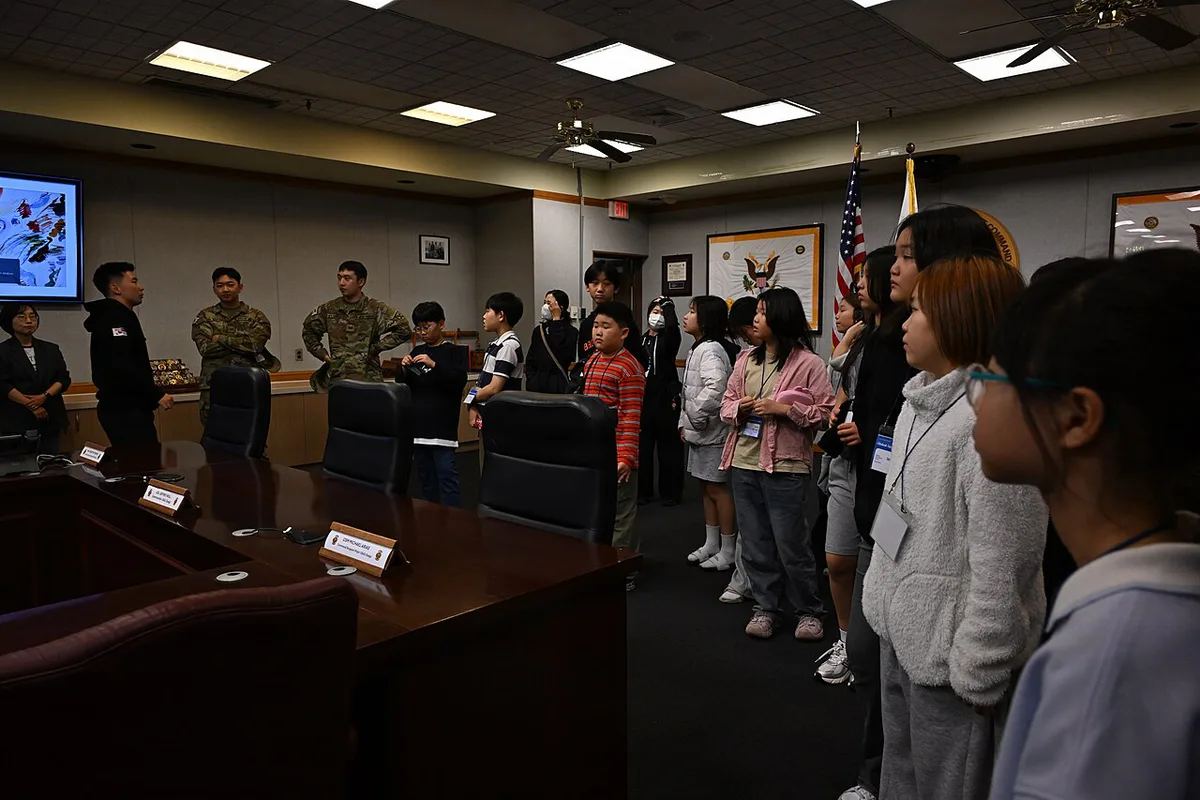
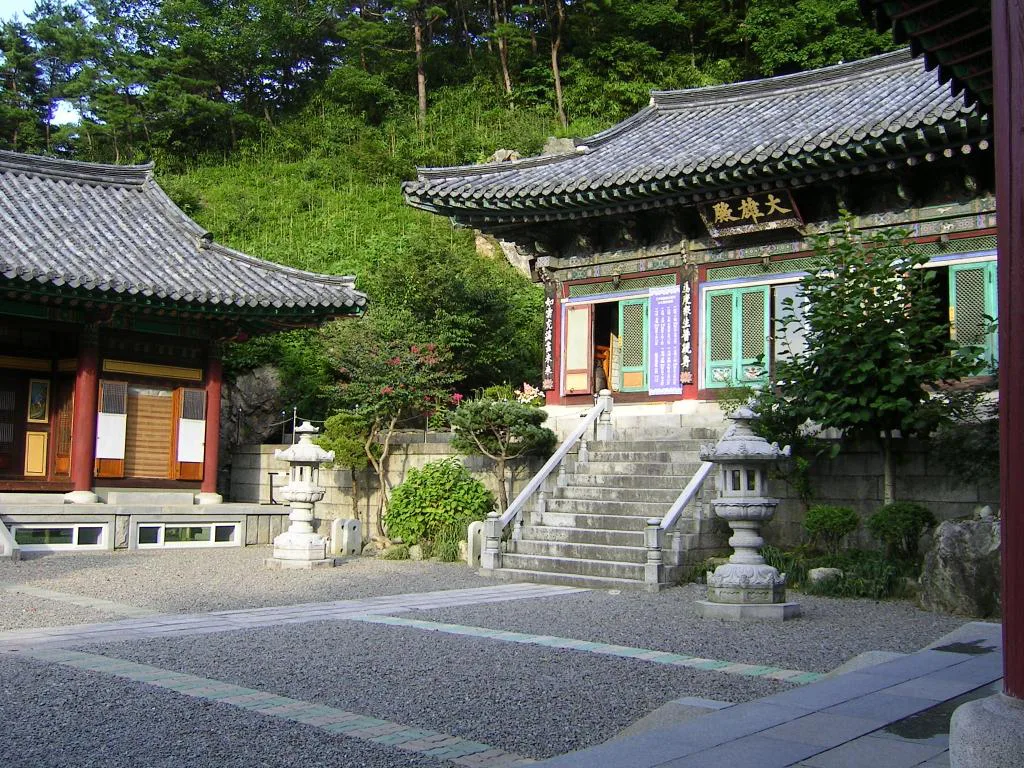
Winter is cold and dry, with frosty mornings below 0°C (32°F). Snow is not the main feature, and dry cold matters more for packing. Wear an insulated coat, gloves, and a hat. Outdoor sites feel harsher in the wind, so plan shorter walks and warm stops. Mountain temple visits need sturdy shoes for icy paths. Check temple details on the Templestay site before a cold-season trip.
Weather and Festival Planning
Match each event to its conditions. The Lotus Lantern Festival is an evening, outdoor event, so bring a light jacket and a rain backup. Chimac is a summer evening event where heat and sudden showers matter most. Festival weeks can lift hotel demand. As a budgeting illustration only, not a quoted rate, a room near ₩90,000 in a quiet month could sit nearer ₩150,000+ in a peak week. Check current rates before booking, and confirm event dates on the Visit Daegu site.
A 10-day outlook helps you spot a wet spell before festival evenings, since the Lotus Lantern Festival is an evening, outdoor event.
Air Quality and Seasonal Dust
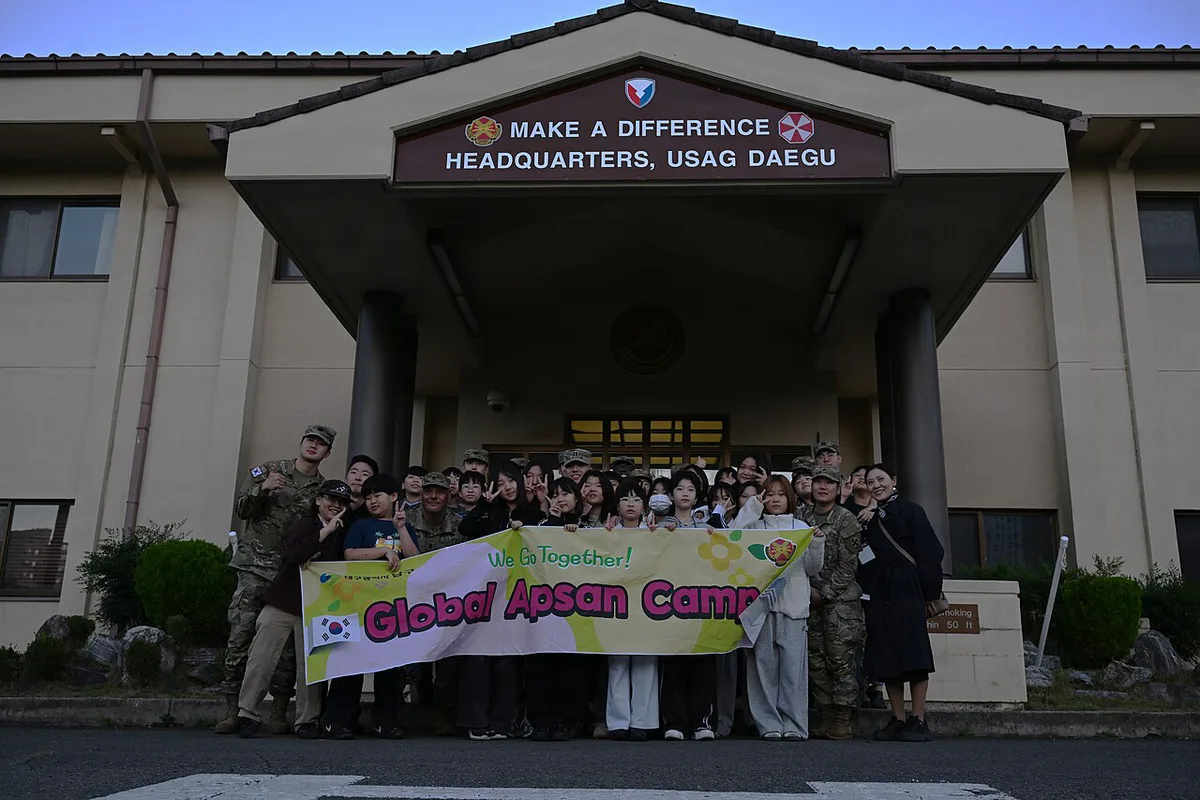
Yellow dust drifts in most often in spring, and fine-particle levels can rise in colder months. Air quality is tracked live, so check it the morning you head out. On poor-air days, swap long outdoor walks for indoor museums and markets. Sensitive travelers should carry a mask. The KMA forecast pages list dust alerts.
What to Pack and How to Adapt Your Itinerary
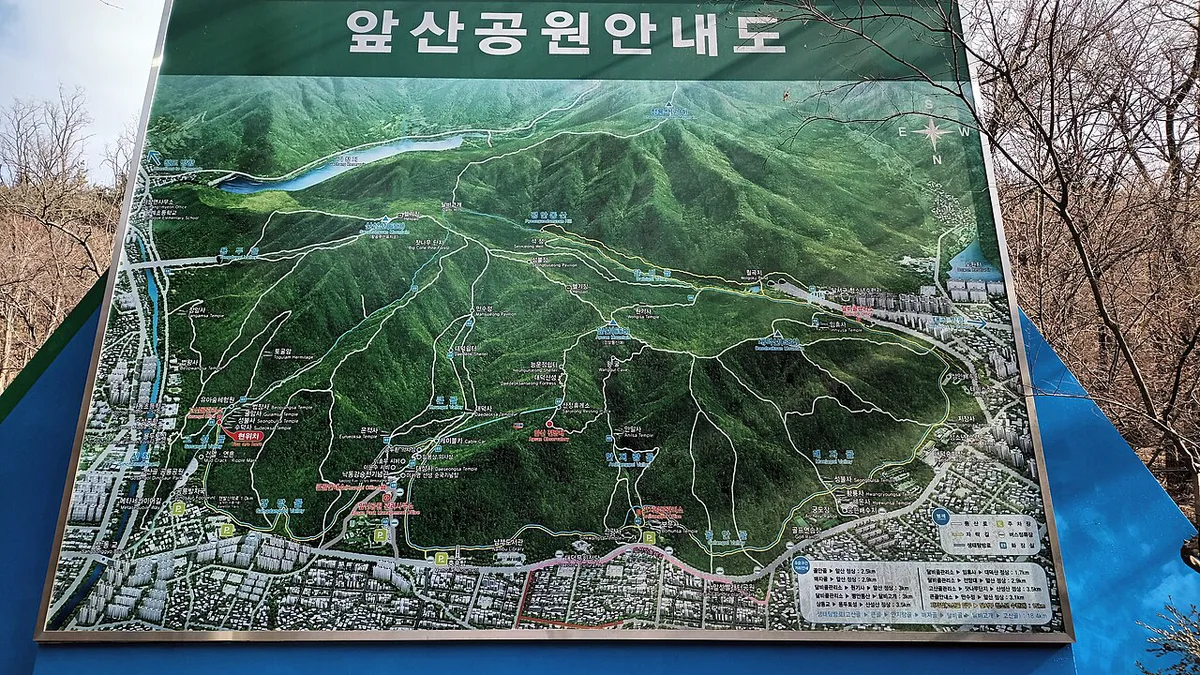
Pack for the season, then add one rain layer and one warm layer. Build every outdoor day with an indoor swap. Avoid these mistakes:
- Packing only for the season label and ignoring cool mornings.
- Scheduling long midday walks in summer.
- Ignoring dust or air-quality alerts.
- Booking outdoor festival plans without a rain backup.
How to Check the Current Daegu Forecast
Seasonal patterns help you choose a month, but check the Korea Meteorological Administration forecast again before each outdoor day. A 10-day outlook is useful for spotting a wet spell or a colder arrival period. The hourly forecast is more useful once you are in Daegu, especially for deciding when to walk, visit a park, or attend an evening event.
In summer, shift outdoor plans earlier if the forecast approaches or exceeds 30°C (86°F). Plan an indoor stop for the hottest part of the day. In winter, temperatures below 0°C (32°F) can make exposed walks and mountain paths feel much less comfortable. Check rain and wind as well as temperature, since typhoon-season weather can change outdoor plans quickly.
Use the same check for dust alerts and fine-particle conditions. If conditions worsen, take the metro or a taxi between indoor museums, markets, cafés, and shopping arcades instead of committing to a long outdoor route.
Frequently Asked Questions
What is the climate and weather like in South Korea?
South Korea has four distinct seasons. Summers are hot, humid, and rainy, and winters are cold and dry. Spring and autumn are milder, and Daegu's basin setting makes its extremes sharper than coastal areas.
Is it worth going to Daegu?
Yes, if you time it well. Spring and autumn give the most comfortable sightseeing weather. Festivals add a reason to visit in summer and early summer evenings.
Notes for your Korea trip
Optional updates to our city guides.
You might also like
Continue reading
More guides you'll find useful