Best Time to Visit Gangneung: Season-by-Season Guide
Plan when to visit Gangneung with a clear verdict by goal, season and month comparisons, festival and beach timing, and trade-offs for crowds, weather and cost.
On this page
Last updated November 2026. The best time to visit Gangneung is late spring to early summer for blossoms, lotus and the Danoje Festival, or early autumn for mild weather and calmer beaches. Pick midsummer only if swimming at Gyeongpo and Gangmun matters more than space, and pick winter for cold-weather cafés on Anmok Coffee Street and quiet sand.
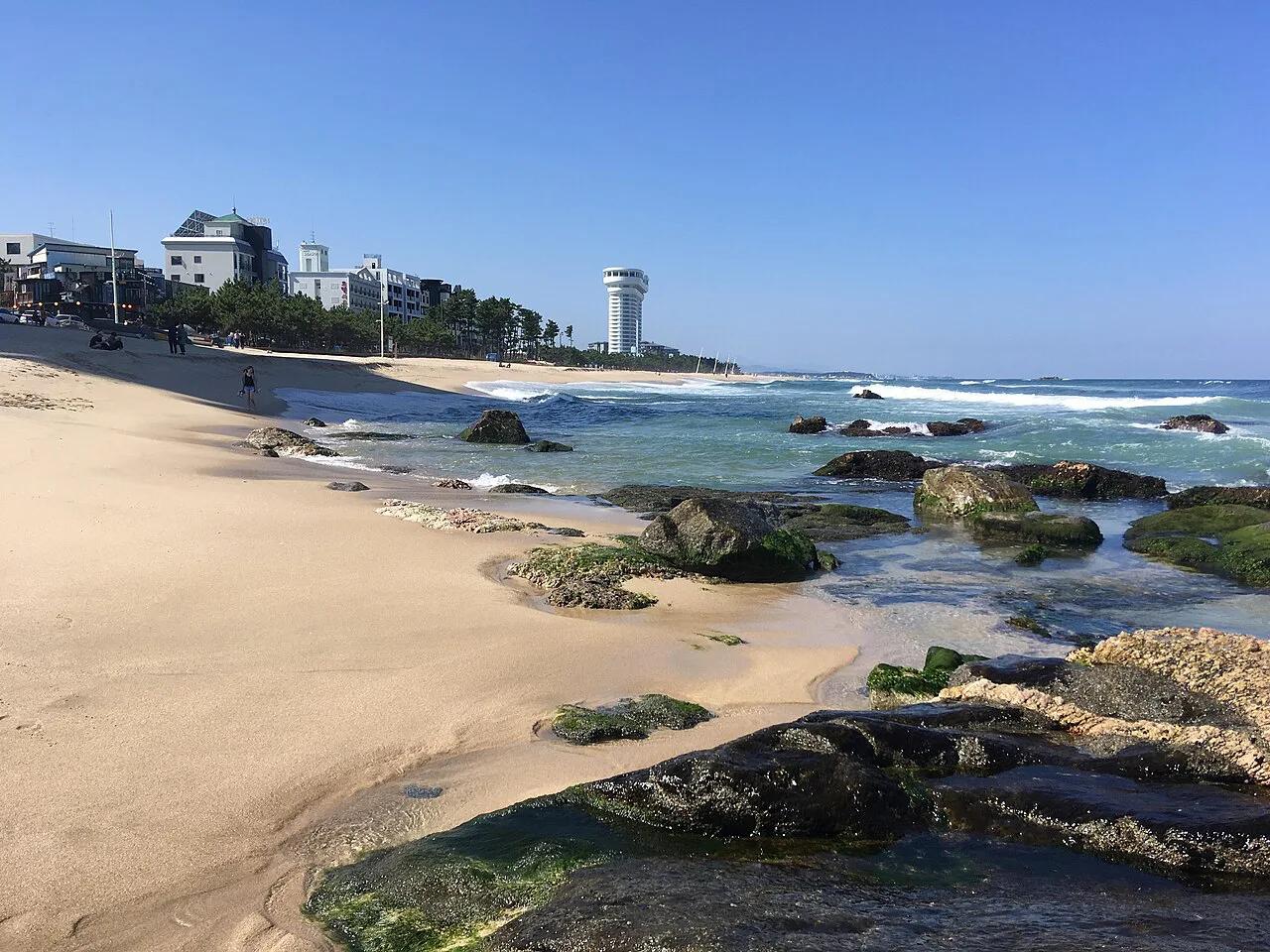
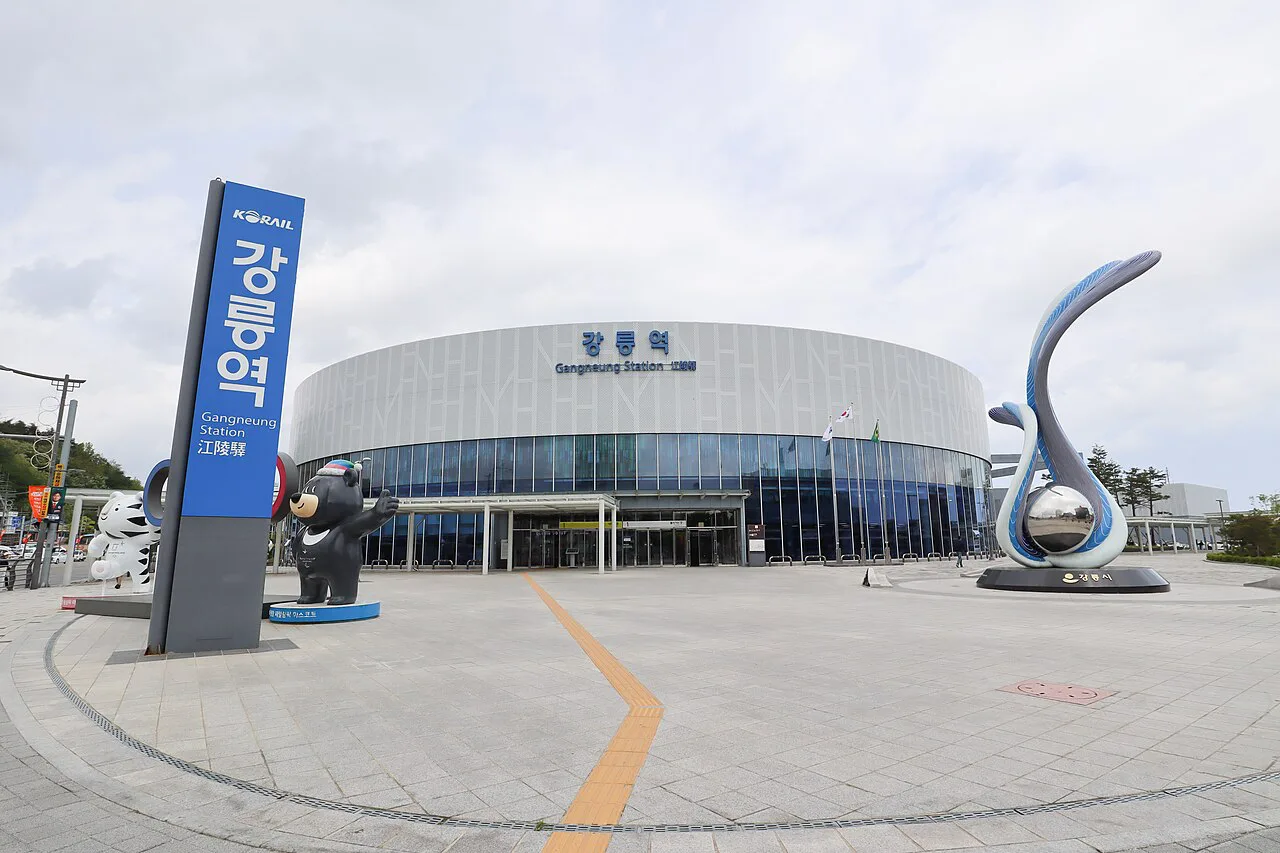
Featured image: Mobius6, CC BY-SA 4.0, via Wikimedia Commons.
Quick answer: best time to visit Gangneung by goal
Match the month to what you want from the coast. Temperatures below are rough typical ranges, so check the Korea Meteorological Administration for the current forecast on your dates. Spring afternoons often sit near 14°C (57°F), while August highs run near 28°C (82°F).
| Your goal | Best window | Main trade-off |
|---|---|---|
| Cherry blossoms at Gyeongpo Lake | Spring, usually early to mid April | Bloom dates shift each year and crowds peak |
| Festival culture | Early summer, around Danoje | Busy stays and transport |
| Swimming and beach days | Midsummer | Heat, humidity, peak crowds |
| Lotus and lake cycling | Early summer | Warm, humid days |
| Comfortable sightseeing | Early to mid autumn | Shorter days later in the season |
| Cafés, sunrise and quiet sand | Winter | Cold coastal wind |
Gangneung by season at a glance
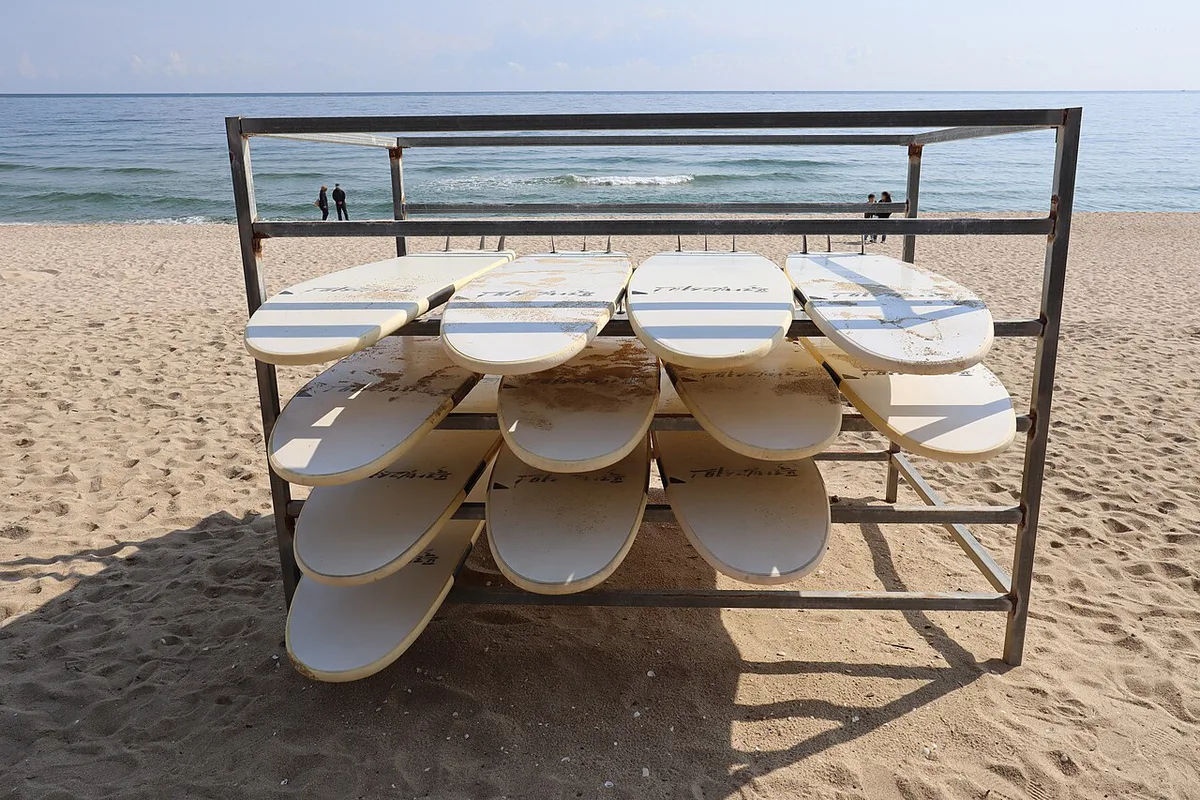
Each season suits a different trip. Spring and autumn give the easiest walking weather. Summer fills the beaches and raises lodging pressure. Winter trades warmth for empty sand and café time. Typical daytime readings are about 3°C (37°F) in January and 18°C (64°F) in October. For monthly numbers, use our Gangneung weather guide.
| Season | Weather feel | Crowds | Price pressure | Main risk |
|---|---|---|---|---|
| Spring | Cool to mild | High around blossom weeks | Rises on weekends | Missing peak bloom |
| Early summer | Warm, getting humid | High around Danoje | High during the festival | Rain and crowded transport |
| Summer | Hot and humid | Highest at the beaches | Highest | Typhoon and heavy rain |
| Autumn | Mild and dry-feeling | Moderate, higher on holidays | Moderate | Holiday-weekend demand |
| Winter | Cold, windy coast | Lowest | Lowest | Wind chill and icy roads |
Spring: blossoms around Gyeongpo Lake
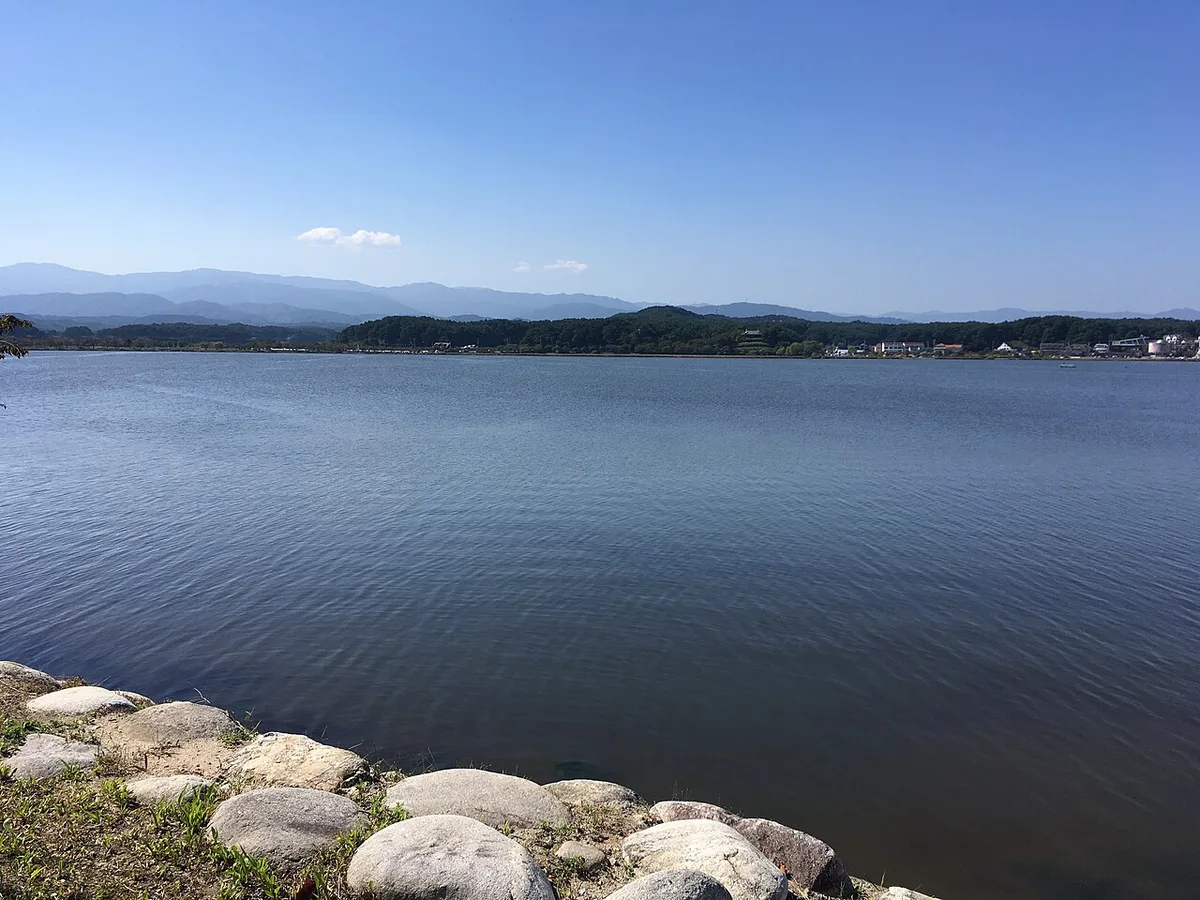
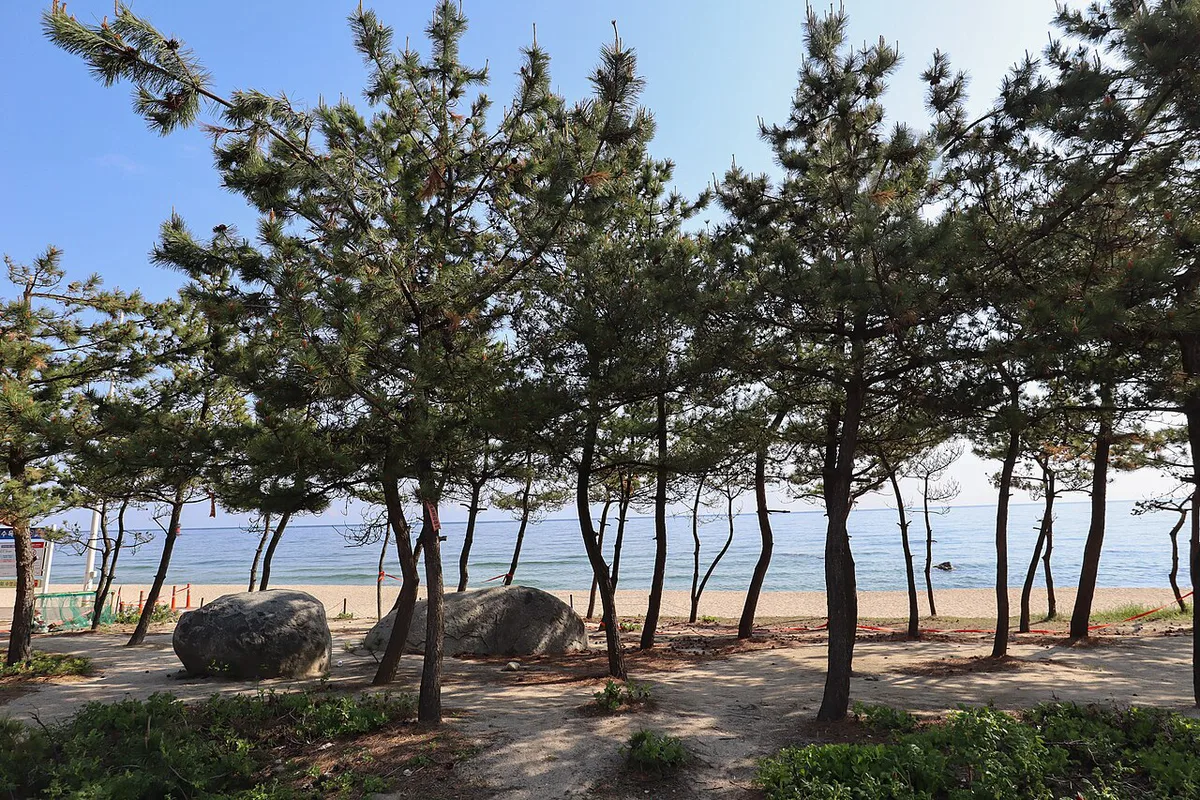
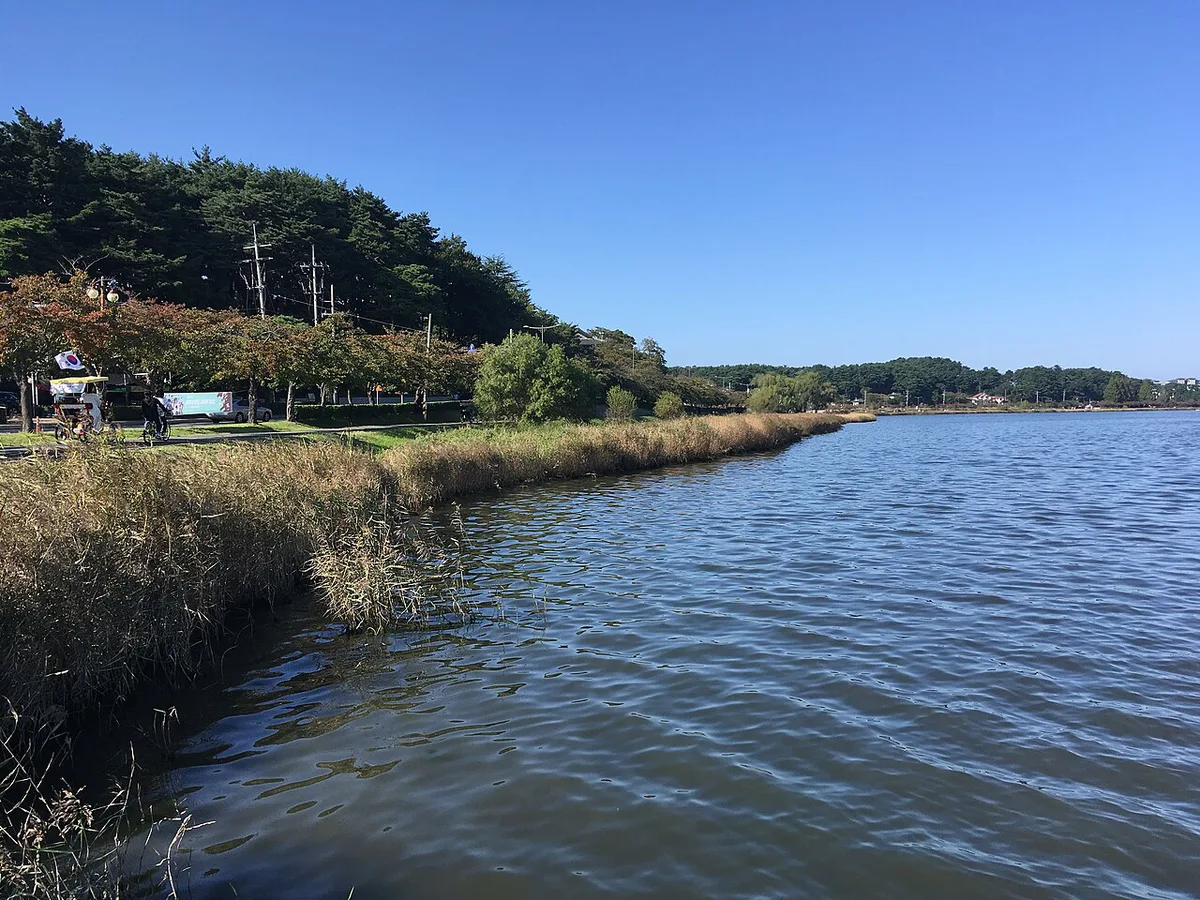
Gyeongpo Lake holds a cherry blossom festival every spring, according to Korea's official tourism listing. The lake is open year-round with no regular closing day, so you can drop in whenever the trees peak. Bicycle paths circle the lake, and bikes or four-wheel cycles can be rented. Blossom timing moves from year to year. Watch the forecast in the week before you book anything non-refundable. Our Gyeongpo cherry blossom guide covers bloom timing in more detail. Choose spring over autumn if flowers matter more than steady weather.
Early summer: Gangneung Danoje Festival
Gangneung's Danoje festival is a cultural event inscribed by UNESCO. You can read the listing on the UNESCO Danoje entry. Dates follow the lunar calendar, so they change each year. Confirm the current program on the official festival site. Go during the festival if you want rituals, crafts and crowds. Avoid it if you want quiet streets and easy bookings. Lotus also rise at Gyeongpo Lake in early summer, which the tourism listing calls an especially beautiful time at the lake. Our Danoje Festival guide covers the program.
Summer and beach season
Midsummer is the time for swimming. Gangmun Beach is free and open 24 hours. Its summer swimmers get water supply points, showers and toilets. Gyeongpo Beach is also open 24 hours and hosts a cultural art fair on its beach stage each summer. Daytime highs around 28°C (82°F) feel heavier with humidity. Heavy rain and typhoon risk also peak in this season. Swimming zones follow official opening notices, so check the city's tourism page before you pack swimwear. Jumunjin Beach is a quieter option north of the center. Take bus 300 to Jumunjin Beach stop, then walk 350 m. A pine-forest campground nearby fits 440 tents per day.
Autumn: mild weather and highland views
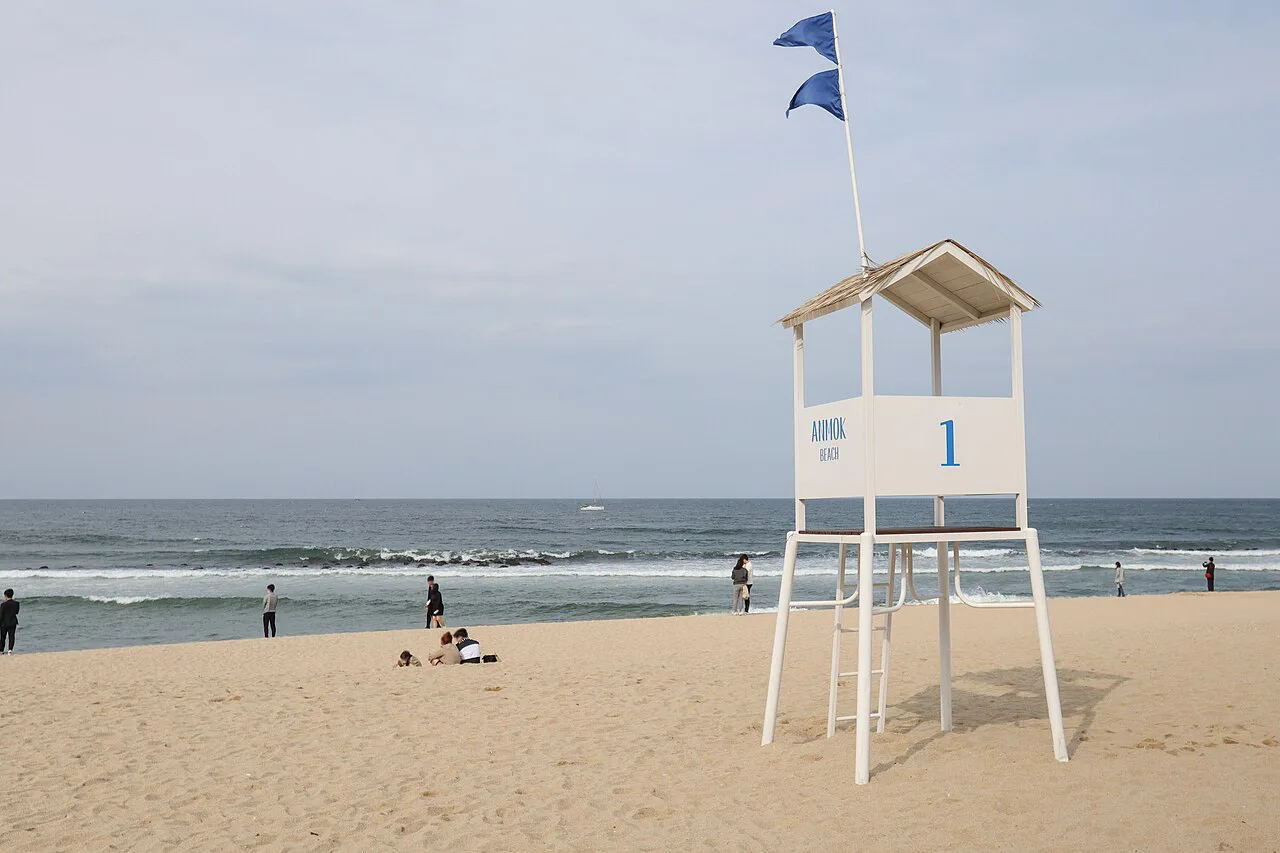
Early to mid autumn suits walkers best. A pine-forest trail of about 3 km links Gangmun Beach to Anmok Beach, and cool air makes it comfortable. Anmok Beach has a 510 m barrier-free path toward Gangmun Beach, which helps if you travel with a wheelchair or stroller. Choose autumn over spring if you value dependable weather more than blossoms. Korean public-holiday weekends in autumn raise demand for trains and rooms, so check the calendar before you fix dates. Daegwallyeong Sheep Farm adds highland scenery as an autumn day trip. Admission is ₩9,000.
Winter: quiet sand and café days
Winter brings cold coastal wind and the lowest crowds. January daytime highs hover near 3°C (37°F), and nights fall below freezing. Beaches stay open, with Gyeongpo, Gangmun and Jumunjin all open around the clock. Jeongdongjin is open every day of the year, with admission at ₩1,000. Anmok Coffee Street is the natural fallback when wind makes the sand unpleasant. Highland roads near Daegwallyeong can be affected by snow, so check road conditions before you go. Our Gangneung winter guide covers cold-weather plans in detail.
Weather, rain and typhoon planning
Rain concentrates in summer, and typhoon risk follows the late-summer pattern. Use the Korea Meteorological Administration for current warnings. Keep a rainy-day list ready: Anmok Coffee Street, Chodong Tofu Village and Ojukheon House all work indoors or under cover. Our monthly weather page holds the numbers, so this page does not repeat them.
Ojukheon House charges ₩3,000, so it works as a paid rainy-day stop alongside Anmok Coffee Street and Chodong Tofu Village.
Month-by-month cheat sheet
Treat these verdicts as patterns, not promises. Dates for blossoms and festivals shift each year.
| Month | Verdict | Reason |
|---|---|---|
| January | Quiet | Cold wind, empty beaches, café weather |
| February | Quiet | Cold and cheap, but icy roads possible |
| March | Mixed | Cool, with early spring uncertainty |
| April | Great | Likely blossom window at Gyeongpo Lake |
| May | Great | Mild weather before summer heat |
| June | Great | Danoje timing and lotus season |
| July | Busy | Beach season, humidity and rain |
| August | Busy | Peak heat, crowds and typhoon risk |
| September | Good | Cooler, but typhoon risk lingers |
| October | Great | Mild, clear walking weather |
| November | Quiet | Cold edges in, calm cafés |
| December | Quiet | Cold coast, low crowds |
Trip length, transport and booking timing
Two to three days covers the beaches, Anmok and one day trip. Add a day for Jeongdongjin, about 18 km south of the center. Its paid station parking lot sits about 30 m from the main entrance. The coastal tourist train runs about 3 hours each way for about ₩6,200 each way, and it does not run daily. Check the KORAIL schedule for your month. The Jeongdongjin Railbike costs ₩25,000 for two people or ₩35,000 for four, with roughly 7 to 8 departures a day. These sight prices do not change with the season. Lodging does change. Rooms cost more during Danoje, midsummer weekends and public-holiday weekends, so book those windows early. Prices and hours checked November 2026. Travel time from Seoul varies by service, so confirm the current fastest option with the operator.
Jeongdongjin has no closing days, but its coastal train takes about 3 hours each way and does not run daily.
Season-specific activity picks
Match each stop to the weather. Spring and early summer suit Gyeongpo Lake. Summer suits Gangmun Beach. Autumn suits the Gangmun–Anmok trail. Winter and rain suit Anmok Coffee Street and Chodong Tofu Village, which has over 20 tofu restaurants. Ojukheon House charges ₩3,000 and works best in mild months. Hwanseongul Cave in Samcheok costs ₩5,000 for entry, plus ₩7,000 for the monorail round trip. Base yourself near Gyeongpo or Gangmun in summer, and near Anmok in winter.
Mistakes to avoid
A few seasonal slips cause most disappointment.
- Fixing a blossom date months ahead, since bloom shifts each year.
- Booking beach days without checking official swimming notices.
- Arriving during Danoje without a room or a train seat.
- Assuming the coastal train runs daily when it does not.
- Packing light for winter wind along the shore.
Building the rest of the trip? Our Gangneung attractions guide covers the sights, districts and logistics around this guide.
Best time to visit other cities
Frequently Asked Questions
What month is the best time to visit South Korea?
Spring and autumn are the usual favorites nationwide because of mild weather. For Gangneung specifically, April for blossoms and October for walking are strong picks.
How long does it take from Seoul to Gangneung?
Travel time depends on the service you choose. Check the current fastest option with KORAIL or a bus operator before you book.
Explore More Gangneung Guides
Keep planning your Gangneung trip with these guides.
Gangneung Guides
Notes for your Korea trip
Optional updates to our city guides.
You might also like
Continue reading
More guides you'll find useful