Gangneung Weather by Season: What to Pack & Plan
Gangneung weather by season: what to expect, what to pack, and how to plan around rain, wind and cold on South Korea's east coast.
On this page
Last updated November 2026. Gangneung weather changes with the season, because the city sits on South Korea's east coast beside the East Sea. Wind and rain shape a trip here as much as the daily high does. Use this guide to match your packing and plans to the season, then pick your month in our best-time-to-visit guide.
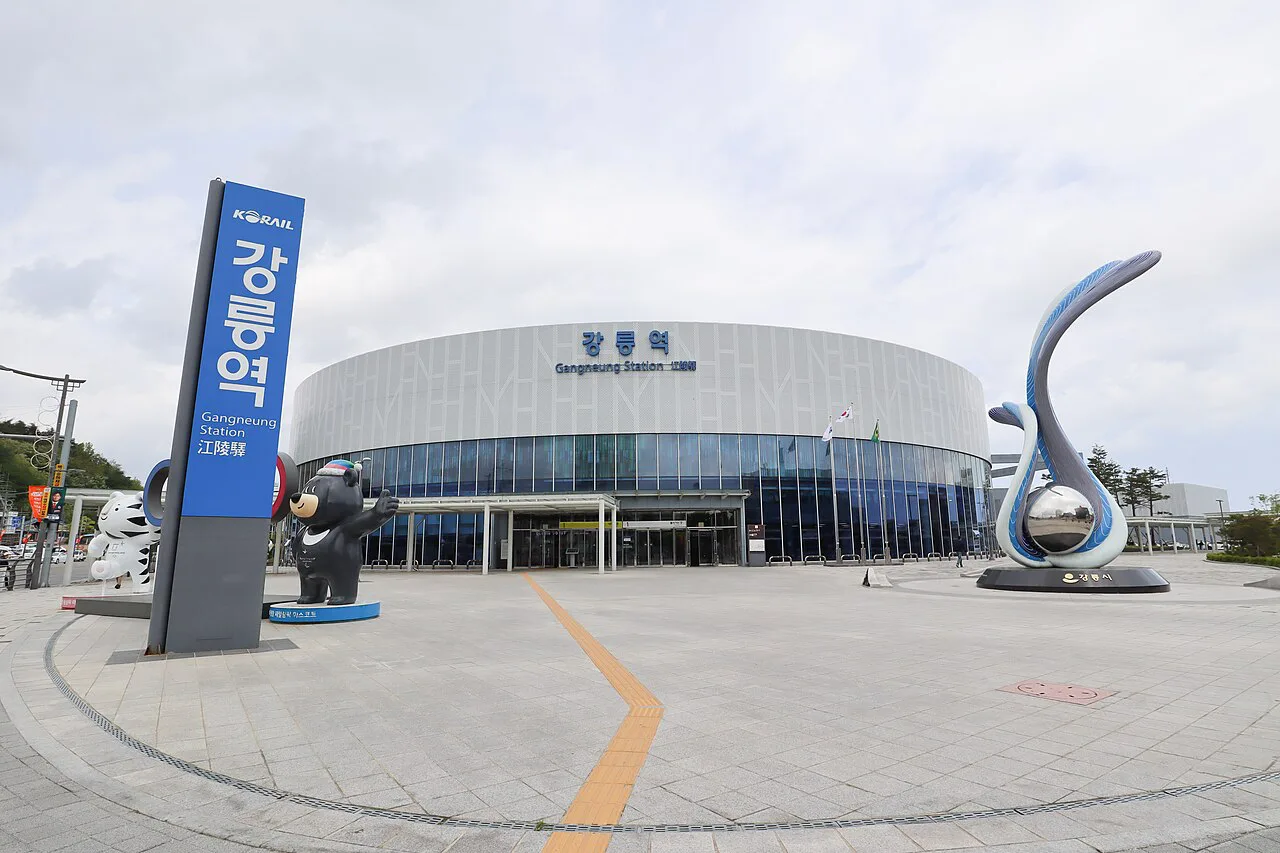
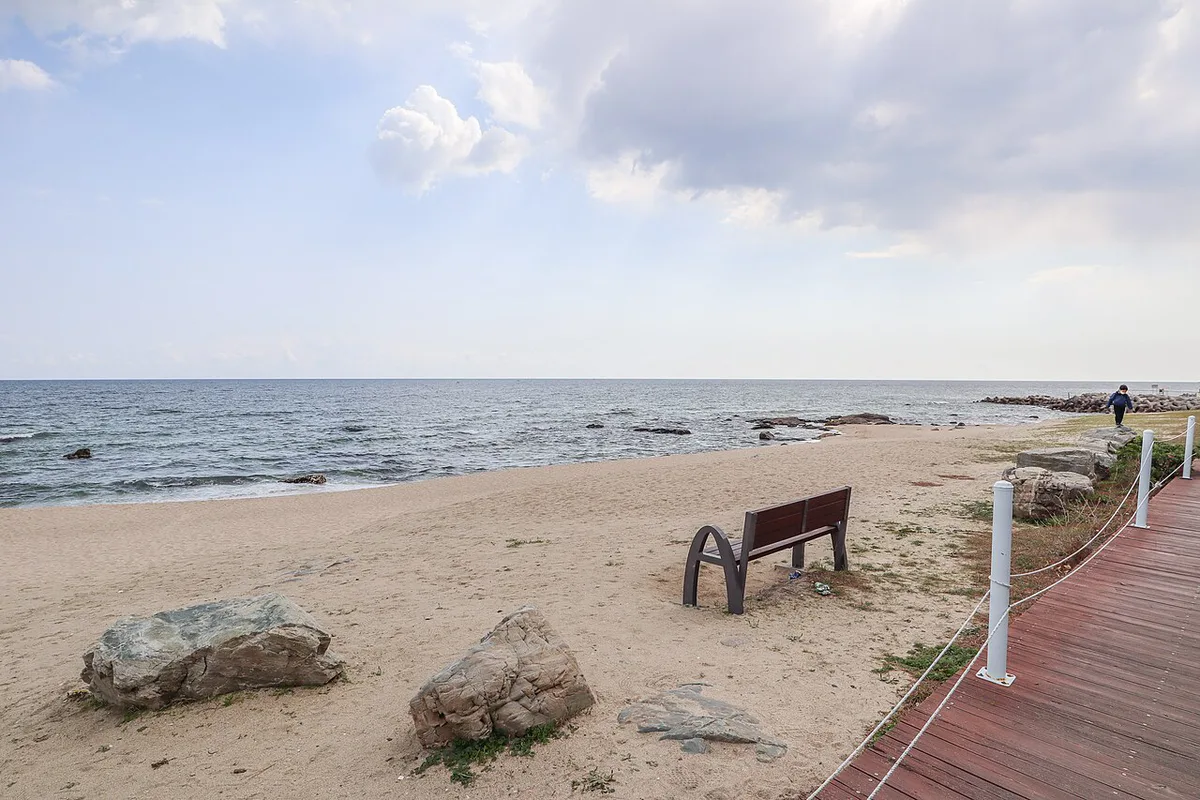
Featured image: Mobius6, CC BY-SA 4.0, via Wikimedia Commons.
Gangneung weather at a glance
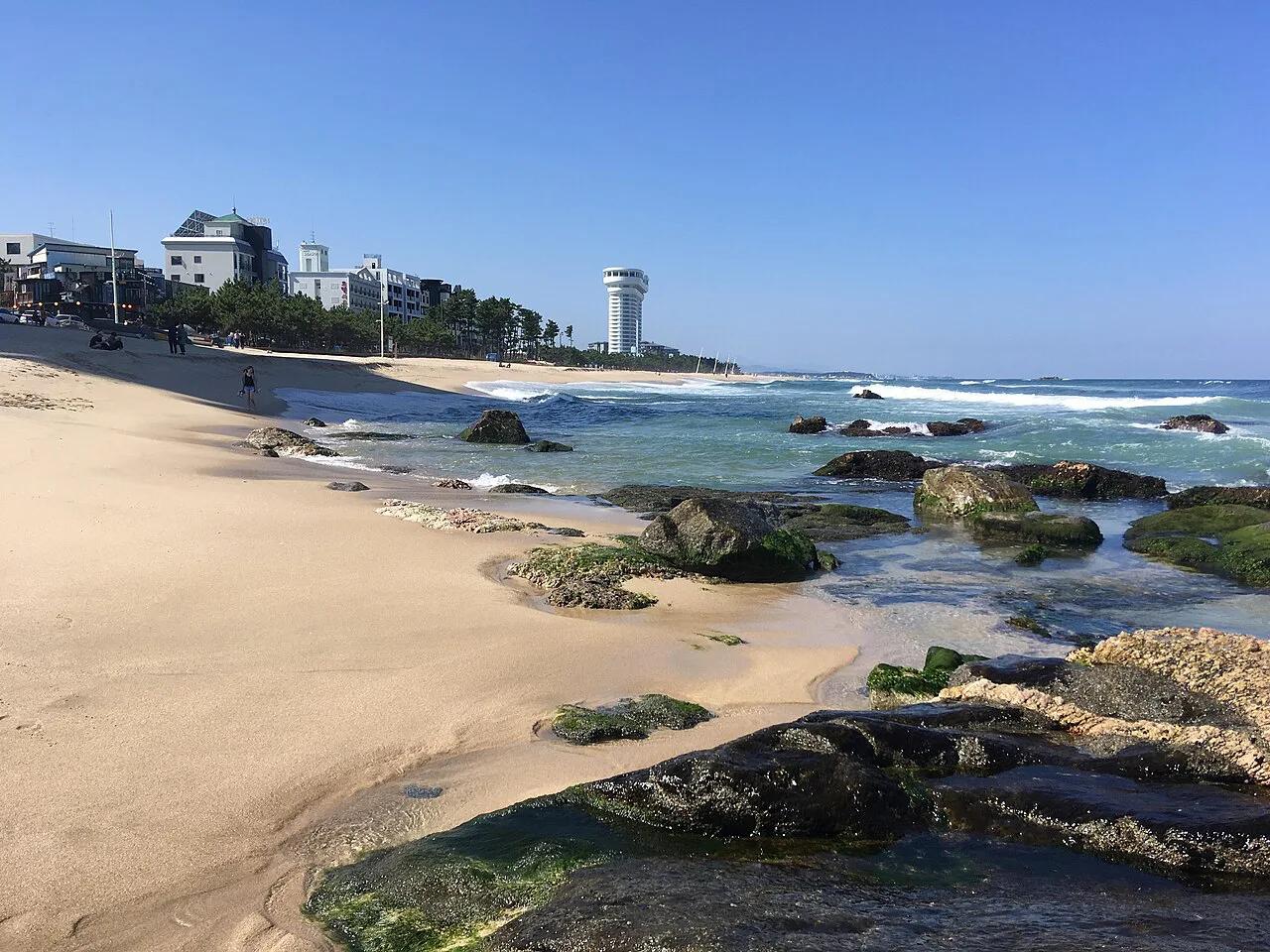
Gangneung is a coastal city, so sea air and wind matter in every season. Conditions can swing within a week. One mid-November 2026 forecast showed mild days near 11°C (52°F) and 15°C (59°F). Days later it showed strong west winds and a cold, clear spell near 5°C (41°F). Treat that as one year's pattern, not an average. Use the table below as a planning frame, and read exact climate figures on the Korea Meteorological Administration site.
| Season | What to expect | What it means for your trip |
|---|---|---|
| Spring | Changeable, with cool sea breezes | Layers; bloom timing varies by year |
| Summer | Warm to hot, humid, with a rainy and typhoon risk | Beach days, plus a rain backup plan |
| Autumn | Clearer, milder days, cooler evenings | Good for coast walks and long days outdoors |
| Winter | Cold, with strong wind on the coast | Windproof layers and shorter outdoor stops |
Season by season: what to expect in Gangneung
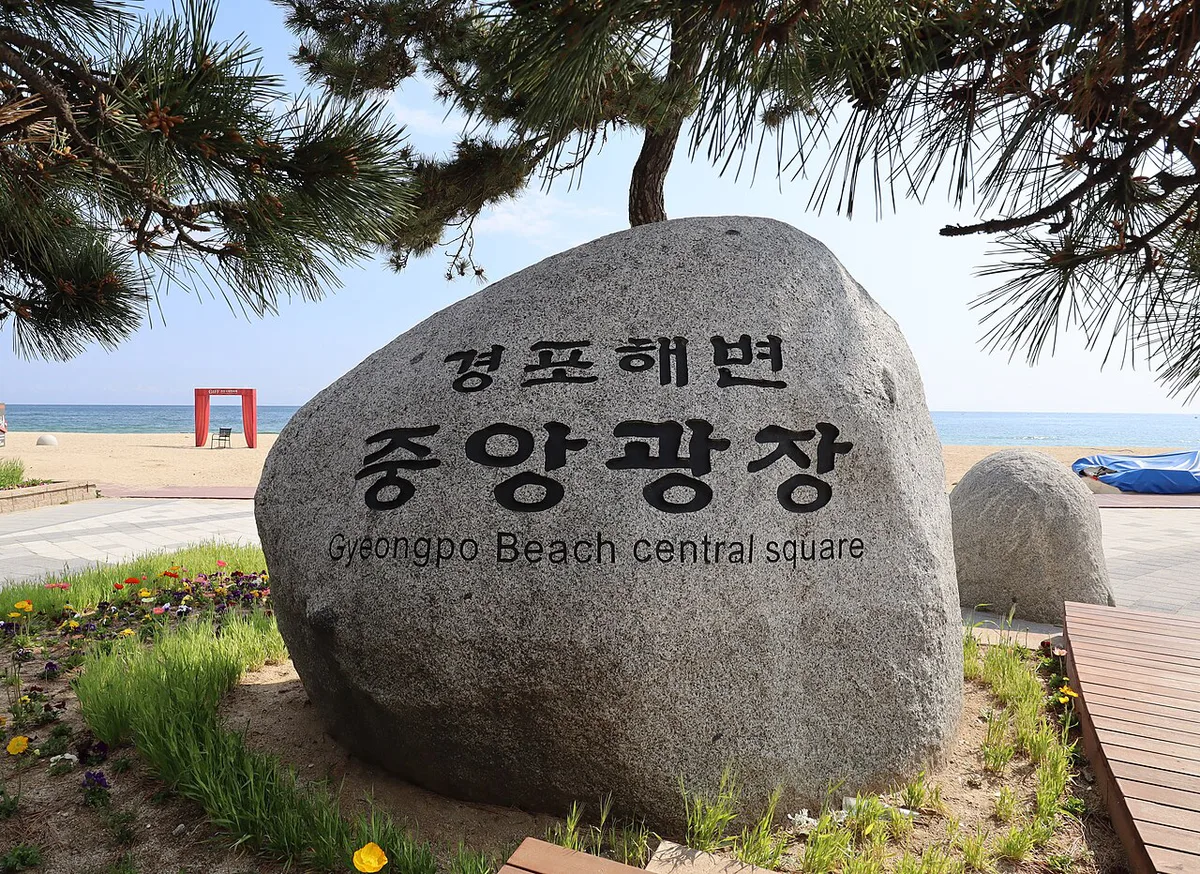
Spring suits flexible walkers. Bloom timing at Gyeongpo changes from year to year, so read our Gyeongpo cherry blossom guide before fixing dates. Skip spring if you need a guaranteed bloom week.
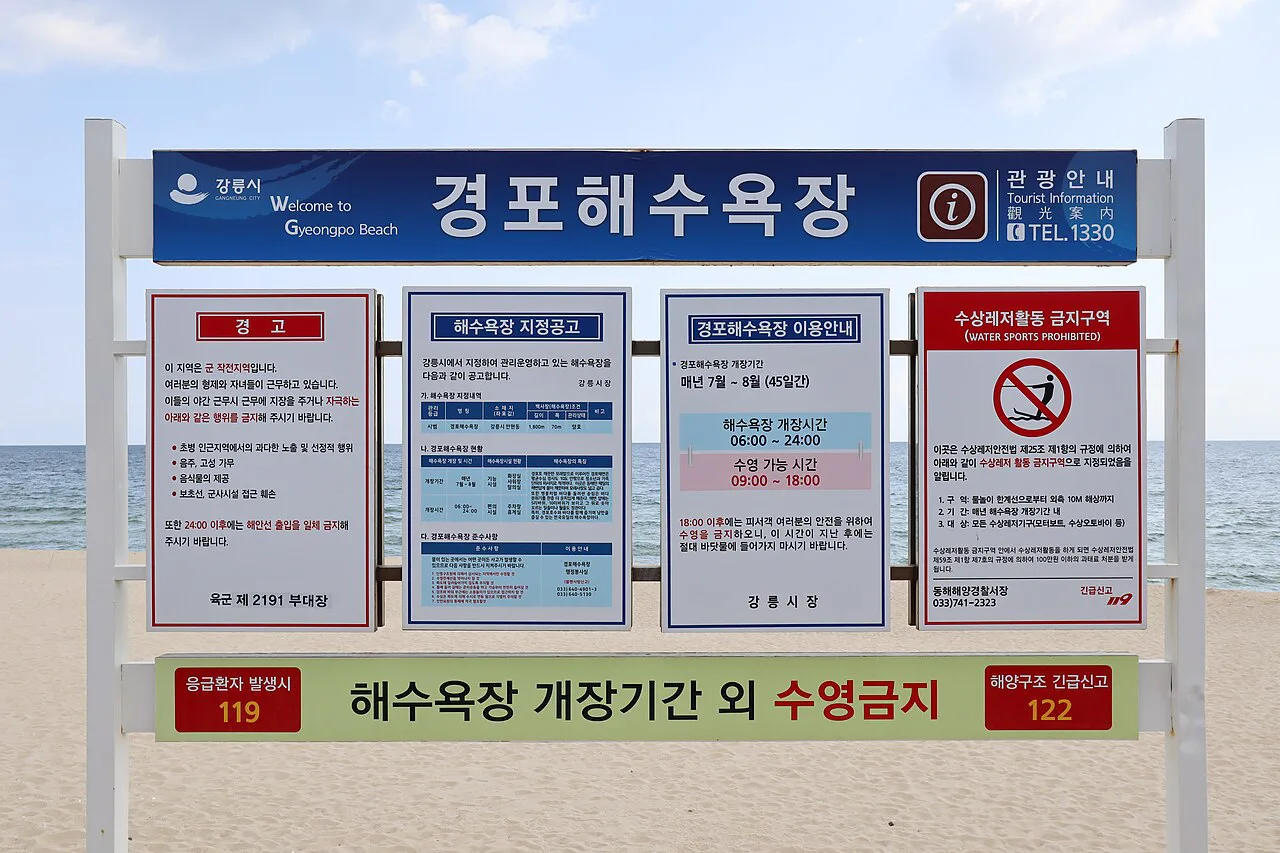
Summer suits beach days. Gyeongpo Beach is open 24 hours, and a cultural art fair runs on its beach stage each summer. Skip peak summer if heavy rain or typhoon disruption would wreck a fixed plan. Check the Gangneung city tourism site for beach season dates.
Autumn suits clear-weather sightseeing. Evenings turn cool by the water, so carry a jacket. Skip it only if you want swimming.
Winter suits quiet coastal scenery. Wind makes the shore feel colder than the forecast number. Our Gangneung winter guide covers cold-weather plans.
What to pack by season
Pack layers in every season, because a sunny afternoon can turn cold once the wind picks up. A windproof outer layer earns its space on the coast. For summer, bring sun protection and a compact rain jacket. For winter, add gloves, a hat and shoes with grip. In a forecast like November's, wind chill pushed the feels-like reading to -7°C (19°F) even on a dry day.
Winter's windy coast makes the 350 m walk from the bus 300 stop a good reason to pack a windproof layer.
- Spring: light layers, a rain shell, comfortable walking shoes
- Summer: sunscreen, hat, swimwear, a rain jacket, quick-dry clothes
- Autumn: a mid-weight jacket, a scarf, a day pack
- Winter: a windproof coat, thermal layers, gloves, grippy shoes
Weather-driven itinerary choices
Choose each day by the forecast, not by a fixed list. On rain days, favor cafés, museums and markets. On windy days, stay off exposed shoreline and pick sheltered lake paths. On cold, clear days, walk the coast in short stretches. On hot days, plan a morning at Gyeongpo Beach. For a quieter beach, Jumunjin Beach is reached by bus 300, then a 350 m walk from the Jumunjin Beach stop. Its main entrance has no step and is wheelchair accessible.
Gyeongpo Beach stays open 24 hours, so an early hot-day visit is never blocked by opening times.
| Weather | Good fit | Why |
|---|---|---|
| Rain | Cafés, museums, markets | Indoor, low exposure |
| Strong wind | Lake paths, indoor stops | Shelter from shoreline gusts |
| Cold and clear | Short coast walks | Good views, brief exposure |
| Hot day | Early beach time | Cooler mornings, then shade |
Seasonal events and weather risk
Outdoor festivals depend on the sky. Danoje is recognized by UNESCO's intangible heritage list, and much of it happens outdoors. Read our Danoje festival guide for timing and plan a rain option. For summer travel, book accommodation and tickets with clear cancellation and rebooking terms. Typhoon and heavy-rain disruption is a real risk in that season. Cost is part of the planning too. As a budgeting example, a room at ₩100,000 on a quiet winter weeknight may list well above that on a peak summer weekend, so compare the same room on both dates.
How to check the forecast and plan around it
Start with the Korea Meteorological Administration, then compare it with your phone app. Apps use different models, so their numbers can differ. Look at three things. First, precipitation chance by hour. Second, wind gusts, not only average wind. In the November 2026 snapshot, gusts near 20 m/s sat beside modest daily highs. Third, the feels-like temperature. Check the day before and again on the morning you go. Shift outdoor stops to the driest window.
Mistakes to avoid
Do not judge a day only by its high. Do not ignore gusts on the coast. Do not lock an outdoor-only plan into one fixed day. Do not assume Seoul's weather matches the east coast; check Gangneung's own forecast. For longer planning, our month-by-month timing guide helps you pick dates.
Frequently Asked Questions
Does it snow in Gangneung?
Winter brings cold, and snow is possible on the east coast. Snowfall patterns vary by year, so read the Korea Meteorological Administration forecast before you travel. Our winter guide covers what to plan for.
Is it cold in Korea right now?
It depends on the date and region, and Gangneung can swing quickly. In one November 2026 forecast, highs ran from 5°C (41°F) to 15°C (59°F) within a week. Check a live forecast before you pack.
Notes for your Korea trip
Optional updates to our city guides.
You might also like
Continue reading
More guides you'll find useful