Jeju Seafood Guide: Markets, Haenyeo & Where to Eat
Plan Jeju seafood: hairtail, abalone and market buy-and-eat. Compare markets, restaurants and haenyeo huts by cost, time and language ease.
On this page
Last updated November 2026: Jeju seafood comes in three formats, and we'd choose between them by budget, group size and time. Hairtail (galchi) is the sit-down classic, abalone, conch and sea urchin come from haenyeo divers, and raw fish gets bought at a market and prepared on the spot. Our broader Jeju food guide covers the rest of the table.
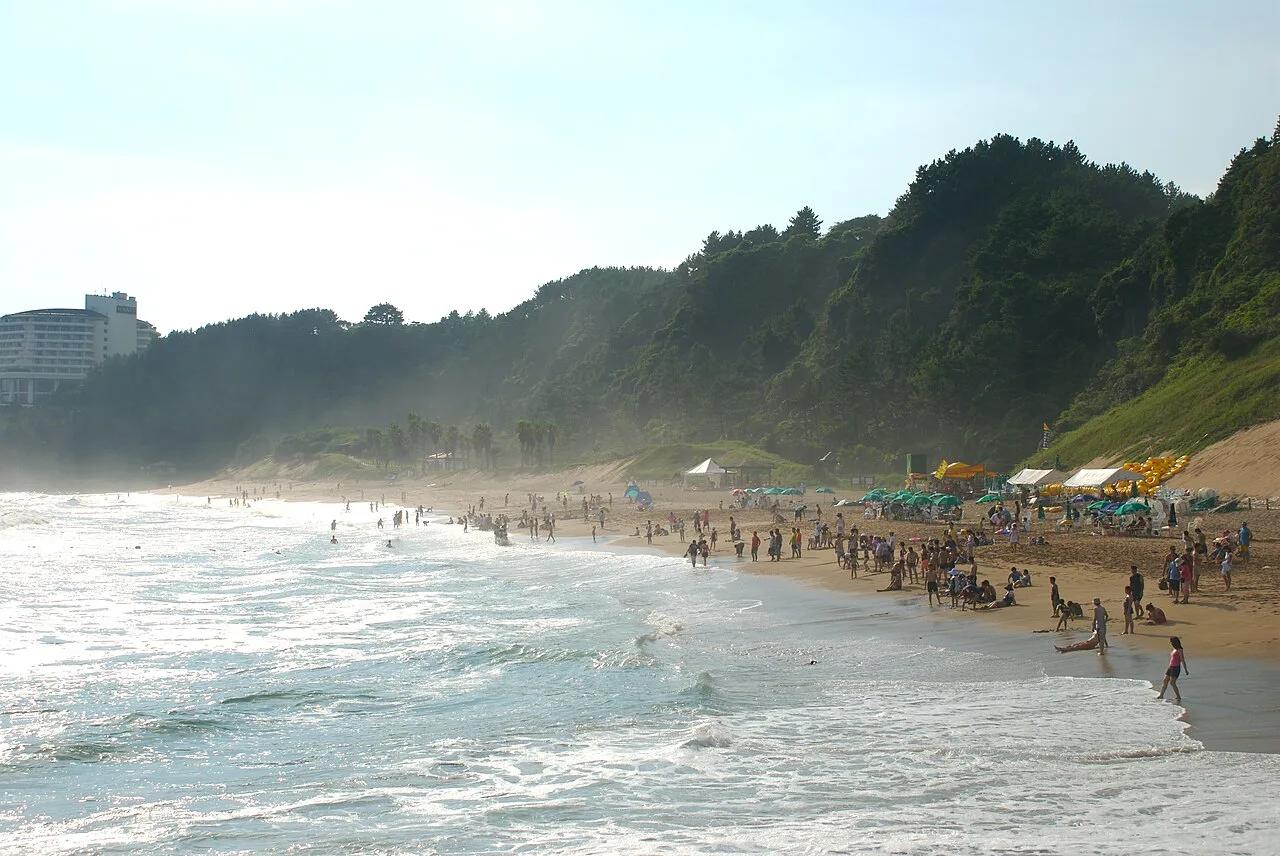
Featured image by karendotcom127, CC BY 2.0, via Wikimedia Commons.
Jeju seafood at a glance
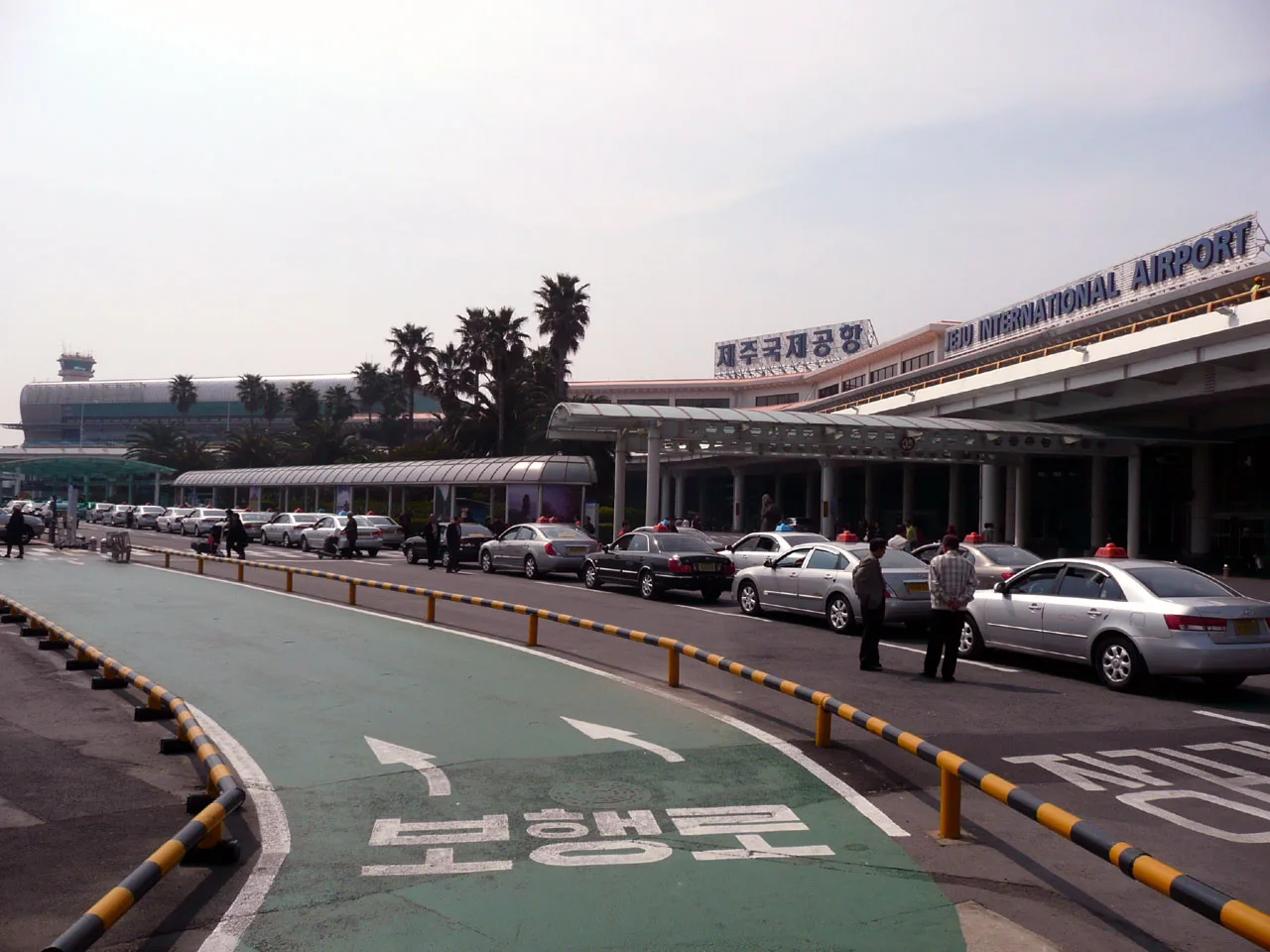
Pick the format first, then the dish. Market buy-and-prepare suits two or three people happy to point and gesture. Restaurant sets suit anyone who wants a menu and a table. Haenyeo huts suit travelers chasing the diver story. Our first stop is Dongmun Fish Market in Jeju City, which sits about 10 minutes from the airport and 5 minutes from the ferry terminal, per Visit Jeju's listing. Prices and hours checked November 2026.
| Format | Cost logic | Time needed | Language difficulty | Best fit | Main risk |
|---|---|---|---|---|---|
| Restaurant set meal | Fixed menu price; some places set a minimum order | Longer course meal | Low: menus and staff | Families, non-raw eaters | Pricey tasting courses |
| Market buy-then-prepare | Seafood by weight plus a per-person preparation fee | 45 min to 1.5 hr | Medium: point and gesture | Groups of 2–3 | Second fee you did not ask about |
| Haenyeo direct-sale hut | Informal, per catch | Varies with weather | Medium to high | Diver-culture seekers | Hours and supply depend on the sea |
| Guided market tour | Tour fee set by the operator | A morning or afternoon | Low: guide explains | Nervous first-timers | Less freedom to roam |
What to eat: the Jeju seafood dish-picker
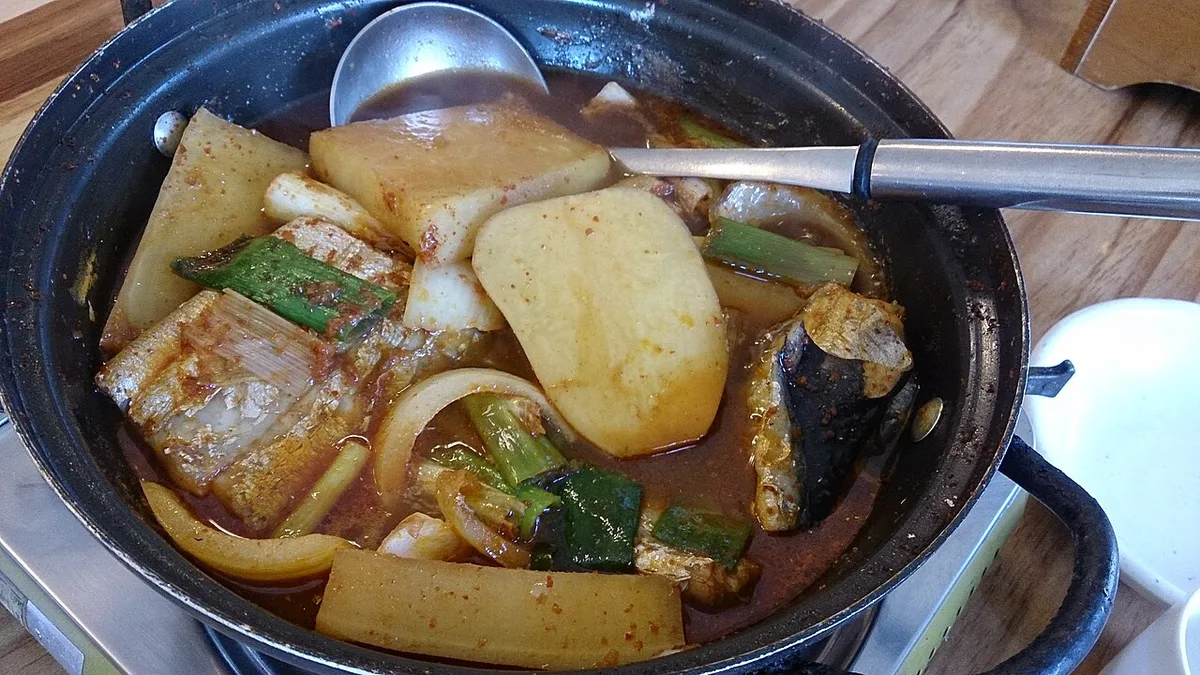
Hairtail is the dish we'd order first. Grilled galchi gui is mild and not spicy. Braised galchi jorim is the spicy one, often served as a whole fish in a long pot with octopus, shrimp and abalone. Galchi guk is a clear soup with pumpkin and cabbage that works as a hangover breakfast. Abalone ranges from raw to grilled to porridge, and our abalone porridge guide covers the gentlest version. Beyond Jeju, the Korea Tourism Organization food guide maps Korean dishes more widely.
- Hairtail grilled (gui): mild, no spice, the safe first order.
- Hairtail braised (jorim): spicy red stew; skip it if chili is a problem.
- Hairtail soup (guk): clear, savory, gentle on the stomach.
- Abalone grilled with butter: soft and the most reliable format. Raw abalone is crunchy and divides opinion. Porridge is mild but can taste thin.
- Conch and top shell (bomal): chewy; bomal kalguksu puts top shells in a noodle broth.
- Sea urchin: seongge miyeokguk scoops raw roe onto kelp soup. Skip it if you dislike briny, creamy textures.
- Raw fish (hoe): sliced platters for confident raw eaters. Mulhoe is the chilled soup version, with a soybean-paste broth in Jeju.
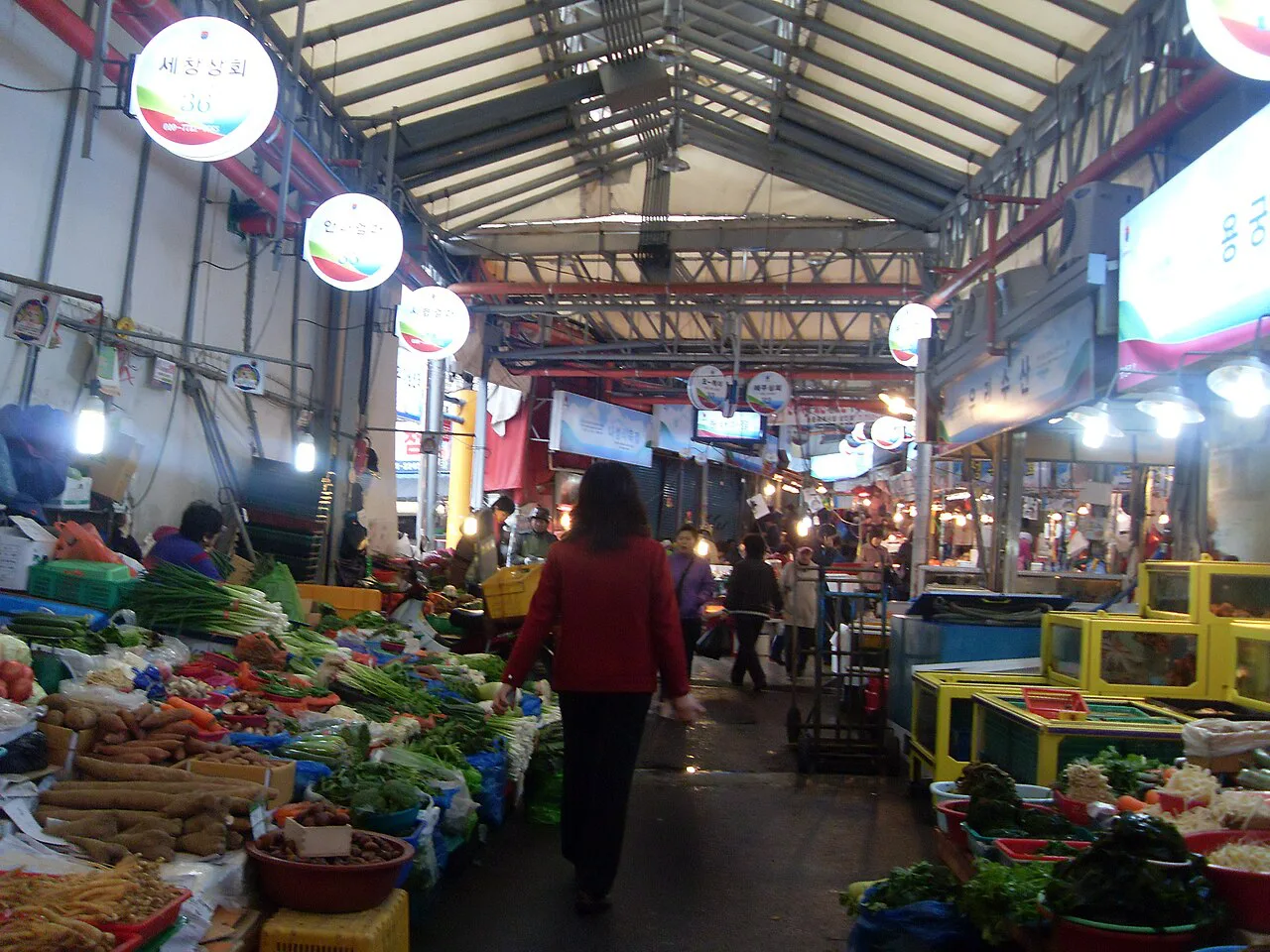
Buy-then-prepare at Dongmun and Seogwipo markets
Buying at a market is a two-step purchase. You pick raw seafood by weight at a stall. That vendor, or a neighboring counter, then slices or grills it for a separate fee. One guide reports ₩5,000–15,000 per person for preparation. It puts a meal for two at ₩40,000–70,000 and the whole stop at 45 minutes to 1.5 hours, including a 10–20 minute wait. Treat those as ballpark figures and ask the fee before you commit.
- Walk the seafood rows once without buying, and compare posted per-100g or per-kilo prices.
- Point at what you want and start smaller than you think you need.
- Pay for the raw seafood, then ask the preparation fee and style (hoe for raw, gui for grilled) before you sit.
- Judge freshness by live tanks or clear refrigeration, quick turnover and a vendor who answers questions.
- Mistake to avoid: ordering a second preparation you did not ask for.
- Mistake to avoid: buying more than the table can finish.
- Mistake to avoid: assuming the stall itself will serve you a plated meal.

Dongmun and Seogwipo market details
Dongmun Market, Jeju: Day vs Night Guide is our first-timer pick, because the volume of vendors and customers makes the routine easy to copy. Dongmun Fish Market is open 07:00–20:00 with no regular closing days, although each shop sets its own hours. Public parking is free for the first 30 minutes. Same-day parcel delivery and special packaging are on offer. Evenings add the night market, with food and souvenirs.
The south coast option: Seogwipo Maeil Olle Market
Seogwipo Maeil Olle Market is the south-coast alternative. Winter hours run 07:00–20:00, shops vary, and it has no regular closing days. Its address is Jungang-ro 62beon-gil 18 in Seogwipo. Staying in Seogwipo makes it the easier pick than a trip north.
Markets versus haenyeo direct-sale huts
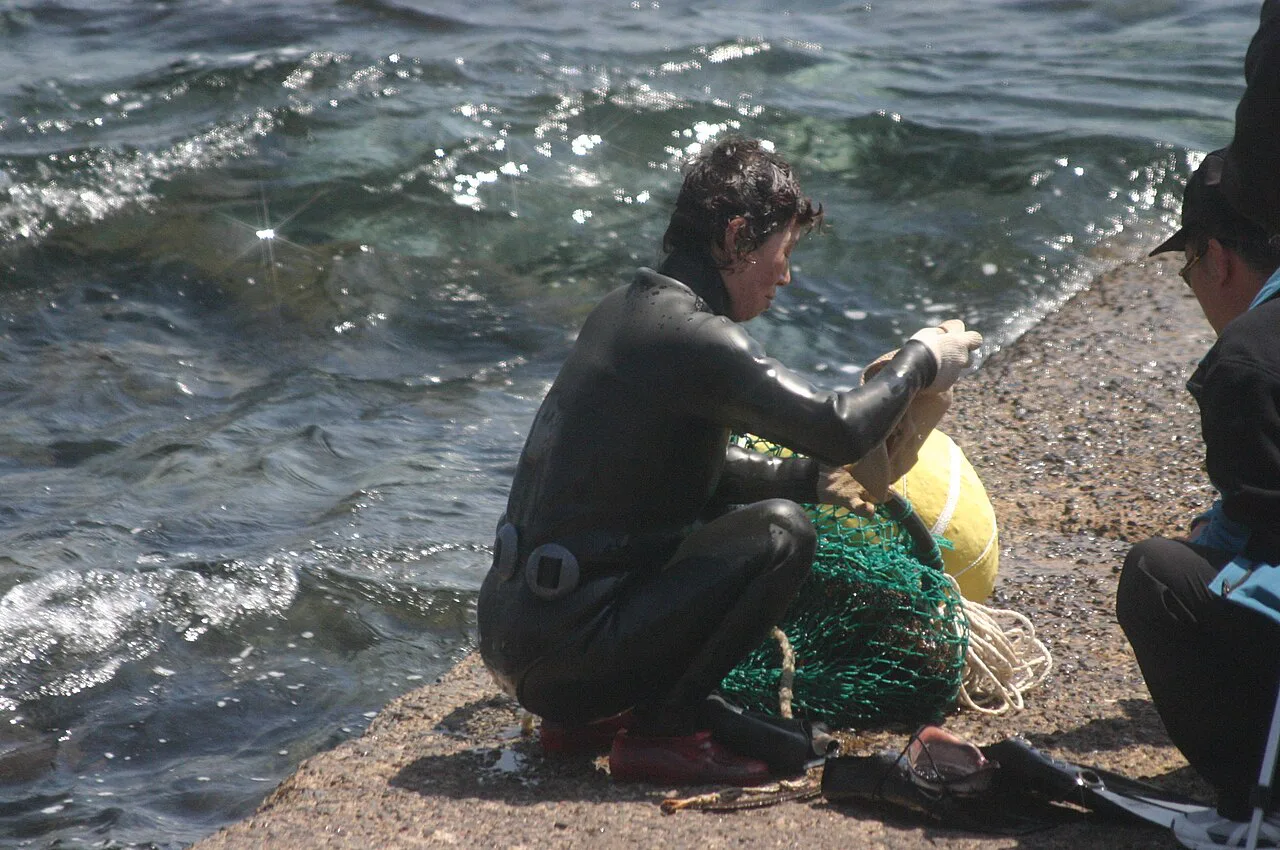
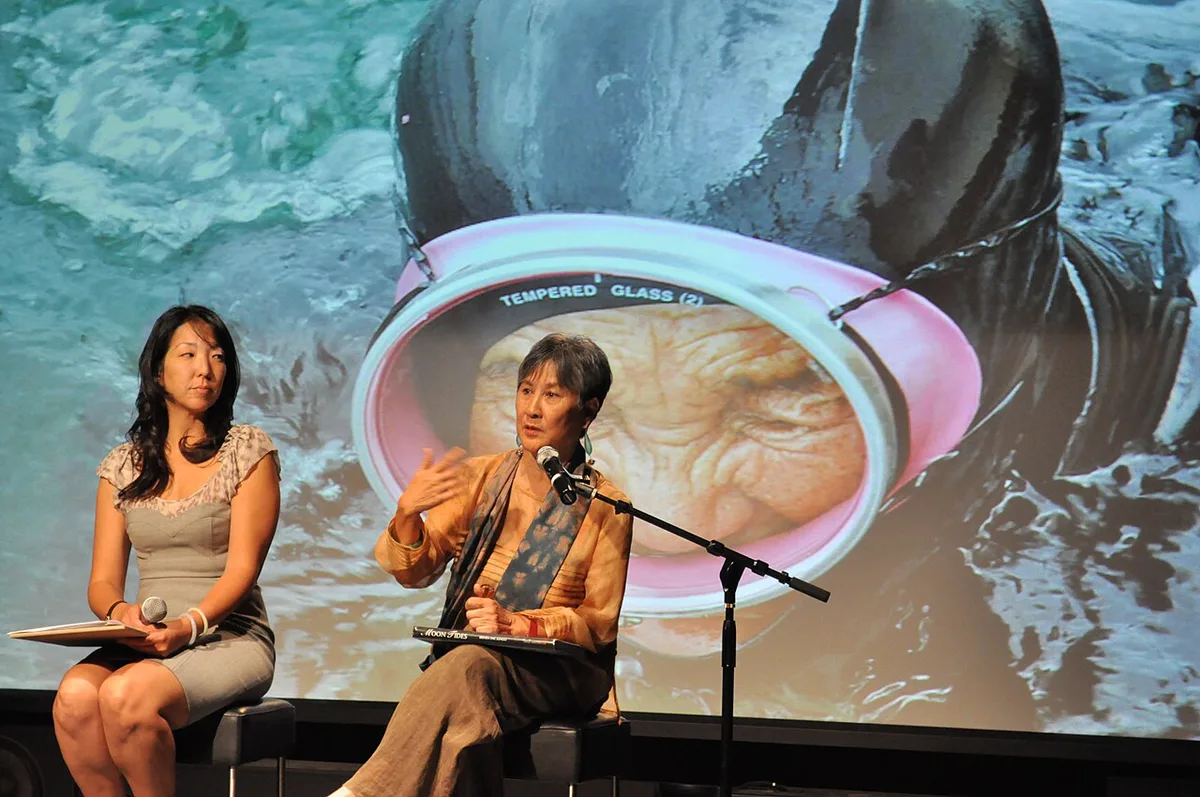
Small coastal huts run by haenyeo sell and serve on the spot, usually at plastic tables by the water. Markets offer wider choice, steadier hours and a crowd to copy. Huts offer a closer link to the diving tradition. Their hours follow weather and diving, and pricing is informal. We'd default to a market for one seafood meal. Add a hut only when your afternoon is flexible. For a coastal drive, Aewolhaean-ro runs about 9 km from Hagwi-ri to Aewol-ri by car, bicycle or on foot. Noraba at 570-1 Aewolhaean-ro serves seafood ramen and octopus sashimi on that road. Guided market food tours exist too, so check the operator for current dates and prices.
Where to eat sit-down Jeju seafood
Sit-down seafood costs more than a market stall but removes the guesswork. We'd keep the shortlist short and name the trade-off for each. One diner reported ₩200,000 for three at Jeju Seomun Raw Fish Marine, where the course leaned on sushi and noodles. Treat that as a tasting-course warning, not a typical bill. More options sit in our Jeju restaurant guide.
Seomun's ₩200,000 for three is a tasting-course figure; one guide puts a market meal for two at ₩40,000–70,000.
- Galchiwang, Jungmun branch (Sangye-dong, near Camellia Hill by one diner's account): grilled and braised hairtail. Trade-off: it is a car or taxi stop, one diner reports a minimum order of a set for 2, and another calls it pricey.
- Jeju Seomun Raw Fish Marine (13-2 Seomun-ro 4-gil, Jeju City): a long raw-fish course. Trade-off: reservations are advised and the price climbs fast.
- Myeongjin Jeonbok (1282 Haemajihaean-ro, Gujwa-eup): four dishes only, namely abalone pot rice, grilled abalone, abalone porridge and sliced raw abalone. Trade-off: a wait of about 10 minutes at 1:15 PM, and it sits far from other sights.
- Abalone Nara (20 Sammu-ro 3-gil, Jeju City): abalone in raw, porridge and stew forms. Trade-off: we have less detail on it than on the others.
- Eun-hee Haejangguk (40 Wonnohyeong-ro, Nohyeong-dong): a hangover-soup breakfast. Trade-off: this is a soup stop, not a raw-fish stop.
- Dongyang Sikdang (inside Dongmun Market): a 2022 guide lists galchi guk here. Trade-off: that listing is dated, so look for the sign when you arrive.
Seafood and the rest of the Jeju table
Seafood fills one meal, and the rest of the island fills the others. Black pork is the obvious second dinner, and our black pork guide covers it. Jeju pork noodles make a lighter lunch, and a noodle street near the Jeju Folklore & Natural History Museum reportedly has 10 restaurants serving them. Our Jeju noodles guide goes deeper. Hallabong and most other tangerines are harvested from December to April, so winter trips pair seafood with fruit. Read the hallabong guide for the varieties. Finish with coffee at one of the Jeju Cafes: Best Areas, Views and Routes by Region.
Logistics: language, payment, drinks and table manners
Four words cover most orders. Hoe means raw, gui means grilled, guk means soup, and eolmayeyo asks how much. Pointing plus a translation app handles quantity. Stall card rules vary, so ask before you order. Raw fish is traditionally eaten with a drink, usually soju or makgeolli. Popular restaurants fill at mealtimes. One Korea guide suggests arriving 1–2 hours before or after normal meal times. Diners at Myeongjin report about a 10-minute wait, with a name-and-order system at the counter. Kakao queue numbers may not work for non-residents, so use the entrance notebook instead.
Taking market seafood back to your accommodation
Vendors generally do not offer cold storage, so plan the trip home before you buy. Ask for double-bagged, ice-packed seafood. Past 30–45 minutes without refrigeration, we'd pay the preparation fee and eat at the market. Ask the vendor whether your purchase needs cooking right away. Buy only what your kitchen can handle in one meal. People who are pregnant or have shellfish allergies should read official Korean food-safety guidance before eating raw seafood. Cooked hairtail is the safer order for anyone avoiding raw fish.
Market seafood has a short cold window: 30–45 minutes without refrigeration. Dongmun is about 10 minutes from the airport, so plan the route before you buy.
Seasonality and timing
Morning gives the widest selection, and Dongmun Fish Market opens at 07:00. Sea urchin is reported to peak from late spring to early summer. Mulhoe, the chilled raw-fish soup, is typically eaten from late May to early September. Winter can reduce haenyeo diving in rough seas, though market supply holds up. Udo adds a boat leg: ferries leave from Seongsan Port and Jongdal Port, and the crossing takes about 10–15 minutes. Udo Marine Provincial Park admission is ₩1,000 for adults, with ferry fare separate. Sailings depend on weather and sea conditions, so check on the day. Plan 3–4 hours on the island for one or two sights plus a meal.
A no-car Jeju City seafood half-day
Build a low-stress seafood stop around Dongmun Fish Market if you are arriving without a car. The market is about 10 minutes from Jeju International Airport and 5 minutes from the ferry terminal. It is listed from 07:00–20:00, although individual shop hours vary.
Go in the morning, walk the seafood rows once, then choose either a raw platter or grilled fish. Allow 45 minutes to 1.5 hours for buying, preparation and eating. A 10–20 minute wait is possible after you select seafood. Ask the preparation fee before paying for the catch.
Finish nearby rather than carrying uncooked seafood across the island. Dongmun’s evening market adds prepared food and souvenirs if your flight or ferry timing pushes the meal later. This route works best for two or three people, since market seafood and preparation costs are easier to share.
Frequently Asked Questions
What are some specialties of Jeju Island?
Seafood specialties include grilled and braised hairtail, haenyeo-caught abalone, sea urchin kelp soup and chilled mulhoe. Bomal kalguksu, noodles made with top shells, is another. Black pork and hallabong round out the island's food.
Notes for your Korea trip
Optional updates to our city guides.
You might also like
Continue reading
More guides you'll find useful