Jeju Black Pork: What to Order and Where to Eat
How to eat Jeju black pork: which cuts to order, how a BBQ table works, what to expect on cost and queues, and how to pick a restaurant.
On this page
Last updated November 2026: Jeju black pork comes from the island's native black pig and is grilled at your table. Start with one belly portion, add a neck cut after the first round, and match the venue type to your group. Our guide covers cuts, table steps, queues and how a barbecue dinner fits into a full Jeju food day.
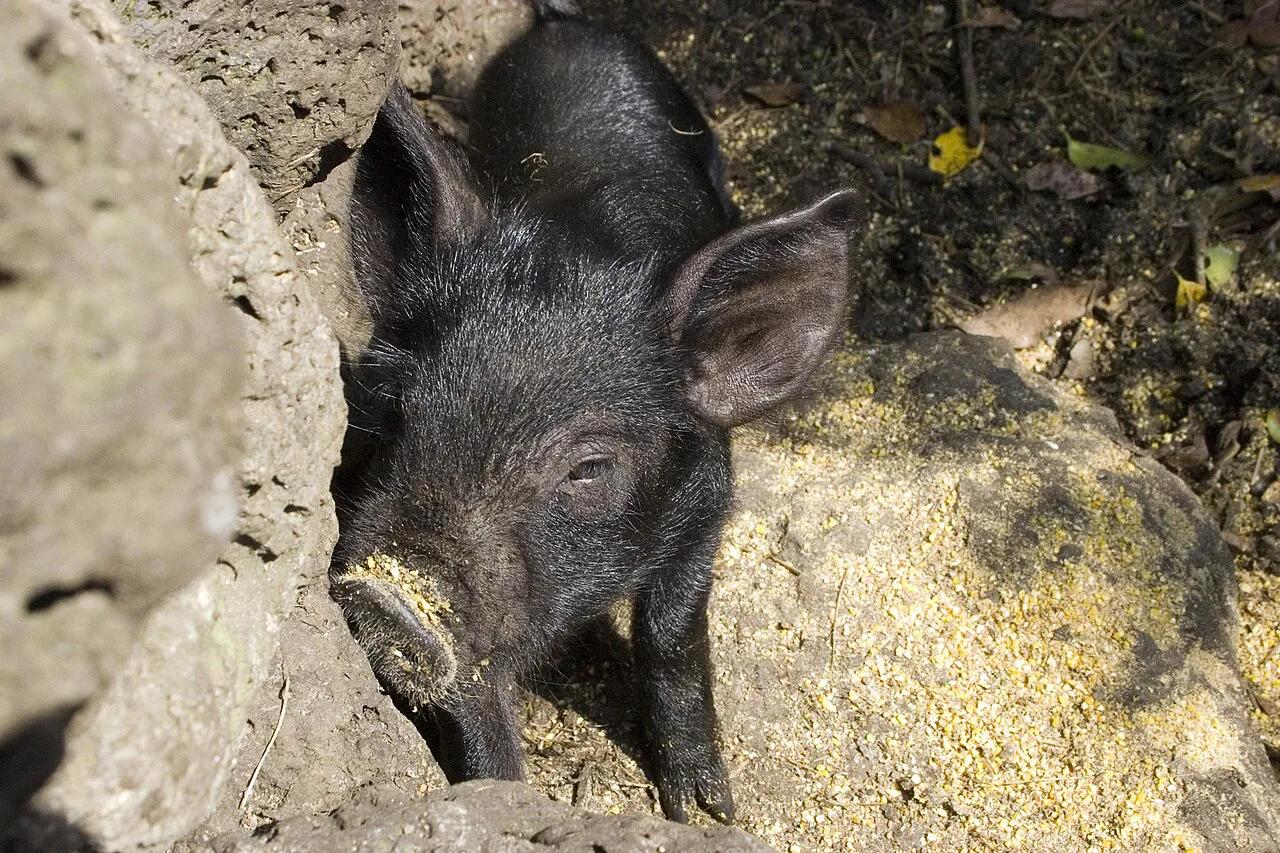
Featured image: A____ R__, CC BY-SA 2.0, via Wikimedia Commons.
Jeju black pork in brief
Black pork, written 흑돼지 (heukdwaeji) in Korean, is the island's best-known barbecue. Staff or your table grill it on a hot plate, and you eat it in bites with dips, leaves and side dishes. Order by cut, not by brand name, and keep the first round small.
- First-timer order: one skin-on belly portion.
- Round two: a neck or shoulder portion if you want leaner meat.
- Finish: rice, stew or noodles once the grill is cleared.
- Dip: jeot, the salted fermented seafood sauce on the table.
What makes Jeju black pork different (and what is marketing)
Jeju's native black pig is a distinct local breed, and that is the reason visitors seek it out. For background on island food, start with Visit Jeju's official tourism site. Restaurant signs use "black pork" as a headline, so the label alone tells you little about quality. Ask staff where the pork comes from and how long it was aged. Dry-aged black pork is a style some specialists advertise, and it changes texture more than flavor language on a menu does.
Which cut to order
Most menus list a handful of cuts. Belly suits a first visit because it shows the fat-and-lean contrast that defines the dish. Thick-cut block meat suits groups that want to share a few big pieces. Neck and shoulder suit anyone who finds belly too rich.
- 오겹살 (ogyeopsal): belly with the skin on, cut in five visible layers. Best first order.
- 근고기 (geun-gogi): thick-cut block meat, cut into pieces at the table. Best for groups.
- Neck and shoulder: leaner, chewier cuts. Best as a second round.
- Skin-on strips: crisp edges when grilled. Good for sharing one plate.
How a Jeju black pork table works
Staff set a grill in the middle of the table, and many places cook the first pieces for you. Side dishes (banchan) arrive without ordering, usually with leaves, garlic, sliced onion and dips. Jeot is a salted fermented seafood dip, and menus often offer an anchovy (myeolchi) version. Dip a piece, wrap it in a leaf with garlic, and eat it in one bite. Once the meat is done, order a finishing dish such as stew, rice or cold or hot noodle bowls. Order it before the grill is removed, because staff often swap the plate for a pot.
Choosing a Jeju black pork restaurant by venue type
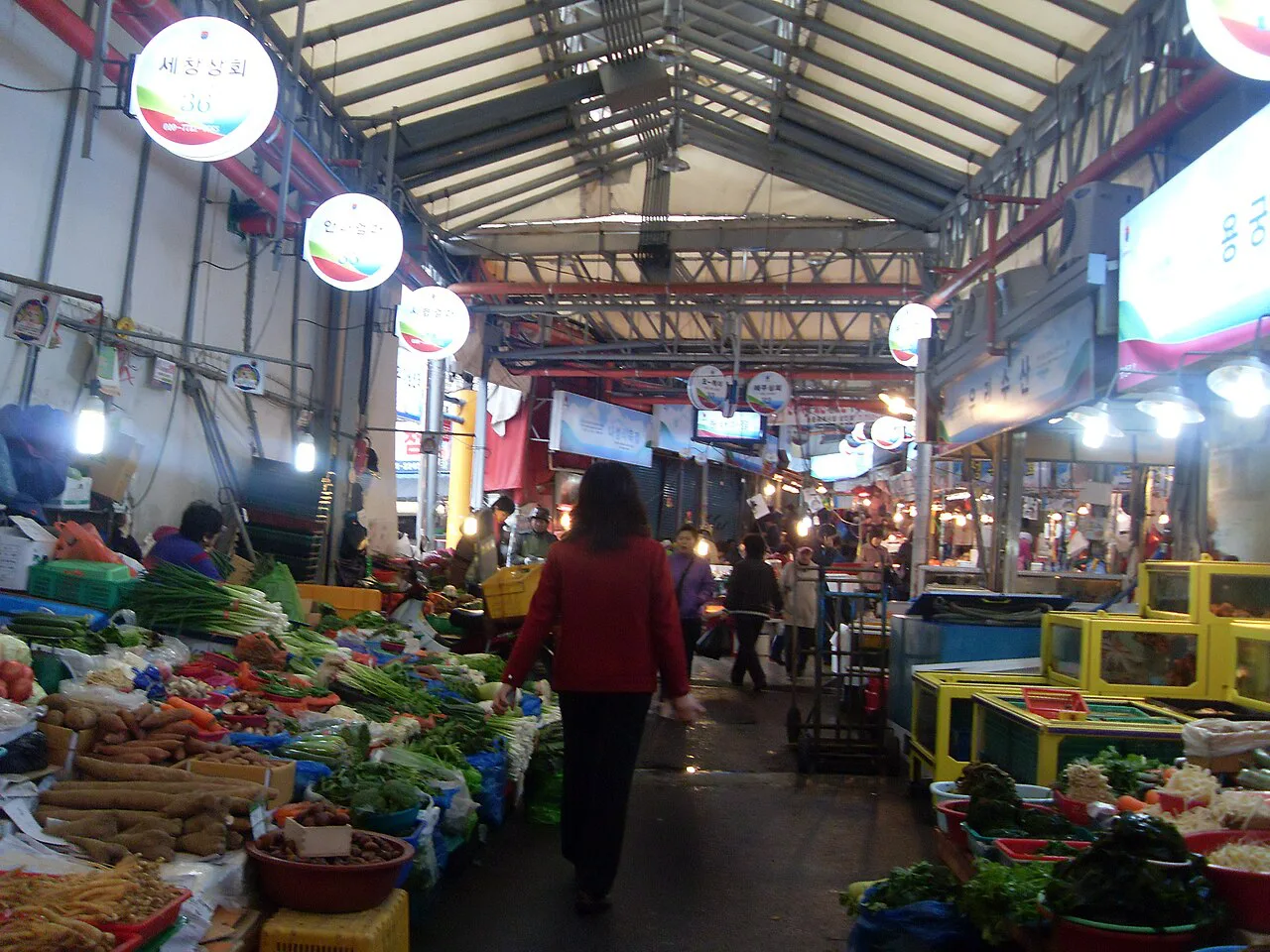
Four venue types cover most choices. Pick by how much waiting you will tolerate and who is at the table. Our broader restaurant list covers options beyond pork. For a market version of the same meal, walk the stalls around Dongmun Market in Jeju City. Compare other island food streets through the other island markets guide.
| Venue type | Price tier | Wait risk | Reservation need | Best for |
|---|---|---|---|---|
| Dry-aged specialist | Premium | Medium to high at dinner | Usually helpful | Couples, small groups |
| Queue-heavy famous name | Mid to premium | High, especially weekends | Often via app or number tag | Groups with time to spare |
| Local neighborhood place | Budget to mid | Low to medium | Rarely needed | Families, relaxed dinners |
| Market or street-food version | Budget | Low | None | Solo travelers, snack-sized tastings |
Cost, queues and booking
Black pork costs more than ordinary pork barbecue in most Korean cities, and menus price by portion or by weight. Read the unit on the menu before ordering, and check each venue's own map listing for current prices, hours and closure days.
- Dinner peaks in the early evening, and weekends run longest.
- Lunch is the easier slot for a shorter wait.
- Phone booking and reservation apps work best when someone with Korean can help.
- Number-tag queues need you to stay near the door.
Getting there and getting back
Black pork restaurants cluster in Jeju City and Seogwipo, with more around the airport and Dongmun Market. If you drive, look for free parking, but plan to take a taxi back after drinks.
- Car: easiest for neighborhood places, but leave it behind if you drink.
- Taxi: best round-trip choice for a barbecue-and-soju dinner.
- Bus: workable for city-center venues, with slower service later in the evening.
Solo travelers, families and mixed groups
Many Korean barbecue places set a minimum of two portions, so solo diners should ask before sitting down. Market stalls and set menus are the easiest solo options. Families can share one belly plate and order rice or stew for children. Mixed groups with non-pork eaters should ask about fish, noodles or stew before booking. Halal and kosher diners should ask the restaurant directly about preparation, because a pork grill shares surfaces and utensils. Pork-free members can eat at an abalone porridge shop and meet the group afterward.
Mistakes to avoid
Most disappointments come from ordering fast and asking nothing. A short list prevents them.
- Ordering a big first round before seeing portion sizes.
- Skipping the question of whether the price is per portion or per weight.
- Trusting a "black pork" sign without asking about origin.
- Choosing a venue by tour-bus signage alone.
- Ignoring closure days, which change by restaurant.
Pair it with the rest of your Jeju food day
Keep barbecue for dinner and make the earlier meals lighter. Breakfast or lunch works well as a bowl of abalone porridge, a short grilled and raw seafood meal, or market snacks. After dinner, walk to a café stop for tea. If you want a sweet ending, look for hallabong citrus desserts. Browse the Korea Tourism Organization's national food guide for dish names to compare.
Frequently Asked Questions
What makes Jeju black pork special?
It comes from Jeju's native black pig and is the island's signature barbecue. Visitors seek it out for grilled belly and thick-cut block meat served with jeot and leaves.
What is a popular Korean pork dish?
Grilled pork belly is the best-known one, eaten wrapped in leaves with garlic and dips. On Jeju, the local black pork version is the version most visitors try.
Is pork eaten in Korea?
Yes, pork barbecue is a common meal across Korea. Visitors who avoid pork should ask restaurants about alternatives before sitting down.
Notes for your Korea trip
Optional updates to our city guides.
You might also like



Continue reading
More guides you'll find useful