Jeju Bus Guide: Routes, Payment & When to Skip It
Plan Jeju by bus: how routes work, how to pay, the trade-offs against a rental car and taxi, and when the bus isn't worth it.
On this page
Last updated November 2026. The Jeju bus network reaches most of the island, but rural and attraction-heavy routes run infrequently and slowly. It suits flexible, budget-minded travelers and fits poorly into tight itineraries. This guide covers route types, payment, airport connections, sample routes and who should choose another option from the wider Jeju transport overview.
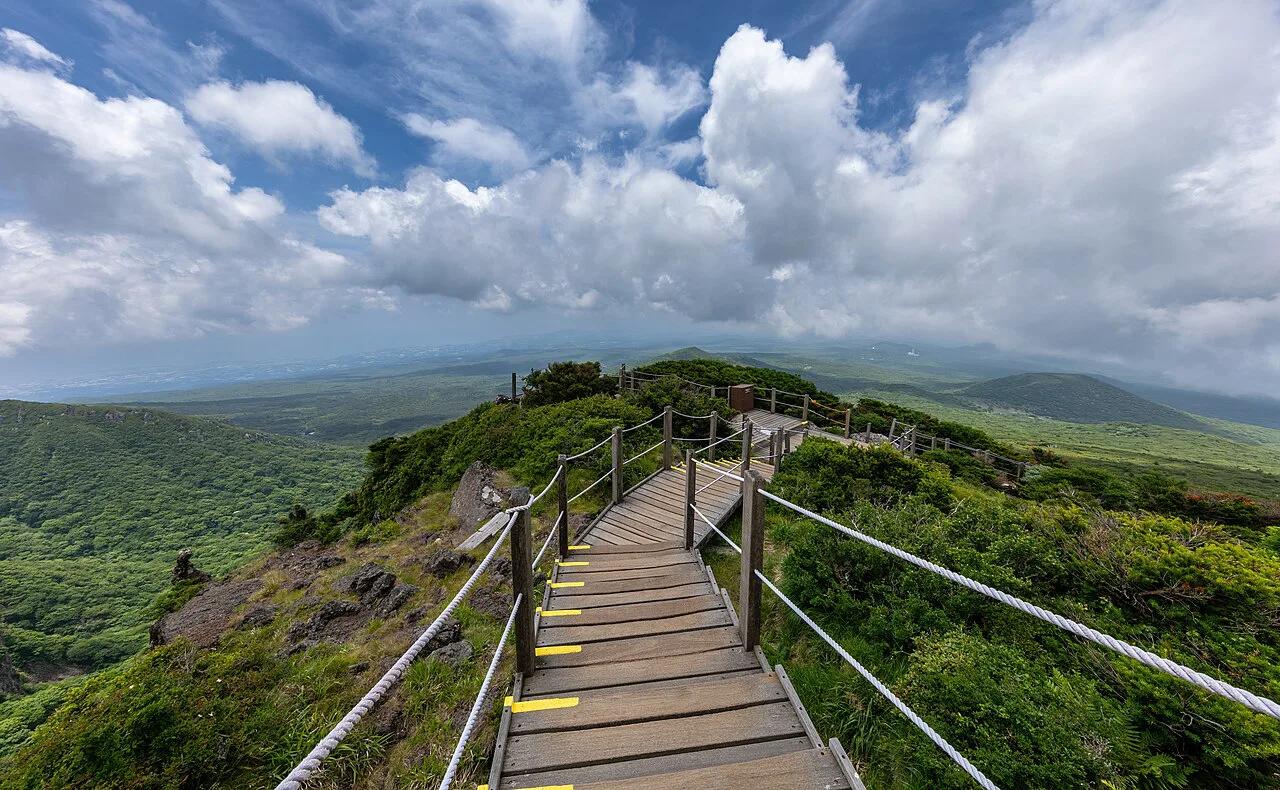
Featured image: Sgroey, CC BY-SA 4.0, via Wikimedia Commons.
Quick answer: is the Jeju bus a good way to see the island?
Yes, if you have several days and few stops per day. A route such as bus 201 along the northeast coast takes about 17 minutes from Jeju City Intercity Bus Terminal to the Hwabuk Nammun stop, according to Visit Jeju. Visit Jeju also admits that public transport logistics can be difficult for visitors. Distances between sights are the real problem. Waits on rural lines can eat half a day. Use the table below as a first filter.
Bus 201 takes about 17 minutes from the terminal, but frequency is not guaranteed, so plan the return leg first.
| Option | Cost level | Flexibility | Best for |
|---|---|---|---|
| Public bus | Lowest | Low on rural routes | Slow travel, solo or budget trips |
| Rental car | Higher, plus parking and fuel | Highest | Many stops, families, remote coast |
| Taxi tour | Highest per day | Fixed itinerary, door to door | Short stays, small groups |
| Bus tour | Moderate | Set stops and times | First-timers who want a guide |
Jeju bus types and how to tell them apart
Jeju routes are grouped into numbered families. Express lines link the main hubs quickly. Intercity trunk lines run along the coast and across the island. Branch lines feed smaller villages, and circular lines loop around a local area. Jeju City Intercity Bus Terminal and the airport area are the main starting points. Route numbers have changed before: Visit Jeju notes that bus 201 was formerly bus 701. Check the current number on the province's official Jeju government site before you plan around one.
- Express lines: fewer stops, hub to hub.
- Trunk lines: the coast and cross-island backbone.
- Branch lines: villages and smaller sights, least frequent.
- Circular lines: local loops around a single area.
How to ride: finding routes, paying and getting off
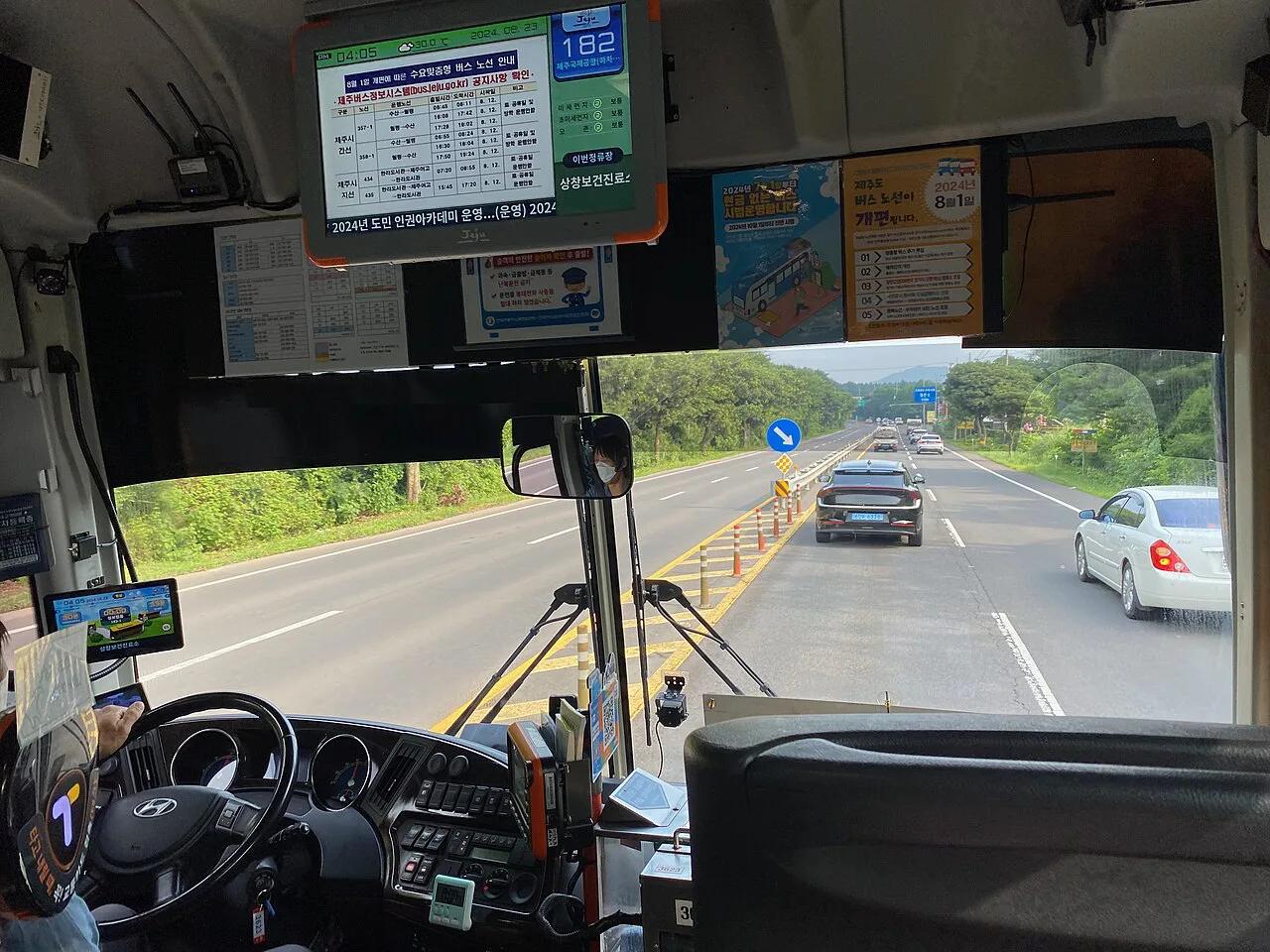
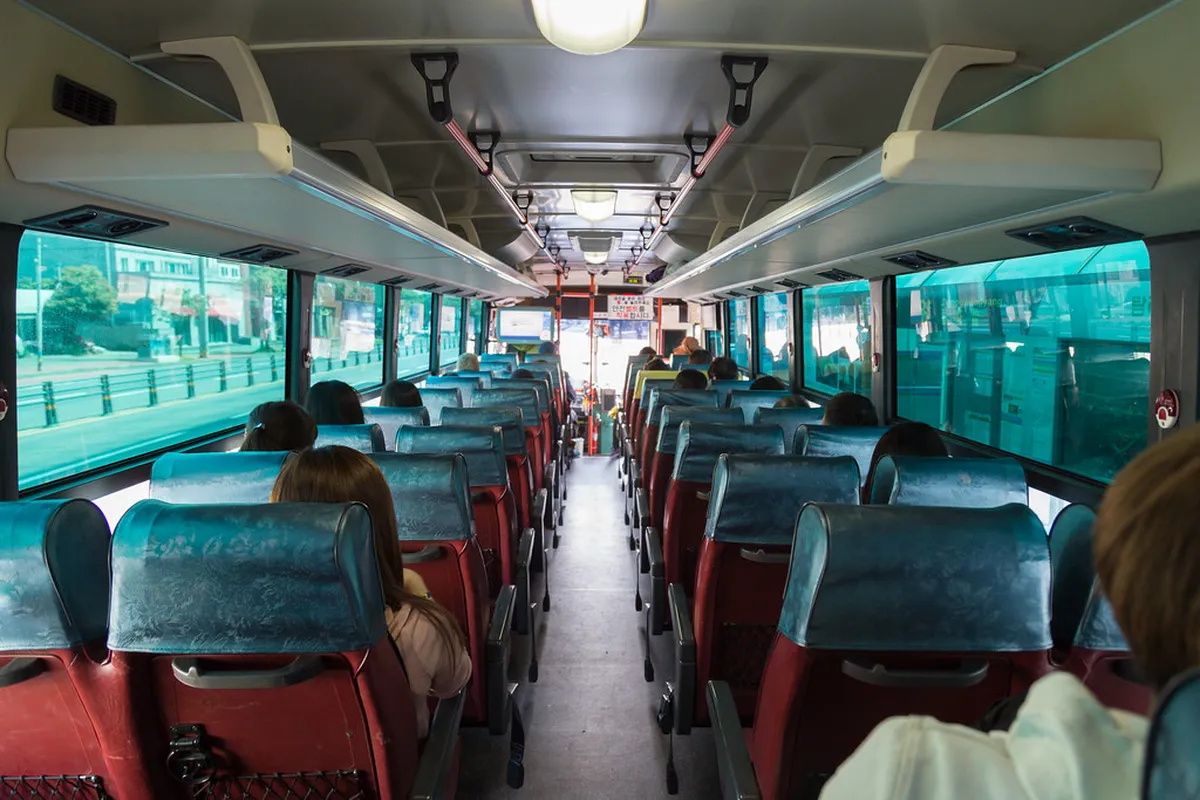
Use a navigation app that shows Korean bus numbers, and save the Korean name of your stop. Signs are often Korean-first, so a screenshot of the destination helps. Payment is by transit card or cash; ask the driver on your first ride which your line accepts. Board at the front and watch the stop display. Press the stop button before your stop, since drivers do not halt at every bench. Mobile data matters here. Without a signal you cannot see real-time arrivals.
From the airport by bus
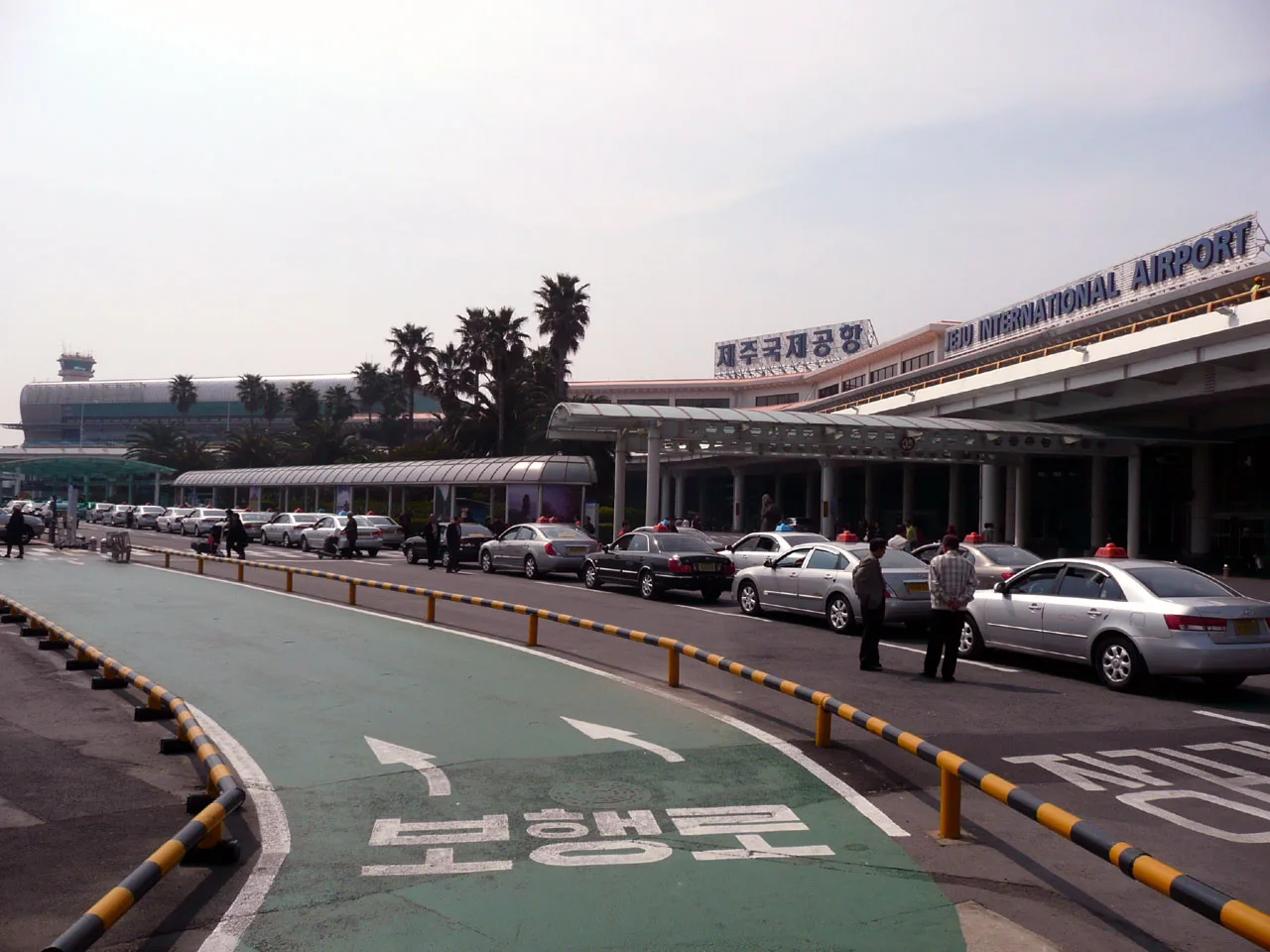
Jeju International Airport is a main hub, so you can start a public bus trip there. Public buses cost less, but they stop often and can be awkward with a large suitcase. The airport limousine bus is simpler for hotel drop-offs. Read the Jeju airport arrivals guide for the terminal layout. Current services are listed by Korea Airports Corporation. Late arrivals should plan a taxi, since last buses leave early on many rural lines.
Sample Jeju bus routes and realistic day plans
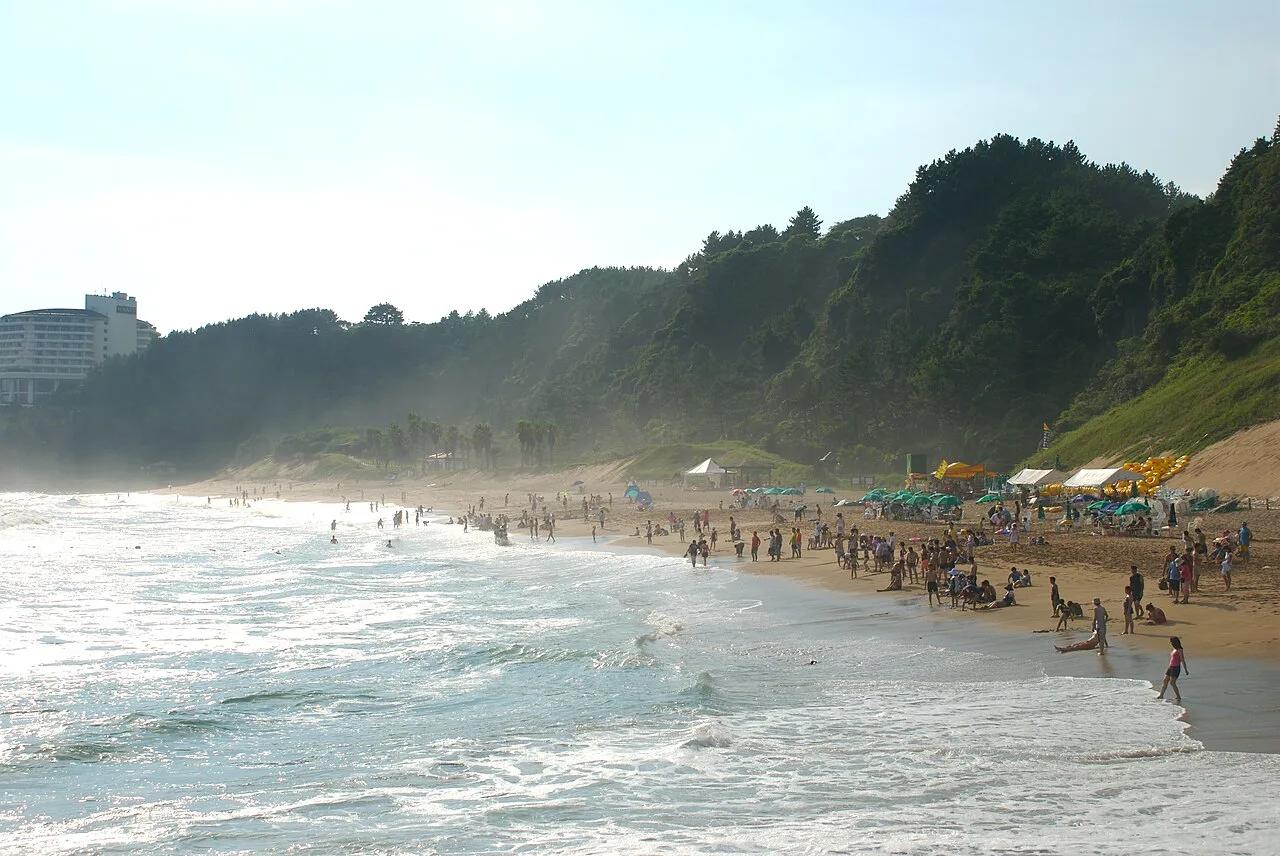
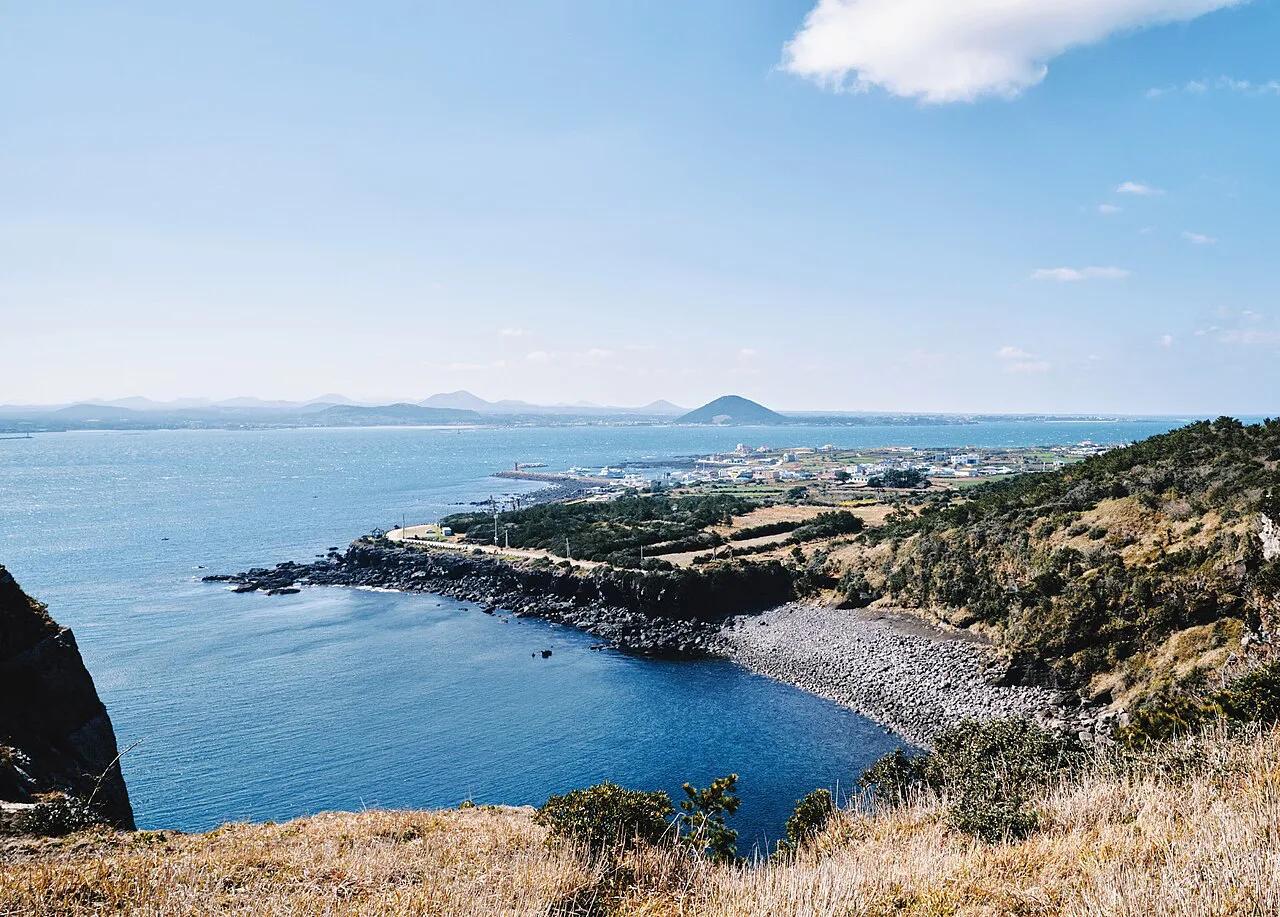
The northeast coast is the easiest sample day. From Jeju City Intercity Bus Terminal, bus 201 reaches Hwabuk Nammun in about 17 minutes. Nearby is the Hwabuk Hwanhae Great Wall. Visit Jeju says the wall extends some 120 kilometers along the coast, though it is intact only in places such as Sinsan, Onpyeong and Aewol. Samyang Black Sand Beach sits on Jeju Olle Trail No. 18. Hamdeok follows on Olle Trail No. 19, and Visit Jeju says bus 201 has a stop at the entrance to its beach parking. Check live times before you go, because frequency is not guaranteed on any route.
| Route/area | Start point | What you reach | Time realism | Best for | Skip if |
|---|---|---|---|---|---|
| Northeast coast (bus 201) | Jeju City Intercity Bus Terminal | Hwanhae Great Wall, Samyang, Hamdeok | Two to three stops per day | Slow beach and walking day | You want more than three sights |
| Aewol coast | Jeju City side | Coastal road from Hagwi-ri to Aewol-ri, about 9 km | Better on foot or bicycle between stops | Cyclists and Olle walkers | You hate waiting at roadside stops |
| Seogwipo area | Intercity link south | Saeyeon Bridge and Saeseom | Plan a few days in Seogwipo | Longer stays | You only have one night |
Cost, time and access trade-offs against a car or taxi
Buses cost the least per day, but you pay in waiting time. A rental car in Jeju costs more and removes the schedule. A private taxi tour costs the most and handles luggage and timing for you. Hamdeok shows the effect of schedules. Its official 2026 swimming hours were 10:00-19:00, and the beach season ran from June 24 to September 6. A parasol rental there was ₩20,000, and a raised platform was ₩30,000. A late bus ride home can cost you the best hours on the sand.
Hamdeok's official 2026 swimming hours were 10:00-19:00, so time your bus home around the water closing.
Mistakes to avoid on Jeju buses
Last-bus timing is the biggest risk. Finish a sight early enough to reach a hub before service thins out. Rainy or typhoon days can disrupt schedules, so keep a backup plan. Summer heat makes long waits at open stops tiring, and winter wind on the coast does the same. Check the direction before you board, since the same number runs both ways. Avoid rush-hour rides with a large bag.
- Download an offline map before leaving the hotel.
- Screenshot the Korean name of each stop.
- Carry a taxi app or card as a fallback.
Who should skip the bus, and how to choose
Skip the bus if you travel with small children, carry heavy luggage, or want four or more sights in one day. Arriving late at night is another reason to book a taxi. Guided days work better through a Jeju Bus Tour: Day Tours vs Public Bus vs Taxi (2026 Guide). Use this checklist to choose.
- Days in Jeju: one or two days favors a tour or taxi; four or more suits the bus.
- Stops per day: one to three works by bus; more needs a car.
- Luggage: heavy bags favor the limousine bus or a taxi.
- Korean signage: if apps and signs worry you, pick a tour.
- Budget: tight budgets favor the bus.
- Schedule: very early or late starts favor a car or taxi.
Frequently Asked Questions
How to pay for buses in Jeju?
Buses accept a transit card or cash. Ask the driver which your line takes on your first ride. Official fare details are on the Jeju provincial government site.
What are the bus routes in Jeju?
Routes fall into express, intercity trunk, branch and circular families. Bus 201 along the northeast coast is one example. Route numbers have been renumbered before, so use the official bus information for current lines.
How to check bus timing in Jeju?
Use a navigation app that shows Korean bus arrivals, and compare it with the official bus information. Rural lines are infrequent, so look up the last bus before you leave a sight.
Notes for your Korea trip
Optional updates to our city guides.
You might also like
Continue reading
More guides you'll find useful