Gyeongju Weather by Season: What to Expect and Pack
Gyeongju weather by season: when it's comfortable, when it rains, what to pack and how the weather affects sightseeing plans.
On this page
Last updated November 2026: Gyeongju weather runs through four distinct seasons, and spring and autumn are the most comfortable for walking between tomb parks and hill temples. Summers are hot and humid with the jangma rains, and winters are cold and dry. For live conditions, use the Korea Meteorological Administration forecast.
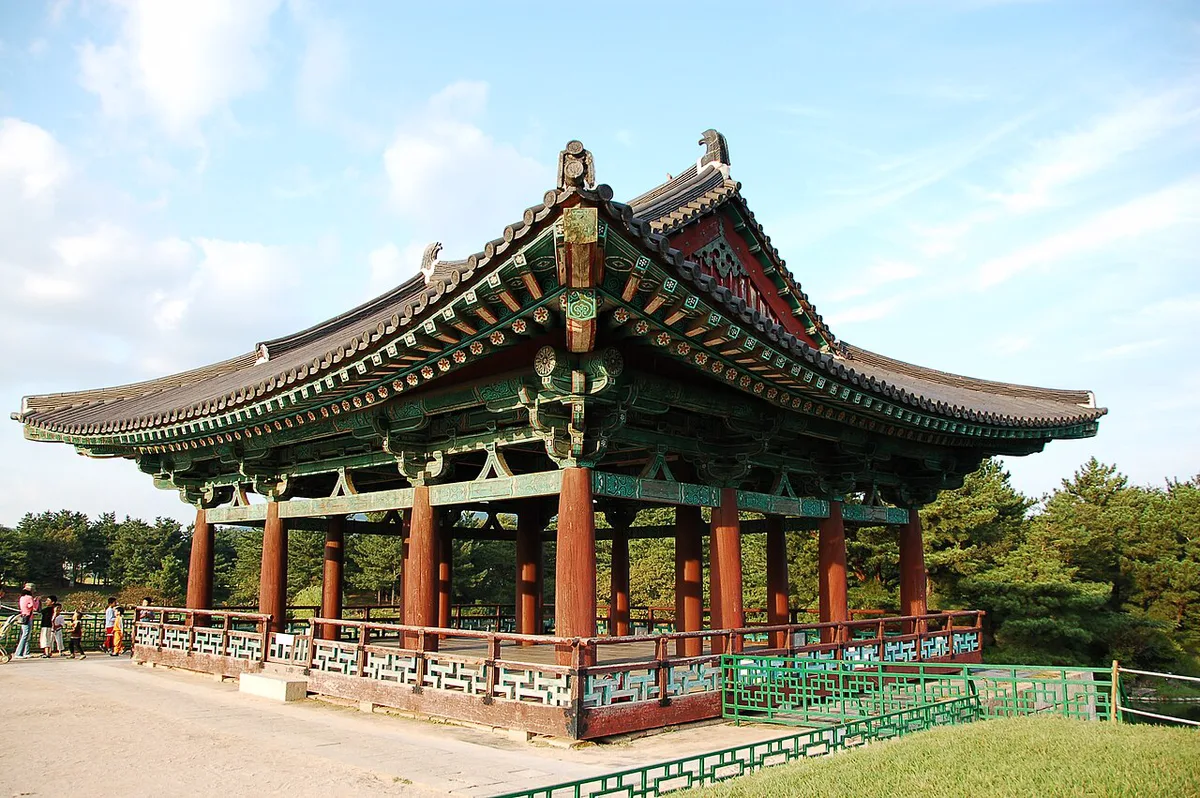
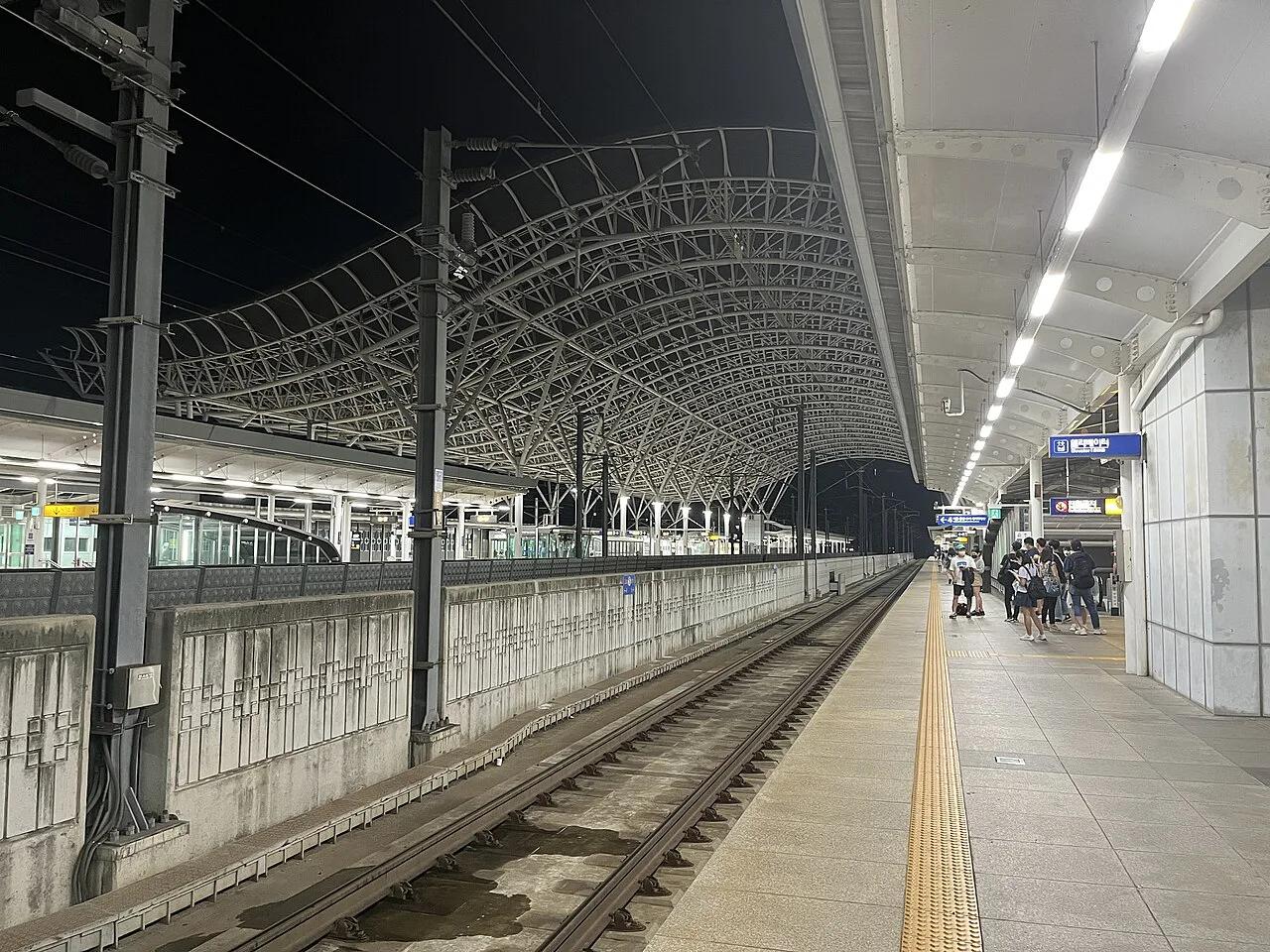
Featured image: riNux from Taipei, Taiwan, CC BY-SA 2.0, via Wikimedia Commons.
Gyeongju weather at a glance
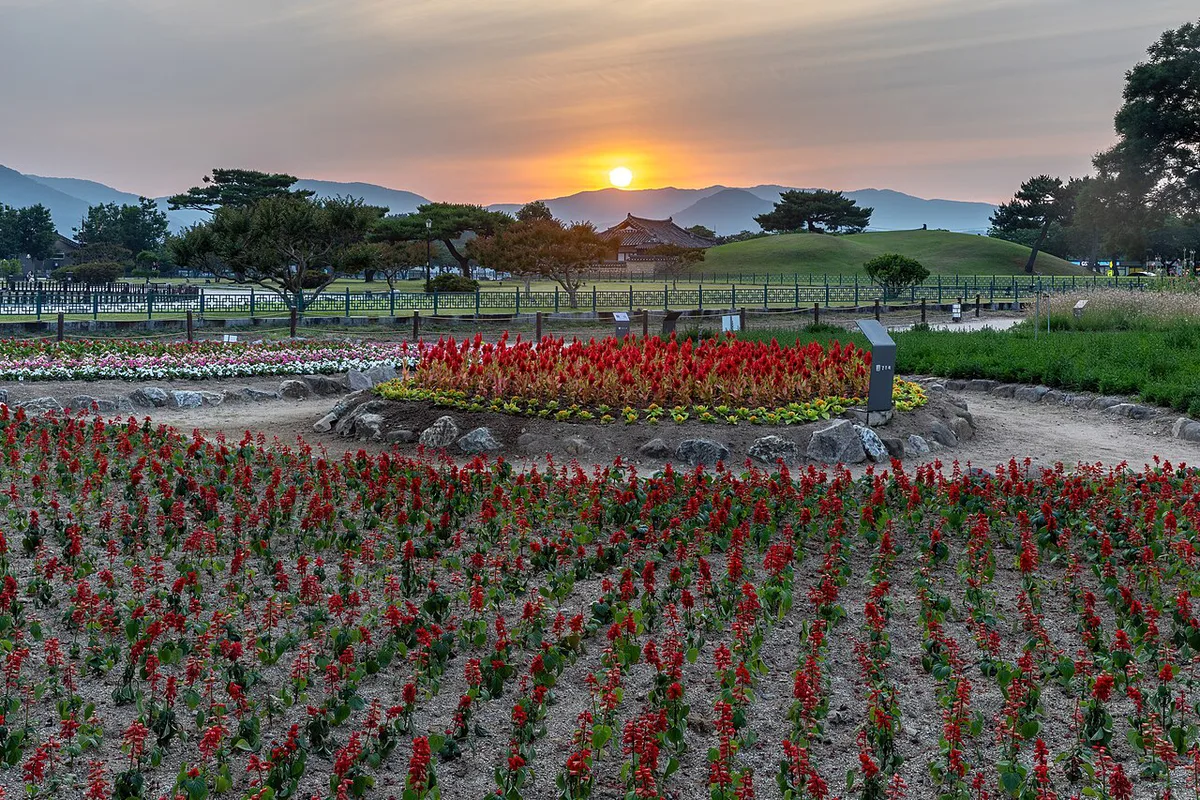
Gyeongju sits in an inland basin in Gyeongsangbuk-do, so it swings harder between seasons than a coastal town would. Plan outdoor days around spring and autumn, and treat midsummer and midwinter as seasons that need a plan. Pair this guide with our Best Time to Visit Gyeongju: Month-by-Month Guide page for month-level timing. A forecast snapshot from 16 November 2026 shows how fast late autumn turns. Highs near 17°C (63°F) early that week fell to about 6°C (43°F) by 21 November. A low near -4°C (25°F) followed on 22 November.
Gyeongju weather by season
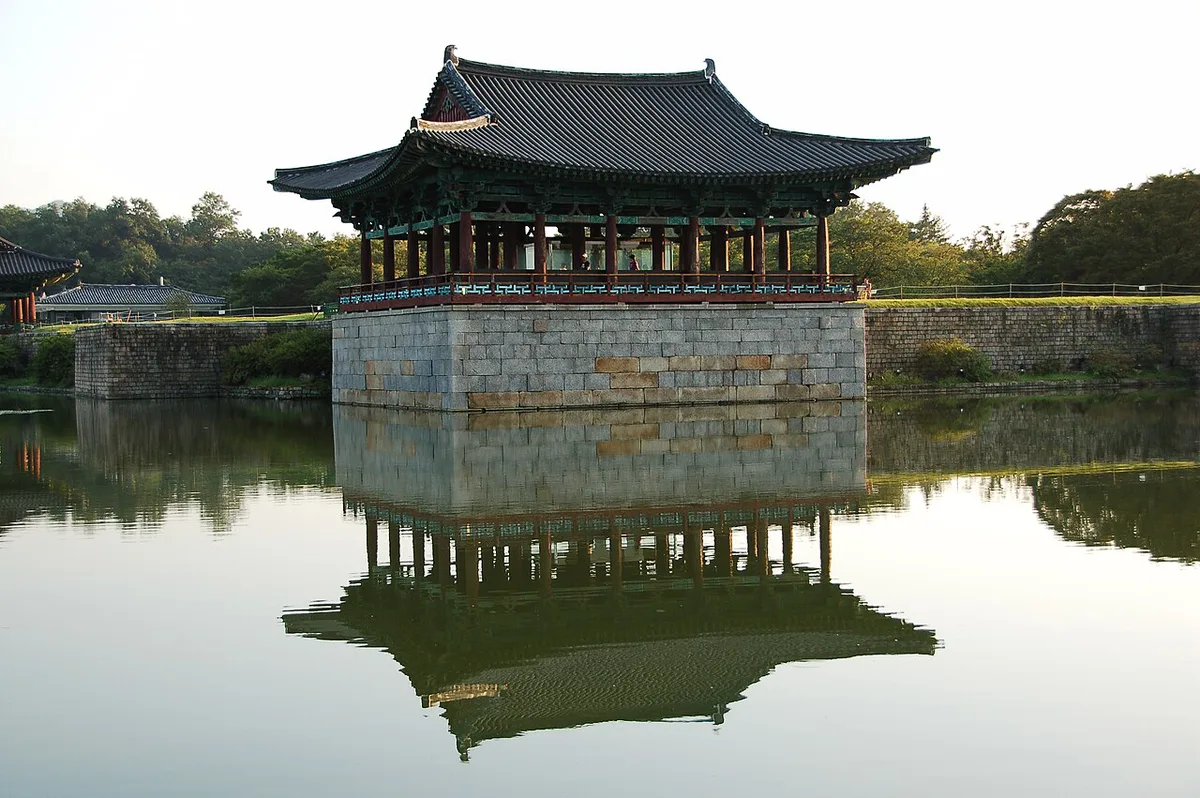
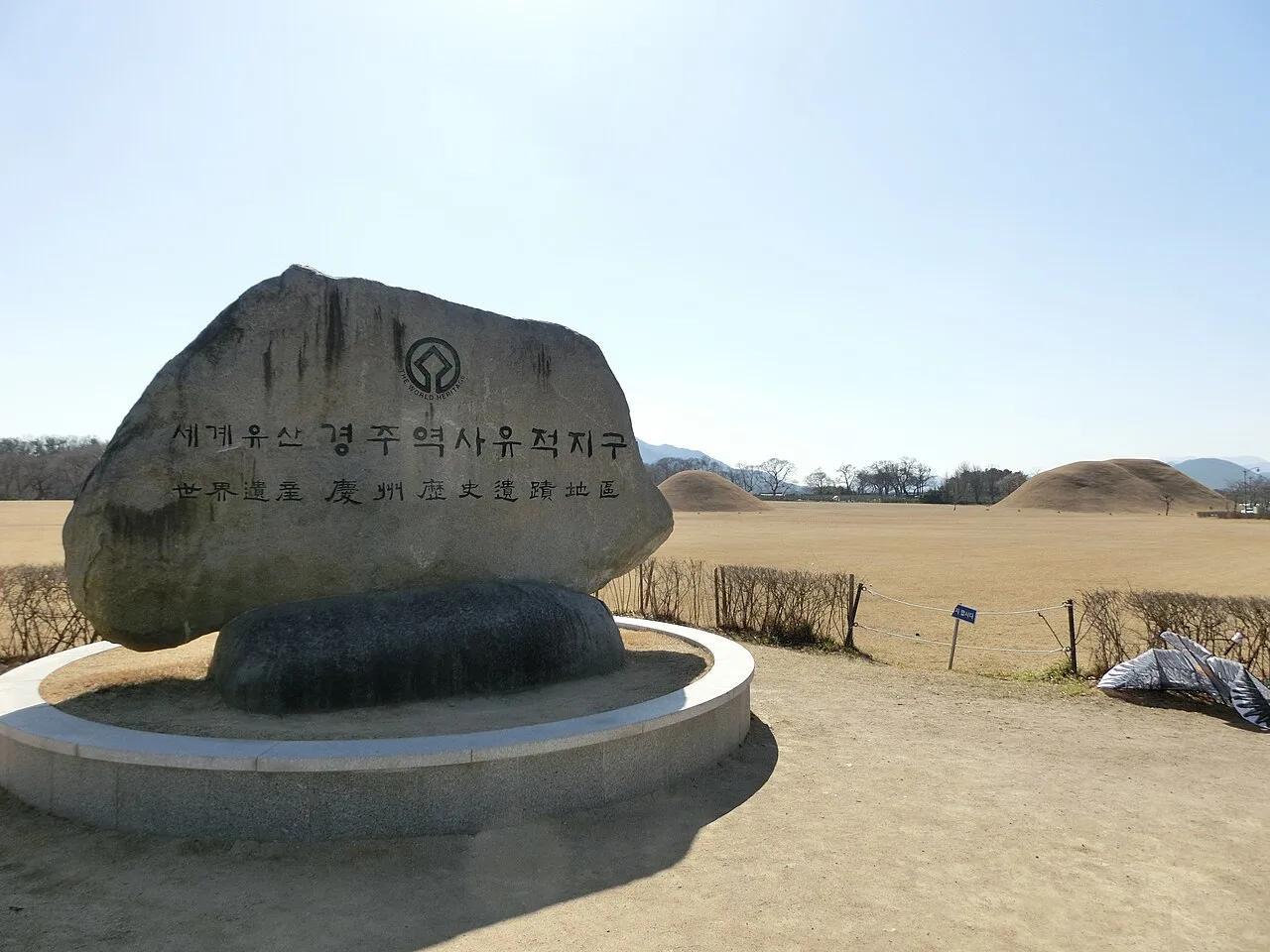
Spring brings cherry blossoms and magnolias to Daereungwon, with white fringe tree blossoms in late spring. Summer is the hardest season for walking, since heat and humidity build and the jangma rains arrive. Autumn is dry and clear, which suits long days on foot. Winter is cold and dry, with fewer visitors. Our guides to Gyeongju cherry blossom timing and Gyeongju in Autumn: Foliage, Temples and Trip Planning cover the peak weeks.
Daereungwon's main gate stays open until 22:00, so going after 18:00 in summer still leaves hours to walk.
| Season | Temperature feel | Rain and humidity | Crowds | Sightseeing verdict |
|---|---|---|---|---|
| Spring | Cool to mild | Light showers possible | Heavy in blossom weeks | Best for tomb parks and Hwangnidan-gil |
| Summer | Hot and humid | Jangma rains, typhoon risk | Moderate | Go early or after 18:00; use museums midday |
| Autumn | Mild to cool | Mostly dry | Heavy in foliage weeks | Best for Bulguksa and Seokguram |
| Winter | Cold | Dry, occasional snow | Light | Quiet but short days; layers essential |
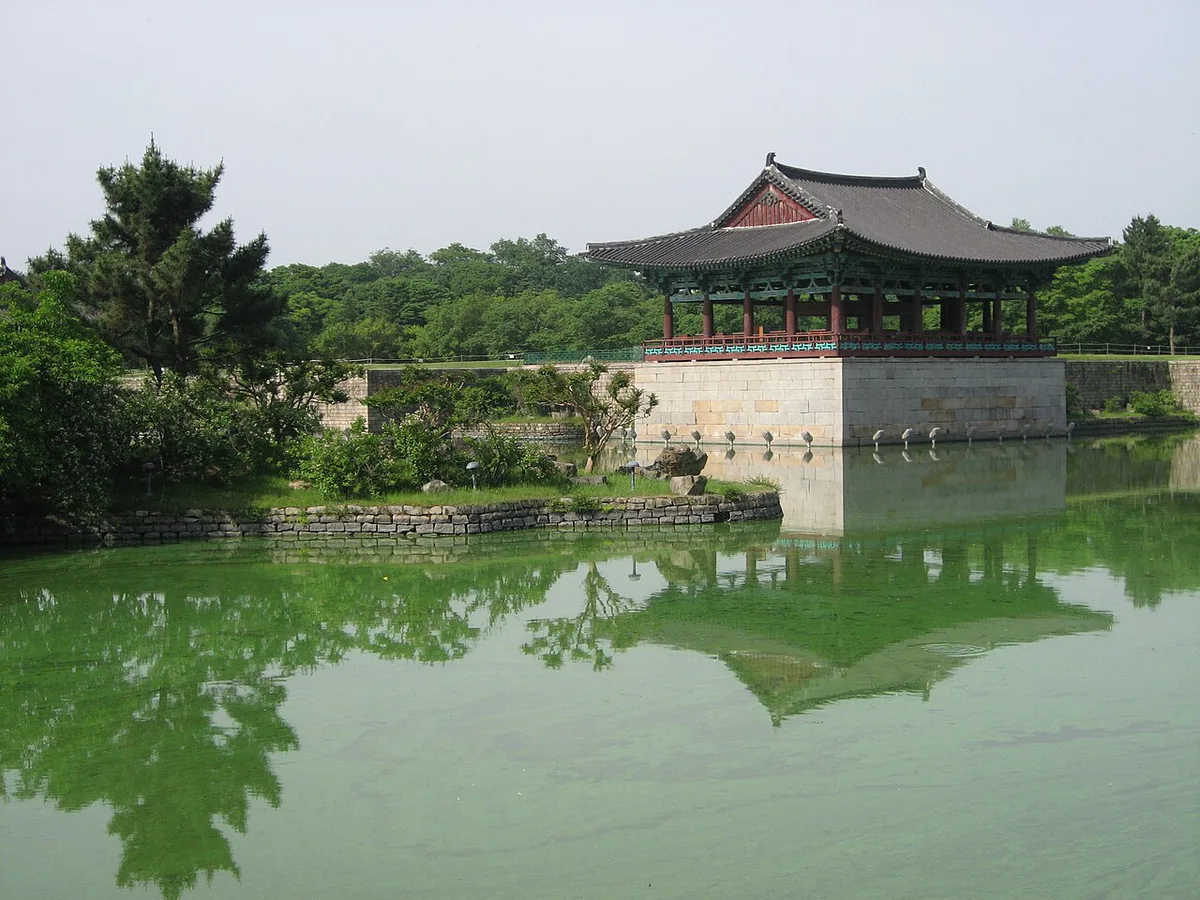
Gyeongju weather in winter
Winter here is cold and dry rather than wet. Daylight is short, and Bulguksa closes admission at 5:00 PM from November to January. Seokguram Grotto also closes at 5:00 PM in those months, and access can be restricted when heavy snow or other weather warnings are in effect. Mount Toham has trail closures too. The 1.4 km section between the Seokguram guard post and the summit is closed from 1 November 2026 to 31 March 2027, with a reopening for the 1 January 2027 sunrise event. Our Gyeongju winter guide covers the season in more detail.
Forecast highs fell to about 6°C (43°F) by 21 November, so plan Bulguksa visits around the 5:00 PM from November to January admission cutoff.
What to pack for Gyeongju
Layers matter more than any single heavy item, because mornings and afternoons can differ sharply. Stone paths and hillside steps reward shoes with grip.
- Spring and autumn: a light jacket, a warm layer for evenings, and comfortable walking shoes.
- Summer: breathable clothing, a compact umbrella for the jangma rains, a hat and a refillable water bottle.
- Winter: a insulated coat, gloves, a hat and thermal layers for hilltop sites.
- Year-round: shoes with grip for Bulguksa's stone approaches and Seokguram's hill paths.
How weather changes your sightseeing plan
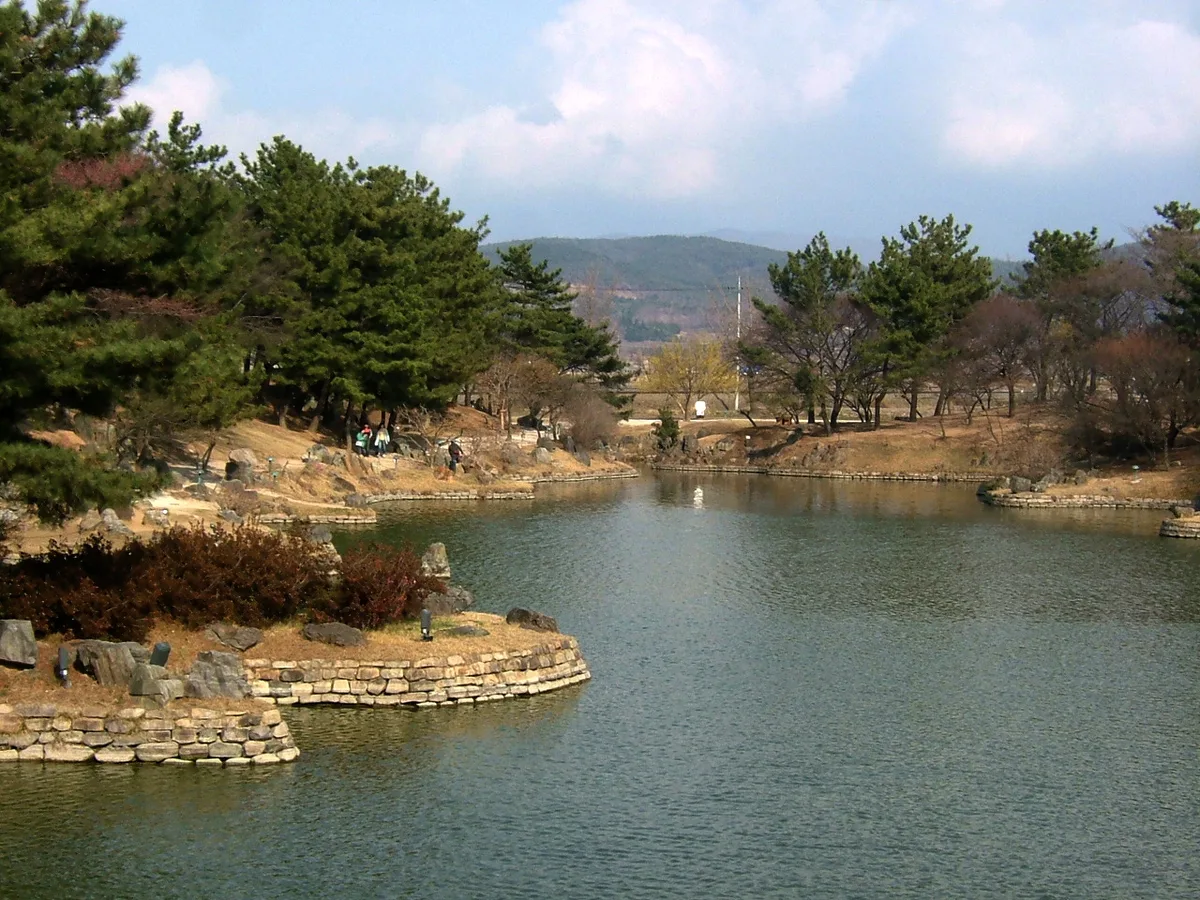
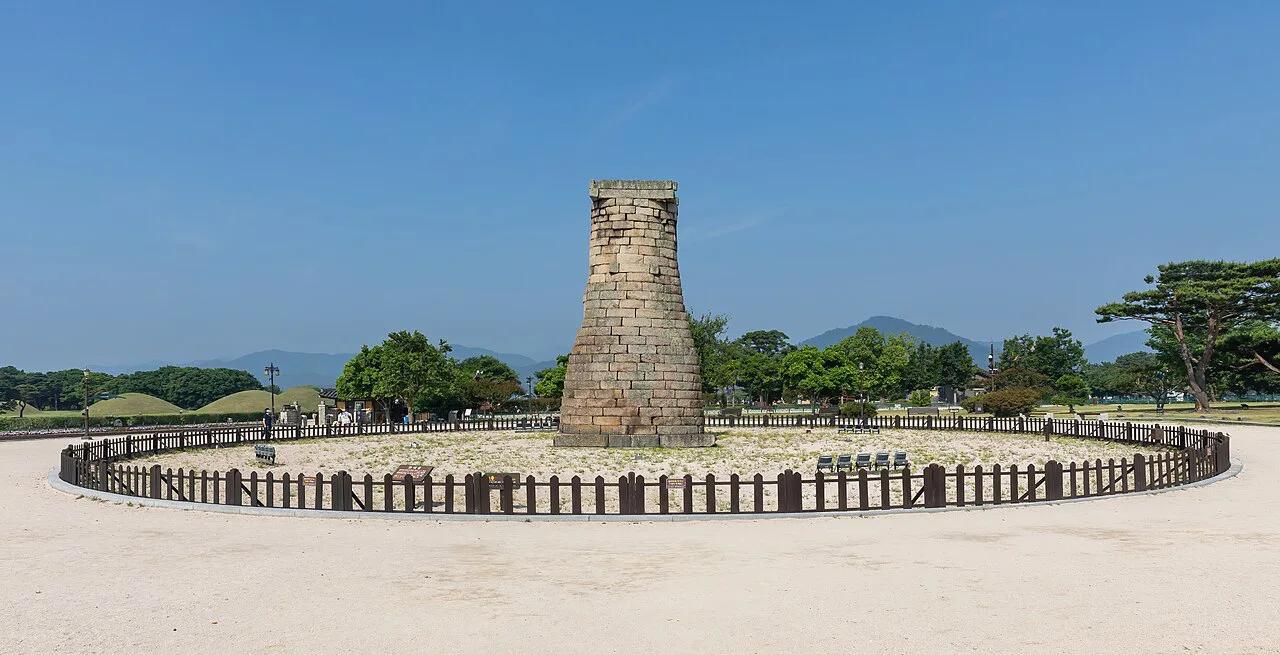
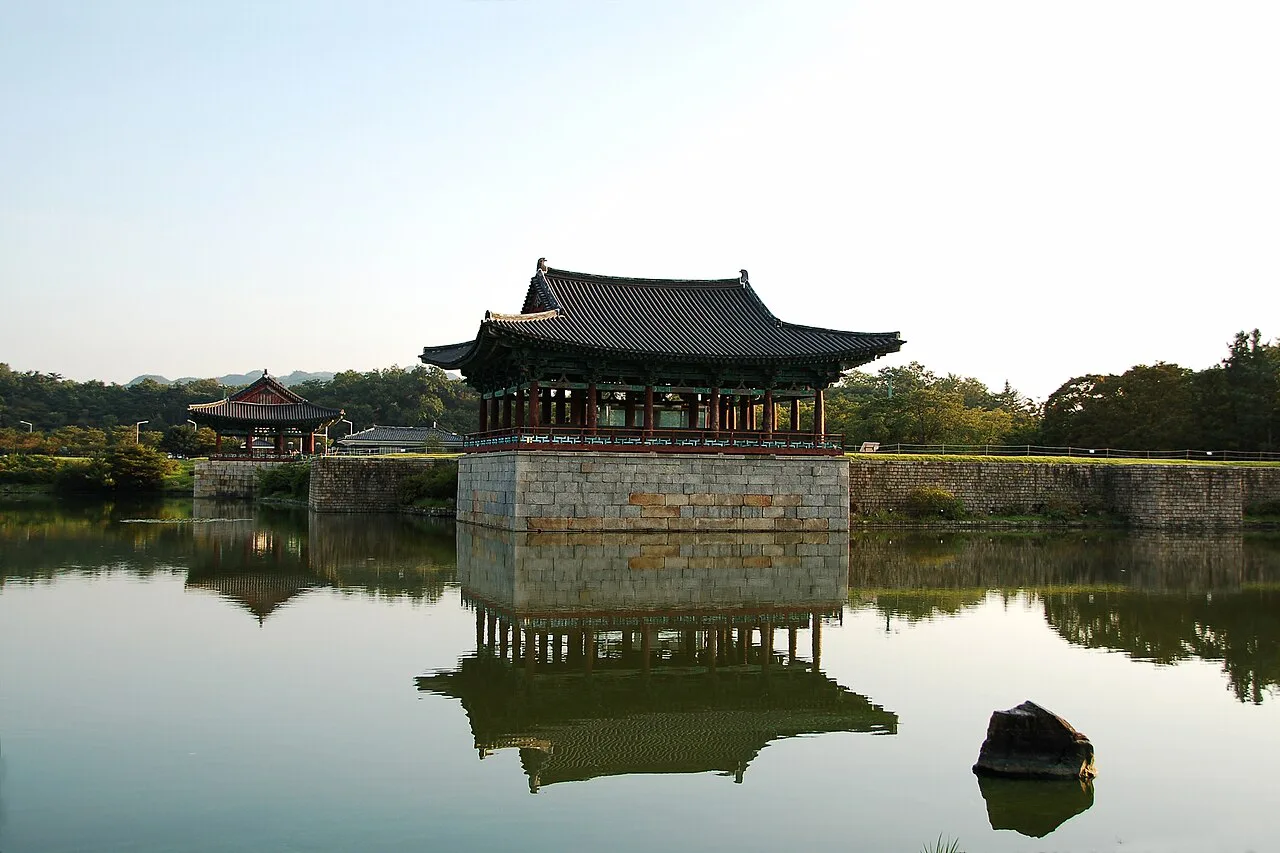
Weather changes your schedule more than your budget. Bulguksa and Seokguram have free admission, and parking is ₩2,000 at each for small and mid-size vehicles. Daereungwon costs ₩3,000 for adults and stays open until 22:00, with last admission at 21:30. Donggung Palace also runs 9:00-22:00. In summer, save those evening hours for walking and move to a museum at midday. Donggung Palace is about 20 minutes on foot from Daereungwon, Cheomseongdae and the Gyeongju National Museum, so a rain plan stays compact. Hwangnidan-gil is free to enter, though shop hours vary. Seokguram sits on a hillside, so city conditions may not match what you find at the grotto.
When to go
Photographers should aim for blossom or foliage weeks and book rooms early. Hikers do best in dry autumn, before the winter trail closures on Mount Toham. Budget travelers can choose winter or rainy-season weeks, which are quieter but give up some scenery. Festival-goers should read our Silla Culture Festival guide for timing.
Checking the live forecast
A single-day forecast is unreliable for a trip a month away. Check the Korea Meteorological Administration a few days before you travel. For seasonal events and visitor information, use Visit Korea.
Frequently Asked Questions
What is the weather like in Korea year round?
Korea has four seasons, with hot, humid summers, cold winters and milder spring and autumn. Inland Gyeongju follows that pattern. Summer brings the jangma rains, and winter is dry and cold.
What season is Korea in now?
In mid-November 2026, Gyeongju is in late autumn heading into winter. A forecast snapshot from 16 November showed highs falling from about 17°C (63°F) to about 6°C (43°F) within a week.
Notes for your Korea trip
Optional updates to our city guides.
You might also like
Continue reading
More guides you'll find useful