Gyeongju Silla Culture Festival: Dates and Planning Guide
Silla Cultural Festival in Gyeongju: what it is, when it usually runs, what to see, and how to plan lodging, timing and transit. Check dates first.
On this page
Last updated November 2026: the Gyeongju Silla Culture Festival, officially the Silla Cultural Festival (Silla Munhwaje), is an annual autumn event in central Gyeongju, usually held in October. It has run since 1962 around Bonghwangdae, Hwangseong Park and downtown. Dates and programs change every year, so use this guide to plan next autumn's trip.
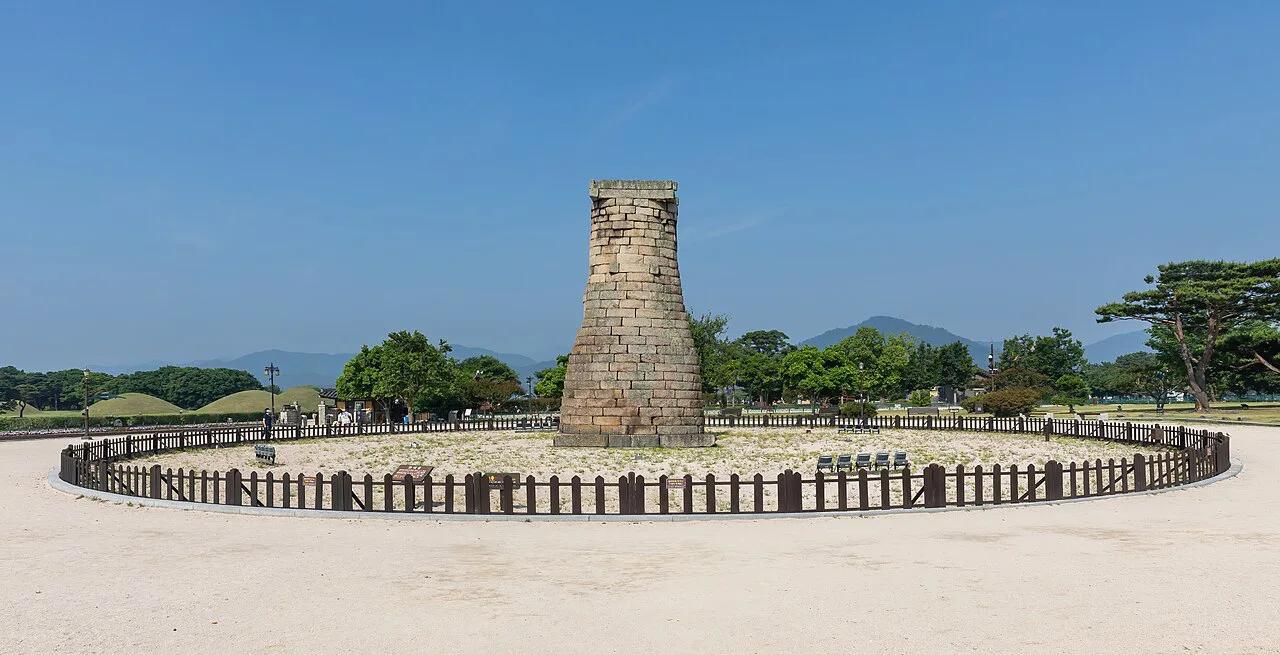
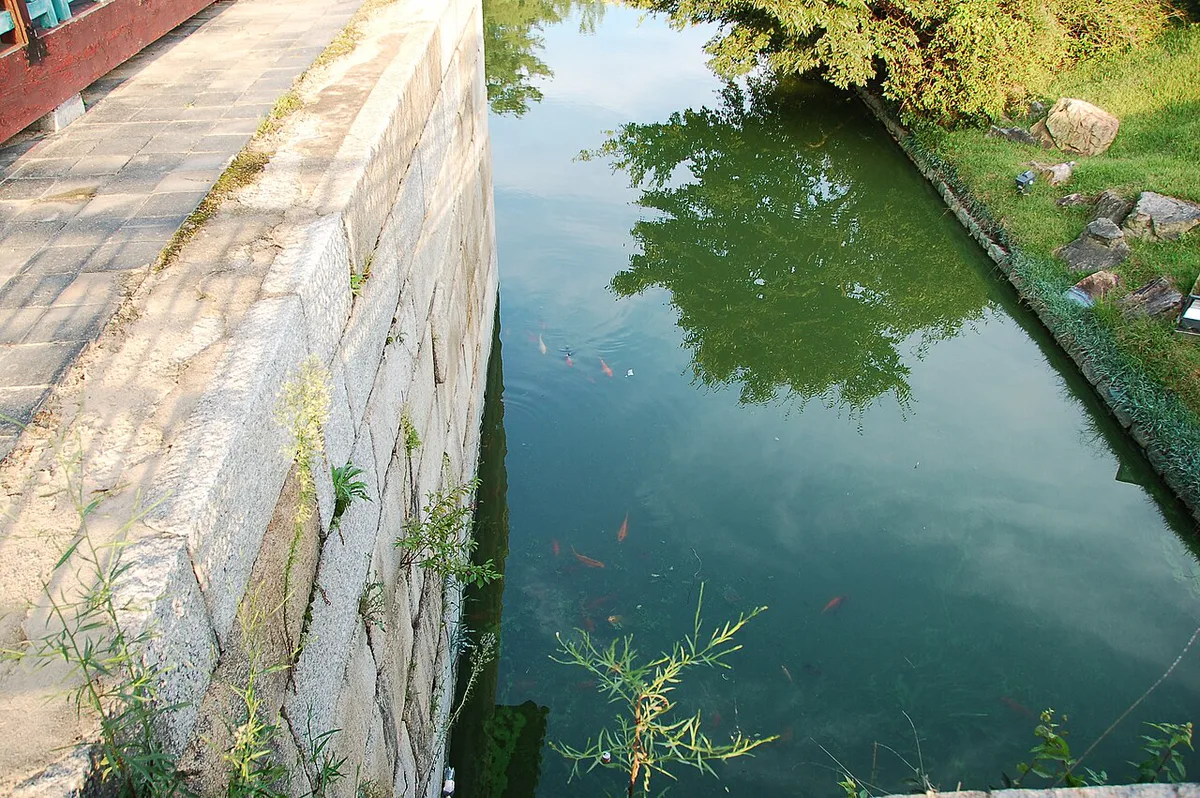
Featured image: Christophe95, CC BY-SA 4.0, via Wikimedia Commons.
Gyeongju Silla Culture Festival at a Glance
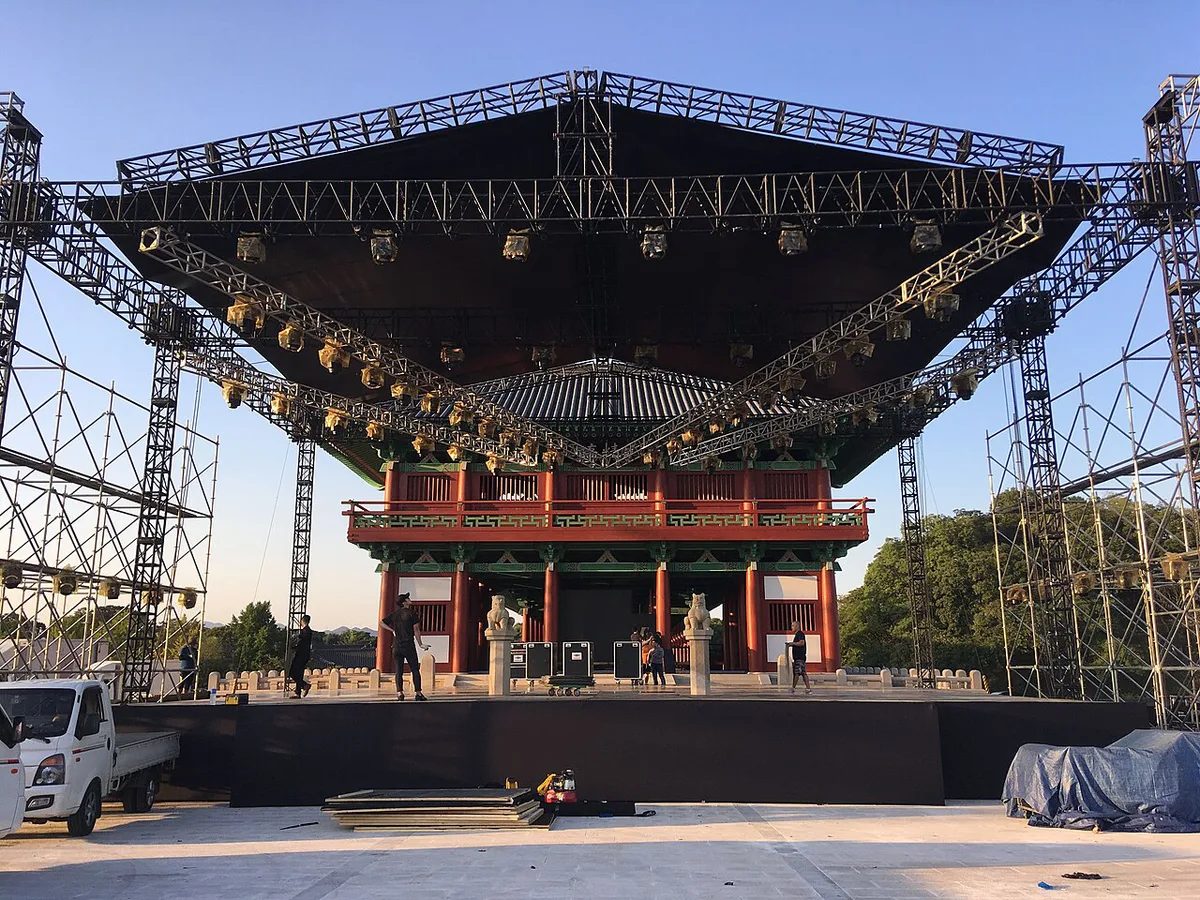
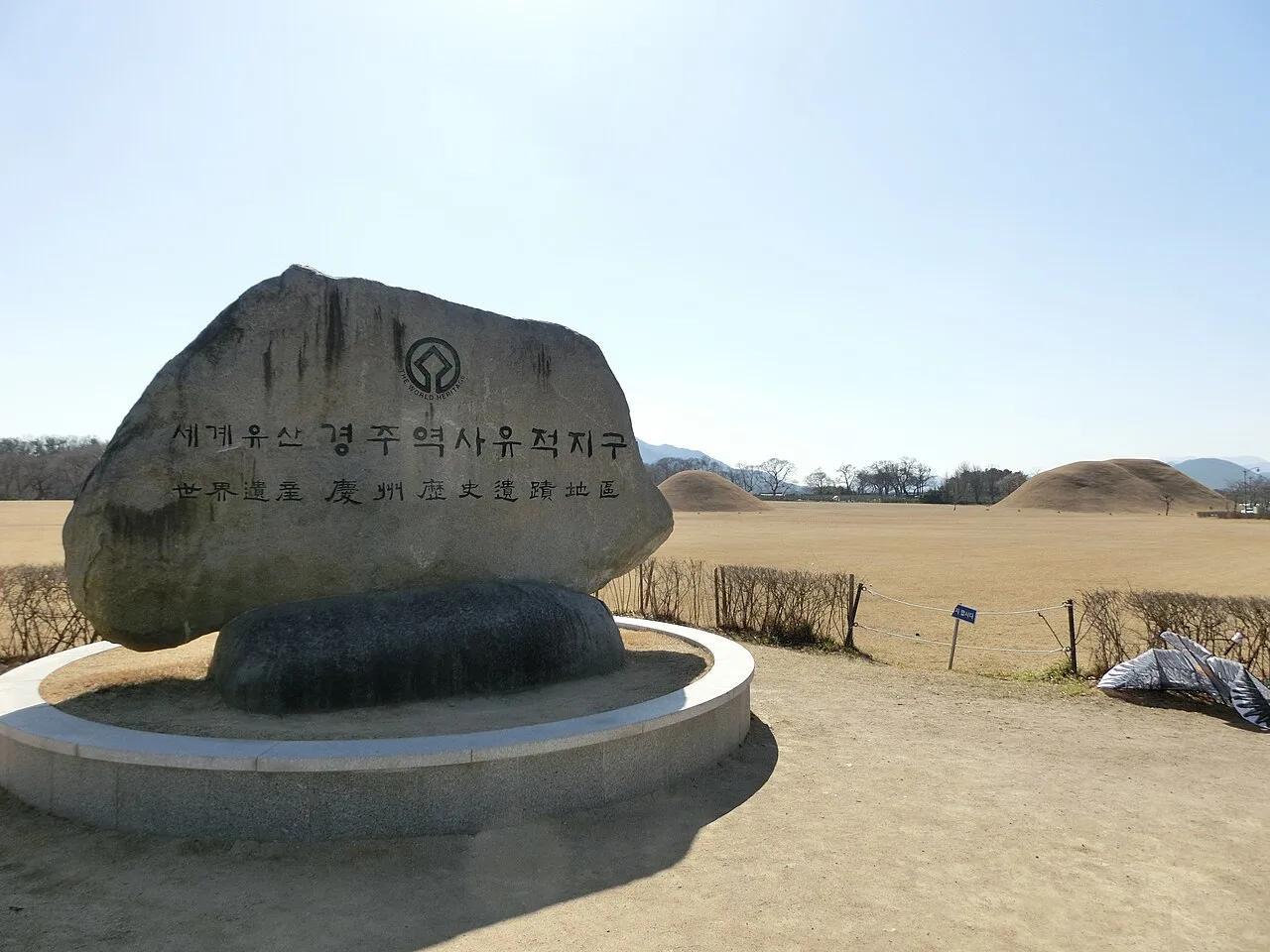
Silla Cultural Festival is the official-style name, and "Silla Culture Festival" is the common search variant. Tourism listings describe a cultural celebration held since 1962 in Gyeongju's Bonghwangdae, Hwangseong Park and downtown area. Its theme is the Silla kingdom, which ruled from Gyeongju. Recent listings place the 2025 edition around Bonghwangdae and Woljeonggyo Bridge. Those two spots are a short walk apart, which makes the core zone easy to cover on foot.
- Name: Silla Cultural Festival (Silla Munhwaje, 신라문화제)
- Running since: 1962
- Usual timing: October, with exact dates set each year
- Core zone: Bonghwangdae, Woljeonggyo Bridge, Hwangseong Park and downtown Gyeongju
- Best for: live performance, parades and night-lit heritage scenes
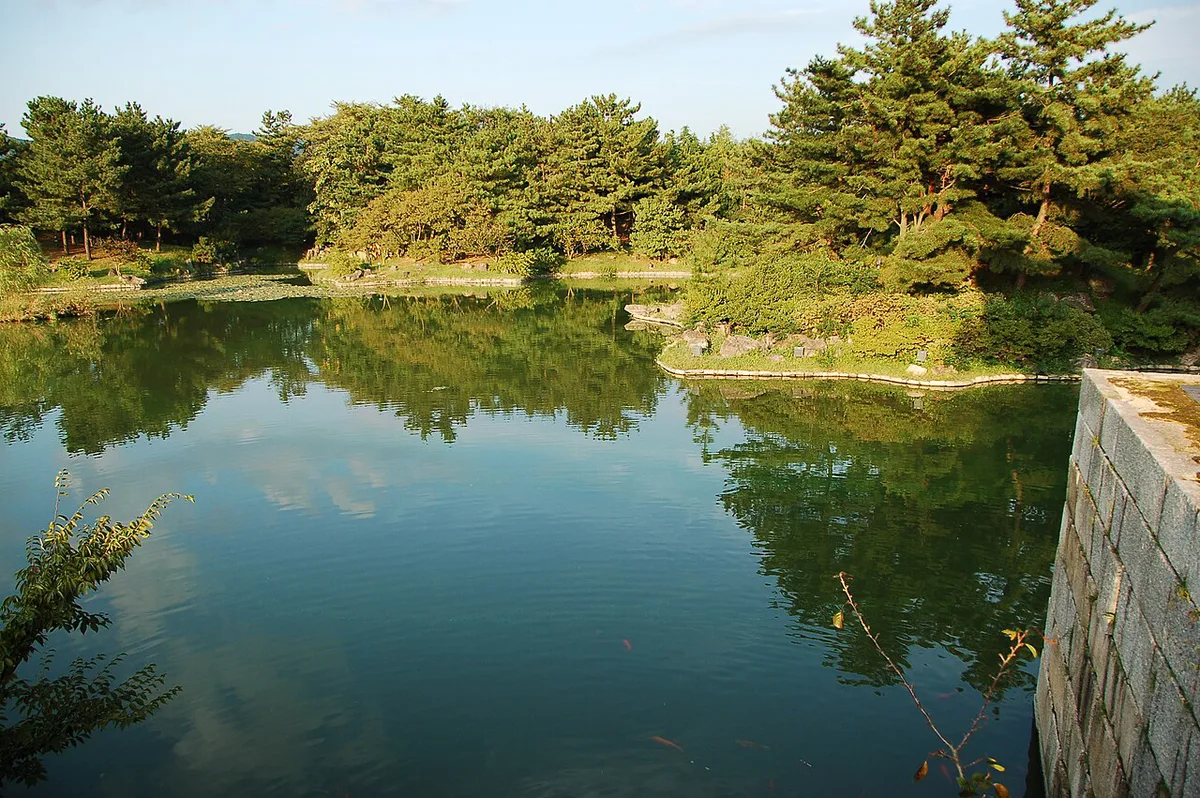
When It Happens and How to Confirm the Dates
Expect the festival in October. Listings for the 2025 edition disagreed on the days: one gave October 9–11 and another gave October 10–12 (Friday to Sunday). Treat neither as a template for a future year. Mid-November 2026 is after this year's festival, so next autumn's dates are not announced yet. Use three checks once they appear.
- Open the Gyeongju city English site and look under its Festival menu.
- Search the festival listings on Visit Korea's Gyeongju pages for the current year.
- Look for the organizer's own social posts, which usually carry the venue map and the day-by-day schedule.
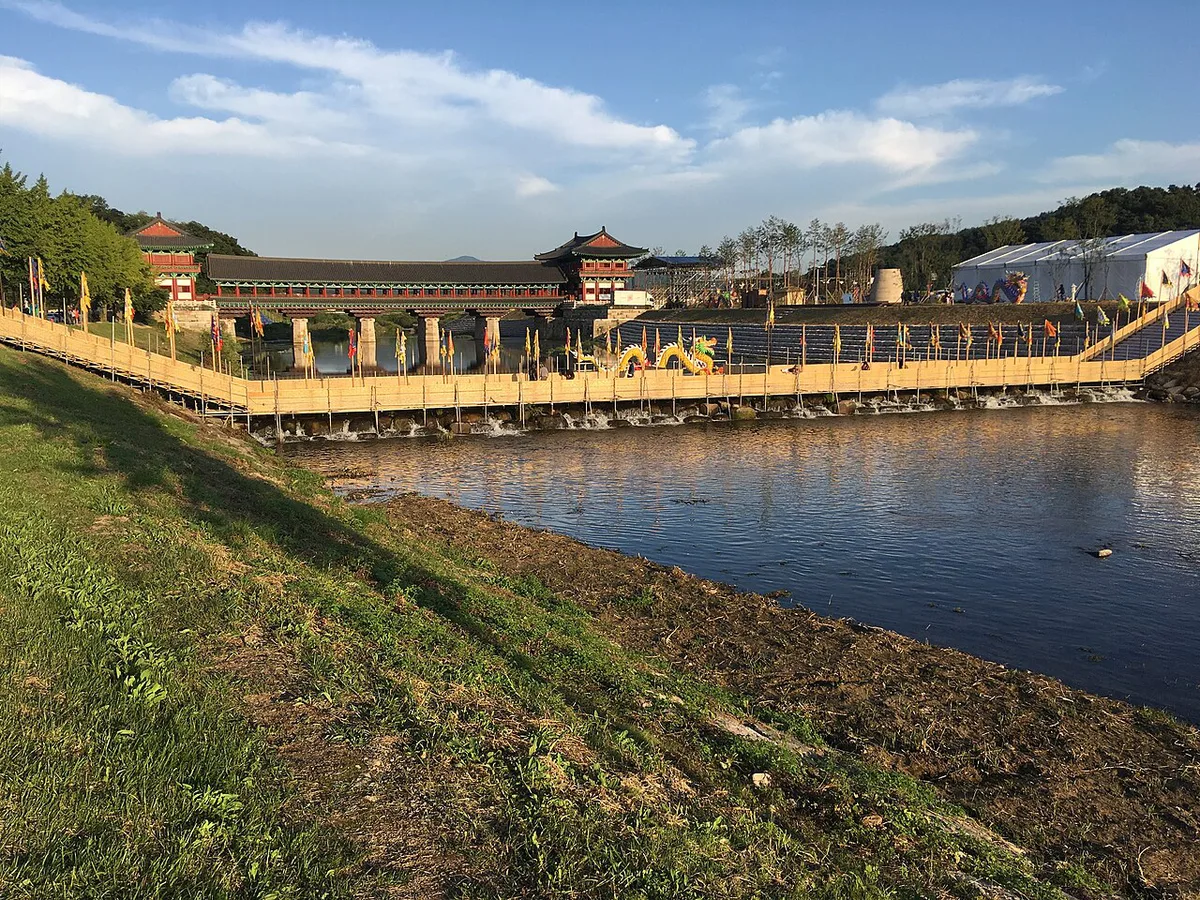
What You Can Do There
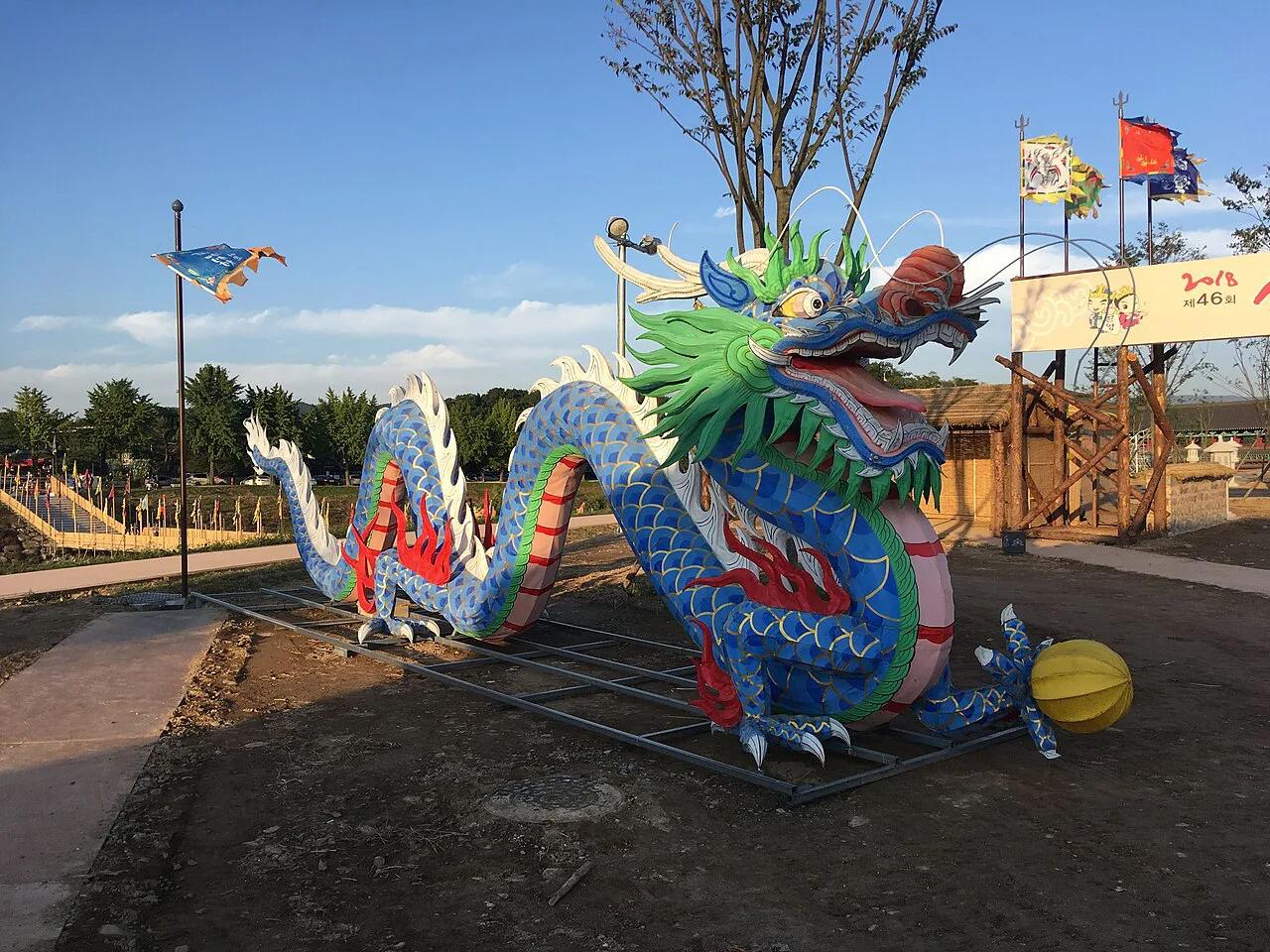
Programs change by year, but earlier editions show the range of formats. Daytime events have included a pungmul (traditional percussion) contest, sijo poetry recitation, a Silla sword competition and Hwarang Ssireum wrestling at Hwangseong Park. Evening programs have included the Syeobyol Night Feast near the Royal Tomb of King Naemul. Heritage add-ons have included the Wonhyo Art Festival at Bunhwangsa and a Silla Buddhism memorial rite at Bulguksa. Use these as examples of what to look for, not as a current schedule.
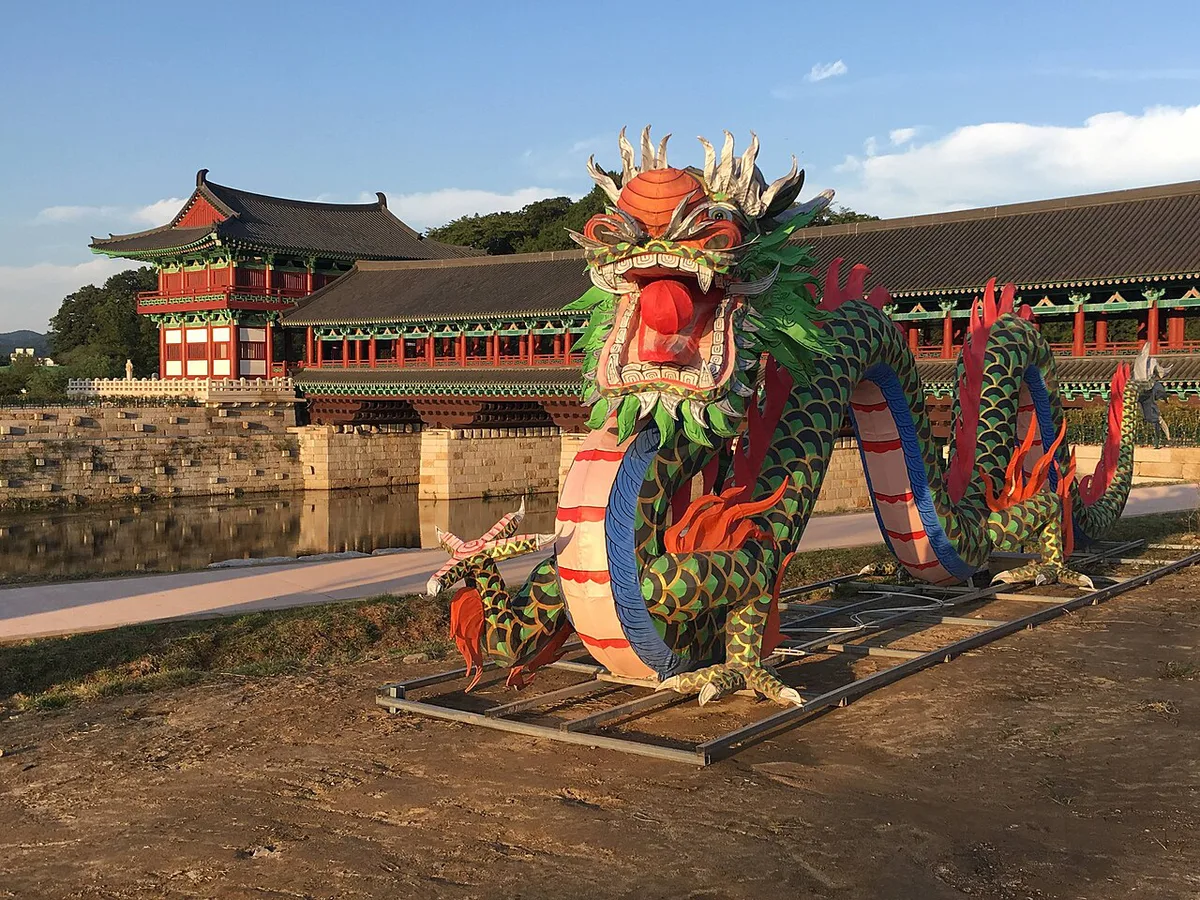
- Daytime: parades, performance contests and open-air competitions around Hwangseong Park and downtown.
- Evening: lit scenes around Bonghwangdae and Woljeonggyo Bridge, plus night programs near the royal tombs.
- Hands-on and competitive events: calligraphy, writing and art contests that often draw local participants.
- Heritage add-ons: temple events at Bunhwangsa and Bulguksa, tied to the festival week.
Silla Cultural Festival vs World Heritage Festival
Two different events can share a Gyeongju autumn, and they are easy to confuse. In 2025 the World Heritage Festival ran from September 12 to October 3, hosted by the National Heritage Administration, Gyeongsangbuk-do and Gyeongju City. It marked 30 years since Bulguksa and Seokguram were listed in 1995. Its opening parade started at Bonghwangdae and passed through Hwangnidan-gil. Check which event your dates overlap before booking.
In 2025 the World Heritage Festival ran September 12 to October 3, so its days can overlap the October Silla dates.
| Point | Silla Cultural Festival | World Heritage Festival (2025 edition) |
|---|---|---|
| Focus | Silla culture, arts, contests and rites | Gyeongju's UNESCO heritage sites as stages |
| History | Held since 1962 | 2025 was the first held in Gyeongju alone |
| Usual timing | October | September 12 to October 3 in 2025 |
| Typical venues | Bonghwangdae, Hwangseong Park, downtown | Daereungwon, Bulguksa, Seokguram, Namsan, Wolseong and more |
| Best for | Local-style performance and competitions | Special heritage experiences and night programs |
Is It Worth Planning Around?
Build a trip around it if you like live performance, parades and lit heritage scenes. It also suits anyone already visiting in October. Skip it if you want quiet temple mornings or dislike crowds. In that case, visit outside the festival window and use the regular sights. Weekends likely bring bigger programs, heavier crowds and tighter lodging. Weekdays are quieter but may offer fewer events.
- Assuming last year's dates still apply.
- Mixing up the Silla Cultural Festival and the World Heritage Festival.
- Arriving for evening programs with no plan for getting back to your lodging.
- Leaving lodging until the last week, since a small city fills up on festival weekends.
Getting Around and Where to Stay
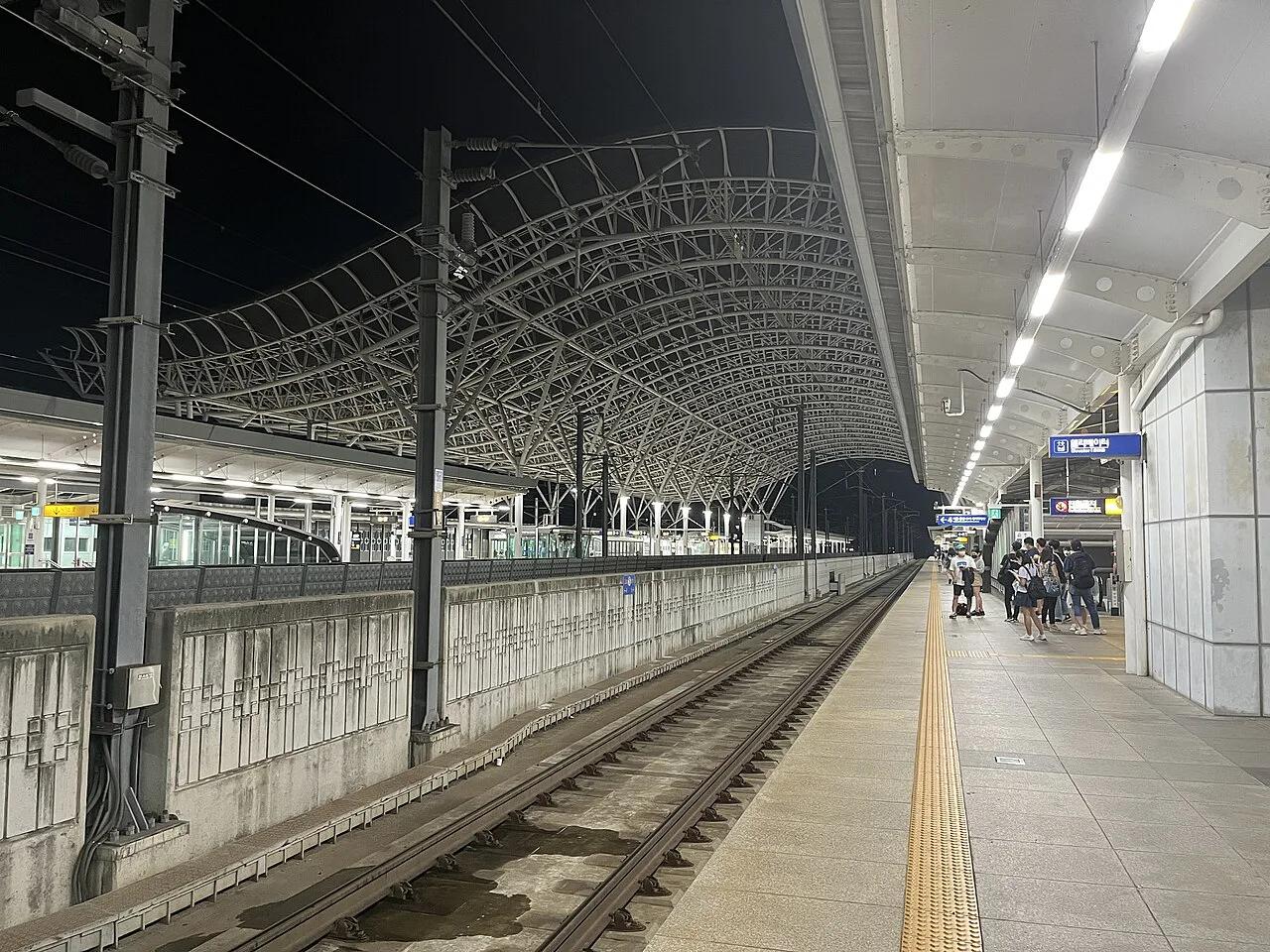
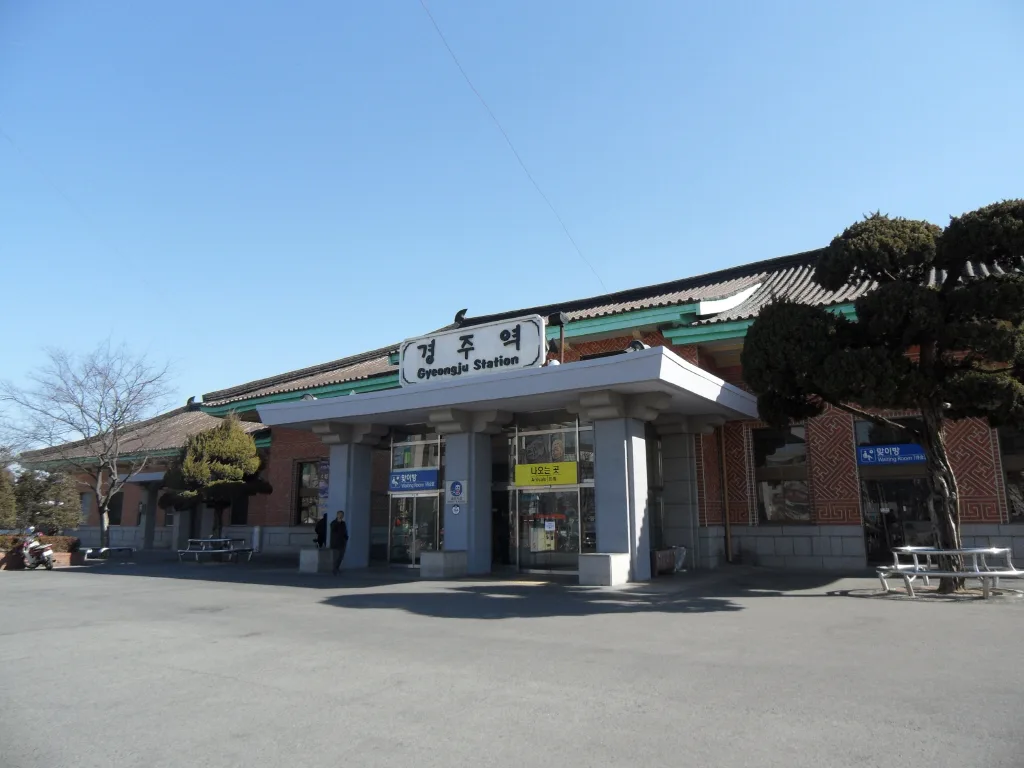
The core festival zone is walkable. Woljeonggyo Bridge is about 1 km, or 15 minutes on foot, from Gyerim on the night walking course. Donggung Palace and Wolji Pond are about 20 minutes' walk from Daereungwon, Cheomseongdae and Gyerim Forest. For Hwangseong Park, take any bus that passes it and get off at the Hwangseong Park·City Library stop. From there it is about 3 minutes on foot. City buses No. 10 and 11 run from Gyeongju Station and the bus terminal to Bulguksa. Staying near Daereungwon and Hwangnidan-gil means walking home after evening events. Staying near the station costs some walkability for easier arrival. The Bomun resort area is quieter but needs transport to the festival zone.
Hwangseong Park has no set operating hours, so plan the late-afternoon stop there, about 3 minutes on foot from the City Library stop.
Sample 1-Day Plan Around the Festival
This plan assumes a festival day with daytime performances and an evening program. Swap blocks once you see the official schedule.
- Morning: Bunhwangsa opens at 08:00 and closes at 18:00, or 17:00 in winter. Allow about 1 hour. Admission is free.
- Midday: Walk Hwangnidan-gil, which is free to enter. Store hours vary, so lunch timing is flexible.
- Afternoon: Daereungwon is open 09:00–22:00 with last admission at 21:30. Adults pay ₩3,000.
- Late afternoon: Catch daytime performances in the Hwangseong Park area, which has no set operating hours.
- Evening: Cross Woljeonggyo Bridge, open until 22:00. Then walk to Wolji Pond at Donggung Palace, open 9:00–22:00.
Costs and Tickets
Prices and hours checked November 2026. Festival entry rules are set each year, so read the official program once it is published. Many street-level events sit in free public areas. Some programs may need reservations or fees. Hwangnidan-gil, Woljeonggyo Bridge and Hwangseong Park are free. Daereungwon charges ₩3,000 for adults, ₩2,000 for teenagers and ₩1,000 for children. Bulguksa and Seokguram have had free admission since May 4, 2023. Parking at each costs ₩2,000 for cars. Spring visitors can see the same tomb park in bloom, as described in our Gyeongju cherry blossom guide. If your dates fall outside autumn, see Gyeongju in Winter: Itinerary, Night Sights & Tips for the off-season picture.
See our Gyeongju tourism attractions guide for the broader city overview.
Notes for your Korea trip
Optional updates to our city guides.
You might also like
Continue reading
More guides you'll find useful